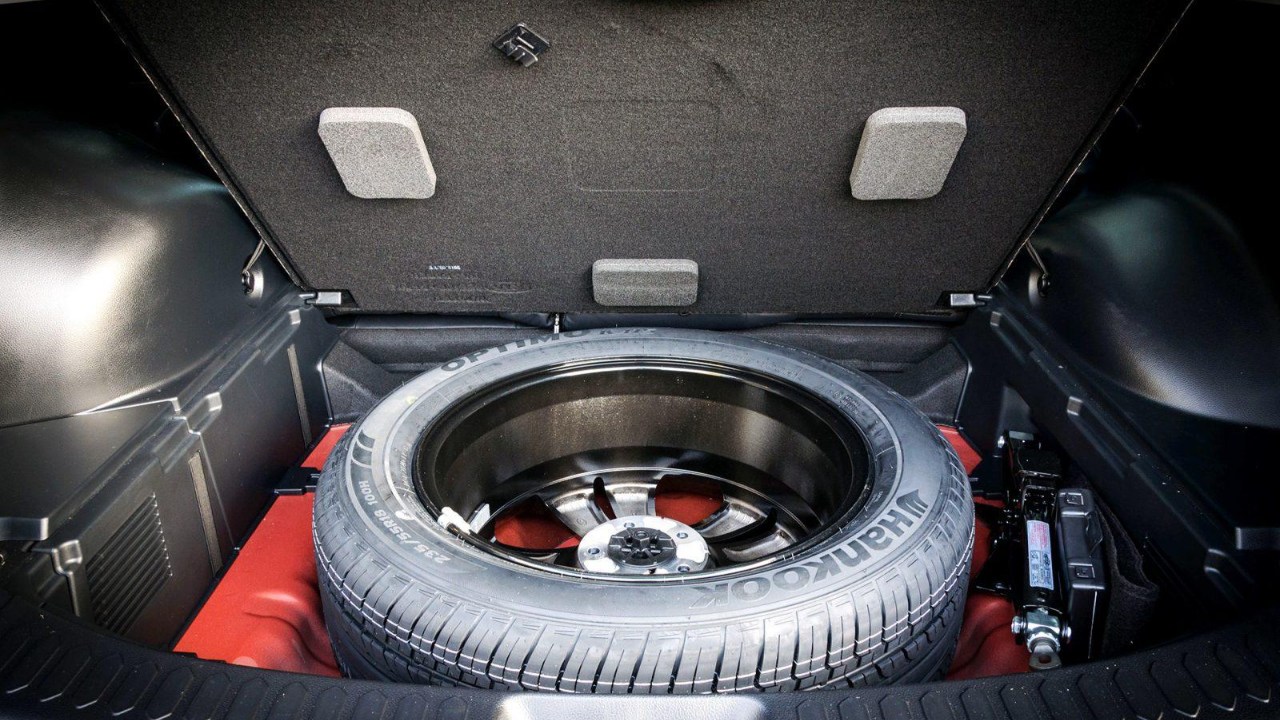
A spare tire is easy to forget because most drivers rarely need it. It can sit beneath a cargo floor, inside a side compartment, or attached underneath a vehicle for years without being touched.
The problem starts when a flat tire finally happens, and the spare turns out to be underinflated, damaged, incompatible, or intended only for temporary use. Spare tires are not all designed to work like the four tires already on the vehicle.
Their speed limits, inflation pressures, installation requirements, and driving restrictions can differ substantially. Understanding those details before a roadside emergency can prevent additional damage and make a stressful tire failure considerably safer to manage.
1. The Spare Tire Has Its Own Speed Limit
One of the easiest spare-tire rules to overlook is the speed restriction printed on the tire itself. A compact temporary spare is not simply a smaller version of the vehicle’s normal tire. It is engineered for temporary use and typically has different handling, braking, traction, and durability characteristics.
Many temporary spare tires in the U.S. carry a maximum speed designation of 50 mph. That limit is commonly shown directly on the temporary spare’s sidewall or in the vehicle owner’s manual. The exact requirement depends on the vehicle and tire, so drivers should not assume that every spare has identical specifications.
The reason for the restriction is straightforward. A compact spare can have a different construction, diameter, tread design, and load capability from the vehicle’s standard tires. It may also be inflated to a substantially higher pressure. These differences can affect how the vehicle responds during cornering, braking, and sudden maneuvers.
Tire manufacturers and automakers therefore treat temporary spares as emergency equipment rather than replacements for normal tires. Once installed, the goal should be reaching an appropriate tire shop or repair location, not continuing a normal highway trip.
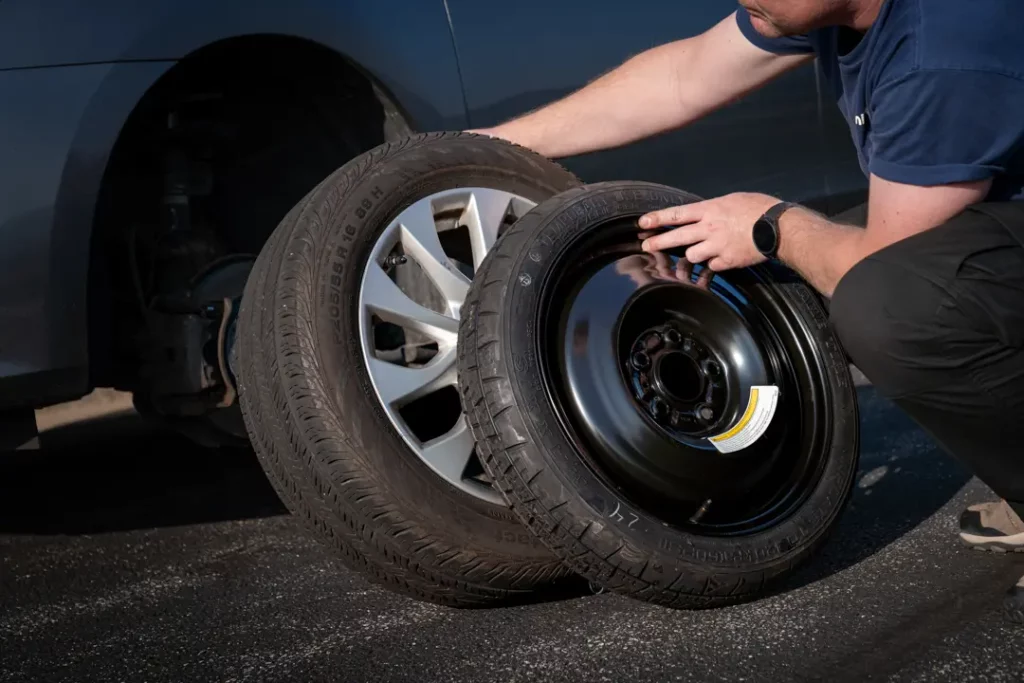
Drivers should check the spare before an emergency and look for the maximum speed marking. If the owner’s manual gives more restrictive instructions, follow the vehicle manufacturer’s requirements.
A 50 mph limit is not a suggestion to drive at 65 mph just because traffic is moving faster. Exceeding the temporary spare’s specified speed can increase heat generation and place additional stress on a tire that was never designed for extended high-speed operation.
2. A Compact Spare Usually Is Not Meant for Long-Distance Driving
Finding a spare tire in the trunk can lead to a dangerous assumption that if it fits the wheel hub, it is suitable for long-term use. Most compact temporary spares are designed only as a short-term solution until the regular tire can be repaired or replaced.
A temporary spare is designed to provide mobility after a conventional tire becomes unusable. Its purpose is generally to get the vehicle to a location where the damaged tire can be repaired or replaced. It is not intended to become a permanent substitute for a full-size road tire.
The owner’s manual is the best source for the vehicle-specific distance restriction because manufacturers do not all specify the same maximum distance. Some vehicles provide a stated maximum distance, while others emphasize reaching a repair facility as soon as possible and observing the spare’s speed restriction.
There is a practical reason for this limitation. A temporary spare may have a different diameter or tread width than the other tires, which can change the vehicle’s handling. On some vehicles, that difference can also affect systems that rely on wheel-speed information, such as ABS or traction control.
A smaller tire can also change the behavior of the differential because the wheels are rotating at different speeds.
Four-wheel-drive and all-wheel-drive vehicles deserve particular attention. Some manufacturers impose additional restrictions on using a temporary spare because significant differences in tire circumference can place stress on the drivetrain or interfere with system operation. The correct procedure varies by vehicle.
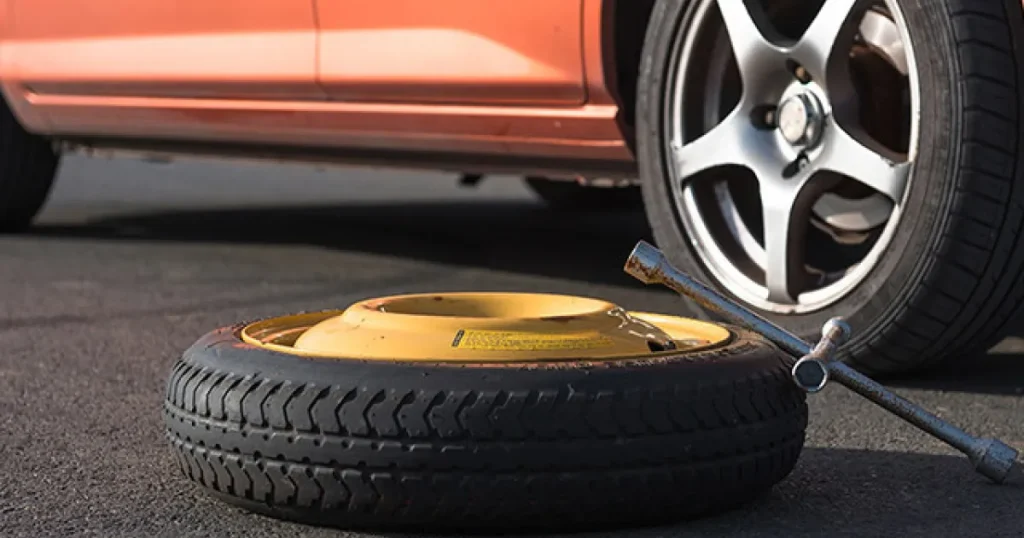
The smartest response to a flat is therefore not, “The spare fits, so I can keep driving.” Check the instructions printed on the spare and in the owner’s manual. Treat the temporary tire as a short-term mobility solution and arrange a proper tire repair or replacement promptly.
The farther you drive on an emergency spare, the longer you are operating a vehicle with handling characteristics different from those for which it was designed.
3. Check the Spare Tire’s Pressure Before You Need It
A spare tire can look perfectly healthy while being completely useless when a puncture happens. One of the most commonly neglected checks is inflation pressure. Unlike a regular road tire, a compact temporary spare can require a much higher pressure, so assuming it should match the four tires on the vehicle can be a serious mistake.
NHTSA recommends checking the pressure of all tires, including the spare, at least once a month when they are cold. The agency also explains that the correct vehicle inflation pressure should come from the vehicle’s tire-information label or owner’s manual, rather than simply using the pressure molded into a tire’s sidewall.
Temporary spares can have surprisingly high recommended pressures. For example, tire safety information filed with NHTSA describes a “T” type high-pressure temporary spare requiring 60 psi in certain applications. The same guidance warns that these smaller tires can gain pressure rapidly while being inflated because they contain less air volume.
That makes a pressure gauge worth keeping in the vehicle. Do not wait for a flat tire to discover that the spare has been sitting for years without inspection. Tires naturally lose air over time, even when they have never been driven.
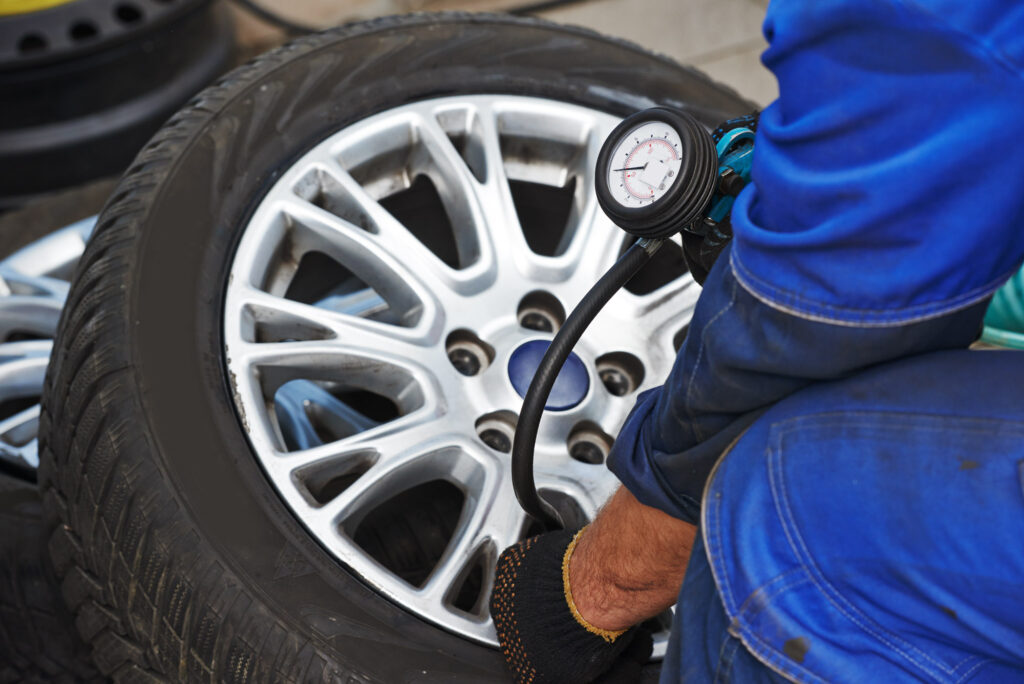
A good maintenance routine is simple. Once a month, inspect the spare and check its cold pressure. If the vehicle has a dedicated spare-pressure specification, use that number rather than copying the pressure from the normal tires.
A spare with inadequate pressure may have reduced load-carrying capability and can generate additional heat when driven. Tire Industry Association guidance explains that insufficient inflation increases sidewall flexing and heat buildup, conditions associated with tire failure.
4. Do Not Assume the Spare Fits Every Position on the Vehicle
A spare tire that physically bolts onto a vehicle is not automatically suitable for every wheel position. Temporary-use spares are engineered for particular applications, and their smaller dimensions, construction, and handling characteristics can affect the vehicle differently depending on where they are installed.
The owner’s manual should therefore be consulted before moving a temporary spare from one axle to another. The correct position can vary by vehicle, drivetrain, brake configuration, tire size, and manufacturer instructions.
This becomes particularly important on vehicles with different front and rear tire specifications. Some vehicles are designed with different tire sizes between the axles, while others use the same size at all four corners. A temporary spare may have restrictions that are not obvious just by looking at the wheel.
There is also a major distinction between a compact temporary spare and a full-size spare. A full-size spare that matches the vehicle’s required tire size, load rating, and type may be treated differently.
Certain manufacturer instructions allow a matching full-size spare to be incorporated into normal tire rotation, while temporary-use tires are specifically excluded from rotation.
The problem gets more complicated with all-wheel-drive and four-wheel-drive vehicles. Differences in tire circumference can affect drivetrain operation, and manufacturers may provide specific restrictions on temporary spare use. There is no universal rule that works for every AWD vehicle.
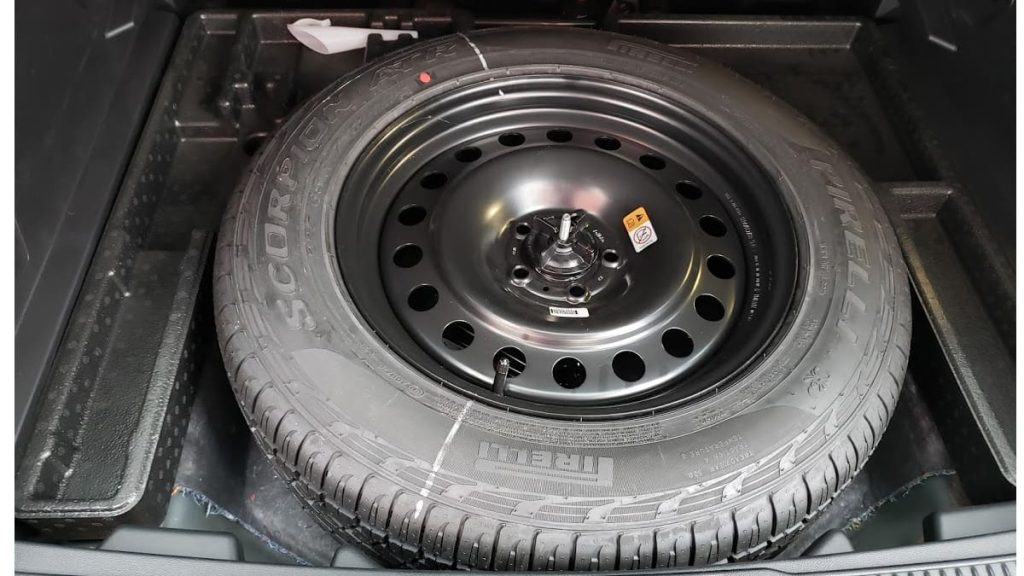
Drivers should also avoid assuming that a temporary spare can be installed on an unrelated vehicle simply because the bolt pattern appears to match. Tire and wheel specifications involve more than the number and spacing of lug holes.
The safe approach is to use the spare only in the application specified by the vehicle manufacturer. If the manual provides a required axle position, follow it. If it gives additional restrictions for AWD, traction control, or drivetrain operation, those instructions take priority.
5. Never Replace a Temporary Spare With a Random Used Tire
When a flat tire occurs, drivers often focus on finding a tire that fits the wheel. That can lead to a costly mistake, since physical fit does not necessarily mean the tire is suitable for the vehicle. The correct spare should match the specifications and limitations recommended for that vehicle.
A temporary spare has specific requirements for size, construction, load capacity, inflation pressure, and speed capability. A random used tire may have a different specification even if its diameter looks similar.
Tire sidewall markings provide important information about the tire’s intended application, while the vehicle’s tire-information label and owner’s manual identify the specifications approved for that vehicle.
NHTSA recommends using the tire size recommended by the vehicle manufacturer and maintaining the specified inflation pressure.
There is also a difference between a tire that fits the wheel and a tire that is suitable for the vehicle. Brake-clearance requirements, load rating, wheel dimensions, and tire diameter all matter. A tire that mounts successfully can still be an inappropriate replacement.
Used tires come with another concern because their history may be difficult to verify. NHTSA advises consumers to inspect them carefully and avoid using tires that are worn, damaged, or otherwise considered unsafe.
Tire age is also worth considering. NHTSA recommends replacing tires that are 6 to 10 years old, depending on the manufacturer’s recommendations, because aging can increase the risk of tire failure.
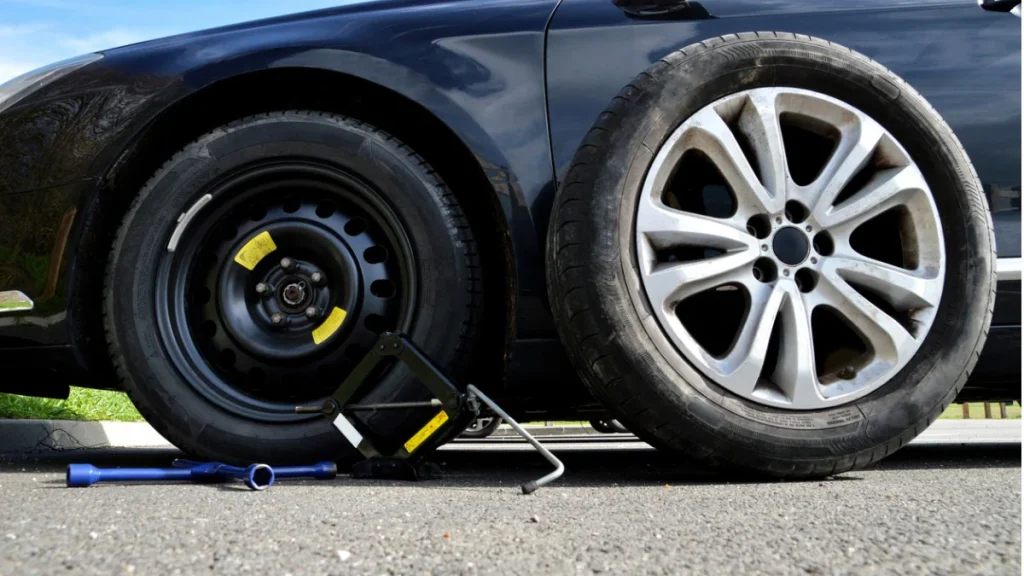
For a temporary emergency, the safest solution is to use the spare supplied or specified for the vehicle. If that spare is missing, damaged, or unusable, get the correct replacement rather than improvising.
A wheel that bolts on is only the beginning. The tire must also have the correct specifications for the vehicle and the intended position.
6. The Spare Tire Needs Inspection Even If It Has Never Been Driven
The fact that a spare tire has spent its entire life under the cargo floor does not mean it is automatically safe. In fact, its lack of use can make it easy to forget completely.
Tires age with time as well as mileage. Exposure to temperature changes, humidity, ozone, and storage conditions can affect rubber and tire components even when the tire has accumulated virtually no road miles. NHTSA specifically warns that tire aging can contribute to tire failure and recommends consumers inspect tires regularly.
The spare should therefore be included in routine vehicle inspections. Look for obvious cracking, cuts, bulges, punctures, or other physical damage. Check the tread and inspect the sidewall. If the spare is stored beneath the vehicle, examine the exposed surfaces carefully because its location can subject it to road grime and environmental conditions.
Age is another detail worth recording. The Department of Transportation tire identification number includes information that allows the tire’s production date to be identified.
NHTSA explains that the final four digits represent the week and year in which the tire was manufactured. For example, a code ending in 3624 indicates production during the 36th week of 2024.
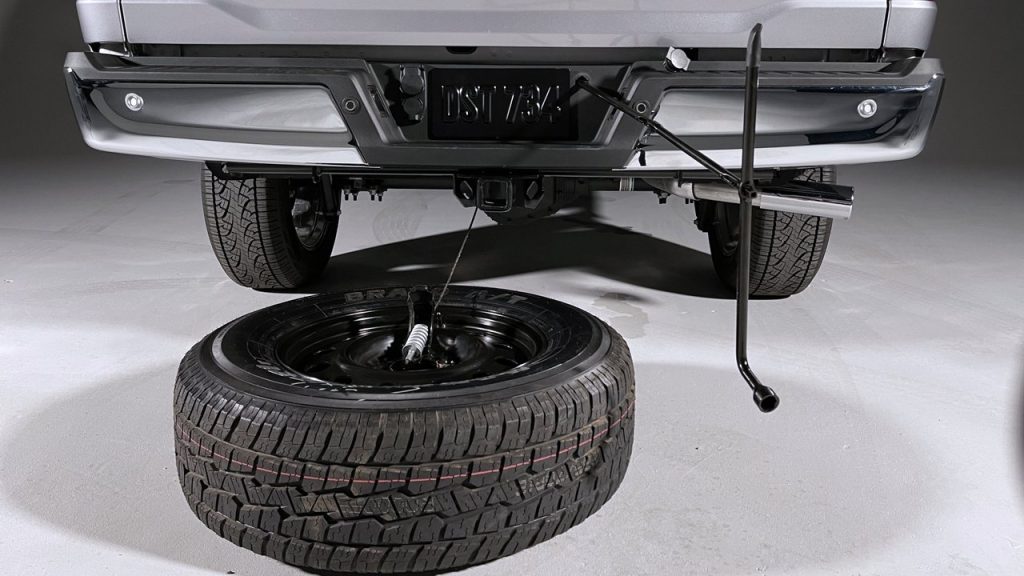
That information can be useful when evaluating an older spare. A tire that has never touched pavement may still be too old to trust, depending on its condition and the manufacturer’s recommendations.
Do not wait until a nighttime roadside breakdown to discover that the spare has a cracked sidewall or has lost most of its air.
A spare tire is emergency equipment. Like a fire extinguisher or jack, it only helps when it is ready to work. Giving it a few minutes of attention during routine maintenance can prevent a surprisingly frustrating roadside situation.
7. Do Not Ignore the Spare’s Lug-Nut Torque Requirement
Changing a tire is not finished when the spare is mounted and the lug nuts are tightened by hand. The wheel fasteners need to be tightened to the vehicle manufacturer’s specified torque, and that specification can differ substantially between vehicles.
A common mistake is using an impact wrench or tire iron until the lug nuts “feel tight.” That does not provide a reliable measurement. Excessive torque can make future removal difficult and can potentially damage wheel studs, fasteners, or wheel components. Insufficient torque can allow fasteners to loosen during operation.
The correct specification is found in the vehicle owner’s manual or manufacturer service information.
NHTSA emphasizes the importance of proper wheel installation and warns that improperly installed wheels can create serious safety risks. Vehicle manufacturers establish specific wheel-fastener procedures because wheel and hub designs differ between vehicles.
A torque wrench is therefore one of the most useful tools to keep available if you regularly change your own tires. After the wheel is installed and the vehicle is safely lowered enough to prevent rotation, tighten the fasteners in the manufacturer’s specified sequence and to the specified torque.
The sequence can matter because it helps the wheel seat evenly against the hub. Many manufacturers use a crisscross or star pattern, although the exact instructions should come from the vehicle maker.
Another detail drivers can easily overlook is the wheel hardware. Some vehicles use different fasteners depending on the wheel design, so the spare may require different lug nuts or bolts from the regular wheels. Always verify that the spare uses the correct hardware rather than assuming the existing fasteners will work.
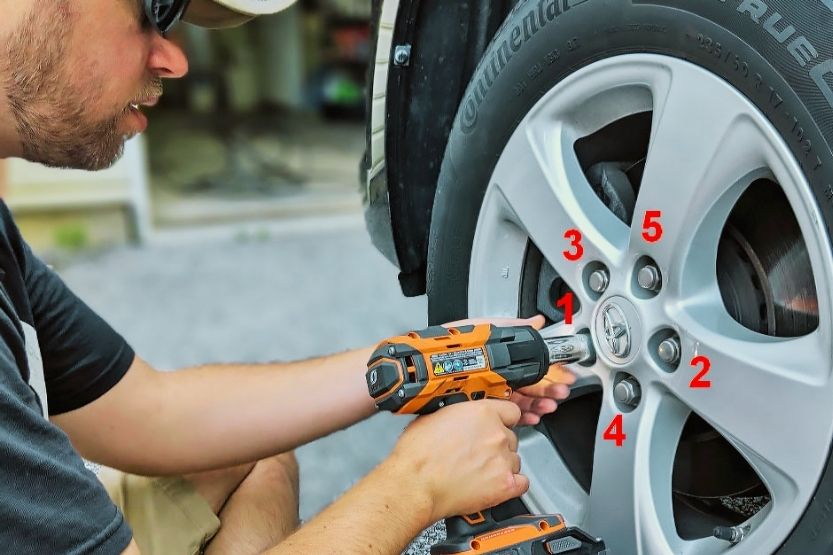
After installation, follow the owner’s manual instructions concerning rechecking the wheel fasteners. If the vehicle manufacturer specifies a particular inspection procedure after driving, follow it.
A spare tire can solve the puncture itself, but improper wheel installation can create a separate problem. Taking an extra minute to use the correct torque specification is far safer than relying on guesswork.
8. Do Not Forget to Check the Jack and Lug Wrench With the Spare
A spare tire is useless if you cannot safely remove the damaged wheel and install it. Yet many drivers inspect the tire while completely forgetting the equipment required to change it.
The jack and lug wrench can spend years hidden beneath a cargo floor without being touched. Storage hardware can loosen, tools can become damaged, and components can even be missing after previous repairs or vehicle ownership changes.
The vehicle’s owner’s manual should identify the proper jacking points and equipment. NHTSA advises drivers to follow the vehicle manufacturer’s instructions and use appropriate equipment when dealing with tires and wheels.
A particularly important rule is never to improvise a jacking location simply because it appears strong. Modern vehicles have designated lifting points, and placing a jack underneath an unsuitable component can damage the vehicle or cause instability.
The jack’s capacity also matters. It must be appropriate for the vehicle. Never assume that a random replacement jack found in a garage is suitable simply because it physically reaches the vehicle’s underside.
Before a roadside emergency, take the spare out and locate the jack, lug wrench, and any adapters required for the wheel fasteners. Some vehicles use locking lug nuts, which means a special key must also be present.
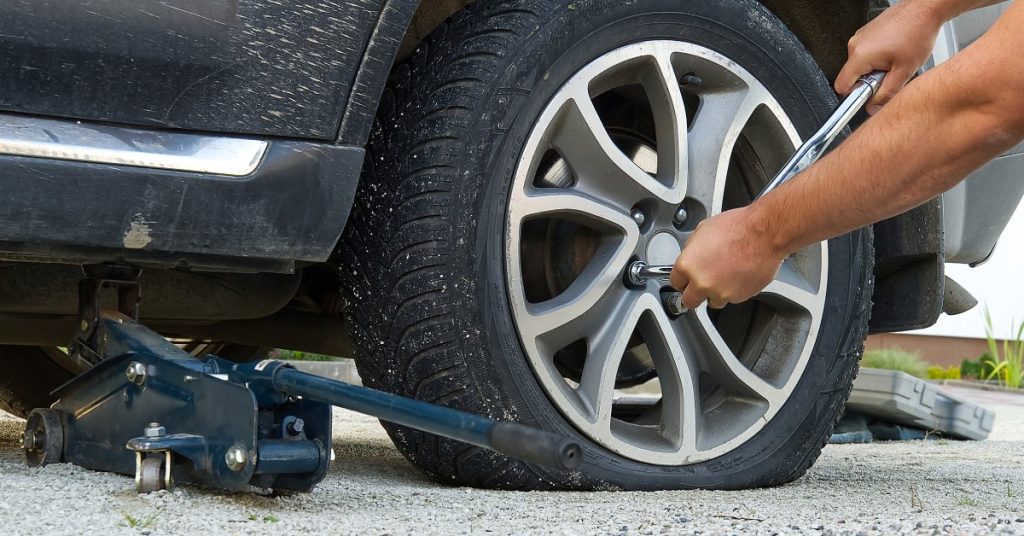
Drivers should know where the equipment is stored, too. Cargo-area panels and floor compartments can conceal several pieces separately. On some vehicles, the jack may be secured in one location while the wrench or wheel-lock key is stored somewhere else.
This five-minute inspection can reveal a major problem before it becomes an emergency. The spare is only one part of the roadside tire-change system. The tire, jack, wrench, wheel-lock key, and correct lifting instructions all need to be available together.
9. A Spare Tire Does Not Replace a Tire Pressure Monitoring System Check
Installing a spare can also affect the tire-pressure monitoring system. The TPMS may not immediately recognize the replacement wheel or its sensor, depending on the vehicle and type of spare being used. Drivers should check the owner’s manual for the proper procedure and any system limitations.
Federal law requires applicable passenger vehicles, light trucks, and buses with a gross vehicle weight rating of 10,000 pounds or less to have TPMS, which warns when tires are significantly underinflated.
A temporary spare may not have a TPMS sensor, causing the warning light to appear. Some vehicles may also require a sensor relearn procedure after the original wheel is reinstalled. The owner’s manual should explain the correct procedure.
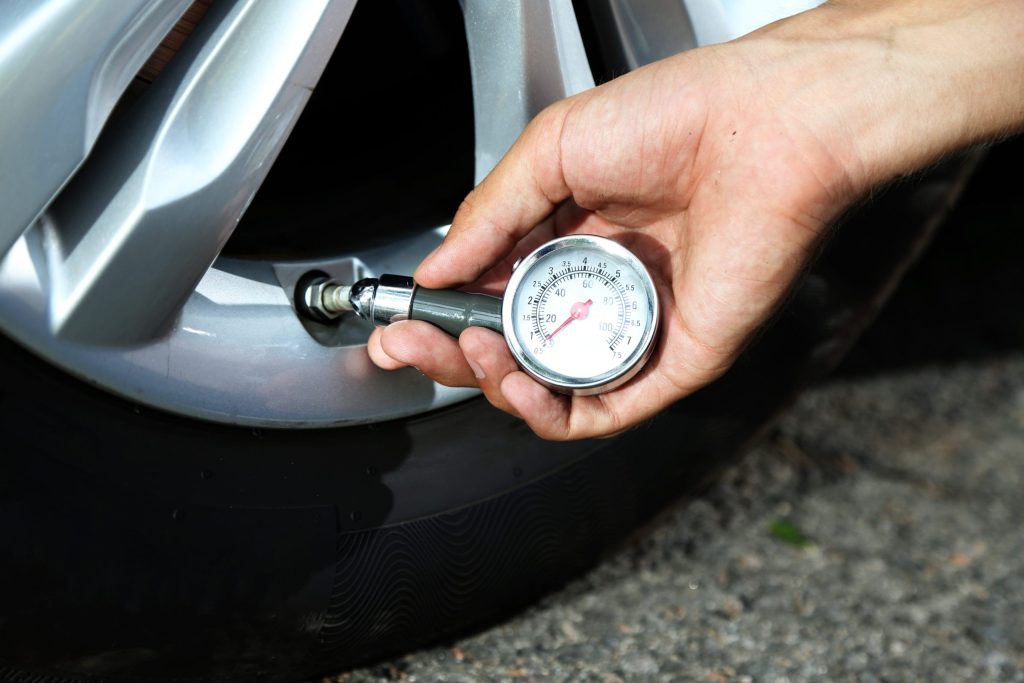
A TPMS warning after installing a spare does not necessarily mean the spare is defective. However, even a spare with a sensor should not be trusted without manually checking its pressure. TPMS is a monitoring aid, not a substitute for inspection.
After repairing or replacing the damaged tire, check all four road tires and the spare, then complete any required TPMS relearn procedure. The dashboard warning only indicates the monitoring system’s status. It does not confirm that the spare has correct pressure or is suitable for extended driving.
10. Never Treat a Temporary Spare Like a Normal Replacement Tire
The most important spare-tire rule is also one of the easiest to overlook. A compact temporary spare is designed for emergency use, not as a fifth regular tire for everyday driving.
Its smaller size, specialized construction, restricted speed rating, and temporary-use design can change steering, braking, cornering, and traction. Drivers should follow the vehicle owner’s manual and the spare’s sidewall for specific speed, distance, and inflation limits. NHTSA also recommends following the vehicle manufacturer’s specified tire size and maintaining proper inflation pressure.
The temptation to keep driving is understandable when the vehicle seems to handle normally after a puncture. However, a temporary spare should not become a long-term replacement. If it carries a 50-mph speed limit, drivers must remain below it while also following any distance restrictions.
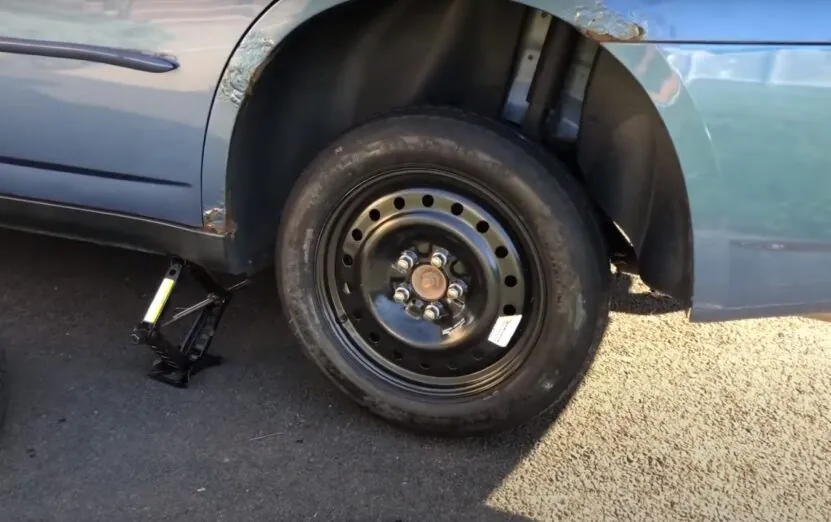
Heavy loads should also be avoided unless specifically permitted by the manufacturer because the spare has a defined load capacity and can further affect handling.
Once the damaged tire is repaired or replaced, the vehicle should be returned to its specified tire configuration as soon as reasonably possible. The spare is designed to get drivers through an emergency, not replace a normal tire permanently.