

Modern cars are packed with computers that control everything from engine operation to braking, steering, airbags, and driver-assistance systems. A basic code reader can reveal a fault, but some repairs require much deeper access to the vehicle’s electronic architecture.
Factory-level scan tools can communicate with manufacturer-specific modules, perform bidirectional tests, program replacement controllers, reset security systems, and complete calibration procedures that generic equipment may not support.
That does not mean every dealership-only repair truly needs factory equipment. The requirement depends on the vehicle, model year, module, and procedure. Here are ten repair situations where OEM-level diagnostic equipment can become essential for completing the job correctly.
1. Replacing and Programming an Engine Control Module
Replacing an engine control module is very different from simply installing a new computer. The replacement module may need manufacturer-specific software, calibration data, vehicle configuration information, and security authorization before the engine can operate correctly.
Factory diagnostic systems are designed to communicate with the vehicle’s modules and perform these procedures according to the manufacturer’s service information. Toyota, for example, provides Techstream for factory-level diagnostics and ECU reprogramming on its North American vehicles.
Toyota also provides calibration files through its Technical Information System and warns that an interrupted reprogramming procedure can permanently damage a vehicle controller.
General Motors uses its Service Programming System, or SPS, to update calibration files stored inside onboard controllers such as the powertrain control module and ABS-related modules. GM documentation explains that SPS can also be used when replacing and programming an ECU.
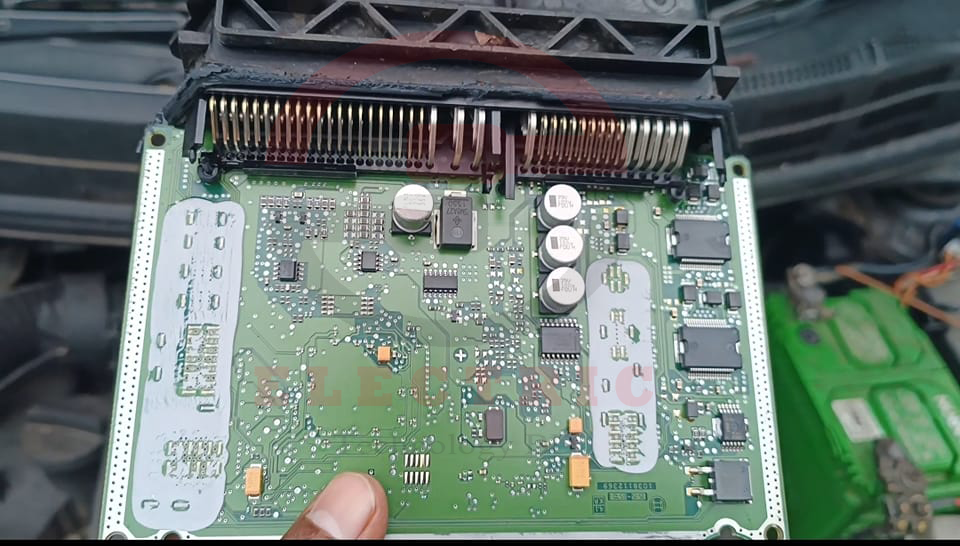
This is why replacing an engine computer is not simply a matter of unplugging one unit and connecting another. The technician may have to establish communication with the vehicle, identify the correct calibration, program the module, perform setup procedures, and verify that the system communicates properly afterward.
Some independent repair facilities can perform these operations using approved J2534 pass-through equipment and the manufacturer’s service subscription. Toyota specifically supports validated J2534 devices for certain reprogramming functions, although it distinguishes those devices from its full diagnostic scan tools.
2. Replacing an Immobilizer or Security Module
Security-related repairs are among the situations where ordinary diagnostic equipment can fall short. When a vehicle’s immobilizer, smart-key system, or related security module is replaced, the vehicle may need to recognize new security information before the engine will start normally.
Toyota’s U.S. Technical Information System provides a particularly clear example. Toyota states that its security professional resources include key codes and immobilizer or smart reset capabilities, while its factory Techstream equipment is used for immobilizer reset procedures.
That distinction matters because a generic scan tool might be able to read diagnostic trouble codes from a vehicle while still being unable to perform the security procedure required after replacing a module.
Security functions are deliberately restricted on many modern vehicles, and access can involve manufacturer credentials, subscriptions, vehicle identification information, or professional authorization.
The repair can become necessary after situations such as replacing a security-related control unit, changing certain key components, or carrying out manufacturer-specified immobilizer procedures. The exact process varies considerably by automaker and model year, so there is no universal sequence that applies to every vehicle sold in the United States.
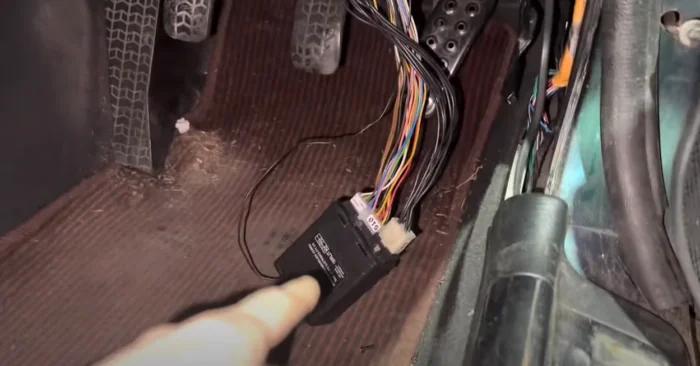
Factory-level equipment also allows the technician to verify communication with the relevant control modules after programming. That can be important when diagnosing a vehicle that cranks but will not start after an electronic component has been replaced.
Independent shops are not automatically excluded from this work. Manufacturers may provide legitimate aftermarket access to security information and programming through professional systems. Toyota, for instance, offers security-related access through its TIS system for qualifying professionals and U.S.-market vehicles.
The key point is that reading a security fault and actually completing a security-module replacement are two different jobs. The latter can require manufacturer-level software and authorized security functions.
3. ADAS Camera and Radar Calibration
A damaged bumper or windshield can create a diagnostic problem that is easy to underestimate. Modern vehicles may use forward-facing cameras, radar sensors, or both for functions such as automatic emergency braking, adaptive cruise control, lane departure warning, and lane-centering assistance.
After certain repairs, those sensors may need to be calibrated according to the manufacturer’s procedure.
This is where a factory-level scan tool can become important. The physical calibration equipment alone does not necessarily complete the job. The diagnostic software may need to communicate with the vehicle’s ADAS control module, initiate a calibration routine, monitor sensor data, and confirm that the calibration has completed.
I-CAR notes that OEM repair information is mandatory for determining post-repair calibration requirements and that the proper scan tool, special equipment, and sometimes a prescribed road test may be required.
A windshield replacement provides a good example. If a camera is mounted near the windshield and the camera’s position changes during glass replacement, the vehicle may require a manufacturer-specified calibration.
Collision repairs can create similar requirements when a bumper, grille, radar sensor, suspension component, or other related part is disturbed.
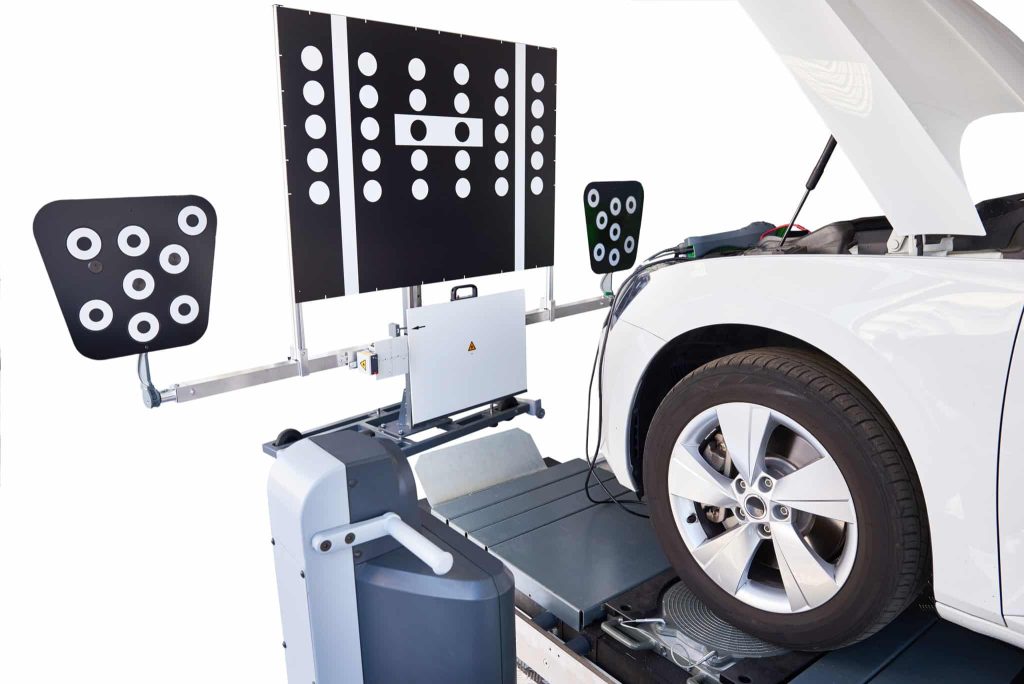
The important point is that a generic code reader cannot substitute for the complete procedure. Some aftermarket diagnostic systems can perform these calibrations, while others require authentic OEM software or an OEM-compatible interface. The requirement depends on the specific vehicle and manufacturer’s instructions.
Because ADAS systems can influence collision avoidance and driver assistance, skipping a required calibration is not a harmless shortcut. NHTSA identifies these technologies as safety systems intended to help prevent or reduce crashes.
4. ABS Module Replacement and Brake System Setup
Replacing an ABS control module is not always a simple electronic swap. The module is part of a larger braking network, and after installation it may require coding, configuration, bleeding procedures, sensor initialization, or other manufacturer-specific setup before the system is ready for normal operation.
A factory scan tool can provide access to functions that a basic OBD-II reader cannot. Depending on the vehicle, a technician may need to communicate directly with the ABS module, retrieve manufacturer-specific diagnostic information, perform actuator tests, initialize components, or complete a relearn procedure after the repair.
This matters because the ABS does considerably more than illuminate a warning lamp. It communicates with other electronic systems and can interact with traction control, stability control, and other chassis functions. A replacement module that has not been properly configured may communicate incorrectly with the rest of the vehicle.
Modern diagnostic equipment can also perform bidirectional tests. These allow the technician to command certain components rather than merely reading stored fault codes.
Bosch explains that J2534 programming interfaces are used for OEM programming applications, while post-programming diagnostic functions and relearn procedures can still require a separate scan tool.
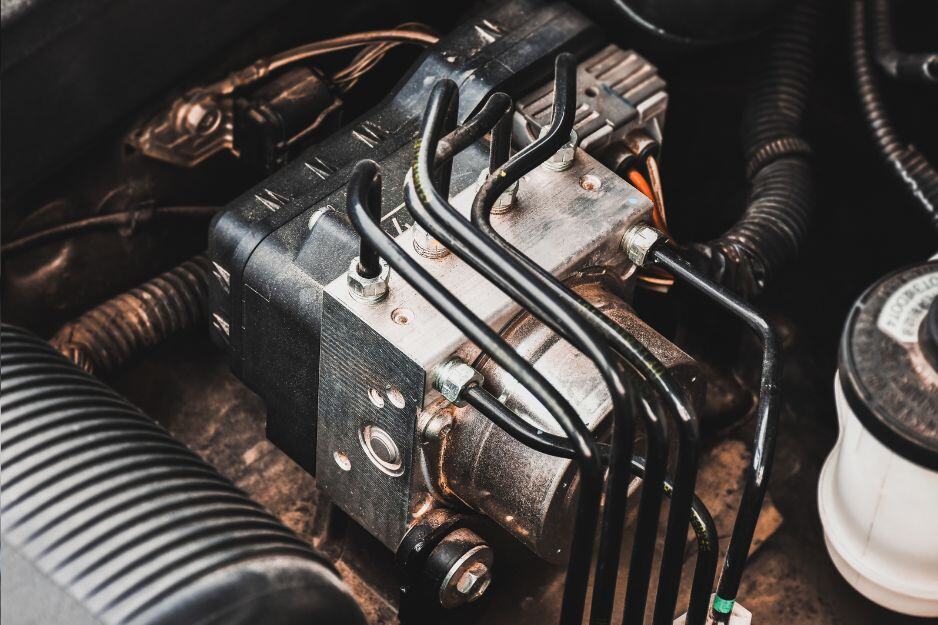
Not every ABS repair requires an actual factory-branded scan tool. Some professional aftermarket systems provide the necessary functions, and some manufacturers make programming available through J2534 pass-through systems. The deciding factor is the specific OEM procedure.
A good technician therefore does not ask only, “Can my scanner read the ABS code?” The more useful question is, “Can my equipment perform every programming, initialization, bleeding, and verification step required for this vehicle?”
That distinction can determine whether an ABS repair is actually finished or merely appears finished because the warning light has been cleared.
5. Transmission Control Module Programming
Modern automatic transmissions rely heavily on electronic control, so replacing or updating a transmission control module can require considerably more than installing the new unit. The replacement controller may need the correct software, vehicle configuration, programming, and adaptation procedures before the transmission can operate as intended.
A factory scan system can communicate with the transmission controller and access manufacturer-specific programming functions. General Motors, for example, uses its Service Programming System to program vehicle control modules with the appropriate calibration information.
GM’s service documentation also identifies programming as a procedure used when replacing certain electronic control modules.
Programming is only part of the job. Some vehicles require transmission adaptive values to be reset or relearned after a module replacement or transmission-related repair. The control system has to learn characteristics such as clutch engagement and shift behavior, with the exact procedure depending on the manufacturer and transmission.
This is one reason simply clearing diagnostic trouble codes does not constitute a transmission repair. A generic scanner might identify a communication or transmission fault, but it may not have access to the manufacturer-specific routines needed to complete the repair.
Software compatibility is another factor that should not be overlooked. A replacement module may come with an outdated or different software version, which can require the technician to download and install the appropriate calibration before the module will function correctly.
A stable electrical power supply is also important during programming because an interruption can potentially leave a control module unusable.
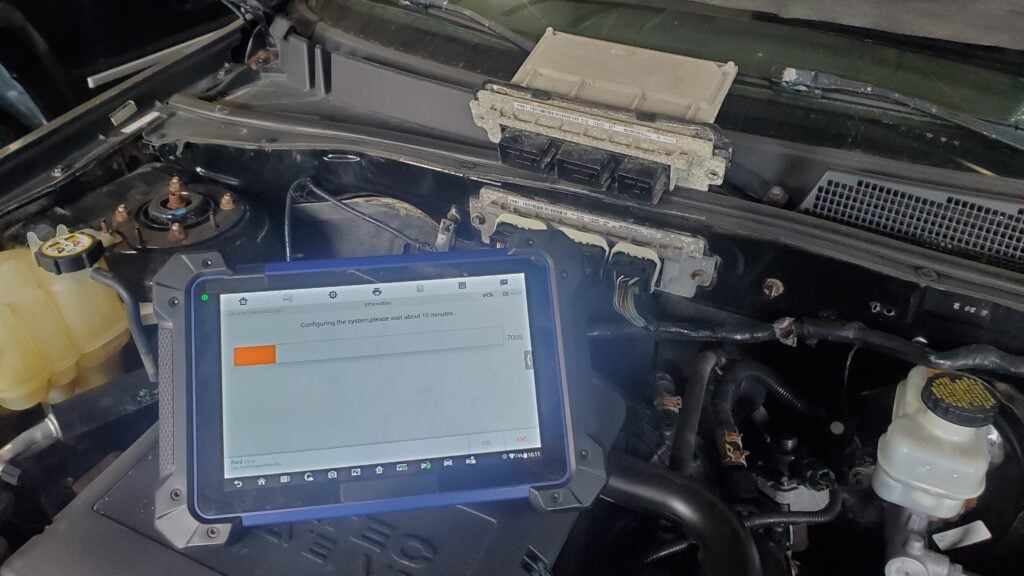
Independent repair shops can perform some of these operations. Manufacturers may provide J2534 pass-through programming, allowing qualifying equipment to communicate with OEM software. However, programming capability and diagnostic capability are not necessarily identical.
For a transmission-control repair, the technician needs to know precisely what the manufacturer’s procedure requires. If programming, configuration, or relearn operations are specified, having equipment capable of performing those steps is essential.
6. Electric Power Steering Module Replacement
Electric power steering has changed the way technicians approach steering-system repairs. Instead of relying solely on a hydraulic pump and mechanical components, many modern vehicles use an electronically controlled steering assist system. Replacing its control module or steering assembly can therefore introduce a programming and calibration requirement.
A factory-level diagnostic system can be needed to communicate with the steering control module, configure the replacement component, perform required setup procedures, and clear or verify manufacturer-specific faults.
The exact process varies by vehicle. Some systems may require steering-angle initialization, while others can require additional calibration or configuration after a component has been replaced.
Steering-angle information is particularly important because electronic stability-control systems use steering input data when determining the driver’s intended direction. NHTSA describes electronic stability control as a technology designed to help drivers maintain control during certain loss-of-control situations.
That makes post-repair verification more significant than simply turning off a warning light. If a steering-related sensor or control unit has been replaced, the technician needs to follow the vehicle-specific service procedure rather than assuming the system will automatically relearn everything.
Factory software may also provide access to live steering data and bidirectional functions that help isolate an electrical or communication problem. This can be especially useful when the steering assist operates intermittently or when several chassis warning messages appear simultaneously.
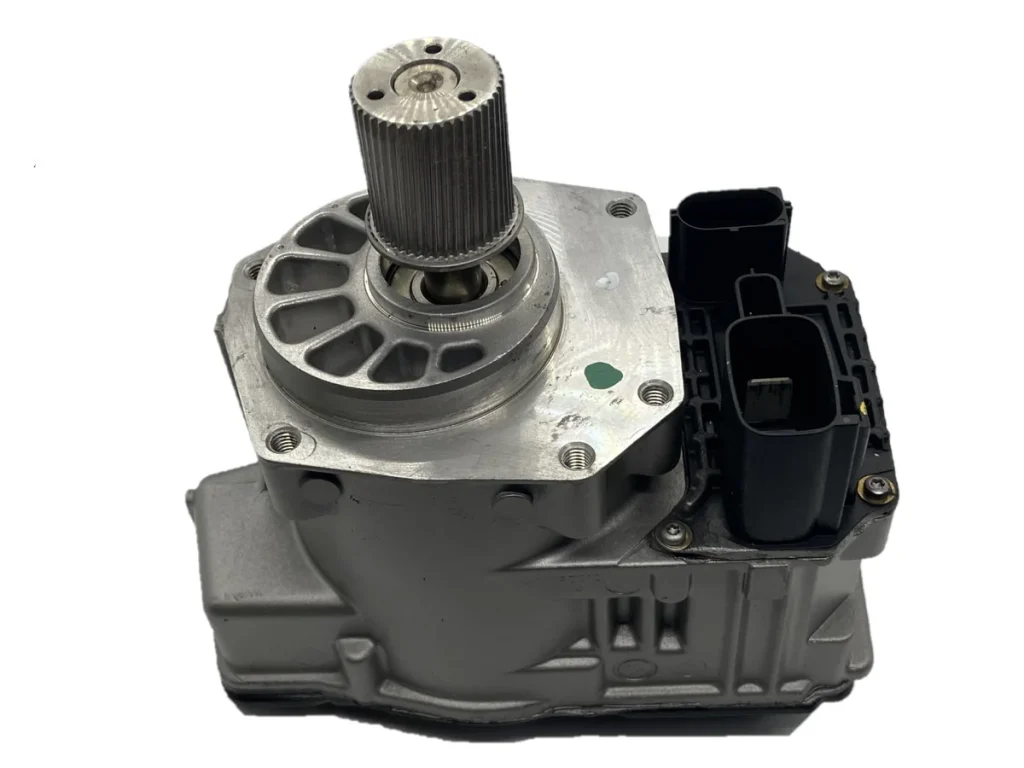
Again, an OEM-branded scanner is not necessarily the only acceptable solution. Certain professional aftermarket diagnostic platforms can access manufacturer-specific steering functions, while some vehicles may support programming through an approved pass-through system.
What matters is whether the equipment can perform the exact procedure specified for that vehicle. A steering repair is therefore a good example of why diagnostic capability should be judged by functions, not by the number of trouble codes a scanner can read.
7. Airbag Module Replacement and SRS Programming
Airbag repairs demand a different level of diagnostic attention because the supplemental restraint system is responsible for deploying airbags and managing other crash-protection components.
When an airbag control module, crash sensor, or related SRS component is replaced, the vehicle may require manufacturer-specific initialization or programming before the system can be considered properly repaired.
A basic OBD-II scanner is generally designed around emissions-related diagnostics and cannot be expected to access every restraint-system function. Professional equipment capable of communicating with the vehicle’s SRS module can retrieve manufacturer-specific fault information and help technicians determine which components require attention.
Module replacement can be particularly complicated after a collision. Depending on the vehicle, the SRS controller may retain crash-related information or require replacement rather than simply having an ordinary diagnostic code erased.
The correct procedure is manufacturer-specific, which is why technicians need the applicable service information rather than relying on a universal reset sequence.
NHTSA emphasizes that airbags are part of a vehicle’s supplemental restraint system and work with seat belts to provide occupant protection in crashes. The agency also warns consumers to use qualified repair facilities for airbag-related work.
Factory diagnostic equipment can also help verify communication between the SRS controller and other restraint components. Depending on the vehicle, the technician may need to confirm seat-occupancy information, sensor status, pretensioner circuits, or other system inputs.
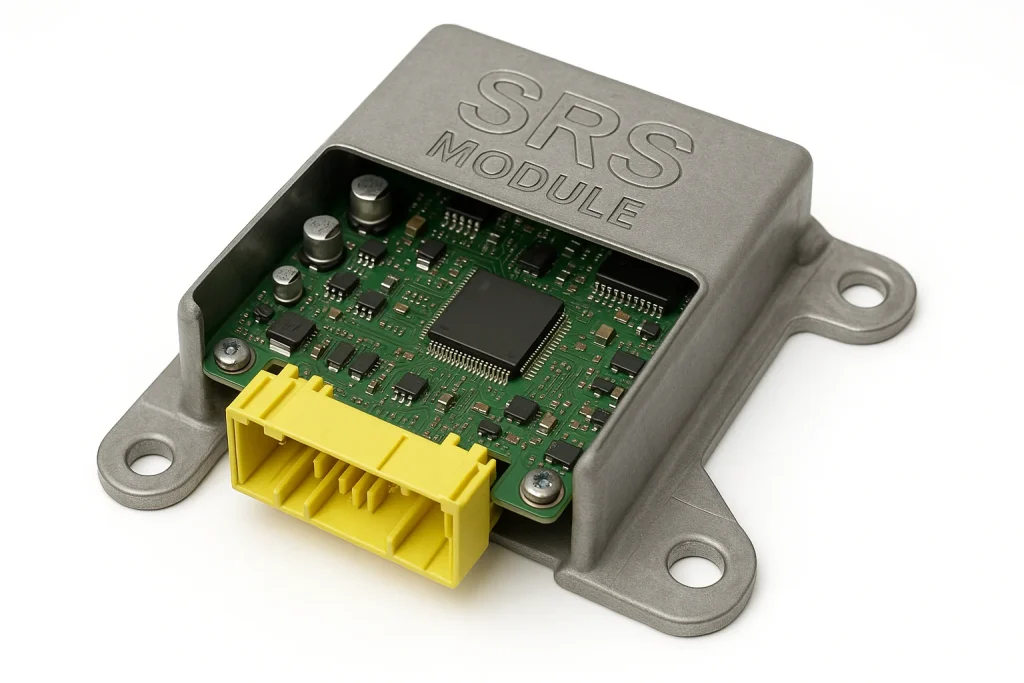
Some aftermarket professional scan tools can access SRS systems and perform certain special functions, so saying that every airbag repair requires a dealership’s physical scan tool would be inaccurate. The real requirement depends on the manufacturer’s repair procedure and the capabilities of the equipment being used.
Because an SRS fault can affect whether an airbag deploys when needed, clearing a warning light without correcting the underlying problem is not an acceptable substitute for completing the specified repair and verification process.
8. Body Control Module Replacement and Vehicle Configuration
The body control module, often called the BCM, acts as a central electronic coordinator for numerous vehicle functions. Depending on the model, it can manage or communicate with systems involving lighting, power accessories, door locks, security functions, wipers, keyless entry, and other electronic features.
Replacing one is therefore rarely just a matter of unplugging the old module and installing another. The replacement unit may need to be programmed with the vehicle’s configuration so that it knows which equipment and options are installed.
A vehicle equipped with different lighting, security, or convenience features can require different configuration information from another vehicle of the same model.
OEM programming systems are designed to retrieve the appropriate software and configuration information for the specific vehicle. GM’s Service Programming System, for example, provides module programming capabilities through its dealer service environment.
A factory-level diagnostic system can also be useful when several apparently unrelated electrical problems occur at once. A malfunctioning BCM or communication issue can produce multiple symptoms across different systems, making simple component replacement an inefficient approach.
Programming is also important because some vehicles integrate immobilizer and security functions with their body electronics. If a module is replaced without completing the necessary security procedures, the vehicle may experience problems with starting or recognizing the key.
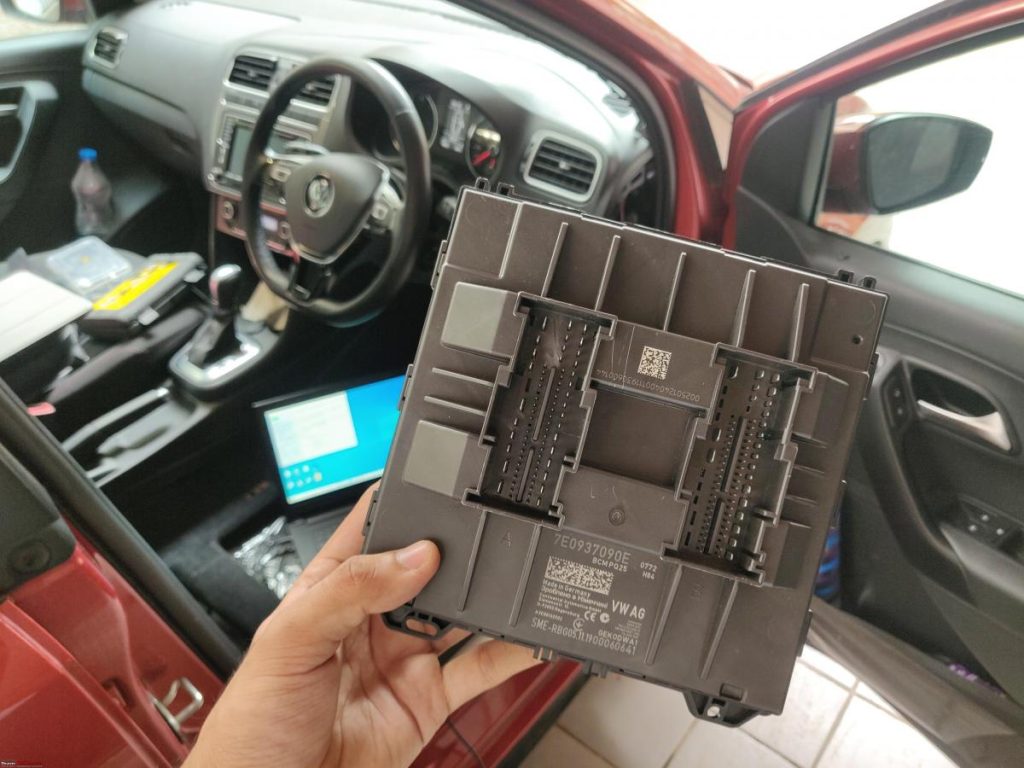
Independent repair facilities can sometimes perform BCM programming using manufacturer subscriptions and approved pass-through interfaces. The availability of those functions depends on the manufacturer, vehicle, software, and equipment.
For this reason, the phrase “needs a factory scan tool” should be understood carefully. The essential requirement is factory-level access to the necessary programming and configuration functions.
That access may come from an automaker’s own diagnostic system or, where supported, from professional equipment that works with the manufacturer’s programming platform.
9. Battery Replacement That Requires Battery Registration
Replacing a battery sounds like one of the simplest jobs on a vehicle, yet some modern cars require electronic registration or battery-management-system initialization after the physical battery has been installed. This is particularly relevant to vehicles with sophisticated charging and energy-management systems.
The battery management system monitors information such as battery condition and charging requirements. When a new battery is installed, the vehicle may need to be told that the battery has been replaced so its charging strategy can be adjusted appropriately. The exact procedure varies by manufacturer and model.
This is where a professional scan tool becomes useful. The technician may need to access the battery-management module, register the new battery, enter battery specifications, reset learned values, or perform other manufacturer-specific functions. A simple code reader generally does not provide those capabilities.
The important distinction is that battery registration is not necessarily a “factory scan tool only” procedure on every vehicle. Many professional aftermarket scanners provide battery-registration functions.
However, some vehicles have additional requirements, and the technician must follow the manufacturer’s service procedure rather than assuming one universal reset works everywhere.
Modern programming equipment also demonstrates why stable electrical power matters. Bosch notes that during ECU programming, vehicle voltage must remain within the manufacturer’s specified range and that the vehicle’s battery and charging system should be in suitable condition.
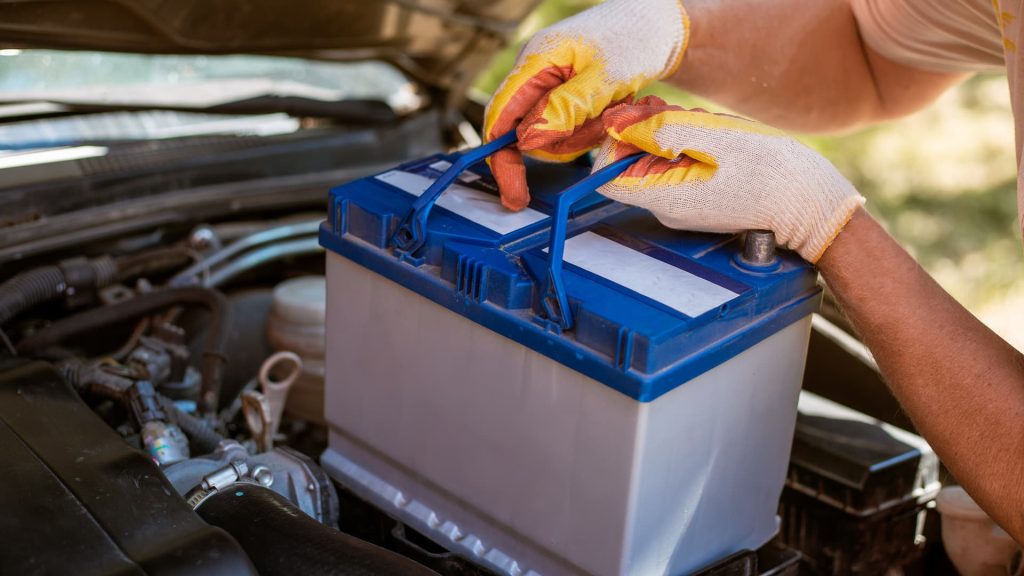
Battery replacement can therefore become a diagnostic procedure rather than a simple parts swap. If the vehicle specifies registration or initialization, skipping that step can leave the electronic energy-management system operating with incorrect assumptions about the battery.
For vehicle owners, the key consideration is straightforward. Before paying for a battery replacement, confirm whether the vehicle requires battery registration and make sure the shop has the proper equipment to complete the procedure.
10. High-Voltage Battery and Hybrid System Diagnostics
Hybrid and electric vehicles introduce another category of repairs where ordinary code readers may not provide enough information.
Their high-voltage systems can include battery-management modules, power electronics, electric motors, charging systems, and multiple interconnected controllers. Diagnosing a fault may therefore require manufacturer-specific software capable of communicating with those systems.
A generic OBD-II scanner can provide useful information, but it should not automatically be treated as equivalent to an OEM diagnostic platform.
Depending on the vehicle, advanced diagnostics may involve reading individual battery-module information, examining manufacturer-specific data, testing system communication, retrieving detailed fault information, or performing initialization procedures after component replacement.
The distinction becomes particularly important when an electronic component is replaced. A replacement controller may need programming or configuration before the vehicle recognizes it.
Bosch explains that SAE J2534 pass-through technology can provide independent repairers with OEM reprogramming access for supported powertrain controllers, but manufacturers determine which modules and procedures are supported.
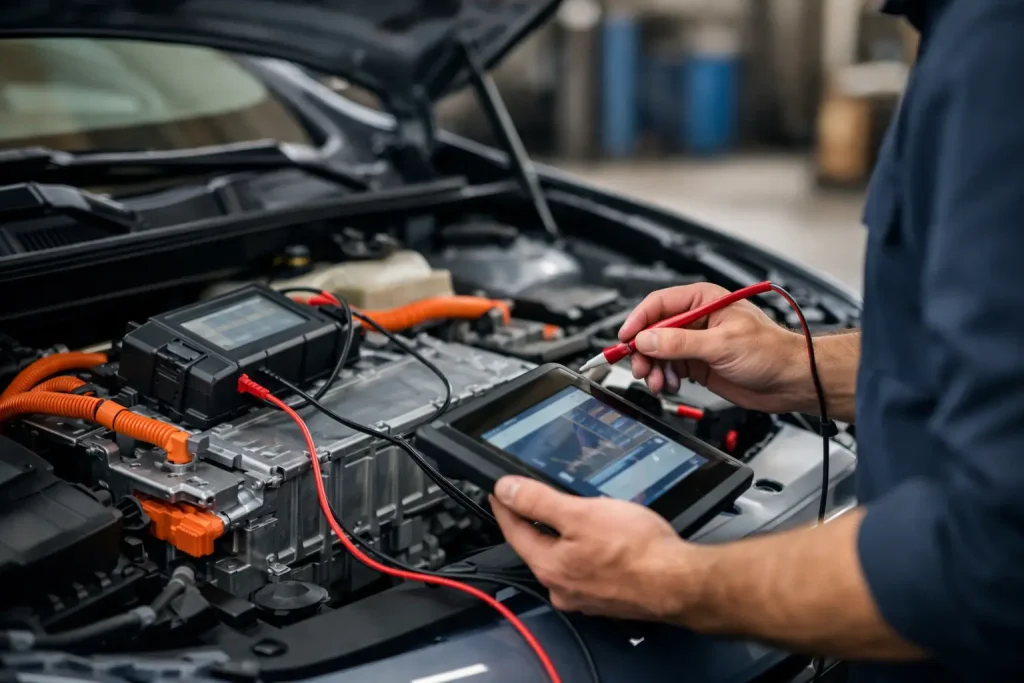
High-voltage repairs also require appropriate safety procedures. The scan tool is only one part of the process. Technicians need vehicle-specific service information, appropriate high-voltage safety equipment, training, and procedures for determining whether the system has been safely de-energized before physical work begins.
This is why a warning light on a hybrid or EV should not automatically lead to a parts-swapping exercise. The diagnostic system needs to identify the actual fault and determine which components require testing.
Not every hybrid or EV repair requires an OEM-branded scan tool. Qualified aftermarket equipment can support many vehicles, while J2534 interfaces can provide OEM programming access for supported functions.
What matters is whether the equipment provides the manufacturer-specific diagnostic, programming, and safety-related functions required for that particular vehicle.
