
A warranty can feel reassuring until a serious problem appears and the dealer suddenly starts looking for reasons not to pay.
In the United States, however, a manufacturer or dealer cannot simply reject a legitimate warranty claim because you used an independent repair shop, installed an aftermarket part, or performed routine maintenance somewhere else.
Federal warranty law gives consumers important protections, although those protections do not mean every repair is automatically covered.
The key is understanding what the warranty promises, what caused the failure, and what evidence the seller must have before denying coverage. These ten situations can help you recognize when a warranty rejection deserves a closer look.
1. Warranty Repair After Maintenance at an Independent Shop
Some dealerships may claim that using another repair shop automatically cancels the vehicle’s warranty. That is not generally how a manufacturer warranty works. Having maintenance performed elsewhere does not by itself give the manufacturer sufficient grounds to deny warranty coverage.
The Federal Trade Commission states that a dealer cannot deny warranty coverage merely because routine maintenance or repairs were performed by someone other than the dealer. The Magnuson-Moss Warranty Act protects consumers from warranty provisions that improperly tie coverage to using a particular service provider.
That does not mean maintenance can be ignored. Your vehicle still needs to be maintained according to the manufacturer’s requirements.
If the warranty claim concerns an engine failure, transmission problem, or another component where maintenance history matters, the manufacturer can ask for records. Receipts, invoices, service reports, and even detailed maintenance logs can become valuable evidence.
There is also an important distinction between refusing coverage because an independent shop performed maintenance and refusing coverage because improper work caused the failure. The latter can be legitimate.
For example, if an independent mechanic incorrectly performs a repair and that mistake directly causes damage, the manufacturer may have grounds to deny coverage for the resulting damage. The FTC says the manufacturer or dealer must be able to demonstrate that the improper repair caused the damage it refuses to cover.
So if a service adviser says your warranty disappeared simply because you used another repair shop, ask for the denial in writing. Your maintenance location alone is not a valid reason to erase the warranty.
2. Warranty Claim Involving an Aftermarket Part
An aftermarket part does not automatically give a dealer permission to reject your warranty claim. Federal warranty rules specifically address this situation.
The FTC explains that a vehicle warranty generally remains in effect when consumers use aftermarket or recycled parts. A manufacturer cannot simply say, “That part wasn’t made by us, so nothing is covered.”
The important question is causation. Suppose you install aftermarket floor mats and later develop an unrelated air-conditioning problem. The presence of those mats does not give the manufacturer a legitimate basis for denying an unrelated air-conditioning warranty claim.
The same principle can apply to many aftermarket components that have no connection to the failed system.
The situation changes when the aftermarket component actually causes damage. Imagine an aftermarket electrical component is incorrectly installed and causes a wiring failure. If the manufacturer can establish that the component or installation caused the failure, it may have grounds to deny coverage for that damage.
The FTC specifically states that the manufacturer or dealer must prove the aftermarket or recycled part caused the damage before denying warranty coverage on that basis.
This is where documentation becomes powerful. Keep receipts for aftermarket parts and retain installation records whenever possible. If a dealer rejects a claim by simply pointing at an aftermarket component, ask what mechanical evidence connects that component to the failure.
The warranty does not become an all-or-nothing proposition just because an aftermarket part exists. A legitimate cause-and-effect connection matters. If the dealer cannot establish that connection, a blanket denial may deserve to be challenged through the manufacturer’s customer-care process or other consumer-protection channels.
3. A Claim Cannot Be Rejected Simply Because You Used the Wrong Oil Brand
Changing your oil is one of the easiest ways for a warranty dispute to become unnecessarily complicated. A dealer may ask what oil was used, whether the correct specification was followed, and whether the required maintenance was performed.
Those are legitimate questions. What is not automatically legitimate is rejecting a warranty claim simply because the oil came from a different brand or the service was performed outside the dealership.
Federal warranty rules generally prevent manufacturers from conditioning warranty coverage on the consumer using a particular brand or service provider, unless the manufacturer provides that part or service free of charge or has obtained an appropriate waiver.
The FTC specifically identifies requirements to use particular branded parts or services as potentially prohibited tie-in provisions.
The distinction comes down to whether the maintenance met the manufacturer’s requirements. If your owner’s manual specifies a particular viscosity and performance standard, using another brand that meets those requirements does not automatically invalidate the warranty.
Your records can become particularly important here. Keep oil-change invoices showing the date, mileage, oil specification, filter used, and work performed.
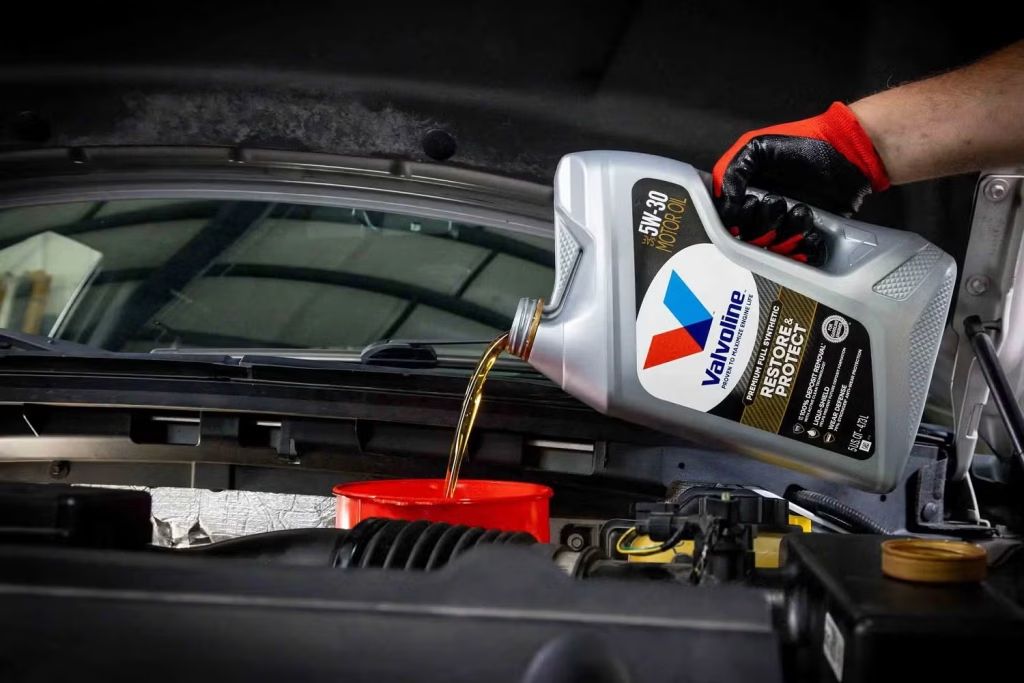
However, if an engine failure can be traced to using the wrong lubricant, running the engine with severely inadequate oil, or another maintenance-related problem, the manufacturer may have a legitimate basis to challenge coverage.
That means the argument should not simply be, “I didn’t use the dealer’s oil.” The more important question is whether the required maintenance was performed correctly and whether there is evidence connecting the maintenance to the failure.
4. A Warranty Claim Cannot Be Denied Just Because You Moved to Another State
Moving across the United States should not magically erase a vehicle’s remaining manufacturer warranty.
If your vehicle is still within the applicable warranty period and the problem falls within the written warranty’s coverage, relocating does not normally give a dealer permission to reject the claim simply because the vehicle was purchased or previously serviced somewhere else.
Manufacturer warranties are generally written to apply to qualifying vehicles throughout the United States, although the precise terms can vary by manufacturer, vehicle, warranty, and circumstances.
The important thing is to separate warranty eligibility from dealership convenience. A local dealer may have procedures for verifying coverage, obtaining authorization, inspecting the vehicle, or ordering parts, but that is different from saying your warranty disappeared because you moved.
Your paperwork matters, especially when the vehicle has changed owners, states, or dealerships. Keep the original purchase documents, warranty booklet, repair orders, maintenance records, and vehicle identification information together.
The FTC advises consumers to retain warranty and maintenance records because they can help demonstrate that the vehicle was properly maintained when a warranty claim is made.
There can also be situations where a particular warranty has geographic limitations or where special programs have eligibility requirements. Therefore, do not assume every warranty works identically.

If a service adviser tells you, “We don’t cover vehicles bought somewhere else,” ask whether they mean the dealership’s own goodwill policy or an actual limitation in the manufacturer’s written warranty. Those are very different things.
A dealer may have reasons to investigate a claim, but simply changing your address is not, by itself, proof that the vehicle stopped qualifying for its warranty.
5. A Warranty Claim for a Defect Unrelated to an Aftermarket Modification
An aftermarket modification can make a warranty conversation uncomfortable, but its mere presence does not give a manufacturer a free pass to reject unrelated repairs.
Under the Magnuson-Moss Warranty Act, the FTC’s position is that a manufacturer generally cannot deny warranty coverage simply because a consumer used an aftermarket component. The critical issue is whether that component actually caused the defect or damage being claimed.
Consider a vehicle with aftermarket wheels that later develops an internal engine problem. The manufacturer cannot reasonably treat the wheels themselves as proof that the engine failure is no longer covered.
The same principle can apply to unrelated accessories, replacement parts, or other modifications when there is no demonstrated connection between the modification and the failed component.
The situation becomes different if the modification can genuinely be linked to the failure. An improperly installed electrical device that damages vehicle wiring, for instance, presents a very different warranty question from aftermarket wheels installed correctly on a vehicle that subsequently develops an unrelated powertrain defect.
The FTC specifically states that a manufacturer or dealer may deny coverage for damage caused by an aftermarket part, but it must be able to demonstrate that causal connection.
This is why asking for the technical reason behind a denial matters. If the explanation is simply that “the vehicle has modifications,” ask which modification allegedly caused the specific failure and what evidence supports that conclusion.
A modification does not automatically transform every future repair into a customer’s responsibility. Warranty coverage is determined by the written warranty and the relationship between the defect and the alleged cause.
6. A Covered Failure That Occurs After an Independent Repair
Having an independent mechanic work on one part of your vehicle does not automatically transfer responsibility for every later mechanical problem to that mechanic. This distinction is important because warranty disputes sometimes begin with a dealership seeing a previous repair order and treating it as the explanation for the new failure.
Federal warranty guidance is clear that manufacturers and dealers generally cannot deny warranty coverage simply because someone outside the dealership performed maintenance or repairs.
The FTC also recognizes an important exception. If an independent repair shop performs faulty work and that mistake directly leads to additional damage, the manufacturer may have a valid reason to reject a warranty claim for the resulting damage.
Imagine an independent shop replaces a brake component correctly. Several months later, the vehicle develops an unrelated transmission defect. The existence of the earlier brake repair does not establish that the transmission problem was caused by that work.
A dealer would need a legitimate connection between the earlier repair and the claimed failure before using it as the basis for denial.
Your paperwork can make this distinction much easier to establish. Keep invoices showing what was repaired, which parts were installed, the vehicle mileage, and the date of the work. If possible, retain diagnostic reports and inspection notes as well.
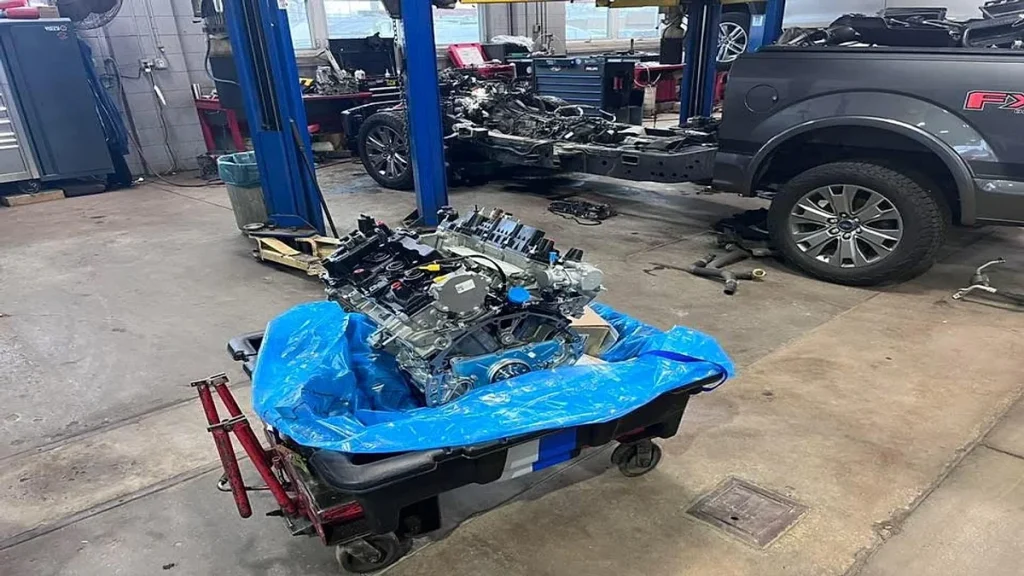
The FTC recommends maintaining records of vehicle maintenance and repairs because those documents can help demonstrate that the vehicle was properly maintained when a warranty claim arises.
If a claim is rejected, do not settle for a vague statement that “another shop worked on it.” Ask for the specific component allegedly affected, the technical reason it caused the failure, and the evidence supporting that conclusion. That turns a broad accusation into a claim that can actually be evaluated.
7. A Claim During the Warranty Period That Was Reported Before Expiration
Timing matters enormously in warranty disputes. A manufacturer may have a defined coverage period based on months, mileage, or both, so owners should not assume that a problem reported near the end of coverage is automatically lost because the vehicle remains in the shop after the warranty expires.
The FTC states that when a consumer reports a defect to the company during the warranty period and the problem is not properly repaired, the company must correct it even if the warranty expires before the repair is completed.
That makes the date you report the problem important. If your vehicle develops a serious transmission issue while it is still covered, do not delay simply because the dealership’s earliest appointment is several weeks away. Make the warranty complaint while coverage is active and preserve evidence showing when you reported it.
A repair order can be particularly useful. Ask the service department to document the complaint accurately rather than writing something vague such as “customer states vehicle feels strange.” If the transmission slips, the engine stalls, the vehicle overheats, or an electrical system repeatedly fails, the repair order should describe the actual symptom.

Email correspondence, appointment confirmations, text messages from the dealership, and dated photographs or videos can also help establish when the problem was reported.
Reporting a problem before the warranty expires does not guarantee that every subsequent failure will be covered. The defect must still meet the conditions outlined in the written warranty. However, when a valid covered issue is reported within the warranty period, a dealership should not reject coverage simply because the actual repair takes place at a later date.
The best way to protect yourself is to report serious problems as soon as they appear, make sure the complaint is recorded, and keep copies of all repair orders and related documentation.
8. A Covered Repair When the Dealer Cannot Show That Your Maintenance Caused the Failure
Maintenance records can become the center of a warranty dispute, particularly when an expensive engine or transmission repair is involved.
A manufacturer is allowed to investigate whether inadequate maintenance contributed to the failure. What it cannot simply do is treat missing dealership service history as automatic proof that the customer caused the problem.
The FTC specifically advises vehicle owners to keep records of maintenance such as oil changes, tire rotations, belt replacement, brake work, and inspections. Those records can help demonstrate that the vehicle was properly maintained when a warranty claim is made.
Suppose an engine develops an internal mechanical defect while the vehicle is within its warranty period. The service department notices that some oil changes were performed at an independent shop and immediately says the claim is rejected.
That conclusion does not establish causation. The dealership would need a legitimate reason connecting improper maintenance to the particular failure.
This is why receipts are more valuable than many owners realize. An invoice can show the date, mileage, type of service, lubricant specification, filter replacement, and the business that performed the work. If you performed basic maintenance yourself, retaining receipts for parts and supplies can also help establish what was done.
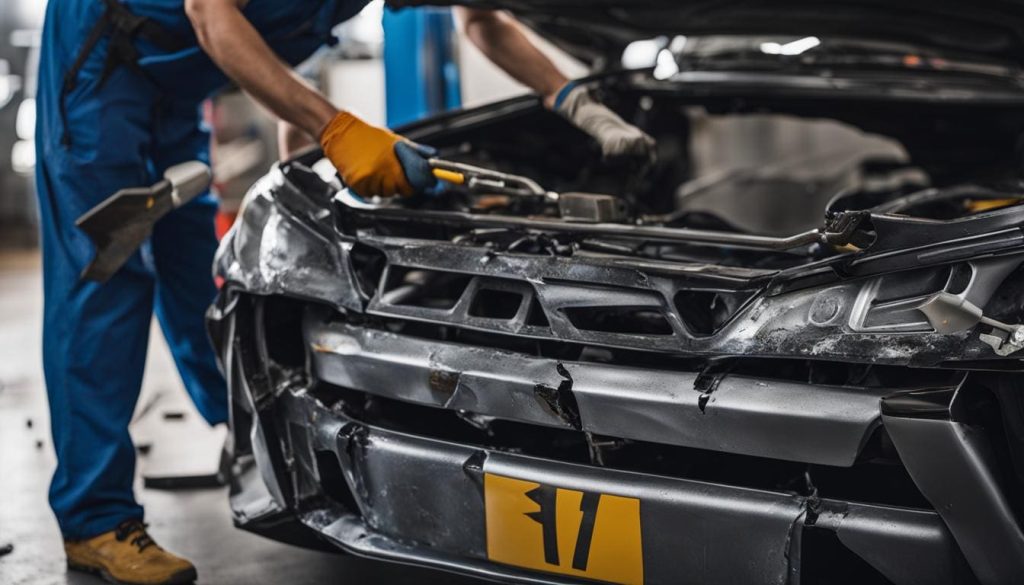
The FTC has emphasized that manufacturers and dealers cannot deny warranty coverage merely because someone other than the dealer performed maintenance or repairs. If improper work caused the damage, however, coverage for that resulting damage can potentially be denied.
When a warranty claim is denied because of maintenance, the key issue is whether the manufacturer can identify a specific maintenance requirement that was missed and explain how that failure directly caused the defect in question.
If the answer is only that the dealership did not perform the maintenance, ask for the denial in writing. Documentation can turn a vague rejection into a claim that can be properly challenged.
9. A Warranty Claim That the Dealer Rejects Without a Specific Technical Reason
A warranty denial should not leave you guessing about what went wrong. When a manufacturer or dealer refuses to repair a component under warranty, the reason matters. A statement such as “not covered,” “customer modification,” or “maintenance issue” may not provide enough information to determine whether the rejection is actually justified.
The FTC advises consumers to read the warranty carefully because warranties specify what the manufacturer promises to repair and what exclusions may apply. It also recommends keeping warranty and maintenance documentation so consumers can establish what work was performed and when.
This becomes particularly important when the repair is expensive. Suppose a covered component fails while the vehicle is within the applicable warranty period. The service department investigates the vehicle and tells you that the repair has been denied.
Rather than accepting a verbal explanation, ask for the reason for denial and the applicable warranty provision.
If the dealer claims that an aftermarket component caused the problem, ask which component is allegedly responsible and how it caused the failure. If poor maintenance is blamed, ask what maintenance requirement was supposedly violated and how that caused the particular defect.
The FTC notes that manufacturers generally cannot deny warranty coverage merely because aftermarket or recycled parts were used, although they may deny coverage for damage that those parts actually caused.
Written documentation also gives you something concrete to take to the manufacturer’s customer assistance department if the dealership does not resolve the dispute. Your repair order, diagnostic report, photographs, invoices, and warranty documents can establish a much clearer record than a conversation at the service counter.
A dealer is entitled to investigate a warranty claim. That is different from providing an unexplained blanket rejection. When the reason for denial is unclear, requesting the technical basis and the relevant warranty language is a sensible first step.
10. A Warranty Claim Covered by a Written Warranty Exclusion That the Dealer Cannot Invent
Warranty coverage is ultimately controlled by the written warranty, not by whatever explanation happens to be given at the service desk. This cuts both ways. A dealer cannot invent a new exclusion simply because a particular repair is inconvenient or expensive, but a customer also cannot assume that every mechanical failure must be covered.
The FTC recommends reading the warranty carefully to understand what is covered, what is excluded, how long coverage lasts, and what responsibilities belong to the vehicle owner. Federal warranty protections also regulate certain provisions that attempt to tie warranty coverage to particular services or branded parts.
For example, a warranty may exclude damage resulting from abuse, misuse, racing, certain environmental conditions, or unauthorized modifications, depending on the specific terms.
If one of those exclusions genuinely applies, the manufacturer can have a legitimate basis for refusing the repair. But the dealer should be applying the actual warranty language rather than creating an exclusion that does not appear in the agreement.
This distinction is especially useful when a service adviser gives a broad explanation such as “that isn’t covered.” Ask to see the relevant section of the warranty. Then compare the wording with the actual problem diagnosed on your vehicle.
Documentation remains important here. Keep the warranty booklet or digital warranty information, repair orders, diagnostic results, maintenance records, and correspondence relating to the claim. If the dealer’s explanation changes during the process, those records can help identify exactly why the claim was rejected.
If the dealership refuses to reconsider the decision, the next step can be contacting the manufacturer’s customer assistance department. Depending on the manufacturer and warranty, there may also be a dispute-resolution procedure that must be followed before pursuing certain legal remedies.
The strongest warranty argument is not simply that the vehicle broke. It is that the defect falls within the written coverage, no applicable exclusion has been established, and the manufacturer has not demonstrated a legitimate reason for refusing the repair.