
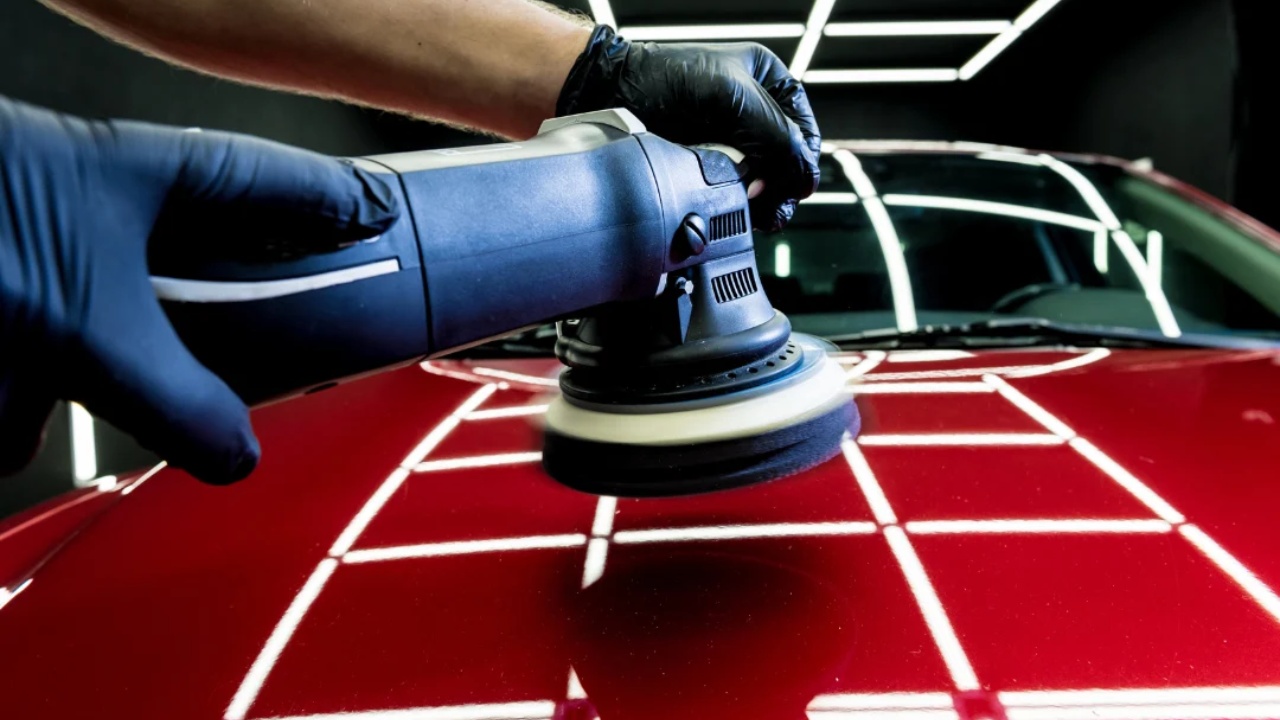
A good car polish should do more than make damaged paint look better for a few washes. The best formulas use controlled abrasives or polishing technology to actually refine the clear coat, reducing fine scratches, oxidation, and swirl marks instead of simply hiding them.
Other products rely heavily on fillers, oils, pigments, or protective ingredients that temporarily disguise imperfections. Those products can still be useful, especially for quick cosmetic improvements, but their results should not be confused with genuine paint correction.
This comparison separates five polishes worth considering for actual paint improvement from five products whose main strength is making scratches less visible.
5 Polishes Worth the Money
1. Meguiar’s Ultimate Polish
Meguiar’s Ultimate Polish is a strong example of a product designed primarily for refining fine paint defects rather than simply hiding them. Meguiar’s describes it as a pre-waxing glaze that can remove fine swirls and towel marks while improving gloss and reflection.
The company also states that it is safe for glossy clear-coated finishes and can be applied either by hand or with a dual-action polisher.
That makes the product particularly useful for paint that is already in reasonably good condition. A vehicle covered in deep scratches does not necessarily need the most aggressive compound available. If the defects are fine enough, a finishing-oriented polish can improve clarity without unnecessarily removing large amounts of clear coat.
The distinction is important because paint correction is ultimately a material-removal process. The objective is to level extremely small imperfections in the clear coat, not to keep cutting the surface simply because a stronger product exists. Using the least aggressive effective approach is generally the more sensible strategy.
Ultimate Polish also emphasizes gloss enhancement. Meguiar’s says its conditioning oils add depth of color and reflections, particularly on darker paint. That means the finished appearance comes from both surface refinement and optical enhancement.
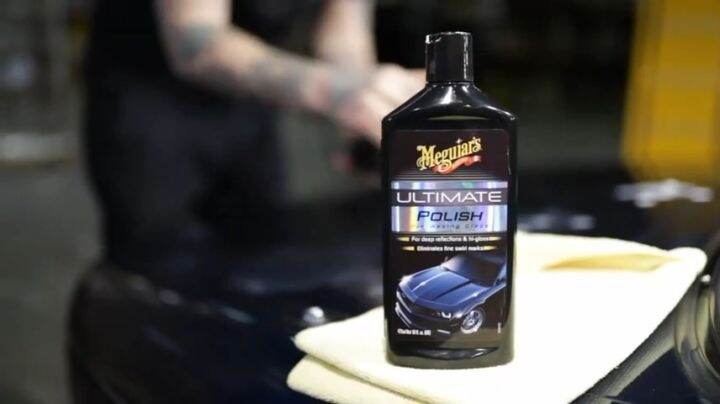
Its flexibility is another reason it earns a place here. A beginner can apply it by hand for localized improvement, while an experienced detailer can use a dual-action machine for more consistent correction across larger panels.
The product should not be treated as a solution for deep scratches that have penetrated beyond the clear coat. Those defects require a different repair strategy. But for fine swirls, light towel marks, and dullness, this is the kind of polish that addresses the surface rather than merely covering it.
2. Turtle Wax Hybrid Solutions Ceramic Polish & Wax
Turtle Wax Hybrid Solutions Ceramic Polish & Wax stands out because it combines paint correction with protection instead of relying solely on a cosmetic filling effect. Turtle Wax states that the product uses polishing agents to remove swirls, light scratches, and oxidation while also leaving behind a protective, hydrophobic layer.
That combination makes it useful for owners who want a single-step improvement rather than a multi-stage professional correction. Turtle Wax recommends washing and drying the vehicle first and suggests using a clay bar when necessary to remove bonded surface contamination before polishing.
The preparation step is more important than it sounds. If contamination remains attached to the paint, dragging an applicator or polishing pad across the surface can interfere with the correction process and potentially create additional marks. A clean surface gives the polishing agents a better opportunity to work consistently.
The product’s strongest use case is light to moderate cosmetic deterioration. Turtle Wax itself distinguishes between light defects that can be addressed with the Polish & Wax and heavier scratches or oxidation that require a dedicated correction product.
That qualification is exactly why it belongs on the worthwhile side of the comparison. A product does not need to remove every scratch to provide legitimate correction. If it can safely refine light defects while simultaneously leaving protection behind, it can save time for an owner who does not need a full paint-correction process.
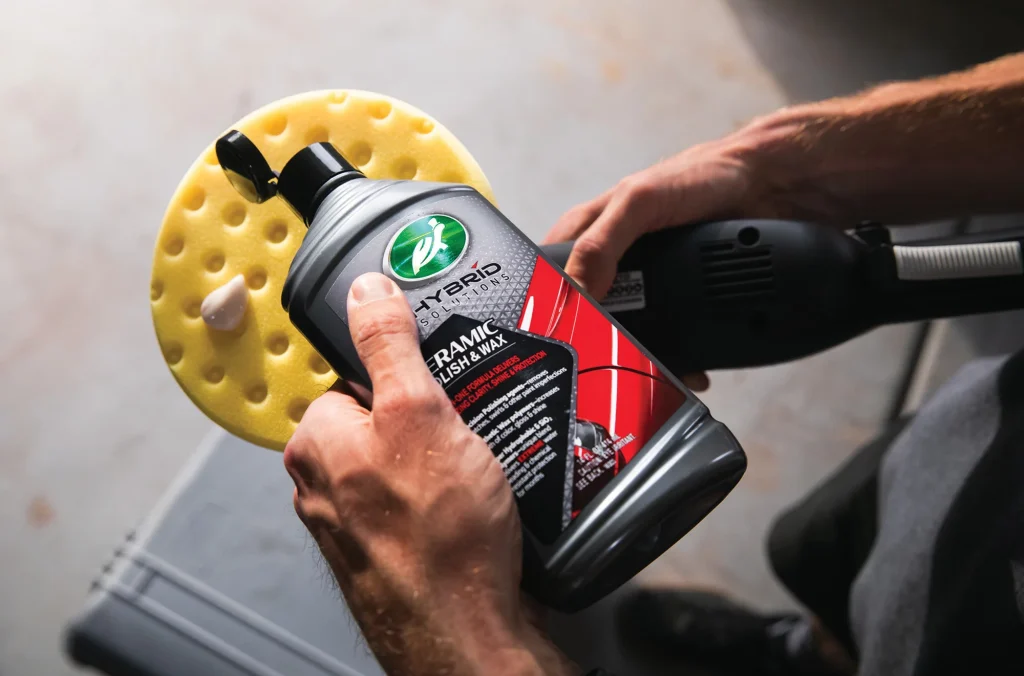
The ceramic-infused protection is an additional benefit rather than the primary reason to buy it. The important distinction is that the formula contains actual polishing agents intended to work on the paint surface.
Used correctly, it can therefore improve gloss and reduce visible light defects while providing some protection afterward. It is not a substitute for professional correction of serious damage, but it offers considerably more substance than a product whose primary purpose is simply filling scratches.
3. 3D Speed
3D Speed is worth considering when the goal is to improve paint appearance in a single polishing step while also leaving some protection behind. The product is designed as an all-in-one polish and wax, using diminishing abrasives to address light paint defects while its protective ingredients remain on the surface afterward.
That makes it particularly useful for vehicles that have moderate swirl marks, oxidation, or general loss of clarity but do not justify an extensive multi-stage correction.
A dedicated heavy-cut compound may remove defects more aggressively, but it also demands additional polishing and protection afterward. Speed takes a different approach by combining several stages into one product.
The abrasive component is what separates this type of formula from a pure scratch filler. During polishing, the abrasive material works against the upper portion of the clear coat, refining minor imperfections and improving the way light reflects from the surface.
That can make a panel appear dramatically clearer even when the defects themselves are relatively shallow.
There is an important limitation. A polish cannot safely remove a scratch that extends through the clear coat into the paint layer or primer. Trying to repeatedly polish such a defect can remove clear coat without producing the desired result.
Application technique also affects how much correction is achieved. Working the product with a suitable polishing pad and machine can produce a more consistent result than simply wiping it across the paint. Hand application remains possible, but correction will generally be more limited.
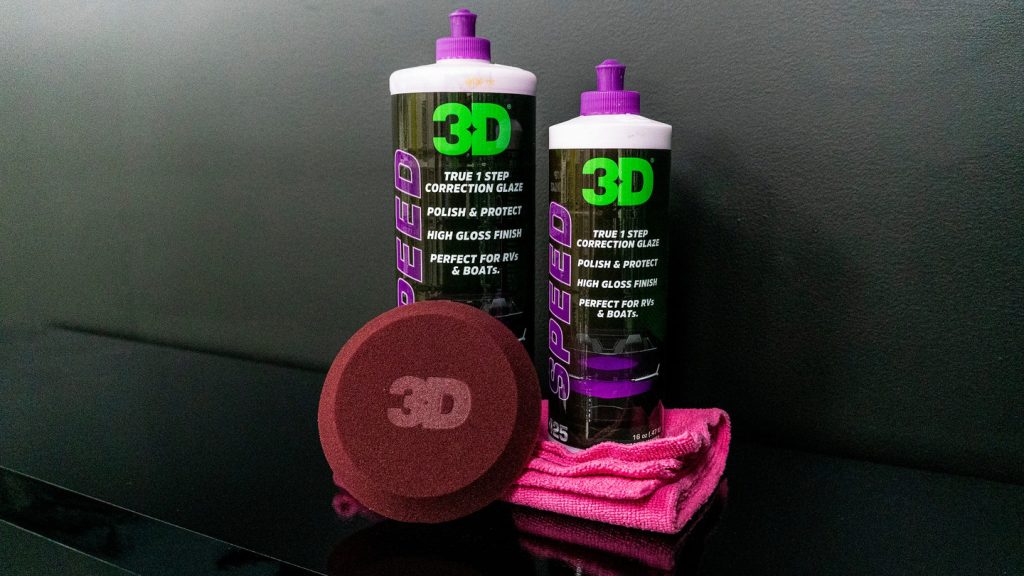
3D Speed earns its position because it offers genuine polishing action while avoiding the complexity of a full correction system. It is particularly attractive for owners who want to refresh an older finish, improve gloss, and reduce fine defects in one session.
The added protection is useful after correction, too. Rather than leaving freshly polished paint completely unprotected, the product leaves behind a wax-based layer that can temporarily protect the newly refined surface.
4. Griot’s Garage Complete Compound
Griot’s Garage Complete Compound is a more correction-focused choice, making it appropriate when the paint needs more than a simple gloss-enhancing polish.
Griot’s describes it as a compound capable of removing heavier defects such as scratches, oxidation, and swirl marks, while also being formulated to finish more cleanly than many traditional heavy compounds.
The reason this matters is that not every scratch can be treated with a mild finishing polish. Once the clear coat contains more pronounced defects, a stronger abrasive system may be required to level the surrounding surface enough to reduce their visibility.
Griot’s specifically positions Complete Compound for use with dual-action polishers, rotary machines, and even hand application. That range of application methods makes it useful for different levels of detailing experience, although machine polishing generally provides greater consistency and efficiency across a complete vehicle.
Its cutting ability also makes pad selection important. A more aggressive pad can increase correction, while a softer finishing pad can produce a different balance between cut and surface refinement. Owners should always begin conservatively and increase aggressiveness only when the defect requires it.
Another reason to value a product like this is its ability to address oxidation. Dull, chalky paint is often the result of surface deterioration rather than simply a collection of scratches. Removing the compromised surface can restore clarity and allow the paint underneath to reflect light more effectively.
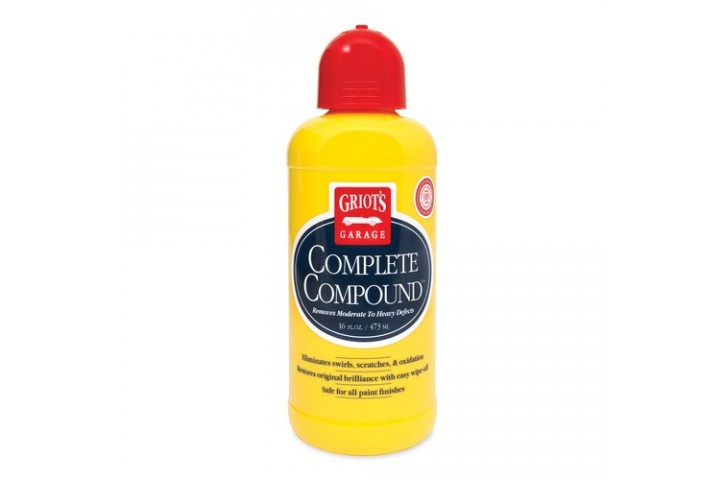
Complete Compound should not be confused with a miracle repair product. Deep scratches, chips, and defects that have penetrated through the clear coat require more extensive repair methods. Excessive polishing can also reduce clear-coat thickness unnecessarily.
Still, for paint that genuinely needs correction, this is a substantially more useful category of product than a glaze designed primarily to disguise defects. Its purpose is to change the condition of the surface, which makes the improvement more durable than a purely cosmetic filler.
5. Sonax Profiline Perfect Finish
Sonax Profiline Perfect Finish is designed for the final stages of paint correction, making it particularly valuable when the objective is clarity rather than maximum cutting power. Sonax describes Perfect Finish as a polishing compound capable of removing fine scratches and holograms while producing a high-gloss finish.
Its position on this list reflects a fundamental detailing principle. Paint correction is not always about using the most aggressive abrasive available. Once heavier defects have been removed, the surface may still have fine marks or haze that require a more refined polishing step.
Perfect Finish is intended for that situation. Sonax states that it can be used with dual-action and rotary polishers, with appropriate pad selection influencing the result.
The product is especially relevant to dark or highly reflective finishes, where minor haze and polishing marks can become obvious under direct lighting. A panel may look excellent in a garage yet reveal a cloudy appearance when exposed to sunlight. Finishing polish helps address that final level of surface refinement.
There is also a practical reason to use a dedicated finishing product instead of continuing with an aggressive compound. Repeated heavy correction removes more clear coat, while a finishing polish is designed to make smaller adjustments. Preserving as much healthy clear coat as possible is an important part of responsible detailing.
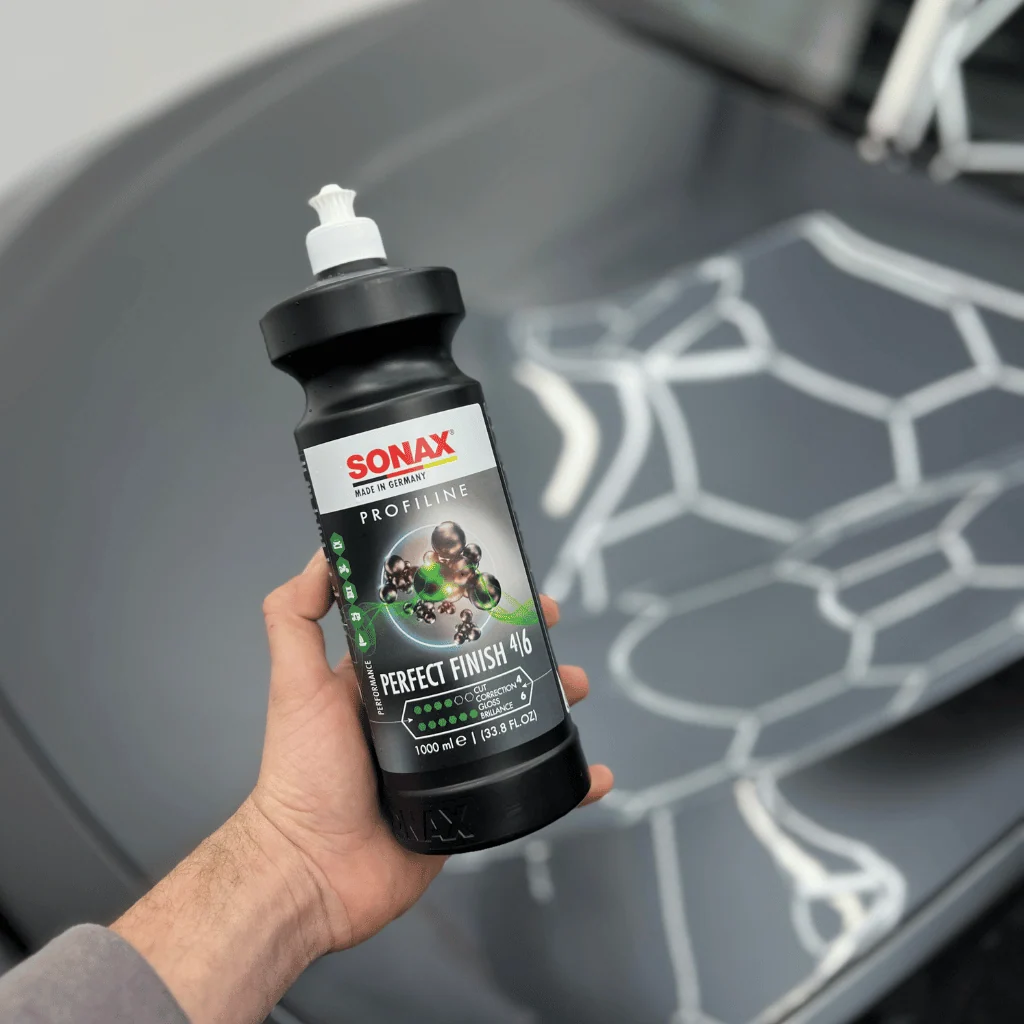
Perfect Finish is not the product to reach for when a panel contains deep scratches or substantial oxidation. Those defects generally need a stronger initial correction stage. Its strength lies in refining paint that is already relatively close to the desired finish.
That specialization is precisely why it belongs among worthwhile polishes. It performs a defined correction task rather than simply making defects temporarily disappear.
When used at the appropriate stage, it can transform the visual clarity of a properly prepared panel and produce the kind of crisp reflection that distinguishes corrected paint from merely shiny paint.
5. That Just Fills Scratches
1. Turtle Wax Color Magic
Turtle Wax Color Magic is designed around improving the appearance of painted surfaces while combining polishing and color-enhancing ingredients. Its colored formulation is intended to help mask minor imperfections and improve the visual uniformity of the finish rather than functioning like a dedicated paint-correction compound.
That distinction becomes important when dealing with scratches. A color-enhancing product can make a fine defect less noticeable because the surrounding surface receives additional coloration and gloss. Under certain lighting, the improvement can be impressive.
The underlying defect, however, has not necessarily been leveled away. If the scratch is physically present in the clear coat, the product cannot simply replace the missing clear coat or restore the original paint thickness.
This makes the product more suitable for cosmetic improvement than genuine correction. It can be useful when an owner wants a quick refresh of an older vehicle without investing several hours in machine polishing. The results may be particularly noticeable on paint that has become dull or uneven in appearance.
The limitation becomes apparent after washing and weather exposure. Any ingredients responsible for masking or enhancing the defect can gradually diminish, allowing the original scratch to become visible again.
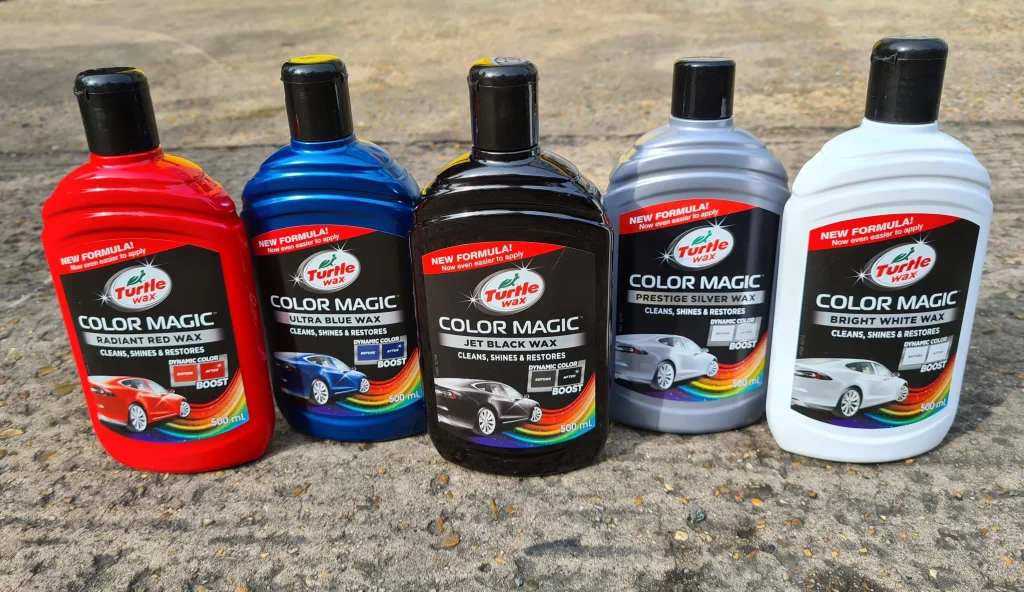
There is also a risk in expecting color-matched products to repair more serious damage. A scratch that has reached the primer or metal requires a proper repair process involving cleaning, paint, and clearcoat work rather than a surface dressing.
Color Magic, therefore, belongs on this side because its principal appeal is visual improvement rather than deep correction. It can make a car look better quickly, but buyers should understand that improved appearance is not the same thing as removing the scratch.
For a temporary cosmetic refresh, that may be perfectly acceptable. For permanent correction, a genuine abrasive polishing system is the more appropriate choice.
2. Meguiar’s Mirror Glaze #7 Show Car Glaze
Meguiar’s Mirror Glaze #7 Show Car Glaze is a classic example of a product whose purpose is primarily to enhance the visual appearance of paint rather than aggressively remove defects. Meguiar’s describes it as a pure polish designed to restore gloss and depth, particularly on finishes that have become dry or dull.
The product is especially associated with show-car preparation because it can improve the way paint reflects light. That makes imperfections appear less obvious, particularly when the surface is subsequently protected with wax or another finishing product.
What it does not do is fundamentally reshape the clear coat in the way an abrasive correction compound does. A scratch remains a scratch. The surrounding appearance can become richer and more reflective, reducing the visual contrast that makes the defect stand out.
That difference is not necessarily a criticism. There is a legitimate reason for using a glaze. Owners of older paint may prefer enhancing the finish without aggressively removing clear coat, particularly when preservation is more important than maximum correction.
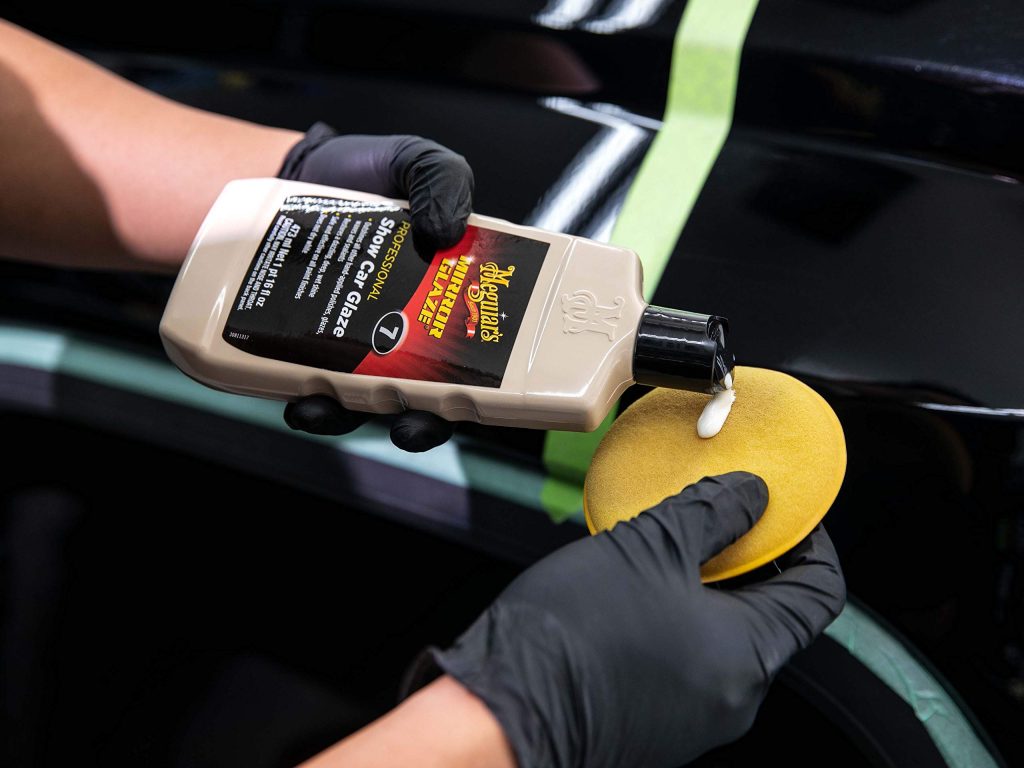
The problem arises when the product is judged by the same standard as a true abrasive polish. Someone expecting scratches to disappear permanently may be disappointed when the improvement changes after subsequent washing.
Meguiar’s itself positions #7 around gloss enhancement rather than heavy defect removal. That makes its place in this section fairly clear. It is a useful cosmetic finishing product, especially for enthusiasts preparing a vehicle for display, but it should not be purchased with the expectation that it will permanently remove moderate or deep scratches.
Its strength is optical enhancement. If the objective is actual paint correction, another product category is required.
3. Meguiar’s ScratchX
Meguiar’s ScratchX is designed for treating localized paint defects rather than correcting an entire vehicle. Meguiar’s says its micro-abrasive technology can remove light scratches, blemishes, and swirls while restoring clarity and gloss.
Its formula includes abrasive ingredients such as alumina and clay, meaning it can physically refine the upper surface rather than relying exclusively on a cosmetic filler.
That distinction is important. ScratchX can genuinely improve shallow scratches, particularly around door handles, parking marks, and other isolated areas. It can be applied by hand or with a dual-action polisher, making it practical when only a small section of paint needs attention.
However, the product has clear limits. A scratch that has penetrated through the clear coat cannot simply be polished away. Repeatedly working a deep defect can remove the surrounding clear coat without repairing the underlying damage.
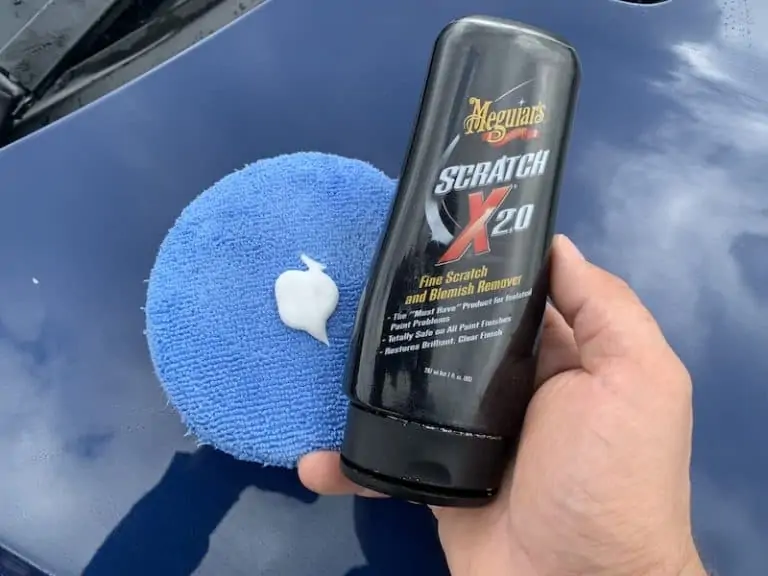
ScratchX therefore belongs in this discussion because its results can sometimes be mistaken for permanent correction when the defect is too deep. It is a legitimate light-correction product, but its success depends heavily on scratch depth.
For minor surface marks, it can actually change the paint. More serious damage requires more extensive repair rather than additional applications.
4. Turtle Wax Scratch Repair & Renew
Turtle Wax Scratch Repair & Renew is marketed as a scratch-removal product rather than a conventional glaze. Turtle Wax says it uses precision platelets to work on scratches and incorporates Heat & Seal technology to protect the treatment. It can also be applied either by hand or with a machine.
That makes it more capable than a product designed purely to disguise defects. On suitable scratches, its abrasive action can actually refine the affected paint surface. The important qualification is that not every scratch is equally repairable.
Turtle Wax instructs users to inspect the treated area and repeat the process if necessary, which illustrates how much the final result depends on the severity of the defect. A shallow mark may respond well, while damage that has gone deeply into the paint system will remain visible.
The protection left behind can also make the result appear especially dramatic immediately after application. Glossy paint reflects light more evenly, making remaining imperfections harder to notice.
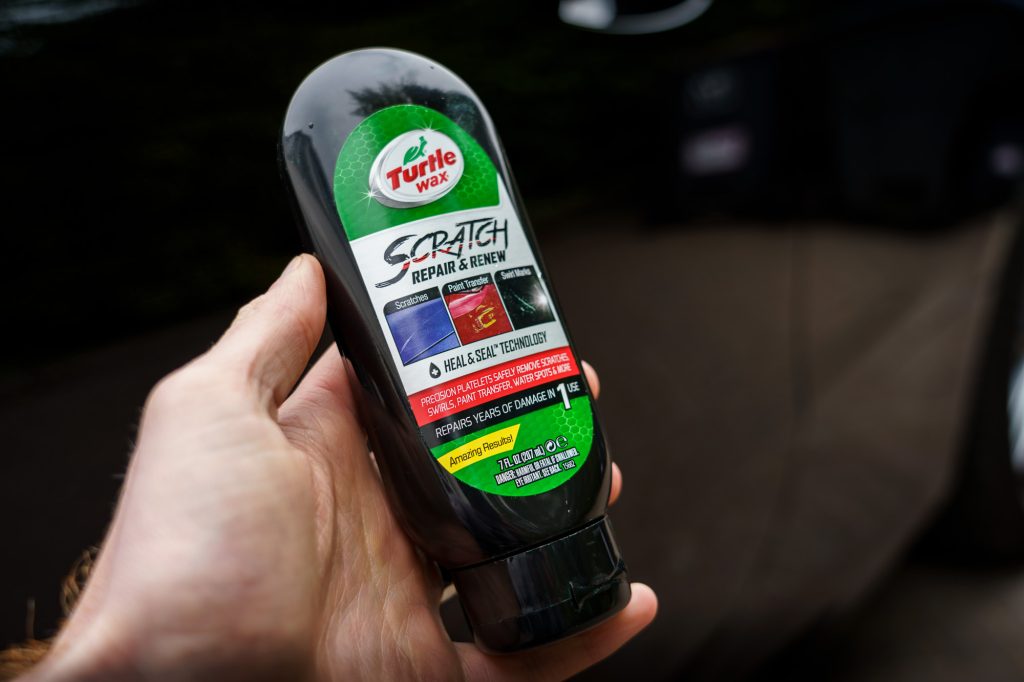
That is why the product deserves a cautious position here. It has genuine corrective capability, but consumers can mistake temporary visual improvement for complete scratch removal.
The safest approach is to assess the scratch before polishing. If the defect is too deep, repainting or touch-up work may be necessary.
5. Traditional Glaze Products
Traditional automotive glazes are primarily appearance-enhancing products. Instead of aggressively removing clear-coat material, many use oils and other ingredients to improve gloss and visually reduce the appearance of fine imperfections.
Their biggest attraction is the immediate transformation. Dull paint can appear darker, richer, and more reflective after application, while light swirls may become much less obvious. For a vehicle being prepared for a show, sale, or special occasion, that quick improvement can be useful.
The limitation is durability. If the glaze’s masking ingredients diminish through washing and exposure, the original scratches and swirls can gradually become visible again. The paint has not necessarily been physically leveled, so the defect itself remains.
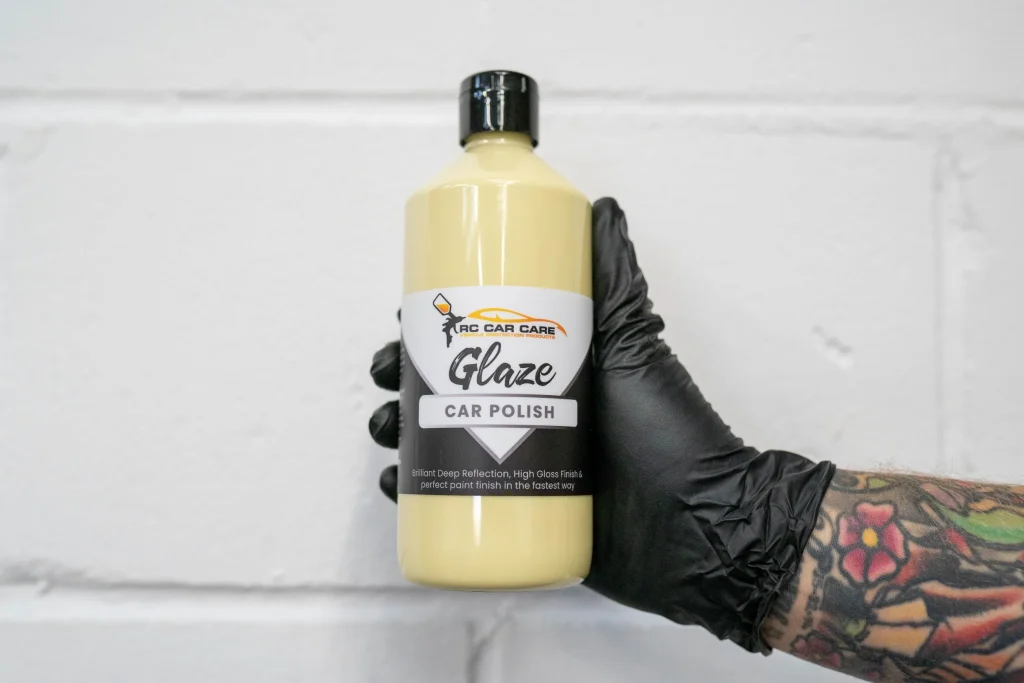
That does not make a glaze inherently bad. In some situations, avoiding aggressive polishing is actually desirable, particularly when preserving an older or previously corrected clear coat is more important than maximizing defect removal.
The problem is simply expecting a cosmetic treatment to behave like a true abrasive polish. They perform different jobs.
A glaze is therefore worth using when immediate appearance matters more than permanent correction. For lasting improvement, an abrasive polish or compound is the better choice because it can physically reduce suitable surface defects rather than merely making them harder to see.
