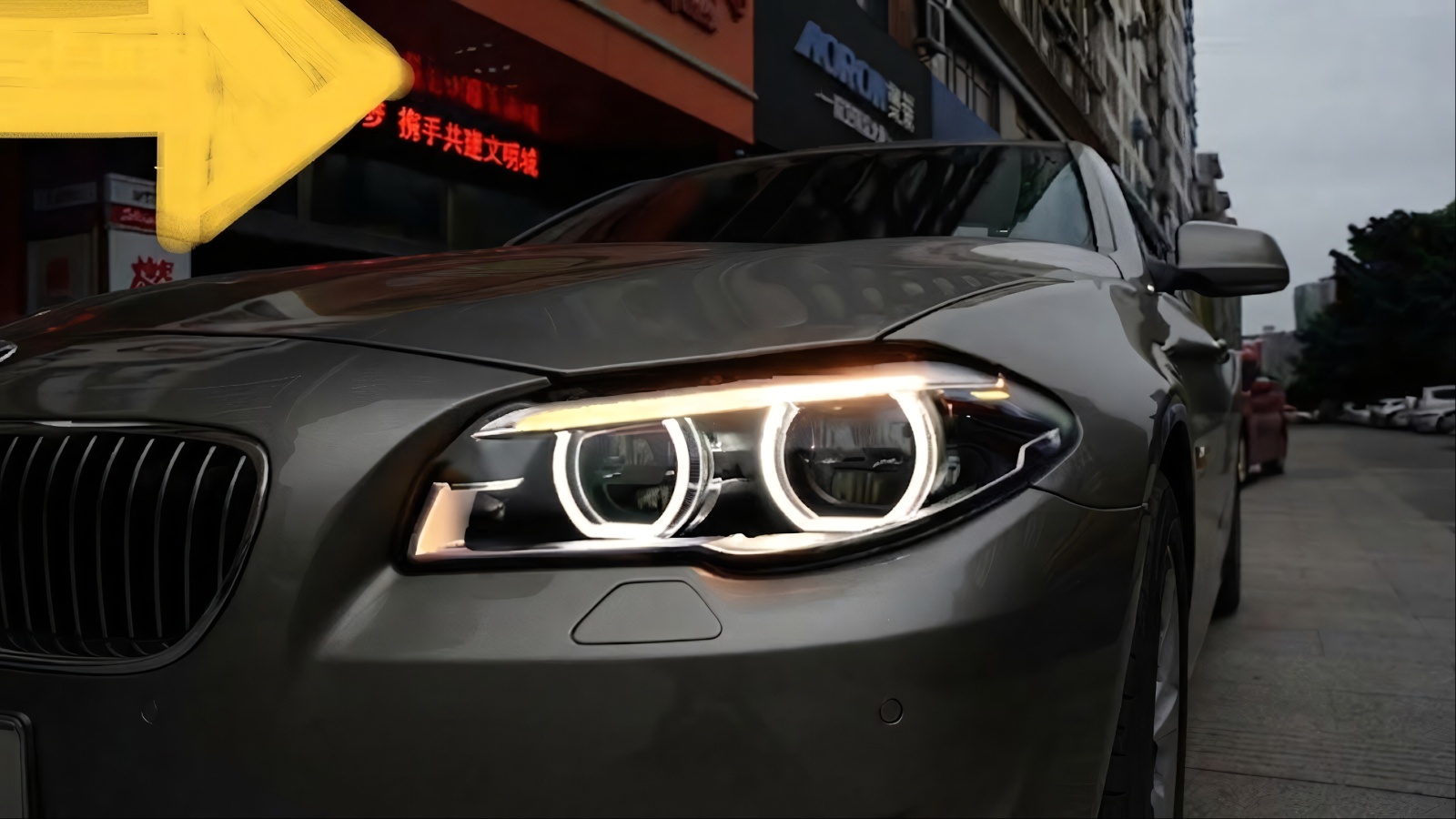
A good set of headlights can make night driving more comfortable, help you see road hazards sooner, and give your car a fresh appearance. But buying the brightest bulbs you can find is not always the smartest move. The right upgrade depends on your vehicle, the condition of its headlamps, and the type of light you need.
Some drivers will benefit from better halogen bulbs, while others need new lenses, a complete headlight assembly, or a carefully installed projector. This guide covers ten worthwhile upgrades, from simple replacements to professional lighting work, so you can spend your money on improvements that actually help you see the road.
1. Premium halogen headlight bulbs
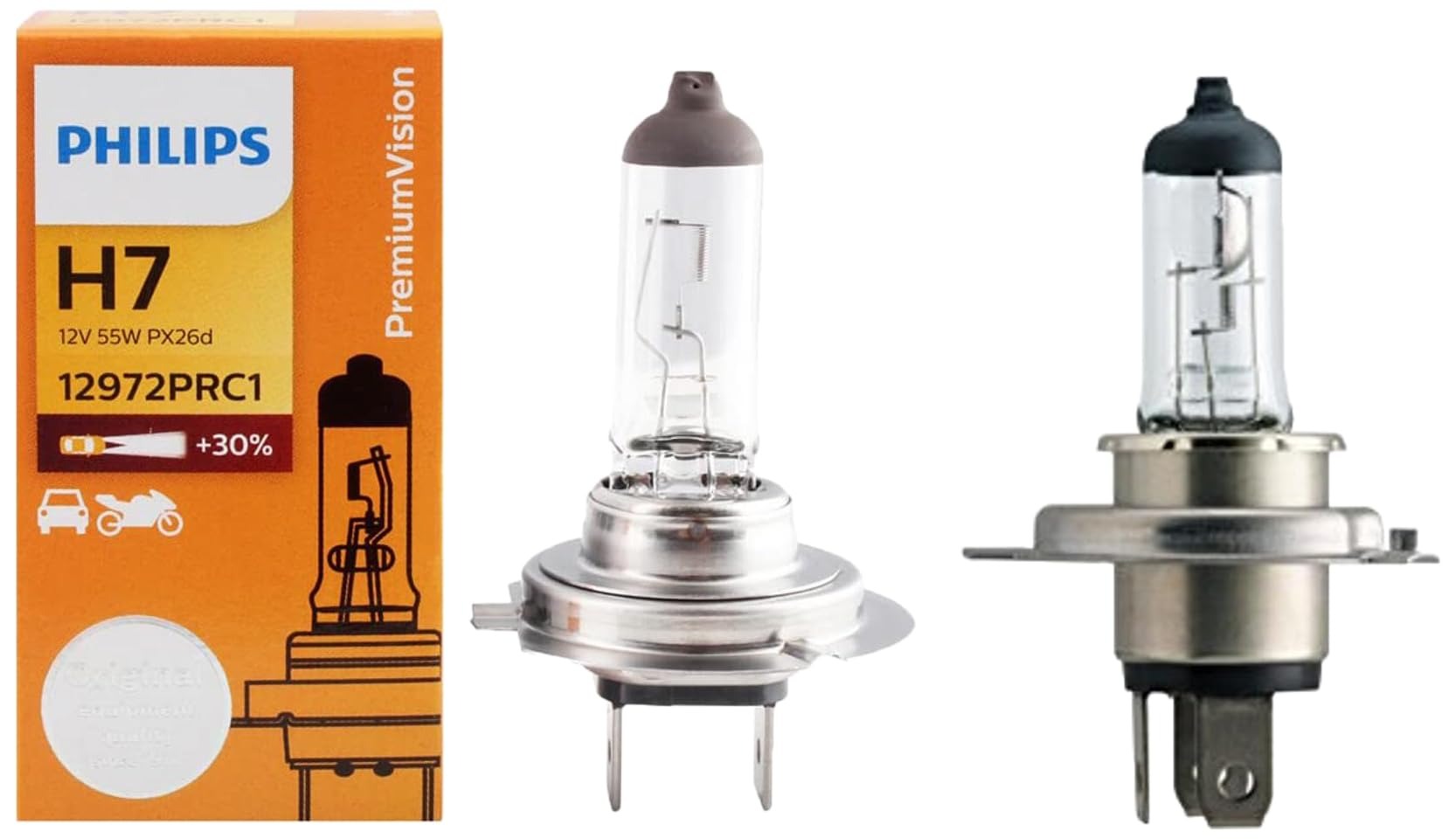
If your car still runs on standard halogen headlamps, there’s no need to rip out the whole system just to see better at night. Premium halogen bulbs from established brands offer a straightforward, low-risk upgrade that works within the housing you already have.
These bulbs typically use a different gas fill or filament design than the basic factory equipment, producing a whiter, slightly brighter beam without needing any wiring changes or special adapters.
What makes this option appealing is how little disruption it causes. Installation usually takes minutes, often without tools beyond what’s already in your glovebox.
Drivers who want a noticeable improvement without committing to a full retrofit find this a sensible first step, especially if their current headlights feel dim or yellowed compared to when the car was new.
It helps to manage expectations here. Premium halogens improve on standard bulbs, but they won’t match LED or HID output no matter how the packaging is worded.
What they offer instead is a reliable, moderate boost in clarity and color temperature, paired with the peace of mind that comes from using a bulb built for the exact housing your headlights already have.
For anyone unsure where to start with lighting upgrades, this remains one of the safest, most predictable choices available, and a good one to try before spending more on anything fancier.
2. Vehicle-compatible LED retrofit bulbs
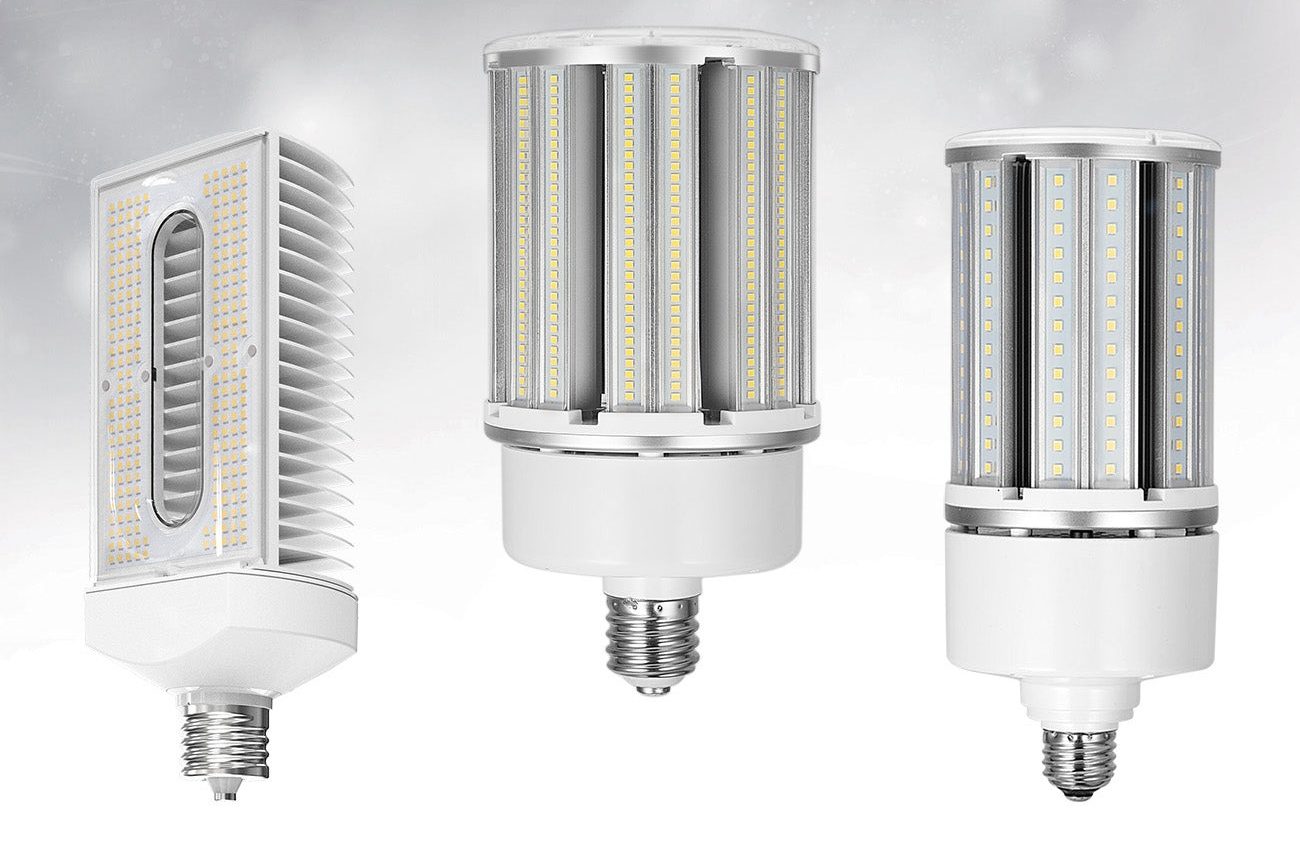
Swapping halogen bulbs for LEDs sounds simple until you realize how many “universal fit” products fail to actually fit anything properly.
The real value in this upgrade comes from choosing a bulb engineered for your specific vehicle and headlamp, not one advertised as compatible with every car built in the last decade.
A properly designed retrofit LED keeps your original headlamp housing intact while improving both brightness and color output. That matters because the housing, the reflector or projector inside it, was built around a particular light source.
Drop in an LED that wasn’t designed with that optical system in mind, and you risk scattered beams, glare aimed at other drivers, or dark spots where you actually need visibility.
Before buying anything, check your vehicle’s specific bulb size and confirm the manufacturer lists your exact make, model, and headlamp type as compatible.
Skipping this step is where most disappointing installations begin. Reviews and forums for your particular vehicle can reveal real-world results far more reliably than a product description alone.
Installation typically stays simple, similar to swapping a halogen bulb, though some vehicles need small adapters to avoid dashboard warning lights or flickering.
When properly matched to the vehicle, the benefits can be significant. You get cleaner light output and, in many cases, longer bulb life than comparable halogen bulbs without having to modify the headlamp housing.
This is a genuine improvement, provided you resist the urge to grab the cheapest option with the biggest lumen claim.
3. High-performance H11 LED bulbs
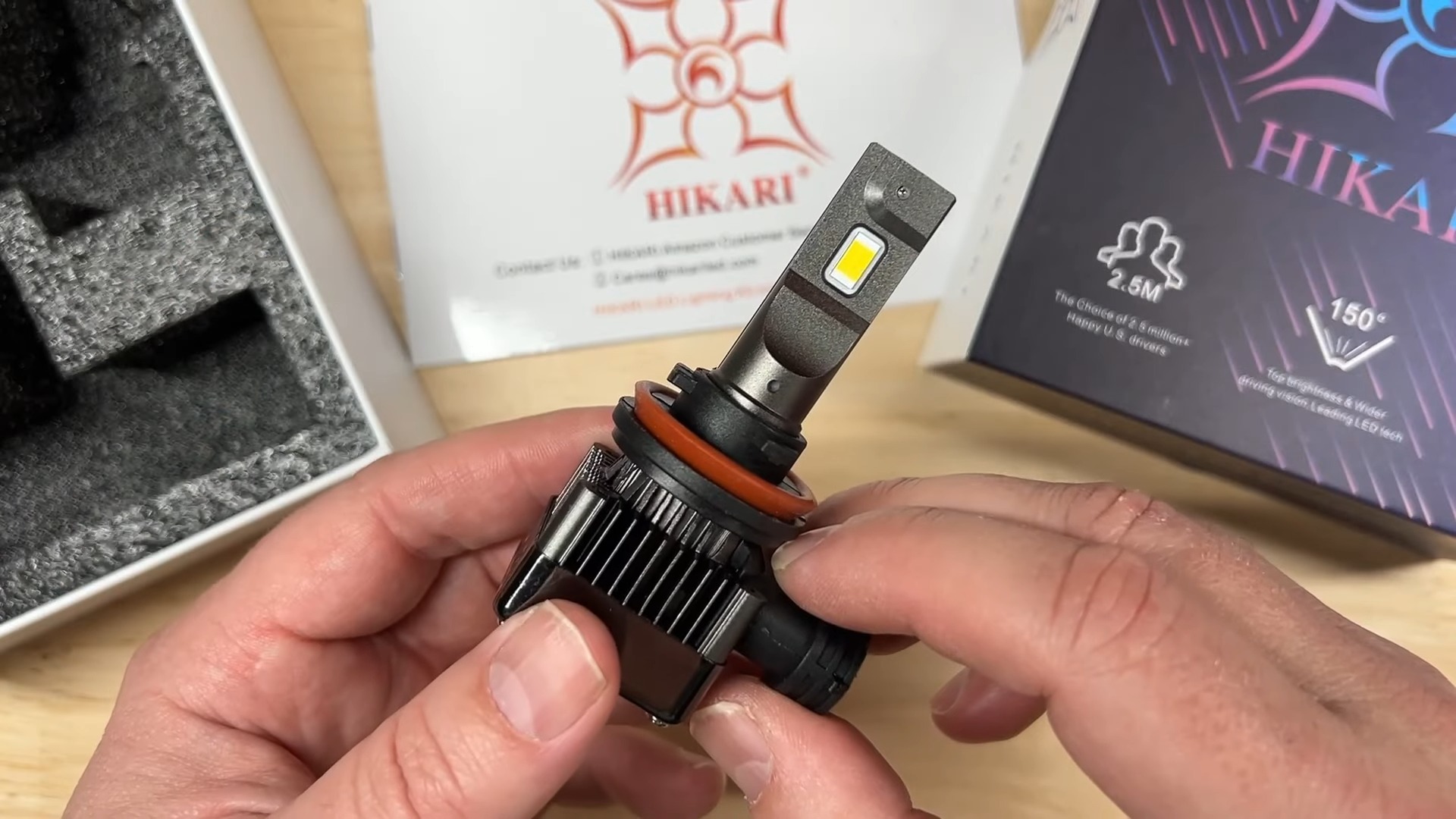
For cars that use H11 bulbs, a dedicated H11 LED replacement may be a useful upgrade. H11 bulbs are common in certain low-beam and fog-light applications, but the same bulb number does not guarantee that every H11 LED product will work well in every vehicle.
The appeal of a quality H11 LED bulb is its ability to provide a modern white appearance, efficient light production, and a long service life when properly designed.
Some products also offer compact housings that make installation easier in headlamp spaces with limited room. The cooling system is important because LED electronics and heat management affect reliability.
The main thing to check is the actual headlamp application. An H11 LED bulb fitted into a reflector designed for a halogen filament may produce an uneven beam, even if the bulb itself is bright. A poor beam can reduce useful visibility and create glare for other drivers.
For a vehicle-specific option, Philips Ultinon Pro6000 Boost is worth investigating where the exact application is supported. Visit
Philips official website for product and compatibility information.
If the H11 LED conversion is not approved for your car, a premium halogen bulb may be the safer purchase.
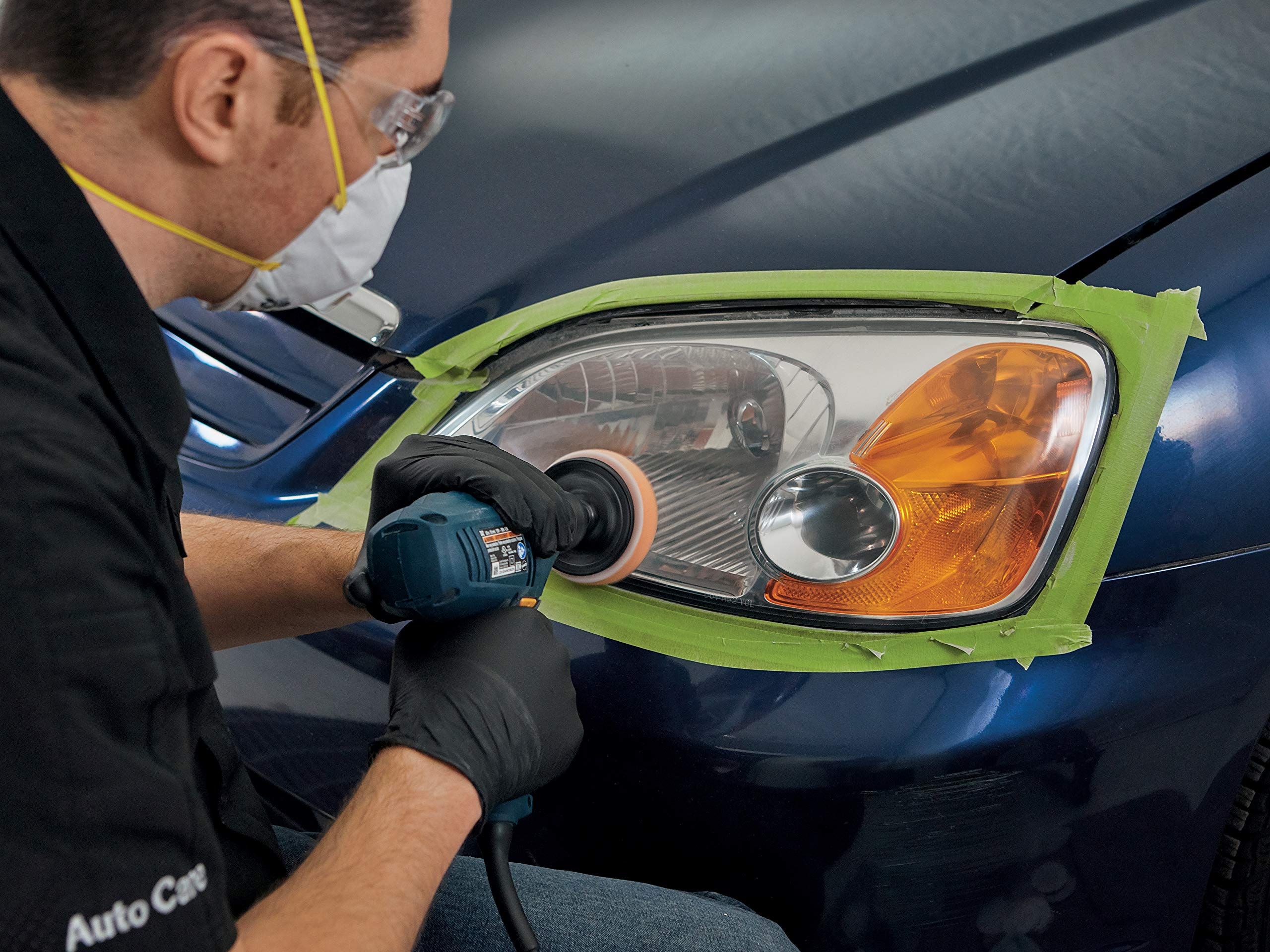
4. Headlight lens restoration
Sometimes the problem is not the bulb at all. A cloudy or yellowed plastic headlight lens can reduce the amount of light reaching the road, especially when the surface has heavy oxidation or fine scratches.
In such cases, restoring the lens may provide a better result than installing a brighter bulb. A proper restoration involves cleaning the lens, removing the damaged surface, polishing the plastic, and applying a suitable protective coating.
The coating matters because a polished lens without protection can become cloudy again after exposure to sunlight and weather. This upgrade is particularly useful for older vehicles with plastic headlamp covers.
It can improve the appearance of the car while helping the original headlights perform as intended. It is also less expensive than replacing an entire assembly when the internal components are still in good condition.
Not every lens can be restored successfully. Deep cracks, internal damage, severe yellowing, or water inside the assembly may require replacement instead. A professional can check the condition before recommending the best approach.
If your headlights look hazy in daylight, inspect them before spending money on bulbs. Restoring the lens may solve the problem more effectively, and it can help you avoid an unnecessary lighting conversion.
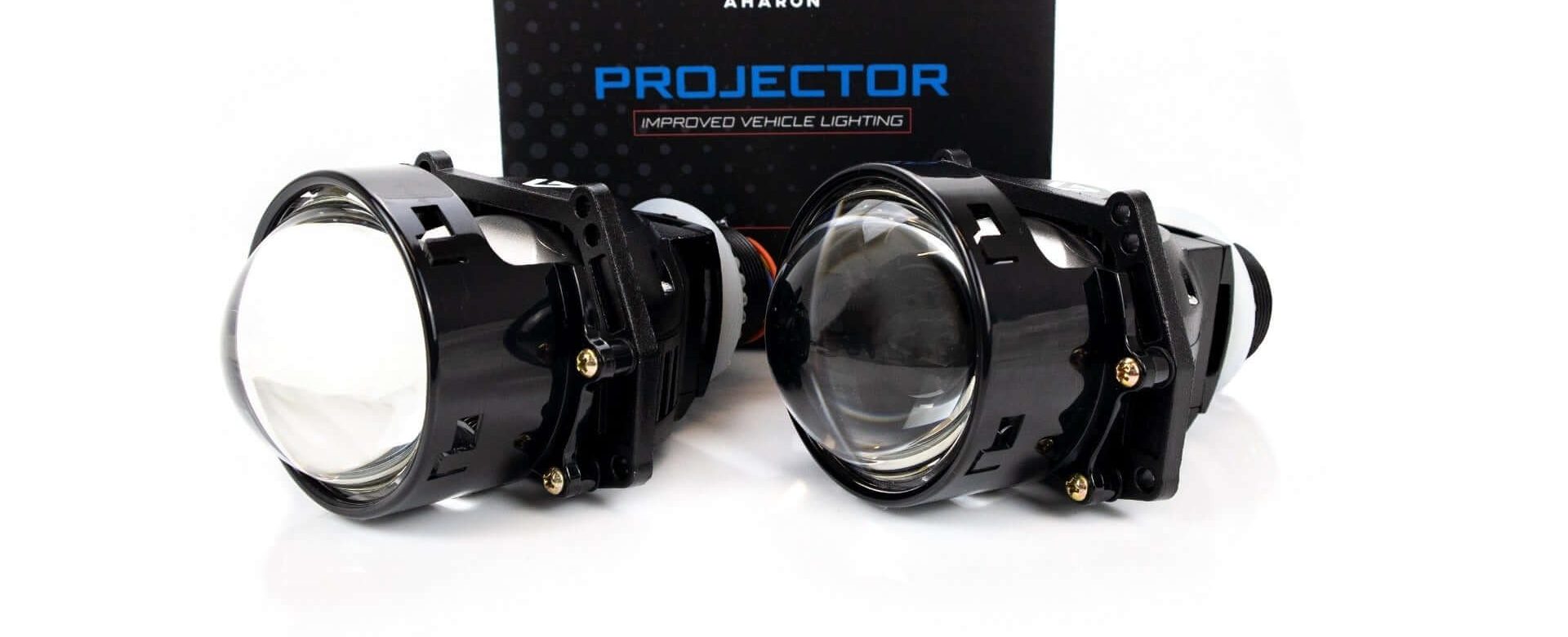
5. Bi-LED projector retrofit
A bi-LED projector retrofit is a more involved upgrade for drivers who want a complete improvement in headlight performance. Rather than replacing only the bulb, this approach replaces or modifies the optical system inside the headlamp.
A suitable projector can provide a more controlled beam, a sharper cutoff, and better illumination when properly installed. The term bi-LED refers to a projector that provides both low-beam and high-beam functions.
This can make it a practical choice for certain vehicles that need better performance from both settings. Projector retrofits require specialist work.
The installer must select a suitable projector, ensure the headlamp housing is compatible, and align the system correctly. Poor installation can cause glare, water leaks, or an uneven beam. It may also affect the vehicle’s roadworthiness or lighting approval.
This upgrade is worth considering when the original headlamp design is weak, damaged, or no longer meets your needs. It is not the best choice for someone who only wants a quick bulb replacement.
A reputable installer should explain the parts being used, the work involved, and any legal requirements before starting. The goal is not simply to produce more light, but to place the right amount of light on the road while keeping the beam controlled.
6. High-beam bulb upgrade
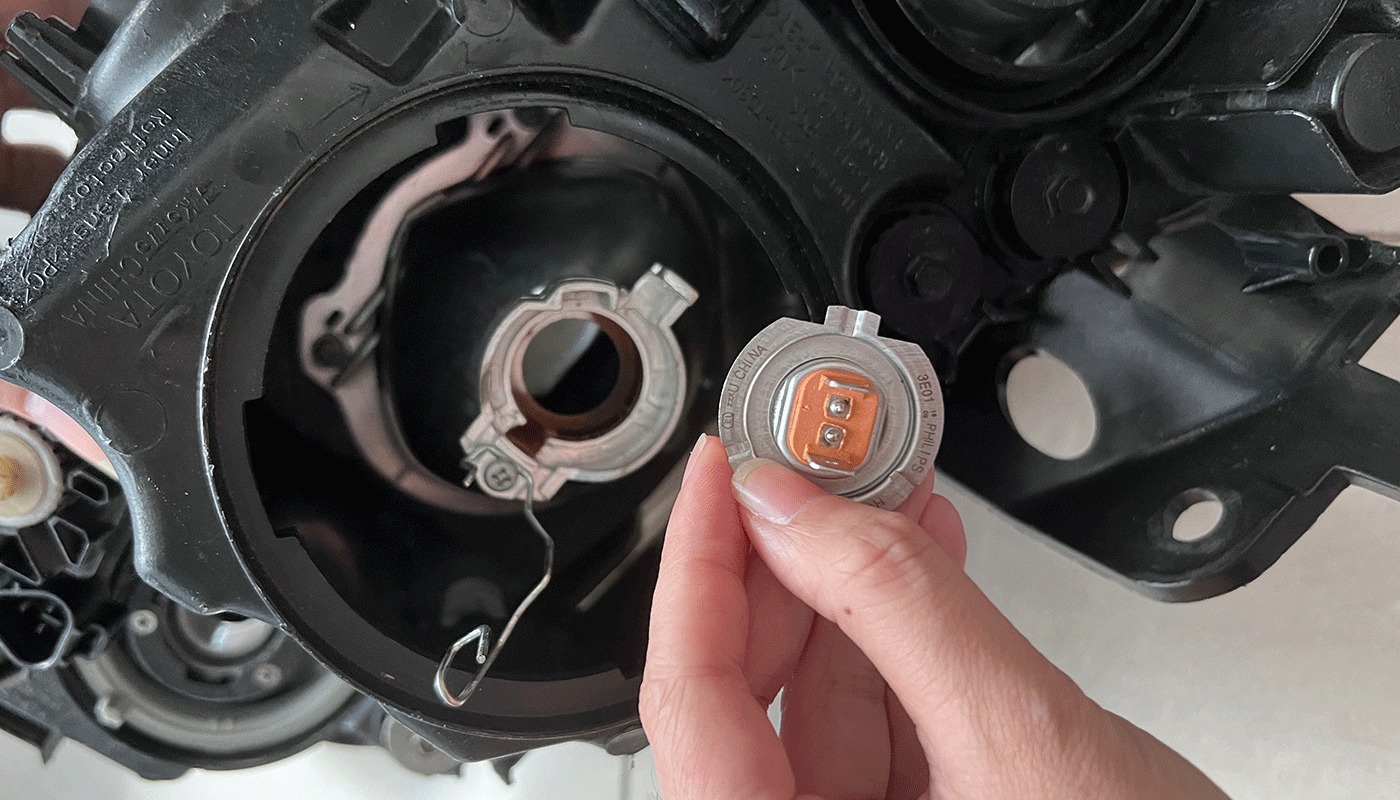
Dark rural roads without streetlights expose weak high beams fast. If your car’s high-beam performance has never impressed you, even after replacing the low beams, a dedicated high-beam bulb upgrade addresses that gap directly.
Start with the basics. Confirm the exact bulb type your vehicle’s high beams use, since this sometimes differs from the low-beam bulb even on the same headlamp assembly.
A performance-oriented bulb, whether halogen or LED depending on your setup, can noticeably extend how far your high beams reach down the road, giving you more reaction time on unlit routes.
Installing a brighter bulb addresses only part of the problem. Proper headlight alignment is equally important. Even a powerful high beam will not improve visibility if it is aimed incorrectly. Instead, it may simply send more light toward the wrong area.
After any bulb change, it’s worth having the aim checked, particularly for high beams where even small angle differences change how far down the road the light actually reaches.
Proper high beam use is just as important as choosing the right hardware. Switch to low beams as soon as you see another vehicle, whether it is approaching or traveling ahead of you. A brighter high beam can make glare much worse when it is left on around other drivers.
Treat this upgrade as a tool for genuinely dark, empty roads, not something left blazing through every drive. Used correctly, it’s one of the more practical safety upgrades on this whole list.
7. Dedicated fog-light upgrade
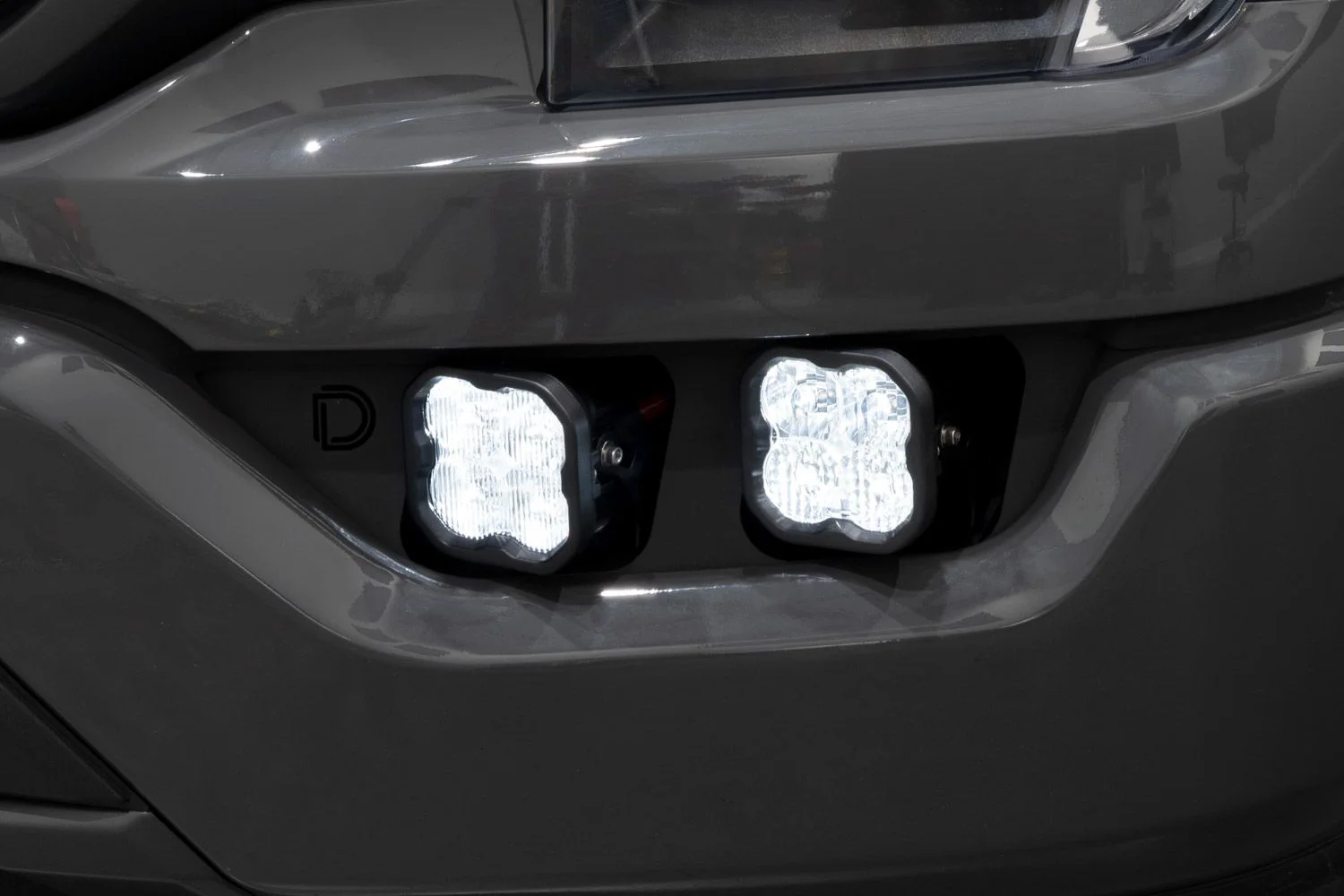
Fog lights serve a narrow, specific purpose, and that purpose gets lost the moment someone treats them like a second set of headlights. A proper fog-light upgrade respects that difference, focusing on beam pattern and housing compatibility rather than raw brightness.
The physics behind fog lights matters here. They’re mounted low and aimed wide and flat on purpose, designed to illuminate the road surface close to the car while staying beneath the height of fog, rain, or snow that would otherwise reflect a higher beam right back into your eyes.
A simply brighter bulb, without matching that low, wide beam pattern, can actually make visibility worse in genuine fog conditions by scattering light into the haze itself.
Choosing a replacement bulb designed specifically for your fog-light housing keeps that beam geometry intact. Look for options that mention weather sealing too, since fog lights sit in a more exposed, lower position on the vehicle and take more direct hits from splashing water, road salt, and debris than headlamps mounted higher up.
Skip anything marketed purely on brightness claims without mention of beam pattern or housing fit. A dimmer bulb aimed correctly outperforms a blinding one aimed poorly every time conditions actually call for fog lights.
This is a smaller, less expensive upgrade than most on this list, but it’s one that rewards buyers who prioritize function over flashy marketing language on the box.
8. New OEM headlight assembly
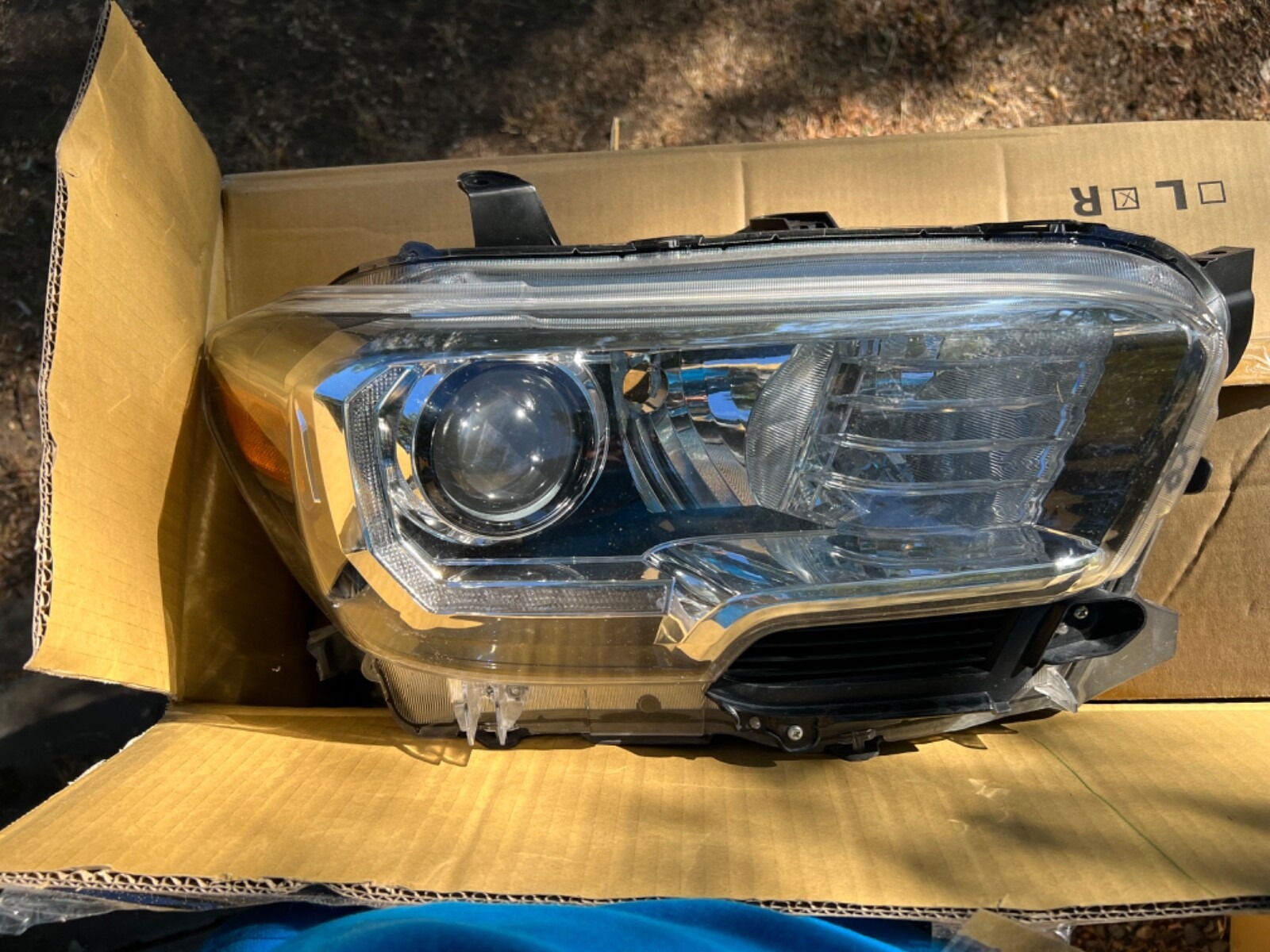
Sometimes the best solution is not upgrading the bulb but replacing the entire headlamp housing. Cracked lenses, water leaks, severely yellowed plastic, or damaged internal reflectors can all indicate that the assembly is no longer serviceable. In these situations, changing the bulb will not correct the underlying problem.
Replacing a failing headlamp with a new original equipment assembly restores the beam quality your car had when it left the factory. This matters more than it sounds, since even a top-tier LED bulb performs poorly inside a housing with moisture damage or a degraded reflective coating. You’d be pouring money into a bulb while the actual problem sits untouched.
Cost varies quite a bit by vehicle and whether you’re buying directly from a dealer or a certified aftermarket supplier, but this investment often beats a cycle of repeatedly buying brighter bulbs for a housing that keeps underperforming no matter what’s screwed into it.
Installation ranges from a simple bolt-in swap on some vehicles to a more involved job on others, particularly if the assembly ties into adaptive lighting systems or requires recalibration afterward.
Before spending on any bulb upgrade, take an honest look at your current housing’s condition. Cracks, fogging that won’t restore, or visible water inside the lens are signs pointing toward replacement rather than another round of bulb shopping. This fix costs more upfront, but it addresses the root problem rather than working around it.
9. Professional headlight alignment
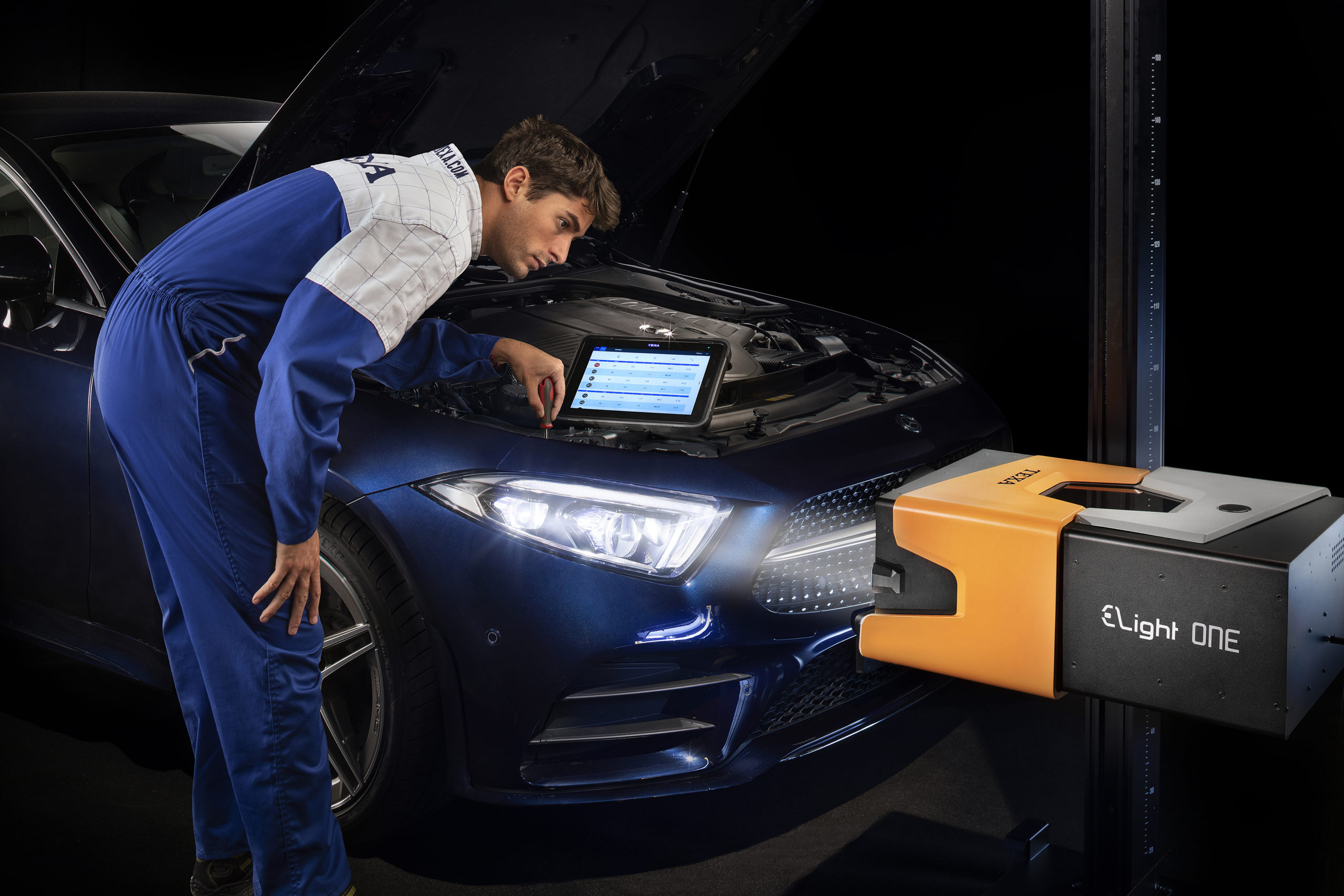
Headlight alignment is one of the most practical upgrades worth paying for because it determines how effectively your headlights illuminate the road.
Even a good bulb can provide poor visibility if the headlamp is aimed too high, too low, or in the wrong direction. When the beam is properly positioned, you can see the road ahead more clearly without creating unnecessary glare for other drivers.
A professional alignment service uses the vehicle’s specifications and suitable equipment to check the beam position and make the necessary adjustments.
This is particularly useful after replacing a headlamp, changing suspension components, installing new bulbs, or repairing damage around the headlight housing. Correct alignment also helps prevent glare.
A headlight aimed too high may shine directly into the eyes of oncoming drivers, while a lamp aimed too low may leave the road ahead poorly illuminated. Both situations can make night driving less comfortable and less safe.
The work is usually straightforward, but the result can be valuable. If your headlights appear to point in different directions, the road is not illuminated evenly, or one beam seems weaker than the other, alignment should be checked before buying a more powerful lighting system.
A professional can also inspect the headlamp mounting points, adjustment screws, and beam pattern. If the housing is damaged or the internal reflector is worn, alignment alone may not solve the problem. In that case, replacing the assembly may be a better investment.
For many drivers, this is a better use of money than purchasing another set of bulbs. A properly aimed headlight allows the existing light to perform more effectively, helps reduce glare, and makes nighttime driving more comfortable for everyone on the road.
10. Quality headlight wiring and CANbus accessories
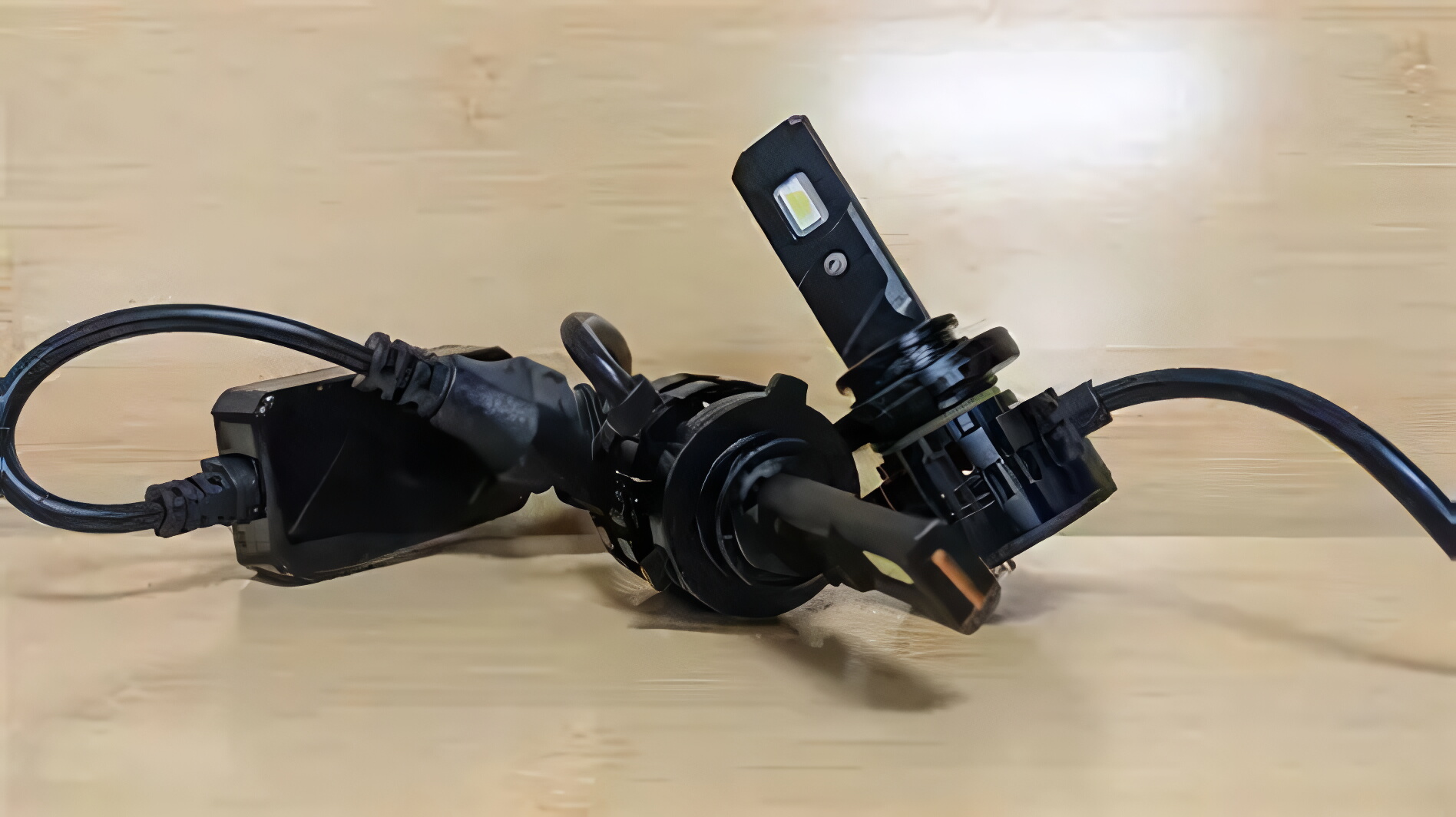
Some LED headlight conversions need additional wiring or an electronic adapter to work correctly with the vehicle’s electrical system. This is where quality CANbus accessories can be useful.
They may help address flickering, dashboard warnings, or other issues that occur when an LED bulb is fitted to a system designed for halogen bulbs.
A CANbus adapter is not a universal fix. The correct accessory depends on the vehicle, the bulb, and the electrical problem. Some cars may need a resistor, a decoder, or a different wiring arrangement, while others may not need anything beyond the bulb itself.
The best approach is to identify the actual issue before buying accessories. If the bulb is incompatible, an adapter may not correct the beam pattern or make the conversion legal. A poorly designed accessory may also create heat or electrical problems.
When choosing a wiring accessory, use a product recommended for the exact vehicle and bulb combination. Installation should follow the manufacturer’s instructions, and any wiring changes should be checked carefully.
These accessories are worth paying for when they solve a genuine compatibility problem. They should not be purchased simply because a product listing promises universal compatibility. A properly matched bulb and a sound electrical system are more important than adding extra components.