Buying a used car without checking its engine history is a gamble most people regret sooner rather than later. Some engines built over the past few decades developed real reputations for trouble, whether through owner complaints, dealership records, or manufacturer recalls that speak for themselves.
This list pulls together ten engines that racked up documented issues across specific years and applications, from oil consumption problems to outright internal failures.
None of this means every single unit built during these years failed. It means the risk climbed high enough that mechanics, forums, and manufacturers themselves took notice. Knowing which engines carry this baggage can save you from a costly surprise down the road, whether you’re shopping used or just curious about what’s under your own hood.
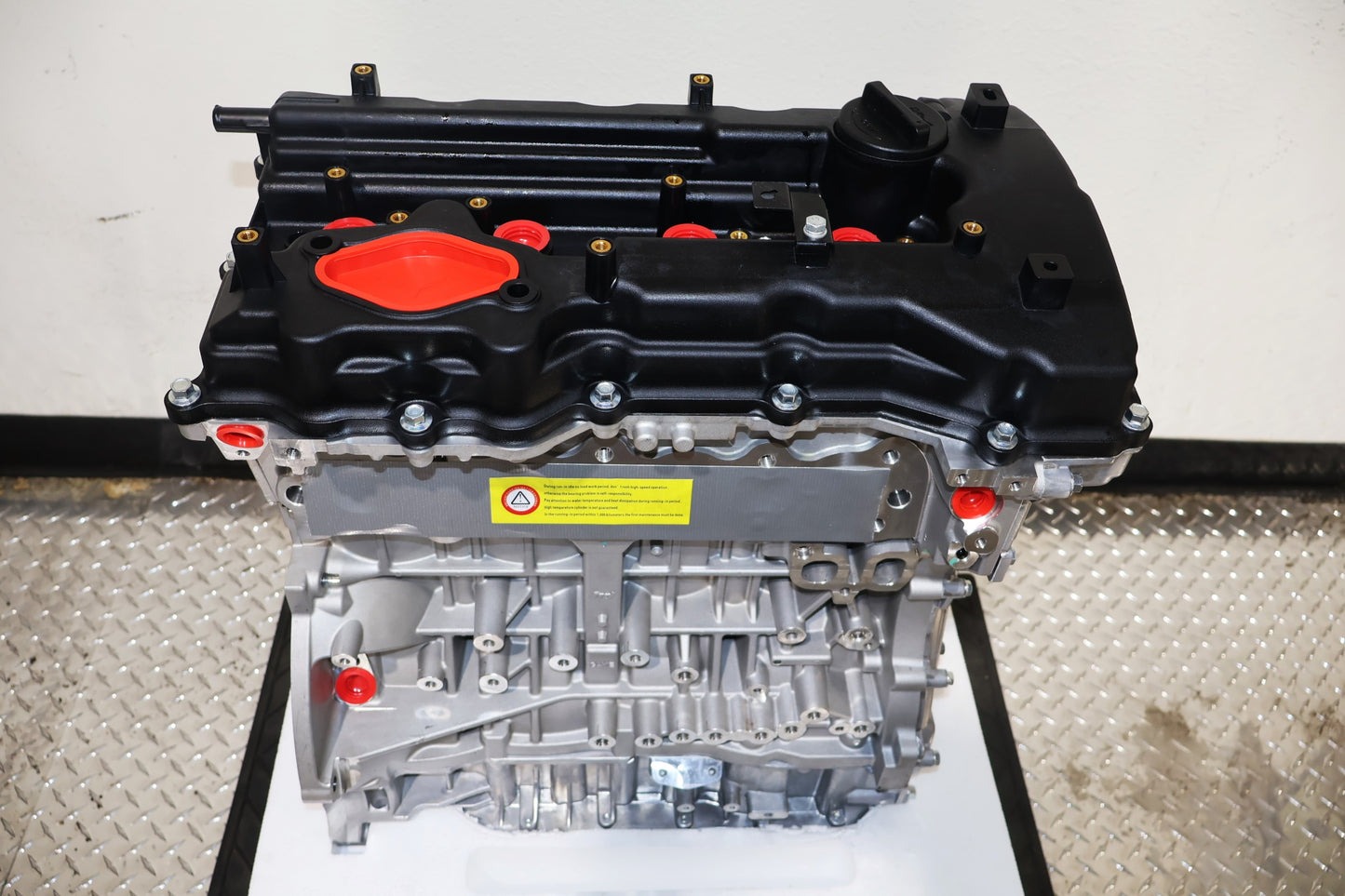
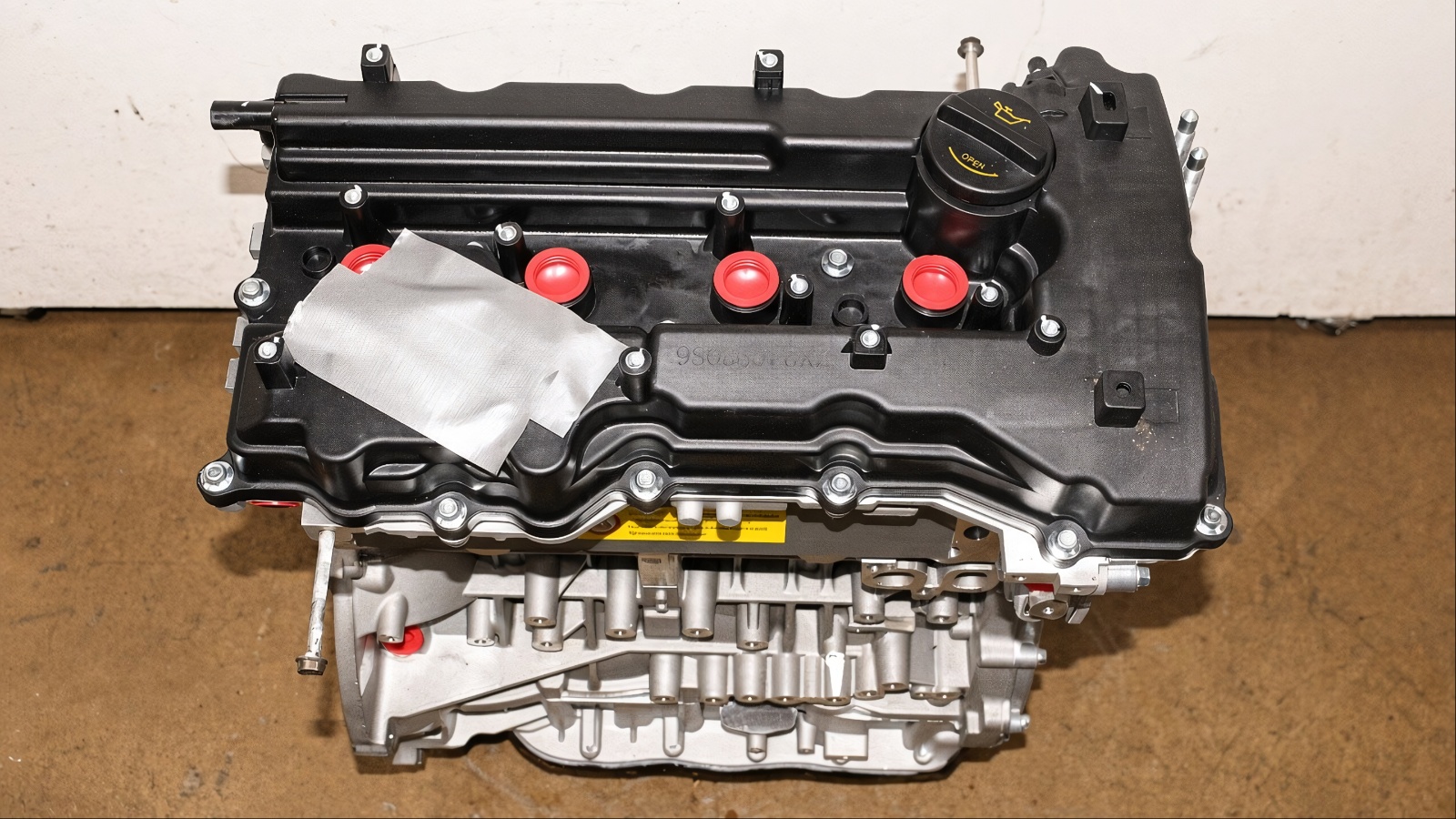
1. Hyundai/Kia 2.4L Theta II GDI (2011-2019)
Rod-bearing failure sounds technical until you’re the one standing next to a car that just made a knocking sound and stopped running.
That’s exactly what happened to enough Theta II owners that Hyundai and Kia found themselves issuing multiple recalls and extending warranty coverage well past typical timelines.
The core problem traces back to manufacturing debris left inside the engine during production, which restricted oil flow to the rod bearings.
Starved of proper lubrication, those bearings wore down faster than they should have, eventually leading to metal-on-metal contact inside the engine. Owners often reported hearing a knocking noise before failure, though some engines seized with little warning at all.
Excessive oil consumption became a companion complaint alongside the bearing issue, with some owners topping off a quart between regular oil changes just to keep the engine properly lubricated.
That combination, oil burning off faster than expected while bearings were already under stress from debris, created a rough recipe for premature engine damage.
Hyundai and Kia responded with software updates monitoring oil consumption and knock sensors, along with extended warranty programs covering engine replacement in confirmed cases.
Buyers looking at these model years today should check for completed recall work and ask directly about oil consumption history before signing anything, since a clean recall record offers real reassurance that the worst of this problem has already been addressed on that particular vehicle.
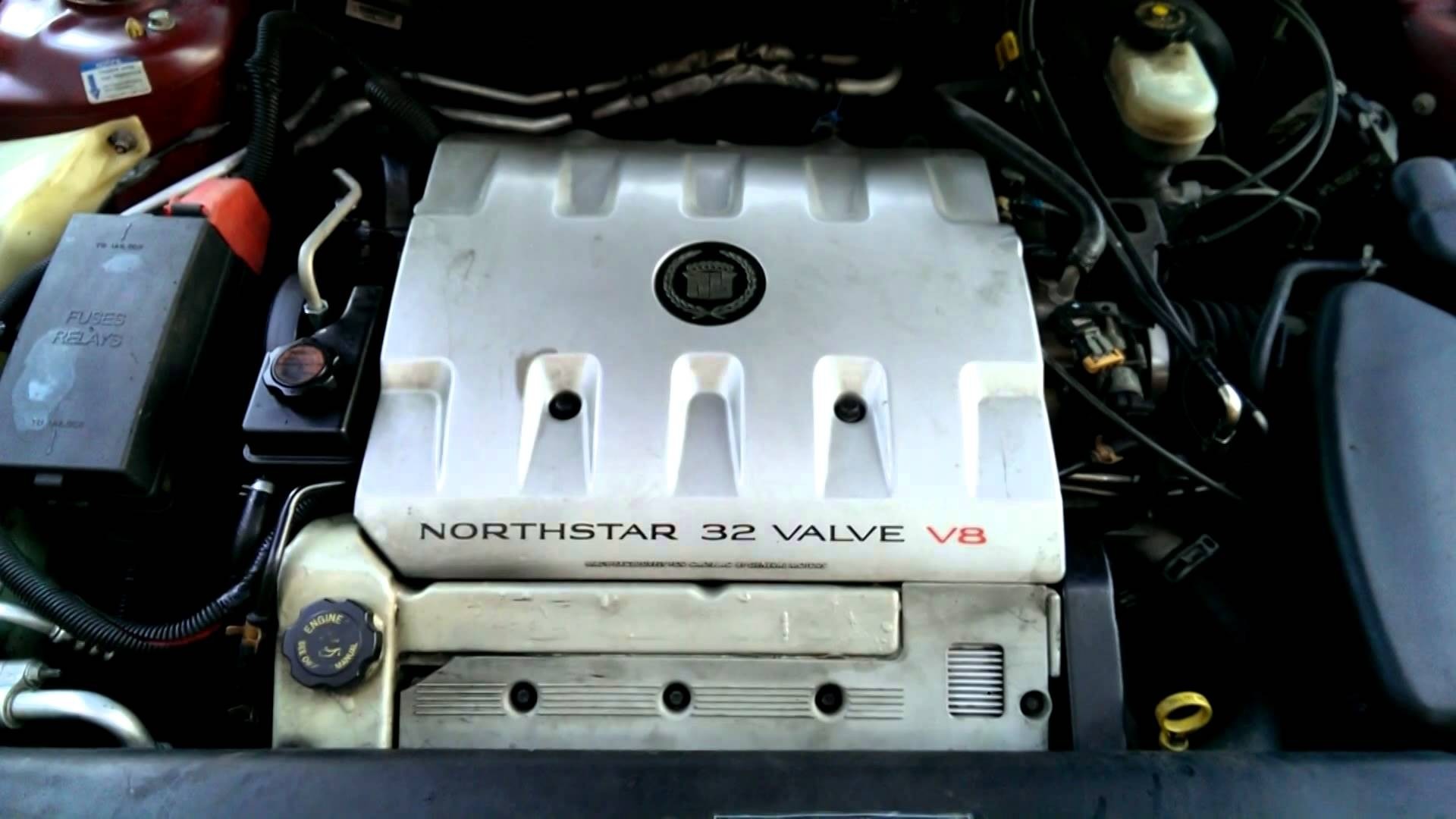
2. Cadillac Northstar V8 (1993-2011)
Few engines illustrate the difference between impressive engineering and costly repair work better than the Cadillac Northstar V8. When healthy, the engine offered strong power, smooth operation, and the refined character expected from a luxury car.
The trouble came from several recurring repair concerns, particularly on earlier versions. Head-gasket failure became one of the most feared problems.
The aluminum block and cylinder-head design used torque-to-yield head bolts, and damaged threads in the block could allow the bolts to lose their clamping force.
When that happened, combustion gases could enter the cooling system, creating overheating and coolant loss. Repairing the problem was rarely a quick afternoon job.
Proper repairs could require extensive disassembly and specialized procedures to restore the damaged block threads. Oil leaks and consumption added another layer of expense.
Cooling-system issues could also turn into major engine problems if overheating was allowed to continue. There is an important distinction between a Northstar that has received the correct repairs and one that has not.
A properly rebuilt or updated engine may provide dependable service, while a neglected example can become a financial headache. Buyers considering an older Cadillac should look for detailed maintenance records, evidence of cooling-system repairs, and documentation showing whether previous head-gasket work was performed correctly.
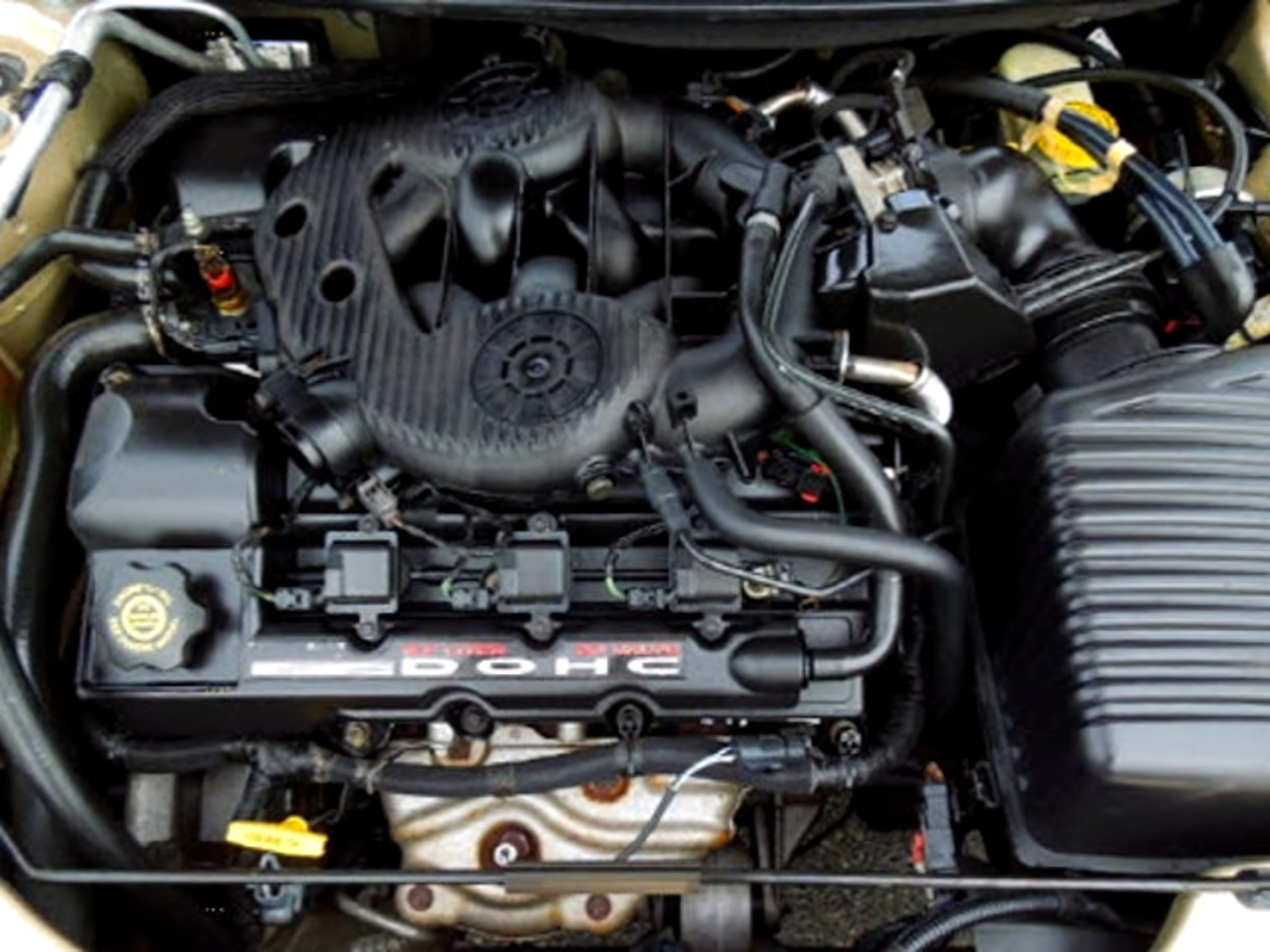
3. Chrysler 2.7L V6 (1998-2010)
Sludge. That single word explains most of what went wrong with Chrysler’s 2.7L V6, and it’s worth understanding exactly how it happened.
Poor internal oil circulation, combined with a design that made regular oil changes easy to neglect or delay, allowed sludge to build up inside the engine over ordinary use.
Once sludge accumulated, it restricted oil flow to critical components, starving parts of the lubrication they needed to function properly.
Internal engine damage followed in enough cases that this became one of the most widely discussed reliability problems from that entire era of Chrysler sedans and minivans.
Water pump failures added a second layer of trouble. On these engines, the water pump sat in a position where failure could send coolant directly into the oil system, compounding the sludge problem with contamination that made the internal damage even worse.
Owners who caught a failing water pump early sometimes avoided the worst outcomes, but plenty didn’t notice until damage had already spread.
Regular oil changes, more frequent than Chrysler’s original recommendations suggested, became the community-recommended fix for anyone still running one of these engines.
Shorter intervals reduced sludge buildup risk substantially. For buyers evaluating a used vehicle with this engine today, maintenance records showing consistent, frequent oil changes matter more here than with almost any other engine on this list, given how directly that habit ties to long-term survival.
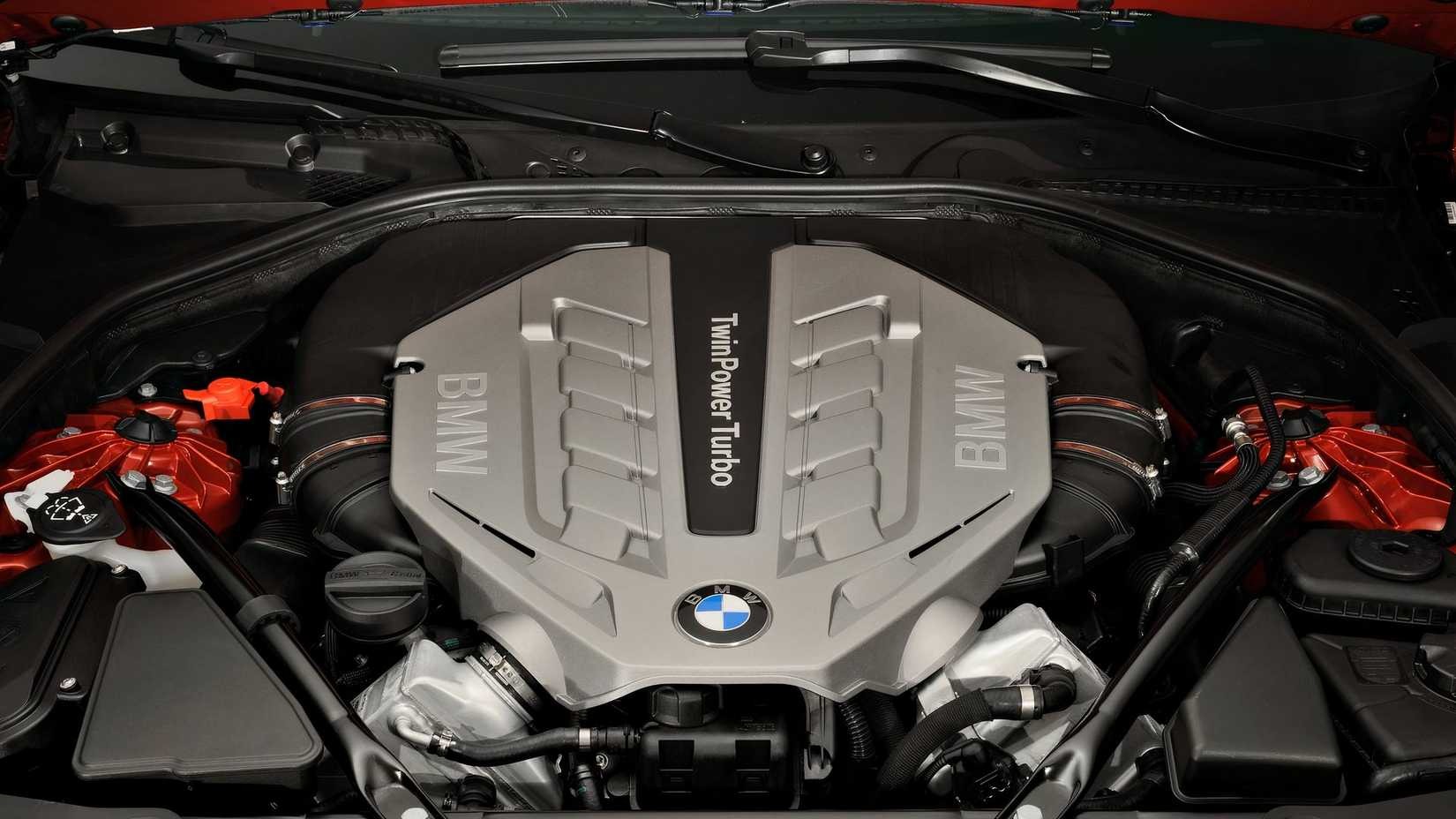
4. BMW N63 4.4L Twin-Turbo V8 (2008-2014)
Picture a twin-turbo V8 that sounds fantastic, pulls hard, and then quietly burns through oil faster than most owners expect from a modern engine.
That was the early N63 experience for a meaningful number of BMW owners, and it became widespread enough that BMW eventually rolled out a formal customer-care program addressing it directly.
Valve-stem seals wore prematurely on many units, allowing oil to seep past and burn off during normal operation. Owners often found themselves adding oil between scheduled service intervals, sometimes without any warning light or obvious symptom pointing to the cause.
Timing-chain concerns added another layer of worry, with some engines developing chain stretch or tensioner issues that required attention well before most owners would expect major mechanical work.
Repair costs on this engine tend to run high, a reality tied directly to BMW’s packed engine bay design and the sheer number of components crowded around a twin-turbo V8 layout.
Simple jobs that might take an hour on a more accessible engine can stretch into a full day of labor here, and that labor cost adds up fast.
BMW’s customer-care measures extended coverage for affected components on many vehicles, so buyers should specifically ask whether this work has been completed on any N63-equipped vehicle under consideration.
A documented service history covering these campaigns offers real reassurance that the engine’s worst-known issues have already been addressed.
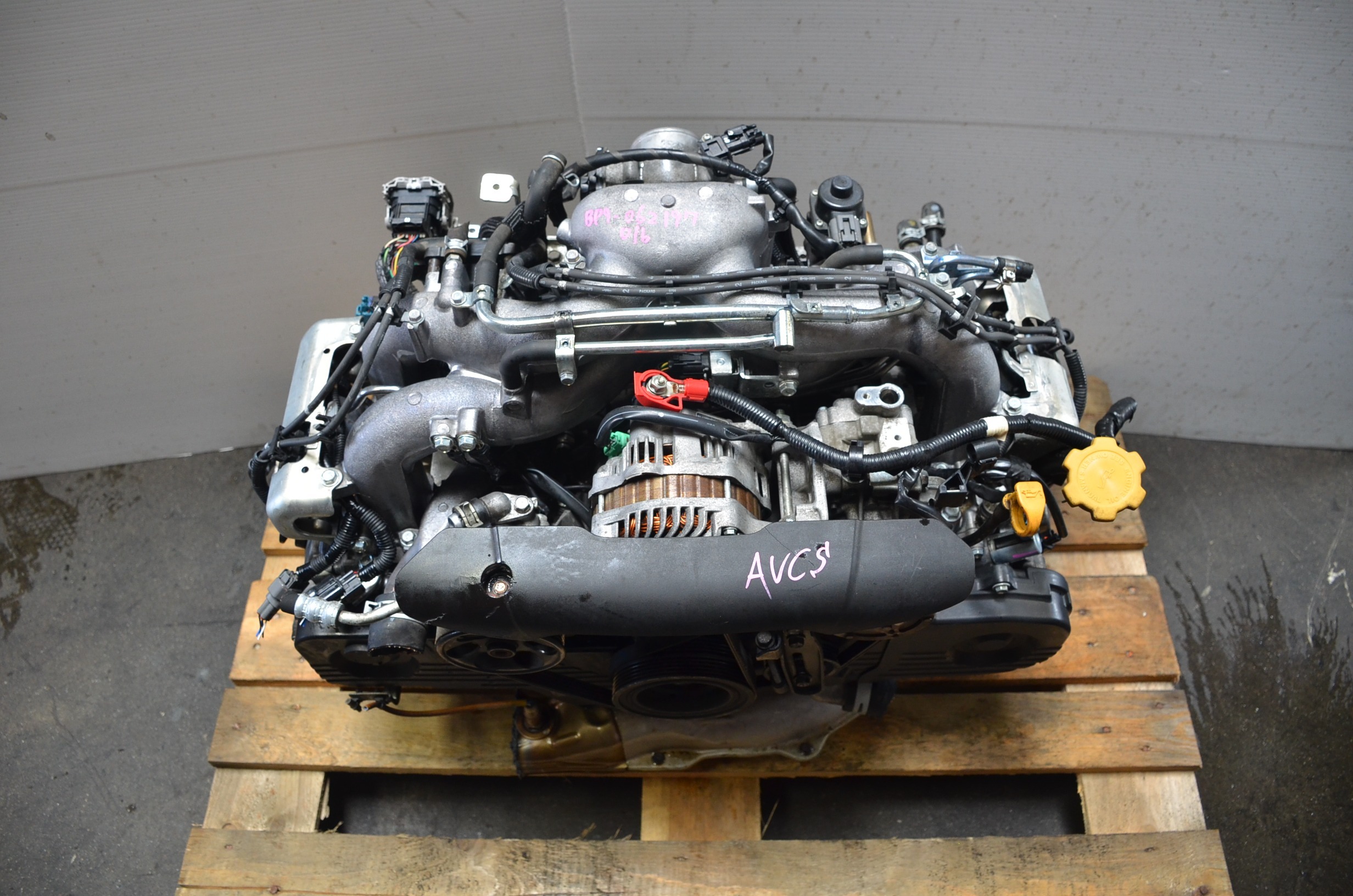
5. Subaru EJ25 Boxer (1996-2019)
The Subaru EJ25 is less a single-problem engine than a large family with many different versions and failure patterns. Naturally aspirated and turbocharged variants were used in numerous Subaru models, and their reliability depended heavily on the exact design, model year, and application.
Treating every EJ25 as identical can lead to poor buying decisions. Head-gasket leaks became one of the most familiar complaints on certain naturally aspirated versions.
External coolant or oil leaks could develop around the cylinder heads, while overheating could follow if the problem was ignored. Some later engines also became associated with increased oil consumption.
Turbocharged EJ25 versions brought their own concerns. Depending on the specific engine, piston and ringland damage, bearing wear, or lubrication problems could lead to severe internal failure.
Modified vehicles deserve special attention because increased boost and aggressive tuning can place greater demands on pistons, bearings, and cooling systems.
The boxer layout itself is not the cause of every EJ25 problem, but it can make certain maintenance jobs different from those on conventional inline engines.
Regular fluid changes, correct coolant procedures, and prompt attention to overheating can make a major difference. When shopping for one, the engine code and service history are more useful than simply seeing “2.5-liter” in a listing.
Look for compression or leak-down testing when appropriate, evidence of head-gasket repairs, oil-consumption history, and records showing how the vehicle was maintained or modified.
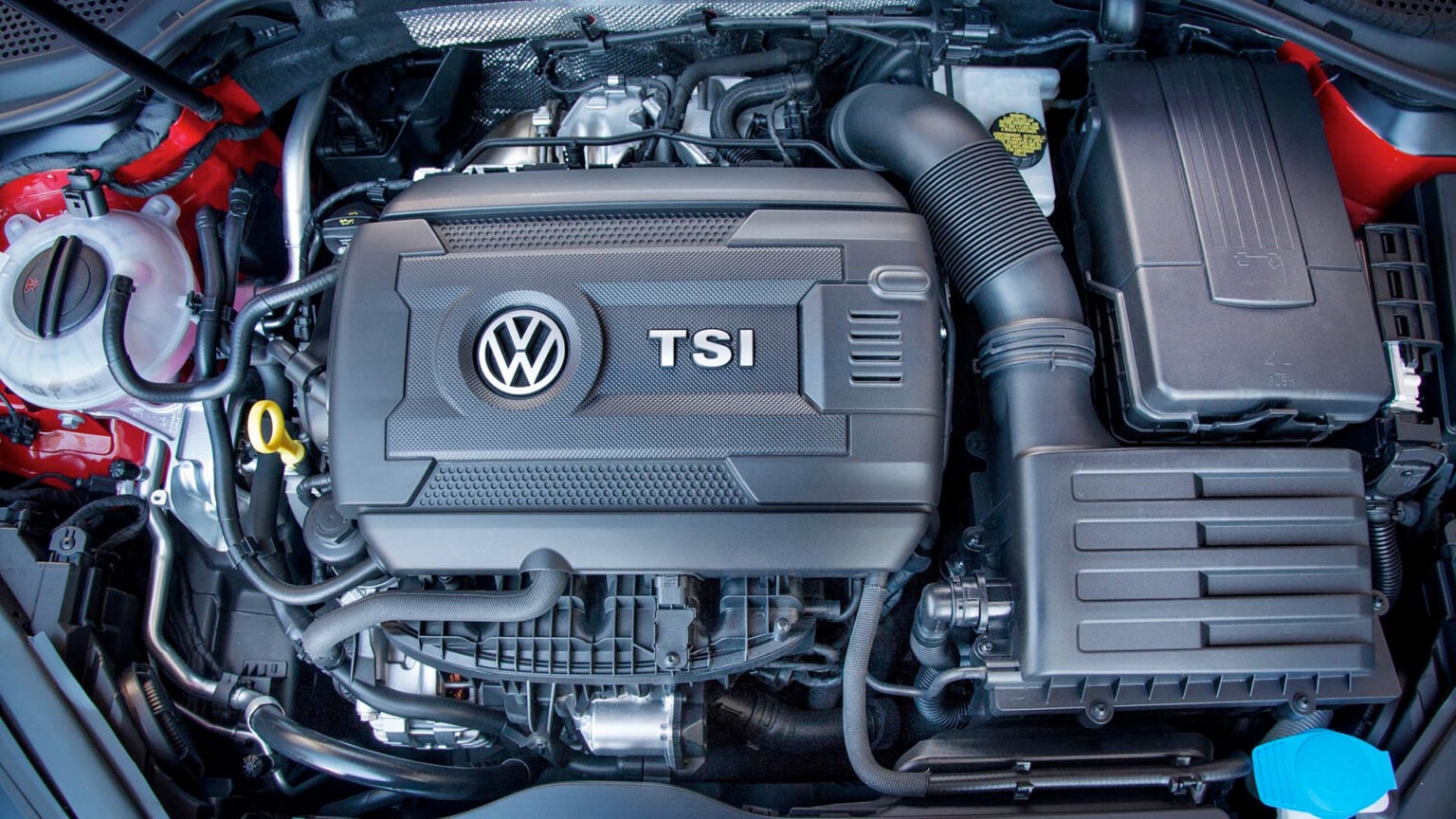
6. Volkswagen/Audi 2.0L TFSI EA888 – Early Generations
Early Volkswagen and Audi 2.0L TFSI EA888 engines brought strong turbocharged performance and good fuel efficiency, but several versions developed expensive reliability concerns.
One of the biggest complaints involved excessive oil consumption. Some engines could use substantial amounts of oil between services, requiring owners to monitor the dipstick or electronic oil-level system closely.
Timing-chain tensioner failures created another serious concern. If the tensioner could not maintain proper chain tension, the chain might become loose or jump position.
In severe cases, that could cause internal engine damage. The repair cost was far higher than a routine timing-system service. Carbon buildup was also common on direct-injection versions.
Because fuel is injected directly into the combustion chamber rather than washing across the intake valves, deposits can accumulate on the valves. Symptoms may include rough running, reduced performance, or misfires.
The important detail is that EA888 refers to a broad engine family with several generations and revisions. Later versions addressed some earlier concerns, so buyers should not assume that every 2.0L TFSI carries the same risk.
For a used vehicle, service records are especially valuable. Ask about oil-consumption testing, timing-chain or tensioner replacement, carbon cleaning, and previous misfire repairs.
A car with documented preventive work can be a very different proposition from one with an unknown history.
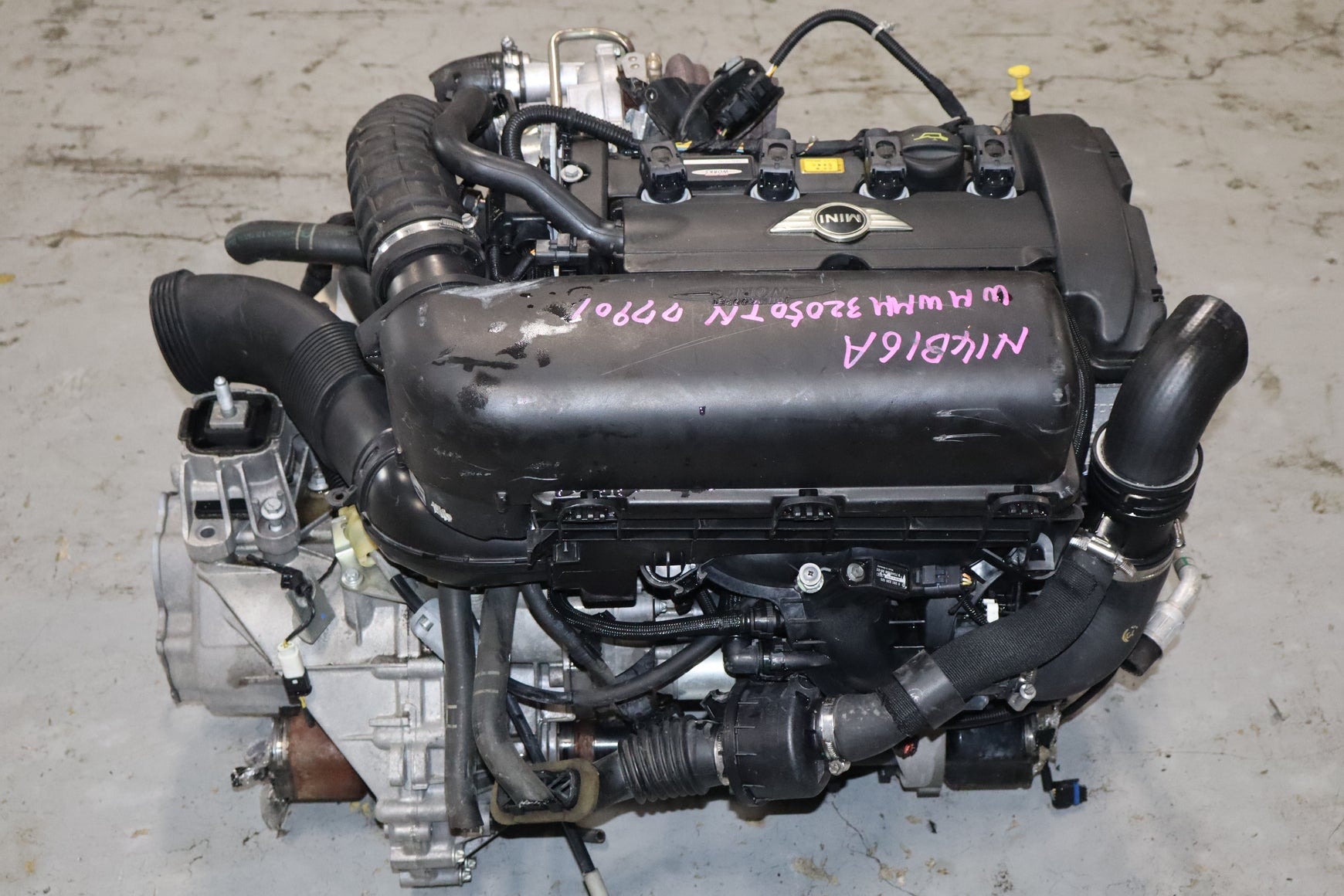
7. MINI/BMW 1.6L N14 Turbo (2007-2013)
Small size did not mean small repair bills for vehicles powered by the 1.6L N14 turbo engine. Used in several MINI and BMW-related applications, the N14 combined turbocharging, direct fuel injection, and other technology into a compact package.
That combination delivered lively performance but also created several recurring maintenance concerns. Timing-chain tensioner problems received plenty of attention because a loose or poorly controlled chain could produce rattling and, in severe cases, cause timing errors.
Carbon buildup could affect drivability, while high-pressure fuel-pump problems could produce hard starting, hesitation, or reduced power. Turbocharger issues and oil leaks added more possible expenses.
A vehicle could therefore arrive at a repair shop with several unrelated problems at once. None of these concerns guarantees failure, but the cumulative repair burden can make a neglected N14-powered car costly to keep.
Maintenance habits matter here. Frequent oil changes, correct oil specifications, attention to warning signs, and prompt repairs can help reduce risk. A buyer should listen for abnormal timing-chain noise during a cold start and inspect for oil leaks around the engine and turbo system.
The smartest purchase is not necessarily the cheapest N14-powered vehicle. A higher-priced example with strong records and recent preventive work may cost less to own than a bargain car that needs several major services immediately after purchase.
8. Ford 1.0L EcoBoost (Selected Wet-Belt Versions)
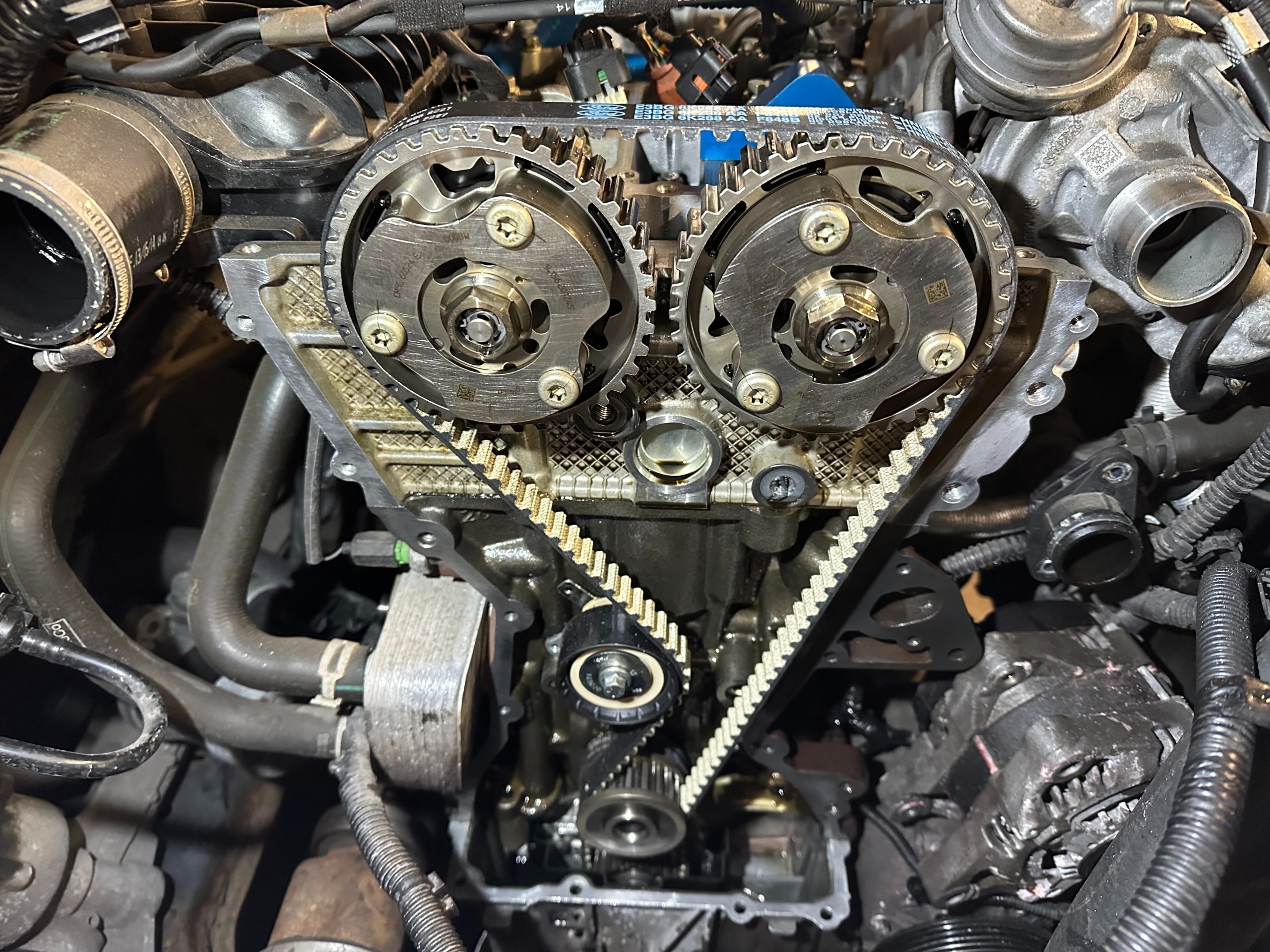
Ford’s 1.0L EcoBoost demonstrated how much performance manufacturers could obtain from a small three-cylinder engine. Some versions used a wet timing belt, meaning the belt operated inside the engine’s oil environment rather than running dry behind a conventional cover.
That design can provide packaging and noise benefits, but it also requires the correct oil and maintenance practices. The concern arises when the belt material deteriorates prematurely.
Small particles from a damaged belt can contaminate the lubrication system and restrict oil flow. If oil pressure falls far enough, vital engine components may not receive adequate lubrication.
The result can range from warning lights and restricted performance to serious engine damage. This issue does not apply to every Ford 1.0L EcoBoost engine.
The exact engine version, model year, market, belt specification, and service schedule all matter. That is why a buyer should identify the precise engine before assuming the vehicle has the wet-belt arrangement.
Service records are particularly valuable with these engines. Evidence that the manufacturer-specified oil was used and that belt inspections or replacements were completed according to the correct schedule can provide useful reassurance.
If buying used, do not rely only on mileage. Ask for maintenance documentation, verify applicable service information, and have the lubrication system and belt condition assessed when appropriate. A small engine can still produce a large repair bill when its lubrication system is compromised.
9. GM 3.6L High-Feature V6 – Early Generations
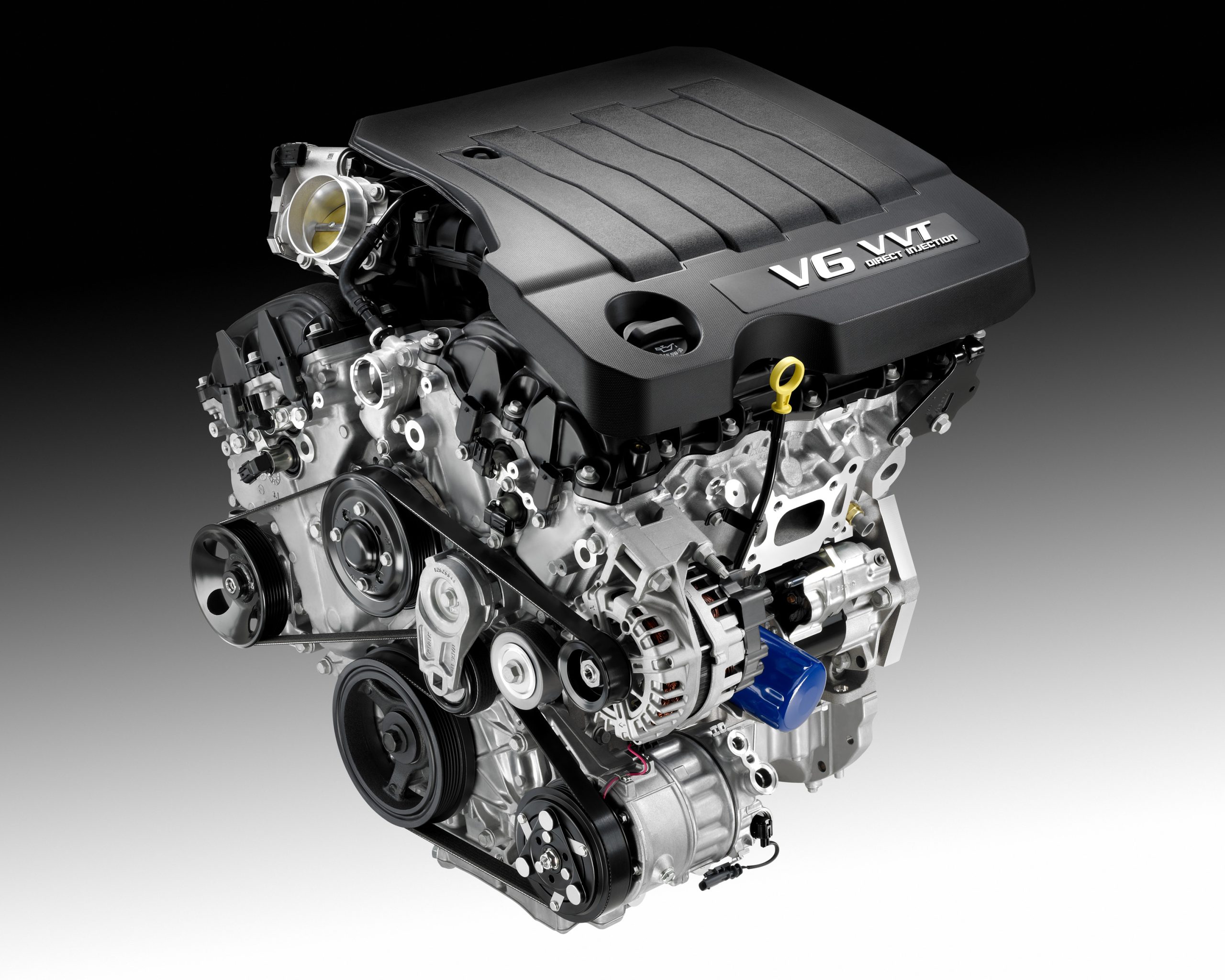
A V6 that looked good on paper delivered a rockier experience in practice for early adopters. GM’s High-Feature V6, found across a wide range of sedans, crossovers, and SUVs during its early production years, developed a handful of recurring mechanical complaints that added up to real repair costs for affected owners.
Timing-chain wear topped the list, with some engines developing noise and stretch issues earlier than owners expected from a modern design.
Left unaddressed, chain wear can progress to skipped timing, a problem serious enough to cause real internal engine damage rather than just an annoying rattle under the hood.
Oil-consumption issues showed up alongside the timing-chain concerns, adding another maintenance variable owners needed to track between scheduled service intervals.
Water-pump problems rounded out the trio of common complaints, and on this engine, pump failure could sometimes affect cooling system performance in ways that compounded whatever else was already going wrong internally.
What made ownership particularly frustrating for some drivers wasn’t any single failure on its own, but rather how often multiple components needed attention around the same general mileage range.
Addressing a timing-chain issue only to face a water-pump replacement shortly after left some owners feeling like the repairs never fully stopped.
GM refined the design in later production years, reducing these complaints considerably, making model year research especially important for anyone shopping this engine used.
10. Jaguar V12 (Selected Older Versions)
Few engines on this list inspire as much genuine affection as Jaguar’s V12, and few come with a repair bill quite as intimidating once something actually goes wrong.
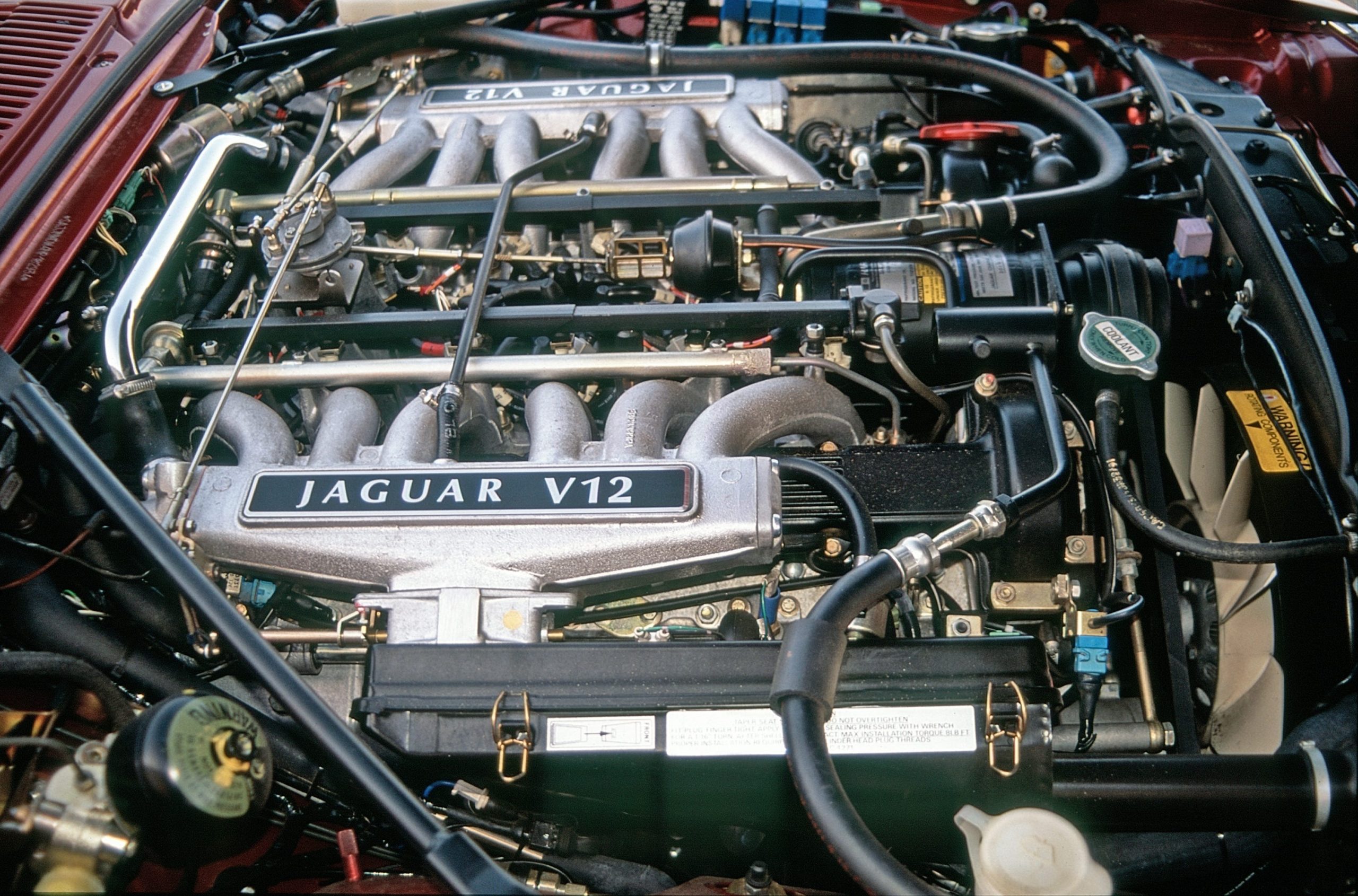
This is an engine designed around smoothness and character, with practicality taking a back seat. A twelve-cylinder engine also brings twelve cylinders’ worth of complexity, along with more spark plugs, injectors, and other components packed into an already crowded engine bay.
That density alone makes diagnosis harder than on a simpler four- or six-cylinder engine, since tracing a problem back to its source often means removing multiple other components just to get a clear view of the actual issue.
Cooling system demands run higher too, given the sheer thermal output of twelve cylinders working together. Any weakness in that cooling system, whether a failing hose, a tired radiator, or an aging water pump, carries higher stakes than it would on a smaller engine less prone to overheating quickly.
Electrical systems from this era add their own layer of difficulty, particularly on older Jaguar models where wiring and sensor technology hasn’t aged as gracefully as the engine’s mechanical character has.
Finding a mechanic genuinely comfortable working on this V12 can prove harder than finding the parts themselves. For owners willing to accept these realities, the driving experience remains something special, but going in with clear eyes about the maintenance commitment matters more here than with almost anything else on this list.