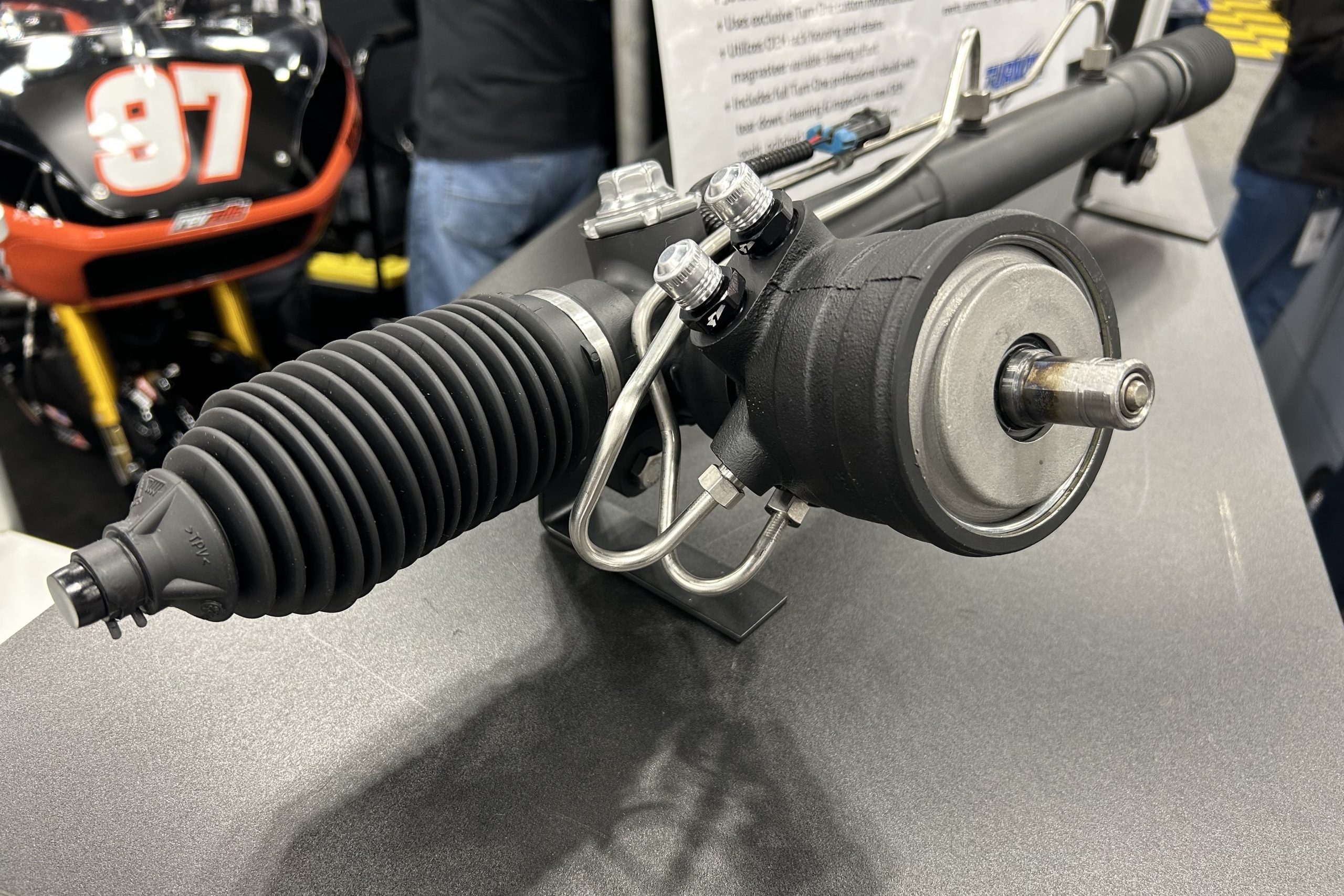
A steering rack does a lot of work every time you guide your vehicle down the road, yet it is easy to forget about until something feels wrong. Strange noises, loose steering, uneven tire wear, or a wheel that no longer feels natural can all point to trouble in the steering system. Some steering rack problems come from age or normal wear, but everyday driving habits can speed up the process.
The good news is that many of those habits are easy to change. From holding the wheel against its limit to ignoring worn suspension parts, small choices can place unnecessary stress on expensive components. Here are ten common habits that can shorten steering rack life and practical ways to avoid them.

1. Regularly turning the wheel while stationary
Turning the wheel when the car isn’t rolling might seem harmless, especially when you’re squeezing into a tight parking spot. But this habit, often called dry steering, forces the power steering pump to push fluid at maximum pressure while the tires resist against the pavement with zero rolling assistance.
That resistance is transferred directly through the steering system, placing far more strain on the rack and pinion than a normal turn while driving. The reason is simple. Tires roll easily when the vehicle is moving, but when the car is stationary, they have to scrub sideways against the pavement to change direction.
That friction has to go somewhere, and it goes right into your steering components. Over months and years, this repeated stress wears down internal seals, bushings, and gear teeth faster than typical use would.
Power steering systems are built with some tolerance for occasional stationary turns, but drivers who do this constantly, such as those who make tight U-turns in driveways or squeeze into packed garages, put unnecessary load on the rack every single time.
The fix is simple. Try to have the car rolling slightly, even at a crawl, before you turn the wheel. This small adjustment reduces resistance dramatically and takes almost no extra effort.
It is one of the easiest habits to correct, and one that pays off with a smoother, longer-lasting steering system.
2. Ignoring power steering fluid levels
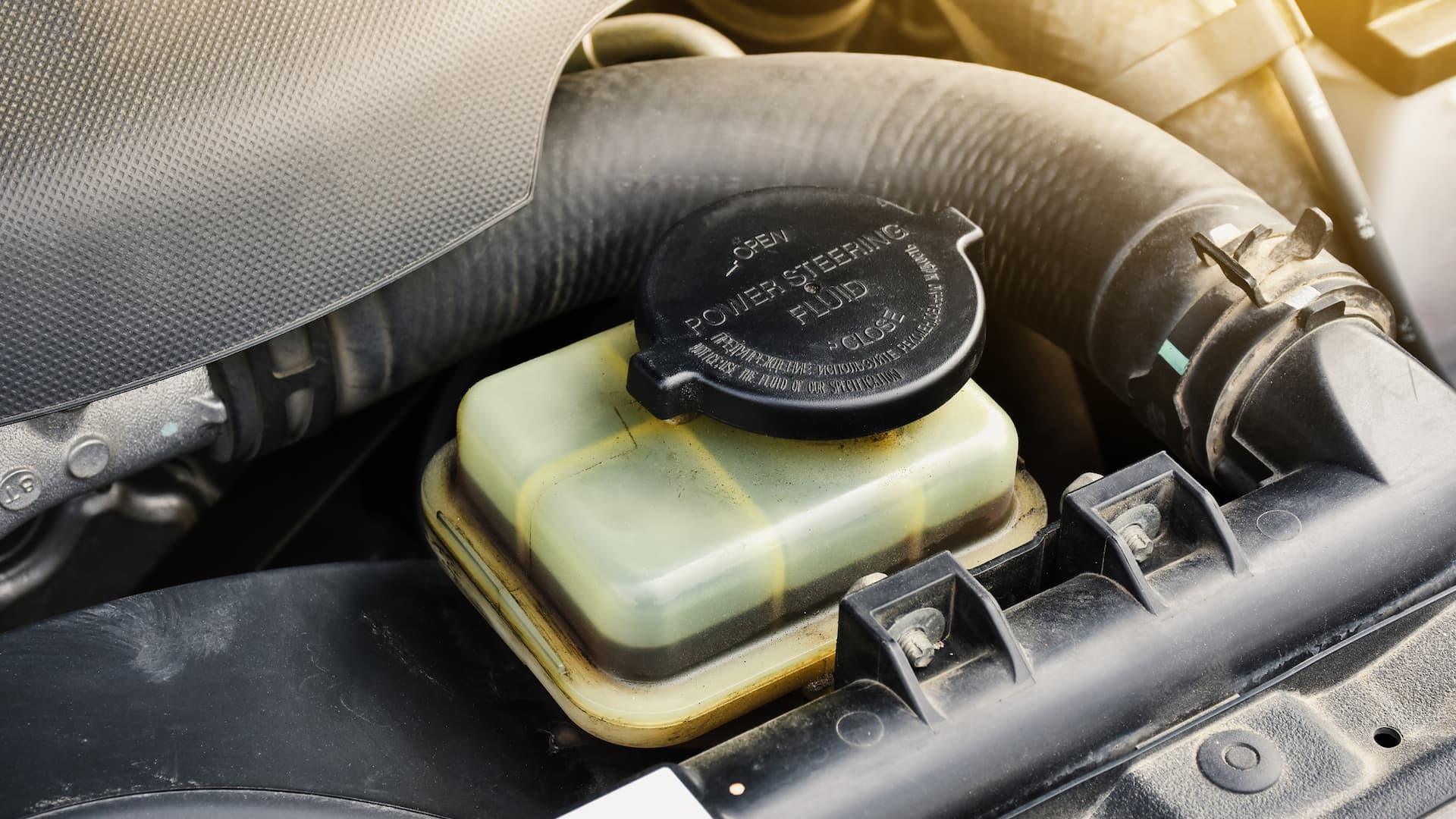
Fluid is the lifeblood of your steering system, and skipping checks on it is a mistake many drivers make without realizing the cost. Low fluid means less cushioning between moving metal parts inside the rack.
Dirty or old fluid loses its ability to lubricate properly, allowing tiny metal particles to circulate and act like sandpaper against seals and internal surfaces.
Here’s what typically happens when the fluid is neglected. First, the pump has to work harder to maintain pressure because there isn’t enough fluid moving efficiently through the system.
Second, the seals inside the rack begin to dry out and crack, since fluid also helps keep them supple. Third, contaminants that build up over years of driving start scratching internal components with every turn of the wheel.
Many owners assume power steering fluid never needs changing, unlike engine oil, but that assumption leads to expensive surprises.
Most manufacturers recommend inspection every twelve months or so, with a full flush every couple of years depending on driving habits and climate.
A quick check takes less than five minutes. Pop the hood, locate the reservoir, and look at both the fluid level and its color. Clean fluid should appear light amber or pink depending on the type your vehicle uses.
Dark, gritty, or burnt-smelling fluid signals trouble brewing inside your rack, and it’s far cheaper to flush the system now than to replace a damaged rack later.

3. Hitting curbs or potholes frequently
A pothole can appear harmless until the front wheel drops into it with a hard thump. A curb can deliver an even sharper impact.
Your tires and suspension absorb much of that force, but the steering system also receives the shock. One impact may cause little or no visible damage. Repeated impacts are a different story.
Strong hits can bend or loosen steering components, damage tie rods, disturb rack mounts, or place unusual loads on the rack housing itself. Even when the rack survives, nearby parts may develop play that affects how the rack operates.
You might notice warning signs after a hard impact. The steering wheel could sit off-center, the vehicle may pull toward one side, or you might hear a clunk when steering.
Uneven tire wear can also appear after the wheels lose their proper alignment. There is a practical lesson here: slow down when road conditions become rough. When a pothole cannot be avoided, reducing speed before reaching it can lessen the force transferred to the vehicle.
When parking near a curb, leave enough room to avoid hitting or climbing over it, as a hard impact can also affect wheel alignment and suspension components.
When a pothole cannot be avoided, reducing speed before reaching it can lower the force delivered to the vehicle. When parking near a curb, leave enough room to avoid climbing onto it with the front wheels.
If you experience a particularly severe impact, have the steering and suspension inspected. A small problem found early can be much easier and less expensive to address than damage discovered after several months of continued driving.

4. Aggressive or rapid steering maneuvers
Fast steering inputs can feel exciting, especially during spirited driving, but the steering rack does not care how dramatic the maneuver looks.
It responds to the forces being placed through the steering system. A sudden steering correction can create a sharp load through the steering wheel, shaft, tie rods, rack, and suspension.
At higher speeds, the tires are already producing substantial cornering forces, so an aggressive input adds to the workload. Repeatedly driving this way can accelerate wear on components that were designed for controlled steering movements.
There is also a safety issue. Abrupt steering can upset vehicle balance, particularly when combined with braking, poor road conditions, or a sudden obstacle.
When avoiding a hazard, a driver may be tempted to make a sudden steering correction. Smooth, deliberate inputs are generally easier on the vehicle and can help maintain better control. Instead of jerking the wheel, steer with measured movements and give the vehicle time to respond.
This is especially useful during lane changes and without realizing how much force is being sent through the front end. Smooth steering is kinder to the vehicle and usually makes the car easier to control.
Instead of jerking the wheel, make deliberate inputs and give the vehicle time to respond. This is especially useful during lane changes and tight turns.
If you enjoy performance driving, the answer is not to avoid steering altogether. Rather, make sure the vehicle is properly maintained and use driving techniques appropriate for its design.
Aggressive steering should not become a daily habit on ordinary roads.

5. Overloading the vehicle
Picture a bridge built to hold a certain weight. Cross it with more than it was designed for, and cracks start forming even if nothing collapses right away.
Your steering rack works under a similar principle, engineered around a specific load capacity that manufacturers calculate carefully based on vehicle weight, tire size, and intended use.
Piling extra cargo into a car or truck beyond its rated capacity throws that calculation off balance. The added weight increases pressure on the front axle, which in turn increases the force needed to turn the wheels.
Your steering rack absorbs that extra demand every single time you make a turn, whether you’re pulling into a parking lot or merging onto a road.
Families packing for road trips, tradespeople hauling tools and materials, and anyone using a vehicle beyond its intended purpose often overlook this connection.
The steering system doesn’t announce distress with warning lights the way an engine might. Instead, the damage builds quietly, showing up eventually as harder steering, fluid leaks, or unusual noises during turns.
Checking your owner’s manual for weight limits takes only a moment, yet it’s a step many skip entirely.
Distributing loads evenly and avoiding regular trips packed to the roof helps protect not just your rack but your suspension, brakes, and tires as well.
A vehicle carrying appropriate loads steers easier, responds better, and keeps internal components working within the boundaries they were built for.
6. Driving with misaligned wheels
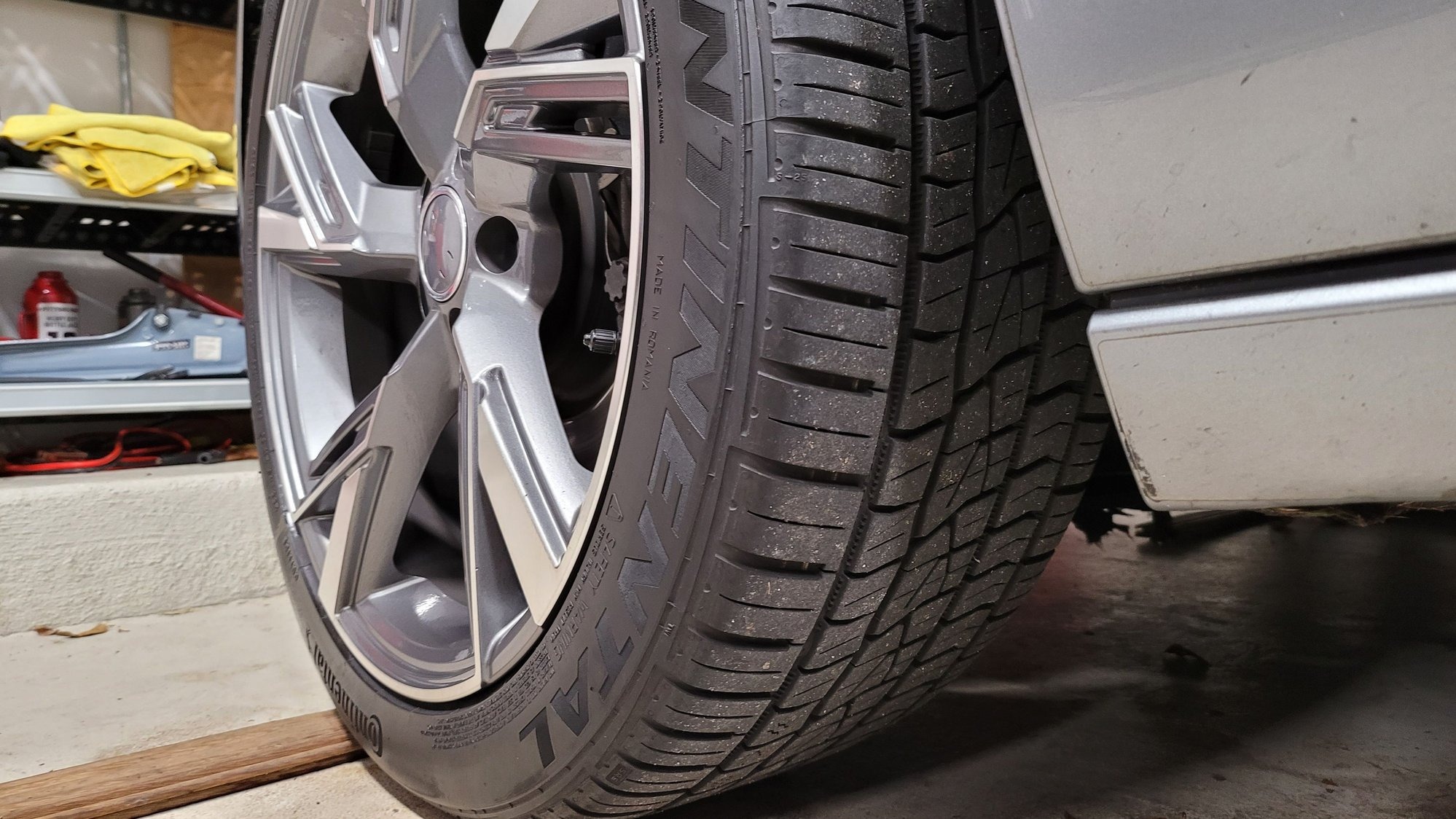
Misalignment rarely announces itself loudly. It creeps in gradually after hitting a curb, driving on rough roads, or simply from normal use over the years.
Yet its effects on the steering rack are anything but gentle. When wheels sit at improper angles, they fight against each other rather than working together.
This creates uneven pressure that the steering rack has to compensate for constantly, even during simple, straight-line driving. Instead of smooth, even wear across all internal components, misalignment concentrates stress on specific points within the rack, accelerating deterioration in those areas far faster than normal use would cause.
Symptoms often show up first in the tires, with uneven tread wear appearing on one side more than the other. A car pulling slightly left or right despite a straight wheel position is another common clue.
Vibration through the steering wheel at certain speeds can also point toward alignment trouble. Many drivers postpone alignment checks because the car still feels drivable, but that’s exactly when quiet damage accumulates.
Each mile driven with misaligned wheels adds unnecessary friction inside the rack housing, wearing down gear teeth and bushings that were never meant to absorb that kind of sideways force.
Scheduling an alignment check once or twice a year, or immediately after hitting something substantial on the road, keeps this hidden stress from building.
It’s a relatively inexpensive service compared to the cost of rack repairs, making it one of the smartest preventive habits any driver can adopt.
7. Waiting too long to replace steering system components
A worn tie rod end rarely announces itself with a dramatic warning. Sometimes the first clue is a faint clunk, a little looseness in the steering, or a vehicle that does not feel as precise as it once did.
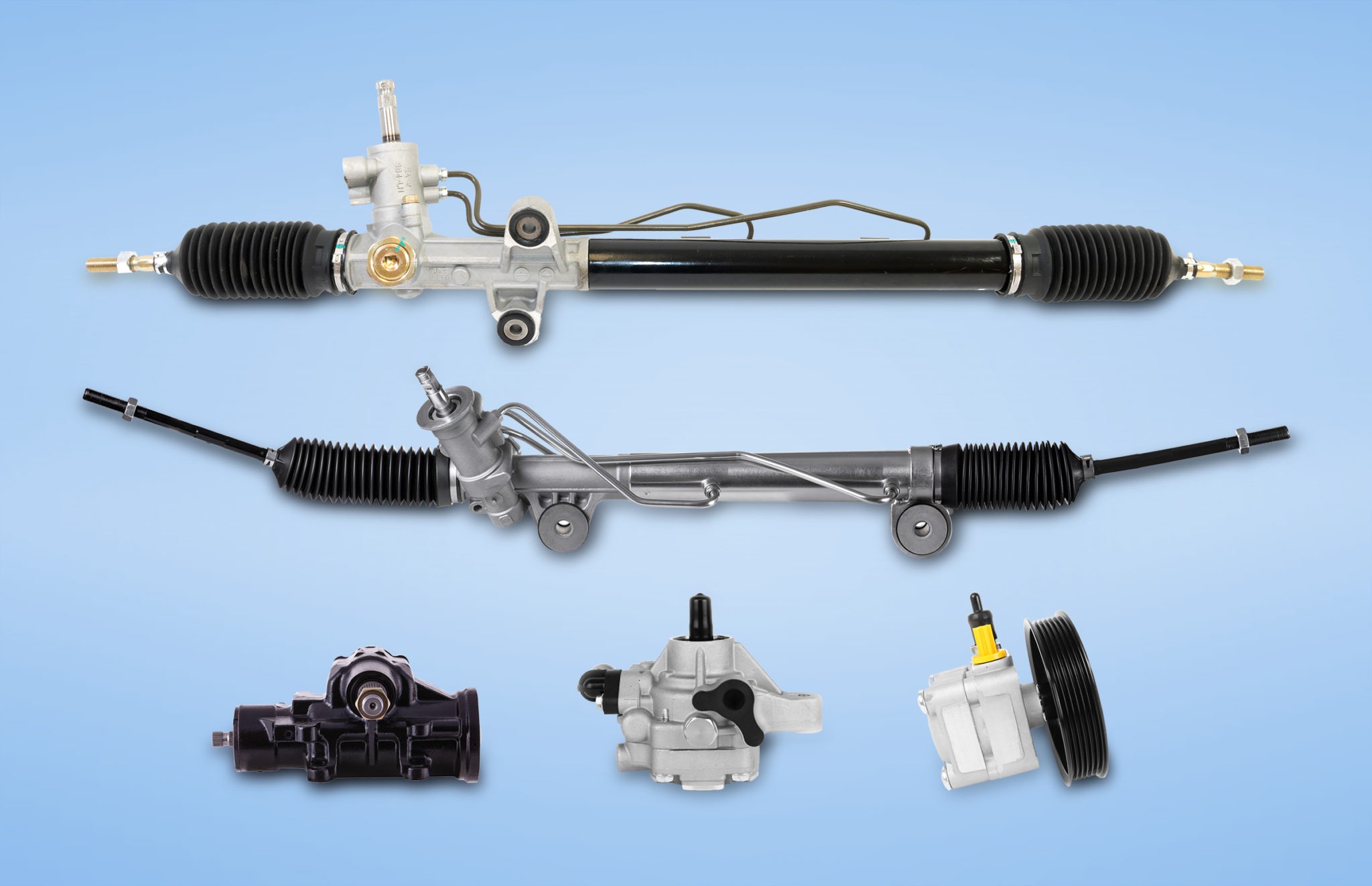
Small steering and suspension components work together. Tie rods transfer movement from the rack to the steering knuckles, while bushings and ball joints help control how those parts move.
When one becomes worn, other components may have to deal with forces or movement they were not intended to handle. That is why replacing a relatively inexpensive part can protect a much more expensive one.
Allowing a damaged tie rod, worn bushing, or loose ball joint to remain in service can create extra movement within the steering system. The rack may then receive repeated loads that contribute to premature wear.
Do not wait for steering to become dangerously loose before seeking help. Strange noises, uneven tire wear, vibration, or increased steering play deserve an inspection.
A useful approach is to treat steering symptoms as early warnings rather than inconveniences. When a technician identifies a worn component, ask what caused the wear and whether other parts should be checked at the same time.
Timely repairs can prevent one worn part from creating a chain of additional problems. That approach is often easier on both your vehicle and your repair budget.
8. Continuous exposure to dirt and moisture
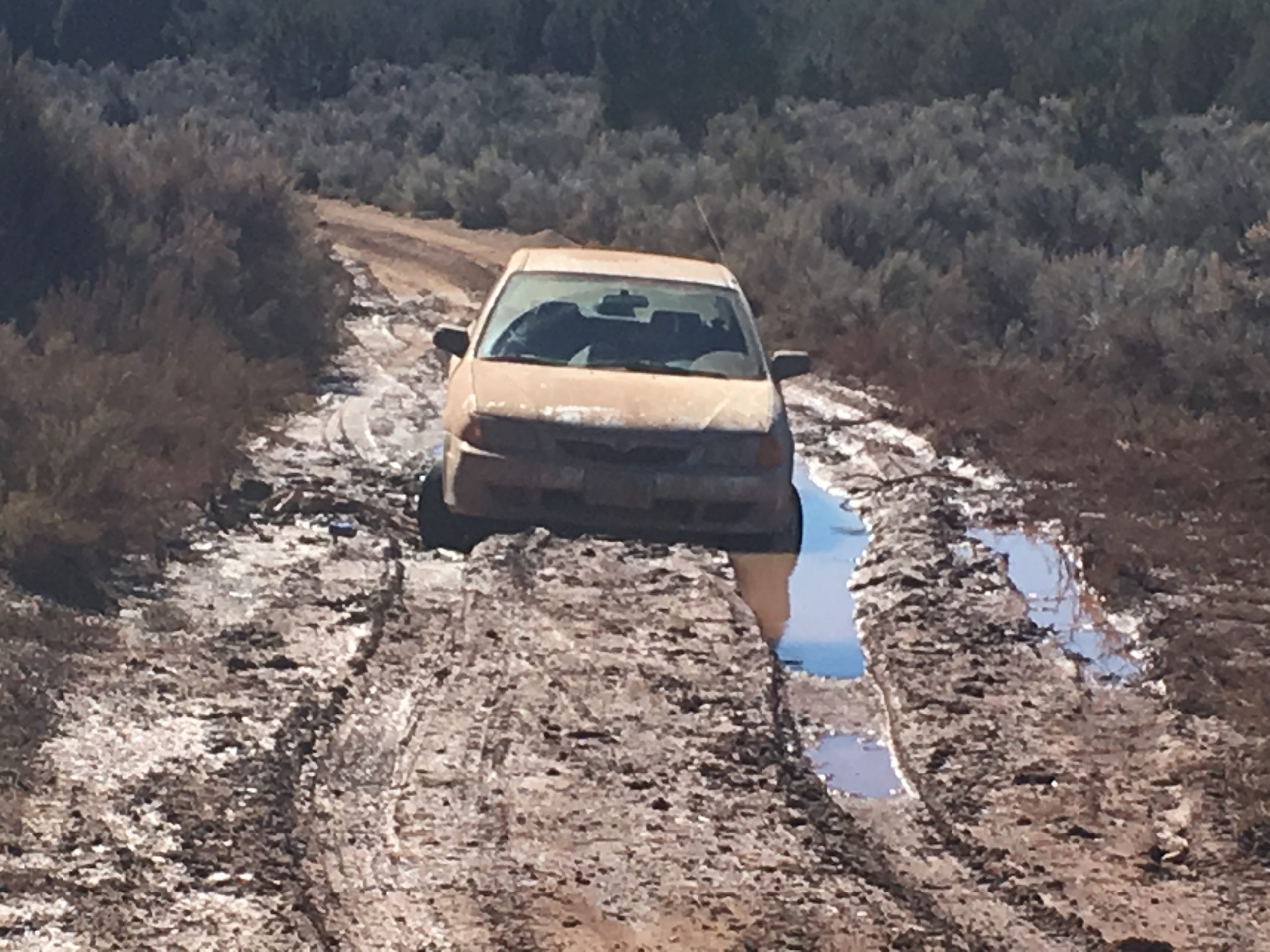
Rain-soaked roads, salty winter streets, and dusty gravel drives can expose your vehicle’s steering rack to conditions that gradually cause damage.
Although the rack sits beneath the vehicle, it is protected by rubber boots designed to keep water, dirt, and road debris away from its internal components.
Those boots work effectively when they remain intact. Cracks, tears, or loose areas, however, can allow moisture and contaminants inside.
Water can cause metal parts to corrode, while dirt and grit may mix with lubricant and create an abrasive mixture that damages seals and other internal surfaces.
Vehicles frequently driven on unpaved roads, through standing water, or during periods of heavy road salt exposure may face greater risk. Even careful driving cannot eliminate environmental exposure, making regular inspection especially important.
During routine maintenance, ask for the steering rack boots to be checked for cracks, tears, or other damage. Replacing a damaged boot is usually far simpler and less expensive than repairing a rack affected by corrosion or contamination.
Keeping the underside of your vehicle reasonably clean can also help reduce accumulated debris. Most importantly, deal with damaged protective boots promptly.
A small rubber component can provide valuable protection for an expensive steering system.
9. Modifying the suspension improperly
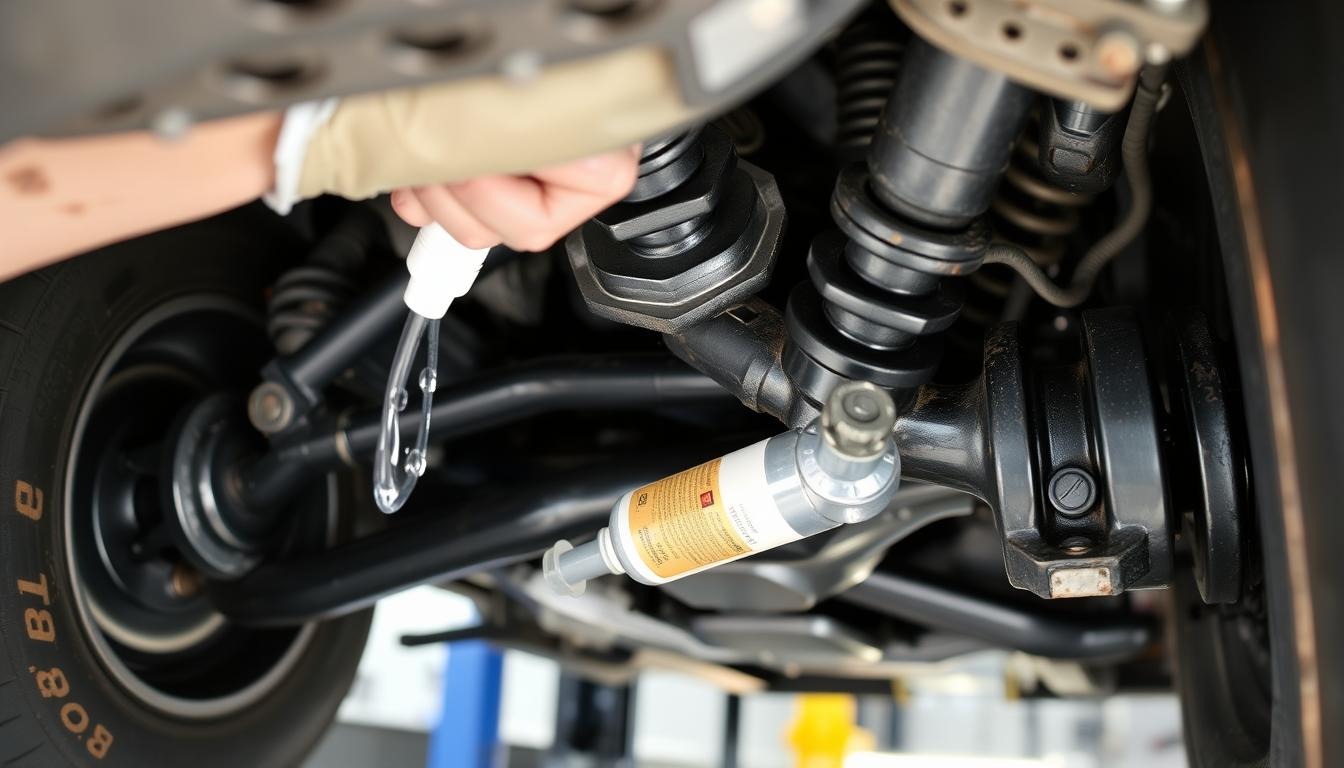
Lifted trucks and lowered sedans can give a vehicle a distinctive appearance and may improve certain performance characteristics.
However, suspension changes made without proper adjustments can create steering problems that are not immediately obvious.
A steering rack is designed around specific suspension geometry, including the angles and positions of connected components.
Raising or lowering a vehicle without correcting these relationships can place tie rods and other steering parts at unusual angles. As a result, uneven forces may be transferred to the rack, increasing wear on its internal components.
Drivers may notice symptoms such as bump steer, unexpected changes in direction over uneven roads, uneven tire wear, or steering that feels less predictable.
Simply performing a standard alignment may not fully correct problems caused by altered geometry. A qualified suspension specialist should check the entire steering system after a ride-height modification.
Depending on the vehicle, adjustments may include tie-rod positioning, steering angles, alignment settings, and other related components.
Before modifying a vehicle’s suspension, ask how the changes will affect steering geometry. Proper installation protects the steering rack, helps maintain predictable handling, and can prevent costly repairs caused by excessive or uneven loads.
10. Neglecting routine maintenance
A steering rack rarely fails because of one missed inspection. More often, problems develop when several small issues are ignored until the steering system begins showing clear warning signs.
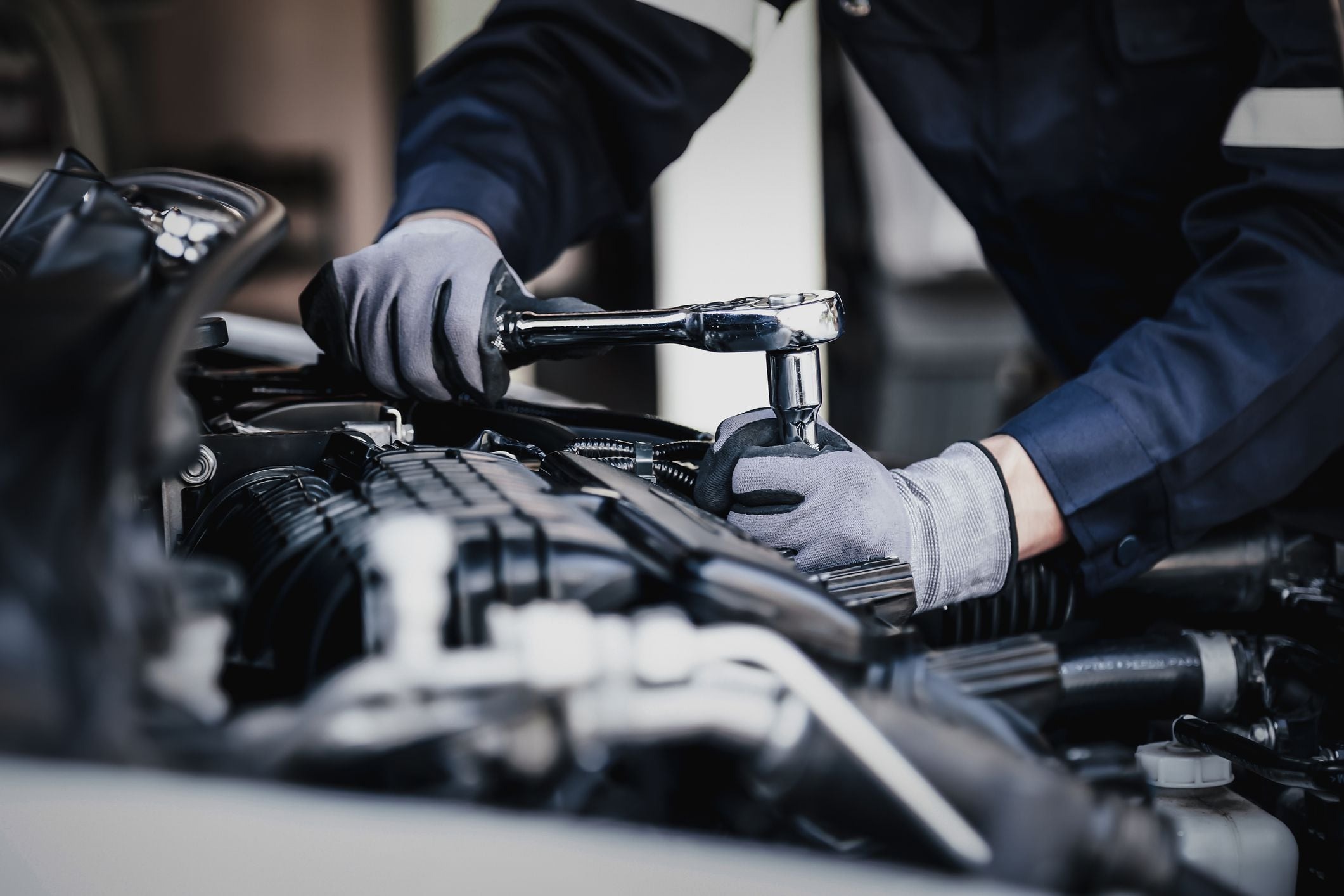
Routine maintenance gives technicians a chance to find these problems early. During service, they can inspect rack boots, tie rods, ball joints, steering shafts, mounting points, fluid levels, and other related components.
They can also check for leaks, looseness, corrosion, and unusual wear. Vehicles with hydraulic power steering need appropriate fluid checks and service.
Mounts and fasteners should also be inspected when required by the manufacturer’s maintenance schedule. Electric power steering systems have different service needs, including checks of mechanical components, wiring, sensors, and other vehicle-specific parts.
Your owner’s manual should guide the maintenance schedule because steering systems and service requirements vary by vehicle. A car, pickup, SUV, or sports vehicle may require different inspection procedures.
Do not wait for scheduled service if you notice new noises, heavier steering, vibration, wandering, fluid leaks, or a steering wheel that does not return normally.
Regular maintenance is about finding genuine problems early. Giving the steering system proper attention can help prevent premature rack wear, costly repairs, and unsafe driving conditions.