Buying a motorcycle is only the beginning of the expense. Fuel, insurance, maintenance, repairs, registration, riding gear, parking, and depreciation can all affect what you actually spend during a year of ownership.
The final amount varies based on the motorcycle you choose, how far you ride, where you live, and how carefully you maintain it. A small commuter bike can be relatively inexpensive to run, while a larger performance motorcycle can require a much higher budget.
Understanding these costs before buying helps you plan your finances more accurately and avoid unpleasant surprises. This guide explains the main expenses involved in owning a motorcycle for a full year.
Motorcycle Purchase and Depreciation Costs
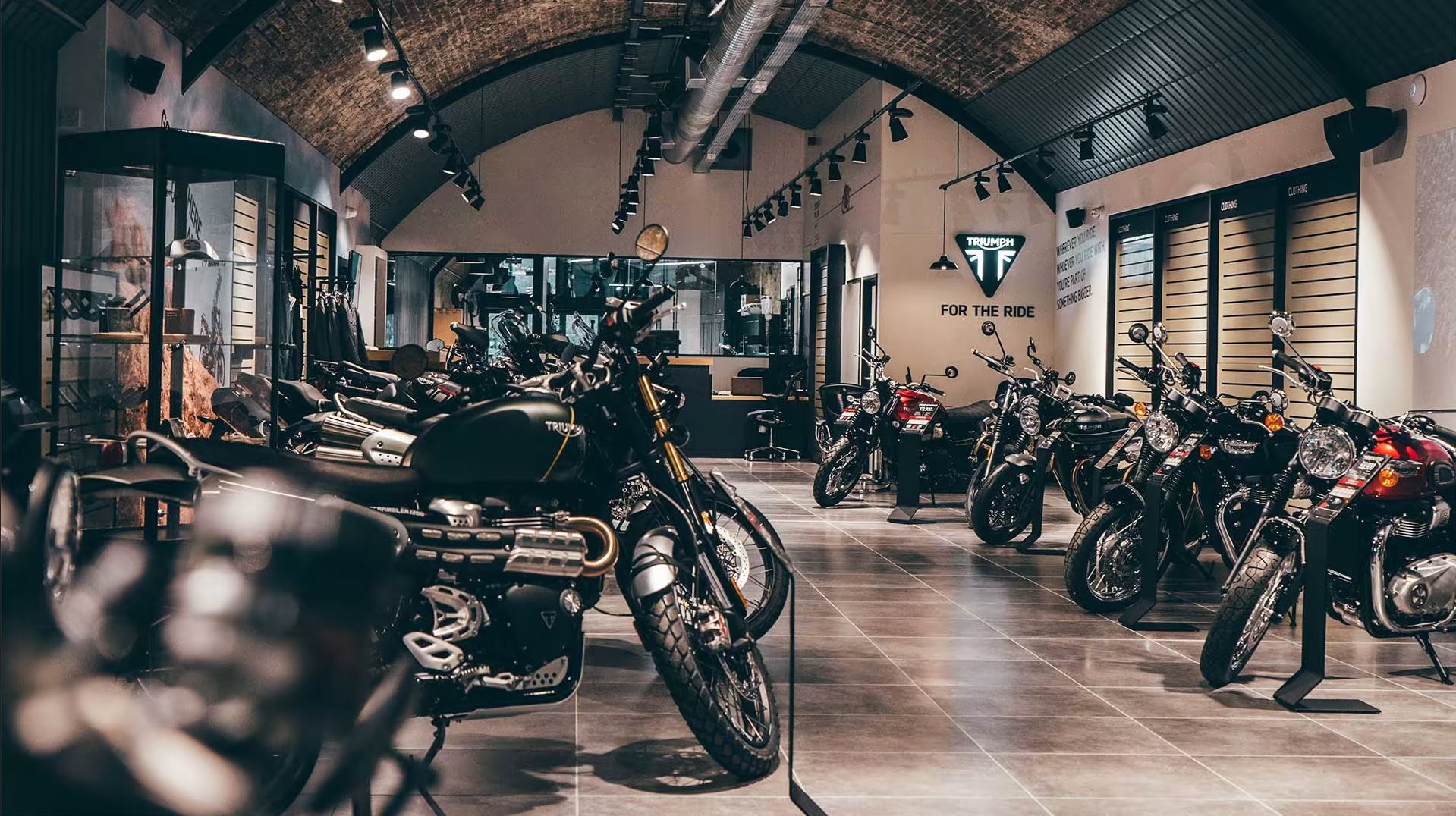
The first major expense is the motorcycle itself. Prices vary widely depending on engine size, brand, features, age, and whether you purchase a new or used model.
A basic commuter motorcycle may cost considerably less than a premium touring, adventure, or performance machine.
Your purchase price matters because it influences financing payments, insurance costs, depreciation, and sometimes maintenance expenses. When calculating yearly ownership, it is useful to separate the motorcycle’s purchase price from its actual annual cost. You may not pay the entire value each year, but the bike still loses value as it ages and accumulates mileage.
Depreciation is frequently overlooked when people calculate motorcycle ownership expenses. A new motorcycle generally loses value after it leaves the dealership, and its resale price can continue falling with age, mileage, condition, and market demand.
The exact depreciation rate depends heavily on the model and local market. Popular motorcycles with strong demand may retain value better than less sought-after models.
Keeping service records, avoiding unnecessary modifications, and maintaining the motorcycle properly can support resale value. If you buy a used motorcycle at a reasonable price, depreciation may be less significant during your first year.
Financing can also change the yearly cost considerably. If you borrow money to purchase a motorcycle, your monthly payment includes both the amount borrowed and interest. A motorcycle that appears affordable based on its sticker price may become considerably more expensive when loan interest, fees, and insurance are included.
Your down payment, loan term, interest rate, and credit profile can all affect the total amount paid. Shorter loans may produce higher monthly payments but reduce the amount of interest paid over time. Longer financing periods can make payments easier to manage while increasing the total borrowing cost.
Registration and government-related charges should also be included in your budget. Depending on your location, you may have to pay registration fees, road taxes, inspection charges, or other administrative costs. Some of these expenses occur when the motorcycle is purchased, while others may be repeated annually or at specific intervals.
Used motorcycles can have different paperwork requirements depending on local regulations. Before purchasing, check the current requirements for your area rather than assuming that registration and taxation will be identical to those for another vehicle or region.
A useful way to think about the purchase price is to convert it into an estimated yearly ownership cost. For example, if you purchase a motorcycle for a significant amount and expect to keep it for several years, you can estimate depreciation over the expected ownership period.
Add financing costs if applicable, then combine that figure with running expenses. This approach gives you a more realistic picture than simply looking at the monthly loan payment. A motorcycle that has a lower purchase price but poor resale value may not necessarily be cheaper to own than a slightly more expensive model that retains its value well.
Fuel, Insurance, and Everyday Running Costs
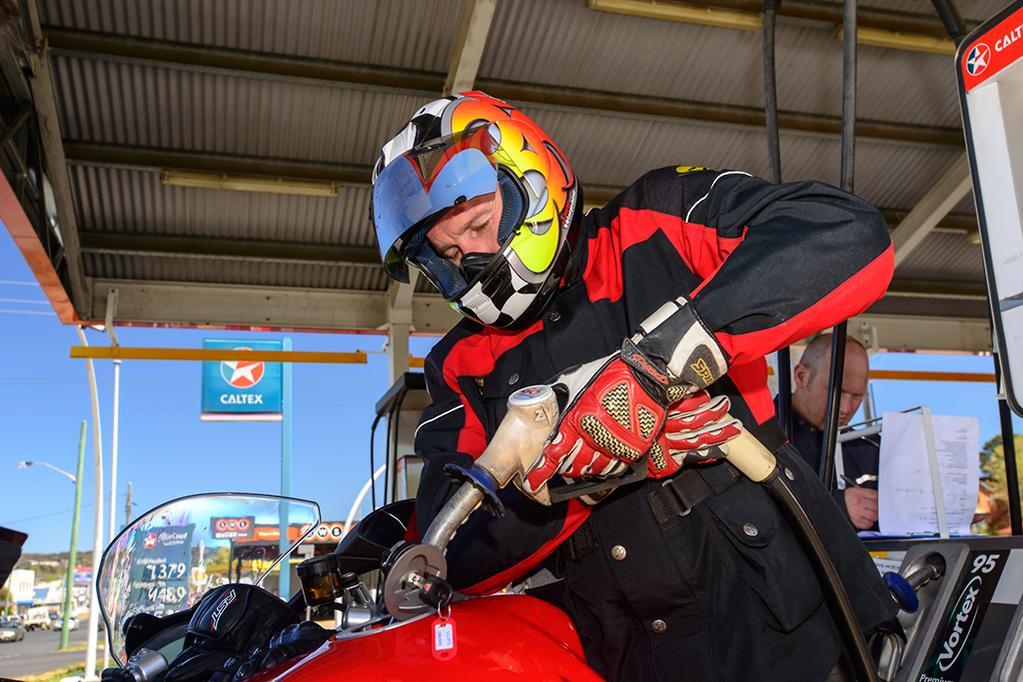
Fuel is usually the most visible recurring motorcycle expense. Your annual fuel bill depends on fuel prices, motorcycle efficiency, riding style, traffic conditions, and yearly mileage.
Someone riding 5,000 kilometers annually will spend far less on fuel than someone covering 20,000 kilometers. Engine size can also make a difference, though real-world fuel economy varies between models and riders. Aggressive acceleration, high speeds, heavy traffic, frequent short trips, and carrying additional weight can increase fuel consumption.
You can estimate your annual fuel cost with a simple calculation. Divide the distance you expect to travel by the motorcycle’s average fuel economy, then multiply the result by the average fuel price in your area.
For instance, a motorcycle averaging 40 kilometers per liter and traveling 10,000 kilometers in a year would use roughly 250 liters of fuel. Your actual cost would depend on the fuel price during that period. Using realistic riding mileage rather than the manufacturer’s best-case efficiency figure can produce a more useful estimate.
Insurance is another major expense, and prices can vary substantially. Factors such as your age, riding experience, motorcycle type, location, coverage level, claims history, and policy terms can influence the premium. Basic liability coverage generally costs less than broader coverage that protects against theft, damage, or other risks.
A powerful motorcycle may also have higher insurance costs because insurers can consider performance and repair expenses when determining risk. Comparing policies carefully can help you find suitable protection without paying for unnecessary coverage.
Everyday costs can include parking, tolls, cleaning supplies, and small accessories. Riders who live in apartments or urban areas may need to pay for secure motorcycle parking. Others may spend money on covers, locks, cleaning products, luggage, phone mounts, or weather protection.
These expenses may seem minor individually, but several small purchases can add up over twelve months. Creating a separate budget for motorcycle accessories is useful because riders often purchase equipment gradually rather than as a single large expense.
Maintenance, Tires, Repairs, and Riding Gear
Routine maintenance is essential for keeping a motorcycle reliable. Common services include engine oil and filter changes, chain cleaning and lubrication, brake inspections, air filter servicing, coolant checks, and general inspections.
Some motorcycles require valve clearance inspections or other scheduled services at specific mileage intervals. Following the manufacturer’s maintenance schedule can reduce the risk of expensive mechanical problems. The annual cost depends on the motorcycle and how many kilometers you ride.
Tires are another important expense. Motorcycle tires wear at different rates depending on the compound, motorcycle type, road conditions, riding style, load, and tire quality. A commuter motorcycle used extensively may need replacement tires sooner than a lightly used weekend bike.
Performance-oriented tires can cost more, while touring or commuter tires may offer longer service life. Replacing tires before they become unsafe is an important part of responsible ownership. You should also check tire pressure regularly because incorrect pressure can affect handling, braking, comfort, and tire wear.
Chains and sprockets can require replacement as mileage increases. Chain-driven motorcycles need regular cleaning, lubrication, and tension adjustment. Neglecting the chain can accelerate wear and potentially lead to more expensive repairs.
Brake pads are also consumable components, with their lifespan depending on riding conditions and braking habits. Batteries eventually require replacement as well, particularly when a motorcycle is used infrequently or stored for long periods. These components should be treated as normal ownership expenses rather than unexpected failures.
Unexpected repairs are harder to predict. A motorcycle can experience electrical faults, punctures, damaged controls, suspension problems, cooling-system issues, or other mechanical failures. Older motorcycles generally require more attention than newer examples, though any vehicle can develop a problem.
Setting aside an emergency repair fund can prevent a single unexpected bill from disrupting your finances. Even if you do not spend the full amount during the year, having money reserved for repairs provides useful financial protection.
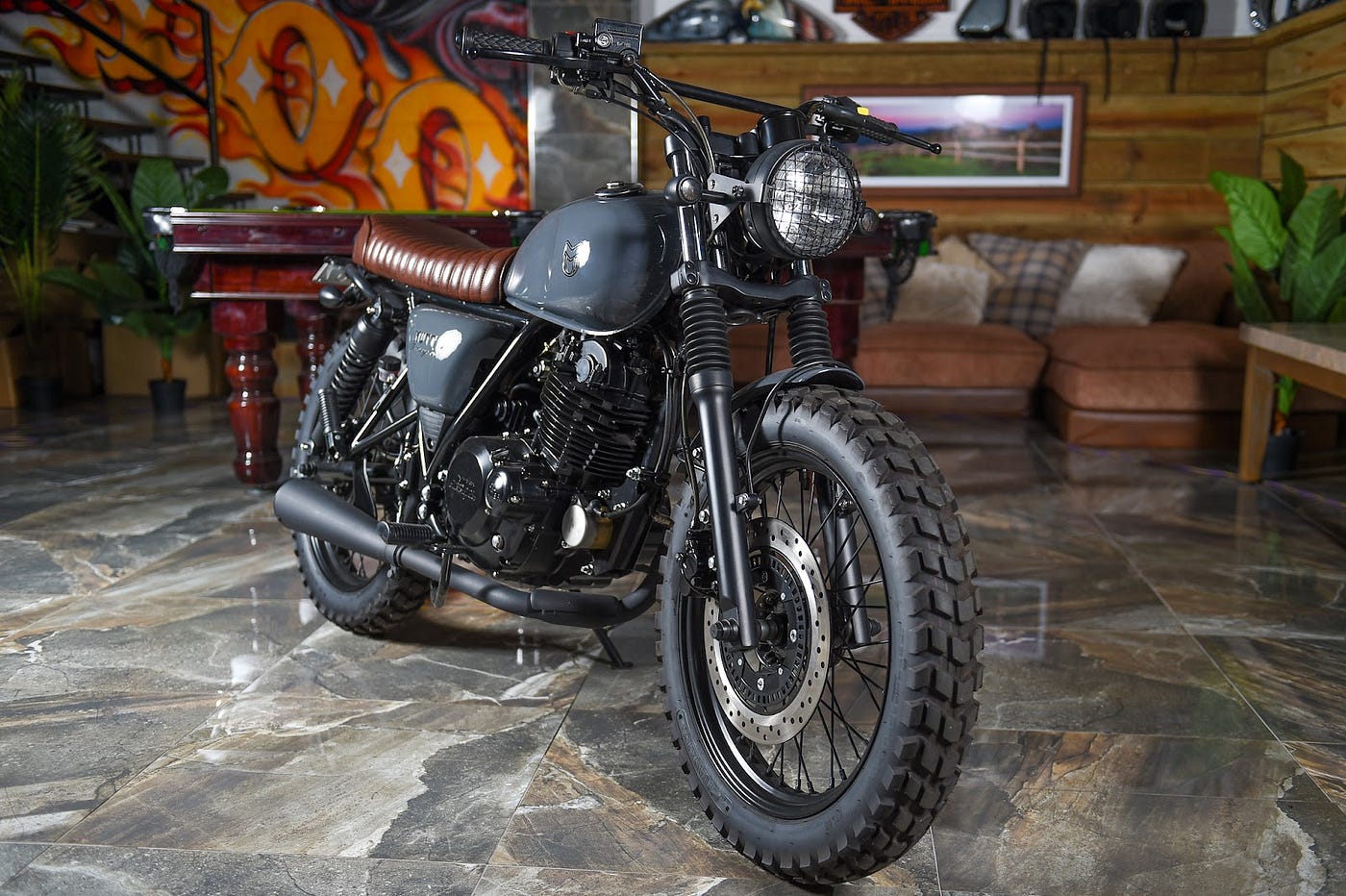
How Much Does a Motorcycle Cost Per Year?
Annual motorcycle ownership costs can remain manageable for commuters, but the total depends on the motorcycle, mileage, and location. Fuel is one expense, while insurance, registration, routine servicing, tires, consumables, and unexpected repairs add to the yearly bill. A small commuter motorcycle used for short trips will usually cost much less to operate than a large touring, adventure, or performance motorcycle.
For example, a motorcycle traveling 10,000 kilometers annually and averaging 40 kilometers per liter would use about 250 liters of fuel. Additional expenses could include scheduled maintenance, insurance, registration, tires, and a repair reserve. Depreciation should also be included when calculating the cost of ownership rather than simply annual cash expenses.
Larger motorcycles can cost more because they may consume more fuel and require larger tires, greater quantities of oil and fluids, or more complex servicing. Insurance can also be higher. Touring and adventure bikes may require luggage and additional equipment, while performance motorcycles can use premium fuel and expensive tires that wear quickly.
Owners can reduce costs through preventive maintenance, correct tire pressures, smooth riding, insurance comparisons, and buying durable parts and equipment suited to their needs. Spending on maintenance can help prevent failures and repairs caused by neglect.