
Station wagons remain an appealing choice for buyers who want car-like handling, useful cargo space, and better road manners than many SUVs. The used market also offers several wagons that can deliver strong practicality without the price of a newer crossover. However, not every wagon is equally attractive as a used purchase.
Reliability history, recalls, drivetrain complexity, repair costs, and age can dramatically change the ownership experience. This guide separates five wagons worth investigating from five that deserve greater caution.
Each model year is considered on its own merits, with attention to documented reliability information and known ownership concerns rather than simply assuming every wagon from a particular brand is equally dependable.
5 Wagons Worth Buying Used
1. 2018 Volvo V60
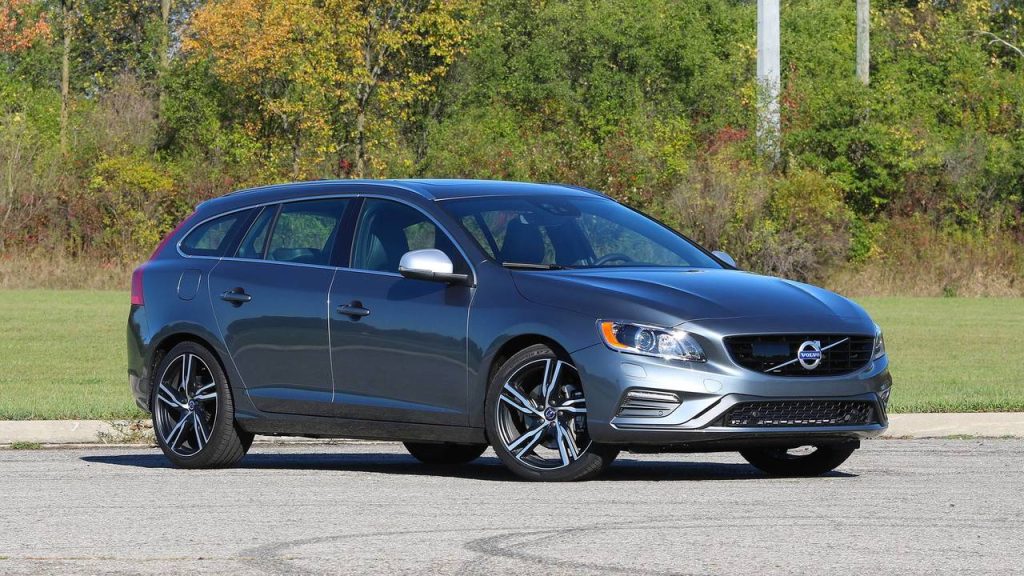
The 2018 Volvo V60 makes a strong case for buyers who want a premium wagon without stepping into a very large vehicle. Consumer Reports rates this model year as more reliable than other cars from the same model year, while NHTSA records two recalls.
That reliability result is particularly useful because the V60 offers a luxury-car experience without depending solely on brand reputation to justify a used purchase.
The V60’s size is one of its most useful characteristics. It provides the practicality expected from a wagon while remaining easier to maneuver than larger luxury wagons. The cabin also carries Volvo’s emphasis on supportive seats, understated design, and a comfortable long-distance driving environment.
A used 2018 example still requires a careful mechanical inspection. Luxury vehicles can have more expensive replacement parts and electronics than mainstream wagons, so a clean maintenance history matters. Buyers should pay particular attention to electrical equipment, climate-control functions, suspension components, and evidence of previous accident repairs.
The recall history is relatively limited compared with several other wagons from the same period. Consumer Reports lists two NHTSA recalls for the 2018 V60, making it important to verify completion but not necessarily a reason to reject the vehicle.
For someone who wants a distinctive premium wagon with useful cargo capacity and favorable model-year reliability data, the 2018 V60 provides a compelling used-market candidate.
2. 2019 Volvo V90
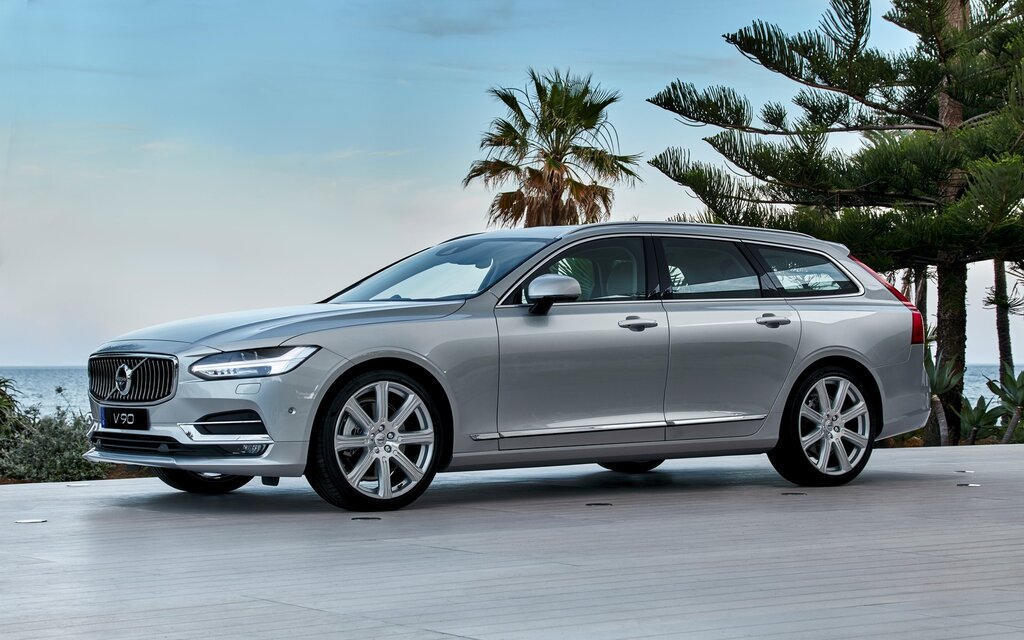
Few modern wagons combine luxury and cargo capacity quite like the Volvo V90. The 2019 model deserves attention because Consumer Reports rates it as more reliable than other cars from the same model year, while NHTSA lists three recalls. That reliability result separates it from some newer luxury wagons whose complexity can become a concern as they age.
The V90 is essentially the wagon counterpart to Volvo’s S90 sedan, giving buyers a substantial cabin and a large rear cargo area without adopting the taller profile of an SUV. The result is particularly useful for long road trips, where the lower seating position and generous luggage capacity can make the vehicle feel more like a traditional grand touring car.
Power comes from Volvo’s four-cylinder engine family, with higher-output versions using both turbocharging and supercharging. That produces strong performance, although buyers should understand that a sophisticated powertrain can bring higher maintenance costs than a simple naturally aspirated engine.
The recall history should not be ignored. One documented campaign involved the low-pressure fuel pump on certain 2019 and 2020 Volvo models, with failure potentially causing an engine stall. Buyers should therefore verify that every applicable recall has been completed before purchasing.
Despite those considerations, the 2019 V90’s favorable reliability information, excellent passenger space, and unusually large cargo area make it an interesting used wagon for buyers willing to maintain a premium vehicle properly.
3. 2019 Audi A4 Allroad
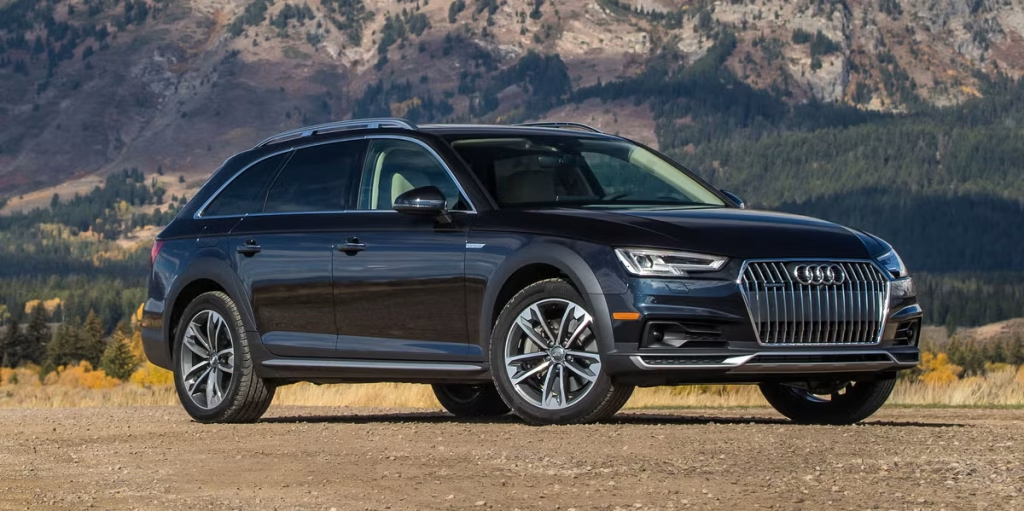
The 2019 Audi A4 Allroad is an unusual wagon because it combines the proportions of a traditional estate with the higher ride height and all-wheel-drive capability many buyers now expect from an SUV.
Consumer Reports rates the 2019 Allroad as much more reliable than other cars from the same model year, making this particular year worth considering when shopping for a used premium wagon.
Under the hood is a 2.0-liter turbocharged four-cylinder paired with a seven-speed dual-clutch automatic transmission. Consumer Reports describes the powertrain as smooth and punchy, while its testing found the Allroad’s handling nimble and precise. That combination gives the wagon a distinctly different character from a larger, softer SUV.
The interior is another reason to look at this model. The Allroad provides a quiet cabin, high-quality materials, and useful cargo capacity while remaining considerably more compact than a three-row SUV. The 2019 model also gained an infotainment system compatible with Android Auto and Apple CarPlay, which makes it easier to live with as a modern used vehicle.
There are still reasons to budget carefully. Audi maintenance can cost more than servicing a mainstream wagon, and potential repairs to turbocharged or electronically complex systems should not be ignored. A pre-purchase inspection is particularly important on examples with higher mileage.
For buyers who want an upscale wagon with all-wheel drive, responsive handling, and favorable reliability data for its model year, the 2019 A4 Allroad is a strong candidate.
4. 2018 Buick Regal TourX
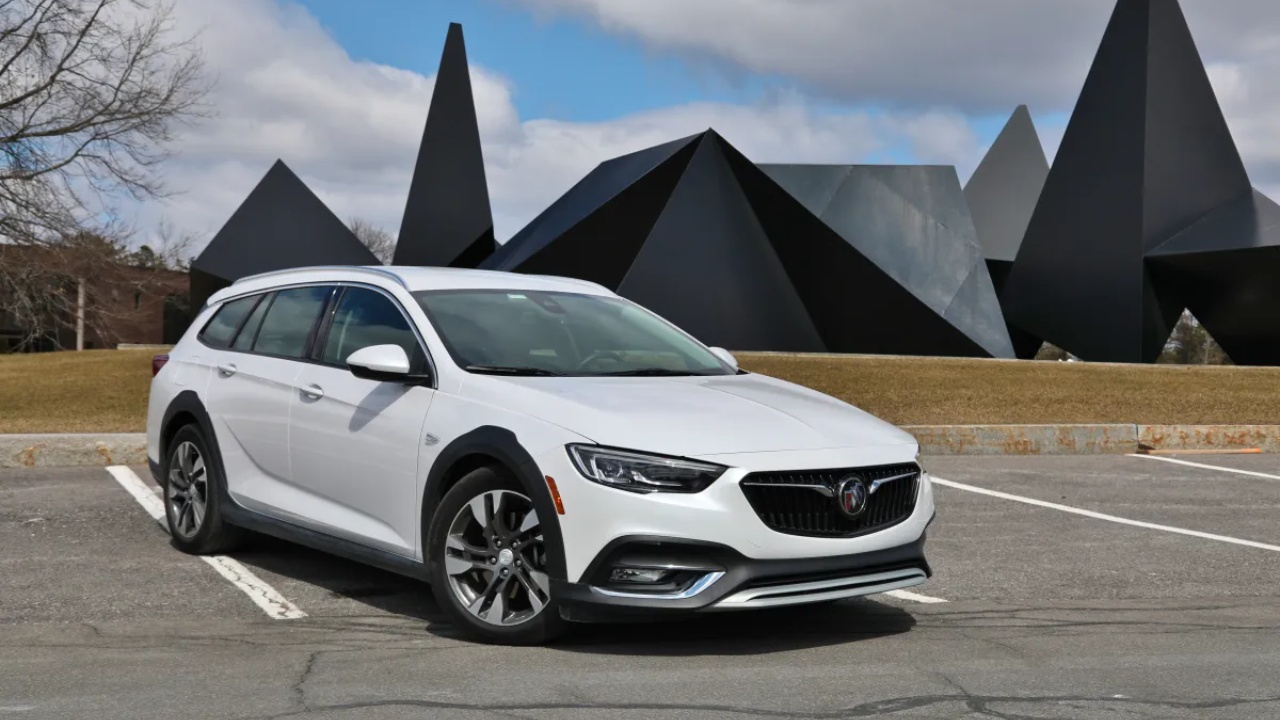
The 2018 Buick Regal TourX takes a completely different approach to the wagon formula. It has a raised stance, standard all-wheel drive, and rugged styling, giving it some of the visual and practical characteristics of a crossover while retaining the lower body and driving position of a wagon. Buick introduced the TourX for 2018 alongside the redesigned Regal lineup.
Its appeal becomes clearer when looking at the equipment. The TourX uses a 2.0-liter turbocharged four-cylinder engine and all-wheel drive, while EPA figures reach 29 mpg on the highway. It is large enough for family duties but remains easier to drive and park than many midsize SUVs.
Reliability data is more mixed than with some of the other selections here. Consumer Reports rates the 2018 Regal at about average reliability and lists three NHTSA recalls.
One recall involved a potential loss of power brake assist caused by a software error in the electronic brake control module. Buyers should therefore confirm that applicable recall work has been completed.
What makes the TourX interesting as a used wagon is its combination of rarity, utility, and relatively accessible pricing. Cars.com owner reviews currently show a 4.7 out of 5 reliability rating from its reviewers, although that is a small owner-review sample and should not replace broader reliability data.
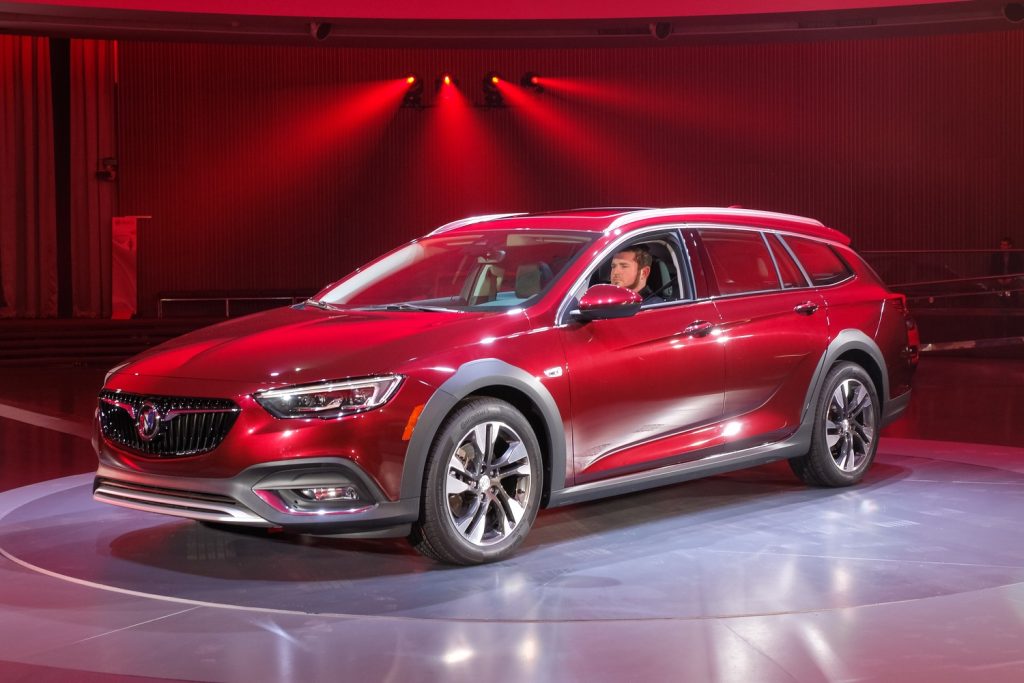
A carefully inspected 2018 TourX can therefore make sense for someone who wants something different from the usual Outback or luxury wagon choices. Its uncommon design and practical packaging give it a distinct place in the used market.
5. 2020 Subaru Outback
The 2020 Subaru Outback is worth considering because it represents the end of the fifth-generation Outback, a model that helped blur the line between traditional wagons and crossovers.
Consumer Reports rates the 2020 Outback as more reliable than other cars from the same model year, giving this particular version useful support in the used market.
Practicality is one of the Outback’s defining strengths. Subaru provided standard all-wheel drive, substantial ground clearance, and a large rear cargo area, making the vehicle suitable for buyers who need more versatility than a conventional station wagon.
The 2020 model was available with a 2.5-liter four-cylinder engine or a 2.4-liter turbocharged four-cylinder in the XT versions.
The 2020 redesign also brought a newer cabin and technology package. Subaru’s EyeSight driver-assistance system was standard, while the available turbocharged engine produced considerably more power than the naturally aspirated alternative. Buyers therefore had a choice between prioritizing simplicity and fuel economy or opting for stronger acceleration.
There are still reasons to inspect one carefully. Consumer Reports lists several NHTSA recalls for the 2020 Outback, and owner-reported problems can involve electronics and other components. A used example should have its recall history checked and should be inspected for transmission behavior, oil leaks, suspension wear, and evidence of neglected maintenance.
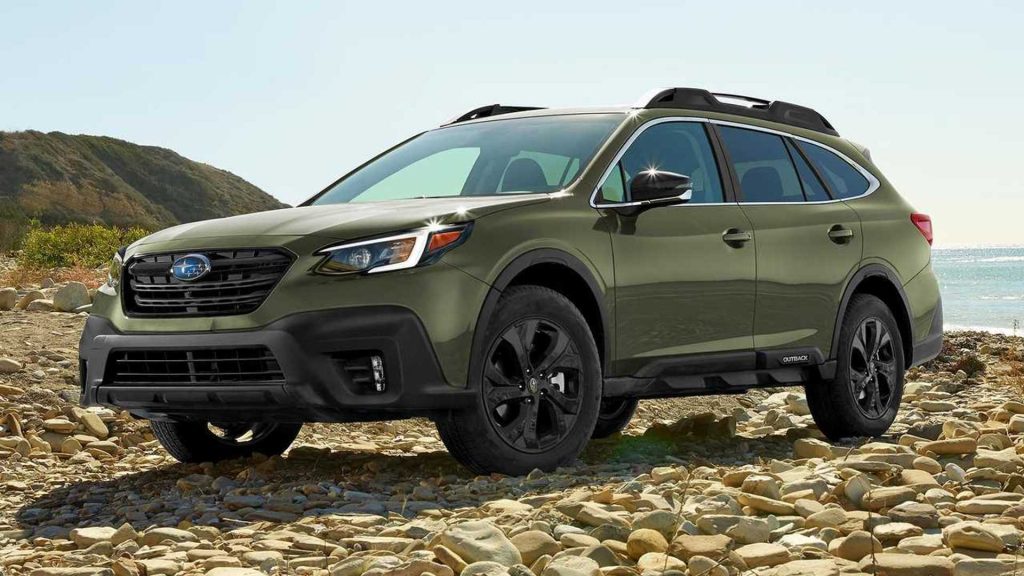
The 2020 Outback makes this list because it delivers a particularly useful combination of wagon practicality, standard all-wheel drive, SUV-like ground clearance, and favorable reliability information.
For buyers who want one vehicle capable of handling commuting, family duties, and weekend trips, it remains an appealing used option.
5 Wagons That Are Not Worth Buying Used
1. 2014 Cadillac CTS Wagon
The 2014 Cadillac CTS Wagon is an attractive used option on paper, particularly for buyers who want American luxury combined with the practicality of a wagon. However, its age and reliability record make it a vehicle that requires more caution today.
Consumer Reports rates the 2014 CTS as less reliable than other cars from the same model year and lists several NHTSA recalls.
The CTS Wagon was available with different engines, including a 3.6-liter V6, while rear-wheel drive and all-wheel drive configurations were offered. Higher-performance versions could deliver considerably stronger acceleration, but their additional equipment also meant more components that could eventually require attention.
One concern with an older luxury wagon is the cost of keeping everything functioning properly. Suspension components, electrical equipment, infotainment hardware, and climate-control systems can all become expensive when repairs are required. Buyers should not judge the vehicle solely by how well the engine runs during a short test drive.
Recall history also needs to be checked. Consumer Reports lists multiple NHTSA campaigns for the 2014 CTS, meaning the VIN should be reviewed before purchase.
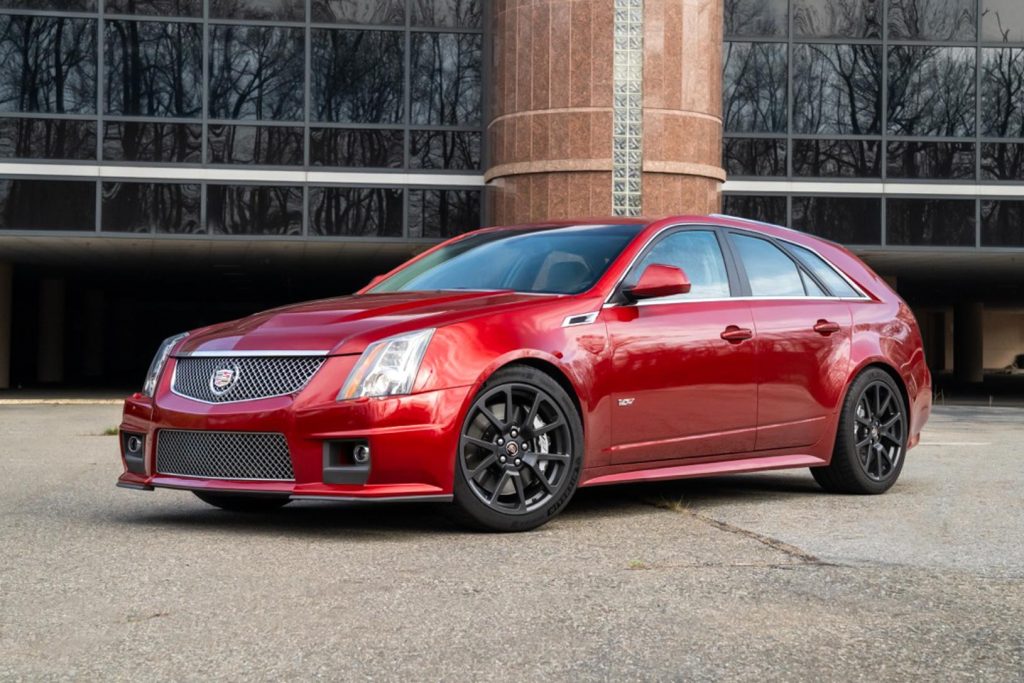
The CTS Wagon can still appeal to enthusiasts who specifically want its combination of rear-wheel-drive dynamics and cargo versatility. For someone seeking predictable, inexpensive used transportation, however, the age, luxury-car maintenance requirements, and less favorable reliability data make this model year a vehicle to approach carefully.
2. 2011 BMW 5 Series Wagon
The 2011 BMW 5 Series Wagon presents a very different set of concerns. Its combination of premium materials, strong engines, and sophisticated technology makes it appealing when new, but those same characteristics can create significant repair exposure once the vehicle becomes old.
Consumer Reports’ reliability information for the 2011 5 Series shows a record that is not especially reassuring for buyers seeking low-maintenance transportation. The wagon also belongs to an era when BMW’s vehicles incorporated increasingly complex electronics and powertrain technology.
Engine choice matters considerably. Different versions used different engines and drivetrains, so buyers should identify the exact configuration before estimating maintenance costs. A vehicle with a documented history of regular oil changes and repairs is substantially easier to evaluate than one with gaps in its records.
The suspension is another area worth checking. BMW’s emphasis on handling means components can experience considerable wear, particularly on vehicles driven extensively on poor roads. Bushings, control arms, and other suspension parts can produce noticeable symptoms during a test drive.
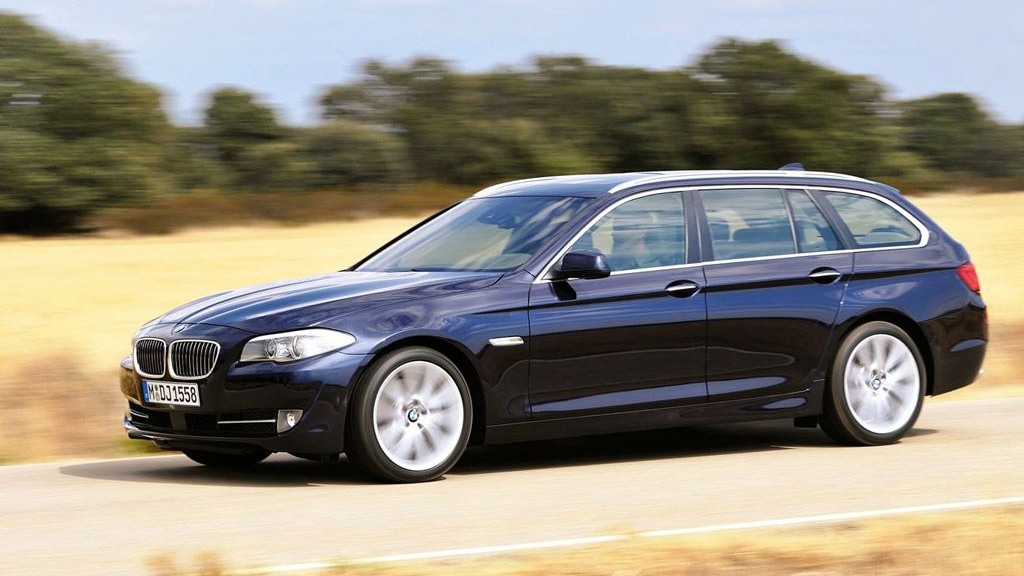
Electronics deserve equal attention. Every switch, display, climate-control function, warning light, and driver-assistance system should be tested before purchase because repairing premium electronic systems can quickly become expensive.
The 5 Series Wagon can be rewarding for someone who specifically values BMW’s driving characteristics and is prepared for specialist maintenance. It is less appealing as a low-cost used wagon for an owner who wants minimal repair risk, which is why this model year belongs in the caution group.
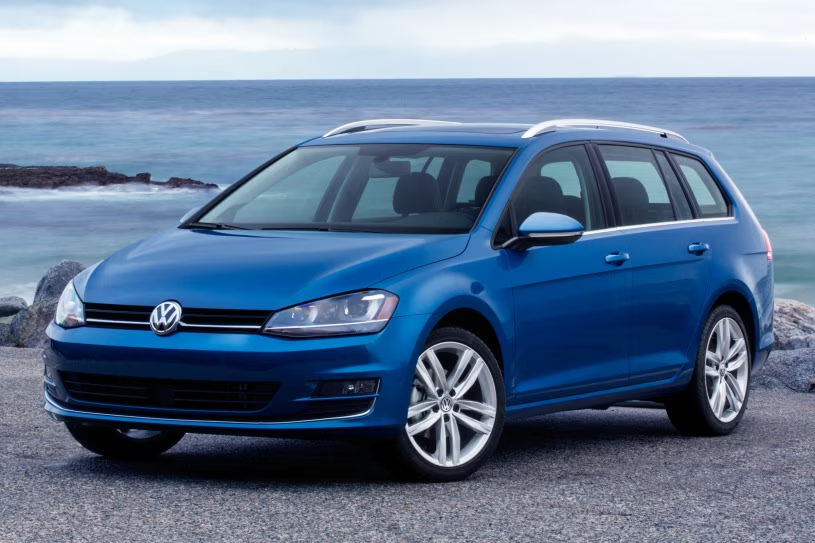
3. 2016 Volkswagen Golf SportWagen
The 2016 Volkswagen Golf SportWagen can look like an appealing used-car bargain because it combines compact dimensions with surprisingly generous cargo space and efficient engines.
The problem is that its reliability record gives buyers more reason to investigate carefully. Consumer Reports rates the 2016 Golf SportWagen as less reliable than other cars from the same model year, making it a weaker proposition for shoppers primarily concerned with long-term dependability.
The SportWagen was available with both gasoline and diesel powertrains during this period. The diesel version is particularly complicated because Volkswagen’s emissions scandal resulted in substantial regulatory action and legal settlements involving affected diesel vehicles.
A prospective buyer therefore needs to establish exactly which engine is installed and whether any applicable emissions-related work or buyback history affects the vehicle.
The gasoline versions also require a proper inspection. Volkswagen’s turbocharged engines and dual-clutch transmissions can provide responsive performance and good efficiency, but they contain more complex components than a simple naturally aspirated engine and conventional automatic transmission.
Maintenance records become particularly valuable as mileage increases. The vehicle itself remains highly practical. Its wagon body gives it considerably more cargo capacity than a conventional compact hatchback while retaining an easy-to-manage footprint. That practicality is part of the reason used examples continue to attract attention.
However, the combination of below-average reliability information and powertrain complexity makes the 2016 model a vehicle where purchase price should not be the only consideration. A detailed inspection, complete service records, and confirmation of recall or emissions-related work can make a significant difference.
For buyers prioritizing straightforward ownership, there are less complicated wagon choices available. The 2016 SportWagen can still work for the right enthusiast, but it deserves substantially more scrutiny than its attractive used-market pricing might initially suggest.
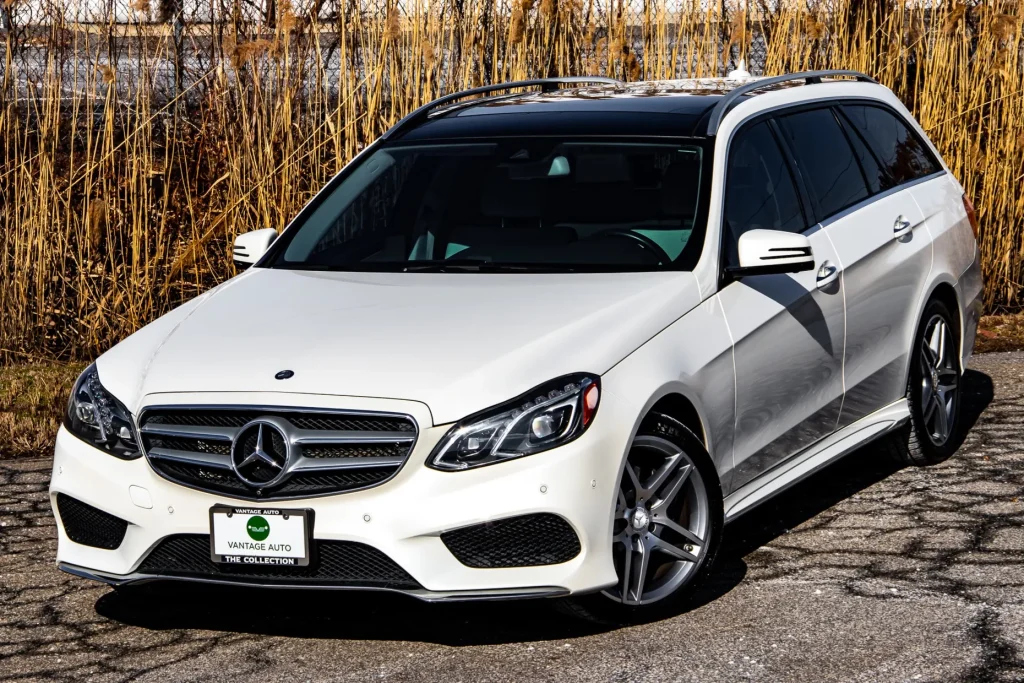
4. 2015 Mercedes-Benz E-Class Wagon
The 2015 Mercedes-Benz E-Class Wagon demonstrates why depreciation alone should not determine whether a luxury wagon is a good used purchase.
It offers a high-quality cabin, a substantial cargo room, and the refinement expected from a Mercedes-Benz, but its age and complexity can make ownership considerably more expensive than the purchase price suggests.
Consumer Reports’ reliability information for the 2015 E-Class places it in a less favorable position than many mainstream vehicles from the same period. The organization also records multiple NHTSA recalls for the model.
The wagon’s mechanical specification depends on the exact version, but sophisticated engines, automatic transmissions, electronic systems, and available all-wheel drive mean there are numerous components that need to remain in good condition.
A neglected example can quickly become expensive once multiple age-related repairs appear at the same time.
Buyers should pay particular attention to the suspension, brakes, cooling system, and electrical equipment during an inspection. Warning lights should never be dismissed, even when the vehicle appears to drive normally. Luxury vehicles can continue operating with an electronic or sensor fault while displaying only a relatively minor symptom.
Service history is therefore more important than a low odometer reading. A higher-mileage E-Class with extensive documentation can be easier to evaluate than a low-mileage example that has spent years receiving minimal maintenance.
The 2015 E-Class Wagon remains attractive for buyers who specifically want a premium long-roof vehicle and are prepared for premium maintenance costs.
For someone seeking inexpensive, predictable used transportation, however, the combination of age, complexity, and reliability considerations makes this model year one to approach cautiously.
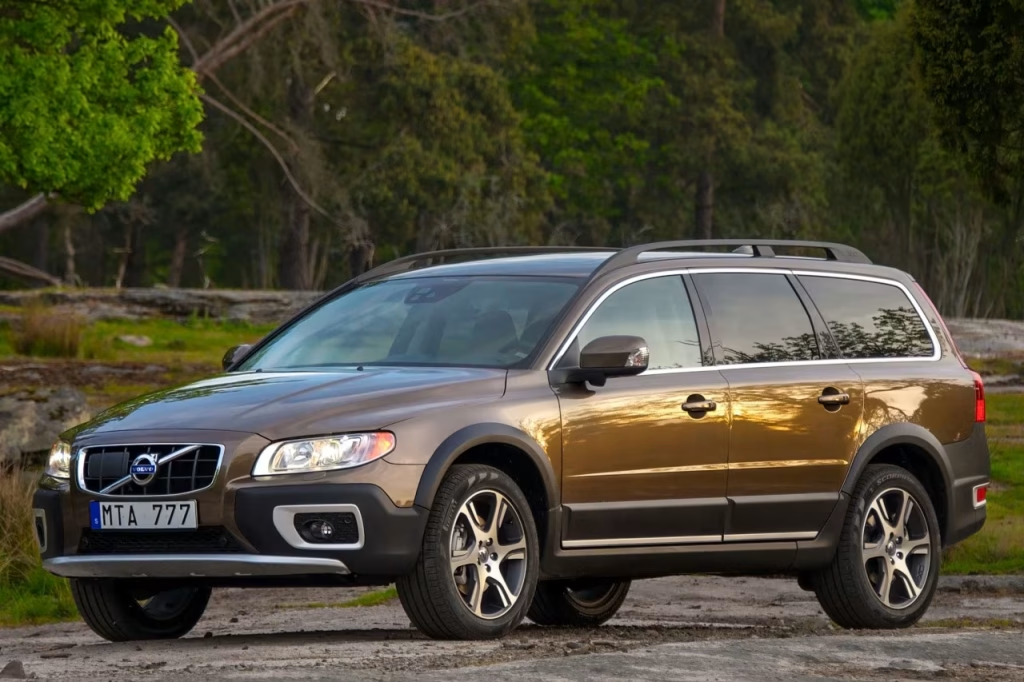
5. 2013 Volvo XC70
The 2013 Volvo XC70 is an interesting case because its reputation for durability can make it look like an obvious used-car choice.
It combines the practicality of a wagon with increased ground clearance and available all-wheel drive, but its age and documented reliability history make the specific model year worth approaching carefully.
Consumer Reports rates the 2013 XC70’s reliability as about average compared with other cars from the same model year.
The XC70 was built around Volvo’s long-running wagon formula, with a comfortable interior, supportive seats, and a suspension designed to handle rougher roads than a conventional low-slung wagon. Depending on configuration, buyers could find five-cylinder or six-cylinder engines, along with front-wheel drive or all-wheel drive.
What changes the equation today is age. A 2013 XC70 is now more than a decade old, and many examples have accumulated substantial mileage. Components such as suspension bushings, wheel bearings, cooling-system parts, and drivetrain seals can require attention even when the engine itself remains healthy.
The electronic side of the vehicle should not be overlooked either. Buyers need to test the infotainment system, climate controls, power accessories, warning lights, and all-wheel-drive functions before committing to a purchase. Repairs on an older premium vehicle can become disproportionate to its market value.
That does not make every 2013 XC70 a poor vehicle. A well-maintained example with detailed records and recent preventive work can still be useful for someone who specifically wants a rugged wagon. The reason it appears here is that buyers looking for low-cost ownership have newer and mechanically simpler alternatives to consider.
Anyone interested in one should have a Volvo specialist inspect it before purchase, with particular attention paid to drivetrain leaks, suspension wear, cooling components, and the condition of the all-wheel-drive system.
