
Modern SUVs have become fast enough to challenge sports cars, and the quickest examples can deliver acceleration that would have seemed impossible for a tall, heavy vehicle a generation ago.
For this ranking, the key measurement is independently tested 0 to 60 mph performance, rather than manufacturer claims alone. That distinction matters because launch procedures, tires, weather, rollout, and testing surfaces can change the result.
MotorTrend’s long-running testing database provides particularly useful comparisons across different generations, while newer independent testing adds several more recent contenders. The result is a list where electric power, turbocharged V8S, and sophisticated all-wheel-drive systems meet at the same finish line.
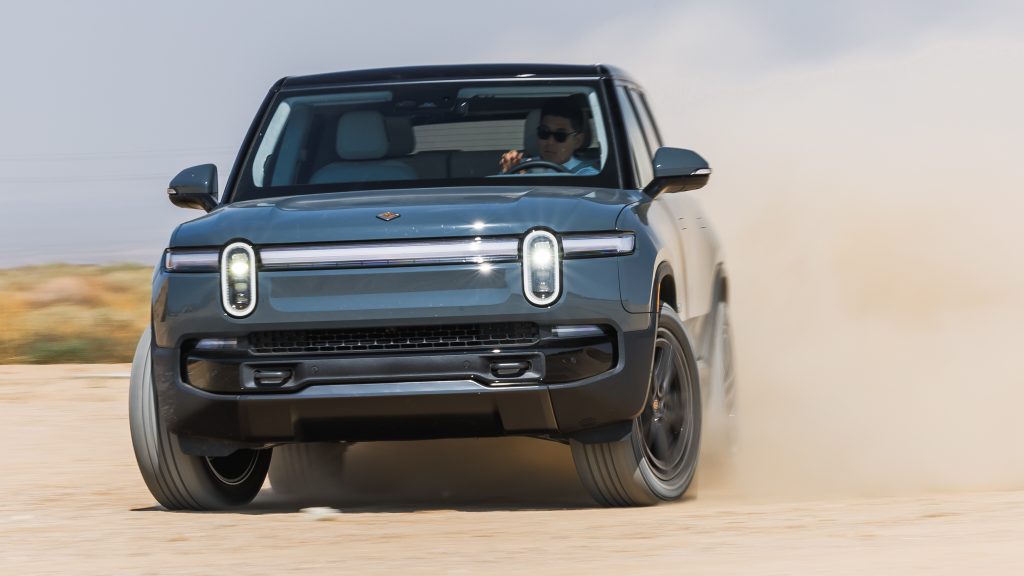
1. Rivian R1S Quad Max
The Rivian R1S Quad Max represents how dramatically electric power has changed the performance ceiling for SUVs. MotorTrend recorded a 0 to 60 mph time of just 2.6 seconds for the 2025 R1S Quad Max, making it the quickest SUV in that publication’s testing history.
That figure is not simply a manufacturer’s estimate. It came from instrumented testing, which makes the result particularly useful when comparing it with gasoline-powered competitors.
The secret is the R1S’s four-motor architecture. Instead of relying on a conventional engine, transmission, and mechanical all-wheel-drive system, the Quad Max uses an electric motor at each wheel. This allows extremely precise control over how torque is distributed.
Electric motors also produce their strongest pulling force immediately, eliminating the need for an engine to build revs before delivering its maximum thrust.
MotorTrend’s testing places the R1S ahead of several exotic SUVs that cost substantially more. Its performance is even more remarkable considering the vehicle remains a genuine three-row SUV with substantial passenger and cargo capacity. This is not a stripped-out acceleration special designed solely for drag-strip runs.
The Quad Max also demonstrates one of the biggest differences between electric and combustion performance. There is no need for a traditional gear change during the initial sprint.
The motors can deliver continuous thrust from the moment the accelerator is pressed, while the sophisticated traction system works to keep the tires from breaking loose.
That combination explains how a large family SUV can record a 2.6-second sprint to 60 mph. It also shows why the modern performance-SUV conversation can no longer be limited to gasoline engines.
2. Porsche Cayenne Turbo GT Coupe
Porsche took the conventional high-performance SUV formula to an extraordinary level with the Cayenne Turbo GT Coupe. MotorTrend recorded a 2.9-second 0 to 60 mph time for the 2024 Cayenne Turbo GT Coupe, placing it among the fastest SUVs the publication has ever tested. The same test recorded a 650-horsepower output from its twin-turbocharged V8.
What makes the result remarkable is the fact that Porsche achieved it without turning the Cayenne into an electric vehicle. The Turbo GT uses a 4.0-liter twin-turbo V8, an eight-speed automatic transmission, and all-wheel drive.
That hardware has to move a large luxury SUV, yet the combination of enormous power and sophisticated traction management allows the vehicle to launch with exceptional consistency.
Porsche also engineered the Turbo GT with handling in mind rather than treating acceleration as its only objective. The model receives performance-focused suspension tuning, powerful brakes, and aerodynamic changes that separate it from ordinary Cayenne versions. The coupe-style body further emphasizes its performance-oriented character.
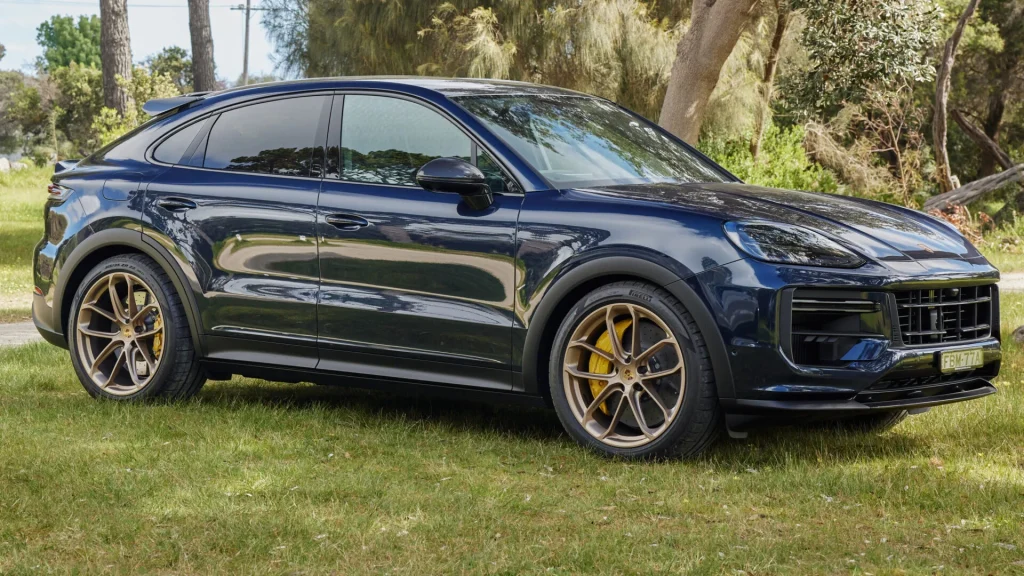
MotorTrend’s 2.9-second result is particularly significant because the Porsche edged into territory traditionally associated with exotic sports cars. Its quarter-mile performance reinforces the point, with MotorTrend recording an 11.2-second run at 121.5 mph.
Porsche lists a 190 mph top speed for the Turbo GT, adding serious high-speed capability to the explosive launch.
This is therefore not simply a fast SUV because it has a powerful engine. It represents a carefully engineered package in which the engine, transmission, tires, suspension, and all-wheel-drive system work together to turn a high-riding luxury vehicle into a machine capable of genuine sports-car acceleration.
3. Hyundai Ioniq 5 N
The Hyundai Ioniq 5 N is one of the clearest examples of how quickly the electric performance-SUV category has developed. MotorTrend recorded a 0 to 60 mph time of just 2.8 seconds for the Ioniq 5 N, placing it ahead of a long list of high-powered gasoline SUVs.
Its result is particularly striking because the Ioniq 5 N is based on a practical five-door electric crossover rather than an exotic low-slung sports car.
Hyundai gives the N version two electric motors, one at each axle, producing a combined 641 horsepower and 568 lb-ft of torque when the appropriate performance mode is activated.
That power is sent through an electronically controlled all-wheel-drive system, allowing the vehicle to manage traction with far greater precision than a conventional mechanical system. MotorTrend recorded an 11.0-second quarter-mile at 124.9 mph during its testing.
The Ioniq 5 N is also unusual because Hyundai did not treat it as merely an electric drag racer. The vehicle includes simulated gear changes, an artificial engine soundtrack, and extensive chassis tuning designed to give the driver more involvement.
Those features are intended to reproduce some of the sensations associated with traditional performance cars while retaining the immediate response of electric motors.
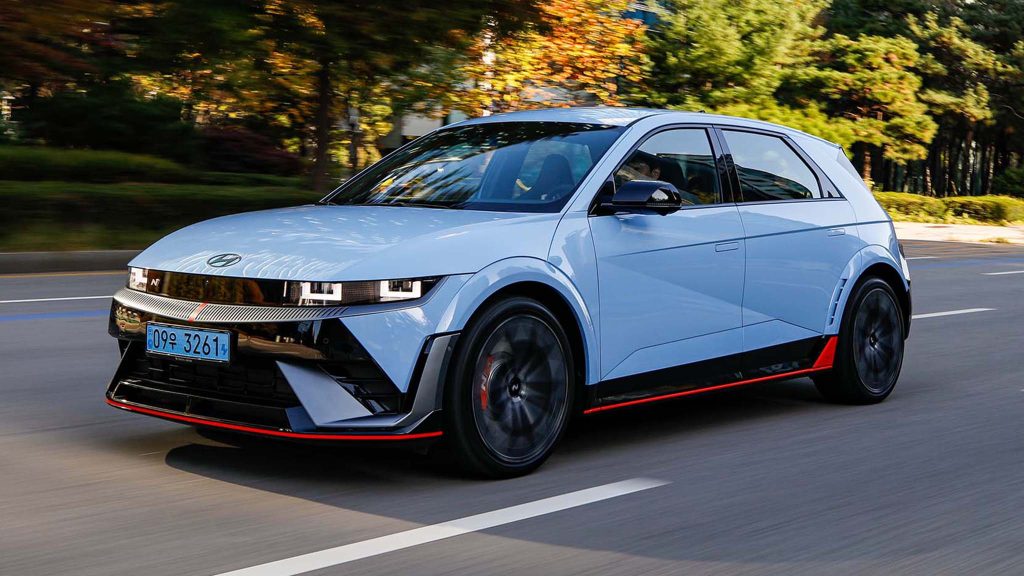
Its 2.8-second acceleration time puts the Ioniq 5 N in extremely rare territory. It is quicker to 60 mph than many vehicles costing substantially more, yet it retains the basic practicality of the standard Ioniq 5.
The bigger story is what the number represents. Electric propulsion is no longer simply being used to make ordinary SUVs efficient. Manufacturers are now using multiple motors, sophisticated torque control, and high-output batteries to create SUVs that can accelerate at supercar levels.
4. Rivian R1S Tri Max
The Rivian R1S Tri Max makes the ranking especially interesting because it demonstrates that adding another electric motor can transform an already fast SUV into something considerably more extreme. MotorTrend recorded a 2.9-second 0 to 60 mph time for the 2025 R1S Tri Max, putting it in the same acceleration territory as the Porsche Cayenne Turbo GT.
Its three-motor layout consists of one motor at the front and two at the rear. Combined output reaches 850 horsepower and 1,103 lb-ft of torque.
That enormous torque figure is delivered through a single-speed transmission, eliminating the conventional gear changes that occur in a gasoline-powered SUV. MotorTrend recorded an 11.1-second quarter-mile at 124.2 mph.
What makes the Tri Max particularly unusual is the vehicle surrounding that powertrain. The R1S remains a three-row SUV with seating for up to seven, substantial cargo capacity, and a body designed for both everyday driving and off-road use.
In other words, its acceleration does not come at the cost of turning the vehicle into a dedicated two-seat performance machine.
Rivian’s launch-control system also plays an important role. The system prepares the suspension, battery, and traction controls before the driver releases the brake, allowing the three motors to deliver their combined output with minimal wheelspin. That precise control is one reason the R1S can launch so hard despite its size and weight.
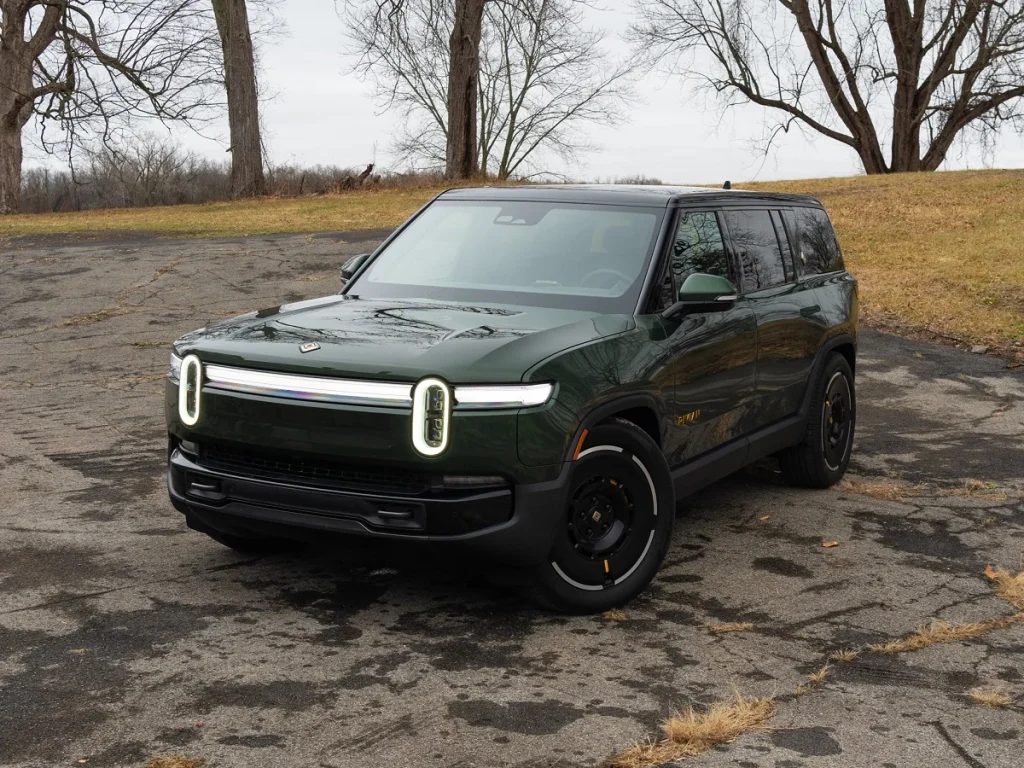
The Tri Max’s 2.9-second result also illustrates how quickly electric SUVs are advancing. It was briefly near the very top of MotorTrend’s tested SUV rankings before the more powerful Quad Max moved ahead of it.
With three motors, 850 horsepower, and enough space for an entire family, the R1S Tri Max turns the idea of a practical SUV into something much more dramatic.
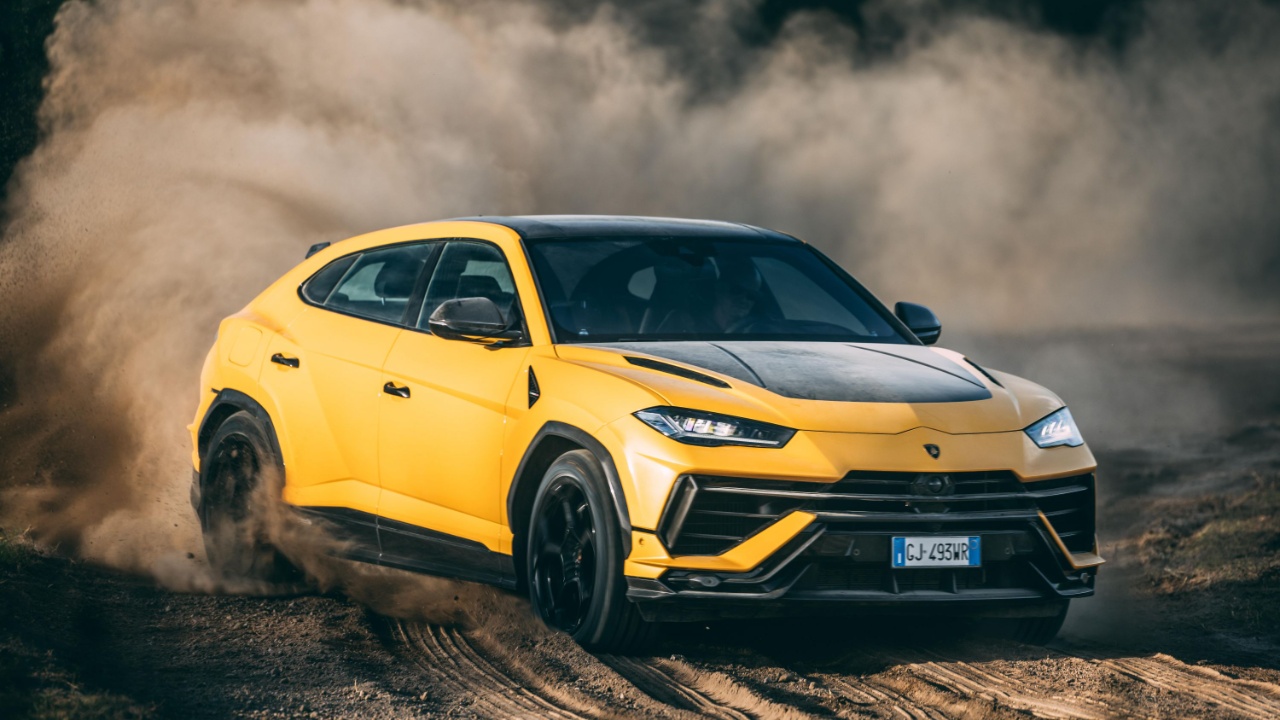
5. Lamborghini Urus Performante
The Lamborghini Urus Performante proves that an SUV does not need an electric powertrain to deliver supercar-level acceleration.
MotorTrend recorded a 0 to 60 mph time of exactly 3.0 seconds for the 2023 Urus Performante, placing it among the quickest SUVs ever subjected to the publication’s instrumented testing. The result also tied the Porsche Cayenne Turbo GT in MotorTrend’s testing at the time.
Behind that launch is a 4.0-liter twin-turbocharged V8 producing 657 horsepower and 627 lb-ft of torque.
Lamborghini combines the engine with an eight-speed automatic transmission and all-wheel drive, allowing the powertrain to put its output down with remarkable consistency. MotorTrend’s test continued through the quarter mile in 11.3 seconds at 121.3 mph.
The Performante was developed with more than straight-line acceleration in mind. Lamborghini reduced weight, revised the suspension, and added aerodynamic changes to create a version that could handle corners more aggressively than the standard Urus.
The result is an SUV that behaves much more like a performance car than its body shape suggests.
Its 3.0-second result is particularly impressive because it comes from a conventional combustion powertrain. Unlike the instant torque delivery of a multi-motor EV, the Lamborghini has to build boost and manage gear changes during the launch.
The transmission’s rapid shifts and all-wheel-drive traction system make that process happen extremely quickly.
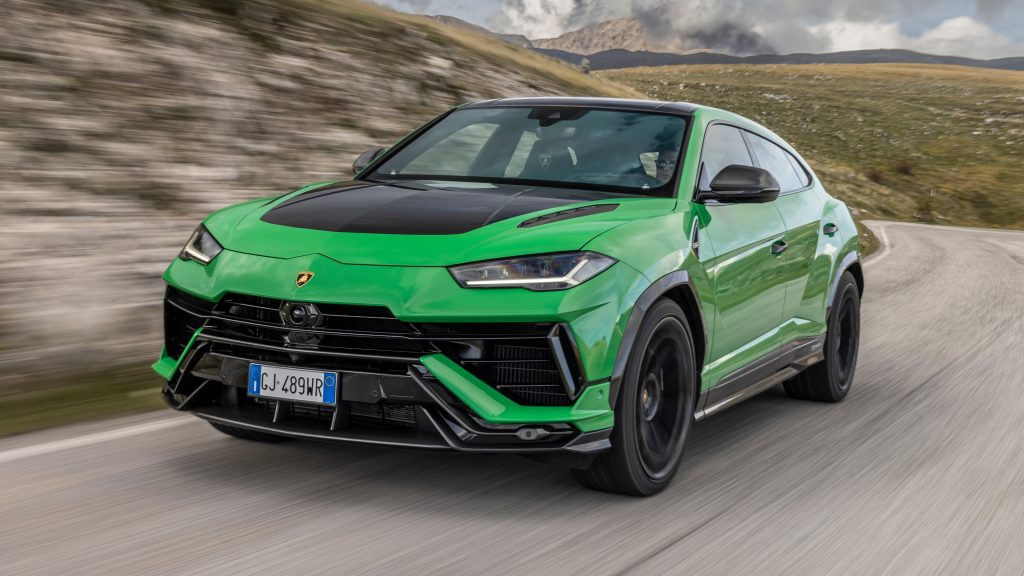
The Urus Performante also demonstrates why simply looking at horsepower numbers can be misleading. There are SUVs with similar or greater output that do not necessarily produce the same acceleration. Tire grip, launch calibration, transmission response, drivetrain losses, and vehicle weight all influence the final result.
For an SUV carrying Lamborghini’s badge, a three-second sprint is not merely impressive. It is evidence of how far performance engineering has pushed the SUV format.
6. Aston Martin DBX707
The Aston Martin DBX707 takes a different approach to extreme SUV performance. Instead of chasing the most dramatic electric output, Aston Martin developed a high-output version of its twin-turbocharged V8-powered DBX. MotorTrend recorded a 3.1-second 0 to 60 mph time for the DBX707, putting it among the quickest gasoline-powered SUVs it has tested.
The name itself points toward the engine’s output. The 4.0-liter twin-turbo V8 produces 697 horsepower and 663 lb-ft of torque according to MotorTrend’s test specifications. That power reaches the road through a nine-speed wet-clutch automatic transmission and all-wheel drive. MotorTrend recorded an 11.4-second quarter mile at 121.6 mph.
Aston Martin did not simply increase engine output and stop there. The DBX707 received changes to its transmission, brakes, suspension, and differential to handle the additional performance. Its brake system uses large carbon-ceramic discs, while the chassis was tuned to make the SUV more responsive when driven aggressively.
The vehicle’s size makes the acceleration even more interesting. This is still a luxury SUV with substantial passenger space, a large cabin, and the ability to function as everyday transportation. The engineering challenge was therefore to combine comfort and utility with performance that would normally be associated with much smaller vehicles.
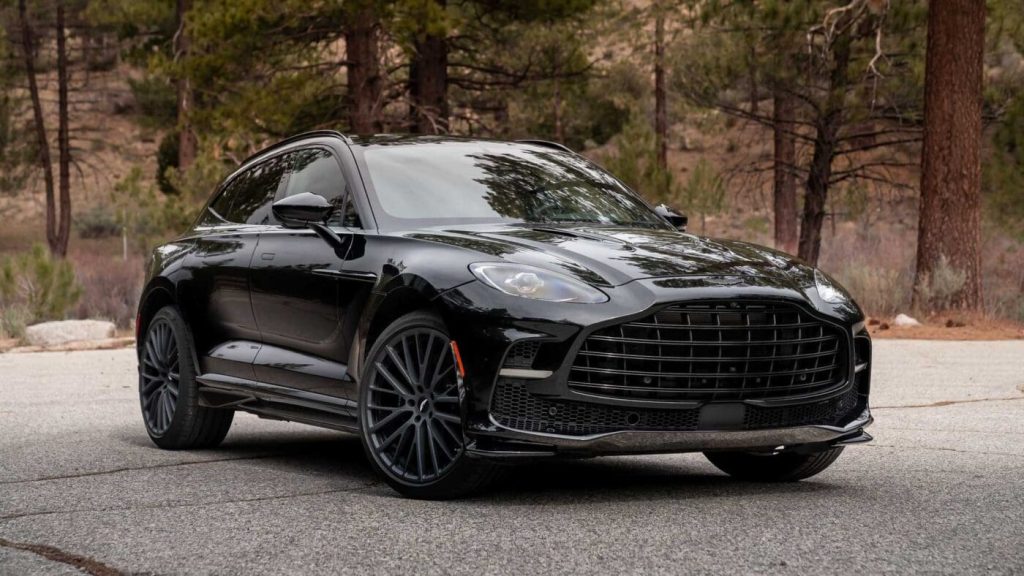
The 3.1-second MotorTrend result places the DBX707 just behind several newer electric SUVs and the very fastest combustion-powered models. That position demonstrates the pace of modern internal-combustion development even as the industry moves toward electrification.
For buyers interested in traditional engine character, the DBX707 offers a very different experience from the electric SUVs near the top of this ranking. Its V8 delivers its performance through turbocharger boost, transmission gearing, and a conventional drivetrain, yet the final acceleration figure remains firmly in supercar territory.
7. Mercedes-AMG GLE 63 S
The Mercedes-AMG GLE 63 S shows that a large luxury SUV does not need an exotic badge or an electric powertrain to deliver startling acceleration. MotorTrend tested the GLE 63 S at 3.4 seconds from 0 to 60 mph, putting it ahead of many sports cars despite weighing more than 5,400 pounds.
The result came from a combination of a twin-turbocharged V8, mild-hybrid assistance, all-wheel drive, and aggressive launch programming.
Under the hood sits AMG’s 4.0-liter twin-turbo V8 producing 603 horsepower and 627 lb-ft of torque. A 48-volt electrical system adds a small electric motor that can provide additional torque fill, while the nine-speed automatic transmission sends power through all four wheels. MotorTrend’s test also produced an 11.9-second quarter mile at 115.2 mph.
The GLE 63 S is interesting because its speed is hidden beneath a relatively conventional luxury-SUV shape. It has the seating position, interior space, and road presence expected from a large Mercedes SUV, but the powertrain is engineered much more like a high-performance car.
AMG also equipped it with advanced chassis technology. Active Ride Control uses a 48-volt system to counteract body movement, while large brakes and performance tires help manage the vehicle when acceleration is followed by hard cornering or braking.
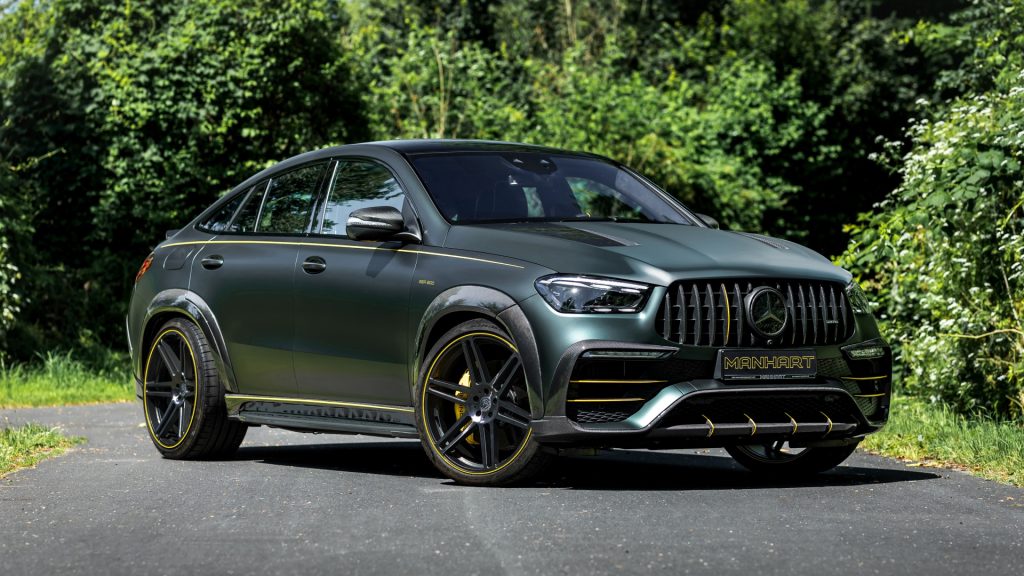
Its 3.4-second result also shows how important traction is. Producing more than 600 horsepower is one thing, but putting that power to the pavement without excessive wheelspin is another. The GLE 63 S uses its all-wheel-drive system and launch programming to help turn that enormous output into usable acceleration.
For an SUV weighing several thousand pounds, reaching 60 mph in the mid-three-second range is an extraordinary engineering achievement.
8. Audi RS Q8
The Audi RS Q8 proves that a luxury SUV can share its mechanical foundations with some of the most serious performance machines in the world. Edmunds recorded the RS Q8 at 3.56 seconds from 0 to 60 mph, while its twin-turbocharged V8 provides the power necessary to make that acceleration possible.
The U.S.-market RS Q8 uses a 4.0-liter twin-turbocharged V8 producing 591 horsepower and 590 lb-ft of torque. Audi pairs it with an eight-speed Tiptronic automatic transmission and quattro all-wheel drive. That combination gives the large SUV the ability to launch aggressively while maintaining the stability expected from a high-performance Audi.
What makes the RS Q8 especially fascinating is its relationship with the wider Volkswagen Group performance family. Its platform architecture is related to the Porsche Cayenne and Lamborghini Urus, meaning the Audi benefits from engineering shared across several premium performance SUVs.
Yet Audi gives the RS Q8 its own personality. The cabin emphasizes technology and luxury, while the exterior retains the practical proportions of a large crossover rather than looking like a conventional sports car.
The acceleration number also needs context. The RS Q8 is not a lightweight vehicle. Its ability to reach 60 mph in roughly three and a half seconds comes from combining substantial engine output with sophisticated all-wheel-drive traction and carefully calibrated transmission gearing.
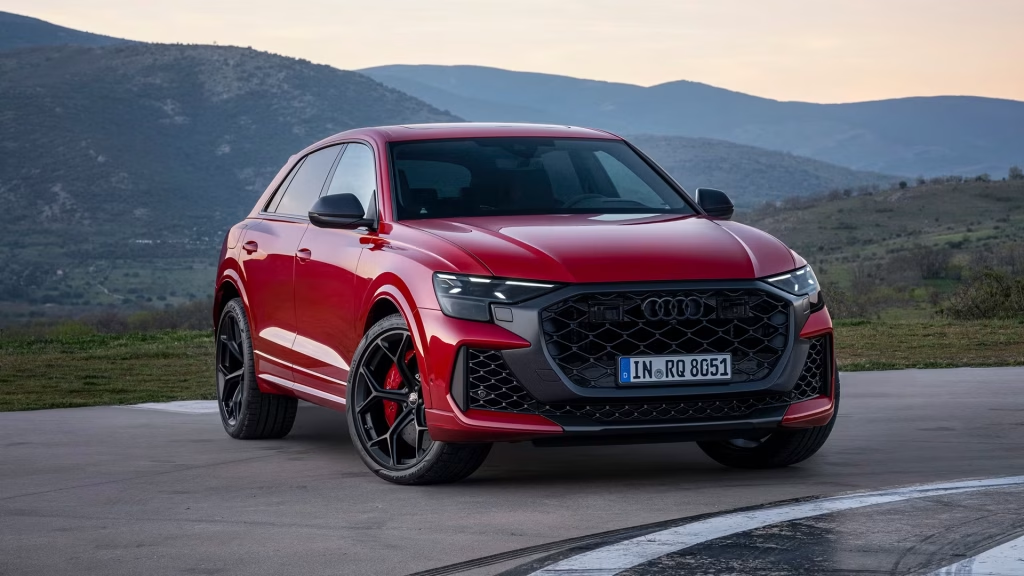
Edmunds lists a manufacturer-cited top speed of 190 mph for the RS Q8 when appropriately equipped, further demonstrating that the vehicle was designed for much more than quick launches.
The result is an SUV that occupies an unusual middle ground. It provides the elevated seating position and cargo utility of a large crossover while delivering acceleration and high-speed capability that once required a dedicated sports car.
9. Jeep Grand Cherokee Trackhawk
The Jeep Grand Cherokee Trackhawk remains one of the most outrageous gasoline SUVs ever put into production. MotorTrend tested the 2018 Trackhawk at 3.3 seconds from 0 to 60 mph, beating Jeep’s own 3.5-second claim.
At the time, that result made it the quickest SUV MotorTrend had tested, and it remains one of the fastest combustion-powered SUVs in the publication’s database.
Its recipe was deliberately excessive. Jeep installed a 6.2-liter supercharged V8 producing 707 horsepower and 645 lb-ft of torque, then paired it with an eight-speed automatic transmission and all-wheel drive.
MotorTrend’s test produced an 11.7-second quarter mile at 116.2 mph. The Trackhawk weighed 5,448 pounds during that test, making the acceleration even more remarkable.
The all-wheel-drive system was critical. Sending more than 700 horsepower through only two driven wheels would have made traction considerably more difficult, particularly during a hard launch. Instead, the Trackhawk could put its enormous output down through all four tires while launch control coordinated the drivetrain.
There was also a practical side to the madness. Unlike many exotic performance SUVs, the Trackhawk retained five-passenger seating, useful cargo space, and the ability to tow. MotorTrend recorded 36.3 cubic feet of luggage capacity behind the rear seats.
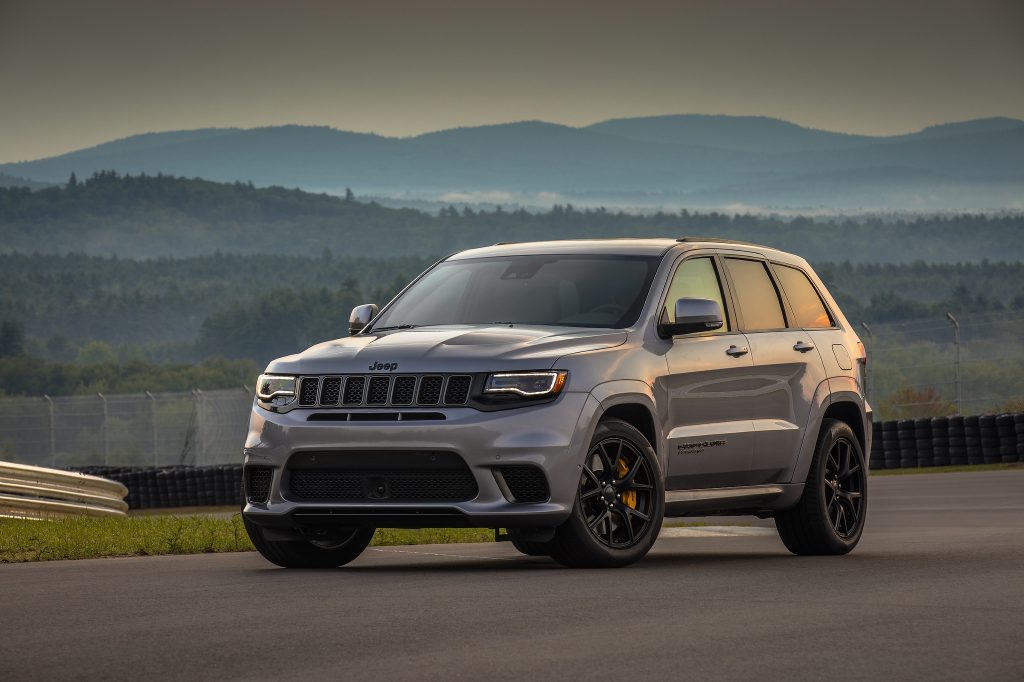
Its 3.3-second result also shows how much performance SUVs changed during the 2010s. A vehicle weighing well over 5,000 pounds could suddenly accelerate to 60 mph faster than many dedicated sports cars.
The Trackhawk is no longer in production, but its place in performance history remains secure. It demonstrated that a traditional American V8 and all-wheel-drive system could turn a family SUV into a genuine straight-line weapon.
10. Tesla Model X P90D Ludicrous
Before today’s three- and four-motor electric SUVs began dominating acceleration charts, the Tesla Model X P90D with Ludicrous mode had already demonstrated what electric power could do in a large family vehicle. MotorTrend recorded a 3.2-second 0 to 60 mph time for the 2016 Model X P90D Ludicrous.
That result was extraordinary for its time. The tested Model X weighed 5,516 pounds and used a 90-kWh battery pack. Its dual-motor setup consisted of a 259-horsepower front motor and a 503-horsepower rear motor, with a combined measured output of 532 horsepower in MotorTrend’s test. The SUV completed the quarter mile in 11.7 seconds at 116.0 mph.
The reason the Model X could produce such a dramatic launch was the electric drivetrain’s ability to deliver torque almost immediately. There was no conventional automatic transmission working through multiple gears before the vehicle reached 60 mph. Instead, the motors could deliver their output directly through the all-wheel-drive system.
Its performance was particularly surprising because the Model X was designed as a family vehicle. It offered three rows of seating, distinctive falcon-wing rear doors, and substantial cargo capacity. The acceleration therefore came as an unexpected bonus rather than the sole purpose of the vehicle.
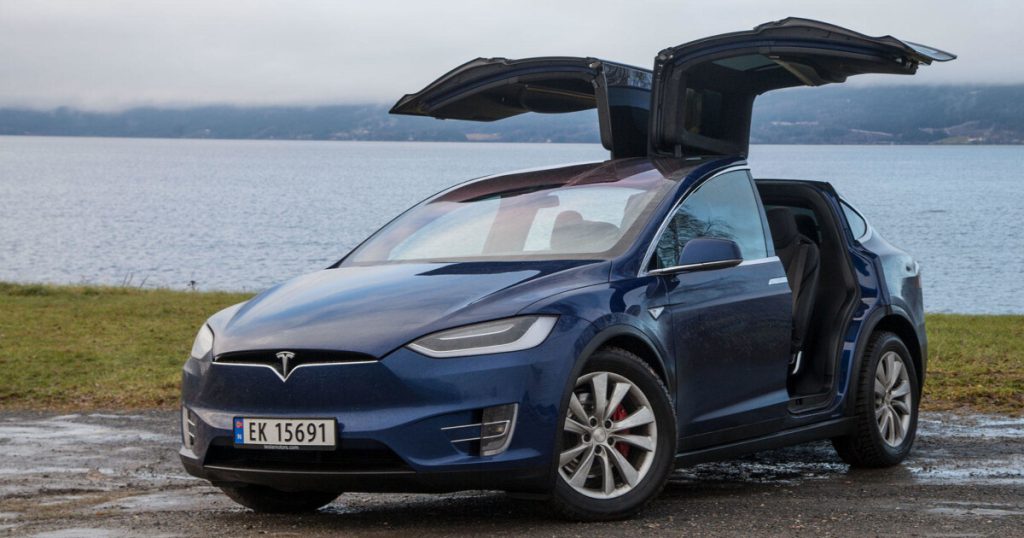
The P90D also helped establish a pattern that has become much more common today: electric SUVs could compete with or outperform highly tuned gasoline performance vehicles in straight-line acceleration.
Although newer EVs have since surpassed its 3.2-second result, the Model X P90D Ludicrous remains an important entry in the history of quick SUVs. It was one of the vehicles that demonstrated that an electric family crossover could deliver acceleration once associated almost exclusively with exotic machinery.
