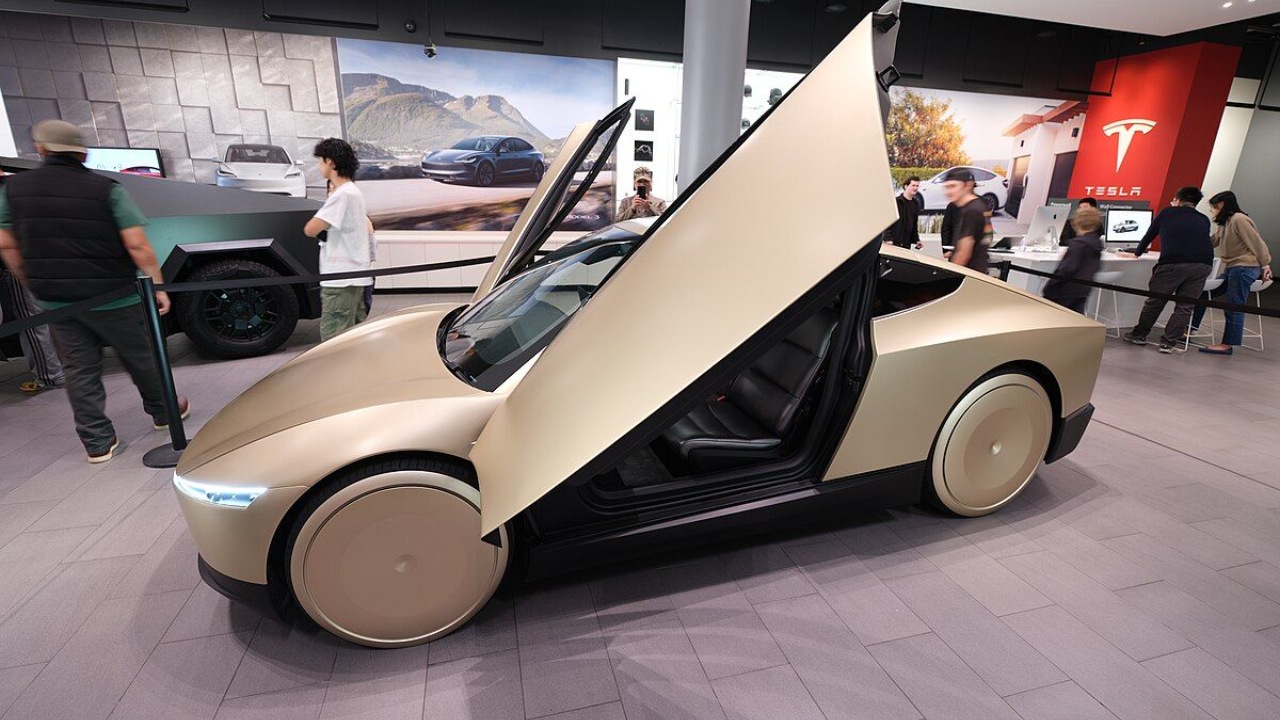
Tesla’s driverless Cybercab is facing a closer regulatory examination in the United States after the National Highway Traffic Safety Administration asked the automaker to explain how it certified the steering-wheel-free robotaxi for compliance with federal safety standards.
The questions come less than two weeks after Tesla began commercial Cybercab operations with a small number of vehicles in Austin, Texas. NHTSA is now examining not only the technical information Tesla used for its self-certification but also whether temporary human-driving equipment played a role in that process.
According to Reuters, NHTSA has given Tesla until September 30 to respond. Among the questions is whether temporarily installed steering, braking, or other human-driver controls were used as part of the certification basis for the production Cybercab.
The agency is also asking whether the vehicle can be operated by a human, whether occupants can move it through touchscreen controls, and what operational restrictions apply.
The investigation does not mean NHTSA has determined that Tesla violated federal law. Rather, the agency is seeking additional information about the basis for Tesla’s certification at a time when U.S. regulations have not yet been fully rewritten to accommodate vehicles designed without conventional human controls.
Why the Cybercab Certification Is Under Scrutiny
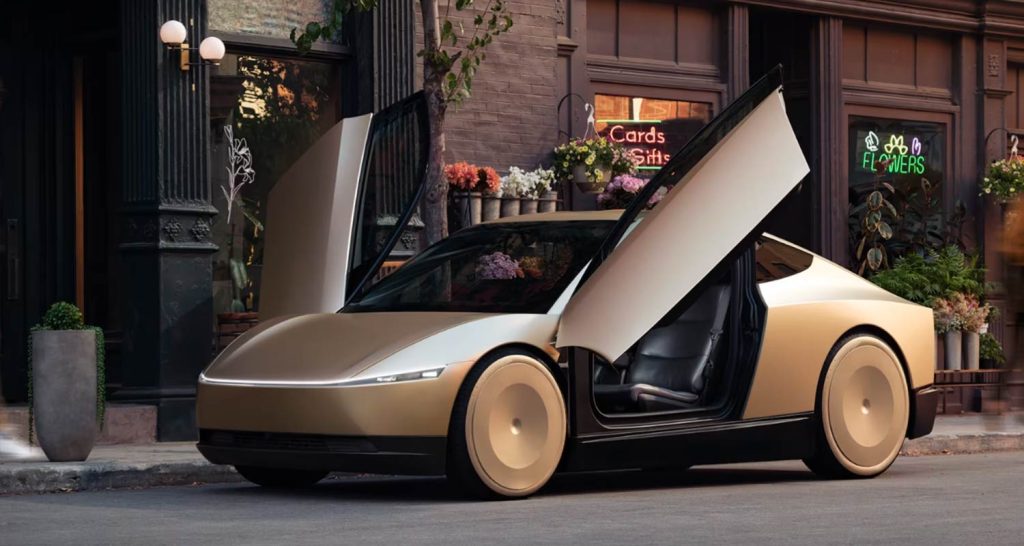
Unlike conventional Tesla vehicles, the Cybercab was designed specifically for autonomous operation. The two-seat vehicle does not have a conventional steering wheel, accelerator pedal, or brake pedal, and it also lacks traditional rearview mirrors.
Those features create a regulatory question because many existing Federal Motor Vehicle Safety Standards were written around vehicles operated by human drivers.
NHTSA opened an audit query on September 4, shortly after Tesla began commercial deployment in Austin. The agency said it was examining the technical data and processes Tesla relied upon when certifying the Cybercab as compliant with applicable federal standards.
NHTSA specifically said its investigation would consider whether Tesla determined that certain existing standards did not apply to a vehicle operated by an automated driving system.
The latest request goes further by asking Tesla to explain whether temporary human controls or other equipment were involved in the certification process.
That distinction is important because a vehicle can be tested in configurations that are different from the final production version, but the certification must accurately represent the vehicle being placed on the road. NHTSA is therefore asking Tesla to explain exactly what configuration was used and what technical basis supported its certification.
Reuters reported that the agency also wants Tesla to identify the Cybercab’s maximum speed and explain any geographic, time-of-day, or other operating restrictions. Those questions could help regulators understand how the vehicle is actually being deployed compared with the vehicle configuration Tesla certified.
The agency has not publicly concluded that Tesla used temporary controls improperly. The question itself should not be treated as a finding that such equipment was used during certification. That distinction is particularly important because the current investigation remains open.
NHTSA’s original announcement stated that existing safety standards remain in effect while the agency works on proposed changes for automated vehicles. The agency is pursuing rulemaking involving equipment such as brake pedals, lighting, windshield wipers, and rearview mirrors, but those changes have not replaced the existing requirements.
Federal Rules Were Written Around Human Drivers
The Cybercab highlights a broader challenge facing the autonomous-vehicle industry. Autonomous technology is advancing rapidly, while some regulations governing vehicle design have not evolved at the same pace.
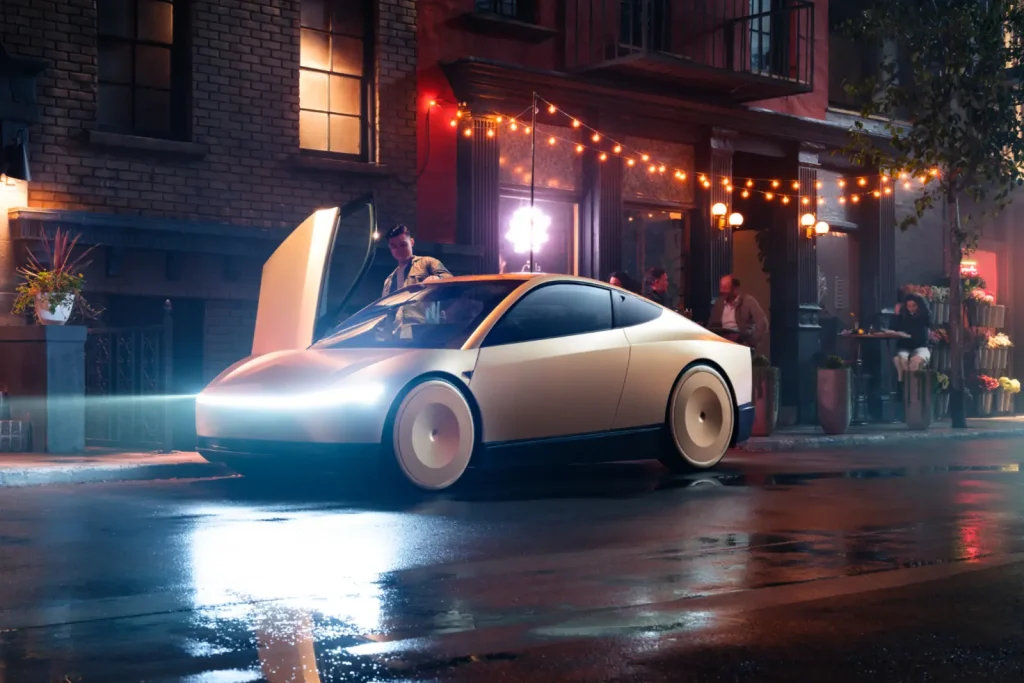
Traditional safety standards generally assume that someone is sitting behind the wheel and can operate the vehicle manually. A purpose-built robotaxi challenges that assumption because the vehicle may not need conventional human controls at all.
NHTSA’s questions therefore extend beyond the steering wheel. The agency is examining how the Cybercab satisfies different federal requirements covering controls, indicators, braking, rear visibility, and stability-control systems.
Reuters reported that Tesla and other robotaxi companies, including Waymo, have supported changes proposed by the Trump administration that would allow autonomous vehicles to operate without equipment such as steering wheels, brake pedals, and conventional rearview mirrors.
Critics of those changes have argued that existing requirements should not be relaxed until autonomous vehicles demonstrate sufficient safety. The regulatory debate is complicated by the way vehicles are approved in the United States.
Automakers generally do not receive advance government approval for every new vehicle design. Instead, manufacturers certify that their vehicles comply with applicable Federal Motor Vehicle Safety Standards, while NHTSA conducts investigations and enforcement activities when questions arise.
That system has worked for conventional vehicles because the applicable standards generally correspond to familiar vehicle designs. Autonomous vehicles introduce new questions about whether certain requirements remain relevant when there is no human driver.
NHTSA has already acknowledged this issue. In its September 4 announcement, the agency said it was working on changes to federal standards to remove what it considers unnecessary barriers to automated vehicle development, while emphasizing that existing rules continue to apply until those changes are completed.
For Tesla, that creates a difficult timing issue. The company has already begun operating the Cybercab commercially, while the regulatory framework governing vehicles without traditional controls is still evolving.
Tesla Must Now Explain Its Certification Process
Tesla began commercial Cybercab deployment in Austin on September 3 with a small number of vehicles. The company said it intended to expand the service gradually to additional vehicles and locations.
NHTSA opened its initial audit immediately afterward, making the timing of the investigation notable. The agency is now requesting more detailed information from Tesla as it evaluates the company’s certification process.
Reuters reports that Tesla must provide its answers by September 30. The regulator’s questions include whether the Cybercab can be driven by a human and whether occupants can use touchscreen controls to move the vehicle.
NHTSA is also asking Tesla to explain its operational limitations, including maximum speed and geographic or time-based restrictions.
The answers could provide regulators with a clearer picture of how Tesla views the Cybercab under existing federal rules.
One of the most important questions is whether Tesla’s certification was based entirely on the final steering-wheel-free configuration. If temporary controls were involved, NHTSA will want to understand their purpose and how they related to the compliance demonstrations.
The agency’s investigation is also relevant to Tesla’s broader robotaxi ambitions. The Cybercab is intended to become a purpose-built autonomous vehicle rather than simply a conventional Tesla with software capable of driving without human intervention. That makes the regulatory treatment of its physical design particularly important.
Tesla is not alone in facing these challenges. Other autonomous-vehicle companies are also working with regulators as they seek approval for vehicles that differ from traditional automobiles.
Zoox, Amazon’s robotaxi company, has taken a different regulatory route. The company obtained a temporary exemption covering certain federal safety standards for its purpose-built autonomous vehicle. That provides an example of how companies can seek regulatory relief when their vehicles do not fit existing requirements.
Tesla’s Cybercab certification is therefore being examined against a regulatory system that is still changing.
NHTSA’s investigation does not currently establish that the Cybercab is illegal, nor has the agency announced a recall or ordered Tesla to stop its Austin service. The regulator is asking questions about how Tesla reached its certification and whether the supporting process properly reflected the vehicle that is now operating commercially.
The September 30 deadline should provide the next significant development in the case. Tesla’s response could clarify how the company interpreted federal requirements for a vehicle without conventional human controls and whether temporary equipment was involved in its certification process.
The outcome could also have implications beyond Tesla. If NHTSA determines that existing regulations adequately cover the Cybercab, the case could provide greater clarity for other companies developing similar vehicles.
If regulators identify gaps or compliance problems, manufacturers may face additional requirements before deploying steering-wheel-free robotaxis at scale.
For now, the central issue is not whether autonomous vehicles should exist, but how vehicles designed without human controls fit into a safety framework created largely for conventional cars.
Tesla has already put the Cybercab on public roads. NHTSA is now asking the company to explain precisely how that vehicle was certified under the rules that currently govern those roads. The answers could become an important part of the regulatory debate surrounding America’s next generation of autonomous vehicles.