
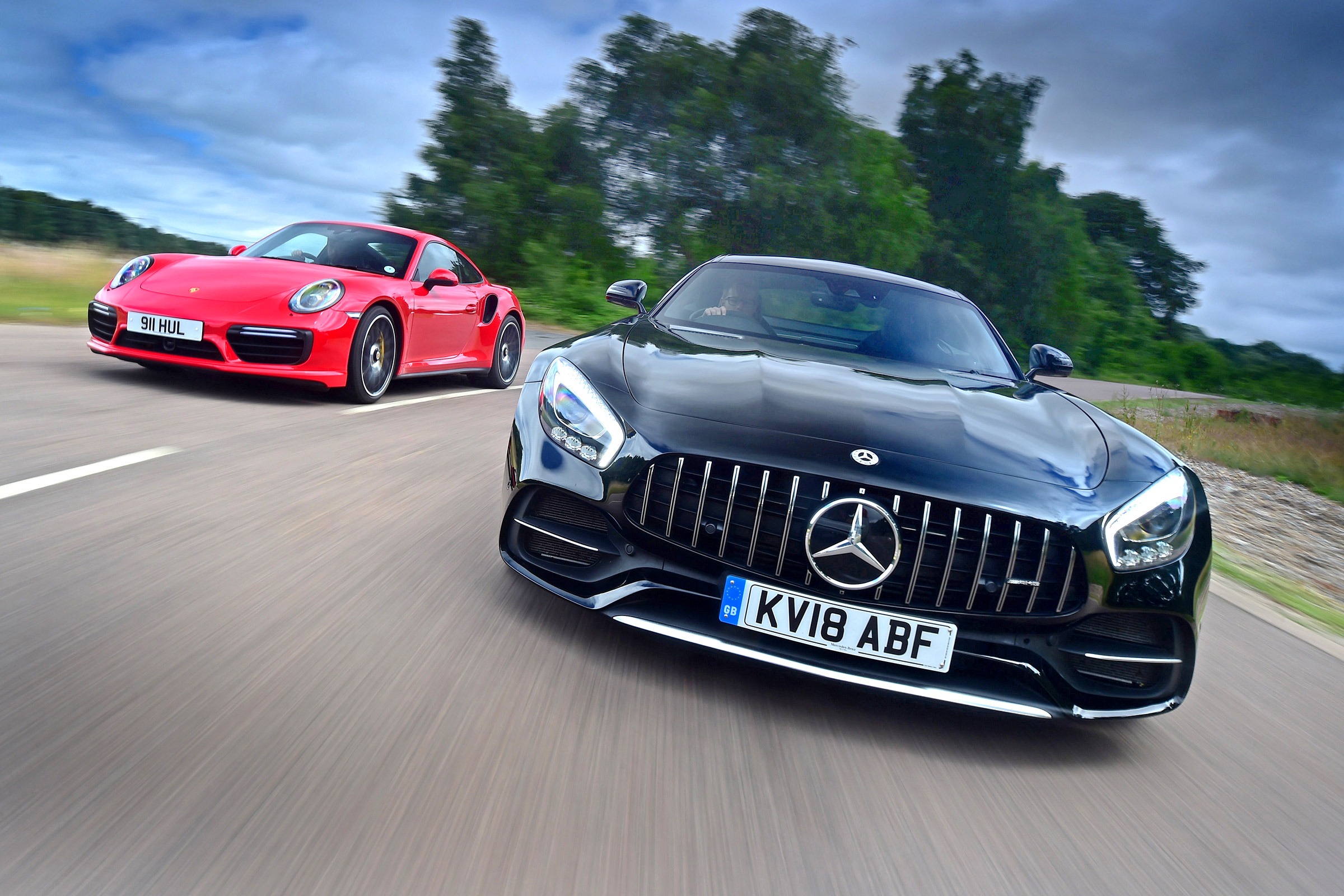
Buying an expensive car does not always mean watching your money disappear the moment you leave the dealership. Some premium models manage to keep a surprisingly large portion of their original value, giving owners a better chance of recovering more money when it is time to sell. That purchases more than luxury, speed, comfort, or status. The right vehicle can also make financial sense when resale enters the picture.
From legendary sports cars to luxury SUVs and premium electric vehicles, these eight choices have qualities that help maintain buyer interest in the used-car market. Depreciation still depends on mileage, condition, service history, location, equipment, and market demand, but these models have built reputations for holding their value better than many expensive alternatives.
1. Porsche 911
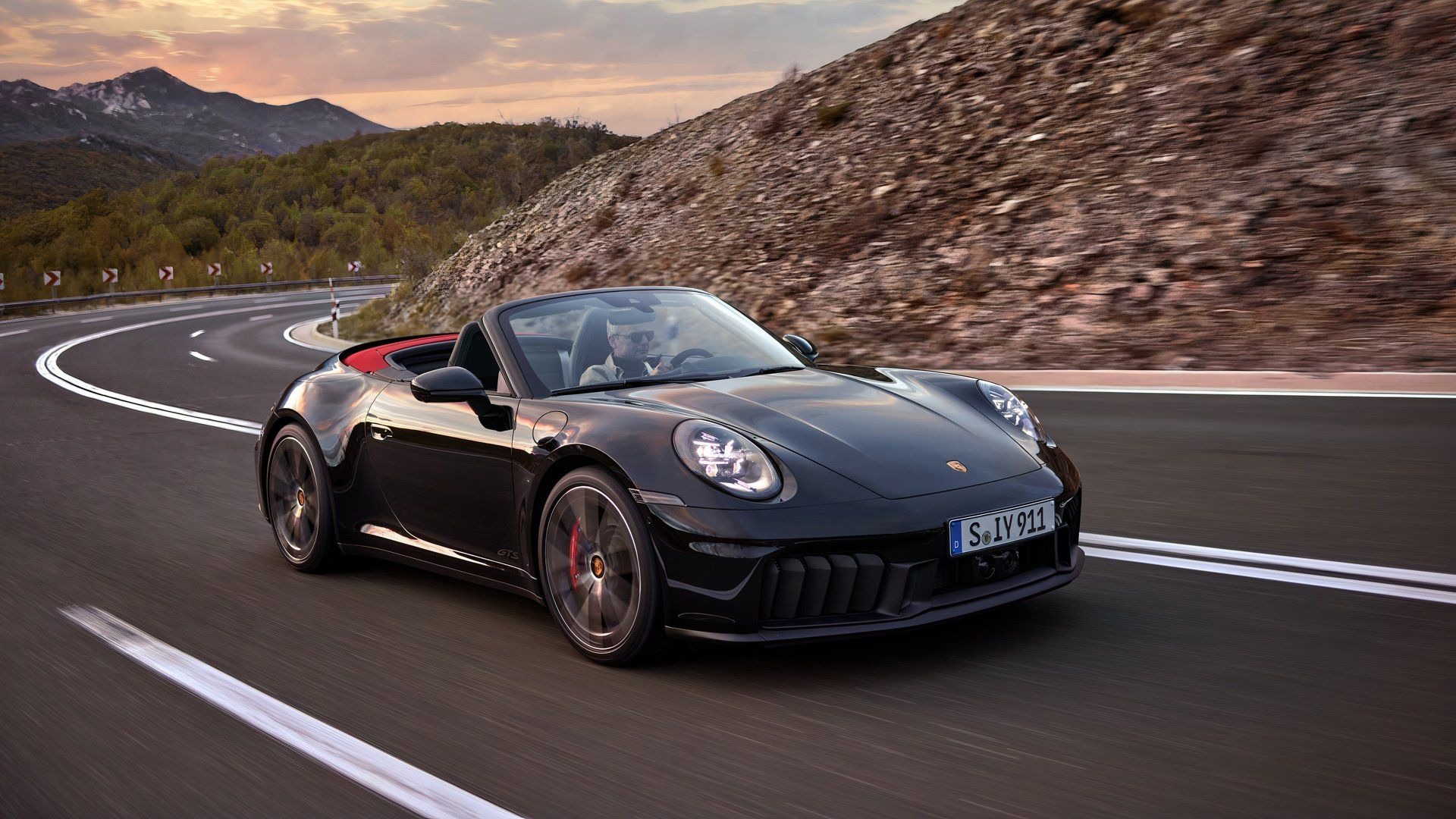
Few cars anywhere come close to matching what the Porsche 911 does at resale. Losing only about 15% of its price over five years puts this sports car in a category almost entirely its own, especially when you consider how many competitors bleed value twice as fast within the same window.
That kind of retention isn’t an accident either, it’s built on decades of consistent engineering, a design language that barely ages, and a devoted following willing to pay top dollar for even slightly used examples.
Buyers can choose from a range of models producing anywhere between 379 and 473 horsepower, with rear or all wheel drive configurations depending on trim.
That flexibility means there’s a 911 for nearly every type of driver, from someone chasing pure track performance to a buyer who wants everyday usability wrapped in an iconic shape.
Reliability plays a massive role here too, since a car that breaks down constantly rarely holds its price no matter how good it looks. Enthusiast appeal cannot be overstated when explaining why this car performs the way it does at resale.
People do not simply buy a 911. They become part of a broader culture shaped by owners’ clubs, track days, and decades of motorsport heritage. That connection helps sustain interest as new generations arrive and contributes to the 911’s strong appeal in the high-end sports car market.
2. Mercedes-Benz G-Class (G63 AMG)
Boxy, brash, and somehow still one of the smartest luxury purchases on the market, the G-Class keeps proving that looks alone can drive resale value through the roof.
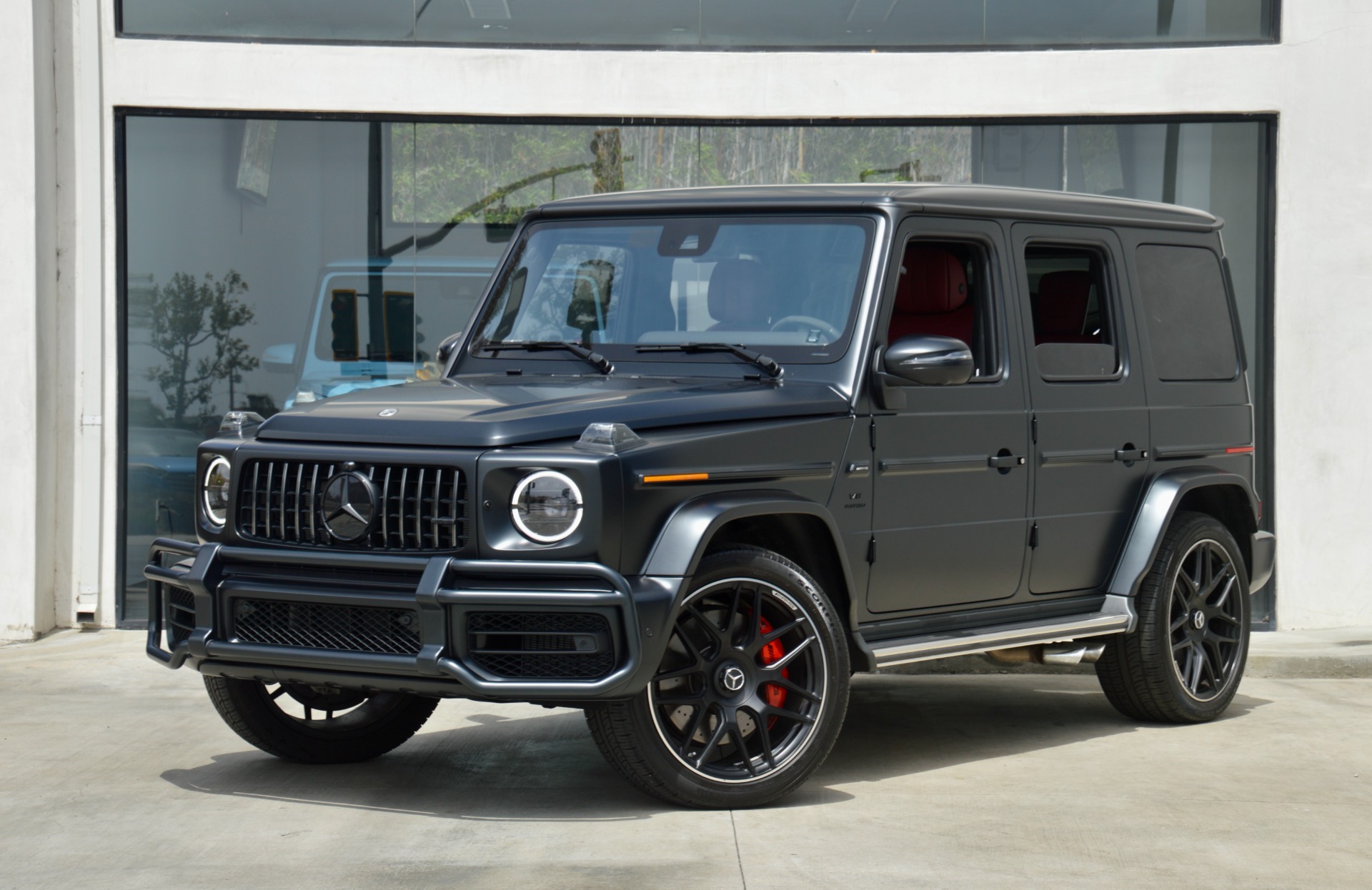
Retaining roughly 77% of its value after five years places this SUV near the very top of the entire luxury segment, a genuinely rare feat for a vehicle carrying such a high original price tag.
Under the hood sits a 4.0-liter twin-turbo V8 producing up to 577 horsepower, giving this boxy off-roader performance numbers that rival dedicated sports cars.
That combination of raw power and unmistakable styling has turned the G-Class into something of a status symbol, spotted everywhere from city streets to red carpet events.
Rarity plays a role too, since Mercedes has historically limited production numbers relative to demand, keeping supply tight and pricing firm even on used examples.
Exclusivity might be the single biggest factor driving this SUV’s resale strength. Owning a G-Class signals something specific, a blend of wealth, taste, and a willingness to stand out from more conventional luxury SUV choices.
That brand prestige translates directly into what buyers are willing to pay secondhand, since demand rarely softens for a vehicle this recognizable.
For anyone considering a luxury SUV purchase with genuine long-term value retention, few options match what the G-Class delivers here.
3. Lexus ES350
Reliability rarely gets the spotlight it deserves in conversations about resale value, yet it’s exactly what makes the Lexus ES350 such a smart financial choice.
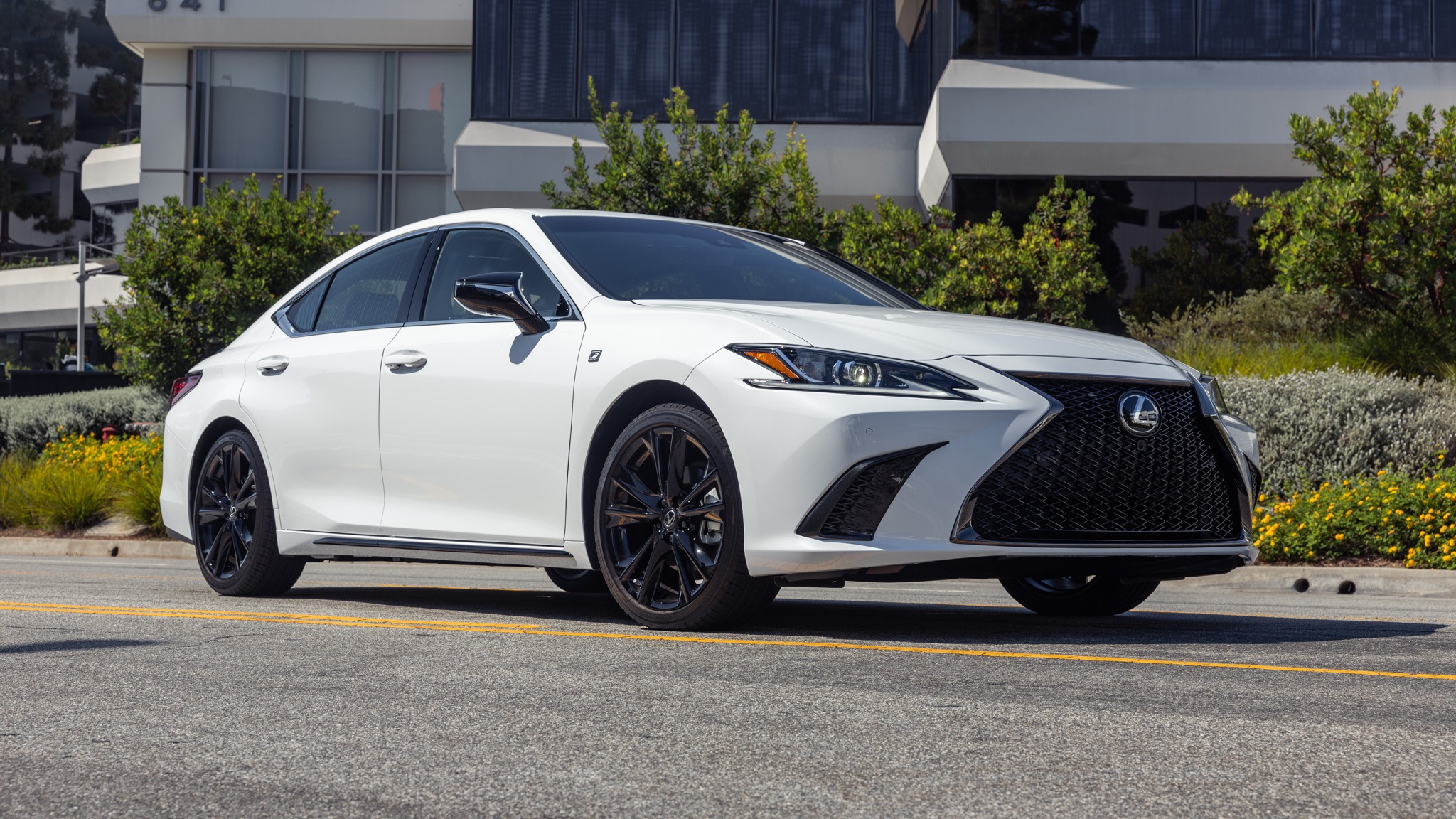
This mid-size luxury sedan retains around 73% of its value over five years, an impressive figure for a car that doesn’t rely on flashy styling or headline-grabbing horsepower to earn its reputation.
Power comes from a 3.5-liter V6 engine producing 302 horsepower, delivering smooth and confident performance without venturing into sports sedan territory.
That’s precisely the point, though buyers shopping this segment usually prioritize comfort, dependability, and low maintenance costs over outright speed.
Lexus has spent decades building trust around exactly those qualities, and the ES350 benefits directly from that accumulated reputation every time it hits the used market.
Owners of this sedan tend to report fewer mechanical issues compared to European rivals offering similar luxury amenities, and that dependability translates into buyer confidence when it comes time to sell.
Fewer surprises under the hood means fewer reasons for used car shoppers to negotiate the price down aggressively. For anyone weighing a luxury sedan purchase against long term financial sense, the ES350 offers a compelling case.
It proves that quiet consistency, rather than bold performance claims, can be exactly what keeps a car’s value intact well after the new car smell fades away.
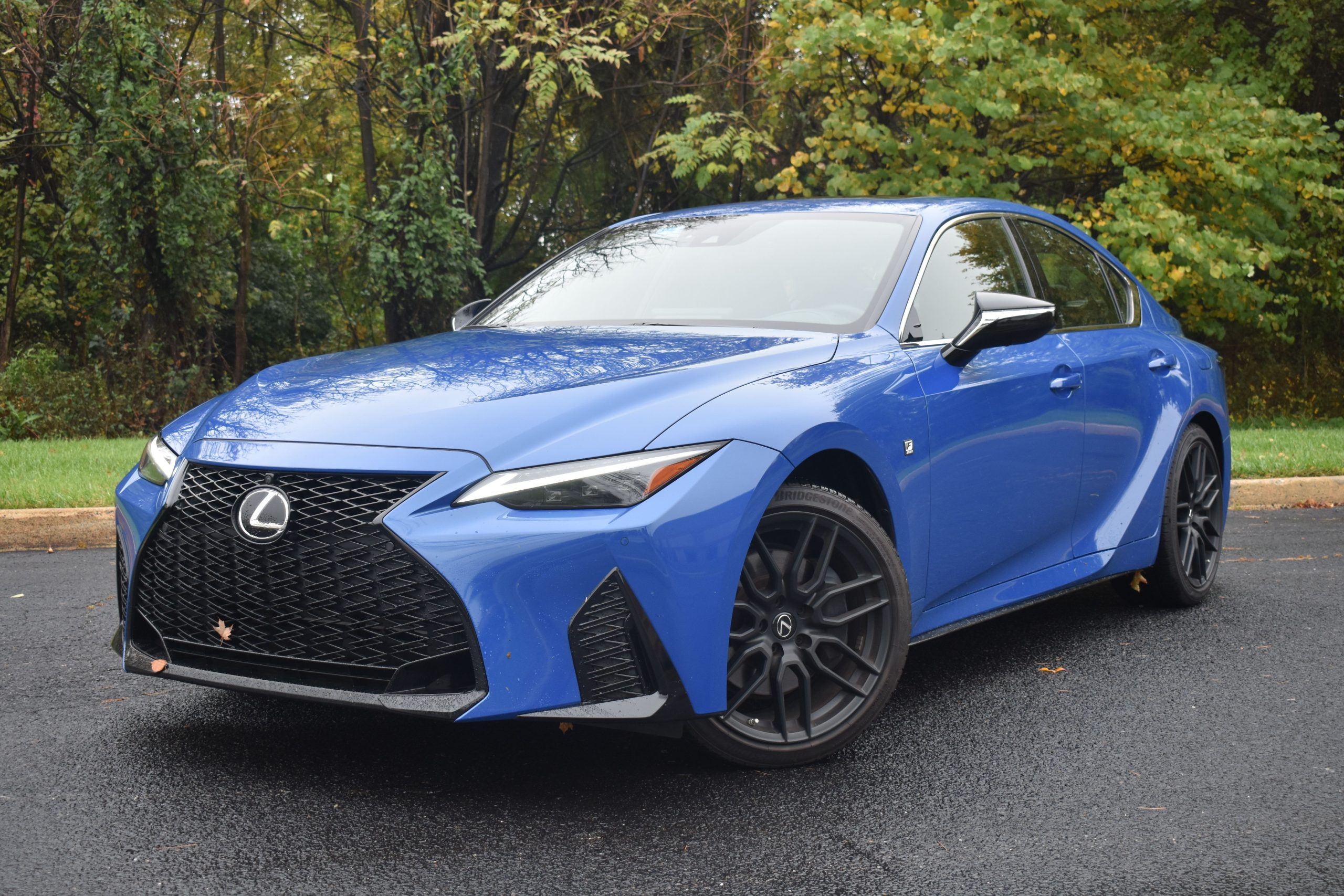
4. Lexus IS
If the ES350 represents Lexus comfort, the Lexus IS brings a sportier personality to the lineup. It is aimed at drivers who want premium appointments but also care about steering response, acceleration, and a more engaging experience behind the wheel.
That combination gives the IS a different type of appeal in the used market. Engine choices add variety. Depending on the model, buyers may find a 241-horsepower turbocharged four-cylinder, a 311-horsepower V6, or the much more powerful IS500 F Sport with a 472-horsepower V8.
This range allows the sedan to serve people with very different priorities while keeping the basic IS identity intact. Resale figures make the model worth considering.
Estimates indicate that the Lexus IS loses roughly 29 percent of its value after five years. Actual depreciation can vary, but that level of retention puts the sedan in an interesting position among premium sport sedans.
Why does it appeal to used buyers? Part of the answer is balance. The IS offers sporty styling and performance while carrying Lexus’s reputation for build quality and durability.
Buyers searching the secondhand market may appreciate getting those qualities without paying the full price of a new luxury vehicle. Trim and engine selection can matter greatly at resale.
A desirable performance version may attract a different audience from a standard model, while condition and service documentation remain essential.
The IS proves that a car does not have to sacrifice driving excitement to preserve value. It can offer personality today while still presenting a reasonable resale proposition later.
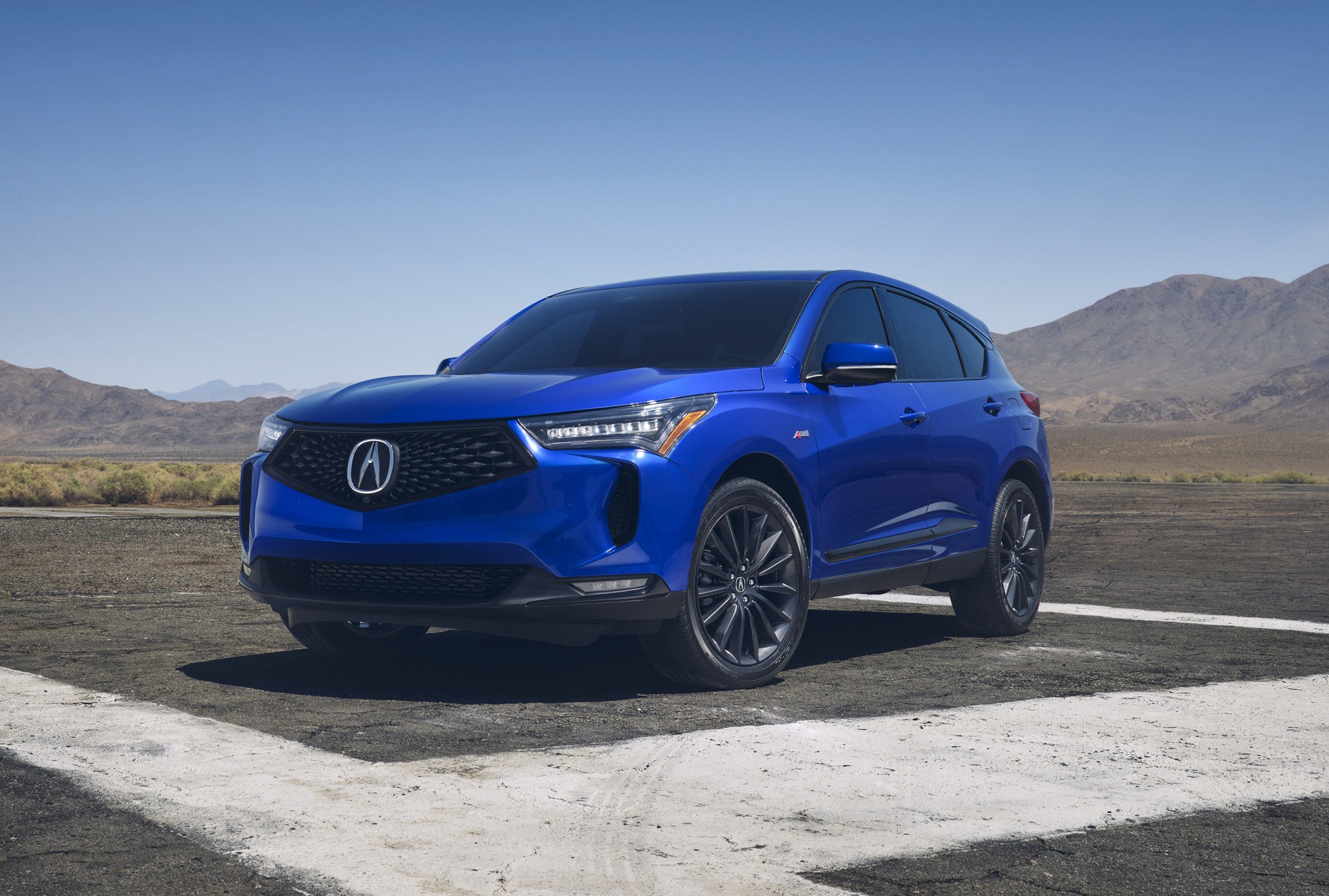
5. Acura RDX
The Acura RDX approaches value retention from a practical angle. It gives buyers the familiar advantages of a compact luxury SUV while avoiding the size and cost associated with larger premium utility vehicles.
That makes it especially appealing to shoppers who want upscale features without moving into the highest price brackets. Power comes from a 2.0-liter turbocharged four-cylinder engine, and available all-wheel drive adds confidence for drivers who regularly face rain, snow, or rougher road conditions.
Inside, the RDX provides modern technology, useful passenger space, and the elevated seating position many SUV buyers prefer. Estimated depreciation sits at roughly 33 percent after five years.
That figure matters when calculating the true cost of ownership. The purchase price is only part of the equation, since the amount you recover when selling the vehicle can have a significant effect on how much it ultimately costs to own.
The RDX benefits from a broad customer base. Families can appreciate its practicality, while individual drivers may value its premium cabin and manageable dimensions. That versatility gives used examples a chance to appeal to several types of shoppers.
Maintenance records can strengthen that appeal. A clean history, reasonable mileage, good interior condition, and evidence of regular servicing can help a used RDX stand apart from neglected examples.
For buyers who want luxury, technology, and everyday practicality, the RDX demonstrates how a moderately priced premium SUV can protect more of its purchase value than expected.
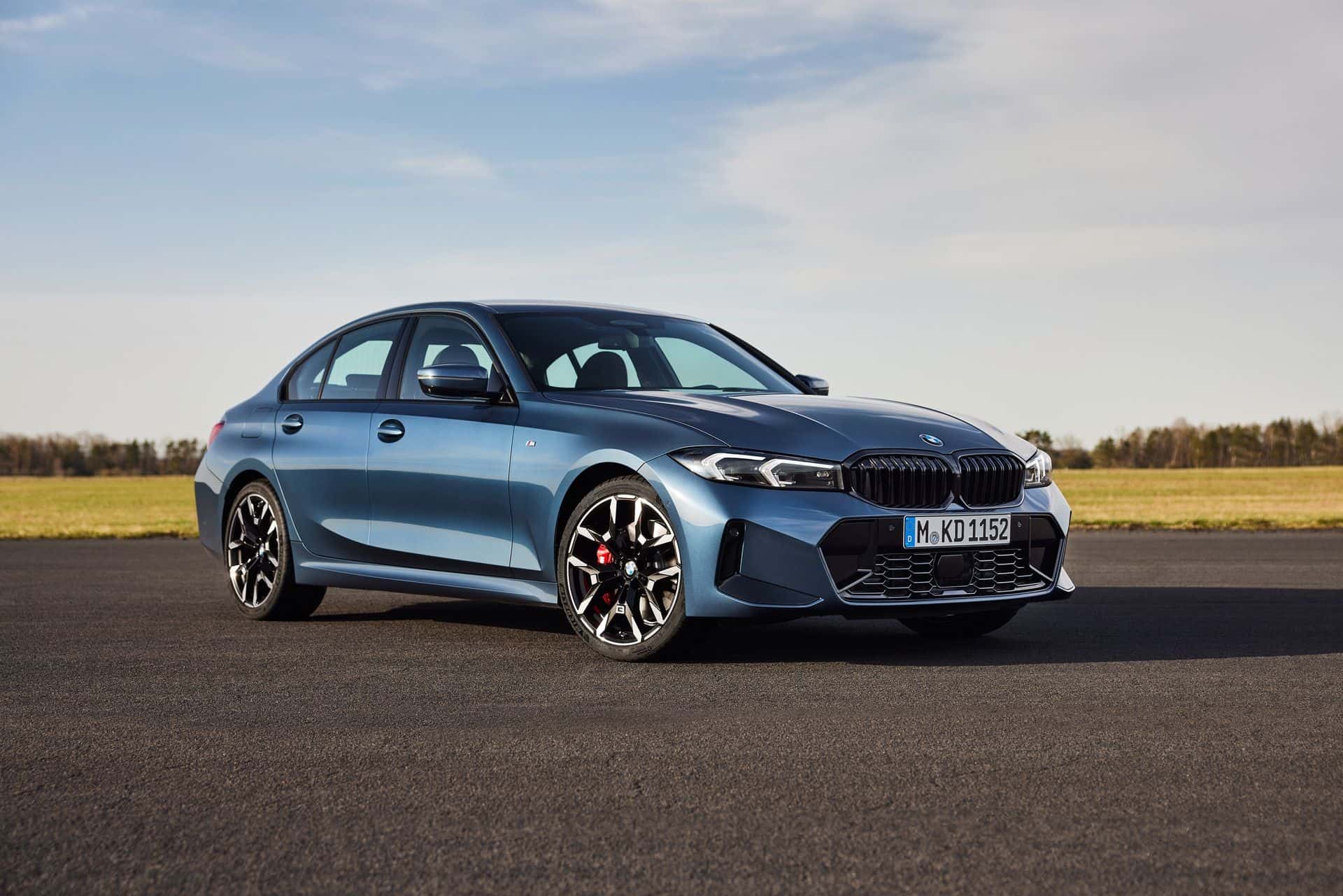
6. BMW 3 Series
The BMW 3 Series has spent decades establishing itself as a premium sport sedan, and that long-running identity helps explain why it continues to attract buyers.
Its appeal comes from a proven formula that combines engaging driving dynamics, upscale features, strong engines, and a design that has remained recognizable through the generations.
There is plenty of variety beneath the hood. Depending on the version, output ranges from around 255 horsepower in turbocharged models to approximately 503 horsepower in the high-performance M3.
That spread means a buyer can choose a comfortable daily driver or a much more serious performance machine while remaining within the same family.
Estimated five-year value retention is around 63 percent. While depreciation varies with mileage, trim, condition, and local demand, that figure gives prospective owners a useful starting point when considering the financial side of the purchase.
A major attraction for secondhand buyers is choice. The 3 Series has been offered in numerous configurations, so shoppers can search for specific equipment, engine options, body styles, and technology packages. A well-equipped, carefully maintained example may be particularly appealing.
Ownership records matter here, too. Premium German vehicles can require careful maintenance, making documented service especially useful when selling. Buyers may feel more comfortable paying a stronger price when the vehicle’s history is clear.
The 3 Series offers two key advantages. It delivers an engaging driving experience while you own it, and its resale value can help soften the financial impact of depreciation.
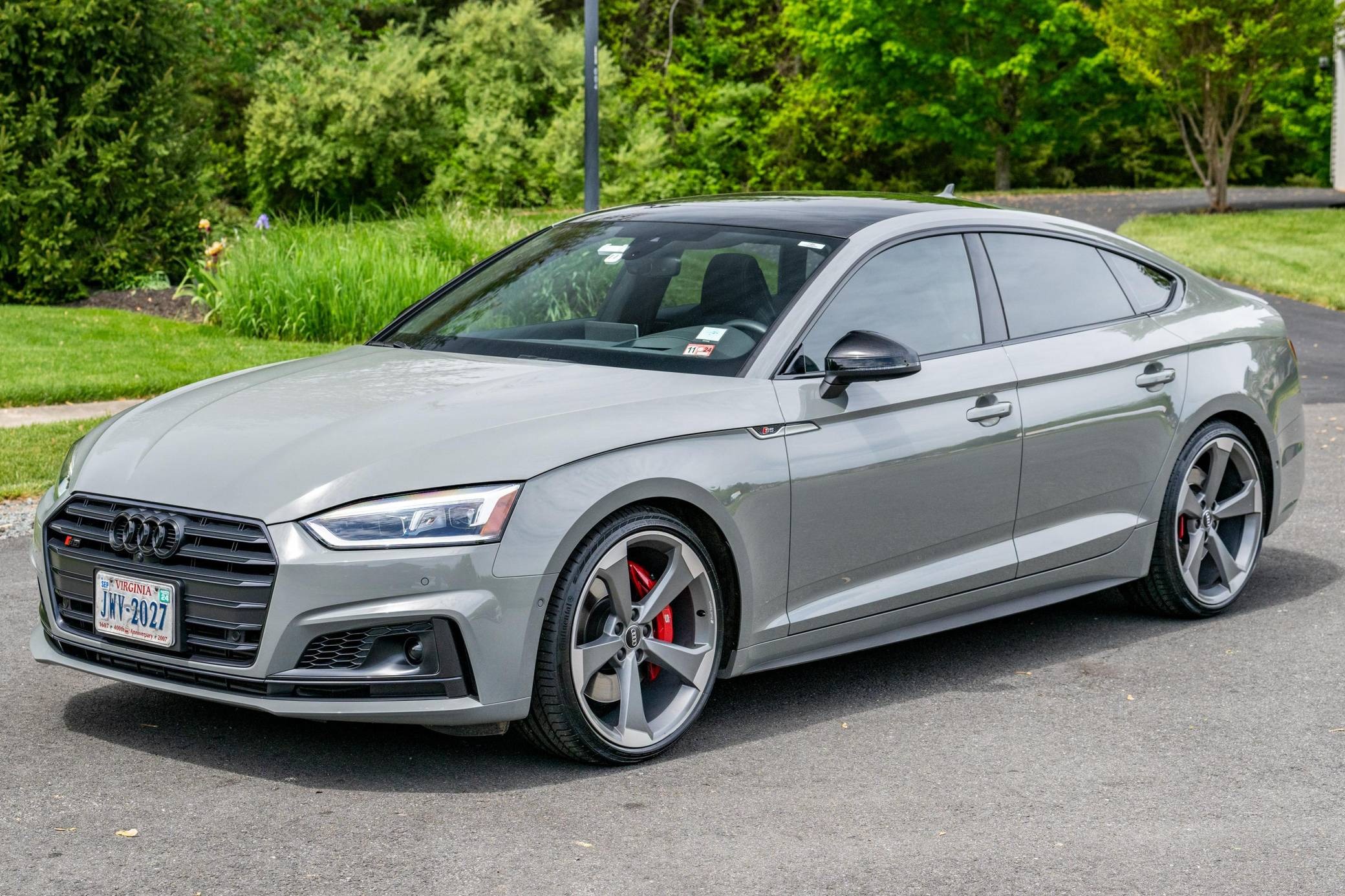
7. Audi S5
The Audi S5 adds a refined performance option for drivers who want speed without giving up a polished cabin. Its 3.0-liter turbocharged V6 produces about 349 horsepower, while all-wheel drive gives the car strong traction in a variety of driving conditions.
The result is a vehicle that feels equally suited to a daily commute and a spirited weekend drive. Its interior is another reason buyers pay attention to the S5.
Audi has traditionally emphasized clean design, premium materials, technology, and a quiet cabin. Those qualities can remain attractive after the first owner has moved on, particularly when a used example has been cared for properly.
Five-year retention estimates place the S5 at approximately 63 percent of its original value. That does not guarantee a specific resale price, since used-car values respond to mileage, condition, service records, regional demand, and equipment.
Still, the estimate gives the model a respectable position among luxury performance vehicles. There is also a useful ownership advantage in its versatility.
Some performance cars appeal to a narrow audience because they prioritize speed above everything else. The S5 takes a broader approach, pairing performance with comfort and everyday usability.
When resale arrives, presentation can matter almost as much as specifications. Clean paint, a well-kept interior, complete maintenance documentation, and reasonable mileage can make a major difference to buyer confidence.
For someone seeking a premium performance car that can serve as daily transportation, the S5 offers a balanced ownership proposition with resale appeal built into the package.
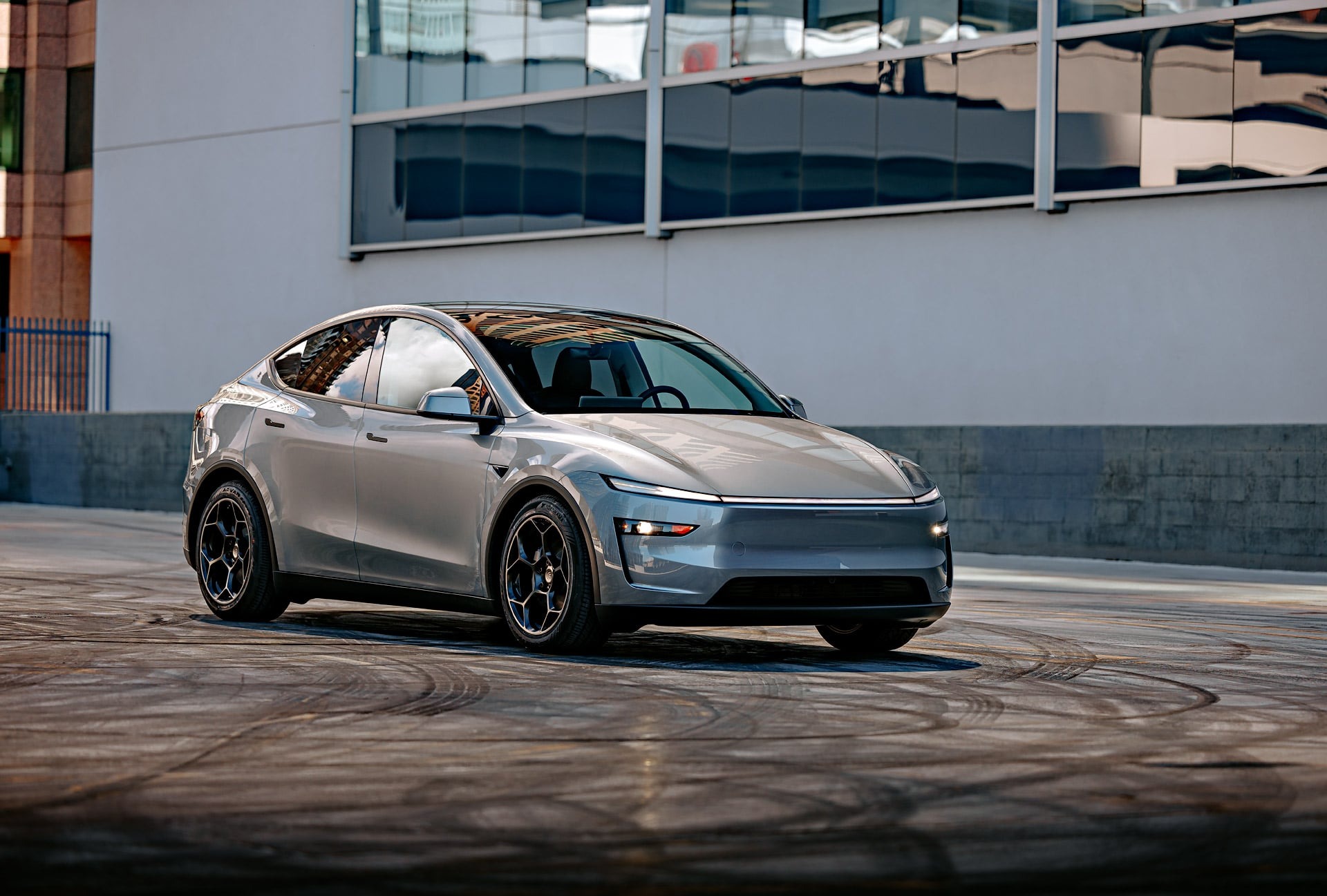
8. Tesla Premium Models
Tesla’s premium models offer a different resale equation because electric vehicles can experience rapid changes in pricing, technology, incentives, and buyer expectations.
That can make used values less predictable than those of established gasoline-powered vehicles. Even so, certain Tesla models continue to attract secondhand buyers because of their strong performance, software features, charging capabilities, and recognizable brand.
Software updates add another layer of appeal. Depending on the model and available features, updates can improve the ownership experience without requiring a new vehicle.
For used buyers, access to modern software, impressive acceleration, and advanced technology can make an older Tesla feel appealing beside newer electric cars.
Resale performance varies by model, age, mileage, condition, and local demand. New-vehicle price changes can also affect used values, while battery condition and improvements in EV technology may influence buyer decisions.
For buyers focused on resale, purchasing at a sensible price is important. Keeping mileage reasonable, maintaining the vehicle properly, preserving its condition, and selecting equipment with broad appeal can help support its future value.
Tesla proves that premium electric vehicles can offer more than technology and performance. With careful buying and ownership, some models can provide a reasonable return when it is time to sell.
