
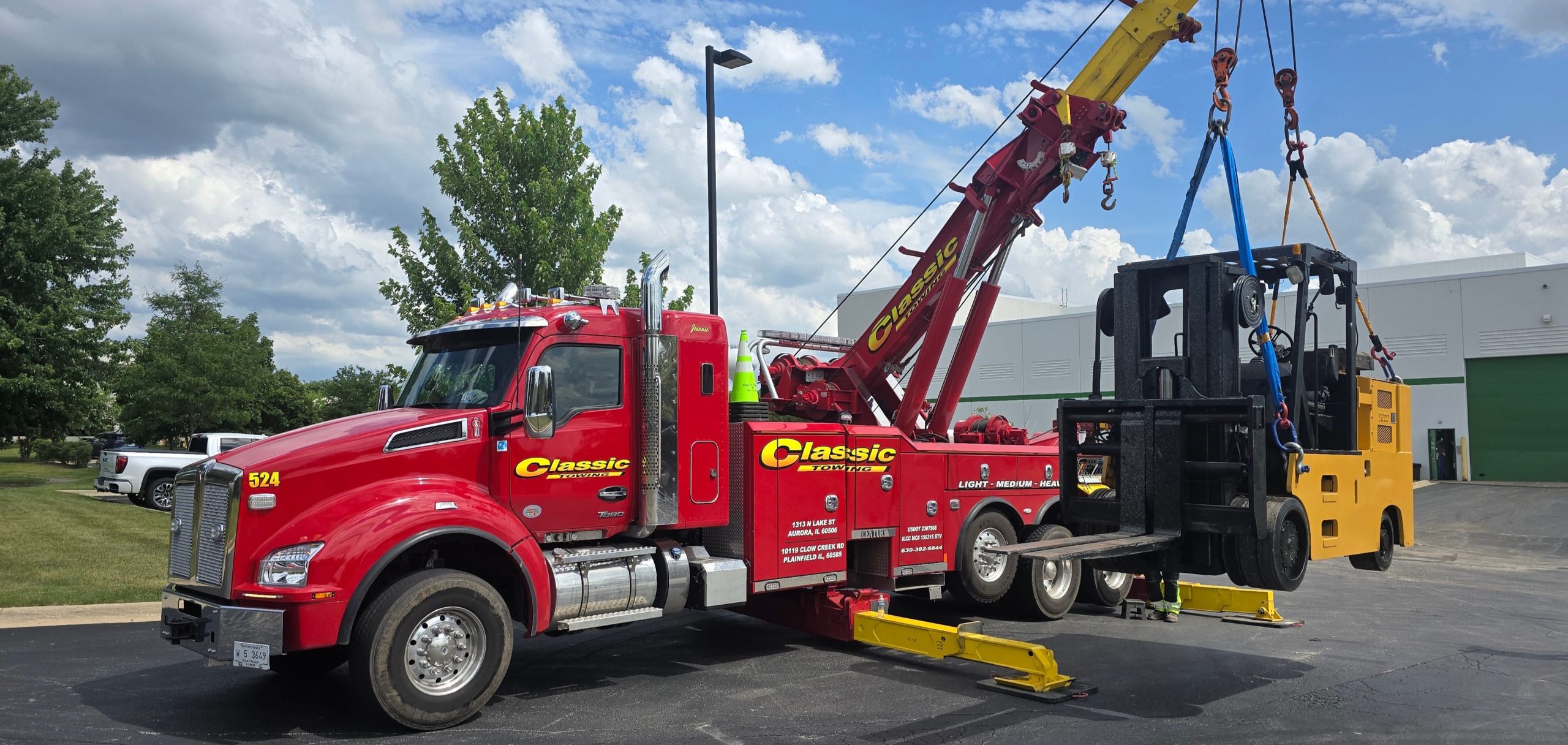
A tow truck rolls up, hooks onto a disabled vehicle, and heads down the road. For the customer, the bill can feel surprisingly high. For the towing company, though, that payment is not pure profit. Fuel, insurance, truck payments, maintenance, labor, dispatching, and other business costs all take a piece of the money.
So, how much does a tow company actually make from one call? The answer depends heavily on the type of service, mileage, time of day, location, and who pays the bill. A basic local tow might bring in around $75 to $125, while recovery work can reach hundreds or even thousands of dollars. The amount left after expenses tells the more useful story.
A Basic Tow Can Bring in $75 to $125
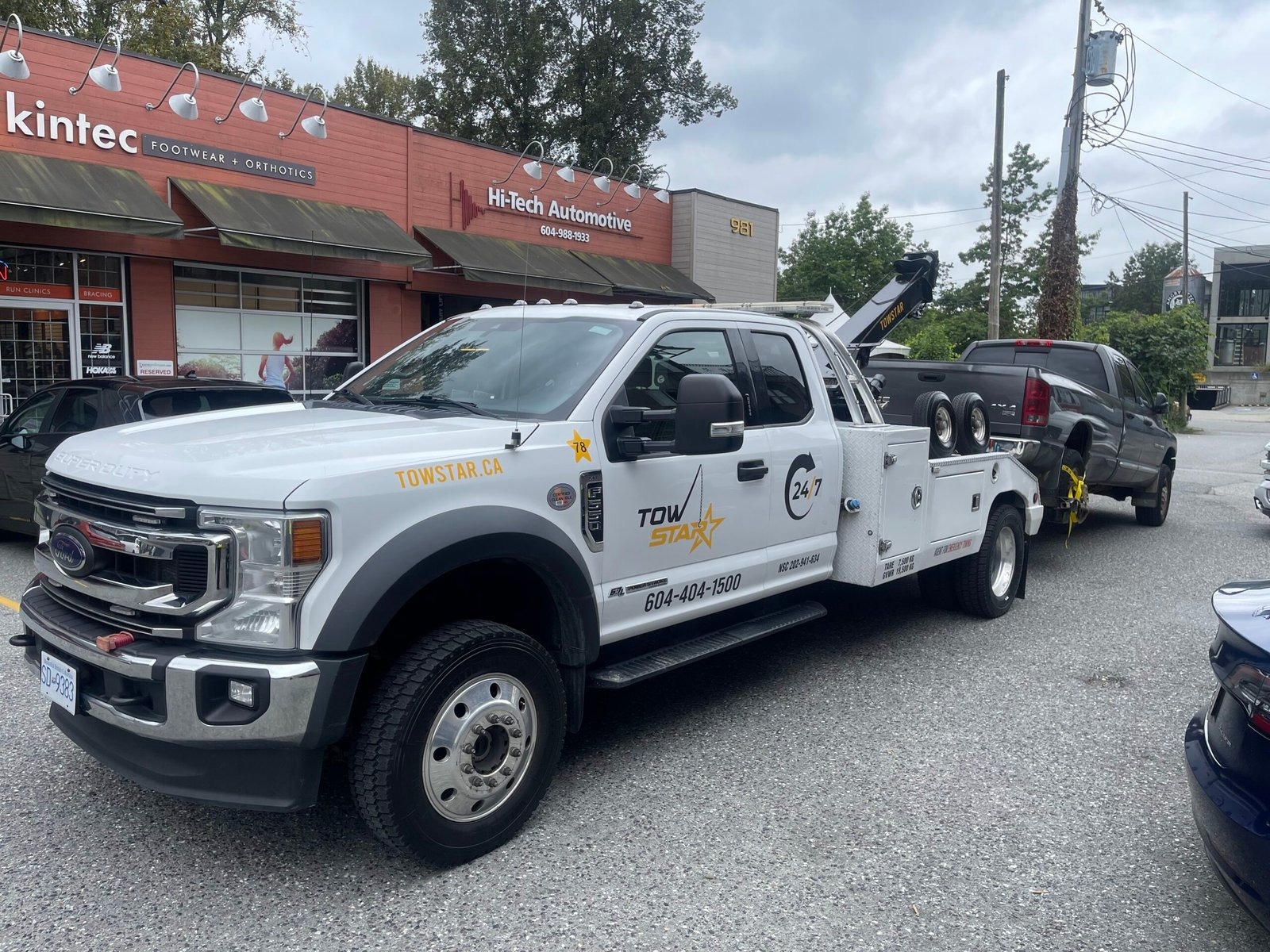
Imagine a driver whose car will not start in a parking lot. The towing company receives the call, sends a truck, loads the vehicle, and takes it to a repair shop a few miles away.
For a straightforward job like this, one 2026 industry breakdown places the standard tow charge around $75 to $125 before mileage and extra fees.
Mileage can add another charge. The same source gives a rough range of $3 to $6 per mile, while after-hours service may add another $50 to $150. That means a simple daytime tow and a late-night roadside emergency can produce very different invoices.
There is also an important distinction between revenue and earnings. A $125 customer payment does not mean the company pockets $125. The truck consumed fuel, the vehicle requires maintenance, and the business carries insurance and other operating costs.
A towing company therefore looks at each call as one piece of its daily workload. The value of the job depends not only on the invoice but also on how much time, fuel, and equipment the call consumes.
Why One Call Can Cost More Than You Expect
A tow bill can increase quickly when the job involves long distances, difficult access, recovery work, or an unusual vehicle. A basic roadside hookup is relatively straightforward, but recovering a vehicle from a ditch, accident scene, or hard-to-reach location can require specialized equipment and significantly more time.
According to Nate Jones’s Entrepreneur 2026 figures, recovery and heavy-duty jobs can generate roughly $500 to $2,000 or more per call. That range shows why towing revenue cannot be represented by one universal price.
Consider a late-night highway recovery. The truck may travel several miles before reaching the customer, spend considerable time securing the vehicle, and then transport it to a destination. Specialized equipment may also be required. Each part of the job can affect the final charge.
Wexford Insurance identifies several common revenue sources, including base hookup charges, mileage, storage, roadside assistance, and contract work.
That mix explains why two tow companies can complete one call each and report very different revenue. A short lockout service might be completed quickly, while an accident recovery could occupy a truck and driver for hours.
The customer sees one service call. The business sees labor, equipment use, travel, risk, and lost availability for other jobs.

The Company Does Not Keep the Whole Tow Bill
Suppose a towing company collects $150 from a customer. It is tempting to call that $150 profit, but the calculation is incomplete. The truck still has to operate, and the business must pay its bills whether a particular call is highly profitable or barely covers its immediate expenses.
Fuel is one obvious deduction. Towing vehicles can consume substantial fuel because they carry heavy equipment and frequently travel through stop-and-go conditions.
Maintenance is another expense because tow trucks place demanding loads on tires, brakes, hydraulic systems, winches, and other components. Wexford lists truck payments, equipment maintenance, fuel, labor, insurance, licensing, and compliance among the expenses that affect profitability.
Insurance can also take a sizable bite. One 2026 estimate from Nate Jones Entrepreneur places annual insurance costs at $8,000 to $20,000 or more per truck, depending on factors such as location, driving history, and job type.
Then comes labor. If the owner drives the truck, the labor cost is partly represented by the owner’s own time. If an employee handles the call, wages become a direct business expense.
So, a $150 invoice is revenue. The amount the company actually earns is what remains after these costs are accounted for.
A Five-Call Day Shows the Bigger Picture
Here is a simple example. Suppose one truck completes five ordinary calls in a day and produces an average invoice of $120 per job. That creates $600 in daily revenue. If the truck works 300 days at that pace, the gross annual revenue would reach $180,000.
That calculation is close to the type of activity discussed in the 2026 tow truck revenue examples. One source estimates that a single truck can generate about $150,000 to $300,000 or more annually, depending on utilization and job type.
Now change the job mix. If several calls involve longer distances, after-hours charges, recovery work, or other services, average revenue per call can rise. A five-call day could therefore produce much more than $600.
The reverse is also true. A truck sitting idle for several hours generates no revenue during that period while its fixed costs continue. That is why towing businesses pay close attention to utilization.
Nate Jones’s separate 2026 calculation for reaching $282,000 in annual revenue assumes an average ticket of about $100 to $150, five to eight jobs per day, and roughly 300 operating days.
The lesson is simple: one call matters, but the number of profitable calls completed throughout the year matters much more.
Insurance and Contracts Change the Numbers
Not every tow customer pays a retail rate directly to the company. Towing businesses may receive work through insurance companies, motor clubs, police rotations, municipalities, commercial fleets, or private-property agreements.
That arrangement can change the economics of a single call. USA Tow Finder reports that insurance-related contracts may pay around $75 to $150 per tow, which can be below some retail rates. The tradeoff is a more predictable flow of work.
For a small company, predictable volume can be useful. A truck that receives regular dispatches has fewer empty periods than one that depends entirely on occasional customer calls. Wexford also lists police rotations, municipal work, private-property towing, and fleet accounts as sources that can help stabilize revenue.
There is a practical catch. Contract work can come with response-time requirements, equipment standards, billing rules, and service expectations. USA Tow Finder says some insurance contracts require response times of roughly 30 to 60 minutes and may evaluate customer ratings and certifications.
So the highest invoice is not always the most valuable call for the business. A lower-paying job that arrives consistently can help keep a truck productive, while a higher-paying retail call may be less predictable.
Storage Can Add Another Source of Revenue
A tow does not always end when the vehicle reaches the destination. When a company operates a permitted storage yard, an impounded vehicle can create additional charges while it remains there, subject to applicable laws and local rules.
Wexford identifies storage fees as one of the revenue sources available to towing businesses with storage facilities. This creates a different business model from a simple roadside tow in which the truck delivers a vehicle and immediately becomes available for another call.
Hey Jodie makes a similar point, describing storage and impound work as an important source of towing business revenue. Its guide also stresses that the economics depend on the type of work a company receives rather than simply the price of the initial tow.
There are costs attached to storage, too. A company may need a secure yard, administrative systems, insurance, staffing, and compliance with local requirements. Storage is therefore not free money.
Still, the example illustrates why towing companies often offer several services instead of relying only on basic vehicle transport. Roadside assistance, impounds, recovery, fleet work, and storage can each contribute to revenue.
For a business owner, the important question is not just, “What does one tow pay?” It is, “What total revenue can this type of call generate while the truck remains productive?”
What a Tow Company Really Makes From One Call
After all the numbers are considered, a typical towing call can produce anywhere from a modest amount to several hundred dollars or more in gross revenue.
A basic tow may fall near the $75 to $125 range before mileage and additional charges, while specialized recovery work can reach $500 to $2,000 or more.
What remains for the company depends on the cost of performing that particular job and the business’s wider expenses. FinancialModelExcel reports that towing profit margins can vary widely, with its general estimate placing many operations around 15% to 30%.
USA Tow Finder gives different ranges based on market type, with its estimates varying by location and operating model.
That means a $150 tow could leave far less than $150 after fuel, labor, insurance, maintenance, equipment, and other costs are assigned to the job.
The most useful way to judge a towing company is therefore to look beyond the customer’s bill. Call volume, average ticket size, truck utilization, contract mix, operating expenses, and service type all affect the money the business retains.
A tow company can collect hundreds of dollars from one difficult recovery, yet a steady stream of ordinary calls may provide a more dependable business model. In practical terms, the money is made not simply by hooking up vehicles, but by pricing services correctly, controlling expenses, keeping trucks working, and capturing enough calls to support the operation.
