
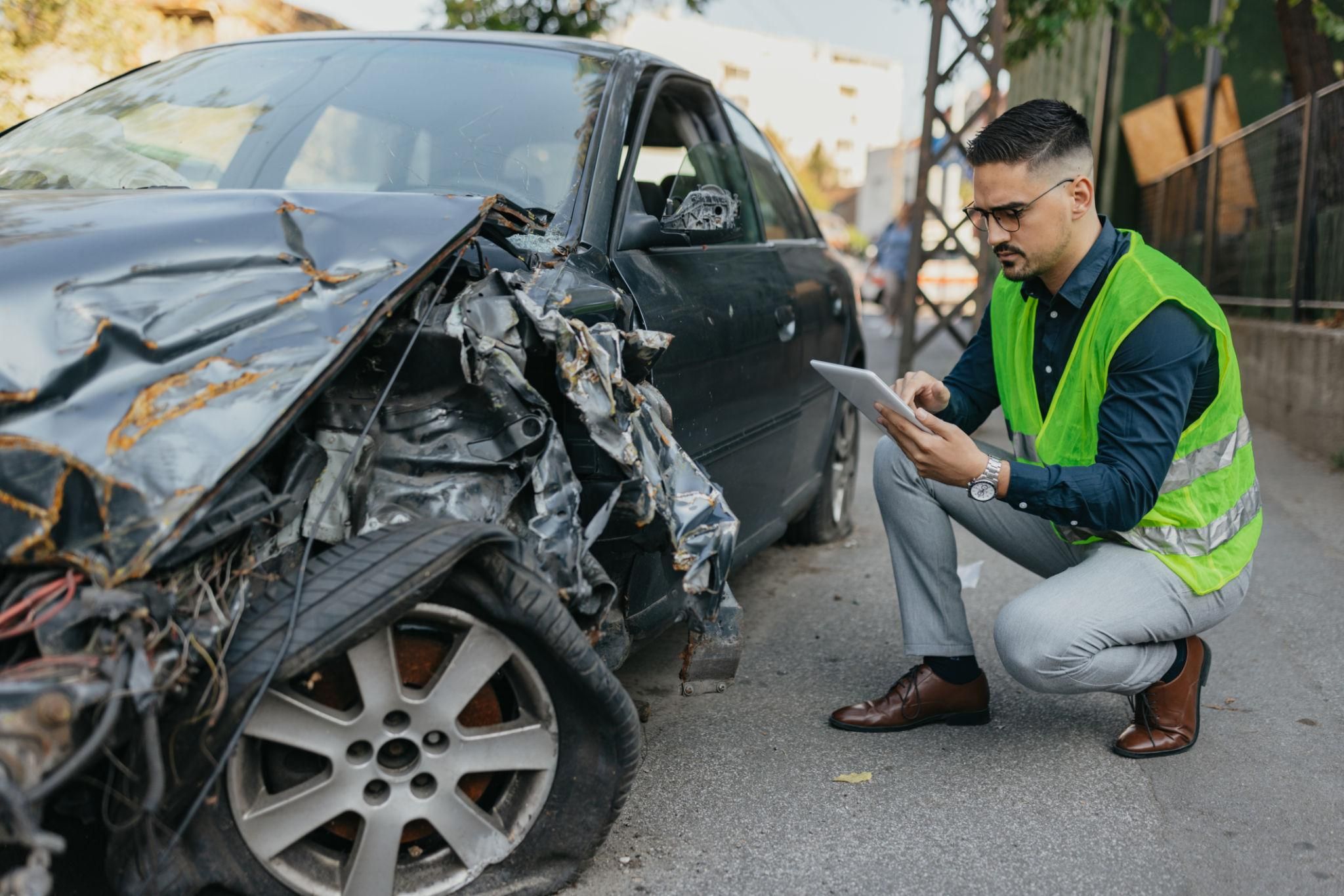
When a claims adjuster arrives at a damaged vehicle, they are not just snapping pictures. They are building a legal record. Every photo has a purpose, and the order matters.
Insurance researchers who study claims documentation have found that photo sequencing directly affects settlement speed. Adjusters who skip steps or shoot out of order create files that get kicked back for review. That costs time and money on both sides.
The first several minutes of any inspection follow a nearly universal pattern. Adjusters are trained to secure identity and condition data before they even look at the dented panel. This protects the insurer from fraud and protects the policyholder from a lowball dispute later.
Below are eight details that adjusters consistently photograph early, and often first, in a vehicle damage inspection. Each one plays a specific role in how a claim gets valued and settled. Understanding this sequence can help drivers anticipate what happens once a claim is filed, and why certain photos matter more than others in the paperwork that follows.
1. The Vehicle Identification Number (VIN)
The VIN is almost always the very first photograph taken. It anchors every other piece of evidence to one specific car. Adjusters typically photograph the VIN in three separate spots.
That includes the dashboard plate visible through the windshield, the driver’s door jamb sticker, and sometimes the engine bay stamp. Multiple locations exist because a mismatched or altered VIN is one of the clearest fraud indicators in the industry.
Claims documentation standards used across the collision repair industry treat VIN capture as a non-negotiable first step. The logic is simple. Without it, every subsequent photo is technically unverifiable to a specific vehicle.
This step also matters for total loss valuations. The VIN unlocks the factory build sheet, which lists the original trim level, installed options, and factory equipment. That data feeds directly into the payout calculation if the car is declared a total loss.
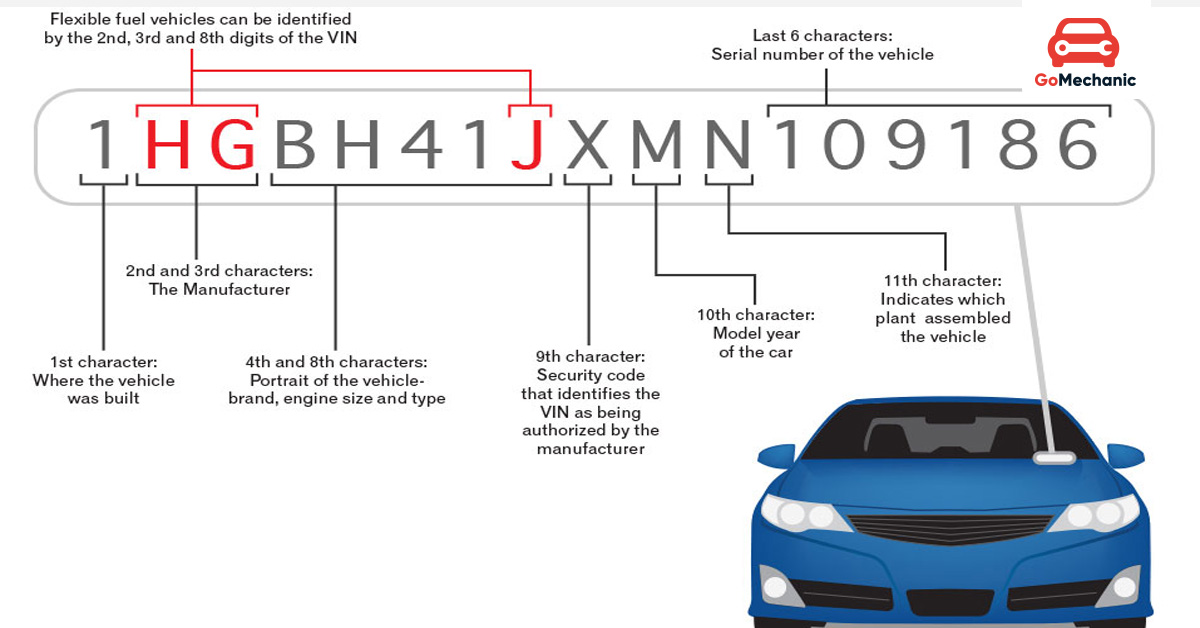
Adjusters also cross-reference the VIN against state title databases before finalizing anything. This checks for salvage titles, prior flood damage, or open liens on the vehicle. A car with an undisclosed salvage history can dramatically change how a claim is processed.
For drivers, this means the VIN photo is rarely about the current damage. It is about confirming this exact vehicle, with this exact history, is the one being discussed. Any inconsistency here can delay a claim by days or weeks while the file gets manually reviewed.
Fleet and rental companies feel this step even more acutely. Their vehicles change hands often, and paperwork trails can get messy. A clean, early VIN photograph prevents disputes about which specific unit was involved in a given incident.
2. The Odometer Reading
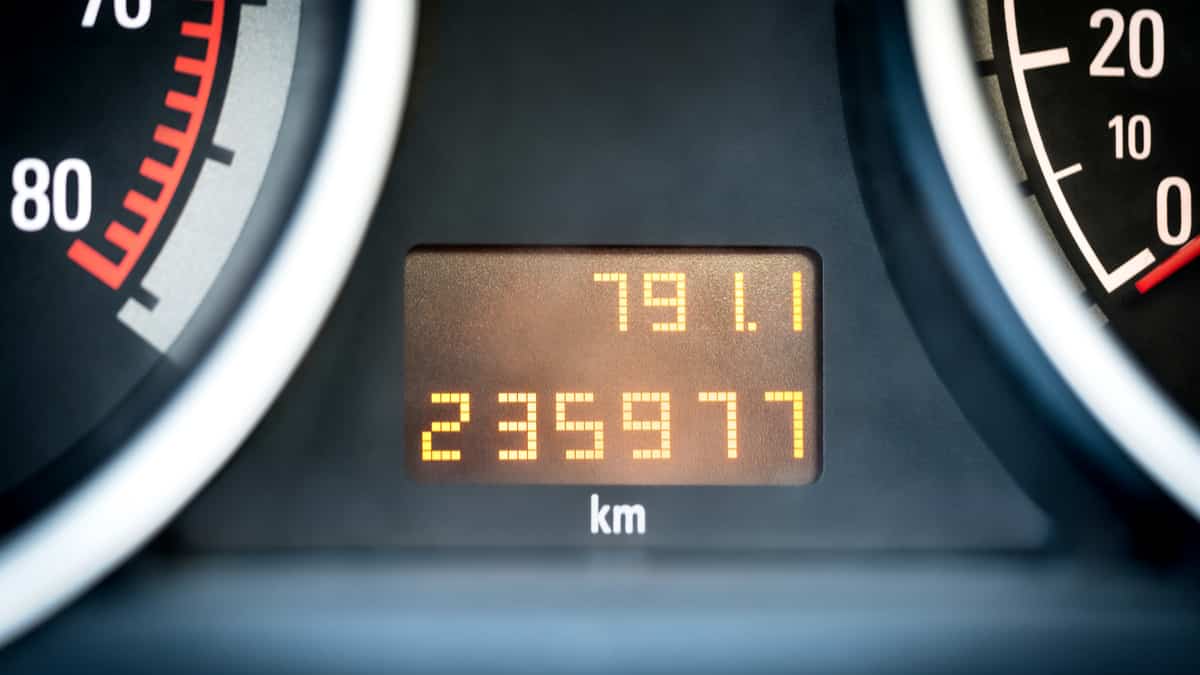
Right behind the VIN, adjusters photograph the odometer. This single number carries more weight in a settlement than most people realize. Mileage directly affects the actual cash value calculation used in total loss claims.
Two identical vehicles with a 40,000-mile gap between them can have a payout difference of several thousand dollars. Adjusters know this, so they document it before anything else changes.
Odometer photos also protect against a specific type of fraud. Some claimants have historically tried to inflate a vehicle’s pre-accident value by disputing mileage after the fact. A timestamped photo taken at first inspection closes that loophole immediately.
Industry inspection templates used by insurers list odometer capture as a mandatory field alongside the VIN. Both numbers typically appear on the same intake form, taken within moments of each other. This pairing is standard across nearly every claims process reviewed by researchers studying inspection consistency.
There is also a practical repair angle here. Certain warranty coverages and manufacturer recalls are mileage-dependent. If the odometer reading falls inside a covered range, that can shift who pays for specific repairs.
Digital odometers add another wrinkle adjusters have had to adapt to. Unlike older mechanical dials, digital displays can sometimes be reset or manipulated through diagnostic software. This has pushed some adjusters to also photograph the dashboard cluster’s serial data alongside the mileage number itself.
For leased vehicles, this photo carries extra significance. Mileage overages trigger separate financial penalties from the leasing company. An accurate, early odometer photo helps separate accident-related costs from unrelated lease-end fees.
3. The Point of First Impact
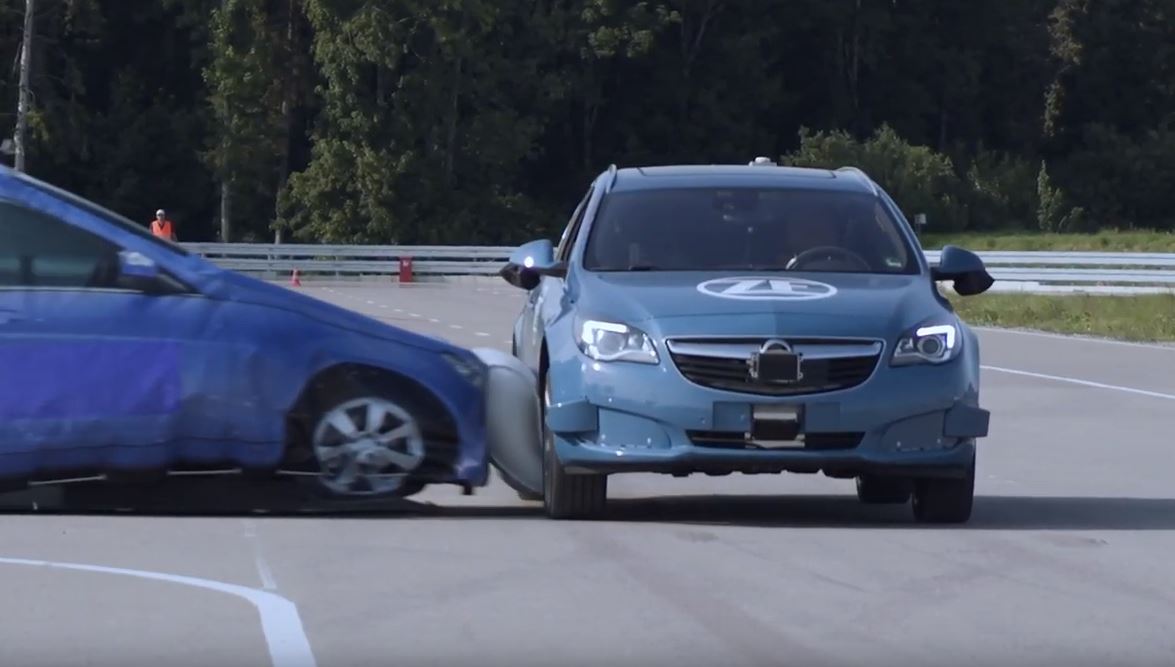
Once identity is established, adjusters move to the actual collision damage. The very first damage photo is almost always the point of impact. This is the specific spot where the vehicles, or the vehicle and an object, made initial contact.
Adjusters photograph it as a tight, close-up shot before backing out to wider angles. Getting this detail first prevents ambiguity about where the collision actually began.
The point of impact tells an investigative story that later photos cannot replicate. Paint transfer, crush direction, and debris patterns at this exact location help reconstruct the sequence of events. Legal and insurance professionals rely heavily on this single point to determine fault percentages.
Researchers who study accident reconstruction note that impact-point photos are frequently the most contested piece of evidence in disputed claims. If two drivers disagree about who hit whom, this photo often settles the argument. That is why adjusters prioritize it above general damage shots.
Lighting and angle matter enormously here. Adjusters are trained to shoot the impact point with a flash even in daylight, since shadows can obscure the true depth of a dent or crease. A rushed or poorly lit impact photo can weaken an otherwise strong claim file.
This photo also helps distinguish between a single collision event and multiple separate incidents. Some vehicles arrive with damage from more than one source, and identifying which marks belong to which event affects liability entirely. The point of impact is the reference point everything else gets measured against.
Body shops use this same photo later during teardown to confirm the adjuster’s original damage assessment matched what they found once panels were removed. Discrepancies between the two can trigger a supplemental claim. That process moves faster when the original impact photo is clear and well documented.
4. Four-Corner Overview Shots
After the point of impact, adjusters step back and photograph all four corners of the vehicle. This establishes the car’s condition beyond just the damaged area.
Each corner shot is typically taken from roughly the same distance and angle. This consistency lets two vehicles, or the same vehicle before and after repair, be compared side by side later. Industry documentation checklists specifically call this out as a required step separate from close-up damage photos.
The purpose here is context, not detail. An adjuster needs to know whether the rest of the vehicle was already worn, rusted, or previously repaired. This distinguishes new accident damage from pre-existing wear that the insurer is not responsible for covering.
Four-corner shots also protect against a common dispute. Some claimants have attempted to bundle unrelated old damage into a new accident claim. A clear baseline photo set makes it immediately obvious which dents and scratches predate the current incident.

Adjusters photographing a total loss candidate pay particularly close attention to these overview shots. They help justify the vehicle’s condition rating, which feeds directly into its market value assessment.
A car with heavy pre-existing wear will be valued differently than one in pristine condition, independent of the new damage. These shots also serve repair shops well after the claim is approved.
Technicians use them to confirm nothing was missed during teardown, and to compare panel gaps and alignment before and after the repair work begins. A mismatch between the original four corners and the post-repair result can flag a quality control issue.
Weather conditions are noted here too. Wet pavement, snow buildup, or extreme glare can all affect how damage appears in a photo. Adjusters often log these conditions alongside the corner shots to explain any visual inconsistencies in the file.
5. The License Plate and Registration Sticker
Alongside the VIN, adjusters typically capture the license plate early in the process. This might seem redundant, but it serves a distinct legal function.
The VIN identifies the vehicle permanently. The license plate identifies its current registered status, which can change even when the vehicle itself does not. Adjusters need both to confirm the car was legally operable at the time of the incident.
Registration stickers, when visible, get photographed for the same reason. An expired registration can complicate a claim depending on state law and policy terms. Some insurers treat this as a secondary factor in liability discussions, particularly in no-fault states.
This photo also cross-references against the police report, when one exists. Plate numbers recorded by responding officers need to match what the adjuster documents on scene or at the shop. A mismatch here, even a typo, can stall a claim while the discrepancy gets resolved.
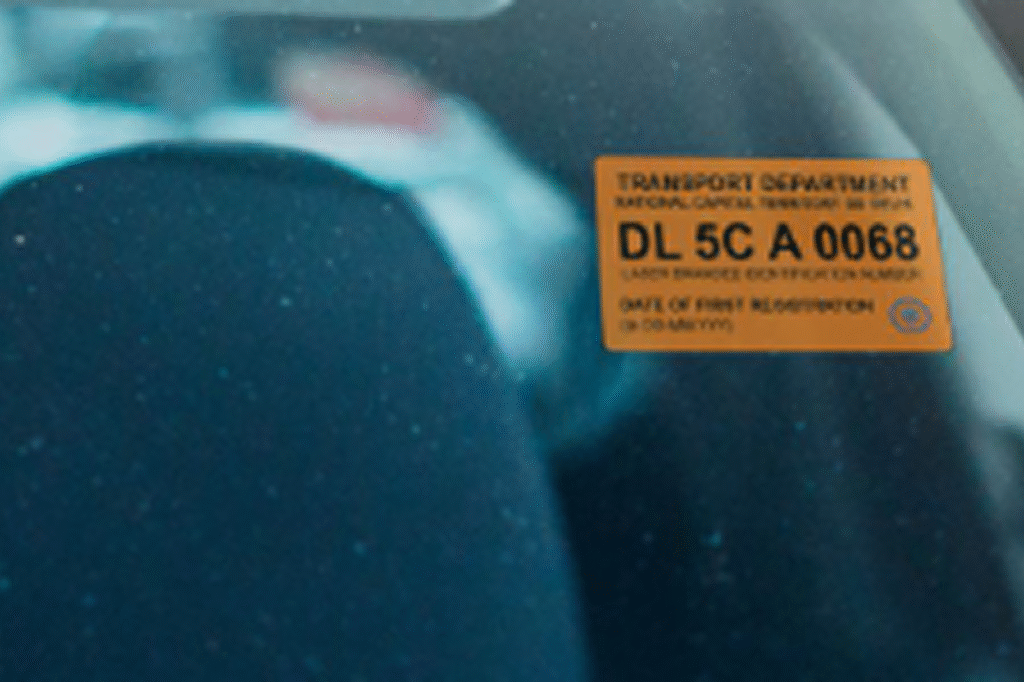
For multi-vehicle accidents, plate photos help adjusters keep files organized when several claims are being processed simultaneously. Large regional insurers, according to researchers who study claims workflow, handle dozens of overlapping vehicle files during major weather events or multi-car pileups. Clear, early plate photography prevents cross-contamination between unrelated claim files.
Rental and leased vehicles again present a unique wrinkle here. The plate may be registered to a fleet company rather than the driver at fault. This photo helps adjusters route the claim to the correct policyholder or corporate account quickly.
6. Wide Establishing Shots of Position and Surroundings
Before focusing purely on damage, adjusters take wide shots showing where the vehicle sits relative to its surroundings. This includes lane markings, nearby landmarks, and any fixed structures nearby.
These establishing shots matter most when liability is disputed. They help reconstruct where each vehicle was positioned relative to intersections, stop signs, or other traffic controls. Without this context, close-up damage photos alone cannot explain how the collision unfolded.
Adjusters are trained to think in terms of a compass when shooting these wide angles. Capturing the scene from multiple directions creates a fuller picture than a single frontal shot ever could. This approach mirrors techniques used in formal accident reconstruction work.
Skid marks, debris fields, and road surface conditions all fall into this category as well. These details disappear quickly once traffic resumes or vehicles get towed. That urgency is part of why adjusters prioritize wide shots early, even before finishing close-up damage documentation.

Fixed landmarks are especially valuable in these photos. A street sign, a specific storefront, or a utility pole gives later reviewers something stable to measure distances against. This becomes critical months later if a claim ends up in a dispute or legal proceeding.
Researchers studying claims disputes have found that scene context photos reduce the likelihood of a case escalating to litigation. When the visual story is clear and complete, there is simply less room for competing narratives. Both sides tend to settle faster when the surroundings are well documented from the start.
Weather and lighting conditions get recorded in these wide shots too. Glare, rain, or poor visibility can all factor into a fault determination. An adjuster who captures these environmental details early builds a stronger, more defensible claim file.
7. Airbag Deployment and Interior Safety Systems
If airbags deployed, this becomes one of the earliest interior photos taken. It signals a higher severity incident and often changes how the entire claim gets handled.
Deployed airbags typically mean the vehicle is a likely total loss candidate. Replacing airbag modules, sensors, and the steering wheel or dashboard components they are housed in is expensive. Adjusters photograph this immediately because it shapes every downstream decision about repair versus replacement.
This photo also documents the interior’s condition at first inspection. Broken glass, dashboard cracking, and seat displacement all get captured here as well. These details help distinguish injury-related severity from purely cosmetic exterior damage.
Vehicle safety data increasingly plays into this step too. Modern vehicles log deployment data internally, and adjusters sometimes cross-reference the photographed dashboard warning lights against that stored data. A mismatch between what a sensor recorded and what the photo shows can flag a system malfunction rather than accident-related failure.
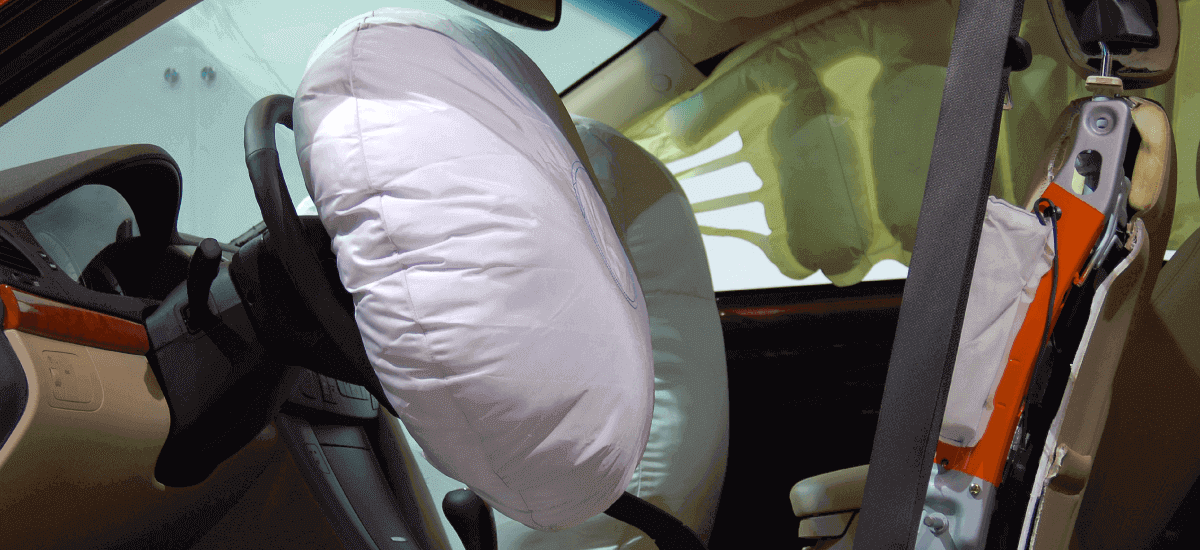
Researchers who study vehicle safety systems have noted that airbag-related claims carry higher average payouts than non-deployment claims of similar exterior severity. This makes early, clear photography of the interior especially important for accurate valuation. It also protects the policyholder from having this higher-cost element questioned later.
Seatbelt pretensioners, another commonly triggered safety system, get photographed alongside airbags. Once triggered, these components require full replacement rather than repair. Missing this detail early can lead to an incomplete repair estimate that gets revised later, slowing the entire process down.
For older vehicles without modern airbag systems, this step looks different but still applies. Adjusters instead focus on structural cabin intrusion and seat integrity. The underlying goal stays the same, documenting occupant safety system condition before anything gets repaired or discarded.
8. Pre-Existing Damage and Prior Repair Evidence
The final early-priority photo category covers anything that predates the current incident. Adjusters actively look for and document old dents, mismatched paint, or signs of prior bodywork.
This step protects insurers from covering unrelated damage under a new claim. It also protects honest claimants from having their entire payout disputed over one small pre-existing scratch. Clear separation between old and new damage benefits both sides of the transaction.
Adjusters are trained to look for specific signals here. Slightly different paint sheen, visible overspray on trim pieces, or panel gaps that do not quite align are all classic indicators of prior repair work. Photographing these details early prevents confusion once the full damage assessment gets underway.
Vehicle history reports sometimes get pulled at this stage as a cross-reference. If a prior insurance claim exists on record, adjusters compare it against what they are seeing in person. Discrepancies between the two can indicate either a data error or a more serious documentation problem.
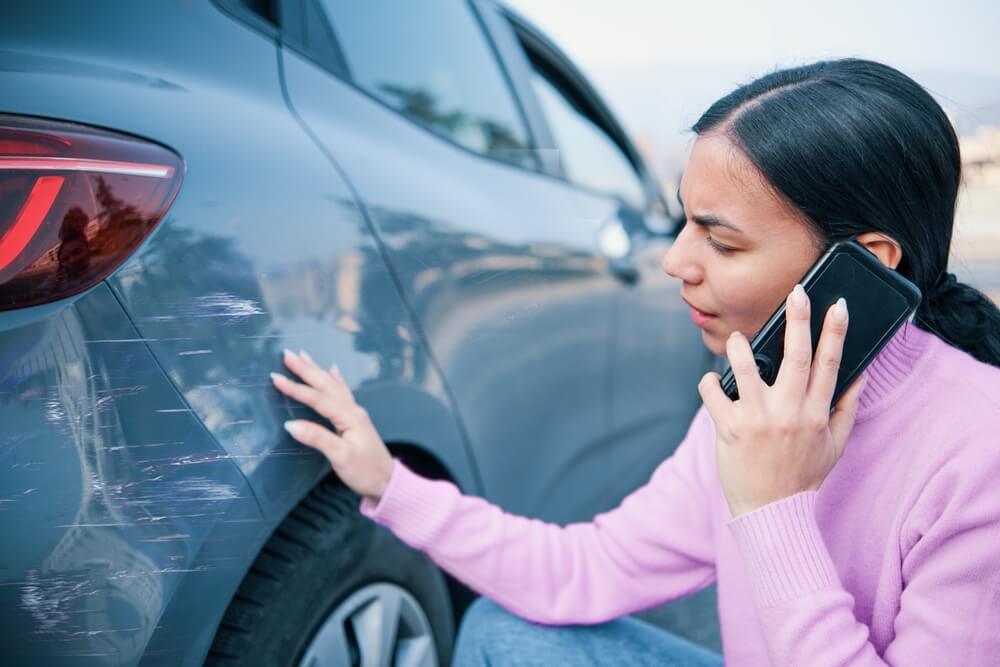
This is also where rust, corrosion, and long-term wear patterns get logged. These conditions affect structural repair decisions in ways that are separate from the current collision. An adjuster who documents this clearly avoids later arguments about what damage the accident actually caused.
Researchers studying total loss disputes point to this category as one of the more common friction points in claims processing. Policyholders sometimes underestimate how much prior wear factors into a valuation. Clear photographic separation from the start reduces the chance of a drawn-out disagreement later.
Once these eight categories are documented, the adjuster typically moves into a more detailed, panel-by-panel damage assessment. But everything that follows depends on this initial sequence being done correctly. A rushed or incomplete first pass almost always leads to delays, supplemental requests, or disputes further down the claims process.
