
The internal combustion engine is not dying all at once. It is being dismantled piece by piece, one cylinder count at a time.
Some engines are disappearing because buyers stopped asking for them. Others are being killed by regulation before they ever lose an argument on the road.
Europe’s Euro 7 framework is the single biggest force at work here. It does not just tighten tailpipe limits. It extends compliance across longer service lives and adds brake and tyre particulate rules, which changes the maths for engines that were already expensive to certify.
In North America, the pressure looks different. There, the squeeze comes from fleet fuel economy targets and from the simple fact that a turbocharged four or a hybrid six now outperforms the V8 it replaced.
What follows is not a list of cars going out of production. It is a list of specific engine families that have either just stopped being built or have a confirmed end date inside this decade.
Several of these have already had their final unit assembled. Others are living on borrowed time while their manufacturers work out whether recertification is worth the invoice.
The pattern across all ten is consistent. High-revving naturally aspirated designs are the most vulnerable, because they carry emissions penalties without the efficiency defence a turbo or hybrid can offer.
Large-displacement V8s are the second casualty group. And the third, less obvious group, is small unhybridised engines that simply cost too much to keep legal.
1. Porsche 4.0-Litre Naturally Aspirated Flat-Six (9A2 Evo, 718 Application)
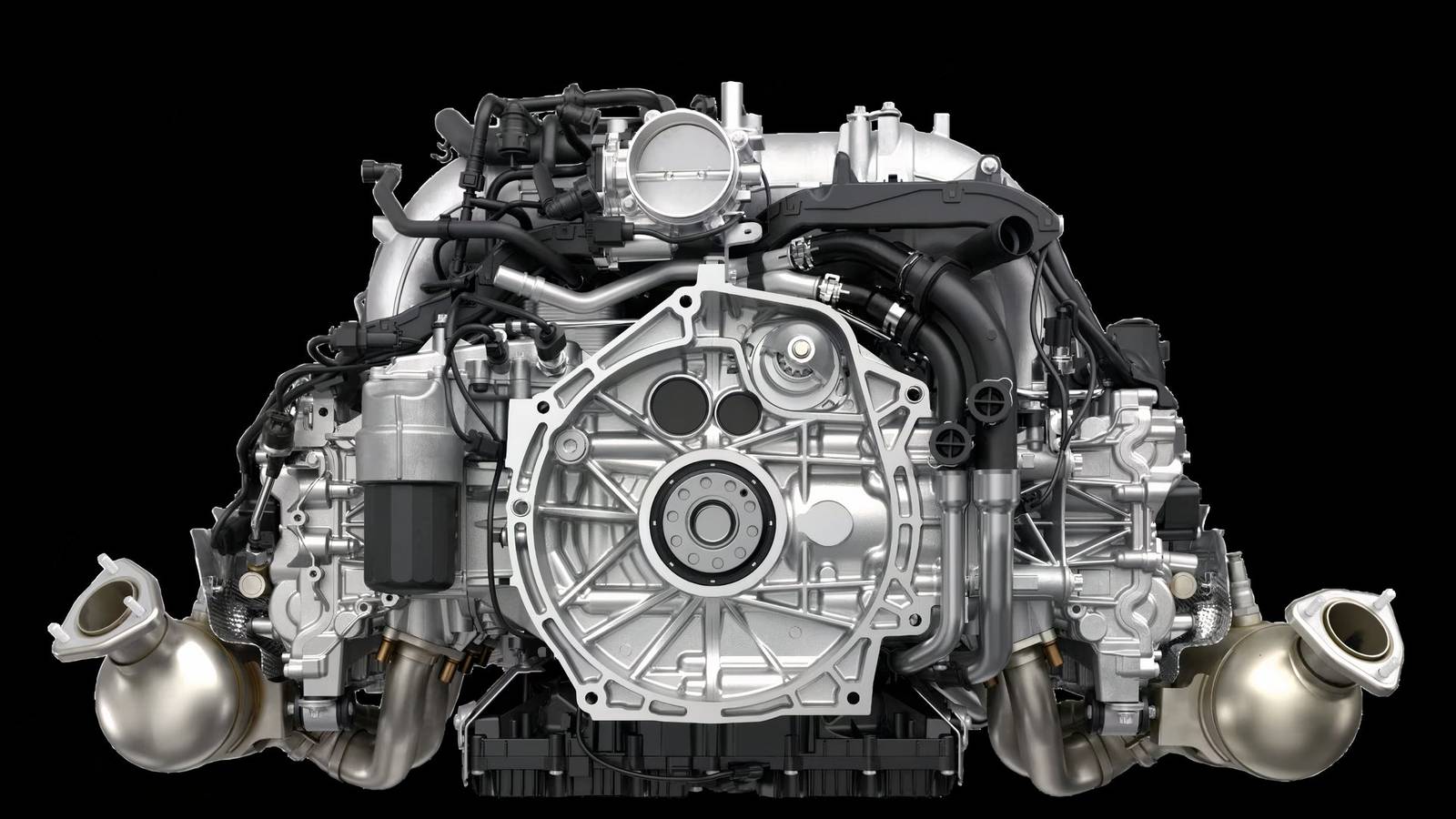
This is the engine Porsche built when everyone expected it to do the opposite. It was a fresh naturally aspirated flat-six developed at real expense for a mid-engined car that had just been turbocharged.
The 4.0-litre unit arrived in the 718 Cayman GT4 and Boxster Spyder. It produced 414 horsepower and revved to 8,000 rpm, and it reverted to a three-point engine mounting arrangement.
Porsche never hid that the investment needed a long production run to pay back. Executives said openly that keeping it alive gave the brand a selling point nobody else had.
That run is now over for the mid-engined cars. Porsche North America confirmed in May 2025 that global production of all current 718 Boxster and Cayman variants, including the RS models, would end in October of that year.
The end did not arrive evenly across markets. Europe lost most of the range in mid-2024 because of new cybersecurity regulations, leaving only the hardcore RS versions on sale there.
So the flat-six outlived the four-cylinder turbos it was supposed to supplement. It was the last version standing in several regions before the plug was finally pulled.
What makes this retirement unusual is that the engine was not obsolete. It was a modern, recently engineered design that lost its home because the car around it was being electrified. The replacement 718 is a battery-electric model. There is no naturally aspirated mid-engine Porsche waiting in the wings to take over.
A related 4.0-litre unit continues in the 911 GT3 family for now. But the mid-engined application, and the specific character it delivered, has already been discontinued.
2. Nissan VR38DETT 3.8-Litre Twin-Turbo V6
Few modern engines have been mythologised as thoroughly as this one. It was the heart of the R35 GT-R and the reason the car kept pace with machinery costing three times as much.
The VR38DETT was never a mass-production item in the normal sense. A core team of just nine master craftsmen, called Takumi, hand-assembled every engine at Nissan’s Yokohama plant, and each builder’s name went onto a plaque attached to the unit.
That process was slow by design. Each engine took roughly six hours to put together, and around 48,000 were built in Japan between 2007 and 2025.
Output grew substantially across the run. Power climbed from 480 PS at launch to 570 PS from the 2017 model year onward, with Nismo versions going further still.
Nismo engineers went as far as adopting GT3 racecar-specification turbochargers, along with weight-balanced piston rings, connecting rods, crankshaft, flywheel and valve springs.
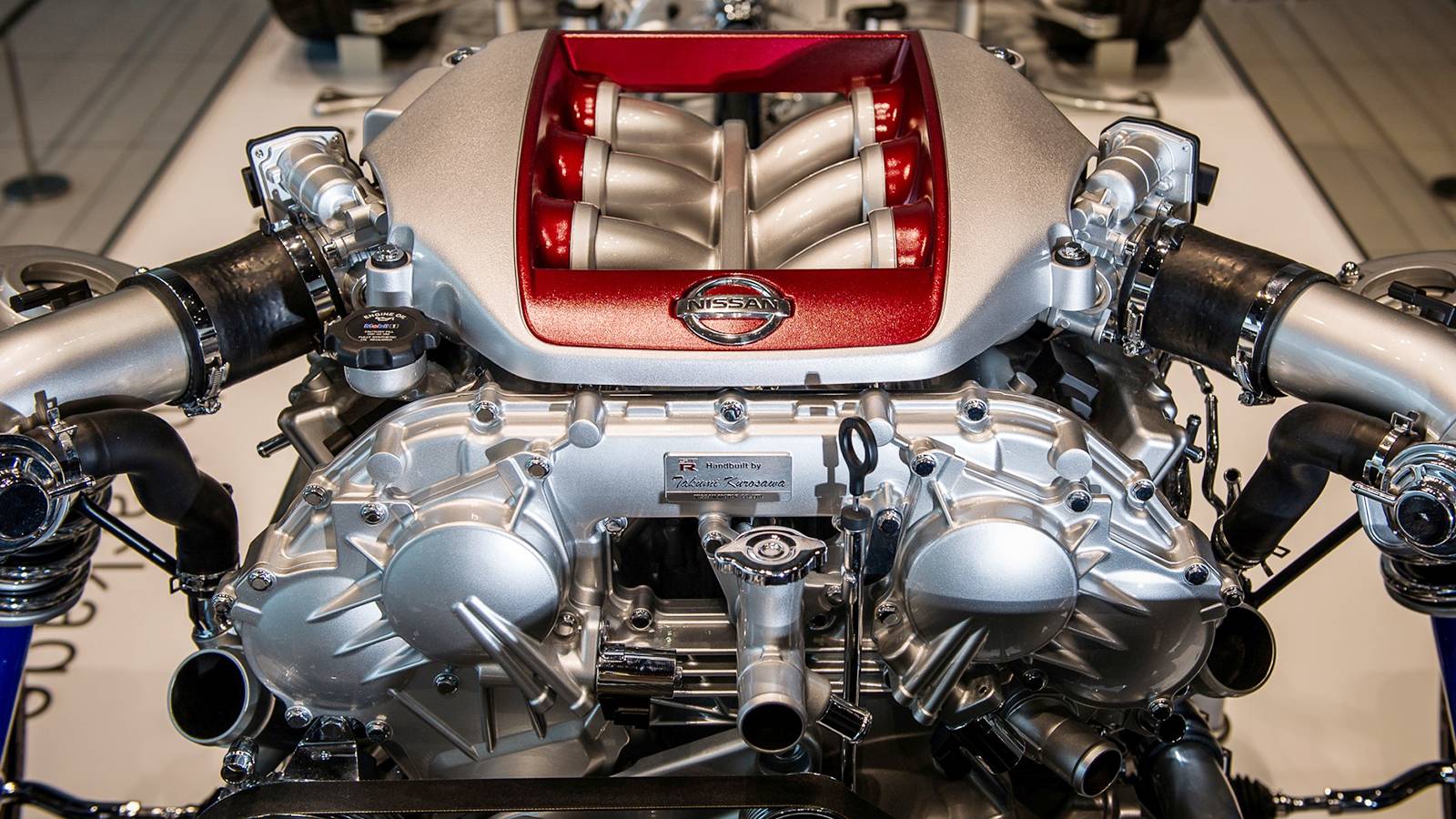
The engine’s fate was tied entirely to one car. When the R35 ran out of road, the VR38DETT had nowhere else to go. Production ended in August 2025, with the Japanese domestic market the final region to receive cars. The last example was a Premium Edition T-Spec in Midnight Purple, built for a customer rather than a museum.
Nissan has been careful not to declare the nameplate dead. CEO Ivan Espinosa said the company’s goal is for the GT-R name to return one day, though no precise plan is finalised.
What is finalised is the engine. A hand-built twin-turbo V6 with an 18-year service life is not something a modern emissions strategy accommodates.
3. Toyota 2UR-GSE 5.0-Litre Naturally Aspirated V8
This engine arrived as Lexus’s answer to a very specific question. Could a Japanese luxury brand build a compact sports sedan capable of taking on the M3 and C63 AMG?
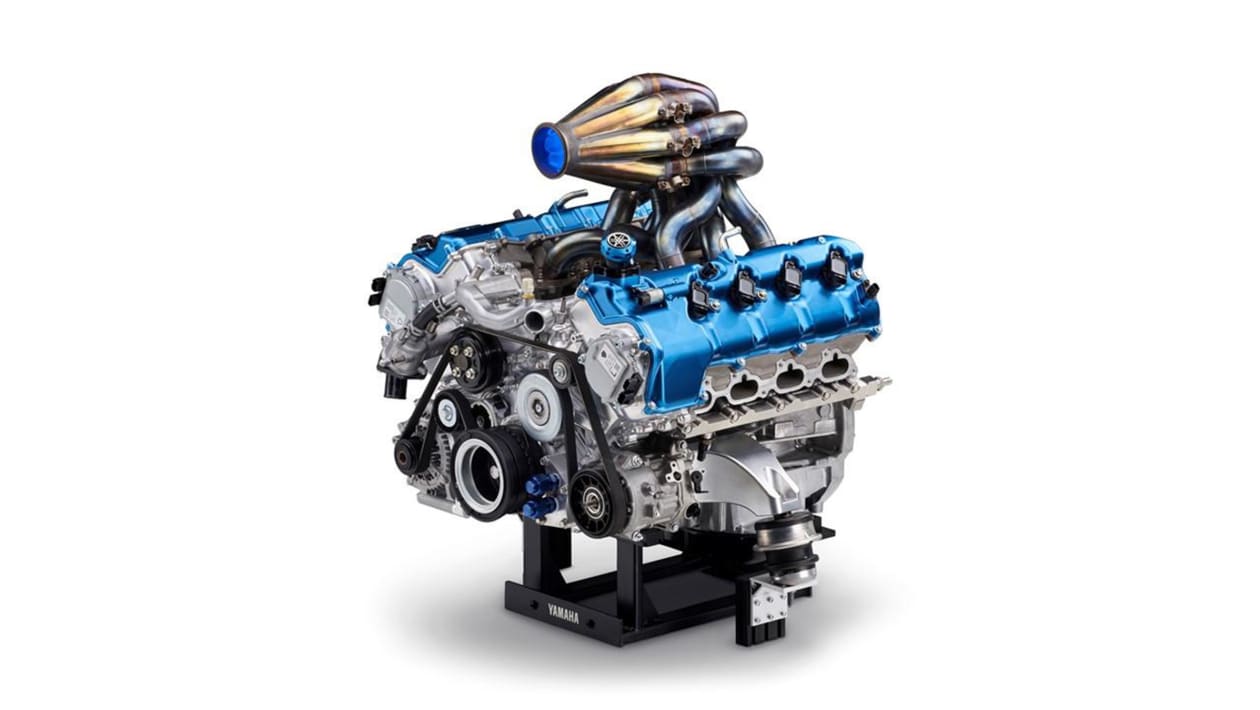
The answer was the IS F, and the 2UR-GSE was its weapon. It was an all-alloy dual-overhead-cam design with Yamaha-developed high-flow cylinder heads, titanium inlet valves, high-lift camshafts, and a dual-length intake.
That dual-length intake was not borrowed from a parts bin. It was the same system used on the Lexus LFA’s V10, and Yamaha’s involvement mirrored the LFA programme directly.
The engine served across four production cars over nearly two decades. It began in the 2008 IS F, moved to the RC F and GS F, and finally settled in the LC 500.
It also returned for a late encore in a compact sedan. The IS 500 F Sport Performance carried it from the 2022 through 2025 model years, with a limited Ultimate Edition sending the nameplate off.
Output stayed modest by turbocharged standards. The IS 500 Ultimate Edition delivered 472 horsepower and 395 lb-ft of torque through an eight-speed automatic.
The appeal was never the number. It was the delivery, the response, and the noise of a free-revving eight with no turbochargers between the throttle and the crank. The end came quietly. The 2UR-GSE finished production alongside the Lexus LC 500, which was its final resting place.
There is no naturally aspirated successor. Lexus performance is moving toward electrified and forced-induction hardware, and the Yamaha-headed V8 has no place in that plan.
4. Audi and Lamborghini 5.2-Litre Naturally Aspirated V10
This engine was a genuine Lamborghini creation, not a rebadged Audi unit. It was engineered from scratch after Audi’s buy-out of the Italian marque, at a cost of around £110 million.
It started life smaller than it finished. The design debuted as a 5.0-litre in the 2003 Gallardo, then grew to 5.2 litres and powered Lamborghini’s entry-level supercars for two decades.
Assembly was deliberately unhurried. Each 5.2-litre V10 was hand-built in Hungary from 250 parts, taking six hours per engine, with 19 completed per shift.
The firing intervals were part of its signature. Where the original 5.0-litre used an even 72-degree firing order, the 5.2 adopted uneven 90 and 54-degree intervals to sharpen acceleration.
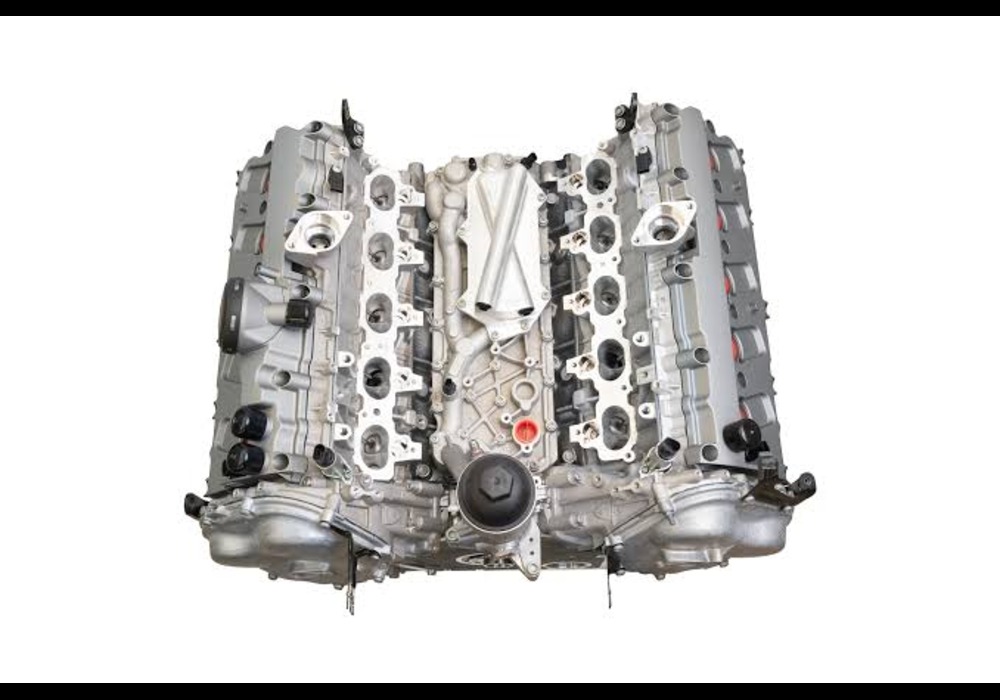
It was also a heavy, materially expensive unit. The cylinder heads alone required 40 titanium valves, and the complete engine weighed 258 kg with dry-sump lubrication.
Its last two homes were the Audi R8 and the Lamborghini Huracán. The final R8 V10 was built after almost 18 years of production, with the Huracán following later that year.
Lamborghini has been unusually direct about why it did not fight for the engine. Chief Technical Officer Rouven Mohr explained that keeping the odd-firing V10 would have required cutting output by roughly 20 percent to satisfy tightening regulations.
That trade was unacceptable for a supercar. The Huracán’s successor uses an entirely different powertrain, and the 5.2-litre is now completely gone. The replacement is a hybridised flat-plane V8. More power, more complexity, and a sound nobody has yet claimed is an improvement.
5. M139 2.0-Litre Turbocharged Four
This is the rare case of an engine being retired while still technically brilliant. The M139 was among the most power-dense production four-cylinders ever built.
In its longitudinal, plug-in hybrid form, it was extraordinary on paper. The C63 S E Performance combined 671 horsepower and 752 lb-ft of torque from a 2.0-litre four.
Customers were not persuaded. Mercedes-AMG has admitted it overestimated buyers’ willingness to accept a four-cylinder flagship C-Class, and sales reflected that.
But the official reason for the retirement is regulatory. AMG CEO Michael Schiebe said that carrying the four-cylinder into the future is difficult under Euro 7 rules, which is why the M139 is being dropped in the midsize segment in favour of an inline six.
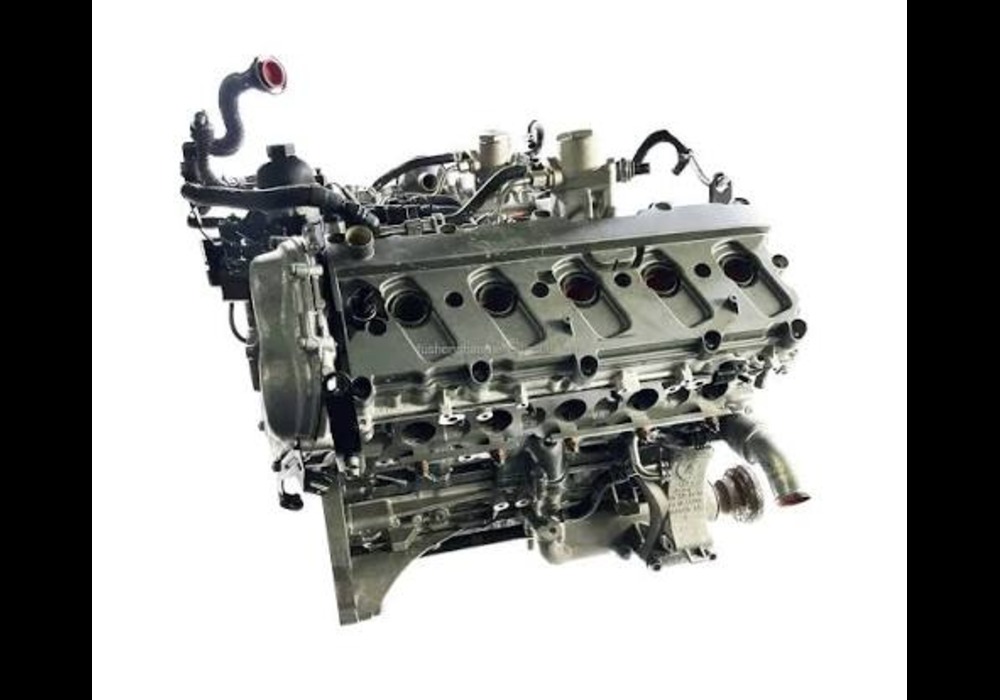
The replacement is a step backwards in output and a step forward in character. Engineers are fitting the turbocharged 3.0-litre M256M from the CLE 53, which makes 443 horsepower and 413 lb-ft in that car.
Crucially, the hybrid hardware goes with it. Schiebe confirmed the new car takes the pure combustion inline-six with no hybrid system attached. That has weight implications. Although the six is physically larger than the four, removing the plug-in system should leave the replacement lighter.
The naming changes too. The C63 badge gives way to a C53 variant, expected to be revealed in the second half of 2026. The engine itself does not vanish immediately. The transverse M139 continues in the A45 hot hatch, which is set to remain in production in Hungary until sometime in 2028.
6. Audi 2.5-Litre Turbocharged Five-Cylinder
The five-cylinder is Audi’s most distinctive engine architecture and its most awkward one to defend. It exists because of rally history, not because five cylinders are inherently optimal.
The modern 2.5-litre TFSI carried that legacy into the RS 3 and the TT RS. It has repeatedly won engine awards on the strength of its off-beat firing order and turbine-like delivery.
That character is exactly what makes it hard to save. An odd cylinder count means bespoke tooling, bespoke aftertreatment calibration and bespoke certification work for a very small volume of cars.
Under the Euro 7 framework, Audi’s 2.5-litre turbocharged five-cylinder is among the engines expected to disappear, with the company not planning to modify it to meet the new standard.
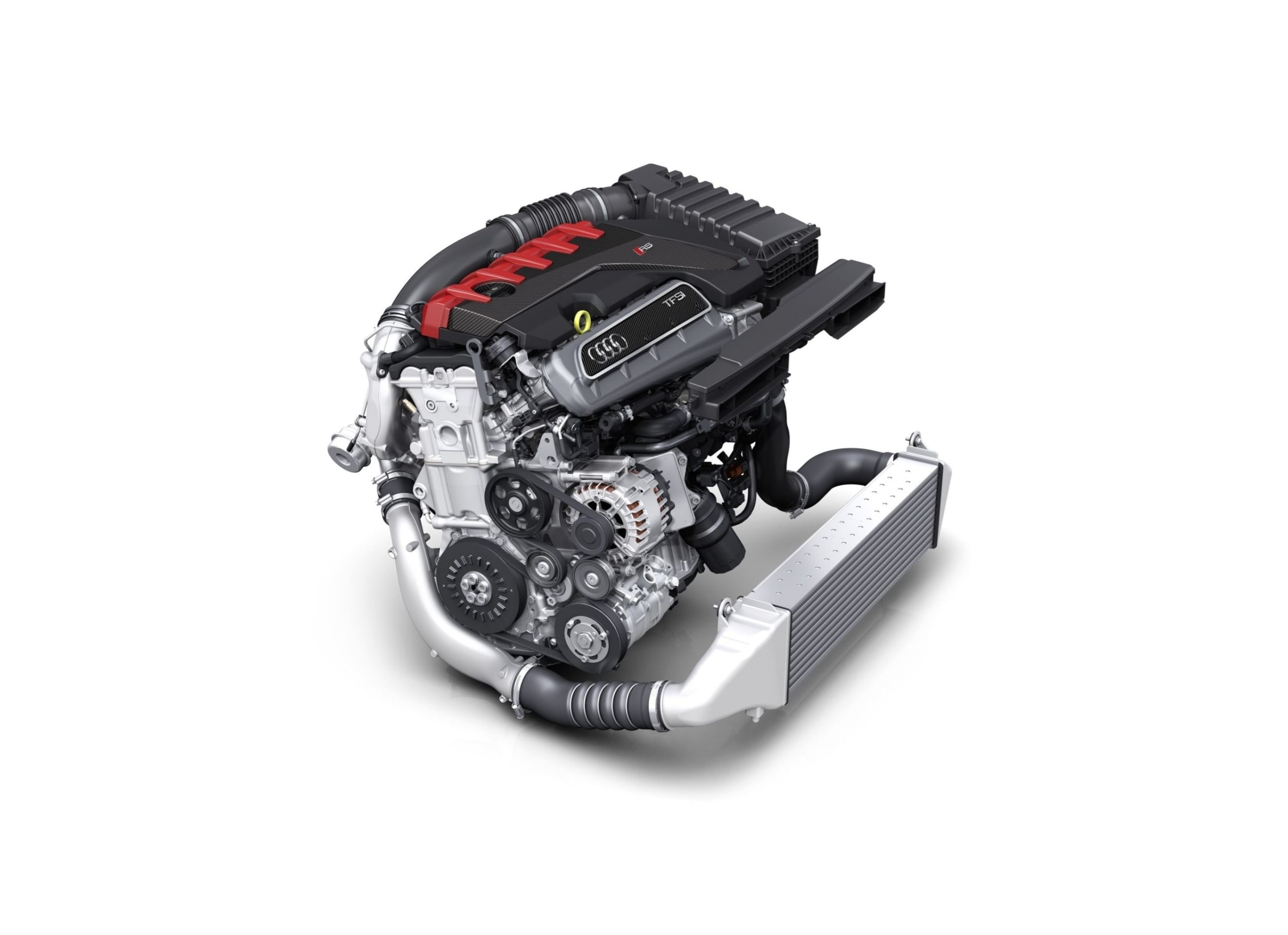
The reasoning given is commercial rather than technical. Audi leadership has indicated adaptation is possible in engineering terms, but that it comes down to scale and market demand.
That is the sentence that kills low-volume engines. The work can be done, but the number of cars it would be spread across does not justify it. The wider Euro 7 net is broader than performance hardware. The standard covers exhaust emissions, brake and tyre wear particulates and battery durability, effectively addressing a vehicle’s whole lifecycle.
Audi’s own long-term direction compounds the problem. The brand has spent years signalling a shift away from combustion development, which leaves little appetite for expensive recertification projects.
If the 2.5 does go, there is no obvious heir. No other manufacturer has a reason to build a five-cylinder performance engine from scratch in this regulatory climate.
7. Chrysler 3.6-Litre Pentastar V6
The Pentastar is the least glamorous engine on this list and arguably the most consequential. It has been the default powertrain across four brands for well over a decade.
Introduced for the 2011 model year, this family of aluminium, die-cast, dual-overhead-cam 24-valve V6s spread across Chrysler, Dodge, Ram and Jeep vehicles. Production volumes ran into the millions.
For years Stellantis insisted it was not going anywhere. Executives described it as a rock-solid, low-cost stalwart that would survive even as the portfolio slimmed down after the FCA-PSA merger.
That position has shifted. The Pentastar’s listed successor is now the 2.0-litre Hurricane 4 EVO turbocharged inline-four, arriving for Chrysler, Dodge and Jeep brands in 2026.
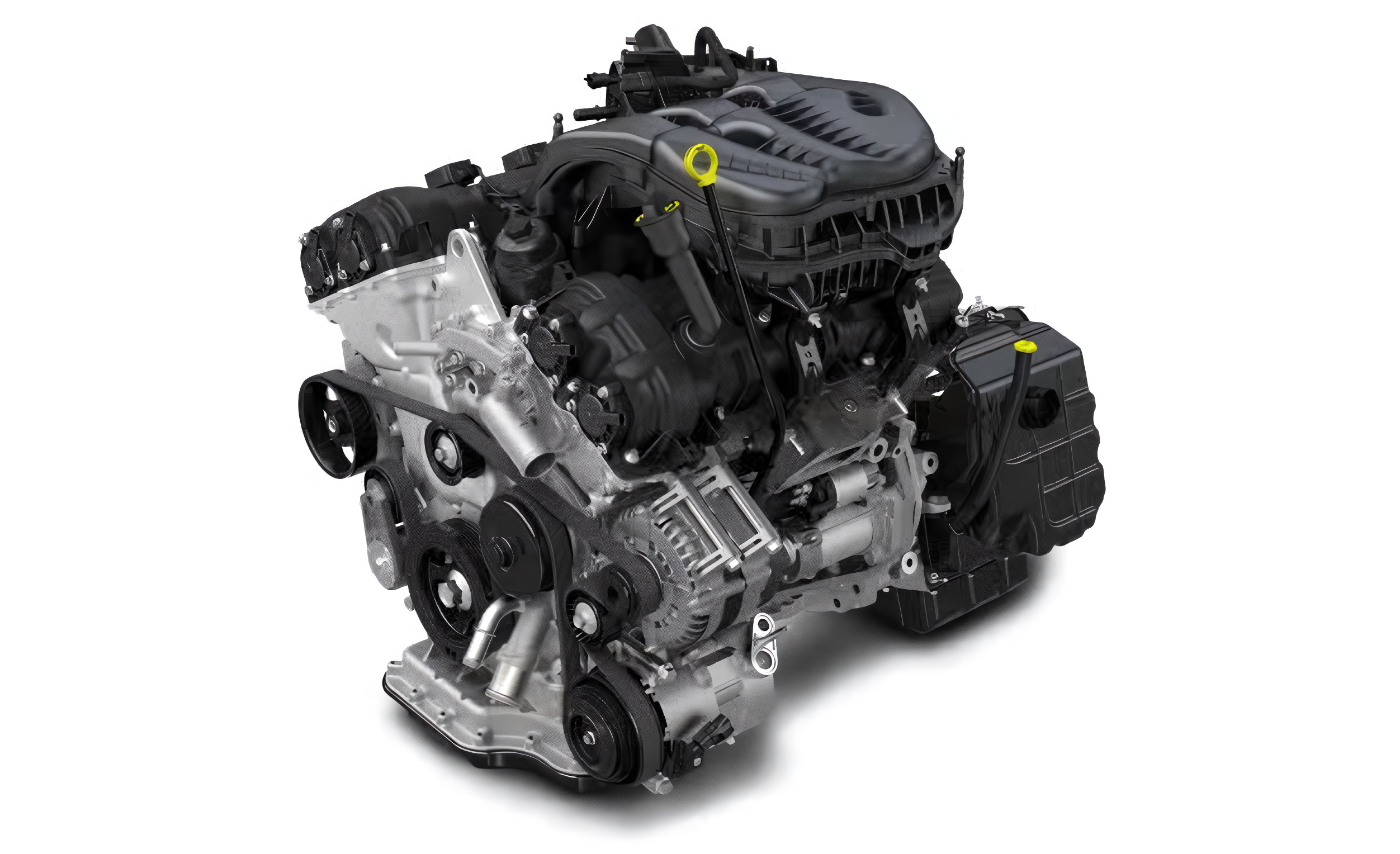
The new engine is not a downgrade in output. The Hurricane 4 Turbo is rated at 324 horsepower and 332 lb-ft, against 293 horsepower and 260 lb-ft for the Pentastar in the outgoing Grand Cherokee.
The efficiency gap is the real argument. Stellantis claims the four uses 10 percent less fuel while delivering 20 percent more power than its previous turbo four, with the 2026 Grand Cherokee rated for up to 506 miles per tank.
The rollout is deliberately cautious. Jeep has kept the V6 available on base Grand Cherokee Laredo trims while pushing the turbo four into higher grades, clearly wary of customer backlash.
A large stockpile of parts and uncertainty over how buyers would receive the new engine both contributed to the Pentastar’s life being extended into 2026. Extension is not reprieve. A 15-year-old naturally aspirated V6 has no path through the next round of fuel economy targets.
8. Toyota 3UR-FE 5.7-Litre V8
This engine earned a reputation that few modern powerplants can match. It was the truck V8 that owners genuinely expected to outlast the vehicle wrapped around it.
The 3UR-FE displaced 5,663 cc and was built for the Tundra, Sequoia, Land Cruiser and Lexus LX 570, using Dual VVT-i but without direct injection.
The output figures were competitive rather than dominant. It made 381 horsepower at 5,600 rpm and 401 lb-ft at 3,600 rpm, with a 6,000 rpm ceiling.
Toyota engineered it for endurance above all else. More than 1.3 million kilometres of durability testing went into the engine before it entered service.
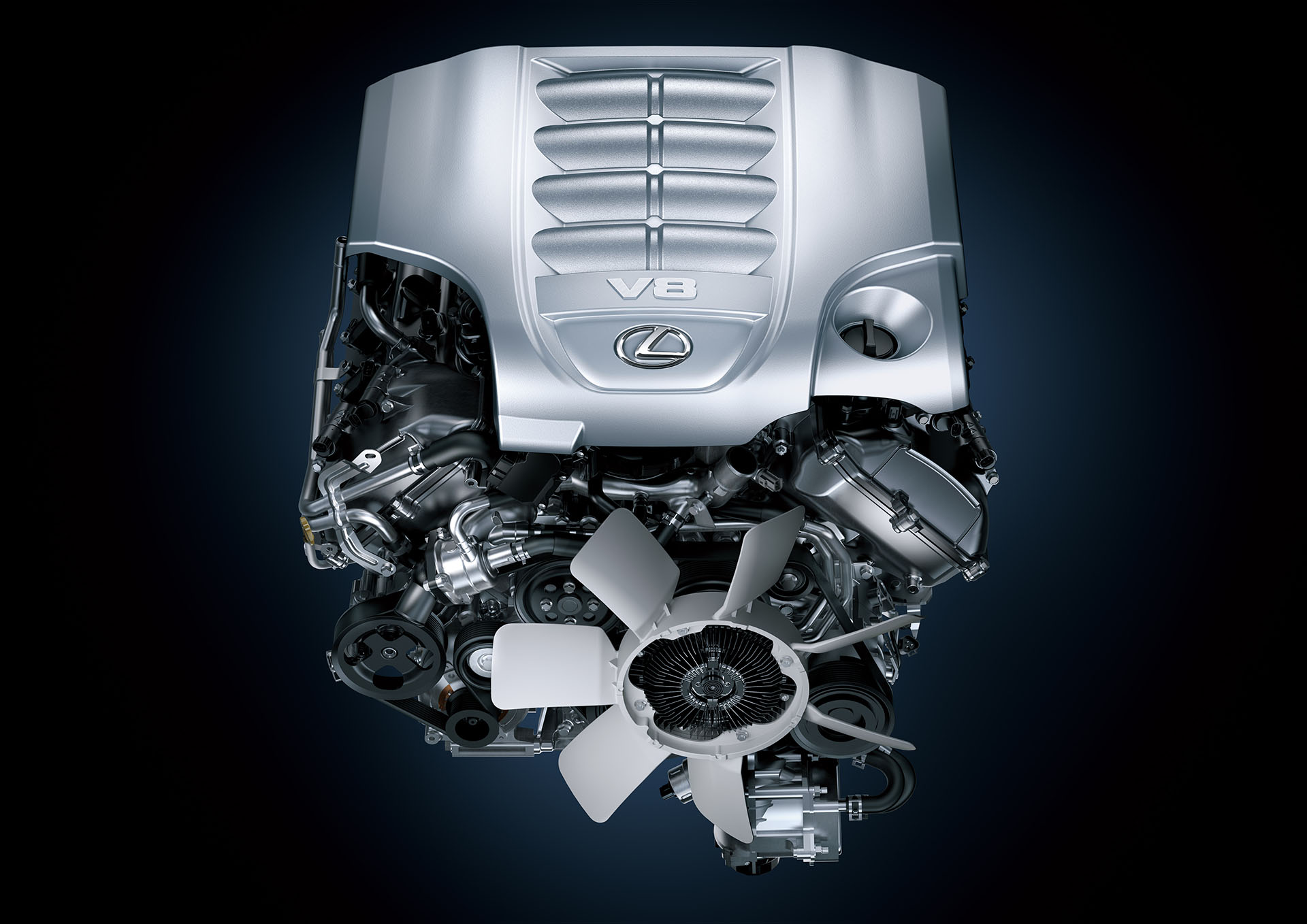
Owners proved the point in the field. One documented Tundra owner covered a million miles in a 5.7-litre truck after already doing the same in a 4.7-litre example.
It was also one of the largest engines Toyota has ever produced. Its 381 horsepower and 401 lb-ft made it among the company’s most powerful V8s as well.
The replacement strategy is already complete in North America. Toyota phased V8s out of the Tundra and its related SUVs after 2021, substituting smaller, more efficient but considerably more complex twin-turbocharged V6s.
That complexity has not been cost-free. Ongoing recalls and issues with the newer V6 have pushed some buyers toward the older V8 trucks instead.
A handful of niche applications have lingered. But the production base has narrowed to the point where full retirement this decade is a formality rather than a decision.
9. Small Unhybridised Petrol and Diesel Fours in Europe
This is the largest group by volume and the least discussed. These are the 1.0 to 1.6-litre engines that power ordinary European hatchbacks and compact family cars.
They are not performance icons. They are the engines that made affordable motoring work for two decades. Euro 7 targets them for an unromantic reason. For small petrol and diesel units in particular, the cost of adapting to the new standard may outweigh the expected benefit, which is why several combustion powertrains are set to disappear.
The standard is deliberately comprehensive. It imposes strict limits on exhaust emissions, adds rules on brake and tyre wear particulates, and governs battery durability, covering the full lifecycle of a vehicle.
Compliance costs do not scale down with engine size. Aftertreatment hardware, on-board monitoring and extended durability testing cost roughly the same on a supermini as on a luxury saloon.
That is fatal for low-margin products. Manufacturers face substantial investment to adapt or develop compliant combustion engines, which accelerates the shift toward electric propulsion.
Diesel is the most exposed of all. Its aftertreatment burden was already the heaviest, and demand in the passenger car segment has been shrinking for years.
Hybridisation is the survival route. Engines that can be paired with 48-volt or full hybrid systems have a credible path through Euro 7, while unassisted units generally do not.
The practical consequence is a narrowing of choice. Buyers who want a small, cheap, non-electrified car will find fewer options every year until 2030.
10. Nissan VQ37VHR 3.7-Litre V6
The VQ family defined Nissan’s engineering identity for a generation. It appeared repeatedly on international engine-of-the-year lists through the 2000s.
The VQ37VHR was the family’s high-water mark. It combined variable valve event and lift control with the VQ’s characteristic willingness to rev hard.
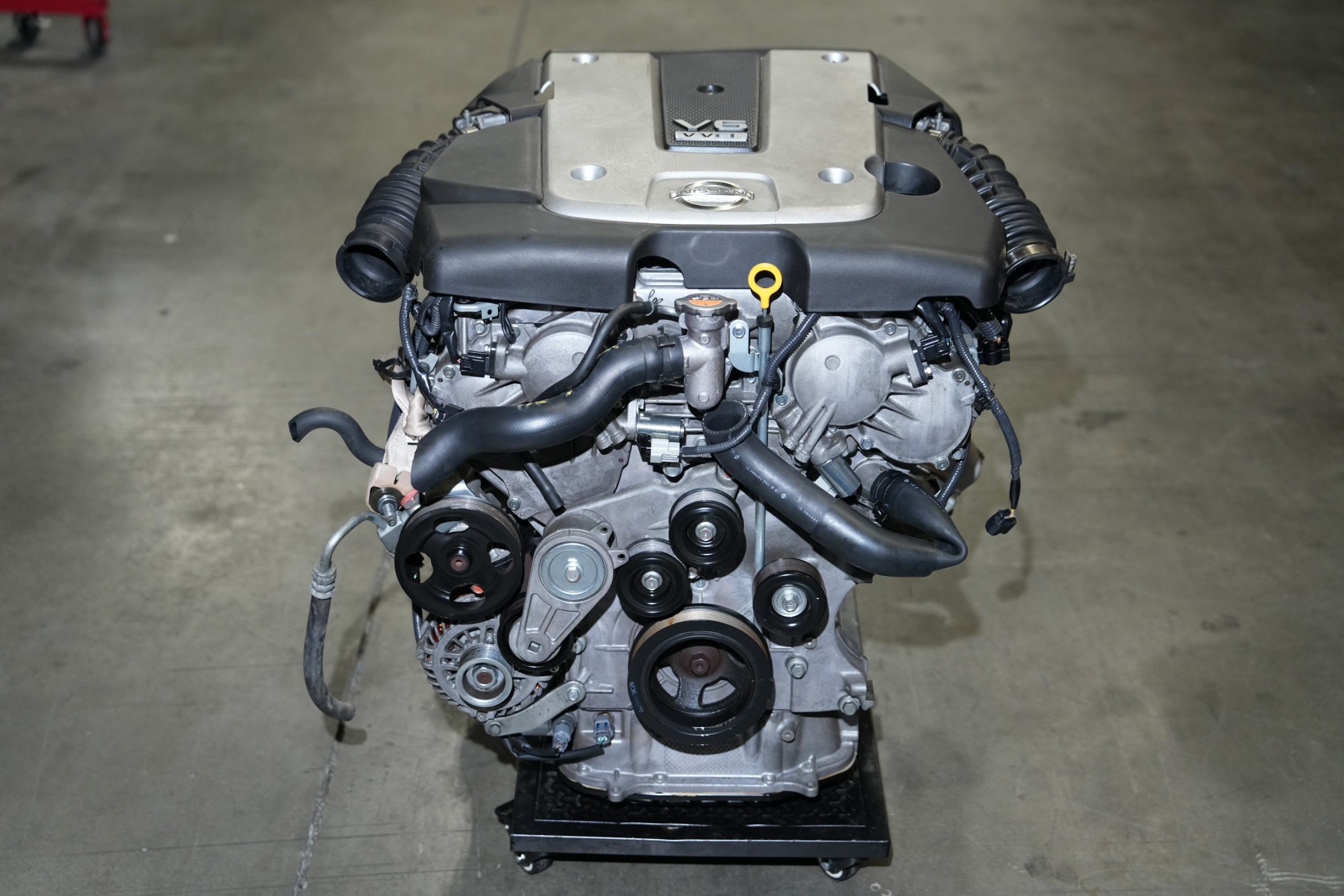
It powered the 370Z and the Infiniti Q50 and Q60. In each, it delivered around 330 horsepower without turbocharging, in an era when rivals were already boosting everything.
Nissan itself has already moved on internally. The current Z uses the 3.0-litre VR30DDTT twin-turbo V6, rated at 400 horsepower and 350 lb-ft, rising to 420 horsepower in the Nismo.
The wider pattern within Nissan is clear. The newer VR35DDTT, announced in 2024, replaced the 5.6-litre VK56 V8 in the Infiniti QX80 and the Nissan Patrol and Armada.
That is displacement reduction applied across the range. Larger naturally aspirated units are being systematically replaced by smaller forced-induction ones.
The VQ37VHR’s problem is structural. A naturally aspirated 3.7-litre making 330 horsepower cannot compete on emissions with a 3.0-litre turbo making 400.
Its remaining applications have run out one by one as the sedans and coupés that used it were withdrawn. Nothing in Nissan’s product pipeline requires it.
The engine’s legacy will outlive its production. It remains a favourite among tuners precisely because it was overbuilt for an output it never needed to strain for.
