
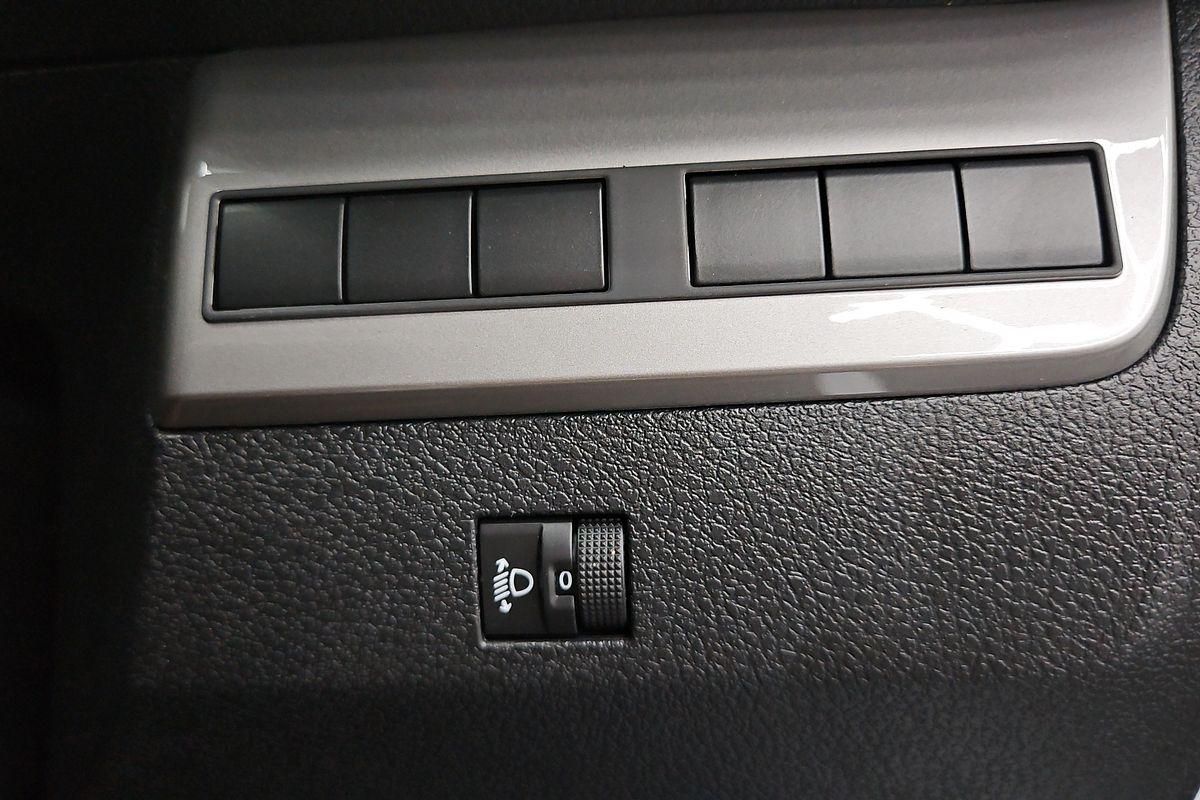
For roughly fifteen years, the entry-level car quietly got richer. A base compact in 2018 could arrive with a wireless charging pad, a padded armrest, soft-touch dash plastic, and a digital gauge screen equipment that belonged to luxury sedans a decade earlier.
That trend has reversed. Automakers are now pulling content back out of base trims, often without changing the advertised price at all. The pressure is real and measurable. In October 2025, the average new car transaction price passed $50,000 for the first time, and manufacturers have hit a ceiling on what buyers will absorb in sticker terms.
So the adjustment happens inside the cabin instead. Automakers are hiding price hikes through eliminated base trims, higher destination charges, and mid-tier increases while leaving advertised prices unchanged.
The result is a specific kind of disappointment. The car still looks premium in photos, still wears a big screen, still starts at a number you recognise, but the features that made it feel expensive now live two trims up.
This article covers ten interior features that have moved off base trims, with the model-year evidence and the real cost of getting them back. Every example is drawn from documented 2025–2027 model-year changes rather than general impressions. Some of these deletions cost $200 to restore. Others cost $2,000, or cannot be restored at any price.
1. The Power-Adjustable Driver’s Seat
The eight-way power driver’s seat is the single clearest example of a feature drifting upward through trim ladders. It once marked the boundary between “economy” and “mainstream” and had settled into base trims across most segments by the late 2010s.
That boundary has moved back down. Base trims increasingly return to a manual seat with a ratchet height lever, or in some cases only four-way manual adjustment.
Ford’s 2026 changes show the mechanism in miniature. Sources familiar with the matter told Ford Authority that the 2026 Ford Maverick XLT Luxury Package no longer features a six-way manual passenger seat. Instead, the compact pickup gets a four-way manual passenger seat, which is already standard on the XLT trim.
Note what happened there. The deletion occurred inside a paid option package, not the base trim for the sake of context, it’s priced at $1,890 on the 2025 Maverick XLT.
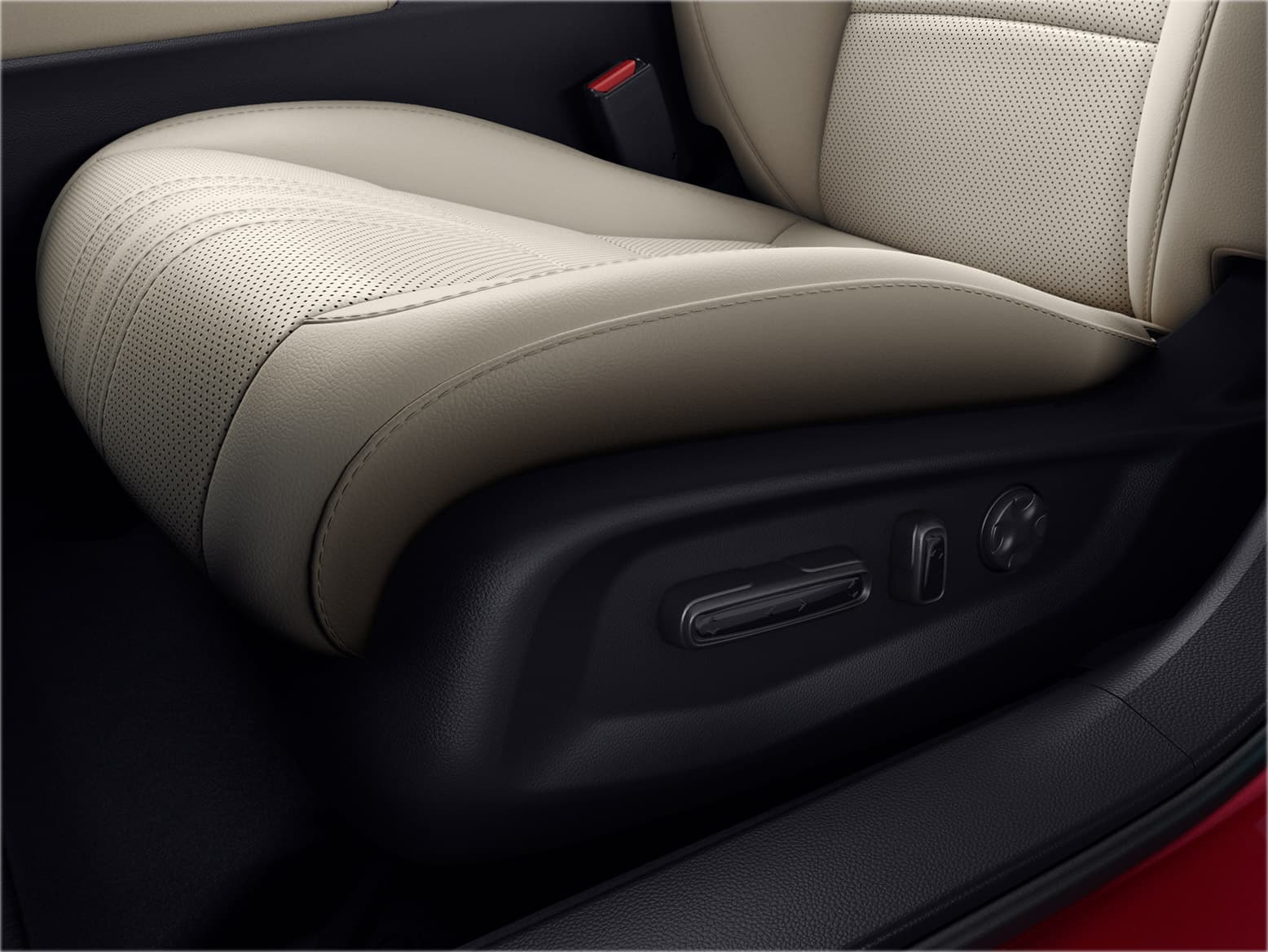
Sports cars follow the same script. On the current Mustang, base models generally feature manual adjustments, and a power driver’s seat is optional or included in specific equipment groups.
The cost of getting power seats is rarely shown as a separate charge. Instead, they are typically bundled with other features, making the additional cost harder to identify.
Industry valuation data gives a sense of the true component worth. Independent feature-pricing tables put a power fore-aft adjuster at roughly $100, a power height adjuster at $100, a power recliner at $100, and a power four-way lumbar adjuster at about $150.
Retrofitting also carries risk. Third-party systems may lack durability or OEM-level refinement. For a shopper, the practical test is simple. Sit in the base seat and check whether the height range actually fits you, because you will live with that exact range for the life of the car.
2. The Wireless Charging Pad
No feature has retreated faster than the inductive phone pad. It arrived as a showroom differentiator around 2015 and became near-universal by 2021, and it is now being deleted wholesale.
Ford has removed it across an entire product line in a single cycle. The feature was yanked from the 2025 Ford Bronco, then discontinued on the 2026 Ford Expedition before being dropped from the 2026 Ford Maverick.
The Bronco Sport case is the starkest. According to sources familiar with the matter, the wireless charging pad has been deleted from the entire 2026 Ford Bronco Sport lineup. That means it’s not available at all, regardless of trim level or optional package.
That is not decontenting a base trim. That is removing the feature from existence.
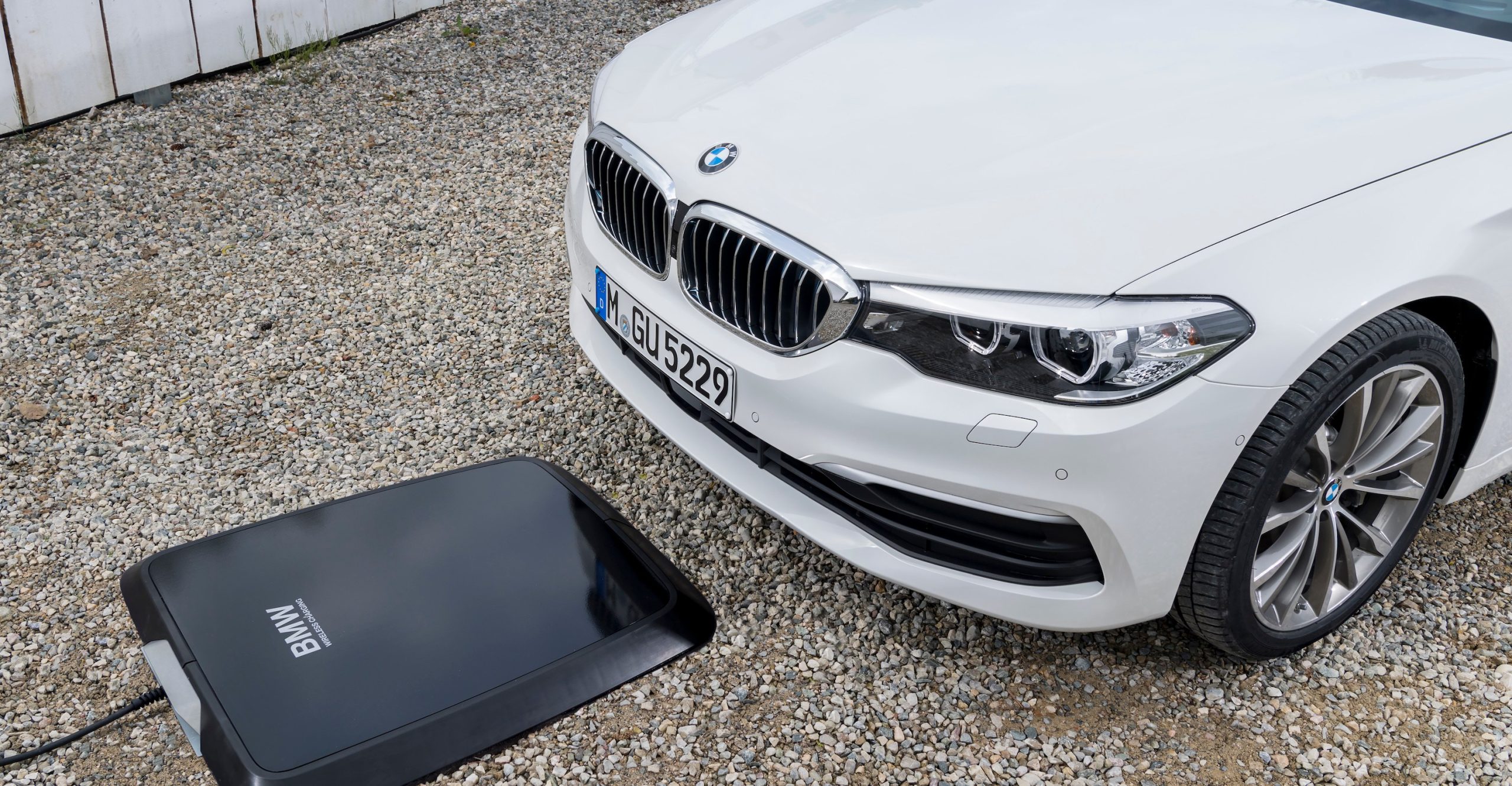
The contrast with the previous year is direct. For context, all 2025 Bronco Sport trims, including Big Bend, Heritage, Free Wheeling, Outer Banks, and Badlands featured a wireless charging pad for smartphones.
On the Expedition, the removal was total for one model year. According to sources familiar with the matter, the 2026 Ford Expedition no longer offers a wireless smartphone charging pad at all.
That happened on a vehicle with a serious price tag. For comparison, the 2025 model starts at $62,630, not including destination freight charges. It came back, but only for buyers who pay. The wireless smartphone charging pad is available on the 2027 Ford Expedition once more after the feature was axed for the 2026 model year.
The replacement is a cable. The 2026 Ford Expedition still includes USB smart charging multimedia ports, however. That means that passengers are still able to charge their smartphones, but it must be done via a wired connection.
A quality aftermarket pad costs $30 to $80 and works fine. What you lose is the integrated cubby, the cooled charging surface, and the clean dash.
3. The Auto-Dimming Mirror and Garage-Door Opener
These two features almost always travel together, because both live in the same mirror housing or overhead console. When one goes, the other usually follows.
The auto-dimming interior mirror is an electrochromic unit that darkens against headlight glare. The universal garage-door opener HomeLink and its equivalents are a set of programmable radio buttons. Neither is expensive to build. Both are highly visible markers of a “nice” cabin, which is exactly why they are being moved upmarket.
Ford deleted the garage-door opener outright on one 2026 model. These wipers, along with the smartphone charging pad, join several other convenience features that have been deleted, including the universal garage door opener.
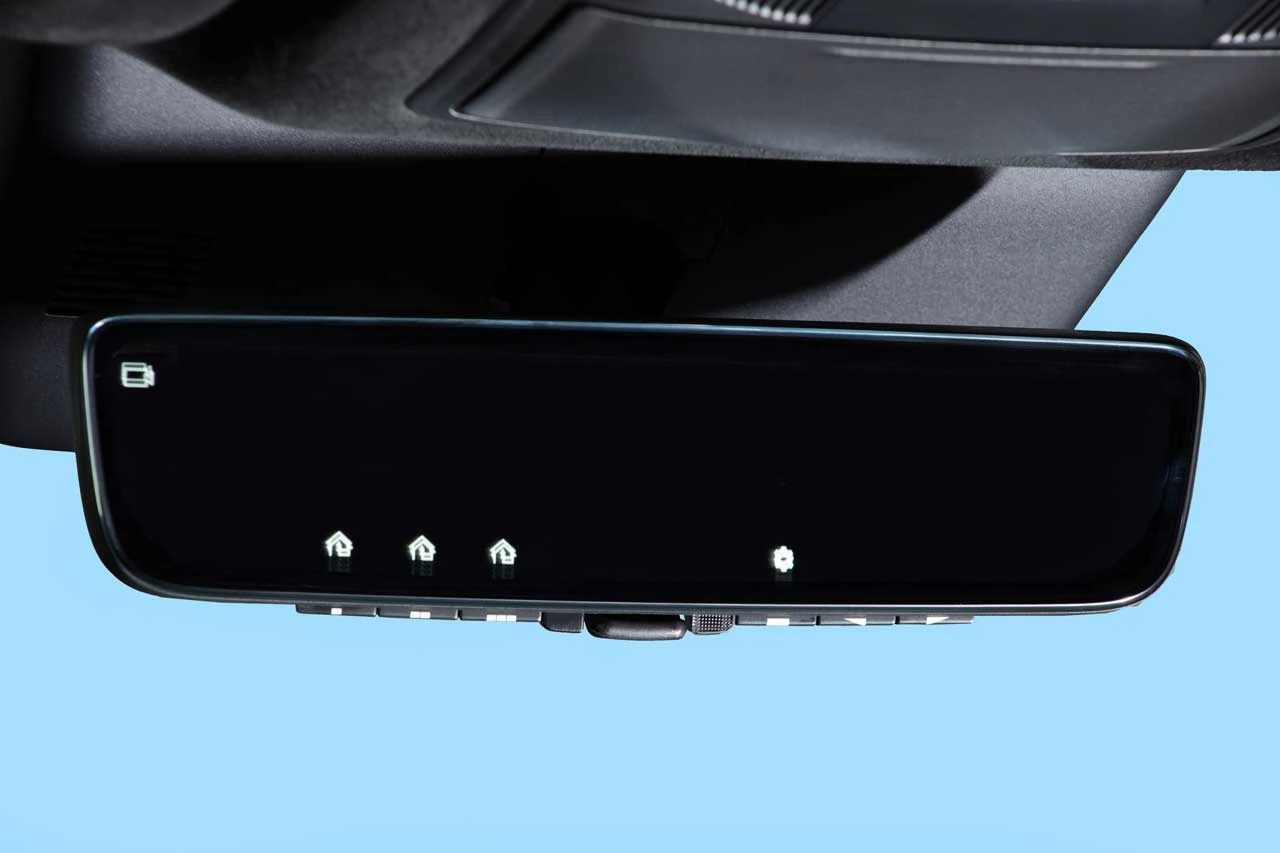
On the Explorer, the auto-dimming rearview mirror was not removed entirely. Instead, Ford included it in the Tremor Convenience Package along with ambient lighting and power, heated sideview mirrors. This means buyers who want the auto-dimming mirror must get the entire package rather than selecting the feature separately.
That package also absorbs the mirror’s companion features. Driver’s Side Auto-Dimming, Driver/Passenger Side Memory, Rain-Sensing Wipers (Front Only), Memory Driver’s Seat, Third Row PowerFold, Wireless Charging Pad.
This is the bundling strategy at its purest. Six or seven modestly priced items are grouped so that no single deletion can be priced by the customer.
The aftermarket offers a practical solution in this case. A quality auto-dimming mirror with integrated HomeLink typically costs about $150 to $300, while plug-in harnesses are available for many mainstream platforms. Standalone garage remotes usually cost between $30 and $60. The functional difference may be minor, but the effect on the cabin’s perceived quality can be much more noticeable.
4. The Large Digital Instrument Cluster
The fully digital gauge display is the strongest visual signal of an expensive interior. A 12.3-inch reconfigurable screen behind the wheel reads as premium instantly, which is why it spread so fast between 2019 and 2024.
It is now being downsized on entry trims. Buyers get a small colour strip between analogue dials instead, or a reduced-diagonal panel that looks similar in photographs but not in person.
Ford’s 2026 Bronco Sport is the documented case. The 12.3-inch instrument cluster display screen has been removed from several trims and replaced with a smaller alternative. The reason is not styling. It is silicon and memory cost, and the industry has been open about it.
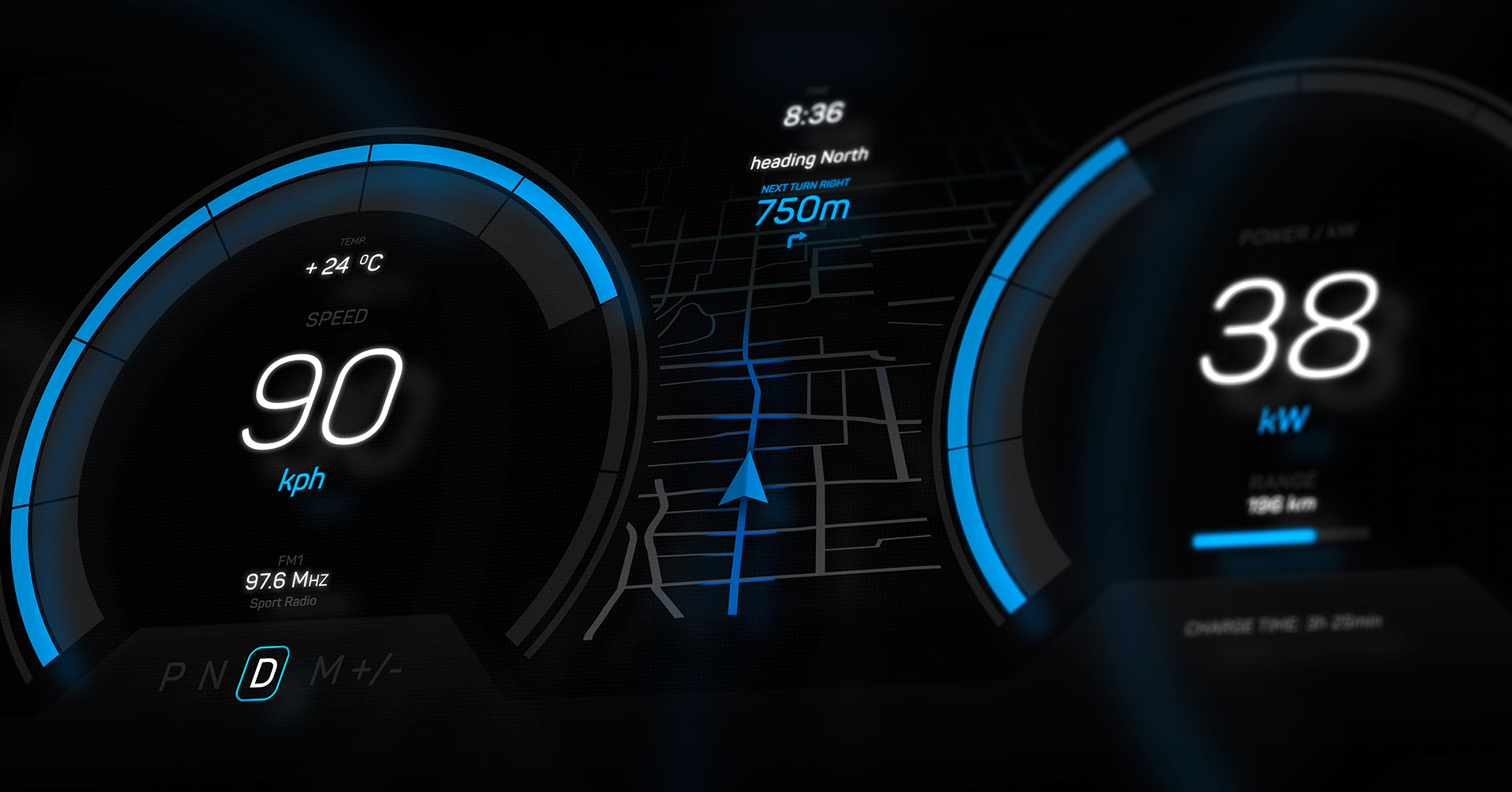
Supplier-side analysis frames the pressure clearly. If memory becomes more expensive, reducing memory-hungry features can help control costs. Large clusters are precisely the memory-hungry features in question.
Large displays, digital clusters, immersive graphics, connected services, voice assistants and AI-powered interactions have become defining characteristics of modern vehicles.
The same analysis warns about the trade-off. The features that consume the most memory are often the same features that customers value most, and the same features that help automotive brands stand apart from the competition.
The only route is the trim or package that includes it, which in mainstream SUVs generally costs $1,500 to $3,500. In luxury models, it is often gated behind a $2,000-plus technology package. Check the diagonal on the window sticker rather than the brochure photo. Marketing images are almost always shot on the top trim.
5. Ambient Interior Lighting
Ambient lighting is the cheapest luxury cue in the modern car. A few metres of LED strip and a diffuser transform how a cabin photographs and how it feels after dark. Its build cost is small, typically $40 to $120 in parts for a multi-colour system. Its perceived value is enormous, which makes it ideal package bait.
Ford now handles the feature through the Tremor Ultimate Package. The package bundles the auto-dimming interior rearview mirror with ambient lighting, a 980-watt B&O Sound System by Bang & Olufsen with 14 speakers and a subwoofer, and power-folding mirrors. Buyers who want the auto-dimming mirror therefore have to purchase the larger package rather than adding the mirror on its own.
Note the company it keeps. Ambient lighting is packaged alongside a premium audio system, which pushes the bundle price far above the lighting’s actual cost.
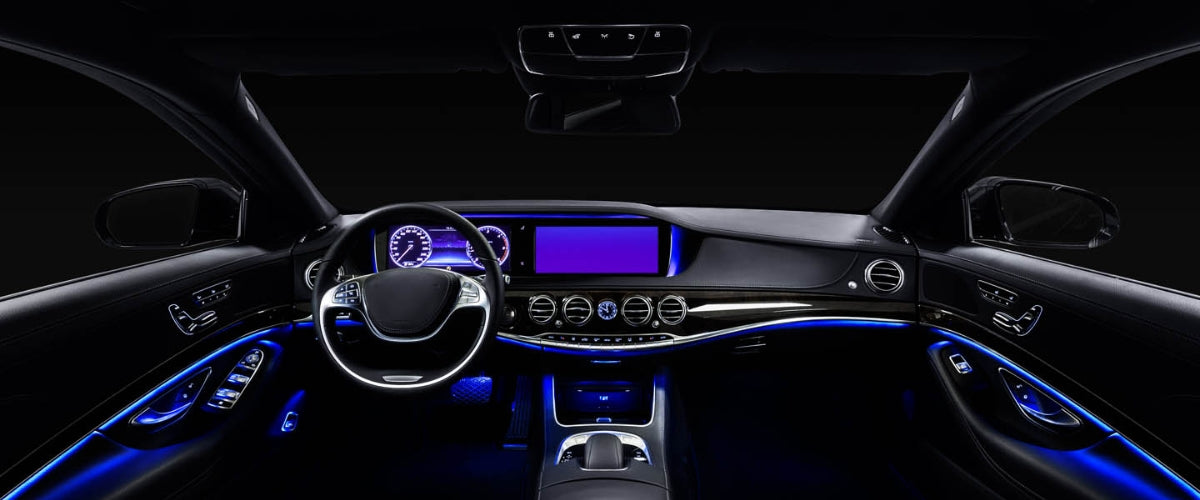
The same feature is also included in the Tremor Convenience Package, one level below the Ultimate Package. This package combines the auto-dimming rearview mirror with ambient lighting, giving buyers access to the feature without stepping up to the larger Ultimate package.
That repetition is deliberate. Placing a high-desire, low-cost item in multiple bundles raises the take rate on both. Ultimate-tier packages of this kind commonly run $3,000 to $5,000 in full-size SUVs. Convenience-tier packages sit around $1,200 to $2,500.
Either way, the buyer is paying four-figure money for a feature worth double digits in parts. That is the economics of decontenting stated plainly. The aftermarket here is genuinely competitive. Reputable footwell and door-strip LED kits cost $40 to $150, and app-controlled fibre-optic systems run $80 to $250 installed by a competent shop.
The main compromise is the loss of integration. Factory systems can work with drive modes, door-open events, and the infotainment theme, while aftermarket setups generally cannot match that level of coordination. Resale value is another consideration. Dealers often photograph vehicle interiors at dusk because ambient lighting can make a cabin appear more upscale, while base models without it may look noticeably less distinctive in photos.
6. Memory Settings for Seats and Mirrors
Seat memory is the feature two-driver households notice most. Losing it means manually re-finding your position every single time you swap cars.
It has become a reliable trim divider. Memory functions are increasingly reserved for mid-and-upper trims, even where power seats remain standard below them.
The distinction matters and is often blurred in marketing. Not all adjustable seats are powered, and not all power seats include memory functions.
The distinction matters when comparing vehicle trims or deciding which upgrades are worth paying for. Ford’s Explorer packaging also shows how memory-related features are positioned within the lineup. The package includes a memory driver’s seat, a power-folding third row that folds flat, and a wireless charging pad.
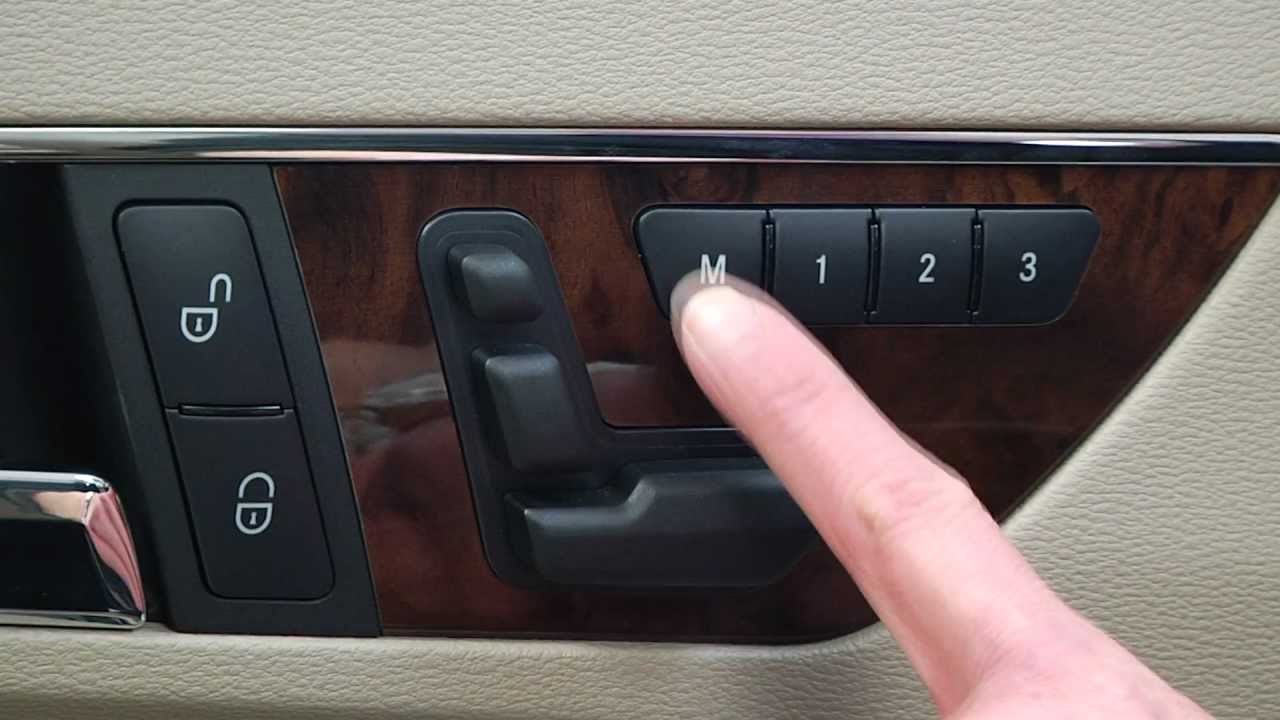
Mirror memory is separated the same way. Driver’s Side Auto-Dimming, Driver/Passenger Side Memory, Rain-Sensing Wipers (Front Only). Component valuation data suggests the underlying cost is modest. Independent feature-pricing tables assign roughly $200 to a driver-seat memory system and about $150 to a passenger-seat memory system.
So a two-position memory setup represents around $200 to $350 of content. The package required to obtain it typically costs five to ten times that.
And an accessibility argument. For individuals with mobility limitations, including older adults or those recovering from injury, power seats simplify entry and exit. If two people share the car daily, memory is one of the few package-gated features that genuinely earns its cost.
7. The Power-Adjustable Steering Column
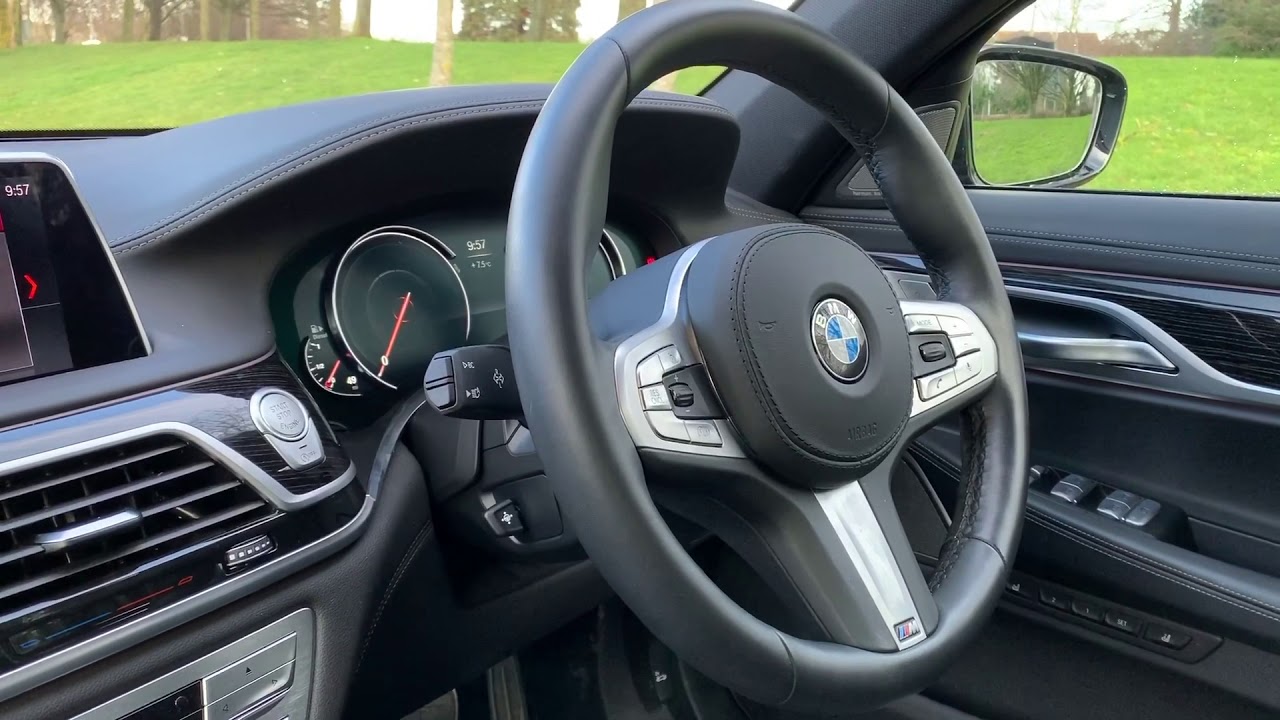
The power tilt-and-telescope column is an under-discussed casualty. It rarely appears in advertising, so removing it generates almost no consumer backlash. That is exactly why it is being cut. It costs real money to build and almost nothing to delete in reputational terms.
Ford’s full-size SUV demonstrates it. The 2026 Ford Expedition loses its standard power-adjustable steering column, replacing it with a manually adjusted unit on certain trims.
The affected trims are the entry points. According to sources familiar with the matter, the 2026 Ford Expedition no longer features the power-adjustable steering column with memory as standard on the XL and Active Select trims.
It survives where margins are fattest. It’s still included on the higher-tiered trims, including Tremor, Platinum, and King Ranch.
Getting it on a mid trim requires a specific bundle. It can also be had as an upgrade on the Active trim, but only as part of the Active Touring (equipment group 202A) model, included with the Ford Co-Pilot360 Active 2.0 bundle.
The substitute is entirely functional. Instead, the 2026 Ford Expedition XL and Active Select (equipment group 200A) feature the manually adjusted tilt/telescoping steering column.
Ford’s own framing acknowledges the low visibility. A power-adjustable steering column isn’t something drivers use every day, but it’s a convenience feature that’s nice to have on board.
The cost implication is significant because of what the column carries. Power columns usually enable easy-entry tilt-away and are the anchor for full driver-position memory. Delete the power column, and memory becomes partial at best. That single deletion quietly degrades a second feature.
Equipment groups containing it commonly add $2,000 to $4,000 on full-size SUVs. There is no viable aftermarket replacement, since the column is a structural and safety component.
This is the deletion most worth checking on a test drive. Manual columns often have a shorter telescope range, which matters for taller or shorter drivers.
8. Rear-Seat Armrests, Map Pockets and Small Storage
Storage is the quietest deletion category. It never appears in a spec-sheet comparison, yet it shapes daily life in the car more than most listed features. Automakers know this. They also know it is invisible at the point of sale.
Ford removed a rear armrest on one trim of a compact truck. The rear armrest, which folded out of the rear bench seatback to give its passengers access to cupholders, is also gone, but only for the XLT trim.
The Mach-E lost seatback pockets entirely. For 2026, they’ve been deleted outright, with no option to add them back at any price. That is the important phrase. No option, at any price.
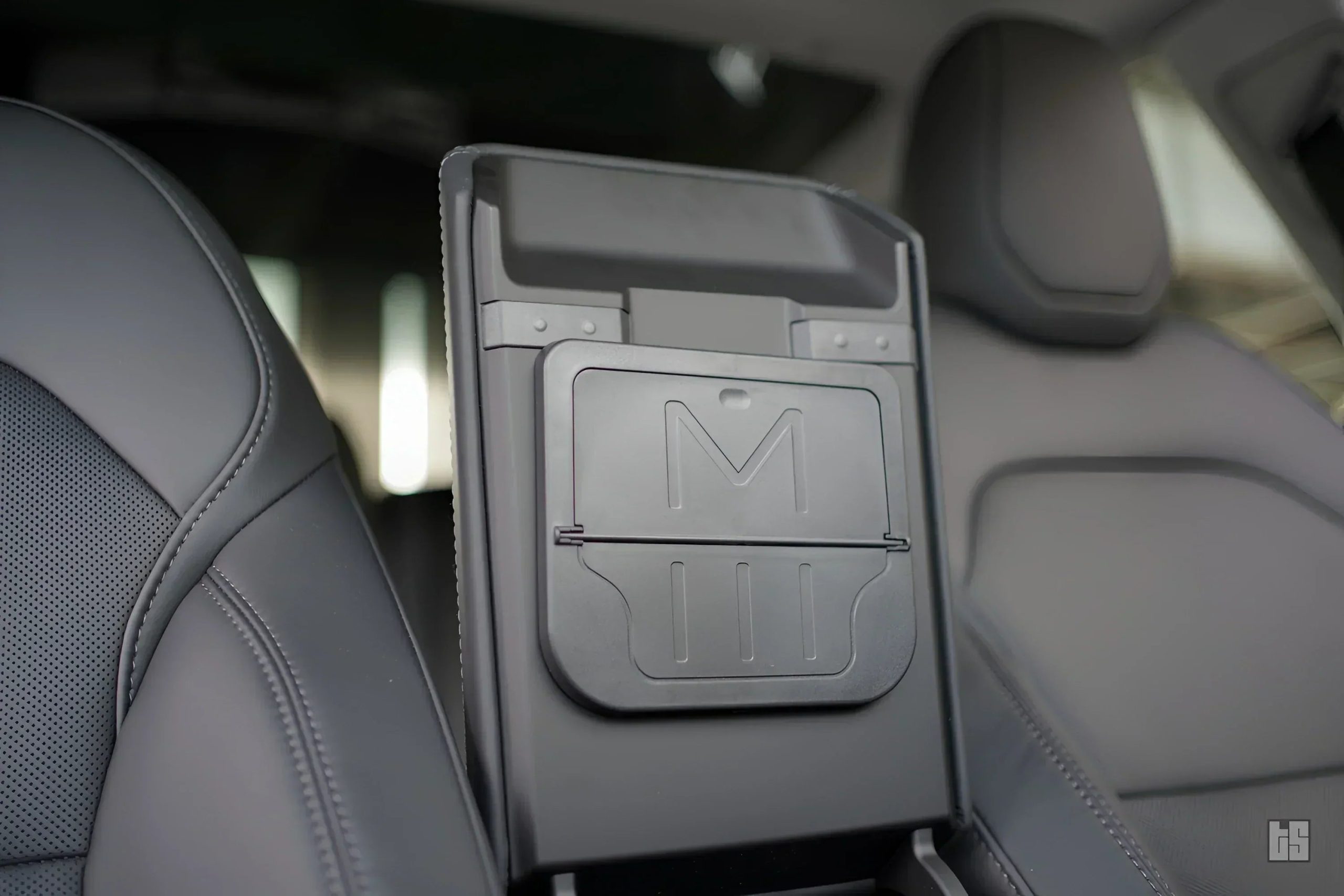
The prior-year baseline was universal. For the 2025 Mach-E, they were standard across all trims. The larger loss on that car was structural. Now, for 2026, the Ford Mustang Mach-E is dropping two of its most important storage spaces. That space is the frunk, or front trunk, that electric vehicles like the Mach-E are often known for.
The stated justification was usage data. Mustang Mach-E brand manager Teddy Ankeny said Ford found owners weren’t using the frunk as much as expected. Cutting it out as a standard feature allows the brand to save some cash that is allegedly passed on to buyers.
The broader point stands regardless. Storage rarely tops a buyer’s wish list when choosing a car, even though it often becomes one of the most important features in everyday use. Aftermarket seatback organisers cost $15 to $40 and work. They do not look factory, and they do not restore a frunk.
9. Soft-Touch Materials and Upgraded Upholstery
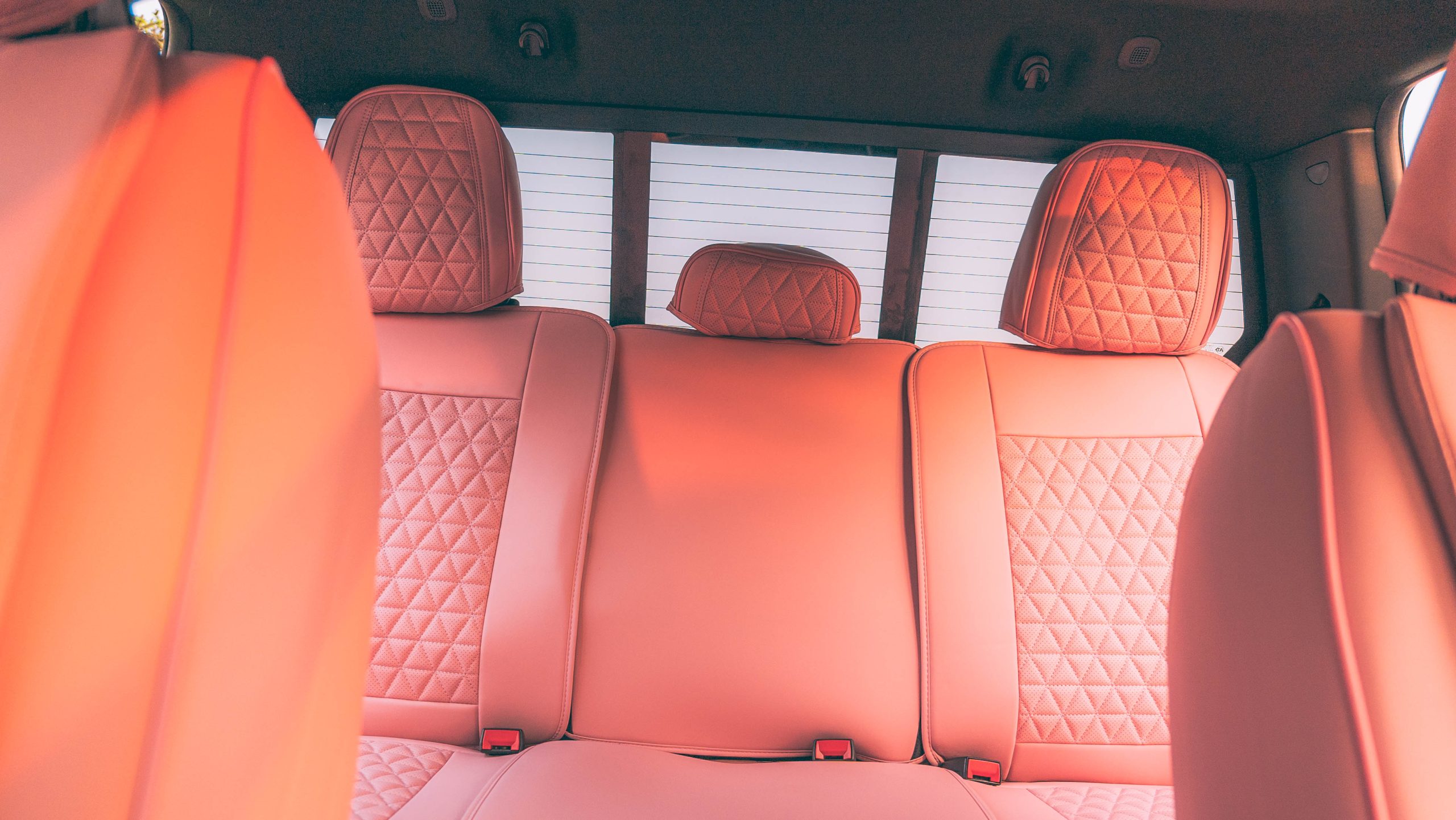
Material quality is the hardest deletion to quantify and the easiest to feel. A padded door armrest, a stitched dash top and a leather-wrapped wheel do more for perceived value than any screen.
These are now firmly trim-gated. Base cabins increasingly use hard injection-moulded plastic on the upper door card and dash, with urethane rather than leather on the wheel.
Feature valuation data shows how cheap the upgrades actually are. Independent pricing tables put leather seating surfaces at roughly $900, leather door-panel trim at about $250, and a leather-wrapped steering wheel at around $150.
Heated and ventilated seats sit lower still. The same tables value heated front seats at roughly $200 and cooled or ventilated front seats at about $300.
Those are wholesale content values, not what buyers pay. A leather-and-comfort package in a mainstream crossover typically costs $1,500 to $3,000.
Interestingly, at least one major manufacturer has publicly rejected this route. Rest assured, your next Toyota will not come with a hard plastic interior or deleted features. Toyota wants to avoid that, because decontenting a car is very noticeable.
Its alternative is upstream cost engineering. Instead, it cuts costs in areas the customer doesn’t see but still gets the same benefits. For instance, some seats use new materials, some components have fewer and simpler parts, and more.
That stance frames the whole issue. Decontenting is a choice, not an inevitability, and different manufacturers are choosing differently. The competitive risk is well understood. When brands remove advanced features, they risk narrowing the gap between themselves and competitors.
And it reaches the showroom floor. Customers who perceive a competing vehicle as more advanced may never make it to the dealership’s closing table.
The aftermarket fix is unusually strong here. Quality leather or leatherette seat-cover kits run $400 to $900 installed, and a genuine leather wheel wrap costs $40 to $120. Neither restores a padded door card. That one you simply live with.
10. Physical Climate Knobs and Dual-Zone Automatic Climate Control
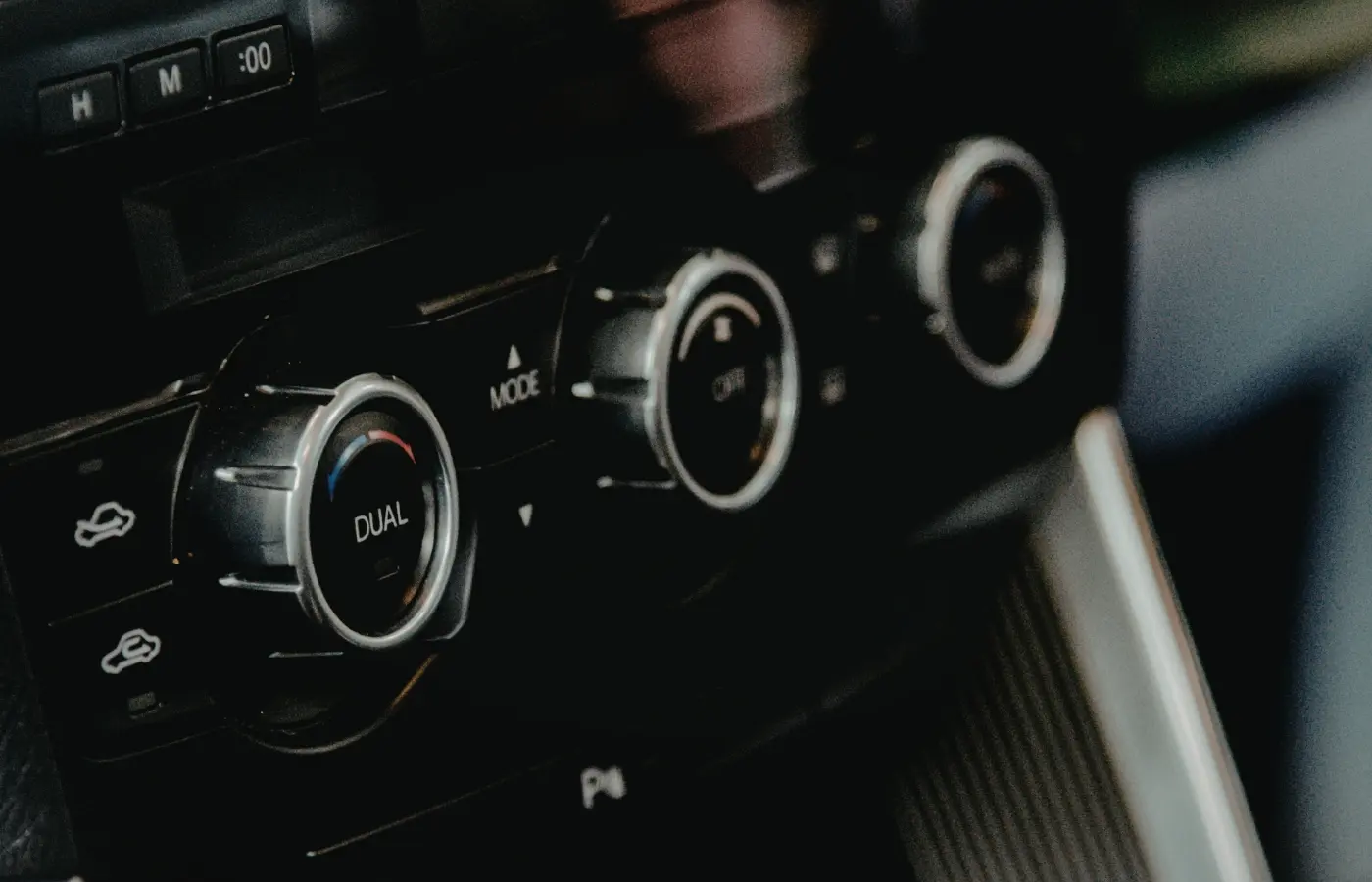
Modern vehicles are changing climate controls in two distinct ways. Dual-zone automatic climate control is increasingly reserved for higher trims or optional packages, while physical controls are being replaced by touchscreen interfaces. These changes have different motivations.
Single-zone manual HVAC systems can reduce costs by using fewer actuators, sensors, and simpler control hardware. Removing physical controls also reduces switchgear, wiring, and tooling by moving functions into software already built into the infotainment system.
The shift has drawn criticism from owners who argue that essential functions such as climate settings, audio controls, and vehicle information are easier to operate with physical knobs, switches, and gauges. Some newer vehicles take the screen-first approach even further. The XPeng G6, for example, integrates HVAC controls into its touchscreen interface.
Software-based features can also introduce recurring costs. The 2026 Expedition provides one year of complimentary security service, after which continued access costs $7.99 per month. Ford also offers connectivity features through a paid package.
For buyers, these changes can affect both cost and usability. Dual-zone climate control may require an $800 to $2,000 package, while physical controls generally cannot be restored through the aftermarket. Buyers who prefer traditional switchgear should consider it before purchasing.
