
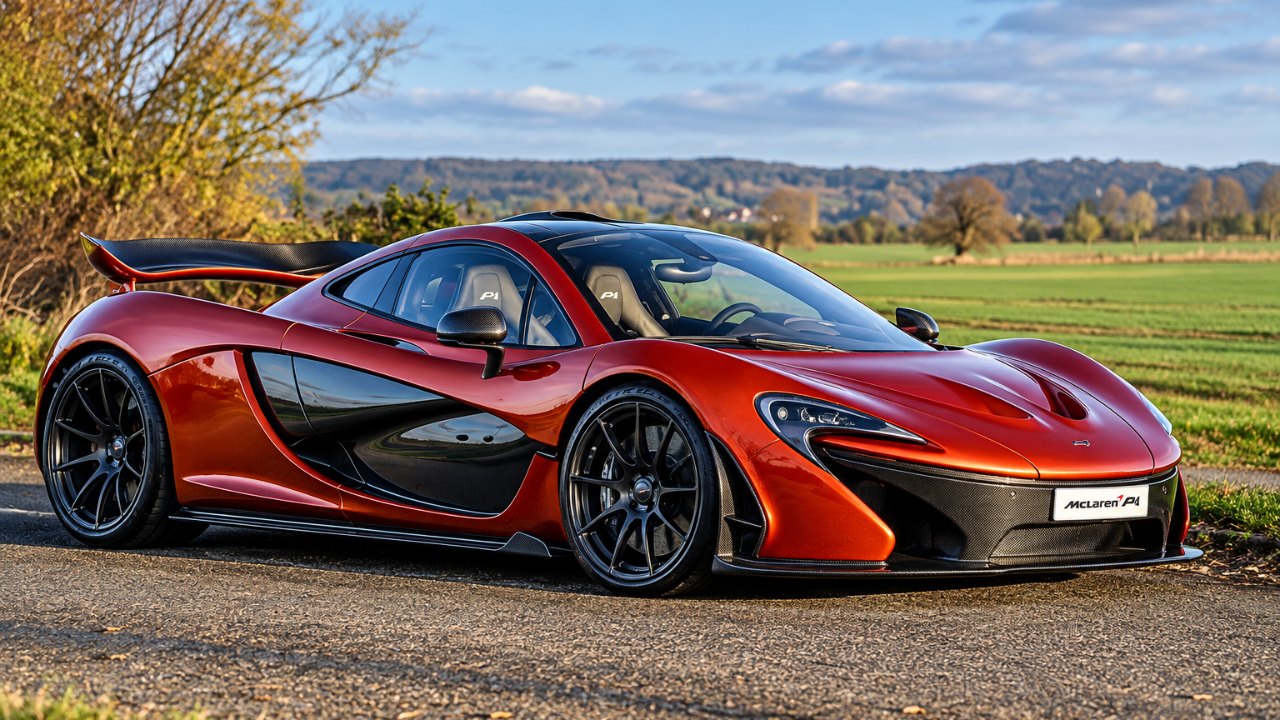
McLaren Automotive is committing £500 million, equivalent to about $675 million, to expand its manufacturing and engineering operations in the United Kingdom as the British performance-car maker prepares for one of the biggest product expansions in its history.
Announced on September 16, the investment will support a new UK assembly facility, additional engineering capacity, and the development of McLaren’s first-ever SUV.
The company expects the program to create around 1,000 direct and indirect jobs by 2032. Reuters reports that the investment is part of a wider commitment from McLaren’s Abu Dhabi-based shareholder, which has pledged £1.5 billion over the next five years.
The move marks an important change in direction for McLaren. The company has traditionally concentrated almost exclusively on lightweight sports cars and supercars, competing in a segment where production volumes are relatively low.
Adding an SUV would give McLaren access to a much larger luxury-vehicle market while allowing the brand to increase production and broaden its customer base.
McLaren says the UK investment will strengthen manufacturing and engineering capabilities while supporting its next generation of vehicles. The company is also bringing more engine and transmission development and production in-house.
New Assembly Plant and More In-House Technology
A central part of the £500 million program will be a new vehicle assembly facility in the UK. McLaren already manufactures its road cars at facilities in Woking, Surrey. The additional plant is expected to give the company greater production capacity as it expands beyond its traditional supercar range.
Reuters reports that McLaren produced around 2,000 cars in 2025. The relatively low volume reflects its position as a specialist performance manufacturer, but the company now wants to increase scale without abandoning its focus on engineering and performance.
McLaren has not yet revealed the exact location, capacity, or construction timetable for the new plant. However, the facility is expected to become an important part of the company’s future manufacturing operations.
McLaren will also increase its ability to develop and build engines and transmissions internally. That could give the company greater control over future powertrain development and reduce its reliance on external suppliers.
The company has not announced detailed specifications for the upcoming SUV. It has confirmed that the vehicle will be performance-oriented and form part of its broader expansion program.
Developing an SUV presents a different engineering challenge from building a lightweight supercar. McLaren will need to balance greater size, weight and practicality with the performance characteristics associated with the brand.
That could require extensive work on weight reduction, suspension tuning, aerodynamics and powertrain calibration.
McLaren’s lightweight approach has historically been central to its road cars. Applying that philosophy to an SUV will be difficult because SUVs generally require more structural material, additional equipment and greater ground clearance.
The investment gives McLaren additional resources to tackle those requirements while keeping development and manufacturing activities in Britain.
McLaren Enters the SUV Market
The first McLaren SUV will put the company into a segment that has become increasingly important for luxury performance manufacturers.
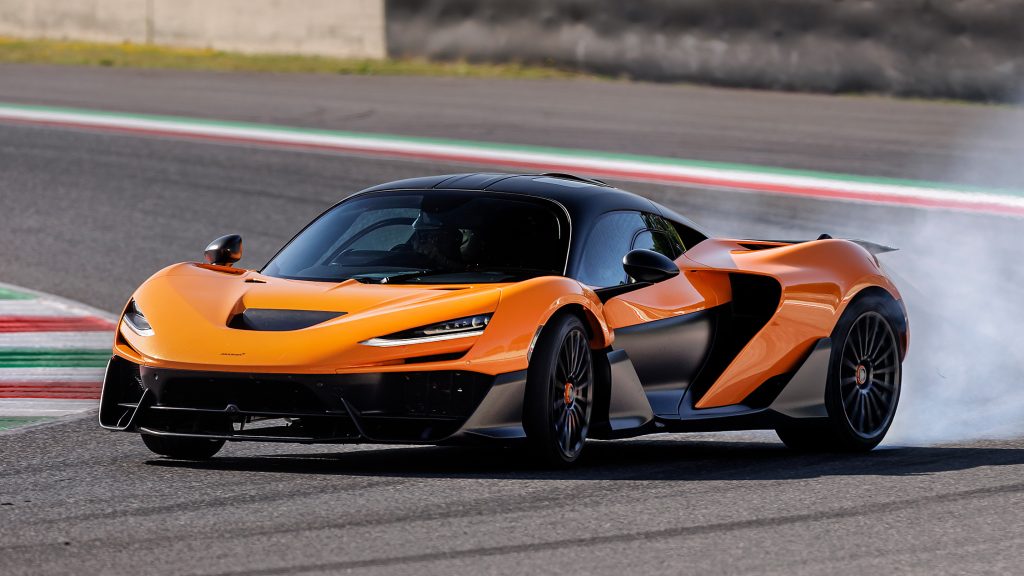
Ferrari launched the Purosangue, Lamborghini sells the Urus, Aston Martin has the DBX, Porsche offers the Cayenne, and Bentley produces the Bentayga. These vehicles have expanded their brands beyond traditional sports-car buyers.
McLaren has previously maintained a narrower focus on sports cars and supercars. Its decision to enter the SUV market reflects the segment’s commercial importance.
Reuters reports that McLaren expects the SUV to increase sales and improve profit margins, helping the company move closer to the financial performance of larger luxury manufacturers such as Ferrari.
The potential benefit extends beyond sales volume. SUVs can attract customers who want practicality, higher seating and additional cargo capacity while still expecting strong performance.
The SUV could therefore introduce McLaren to buyers who might never consider a low-slung supercar.
However, the company will need to distinguish the vehicle from established luxury SUVs. McLaren has not yet confirmed its name, dimensions, production volume, or launch date.
It has also not confirmed whether the SUV will be fully electric, hybrid, or powered by an internal-combustion engine. Reuters reports that McLaren currently has no plans for a battery-electric vehicle, with executives citing a lack of customer demand.
That position differs from several competitors that have already introduced or announced electric models.
McLaren is instead concentrating on powertrain technology that it believes fits its performance objectives. Greater control over engine and transmission development could become particularly important if the company continues prioritizing combustion and hybrid systems.
A Broader Business Strategy Under New Ownership
The £500 million investment comes after a major period of change for McLaren. The company is now backed by L’IMAD, the sovereign investment arm associated with the Government of Abu Dhabi. Reuters reports that the shareholder has committed £1.5 billion over five years, providing McLaren with substantial capital to expand its operations and product range.
McLaren has also moved toward a build-to-order production model designed to improve residual values and reduce unsold inventory at dealers, according to Reuters.
That strategy is particularly relevant for a low-volume luxury manufacturer. Producing too many vehicles can require discounts that affect resale values, while producing too few can create supply shortages. Build-to-order production allows McLaren to align manufacturing more closely with customer demand.
The new SUV could eventually give the company additional production volume while allowing it to maintain this approach.
McLaren’s challenge will be finding the right balance between growth and exclusivity. Increasing production can improve revenue and spread development costs across more vehicles, but excessive volume could change the characteristics that distinguish the brand from larger luxury manufacturers.
The company is therefore investing not simply in another model, but in the infrastructure needed to support a larger business.
The expected creation of approximately 1,000 direct and indirect jobs by 2032 illustrates the scale of the expansion. The positions will be connected to manufacturing, engineering and the wider supply chain.
Keeping these activities in the UK is also significant for Britain’s automotive manufacturing sector. For McLaren, maintaining a strong British manufacturing base allows the company to connect its future products with the engineering identity associated with the brand.
The first SUV will ultimately determine how successfully McLaren can transfer that identity into a completely different vehicle category.
The company is entering a market where established competitors already have extensive experience and large production facilities. McLaren will therefore need to differentiate its SUV through performance, design, and engineering rather than simply relying on its badge. The £500 million investment gives it the resources to attempt that transition.
The new assembly facility should provide additional production capacity, while greater control over engines and transmissions could allow McLaren to develop technologies specifically around future vehicles. The SUV will be the most visible product of this strategy, but the investment is intended to support a broader range of models.
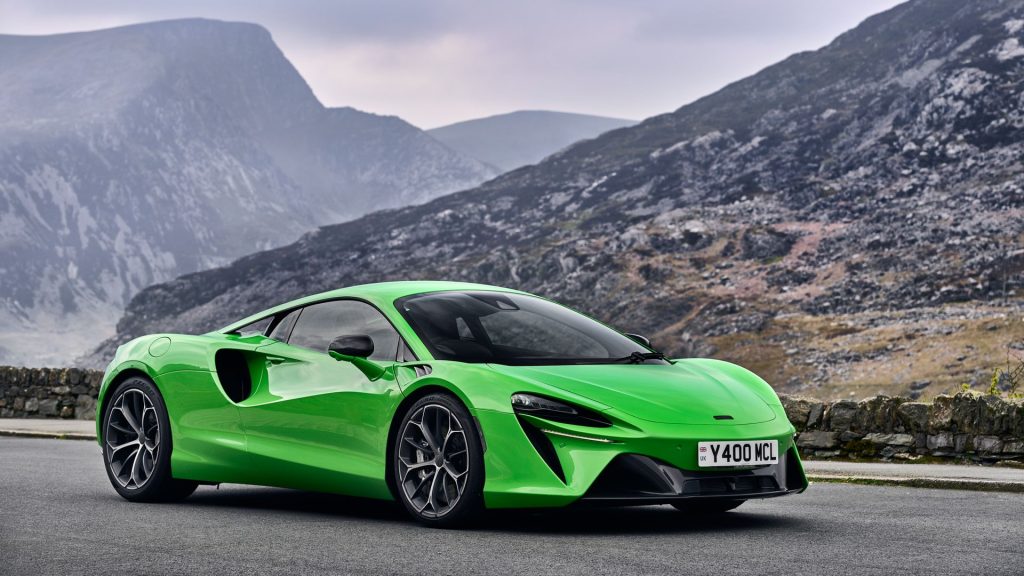
McLaren has not yet provided a complete timetable for the SUV or detailed information about its powertrain. Those details are expected to emerge as development progresses.
For now, the confirmed investment represents a major expansion beyond McLaren’s traditional supercar business. The company is putting significant capital into British manufacturing, adding engineering capacity and preparing to enter one of the most commercially important segments in the luxury automotive market.
The strategy allows McLaren to increase sales without abandoning its UK manufacturing base. If the SUV successfully combines the practicality expected from the segment with McLaren’s performance-focused engineering approach, it could become the foundation of a broader product portfolio.
The next few years will determine how far McLaren can expand while retaining the characteristics that have defined its road cars. For now, the £500 million UK program puts its first SUV at the center of the company’s planned transformation.
