

Putting off a car repair might save you money today, but that small decision can snowball into a much bigger bill down the road. Some problems stay manageable if caught early, yet turn into full-blown disasters the longer they’re ignored. Brakes, belts, fluids, and even something as simple as wiper blades all fall into this trap, quietly getting worse while you tell yourself you’ll deal with it later.
The good news is that recognizing these warning signs early can save you thousands of dollars and keep you safer behind the wheel. Let’s break down eleven repairs that punish procrastination the hardest.
1. Brake Pad Replacement
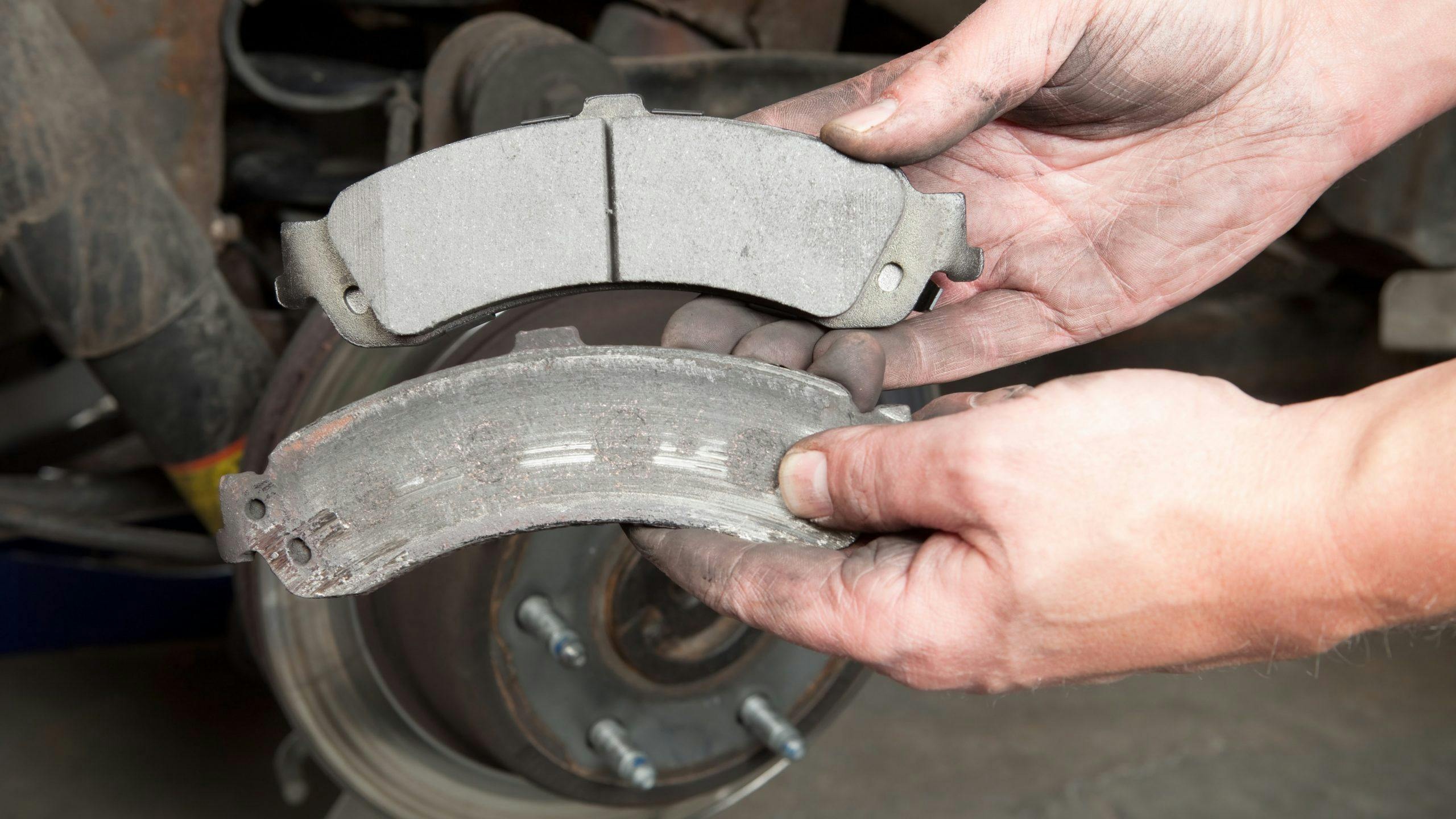
That squealing sound coming from your wheels isn’t just annoying; it’s your brake pads practically begging for attention before things get worse.
Brake pads wear down gradually through normal use, and manufacturers build in wear indicators specifically to warn drivers before the situation turns dangerous.
Squealing typically signals the first stage of wear, while grinding noises mean metal is now scraping against metal, a sign that pads have worn down completely.
Once you reach that grinding stage, the damage extends well beyond just the pads themselves. Rotors take the brunt of that metal-on-metal contact, developing grooves and uneven surfaces that compromise braking performance considerably.
Replacing worn pads alone might cost you somewhere between $150 and $300 depending on your vehicle, but waiting until rotors need resurfacing or full replacement can easily double or triple that bill. Stopping distance suffers dramatically as pads wear thin, creating a genuine safety hazard every time you hit the road.
Wet weather makes this problem even more dangerous, since reduced friction combined with worn pads extends stopping distance considerably compared to a properly maintained braking system.
Emergency stops become far riskier, and that risk only grows the longer this repair gets postponed.
Regular brake inspections during routine maintenance visits catch this wear early, letting you replace pads before rotor damage becomes part of the equation.
That simple habit alone can save hundreds of dollars while keeping your family considerably safer every time you’re behind the wheel.
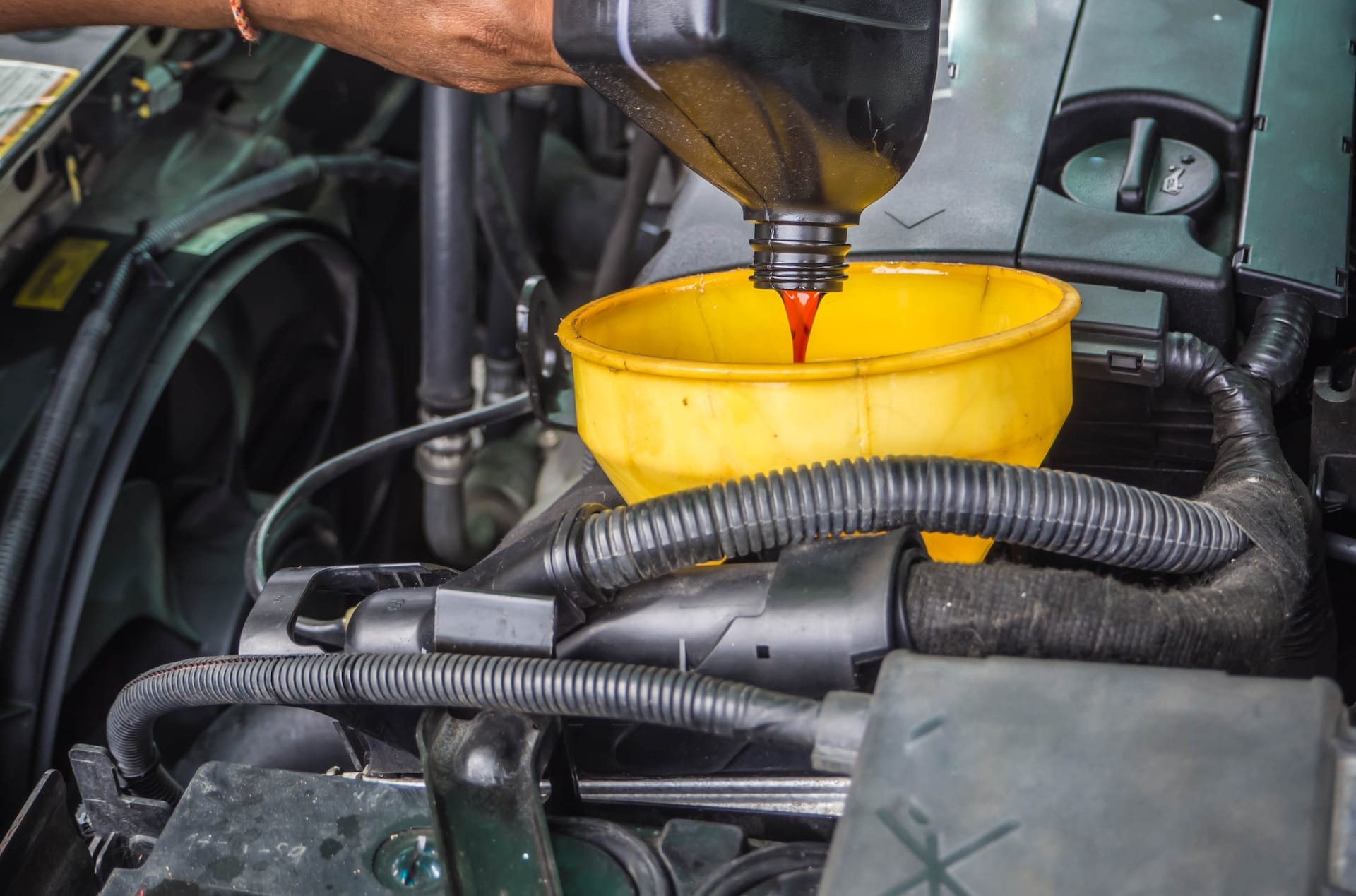
2. Oil Change
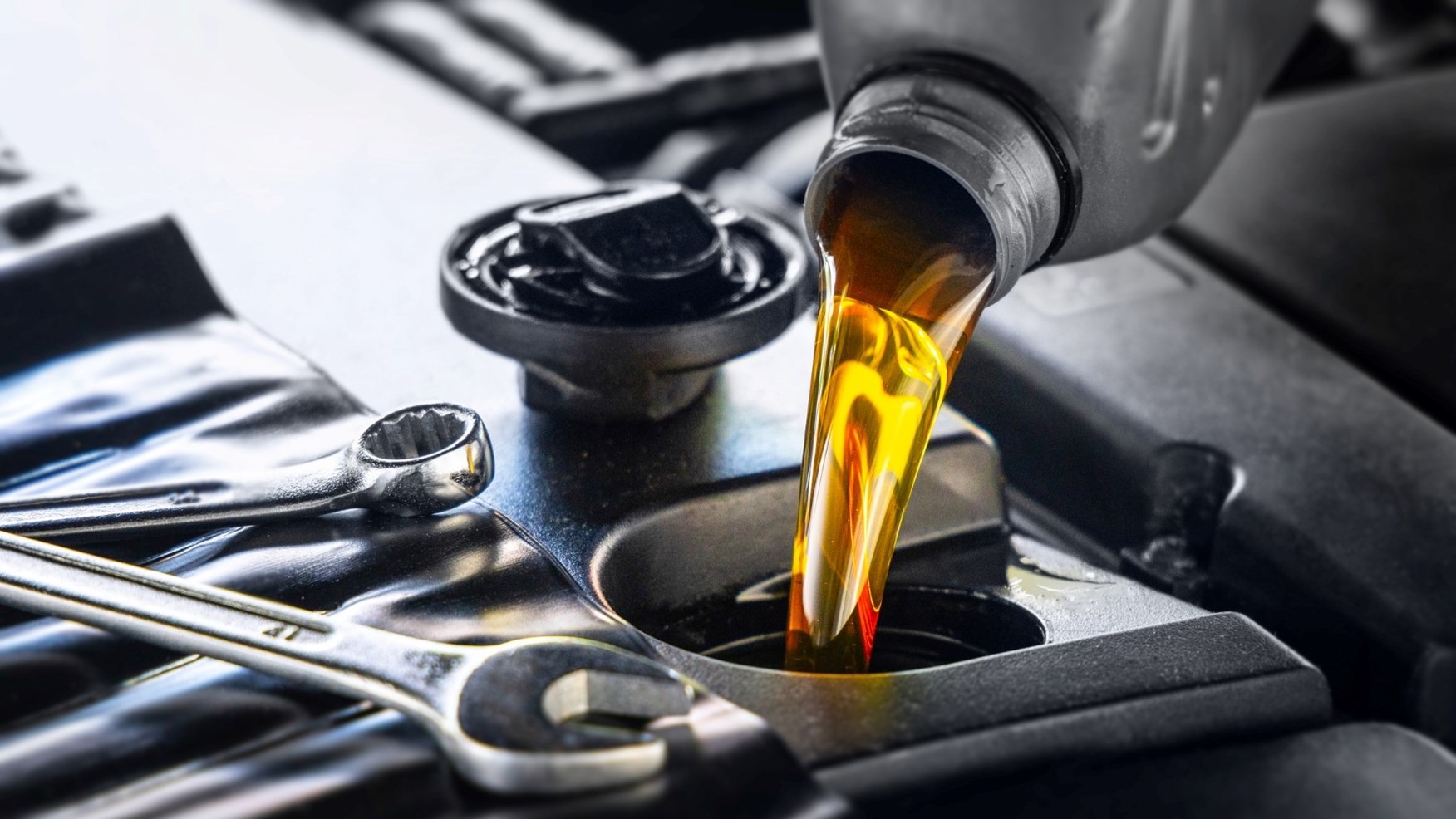
Fresh engine oil does much more than make a maintenance schedule look complete. It forms a protective film between moving engine parts, helping limit friction and heat.
As oil ages, contaminants collect in it, additives lose effectiveness, and lubrication can become less effective. Driving with neglected oil can promote deposits and sludge, while low oil levels can create even more severe problems.
Consider what happens inside the engine: pistons, bearings, camshafts, and other parts move thousands of times during ordinary driving. They depend on proper lubrication. If that protection becomes inadequate, wear can accelerate.
Excess heat may follow, and damaged components can produce symptoms such as ticking, knocking, poor performance, or warning lights. Do not rely only on mileage if your vehicle has an oil-life monitoring system.
Driving conditions, engine design, oil type, and manufacturer recommendations all affect service timing. Check the level regularly and use the specified oil and filter.
A relatively inexpensive oil service can help prevent repairs involving internal engine components, which can cost far more and keep your car off the road for days.
Regular service also gives a technician a chance to spot leaks, deposits, or other clues that deserve attention before they become costly.
3. Timing Belt Replacement
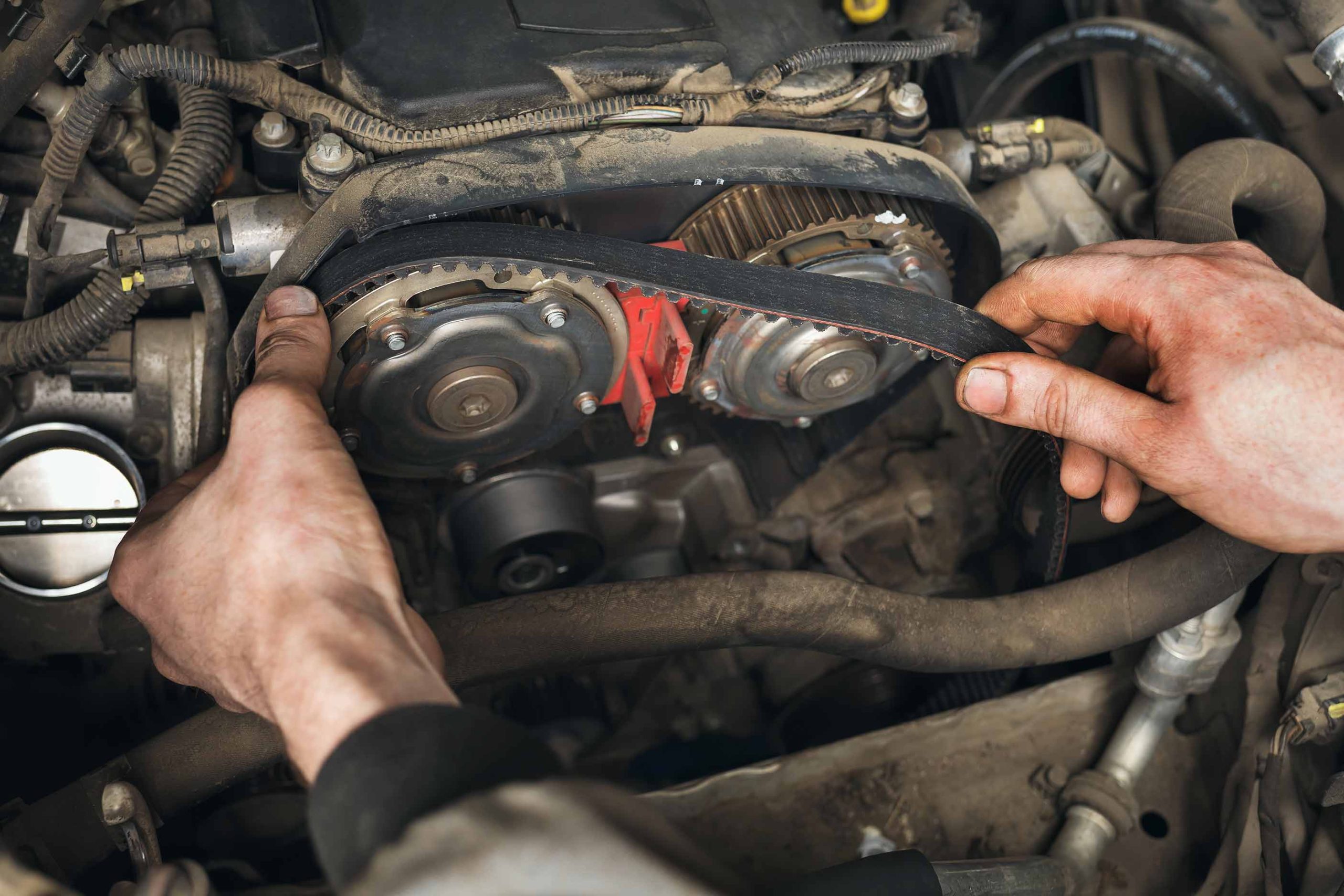
A timing belt can seem unimportant because you rarely see it, yet your engine depends on it every second. It keeps the crankshaft and camshaft synchronized so the valves open and close at the right time.
If the belt breaks while you’re driving, the engine can stop, and the repair may be far more serious than replacing the belt. The risk is high with interference engines. In these designs, pistons and valves move through areas that would overlap if their timing were lost.
A broken belt can let the piston hit an open valve, bending valves or damaging pistons. In severe cases, the engine may need major rebuilding or replacement entirely.
That is why manufacturers provide specific replacement intervals, often around 60,000 to 100,000 miles, although the correct schedule varies by vehicle. Waiting for warning signs is risky because timing belts can fail without much notice.
A scheduled replacement may cost several hundred dollars to around $1,000, depending on the vehicle and labor. Replacing related parts, such as the water pump and tensioners, may also make sense during the same service.
Spending money on scheduled maintenance is far easier than dealing with engine damage and an unexpected repair bill soon.
4. Coolant Flush / Radiator Maintenance
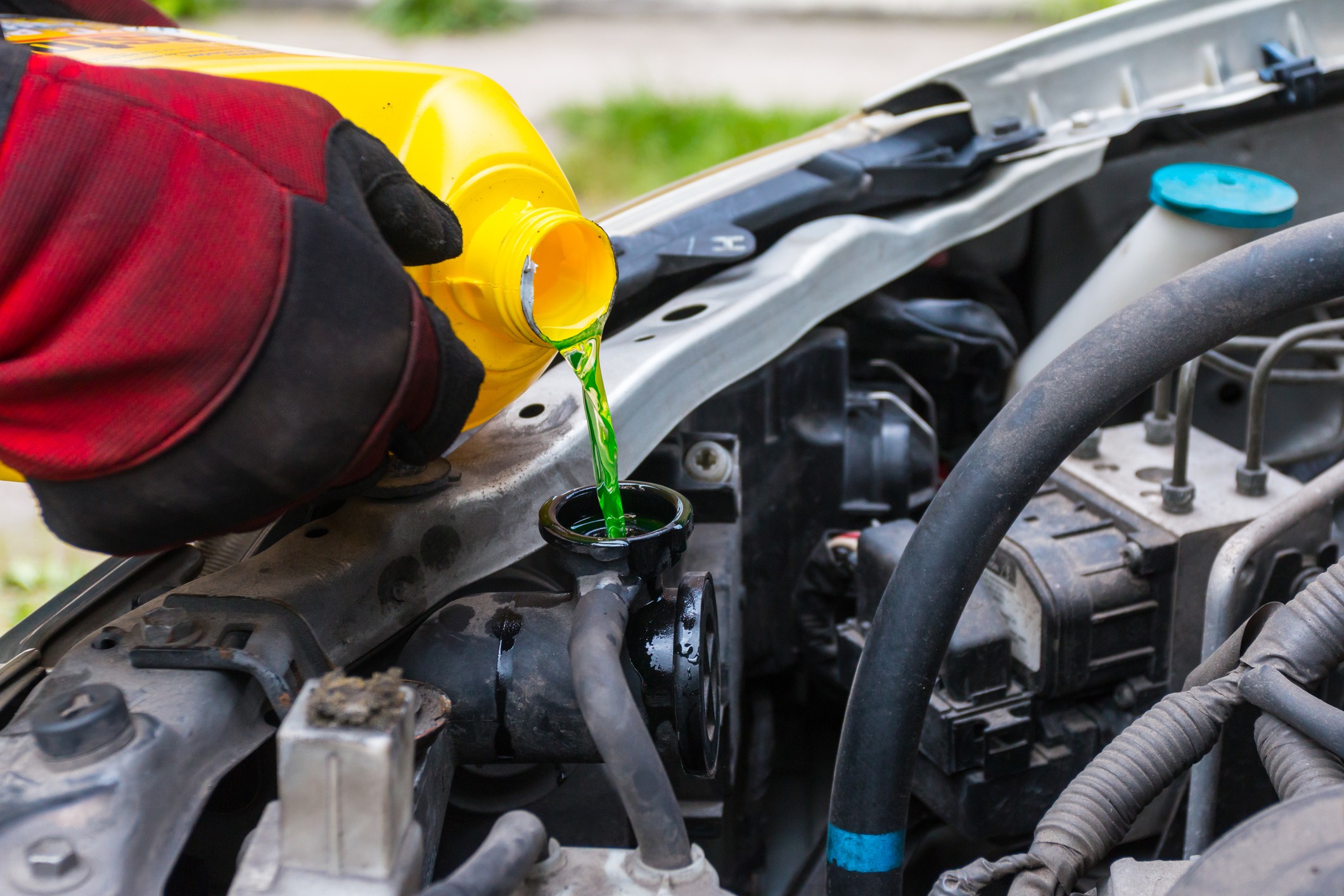
Your engine produces an amount of heat, and the cooling system has the job of keeping that temperature under control. Coolant does more than prevent freezing. It helps carry heat away from the engine, protects metal components from corrosion, and protects the cooling system.
As coolant ages, its protective additives can weaken and contaminants can build up. That can reduce the system’s ability to manage heat. A neglected cooling system may eventually lead to overheating, and repeated overheating can cause costly engine damage.
One major concern is the head gasket, which seals the engine block and cylinder head while keeping oil, coolant, and combustion gases apart.
Excessive heat can damage that seal, allowing fluids to mix or combustion pressure to enter the cooling system. Repairs can easily cost thousands of dollars, depending on the vehicle and extent of damage.
Routine coolant service is far less expensive. Many vehicles require a coolant change at a manufacturer-specified interval, although the schedule varies by coolant type and vehicle.
Check the coolant level and watch for warning signs such as a rising temperature gauge, leaks, or a sweet smell. Addressing those symptoms early can help prevent a cooling-system problem from becoming major engine damage.
5. Transmission Fluid Replacement
A transmission can hide its distress until the problem becomes hard to miss. Perhaps the car hesitates before moving, changes gears harshly, slips during acceleration, or produces an unusual sound.
Fluid condition can play a role in these symptoms, because automatic and continuously variable transmissions rely on properly specified fluid for lubrication, cooling, and hydraulic operation.
Fluid that is old, contaminated, low, or incorrect for the transmission can contribute to wear. Once internal clutches, bearings, gears, or other parts become damaged, a fluid service alone may not solve the problem. A rebuild or replacement can cost thousands of dollars, depending on the vehicle.
There is no single service rule for every transmission. Some manufacturers specify fluid replacement at certain intervals, while others use different maintenance plans.
Your owner’s manual is the right starting point. A technician can also inspect the fluid condition, check for leaks, and scan for stored transmission faults.
Do not assume that a transmission problem will correct itself because the vehicle still moves. A small leak can lower fluid enough to cause damage, and repeated hard changes can place additional stress on internal parts.
Addressing a warning sign early gives you a better chance of correcting the cause before internal damage spreads.
6. Tire Replacement
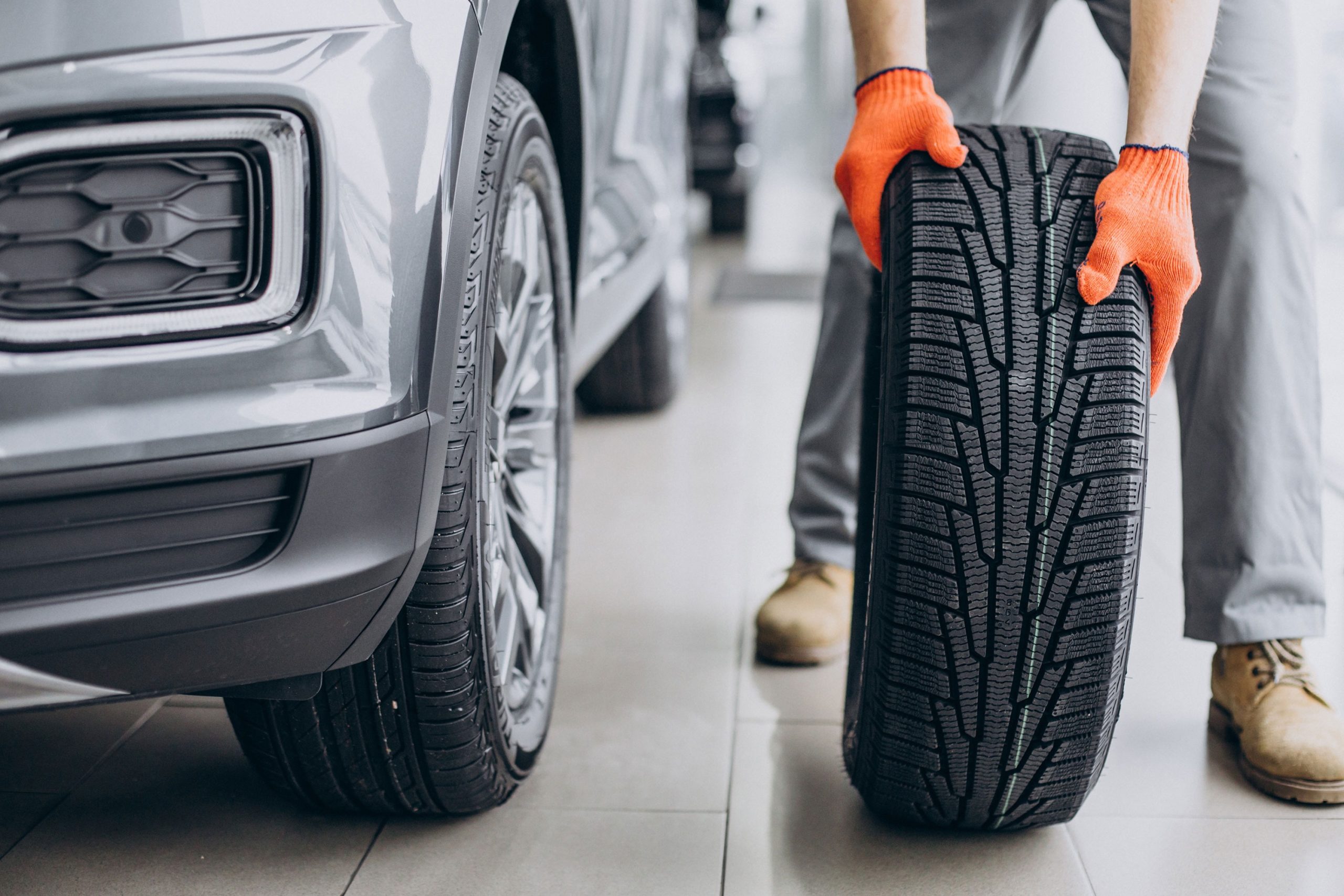
Look closely at your tires before assuming they have plenty of life left. Tread depth matters, but so do cracks, bulges, uneven wear, age, and damage from potholes or curbs.
A tire with poor tread has less ability to channel water away from the contact patch, which can reduce grip on wet roads. A damaged sidewall can present an even more urgent concern.
Uneven wear deserves attention for another reason. It may point to incorrect alignment, worn suspension parts, improper inflation, or other mechanical issues. Installing new tires without correcting the cause can lead to another set wearing prematurely. In severe cases, a damaged or badly worn tire can fail while driving.
Use the tire manufacturer’s guidance and the vehicle placard for inflation information, and inspect the tread indicators built into the tire. If wear is near the legal or manufacturer-recommended limit, replacement should not be postponed.
Tires are the only parts of the vehicle directly contacting the road, so their condition affects acceleration, braking, steering, and stability.
Replacing tires before they become dangerously worn can also give you time to compare appropriate sizes, ratings, and options instead of making a rushed purchase after a failure. Replace tires before failure.
7. Battery Replacement
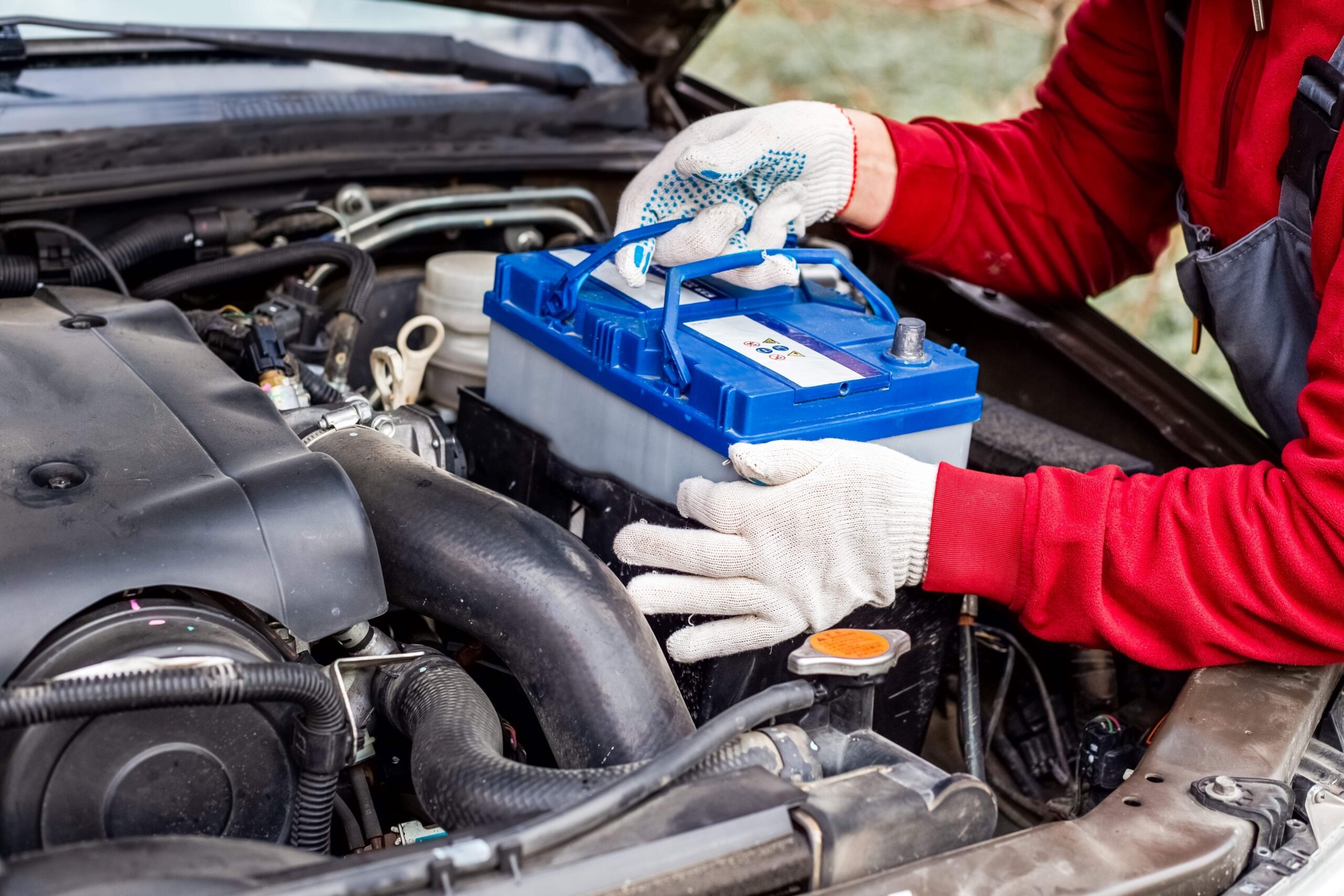
A weak battery often announces itself in small ways. The starter may sound slower than usual, interior lights may dim during startup, or electronic systems may behave strangely after the vehicle sits for a while.
These clues can be easy to dismiss until the engine refuses to start when you need the car most. Repeated jump-starts are not a substitute for diagnosing the cause.
A battery may be reaching the end of its service life, but a charging-system problem, poor connection, parasitic electrical drain, or another fault can produce similar symptoms. Replacing the battery without checking the system may leave you with the same problem.
When a battery tests weak or repeatedly struggles to start the vehicle, have it tested along with the charging system. A technician can check battery condition, terminal connections, alternator output, and related electrical readings. Keeping terminals clean and secure can also support reliable starting.
Battery failure usually does not destroy an engine, but it can create inconvenient roadside situations and, in some vehicles, trigger a cascade of electronic warnings after voltage drops.
Prompt testing lets you separate a worn battery from a deeper electrical issue. Replacing the battery at the proper time is generally easier than dealing with an unexpected no-start situation.
8. Spark Plug and Ignition System Repair
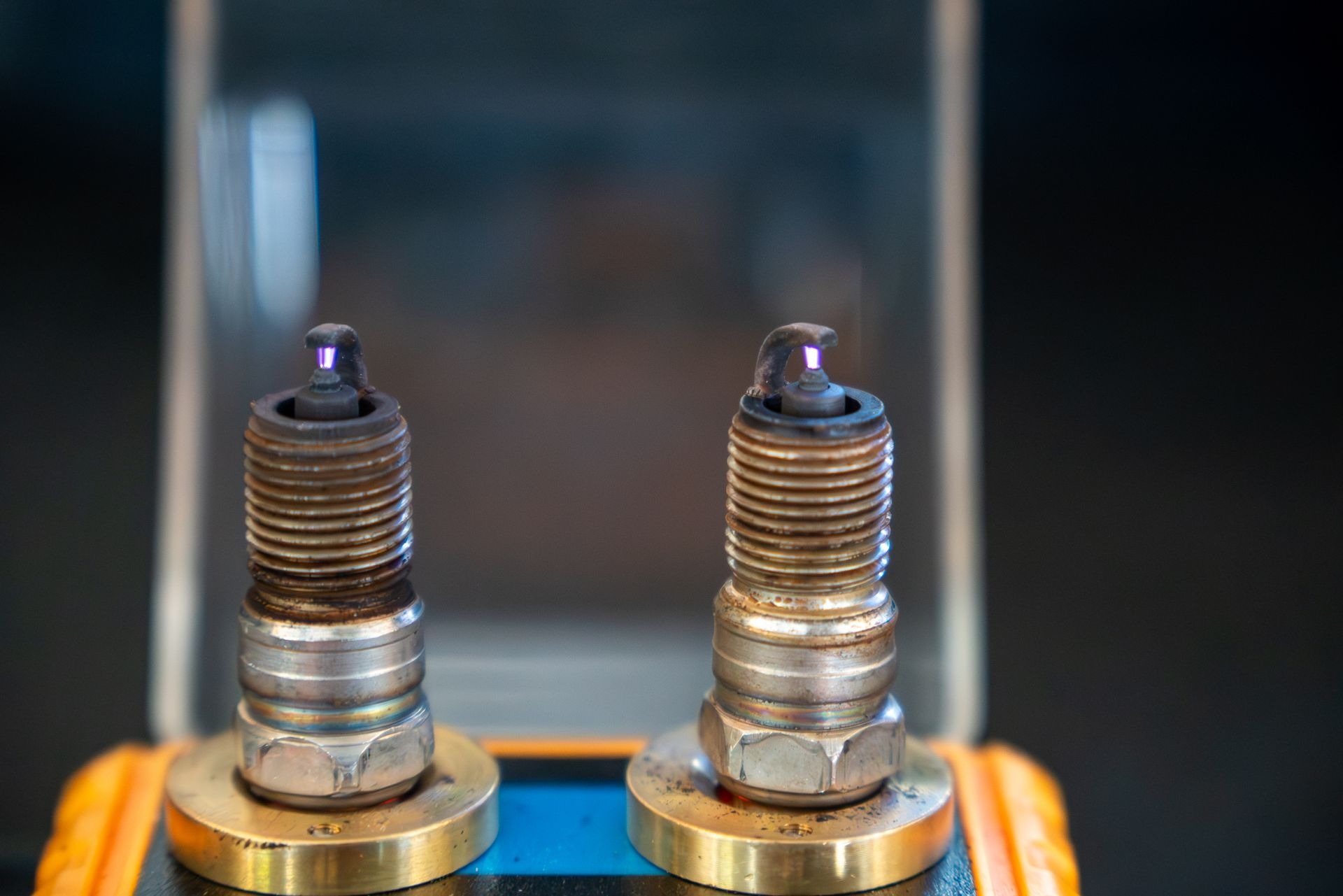
An engine that shakes at idle or hesitates when you accelerate may be asking for ignition-system attention. Spark plugs create the spark needed to ignite the air-fuel mixture, while ignition coils and related components help deliver that spark at the correct moment.
When one part fails, the engine may misfire instead of burning the mixture cleanly. The warning signs can include rough running, reduced fuel economy, poor acceleration, or a check engine light.
A persistent misfire deserves prompt diagnosis because unburned fuel can enter the exhaust. Excess heat from that condition may damage the catalytic converter, turning a relatively small ignition repair into a much larger exhaust-related expense.
Spark plug service intervals vary by vehicle and plug design, so the maintenance schedule should guide replacement. If a plug fails early, the cause should be investigated rather than assuming all plugs are simply worn out.
Faulty coils, wiring, fuel delivery problems, or mechanical issues can produce similar symptoms. If the check engine light flashes while the engine is running poorly, reduce driving and seek professional diagnosis promptly.
Continuing to operate a severely misfiring engine can increase emissions and repair costs. Timely ignition service can restore smooth operation and help protect other components from avoidable stress.
9. Suspension and Steering Repairs
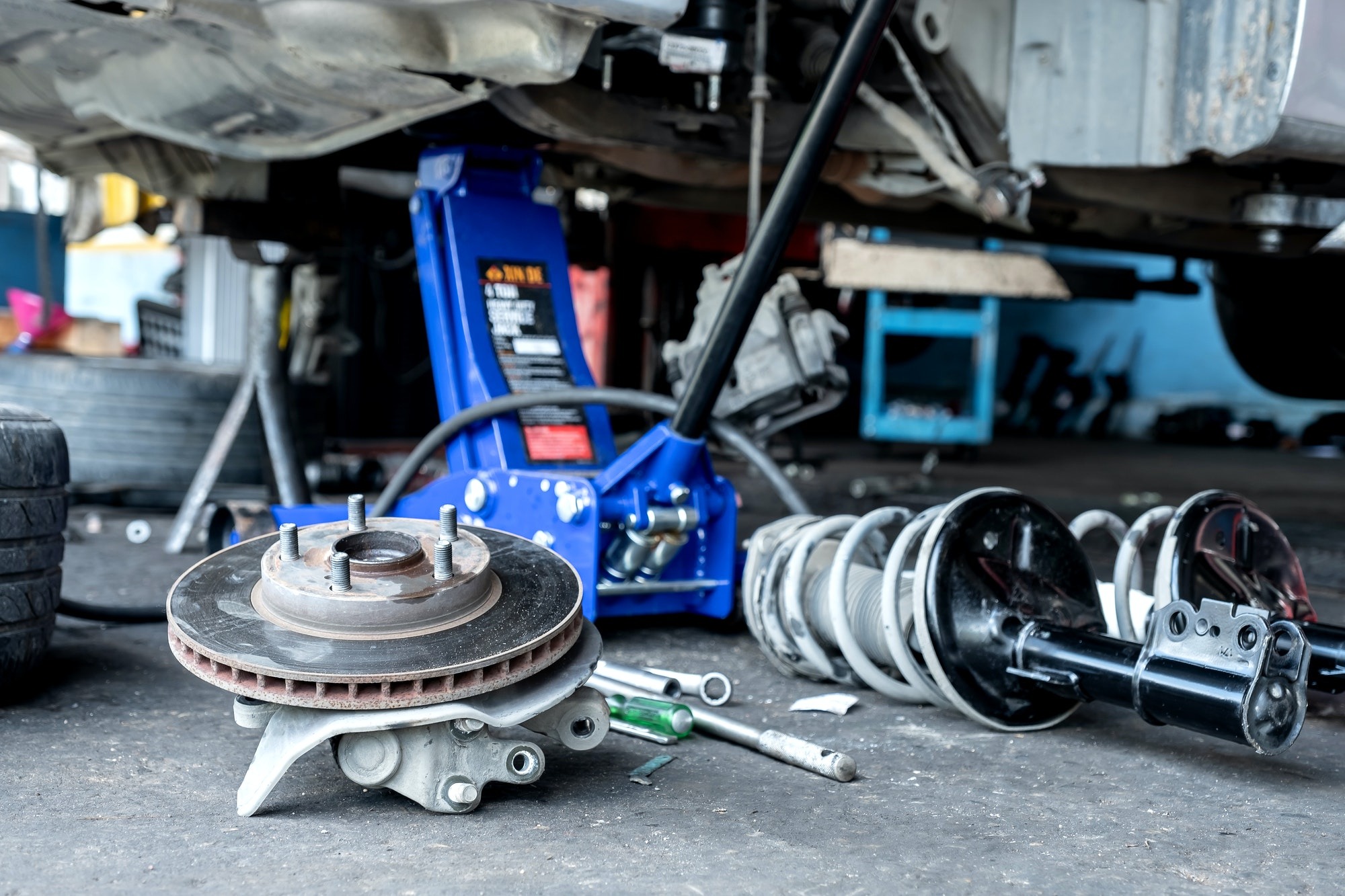
A car that bounces excessively, pulls to one side, clunks over bumps, or feels loose through the steering wheel should earn your attention. Suspension and steering components work together to keep the tires planted and the driver in control.
Worn shocks, struts, ball joints, tie rods, bushings, wheel bearings, or related parts can affect handling in ways that become more noticeable during sudden braking or evasive maneuvers.
Here is why delay can be expensive: one worn component can create abnormal movement or tire wear, while that condition places additional demands on nearby parts. Misalignment can also wear tires unevenly.
A repair that began as a single worn joint may therefore become a broader suspension, steering, tire, and alignment job. Do not judge the problem solely by how comfortable the ride feels.
Some worn steering components may have little effect on ride comfort while still affecting control. Unusual play, knocking, uneven tire wear, or a steering wheel that no longer sits straight should be inspected.
A qualified technician can raise the vehicle, check for looseness, inspect mounting points, and measure alignment when needed. Addressing the source early can help preserve tire life and vehicle control.
If steering suddenly becomes difficult or unusually loose, stop driving when safe and arrange an inspection.
10. Exhaust System Repairs
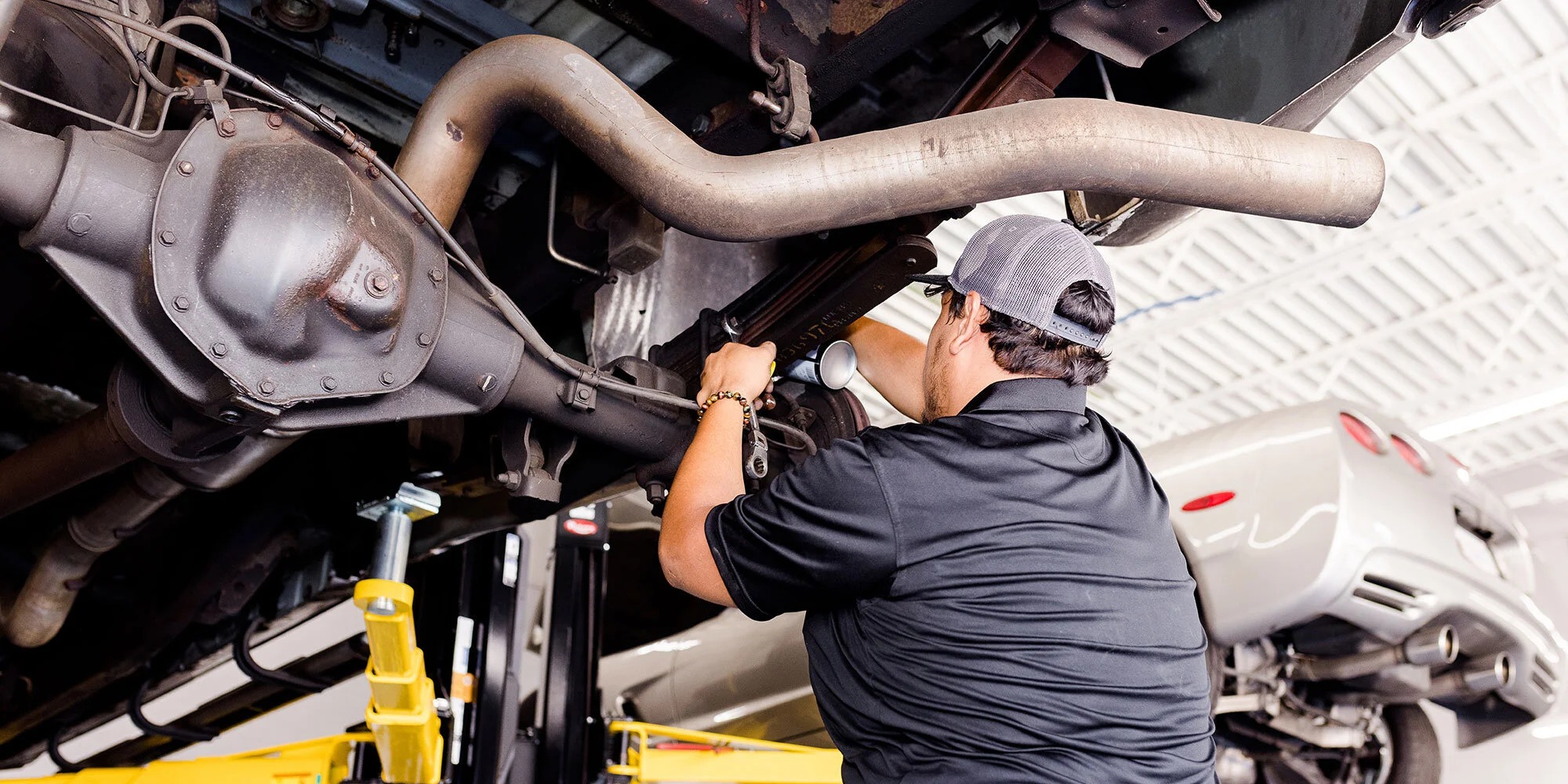
A louder exhaust note is not always just an annoyance. A leak can develop from corrosion, road damage, a failed gasket, or a cracked component. Depending on its location, the leak may create noise, affect emissions equipment, or allow exhaust gases to enter areas where they should never be.
Exhaust gases can contain carbon monoxide, an odorless and dangerous gas. A leak near the passenger compartment deserves prompt attention, especially if occupants experience headaches, dizziness, nausea, or unusual exhaust smells inside the cabin.
A vehicle should be inspected rather than relying on ventilation to solve the issue. There is a financial reason to act early, too. Exhaust problems can place heat or abnormal flow around nearby components, while issues involving oxygen sensors or other emissions equipment can trigger warning lights.
A small repair may become more involved if a damaged component continues to deteriorate. Pay attention to rattling, hissing, visible rust holes, reduced performance, or a check engine light associated with an emissions fault.
Repairing a leak or failed exhaust component according to the vehicle’s requirements can help maintain proper operation and emissions performance.
Local inspection and emissions rules vary, so owners should also check the requirements that apply to their vehicle. Prompt diagnosis is safer and can prevent a small exhaust defect from becoming a larger repair.
11. Windshield Wiper Replacement
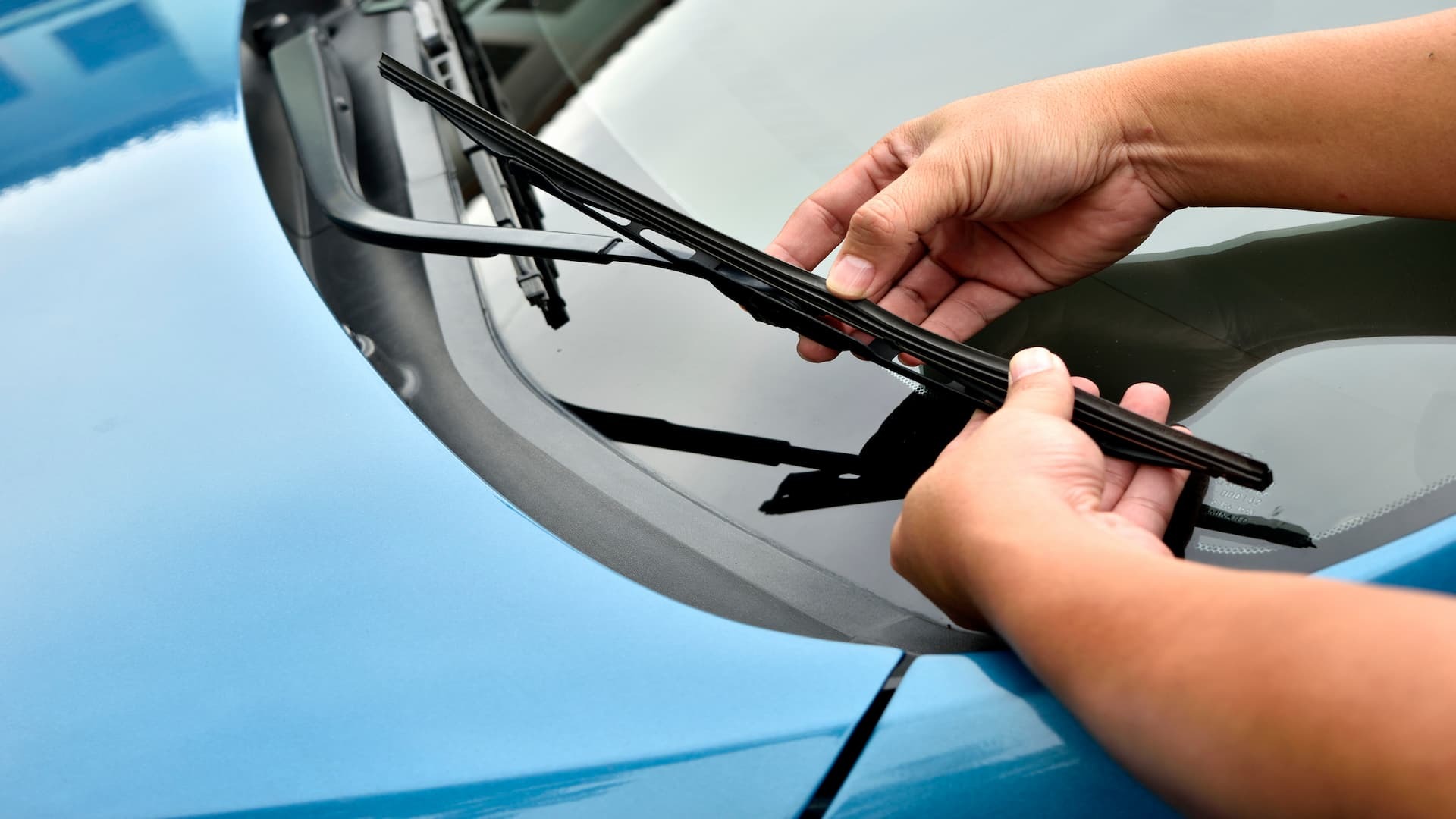
Wiper blades may look like one of the least urgent items on a vehicle, but their condition matters most when visibility is already poor. If a blade leaves streaks, skips across the glass, squeaks loudly, or leaves sections untouched, rain or melting snow can quickly become harder to see through. That can make an ordinary drive far more stressful.
The problem is not limited to dirty glass. Worn rubber can separate from the blade frame, allowing metal or hard components to contact the windshield.
Continued use may scratch the glass, and windshield replacement can cost far more than a set of wiper blades. A damaged blade can also fail when you need it during a sudden storm.
Inspect the blades periodically, especially before seasons that bring frequent rain or snow. Clean the windshield and blade edges, but replace blades when cleaning no longer restores clear wiping.
Choose the correct size and attachment style for your vehicle, and replace damaged components rather than trying to secure them temporarily. Keeping washer fluid filled is useful as well, since dry wiping can increase friction and wear.
Good visibility supports safer driving, and wiper replacement is a simple maintenance task with a modest cost. When the blades stop clearing the glass properly, waiting rarely provides much benefit.
