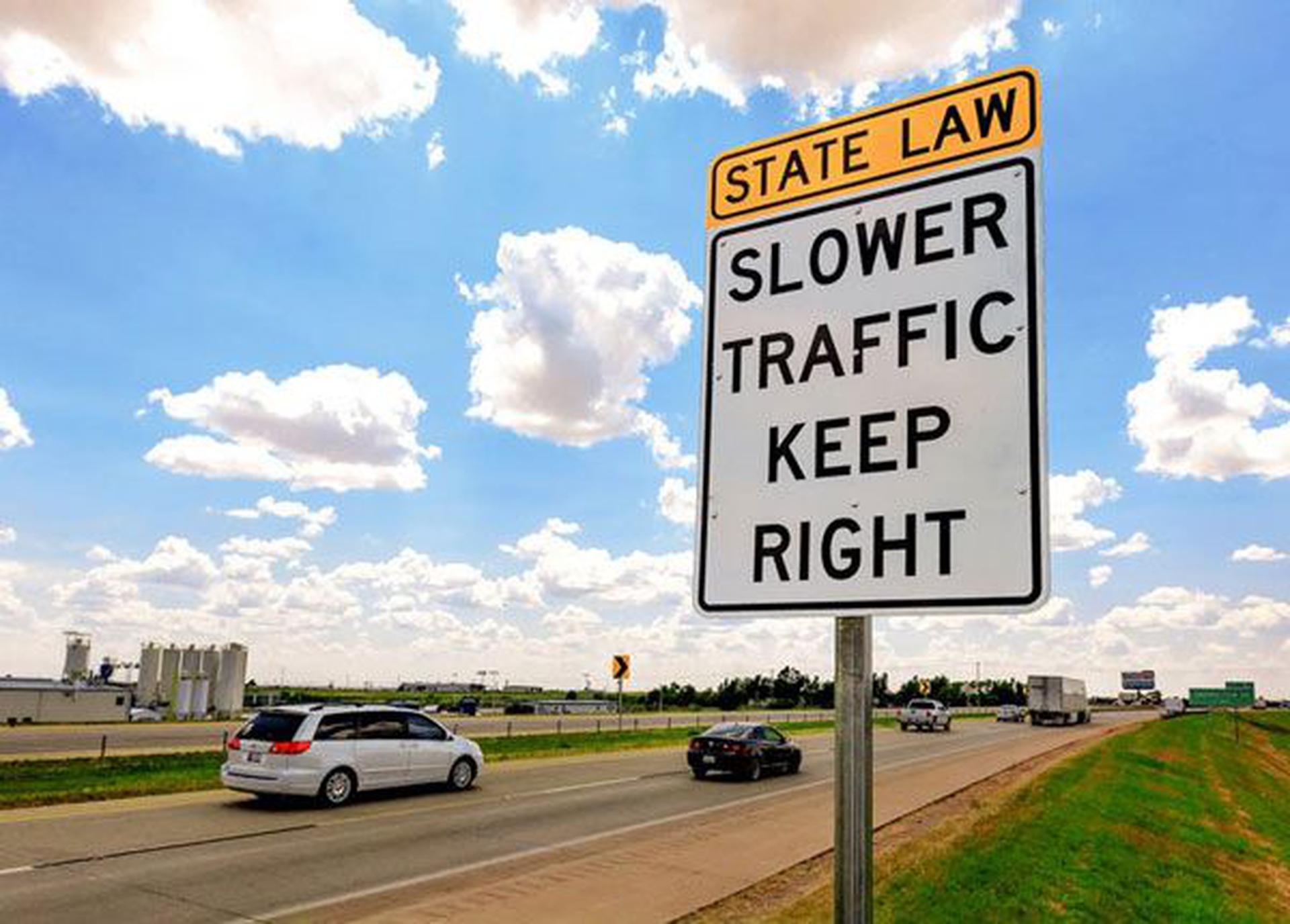
Safety rules can tell you a lot about how everyday life works in a country. In the United States, some safety requirements come from federal agencies, while others are created and enforced by individual states, counties, or cities. That means a rule you encounter in one state may look different somewhere else. From wearing a seat belt to stopping for a school bus, these requirements affect millions of people every day.
Some are familiar to American residents, while others may surprise visitors who are used to different traffic or workplace practices. Here are 10 safety rules and practices commonly associated with the United States, along with a closer look at what they actually require and why the details can vary by location.
1. Drive on the Right Side of the Road
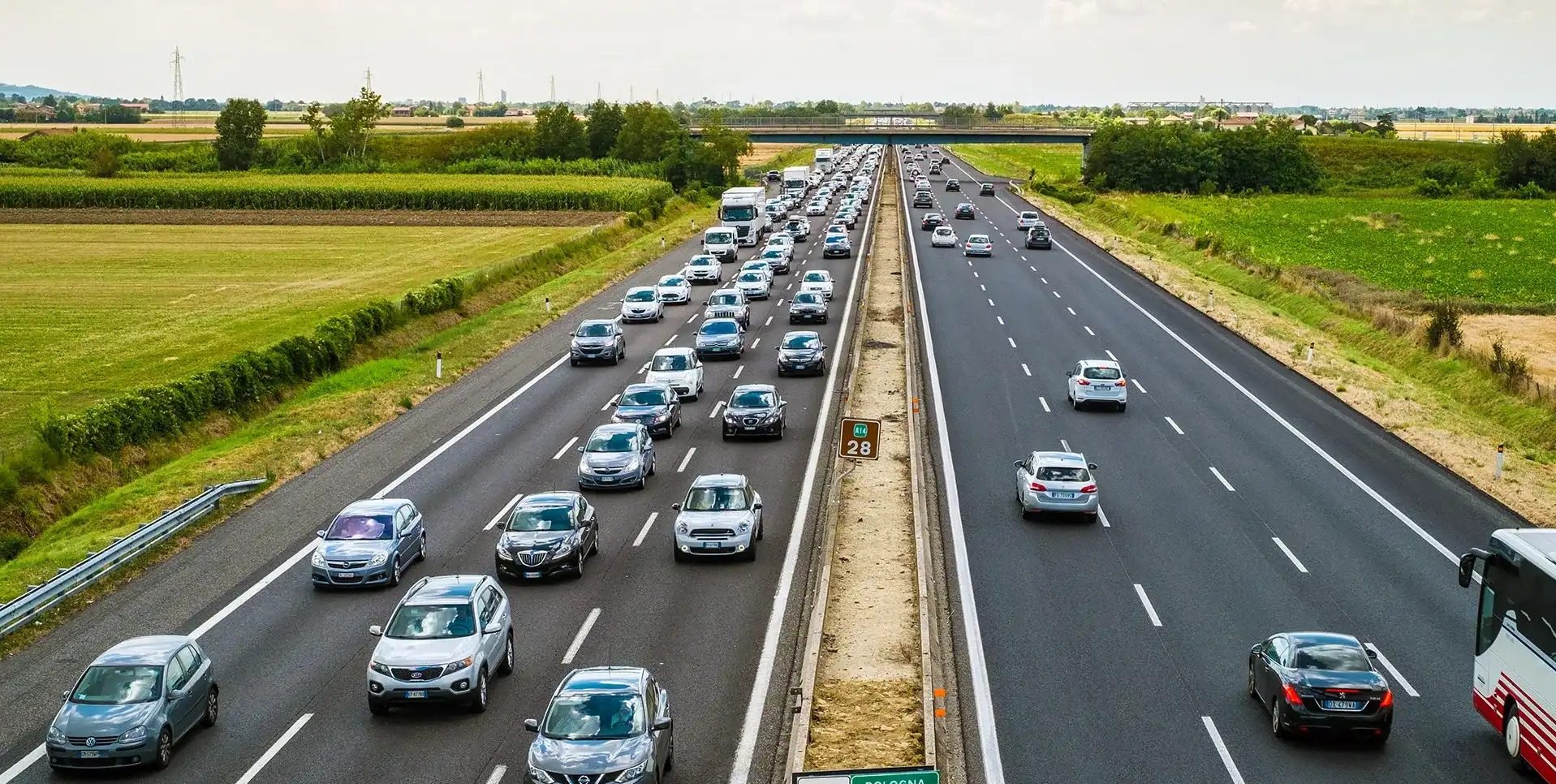
Anyone arriving in the United States from a left-hand-driving country faces the same adjustment period, and it’s worth taking seriously during those first few days behind the wheel. American roads follow right-hand traffic, meaning vehicles drive on the right and overtake on the left.
This convention holds consistently across all fifty states, making it one of the few genuinely uniform traffic rules in a country where so much else varies by location.
Highway design, signage, intersections, and turning rules all assume right-hand traffic as the baseline, so the entire system reinforces itself once you’re used to it.
One exception exists worth knowing about. The U.S. Virgin Islands drive on the left, a holdover from their history under Danish administration before the United States acquired the territory.
Visitors traveling there from the mainland occasionally get caught off guard by this difference, especially since road signs and vehicles themselves often follow American conventions despite the left-hand traffic pattern.
For drivers adjusting from left-hand traffic, the trickiest moments usually come at intersections, roundabouts, and when pulling out of parking lots, places where instinct kicks in faster than conscious thought.
Taking the first few days slowly, especially during unfamiliar turns, helps build the right habits before they’re tested under pressure. Rental car companies in tourist-heavy areas sometimes offer reminders on the dashboard for exactly this reason.
2. Seat-Belt and Child-Restraint Laws
Buckling up seems universal until you look closely at the actual legal requirements, where things get more varied than most people assume.
New Hampshire stands alone as the only state without a general adult seat-belt requirement for front-seat occupants. Every other state, along with Washington, D.C., requires front-seat passengers to wear seat belts, though enforcement approaches differ.
Some states allow officers to stop a vehicle purely for a seat-belt violation, while others only issue a citation after stopping a driver for something else entirely.
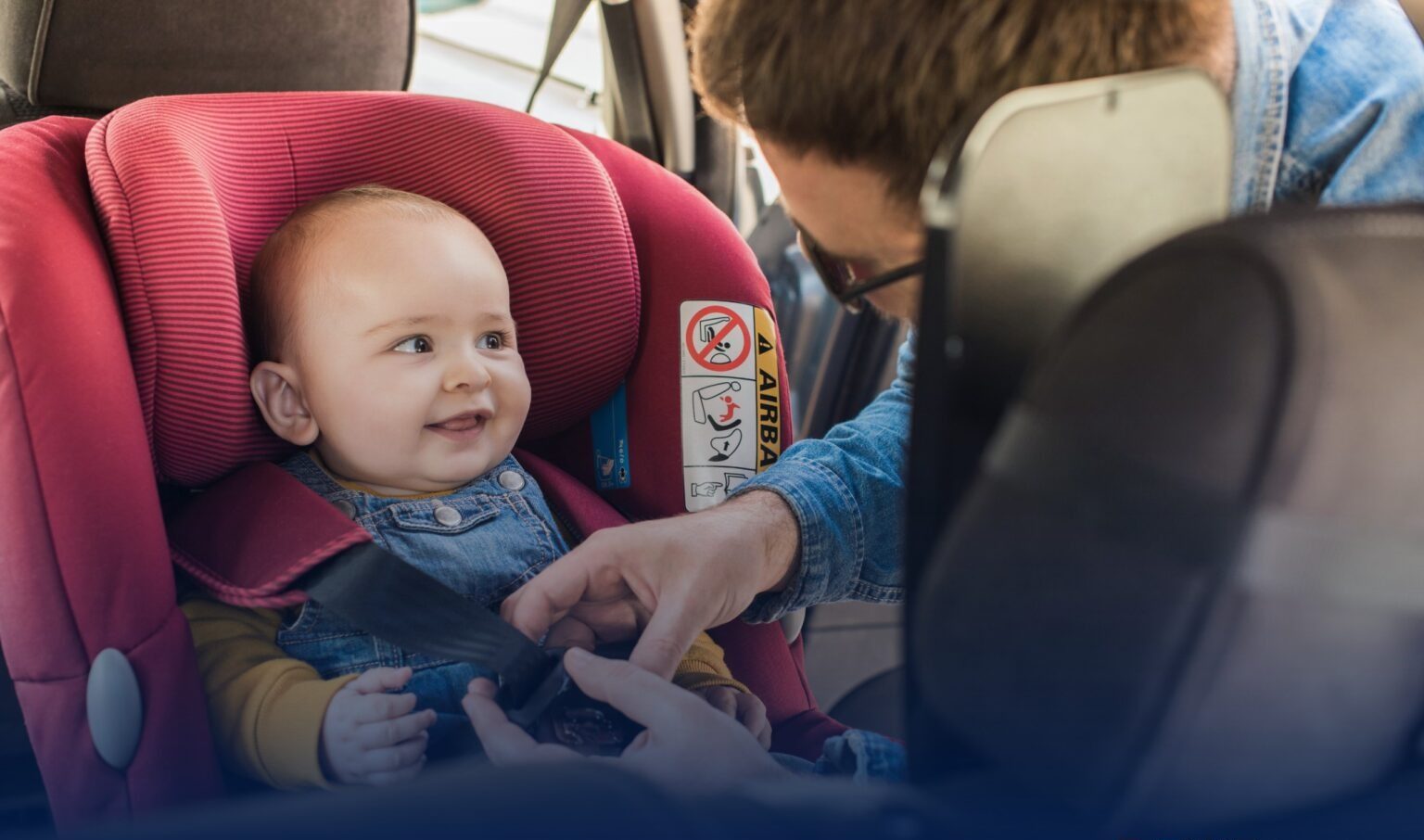
Child restraint requirements tell a more consistent story. All fifty states and Washington, D.C., have laws requiring safety restraints for young children, covering car seats, booster seats, and related equipment.
These laws reflect a broad consensus that children need protection beyond what standard seat belts provide, given how differently a small body responds to crash forces compared to an adult.
The specifics still vary quite a bit between states. Age thresholds, weight and height requirements, and rules about rear-facing versus forward-facing seats differ depending on where you happen to be driving.
Parents moving between states, or taking long road trips crossing several borders, sometimes find their child’s current seat setup meets requirements in one state but falls short in another.
Checking the rules for each state along a planned route takes minutes and avoids both citations and genuine safety gaps.

3. Strict Drunk-Driving Limits
Imagine having dinner with friends and then deciding whether you are safe to drive home. In the United States, that decision has a clear legal boundary.
Driving with a blood alcohol concentration, or BAC, of 0.08% or higher is illegal in all 50 states, the District of Columbia, and Puerto Rico, while Utah uses a 0.05% limit.
The rule is commonly known as a per se BAC limit. In practical terms, reaching the applicable statutory limit can itself establish an unlawful level of alcohol concentration, rather than requiring authorities to prove that the driver’s ability was impaired in some other way.
Another important point is that alcohol can impair driving ability before a driver reaches the legal BAC limit. NHTSA notes that even lower BAC levels can affect judgment, vision, attention, and the ability to handle multiple tasks at once.
Additional restrictions may apply to younger drivers, commercial drivers, or people with previous alcohol-related driving offenses. Penalties can also include fines, license restrictions or suspension, required programs, and incarceration, depending on the circumstances and jurisdiction.
The specific penalties depend on the applicable laws, but the main point is clear. Drinking and driving is considered a serious public safety concern, and legal BAC limits are intended to discourage motorists from taking that risk.

4. Distracted Driving and Texting Restrictions
A phone can turn a routine drive into a dangerous distraction in seconds. That is why American states have adopted laws addressing texting, cellphone use, and other forms of distracted driving.
The rules are not identical nationwide, but texting while driving is prohibited in 49 states as well as Washington, D.C., Puerto Rico, Guam, the Northern Mariana Islands, and the U.S. Virgin Islands, according to NHTSA.
Here is where the details become important. Some jurisdictions restrict handheld cellphone use for all drivers, while others apply additional restrictions to younger or newly licensed drivers.
The wording of a statute can also determine whether certain activities, such as manually entering information or reading messages, are prohibited.
NHTSA explains that individual states establish their distracted-driving laws, which means drivers should not assume that a rule in one state automatically applies in another.
The practical safety advice remains the same even when laws vary. Put the phone away before driving. If a message requires an immediate response, pull over to a safe and lawful location and park before using the device.
These restrictions reflect a basic principle of road safety. Operating a vehicle requires attention, and reading or composing messages can take a driver’s eyes, hands, and concentration away from the road at the same time.
5. “Move Over” Laws for Emergency Vehicles
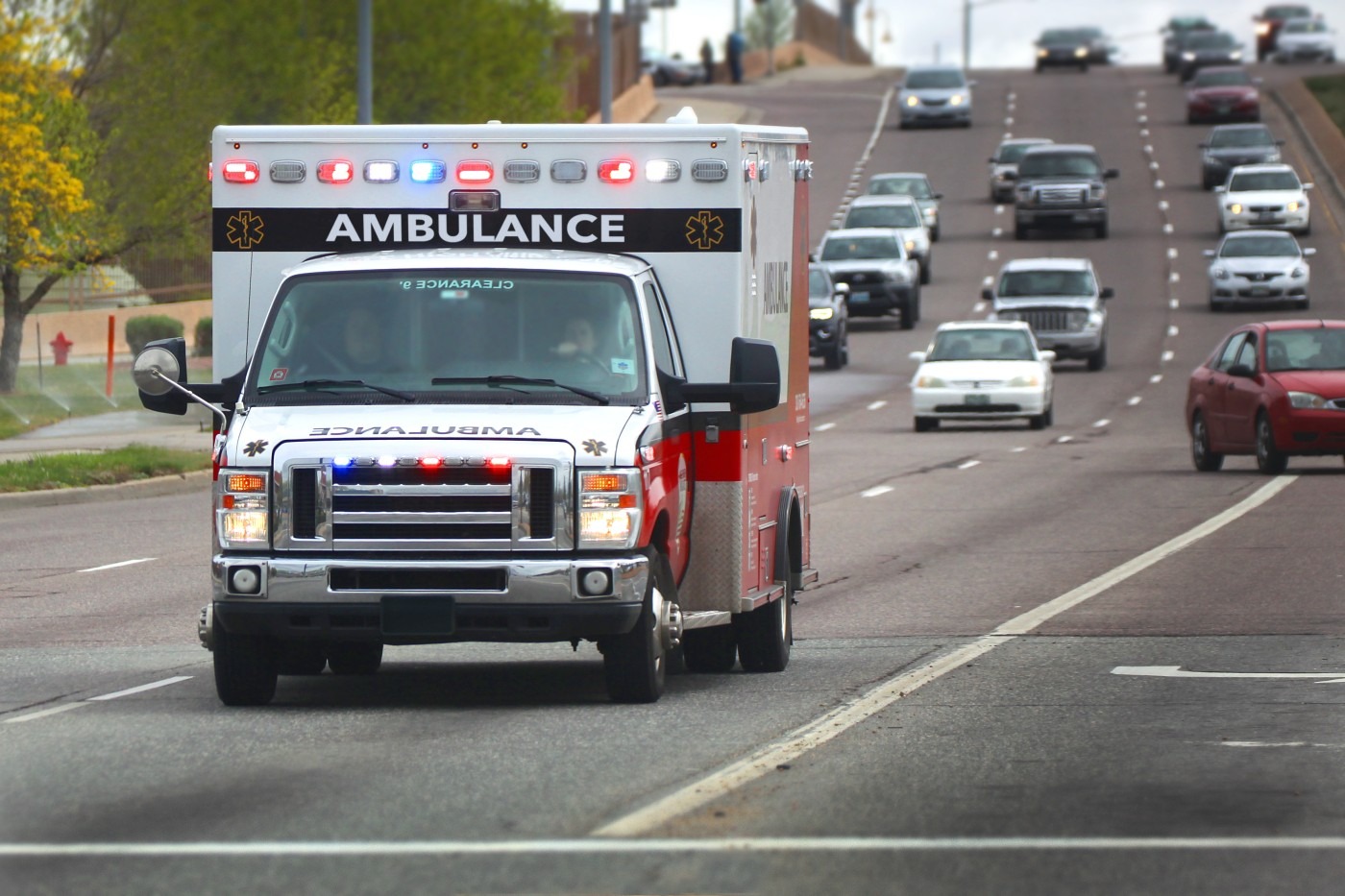
Roadside workers face genuine danger every time they step out of a vehicle on a busy highway, and Move Over laws exist specifically to address that risk. All fifty states have enacted these laws, making this one of the more uniform safety rules across the country.
The basic requirement works like this. When approaching a stopped emergency vehicle displaying flashing lights, drivers generally must change lanes to create distance between their vehicle and the stopped one.
If changing lanes isn’t safely possible because of traffic conditions or road design, the alternative requirement is slowing down substantially while passing.
Some states extend these protections well beyond traditional emergency vehicles. Tow trucks, utility vehicles, highway maintenance crews, and even disabled passenger vehicles displaying hazard lights receive similar consideration under certain state laws.
This broader coverage reflects a recognition that anyone standing beside a highway faces similar hazards regardless of what brought them there. Awareness remains the biggest obstacle.
Surveys consistently show many drivers either don’t know these laws exist or don’t fully understand what they require, which undercuts the protection the laws were designed to provide. Public awareness campaigns run periodically in various states are trying to close that gap.
For drivers, the habit is simple to develop. When flashing lights appear ahead on the shoulder, check your mirrors, signal, and move over if the adjacent lane is clear. If it is not, slow down and give the roadside vehicle plenty of space.

6. Stopping for School Buses
School bus safety carries a weight that few other traffic rules match, and American law reflects that seriously. Every single state prohibits drivers from illegally passing a stopped school bus displaying its stop signals, making this another area of genuine nationwide consistency.
The standard scenario works predictably. A school bus stops, activates flashing red lights, and extends a stop arm from its side. Drivers approaching from behind must stop and wait until the bus retracts the arm and the lights stop flashing, indicating children have finished boarding or exiting.
Where things get more varied is opposing traffic, meaning vehicles traveling the other direction on the same road. Requirements here depend on both state law and road design.
On a standard two-lane road, opposing traffic almost always must stop as well. On divided highways with a physical median or barrier separating directions, many states exempt opposing traffic from stopping, reasoning that children won’t be crossing the divided roadway anyway.
Penalties for illegal passing tend to be steep compared to routine traffic violations, often including substantial fines, license points, and in some cases mandatory court appearances.
Many buses now carry cameras recording violations automatically, making enforcement more consistent than it once was. Given how quickly children can dart into a roadway, and how little margin exists for error, this rule earns the seriousness it receives from lawmakers and enforcement agencies alike across every state.
7. OSHA Workplace Safety Requirements
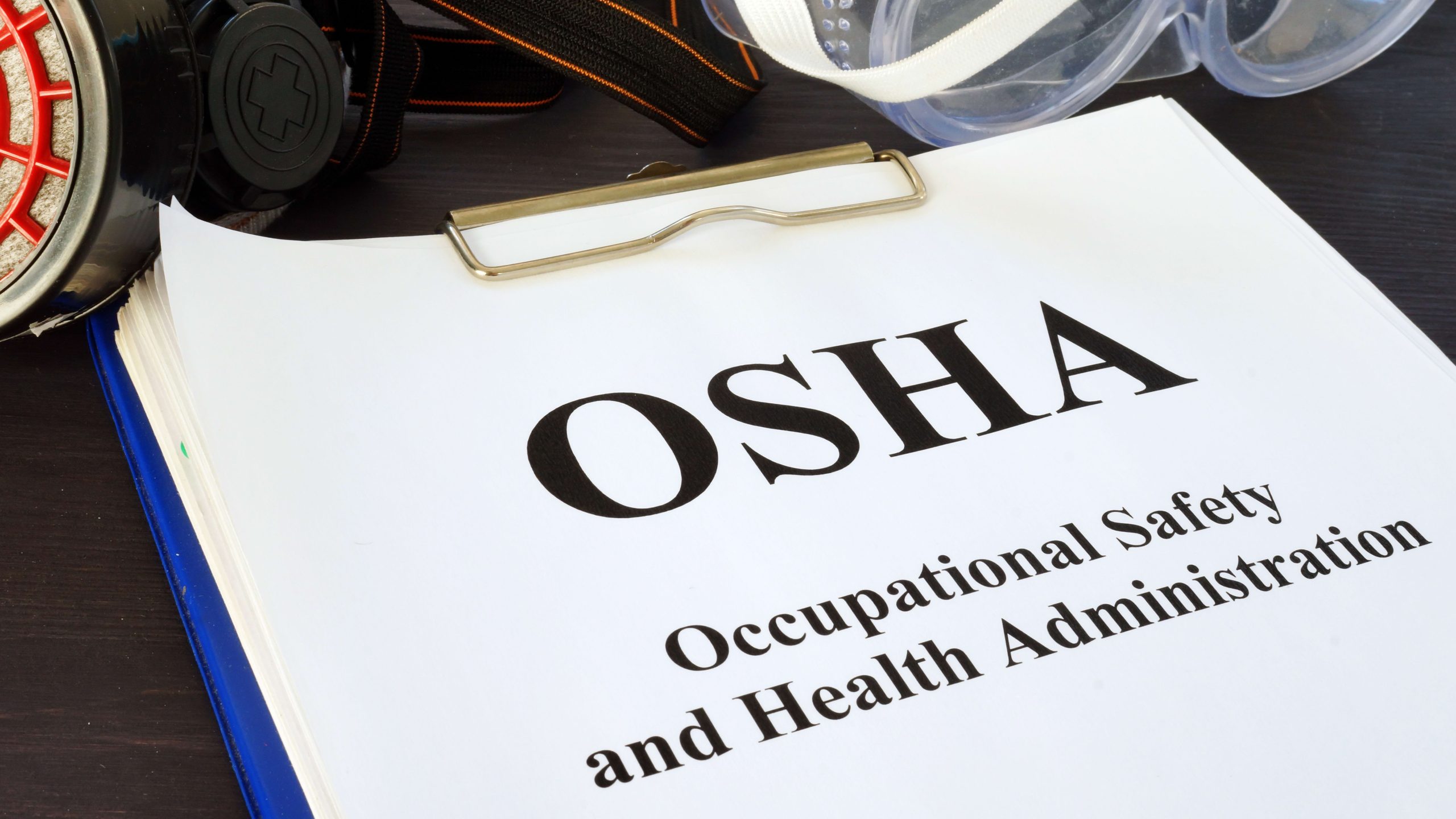
Workplace safety in the United States is supported by an extensive federal regulatory system. The Occupational Safety and Health Administration, commonly called OSHA, establishes and enforces many requirements intended to protect employees from hazards on the job.
What does that look like in practice? Depending on the workplace, employers may have obligations involving protective equipment, hazardous substances, training, machine safety, and procedures for controlling dangerous energy. One well-known example is OSHA’s lockout/tagout standard.
Lockout/tagout procedures are designed to prevent machinery from unexpectedly starting or releasing stored energy while workers are performing maintenance or servicing.
OSHA requires covered employers to establish energy-control procedures, provide appropriate devices, and train workers who are affected by or authorized to perform these tasks.
The rules are not identical for every workplace. Construction, general industry, electrical work, maritime operations, and other sectors can have different requirements. Employers are responsible for identifying which standards apply to their operations.
That system makes workplace safety a formal responsibility rather than simply a matter of personal caution. A worker should not have to guess whether a machine is safe to service or whether protective equipment is required.
Applicable OSHA standards provide employers with specific duties and workers with important protections against recognized workplace hazards.

8. 911 Emergency Calling System
When an emergency happens in the United States, most people know to call 911. The number connects callers with emergency communications centers that can coordinate help from police, fire departments, emergency medical services, and other appropriate responders.
The system is designed for situations requiring immediate help. According to 911.gov, callers should be prepared to provide information such as the location of the emergency, the phone number being used, the type of emergency, and relevant details about injuries, fires, or other dangers.
There is an important misconception worth clearing up. 911 is not a substitute for every non-emergency service. If a situation does not require immediate police, fire, or medical assistance, many communities provide separate non-emergency numbers for routine reports and requests.
During an actual emergency, staying on the line can also matter. A call-taker may ask questions or provide instructions while responders are being sent to the scene. 911.gov advises callers not to hang up until the call-taker says it is appropriate.
The system is not unique to the United States, since other countries have their own emergency numbers. Still, 911 is deeply established in American public life, appearing on phones, signs, safety instructions, school materials, and emergency preparedness guidance.

9. State-Level Firearm Safety and Storage Laws
Few areas of American law vary as widely between states as firearm regulation, and storage requirements sit squarely within that variation.
Some states require firearms to be stored securely, whether in a locked container, with a trigger lock installed, or through similar measures designed to prevent unauthorized access.
These requirements often apply specifically when children live in or visit the home, though the details differ considerably by jurisdiction.
Child-access-prevention laws exist in several states, generally holding gun owners responsible if a child gains access to an improperly stored firearm. The threshold for liability, the ages covered, and the penalties involved all depend on which state’s law applies.
Other states impose fewer storage requirements, leaving those decisions largely to individual gun owners rather than mandating specific practices through law.
Local jurisdictions within states sometimes add their own rules on top of state requirements, creating further variation even within a single state’s borders.
No single nationwide safe-storage rule applies to all gun owners across the country. That absence of a federal standard is precisely why the state-by-state picture looks as varied as it does.
For gun owners, this means understanding the specific rules where they live rather than assuming practices legal in one state carry over elsewhere.
Anyone moving between states, or traveling with firearms, benefits from checking requirements in advance since the rules can change substantially across a single border crossing.
10. State-Specific Safety Regulations
Everything above points toward one larger reality about how American safety law actually functions, and it’s worth addressing directly rather than leaving it implied.
The United States allows individual states considerable authority to establish their own traffic rules, public-safety requirements, and workplace regulations.
This structure flows from the country’s federal system, where certain powers belong to the national government while others remain with the states themselves.
The practical result shows up constantly. A safety requirement carrying real legal weight in one state may not exist at all in the state next door, or may exist in a substantially different form with different thresholds, different penalties, and different enforcement practices.
Speed limits, helmet requirements for motorcyclists, inspection schedules, licensing rules for various trades, and countless other safety-related matters fall into this category.
Two drivers in identical situations, separated only by a state line, can face completely different legal obligations. This system explains why American safety regulations can appear unusually varied to outsiders accustomed to more centralized national rules.
It isn’t disorganization so much as a deliberate structure allowing states to tailor rules to local conditions, priorities, and preferences. For residents and visitors alike, the takeaway is straightforward enough.
Checking local requirements matters more in the United States than in countries with uniform national standards, particularly when traveling across multiple states or relocating to a new one.