
Buying a car can feel exciting right up until the paperwork arrives and the price suddenly looks much higher than expected. A vehicle advertised at one price can come with preparation charges, protection packages, documentation costs, and other add-ons that were never obvious at first. Some fees are legitimate, while others may be restricted, regulated, or prohibited depending on the state and how the dealer presents them.
Knowing what you are being charged for gives you a better chance of spotting questionable costs before signing. The eight fees below are worth watching closely because they can add hundreds or even thousands of dollars to a purchase. State laws differ, so a fee that is permitted in one state may be prohibited or subject to specific disclosure rules somewhere else.

1. Vehicle Prep Fee / Dealer Prep for Delivery Fee
A vehicle prep fee is supposed to cover work performed before a car reaches the customer. A dealer might describe it as cleaning, fueling, inspecting, washing, or getting the vehicle ready for delivery.
The problem begins when the dealer treats ordinary preparation as a separate mandatory charge after already advertising a vehicle price. Dealers normally have expenses associated with preparing inventory for sale.
Those expenses can include washing a vehicle, removing shipping materials, checking fluid levels, or completing routine inspections. A buyer may reasonably question why those ordinary business costs suddenly appear as a separate charge at the closing stage.
State rules vary widely. Some jurisdictions restrict certain preparation charges, while others focus on whether the fee was properly disclosed or falsely presented as a government-required payment.
A dealer also may not be able to describe a dealer-created charge as though it were imposed by the state. Before agreeing to the purchase, ask exactly what the fee covers. Request an itemized explanation and compare it with the advertised price.
If the salesperson says the charge is required by law, ask for the specific legal authority. A dealer-created fee should not be confused with a legitimate government registration or title charge.
2. Pre-Delivery Service Fee / Pre-Delivery Inspection Fee
A pre-delivery inspection fee can sound official, which is part of why buyers may accept it without asking questions. The charge may supposedly cover a dealer’s inspection, road test, fluid check, tire check, battery test, or other work performed before delivery.
There is nothing unusual about a dealer inspecting a vehicle before handing over the keys. A dealership has practical reasons to make sure a vehicle is ready for a customer.
The concern is whether that work has already been built into the advertised vehicle price and then charged again as a separate mandatory expense.
State consumer-protection rules can place limits on how dealers advertise and disclose these charges. In some locations, certain fees may be restricted or treated as deceptive if they are presented as unavoidable when they are not.
The exact rule depends on the state, the type of vehicle, and the wording used in the sales agreement. Ask for a written description of every service included in the fee.
If the dealer says the inspection is required, ask whether the requirement comes from state law, the manufacturer, or the dealership itself. Those are three very different things.
Keep the advertisement and buyer’s order as well. Comparing the two documents can reveal whether a supposed inspection charge was disclosed from the beginning or appeared only during negotiations.
3. Reconditioning Fee
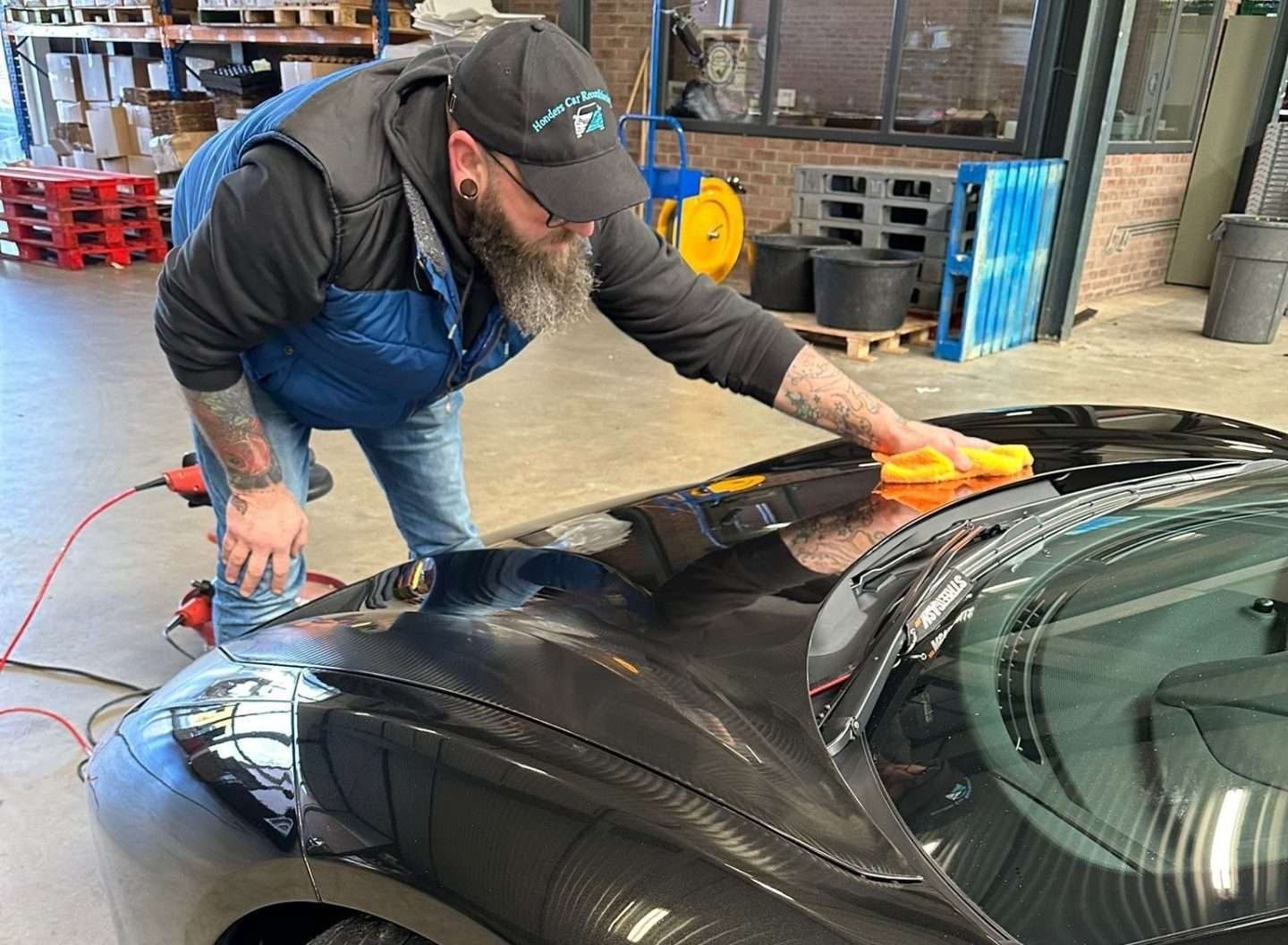
Reconditioning is common with used vehicles. A dealership may replace worn parts, repair mechanical problems, clean the interior, touch up paint, replace tires, or perform other work before putting a vehicle on its lot.
The concern is not necessarily with the work itself, but with charging a separate mandatory fee for expenses that may already be included in the vehicle’s asking price.
A dealer can set a price based on what it spent acquiring and preparing a vehicle. That is a normal part of selling cars. Problems can arise when a dealership advertises an attractive vehicle price and later adds a reconditioning charge that was not clearly disclosed.
State laws differ on whether such fees are allowed, how they must be disclosed, and when they can be considered deceptive. A fee may also raise questions if the dealer claims the customer must pay it even though the advertised price supposedly represents the vehicle’s selling price.
Ask for the actual work performed and whether the amount is negotiable. If a $1,500 reconditioning fee is attached to a car, request an itemized list showing what the dealership supposedly did.
You can then decide whether the vehicle’s total price still makes sense. Buyers should pay attention to the complete out-the-door amount rather than focusing only on the advertised sticker price.
4. VIN Etching / Etch Theft Deterrent Fees
VIN etching involves placing a vehicle identification number on the windows or other parts of a vehicle. Dealers may sell it as a theft-deterrent product, sometimes bundling the service with registration information or another protection package.
The service itself can be legitimate, but that does not mean a dealer can automatically require every buyer to purchase it. VIN etching is generally an optional product when it is being sold as an additional protection service.
The legal issue can arise when the charge is presented as mandatory, hidden inside another package, or described as though a government agency requires it.
Some states have consumer-protection rules that address dealer add-ons and disclosure practices. The exact treatment of VIN etching depends on local law and the way the charge is presented.
A dealer also should not misrepresent an optional product as a legally required one. If you do not want the service, ask whether it can be removed from the purchase agreement. Check the vehicle windows before paying for etching, since the work may already have been performed before you arrive.
If the salesperson says the charge cannot be removed, ask whether it is already included in the advertised selling price or is an additional dealer product. That simple question can reveal whether you are dealing with a genuine vehicle cost or an optional add-on.
5. Additional Dealer Markup / Add-Ons / Premium Packages
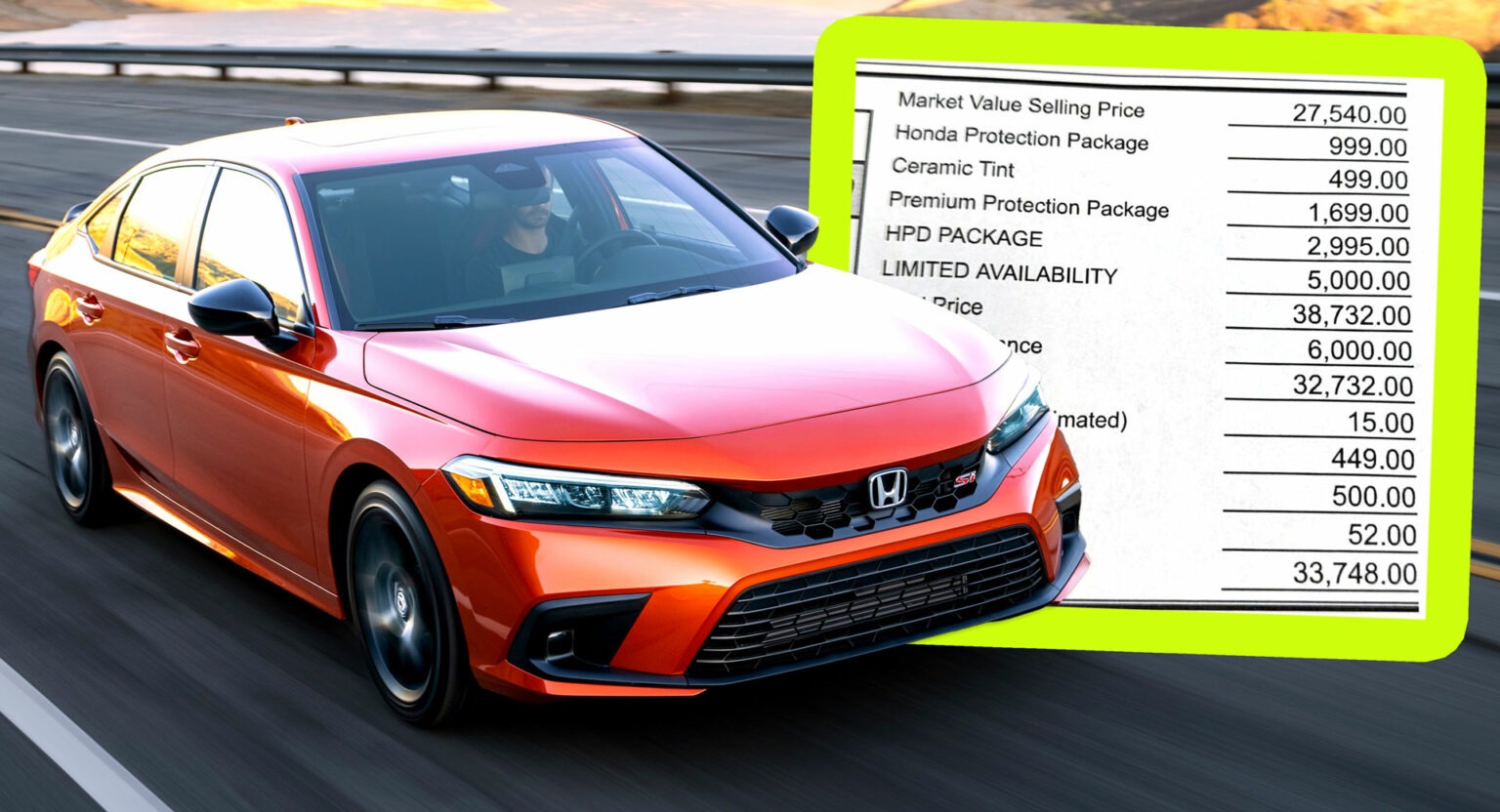
Dealer add-ons can range from wheel locks and paint protection to fabric treatments, security systems, extended service products, and appearance packages.
Some have genuine value, but buyers should not assume that every package deserves the price attached to it. The biggest concern often comes from presentation.
A dealership may advertise a vehicle at one price and then add thousands of dollars in mandatory products before completing the sale. Depending on state rules, advertising practices, and disclosure, certain methods of adding or describing those charges may violate consumer-protection laws.
A premium package also deserves scrutiny when the dealer claims that every customer must purchase it. Optional equipment should generally be distinguishable from government charges and from the vehicle’s advertised selling price.
If a package was already installed, the dealer may still be able to charge for it in some circumstances, but state disclosure rules can affect how that price must be presented.
Ask for a complete list of every installed product and its individual price. Do not accept vague descriptions such as “protection package” without knowing what you are actually receiving.
If you are told an add-on is mandatory, ask whether that requirement comes from the manufacturer, state law, or the dealership. Then compare the total price with similar vehicles elsewhere. The goal is to understand exactly what you are paying for before signing.
6. Nitrogen-Filled Tires Fee
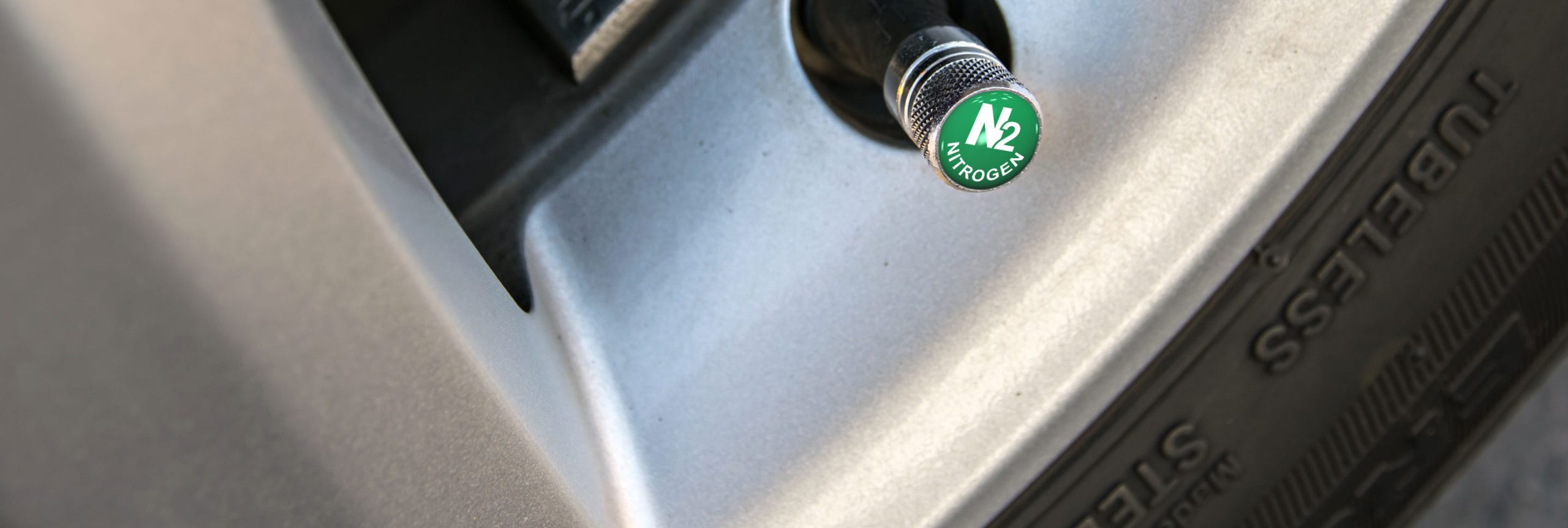
Some dealerships advertise nitrogen-filled tires as a premium feature and charge customers for the service. Nitrogen can have legitimate uses, and specialized applications may benefit from its properties.
For ordinary passenger vehicles, however, manufacturers commonly specify tire inflation pressures rather than requiring buyers to purchase a special nitrogen service from the dealership.
The fee becomes questionable when a dealer presents nitrogen inflation as mandatory or implies that a new vehicle cannot safely be delivered without it.
A customer should be able to distinguish between an optional product and something required for the vehicle to operate properly. Whether the charge itself is prohibited depends on state law and the dealership’s advertising and disclosure practices.
Consumer-protection rules may become relevant when optional services are falsely described as required or when the advertised price does not clearly reveal mandatory dealer charges.
Before paying, ask whether the tires actually contain nitrogen and whether the charge is optional. You can also check the vehicle manufacturer’s recommendations for tire pressure.
The important figure for everyday driving is the recommended inflation pressure, usually listed on the driver’s doorjamb label or in the owner’s manual.
A nitrogen fee may seem minor compared with other dealership charges, but several small add-ons can quickly raise the total purchase price. Consider it like any other optional product by asking what it includes, how much it costs, and whether you can decline it without affecting the vehicle’s advertised price.
7. Cash Up-Charge / Convenience Fee
Paying cash does not automatically mean a dealer can add any fee it wants. A cash up-charge or convenience fee may appear as an additional amount for paying without financing, using a particular payment method, or supposedly processing the transaction.
The rules surrounding payment-related fees can be especially specific. Federal and state laws may address surcharges, credit-card transactions, advertised prices, and the disclosure of additional charges.
A dealership’s ability to impose a particular fee can therefore depend on the payment method and the law in that jurisdiction. Buyers should also watch for misleading claims.
A dealer should not describe a dealer-created payment fee as a government charge when it is not. Likewise, a supposedly mandatory processing charge should be clearly disclosed rather than appearing for the first time when the contract is ready to sign.
Ask whether the fee applies to every customer or only to buyers using a particular payment method. If you are paying cash, request the full out-the-door price in writing before finalizing the deal. If you are financing, compare the cash price with the financed price and review the contract carefully.
A fee does not become legitimate simply because it appears on a printed buyer’s order. If you believe a charge violates state law, contact your state’s attorney general or consumer-protection agency for guidance before signing or paying.

8. Fake Environmental or Security Packages
A vague package name can make an ordinary dealer add-on sound like an official requirement. Terms such as “environmental protection,” “security protection,” “carefree protection,” or similar labels may cover products or services that are optional and relatively inexpensive compared with the price charged to the customer.
There is nothing automatically unlawful about selling a protection product. A dealership can offer legitimate services and accessories when the customer understands what they are buying.
The concern arises when the package is misrepresented, hidden from the advertised price, or described as mandatory without a valid legal or contractual basis.
Buyers should ask for a plain-English explanation of what each package includes. If a salesperson cannot clearly identify the service, product, warranty, or protection being provided, that is a reason to pause. Ask for the price of each component rather than accepting one unexplained bundle.
State consumer-protection laws can prohibit deceptive pricing and misleading representations, but the exact rules differ from one jurisdiction to another.
That means a fee should not be called illegal simply because it sounds questionable. The wording of the advertisement, buyer’s order, contract, and sales presentation can all matter.
Before signing, request the full out-the-door price with every dealer fee and add-on listed separately. If a package is optional, ask to have it removed. If the dealer refuses, compare the final price with other sellers and check your state’s consumer-protection rules.