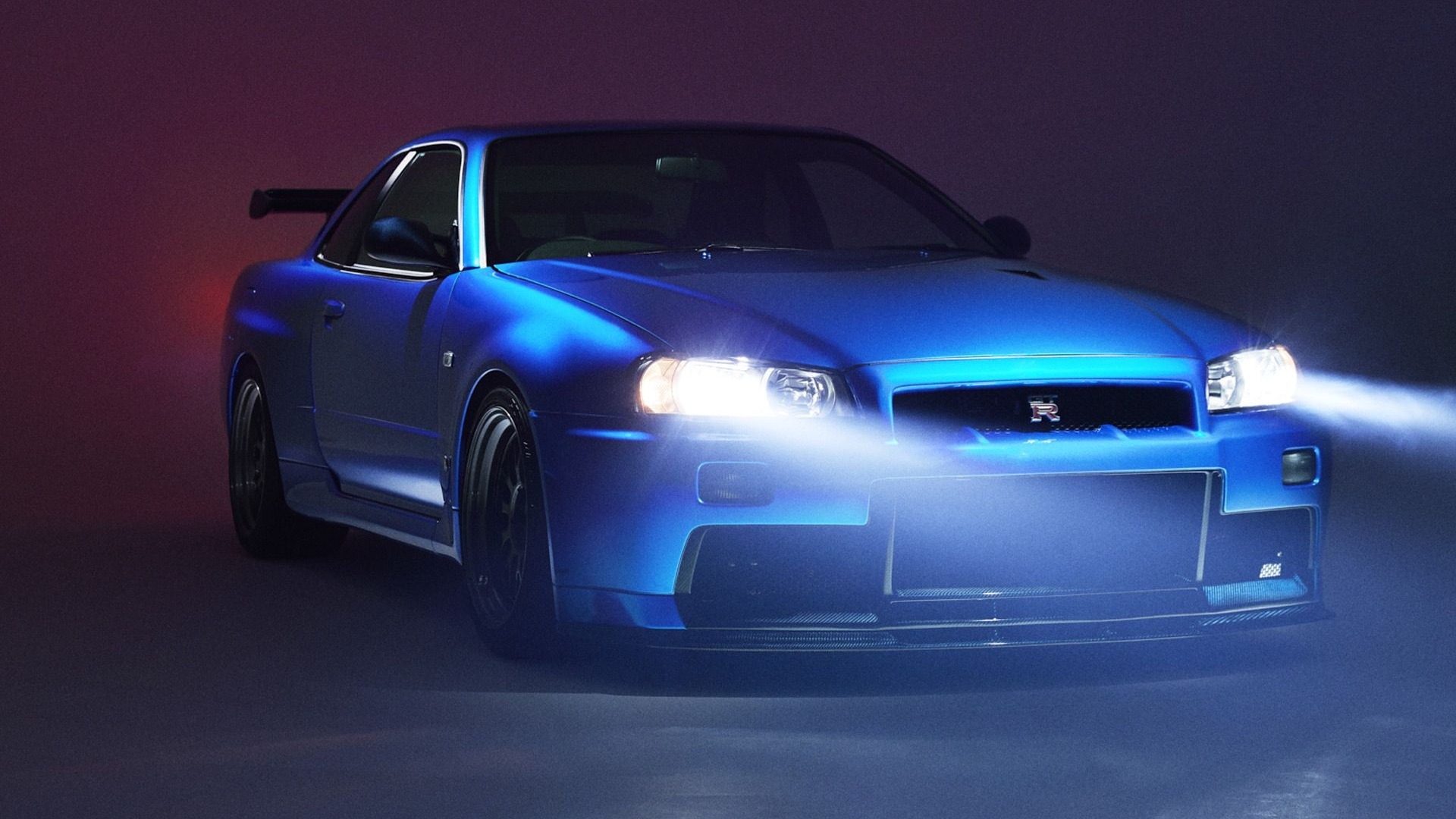
Some cars become legends precisely because you couldn’t just walk into a dealership and buy one. These eight machines built massive reputations across Japan and Europe while American buyers watched from a distance, kept away by strict safety rules, emissions standards, and certification hurdles that never quite lined up. For decades, owning one meant either moving overseas or accepting that some dreams stayed out of reach.
Then the 25-year import rule changed everything, slowly turning forbidden fruit into attainable classics. Grab a coffee and settle in, because these stories are packed with turbocharged drama, rally pedigree, and just enough bureaucratic mess to make them even more interesting.
1. Porsche 959
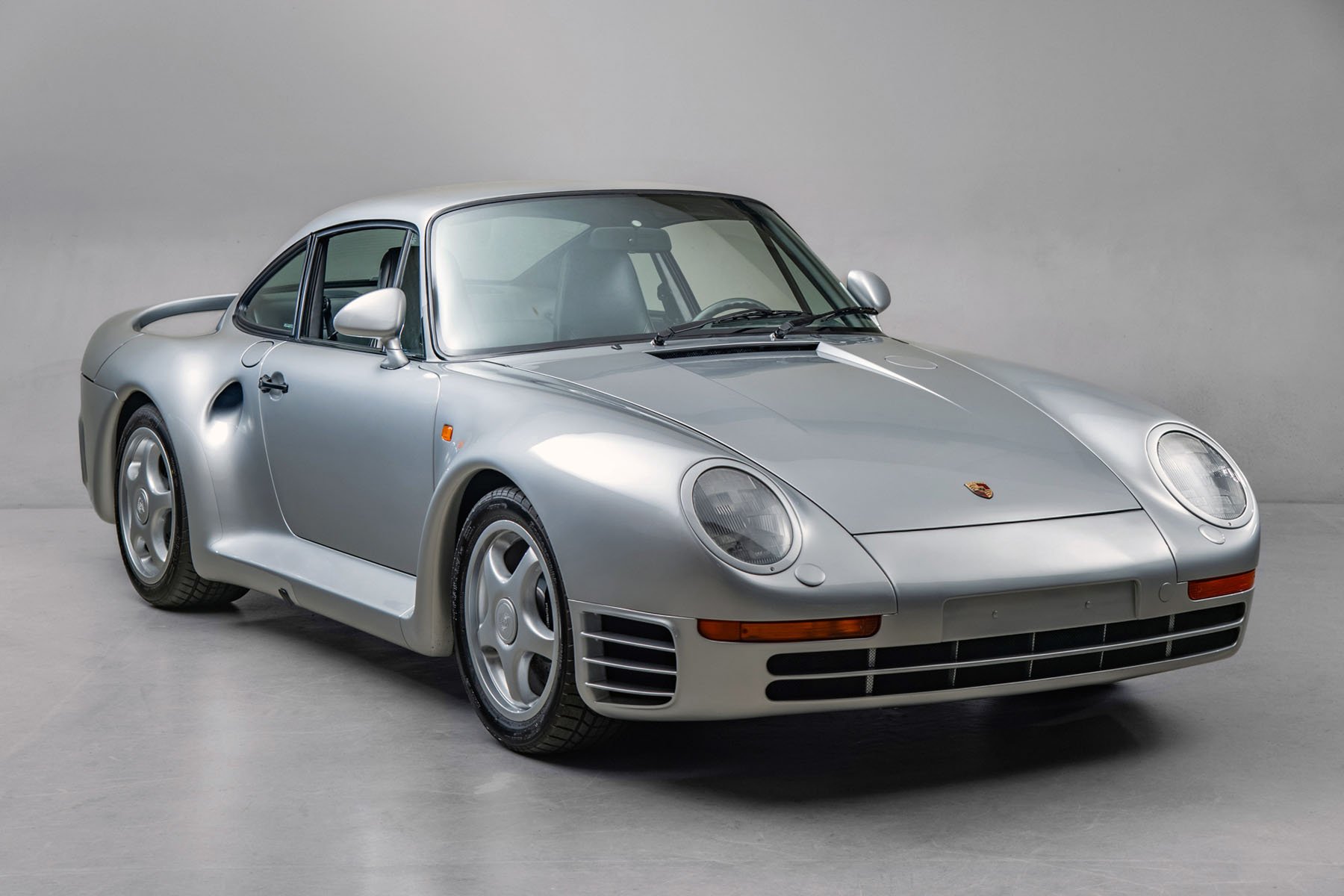
Few cars from the 1980s pushed technology as hard as the Porsche 959 did. Under that sculpted body sat a twin-turbocharged flat-six engine paired with an all-wheel-drive system so advanced that engineers at other manufacturers reportedly took the car apart just to study it.
Porsche created something years ahead of its time, but American buyers could not simply purchase one through the usual channels. The obstacle was not a lack of interest, but the paperwork required to bring the car into the country.
Porsche never finished the certification process required to sell the 959 legally as a production vehicle in the United States. When owners attempted to bring examples in anyway during the early 1990s, federal regulators pushed back hard, and NHTSA formally rejected those importation attempts.
For years, the only path forward involved the Show or Display exemption, a narrow legal provision that let a small number of 959s enter the country under strict limitations on mileage and use.
Owners could display these cars or drive them sparingly, but nothing close to normal ownership. Everything shifted once these cars crossed the 25-year threshold. Suddenly, the same rule that governs countless other classic imports applied here too, opening a much wider door.
Enthusiasts who once could only read about the 959 in magazines can now realistically pursue ownership, provided they have both the patience and the budget such a legendary machine demands.
2. Nissan Skyline GT-R R34
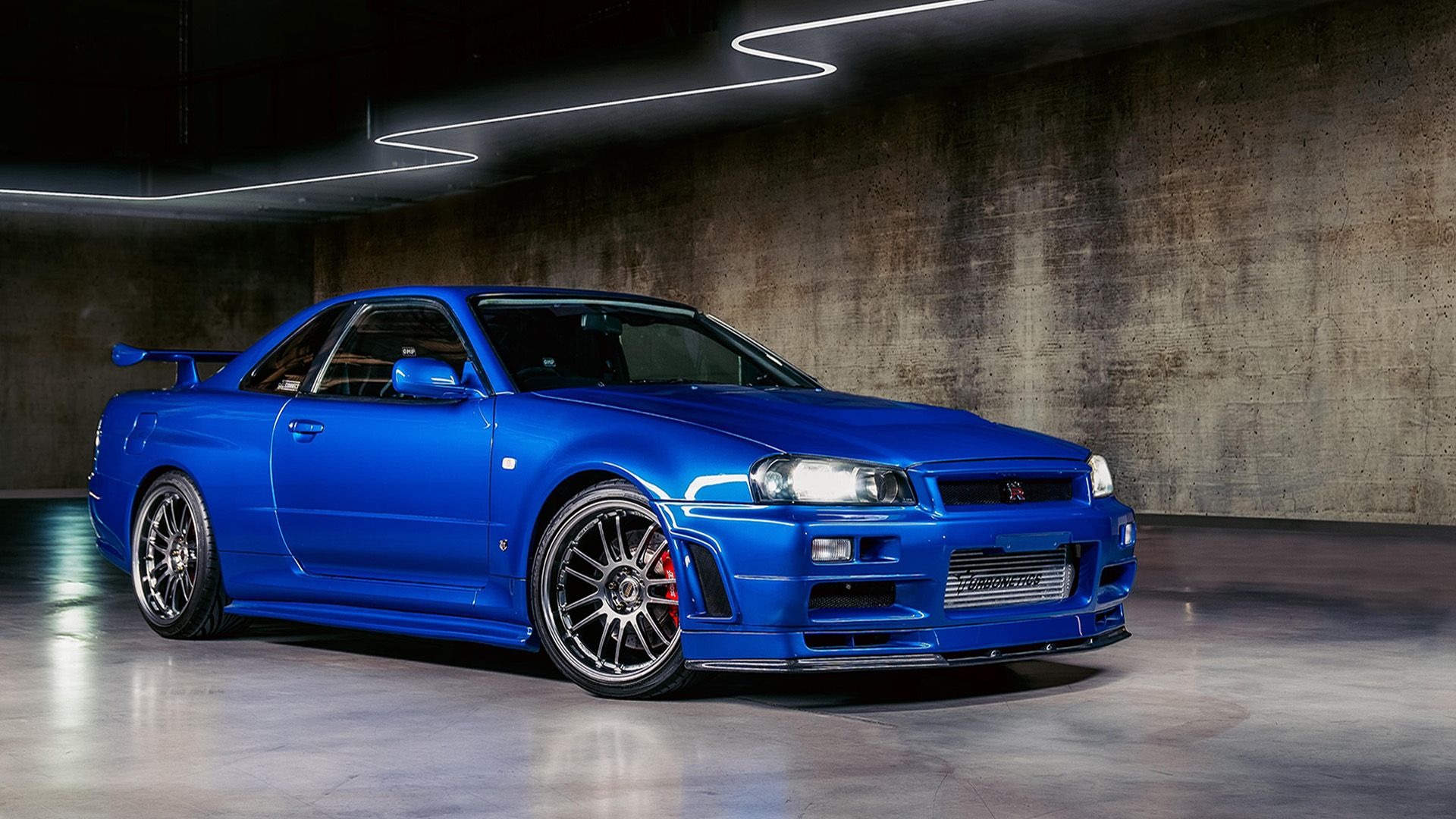
Few Japanese performance cars developed a reputation quite like the R34 Skyline GT-R. Built from 1999 through 2002, it combined Nissan’s RB26DETT twin-turbocharged inline-six with the company’s advanced ATTESA all-wheel-drive system and electronically controlled chassis technology.
In Japan, it became the latest chapter in the Skyline GT-R story. American buyers, however, had no official Nissan dealership route to owning one.
The issue was not that the R34 was specifically declared a forbidden car. Its Japanese-market configuration was not originally manufactured and certified to meet all applicable U.S. Federal Motor Vehicle Safety Standards.
NHTSA explains that a non-U.S.-spec Skyline less than 25 years old could only be imported through an applicable eligibility determination and the required compliance process.
That distinction matters because the 25-year rule works according to each vehicle’s actual manufacture date. It does not make every R34 legal on one universal calendar date. Once an individual car reaches 25 years, it can qualify for the federal safety exemption.
The R34 therefore represents a car that Americans could admire from afar for years before age restrictions began opening a much easier legal route. Its combination of six-cylinder power, all-wheel drive, and unmistakable styling has kept demand strong among collectors and performance-car enthusiasts.
3. Jaguar XJ220
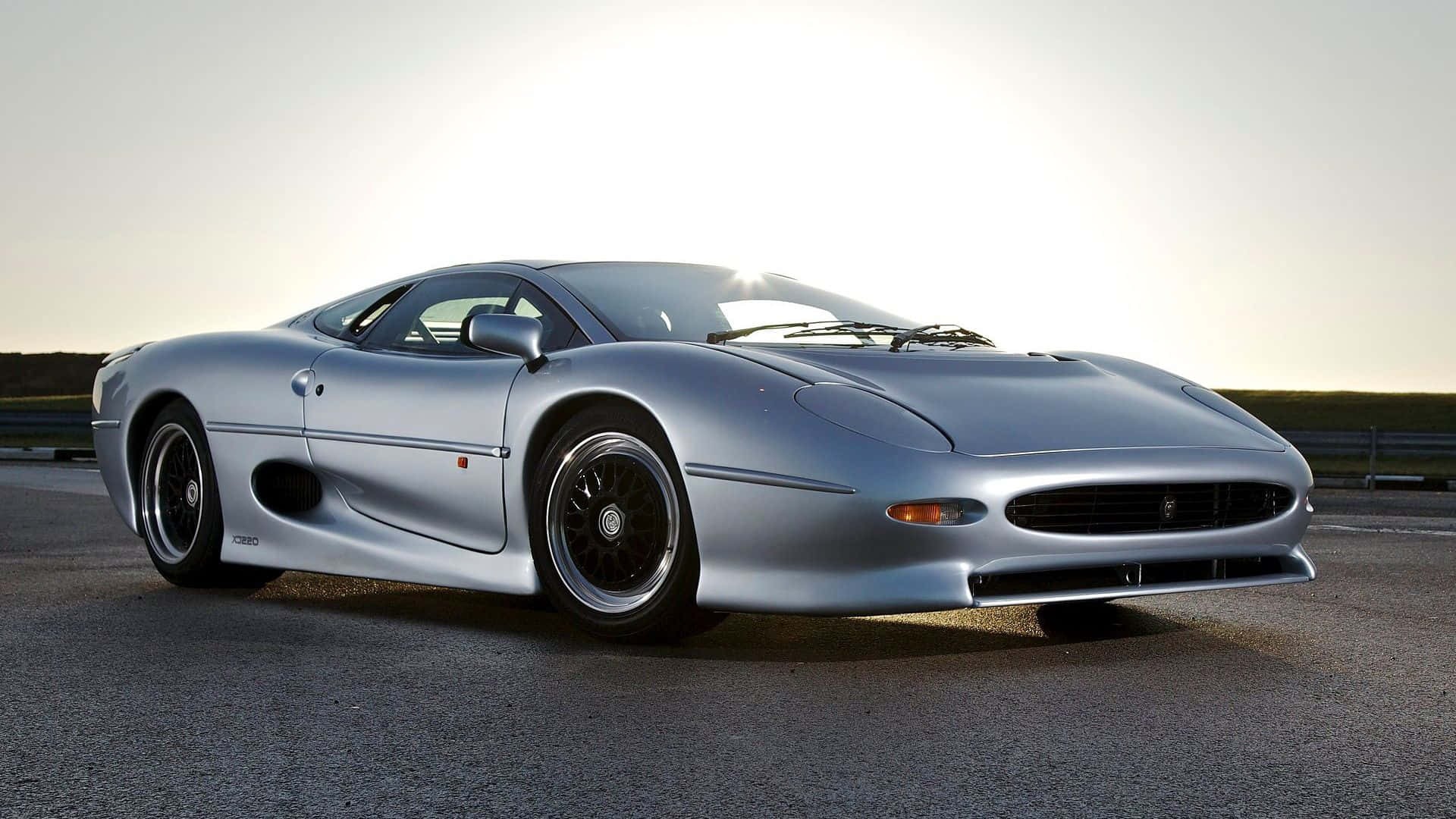
Picture a supercar that started life with plans for a V12, four-wheel drive, and an even more ambitious specification. That was the original vision behind the Jaguar XJ220.
The production car changed considerably before reaching customers, receiving a twin-turbocharged V6 and rear-wheel drive, but it remained one of the most dramatic performance cars of its period.
For American buyers, the XJ220 was never a conventional showroom purchase. Jaguar did not offer it as a regular U.S.-market model, and bringing individual examples into compliance could require extensive work.
One documented XJ220 imported into California in 2001 underwent federalization by G&K Automotive Conversions and was later able to pass California emissions inspections.
That example illustrates an important point about the American market. “Not officially sold” did not mean that every XJ220 was permanently prohibited from U.S. roads. There were routes involving individual compliance work and special import provisions.
The XJ220 also had rarity on its side. Production was deliberately limited. BMW Group Classic records just 600 examples, built from December 1989 through March 1990.
The model was developed as a homologation special for motorsport, which helps explain why production was limited to a small number of cars. Each example already held a unique place in automotive history.
For collectors, the appeal is a mixture of outrageous performance, dramatic proportions, limited production, and the story of how difficult it once was to bring one into America.
Today, its age removes much of the federal safety barrier that confronted younger imports.
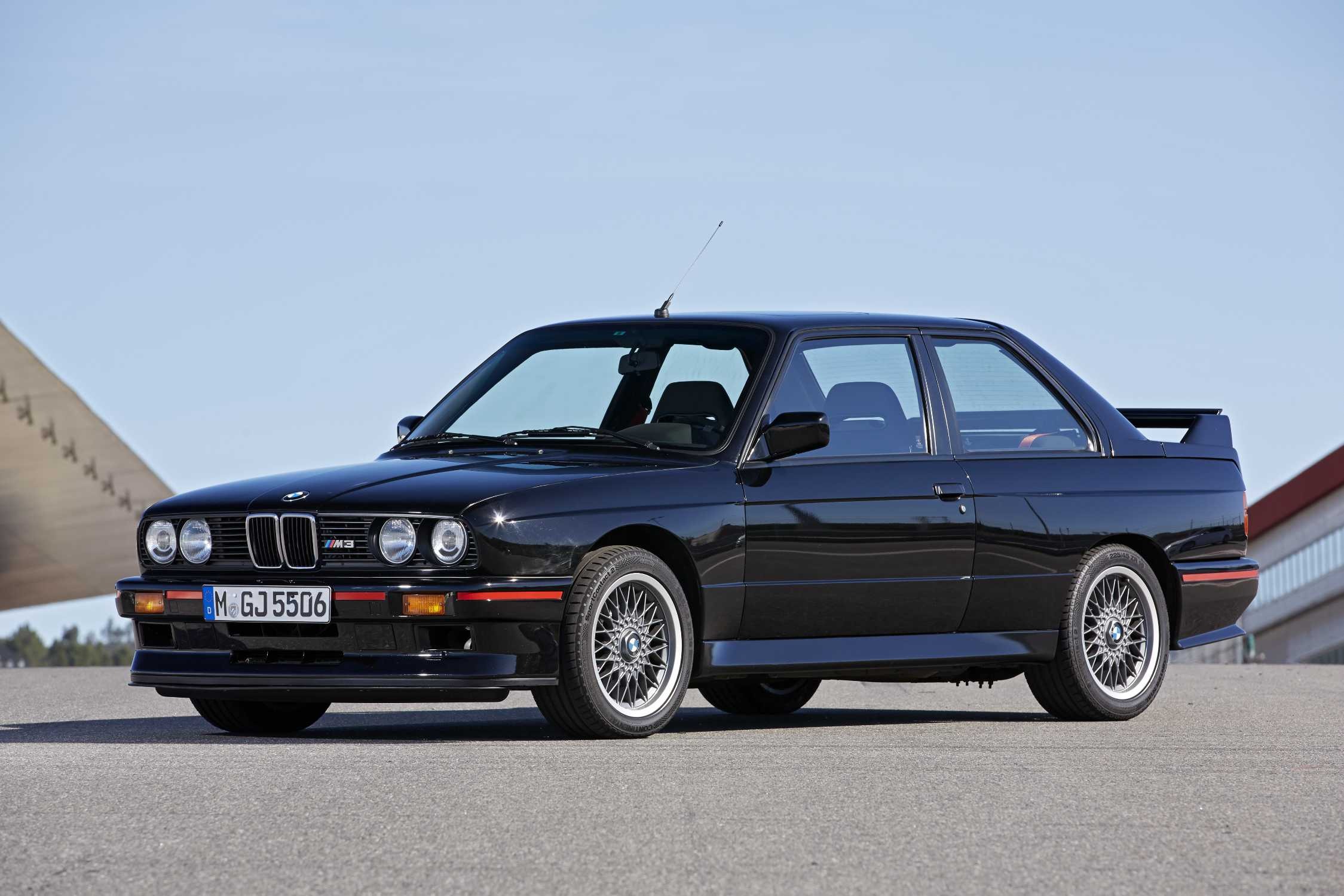
4. BMW M3 Sport Evolution (E30)
Sometimes the rarest version of a beloved car becomes the one everyone wants most. That’s precisely the case with the 1990 BMW M3 Sport Evolution, affectionately nicknamed the Evo III by enthusiasts who consider it the finest expression of the original E30 M3 platform.
BMW’s engineers didn’t hold back when developing this final evolution. They bumped displacement up to 2.5 liters, shaved weight wherever possible, upgraded braking performance, and added adjustable aerodynamic pieces that let owners fine-tune the car’s stance for track use. Production stayed intentionally tiny, with only 600 units ever built.
Unlike some entries on this list wrapped in regulatory drama, the Evo III’s absence from American shores tells a simpler story. BMW simply chose not to offer it through U.S. dealerships.
This wasn’t a case of failed certification attempts or rejected import applications, but rather a straightforward business decision to keep such a specialized, low-volume model exclusive to markets where demand and homologation requirements already aligned.
This distinction is important for anyone researching these cars. A vehicle may be absent from the market because of limited availability or manufacturer decisions rather than an official prohibition. For American collectors, time has fortunately removed this particular barrier.
Cars that meet the required age threshold can now be imported freely, giving a new generation of enthusiasts access to what many consider the purest M3 ever built.
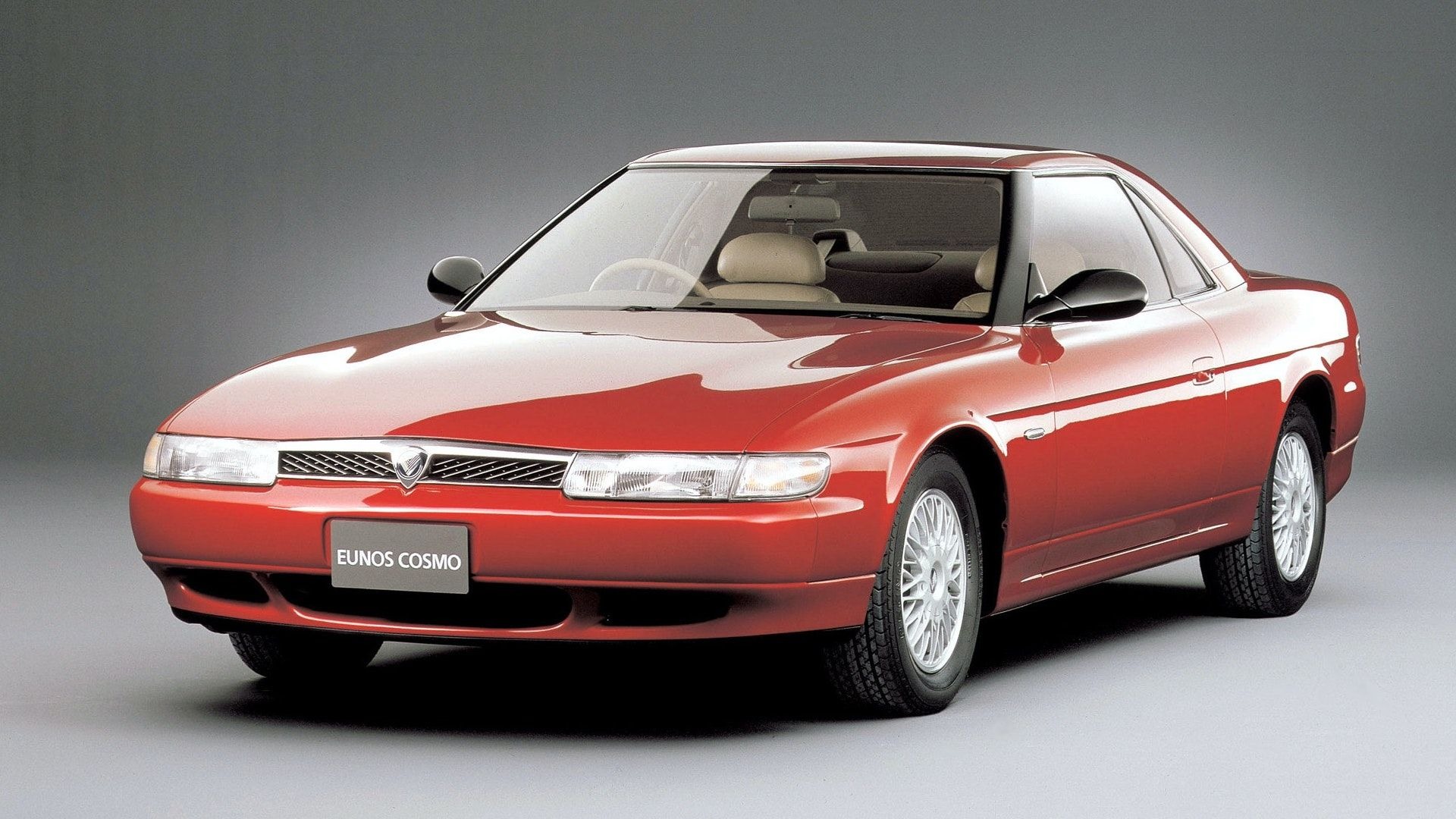
5. Mazda Eunos Cosmo
Picture a luxury coupe unlike anything else on the road, powered by an engine so unusual that Mazda never built anything quite like it before or since.
That’s the Eunos Cosmo, a car built exclusively for the Japanese market and famous for housing the world’s only production three-rotor engine, the remarkable 20B-REW.
This wasn’t a mainstream vehicle by any measure. Mazda developed the Eunos Cosmo as a flagship statement piece, loaded with technology that felt genuinely futuristic for its era, including an early built-in navigation system.
American buyers, however, had no official path to ownership. Mazda never created a comparable model for the U.S. market, and the Cosmo simply wasn’t part of the American lineup in any form.
For decades, this left the car firmly in “imported enthusiast forum photos” territory for most Americans, something admired from a distance through grainy pictures and secondhand stories rather than experienced firsthand.
Time has finally caught up with regulation here too. Now that these vehicles have surpassed the 25-year age requirement, eligible examples qualify for legal importation into the United States under the classic vehicle exemption.
What was once a Japan-only curiosity, virtually unknown outside dedicated rotary engine communities, has genuinely become attainable for American buyers willing to search for well-preserved examples and handle the logistics that come with any specialized import.
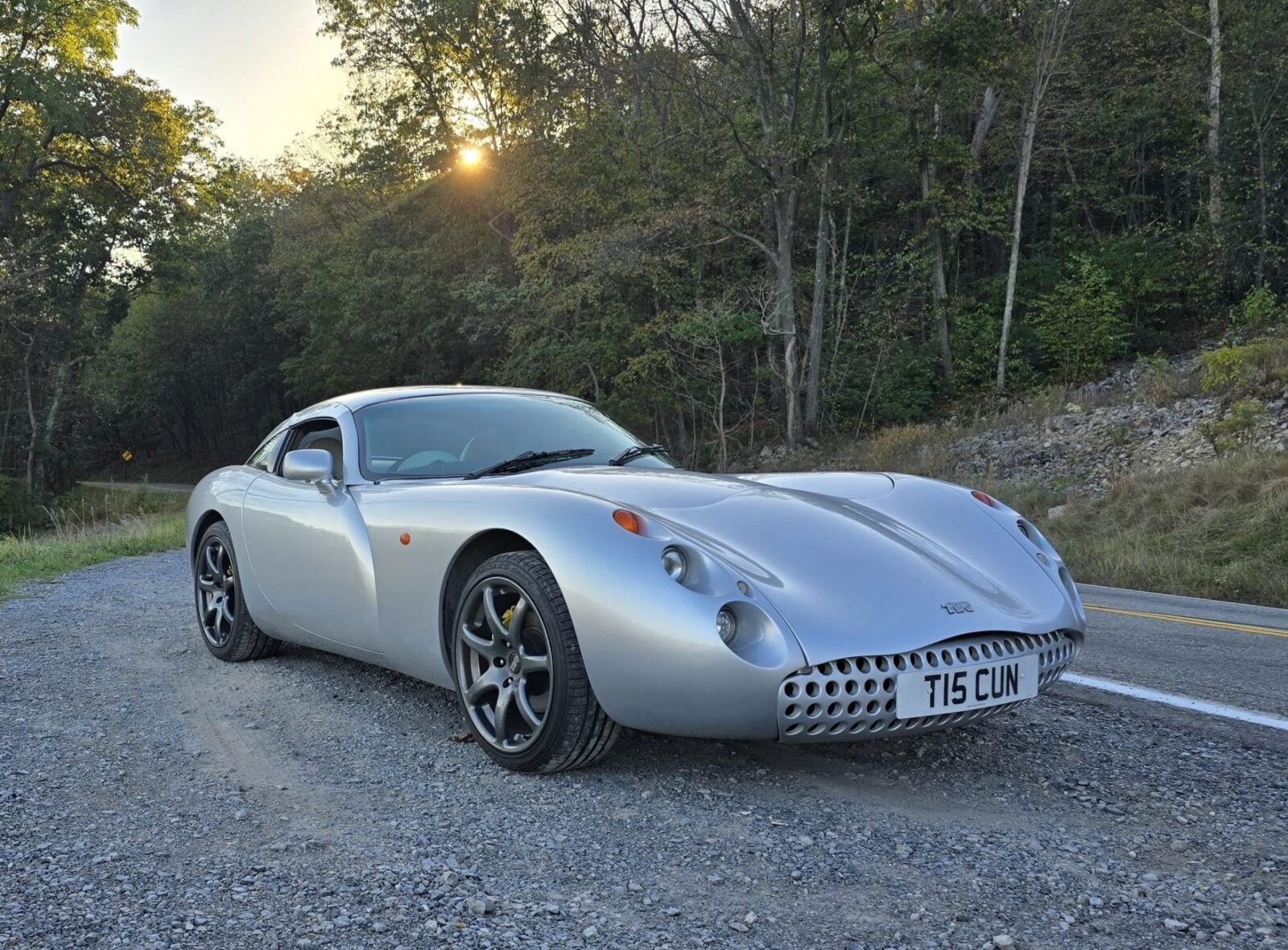
6. TVR Tuscan Speed Six
TVR never followed the usual recipe for building a sports car. The Tuscan Speed Six is a perfect example. Its lightweight construction, dramatic bodywork, rear-wheel drive, and naturally aspirated straight-six engine created a machine that felt distinctly different from more mainstream European performance cars.
Another defining characteristic was TVR’s approach to safety equipment, which placed considerably less emphasis on the conventional features typically expected in the American market.
The company never established the Tuscan as a normal U.S.-market model, so American customers could not simply visit a TVR dealership and purchase one new.
For years, that kept the Tuscan firmly outside the normal U.S. car market. Its unusual engineering also meant that importing a younger example was not as simple as shipping it across the Atlantic and registering it.
The federal 25-year rule has changed that for qualifying cars. Specialist TVR importers now handle Tuscan examples that have reached the required age, providing a route for these British sports cars to enter the American market. TTVR Imports
The result is a car that feels remarkably different from the polished sports cars produced by larger manufacturers. The Tuscan was built around light weight, a powerful straight-six, and a minimalist approach to the driving experience.
For American collectors, an age-eligible Tuscan offers a chance to own a distinctly British performance car that was never part of the regular U.S. dealership scene.
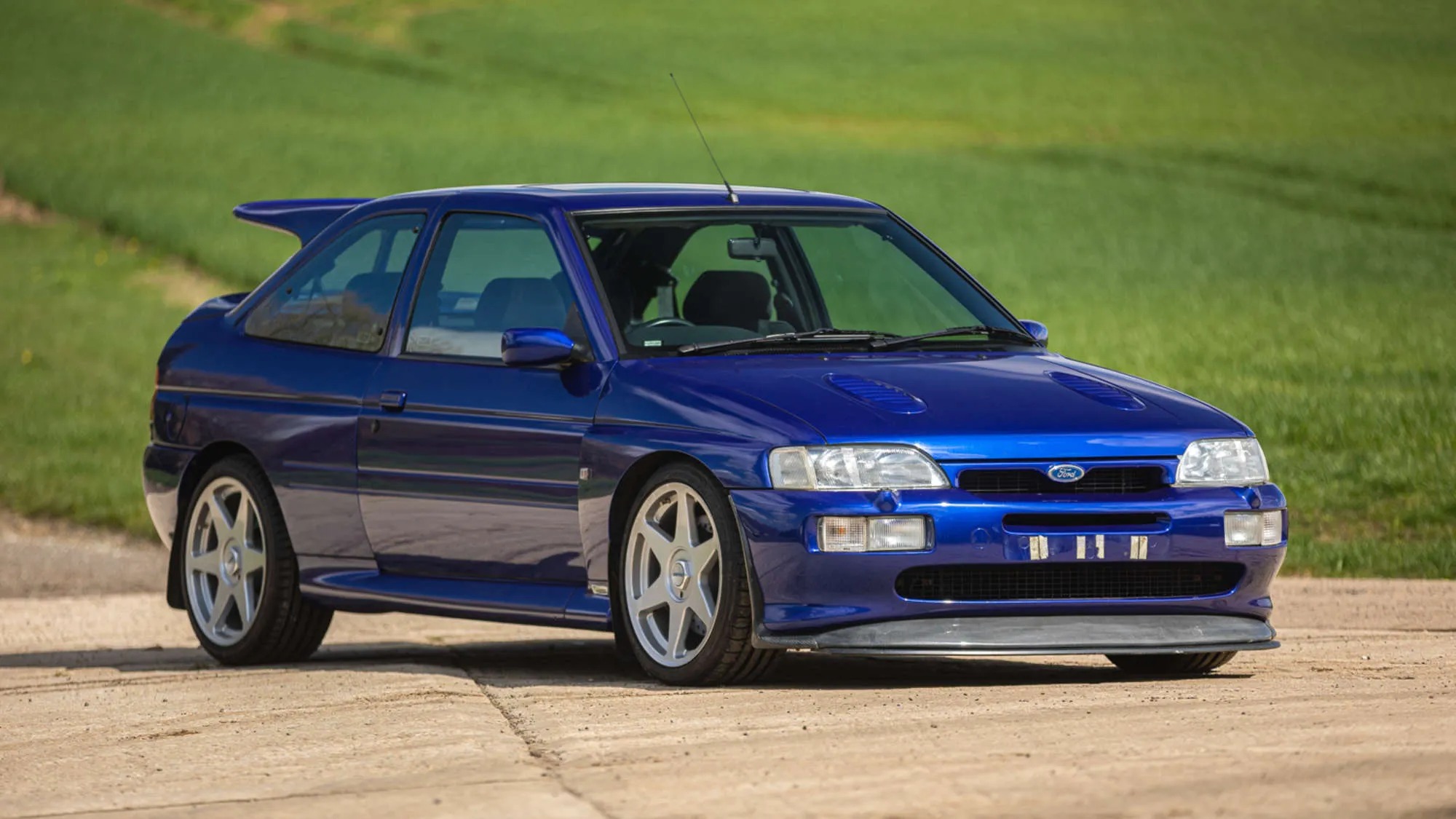
7. Ford Escort RS Cosworth
The Ford Escort RS Cosworth has an appearance that needs almost no introduction. Its enormous rear wing, wide bodywork, turbocharged engine, and four-wheel-drive system made it instantly recognizable.
Beneath its aggressive styling was a serious motorsport purpose. Ford developed the car as the RS Cosworth, making it a distinctive entry on this list.
Rather than being a straightforward case of a car that could never enter America, it demonstrates how a foreign-market vehicle could receive a road-going machine connected closely to its rally program.
Yet the American story is more nuanced than simply saying U.S. regulations banned it. The Escort RS Cosworth was not sold through Ford’s ordinary U.S. dealer network, but NHTSA took a specific step that allowed certain cars to be imported.
In June 1995, NHTSA determined that 1994 and 1995 Ford Escort RS Cosworth passenger cars were eligible for importation. The agency stated that the cars either had safety features complying with the applicable Federal Motor Vehicle Safety Standards or could be altered to meet them.
That decision makes the RS Cosworth an unusual entry on this list. Rather than being a straightforward case of a car that could never enter America, it demonstrates how a foreign-market vehicle could receive an official import-eligibility determination even though Ford did not sell it as a normal U.S. model.
Today, qualifying examples are also old enough to benefit from there was no official American-market Integrale lineup waiting for buyers when the performance versions appeared in Europe.
MotorTrend notes that no Delta Integrales were sold new in the United States under the federal 25-year exemption. The RS Cosworth’s combination of rally heritage, four-wheel drive, turbocharged power, and unmistakable styling continues to give it a special place among European performance cars.
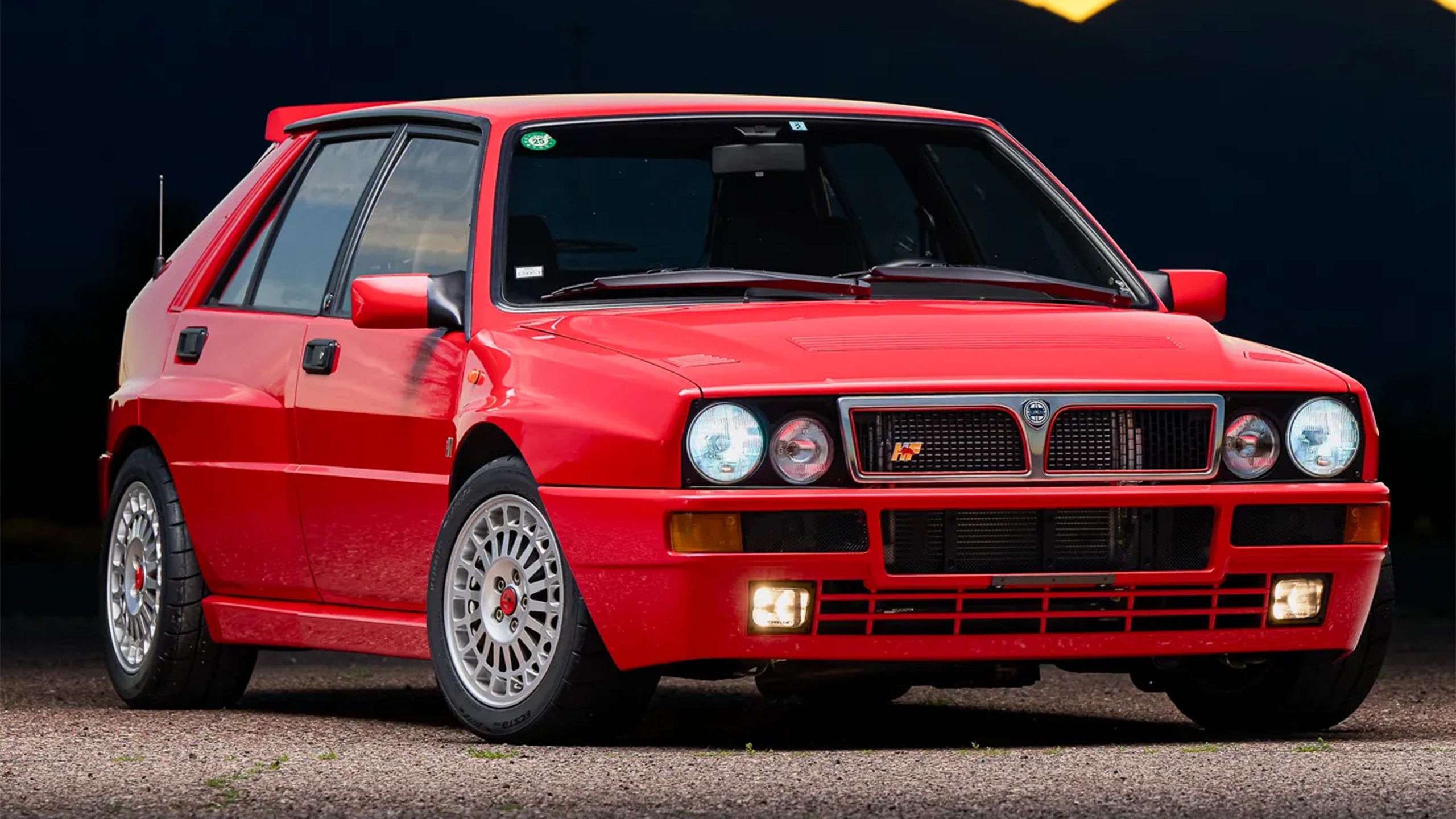
8. Lancia Delta Integrale
The Lancia Delta Integrale is one of those cars whose reputation grew far beyond its original market. Developed from a compact hatchback, the Integrale evolved into a formidable four-wheel-drive performance car and became closely associated with Lancia’s extraordinary run in the World Rally Championship.
American buyers never had access to a new Delta Integrale through a Lancia dealership. Lancia had already left the U.S. market in 1982, so there was no official American-market Integrale lineup waiting for buyers when the performance versions appeared in Europe.
MotorTrend notes that no Delta Integrales were sold new in the United States and that the earliest versions became eligible for import once they reached the 25-year threshold.
That history explains why American examples are imports rather than cars originally delivered through U.S. dealers. The federal 25-year rule has progressively opened the door to later versions as each reaches the required age.
The Integrale’s appeal goes beyond its rally reputation. Its compact size, turbocharged engine, four-wheel drive, and boxy styling created a combination that modern performance cars rarely replicate. Different versions also offer their own character, from early HF 4WD models to the later Evoluzione variants.
For American collectors, the arrival of age-eligible Integrales has provided access to one of Europe’s most famous rally-bred road cars, a machine that once existed almost entirely outside the U.S. market.