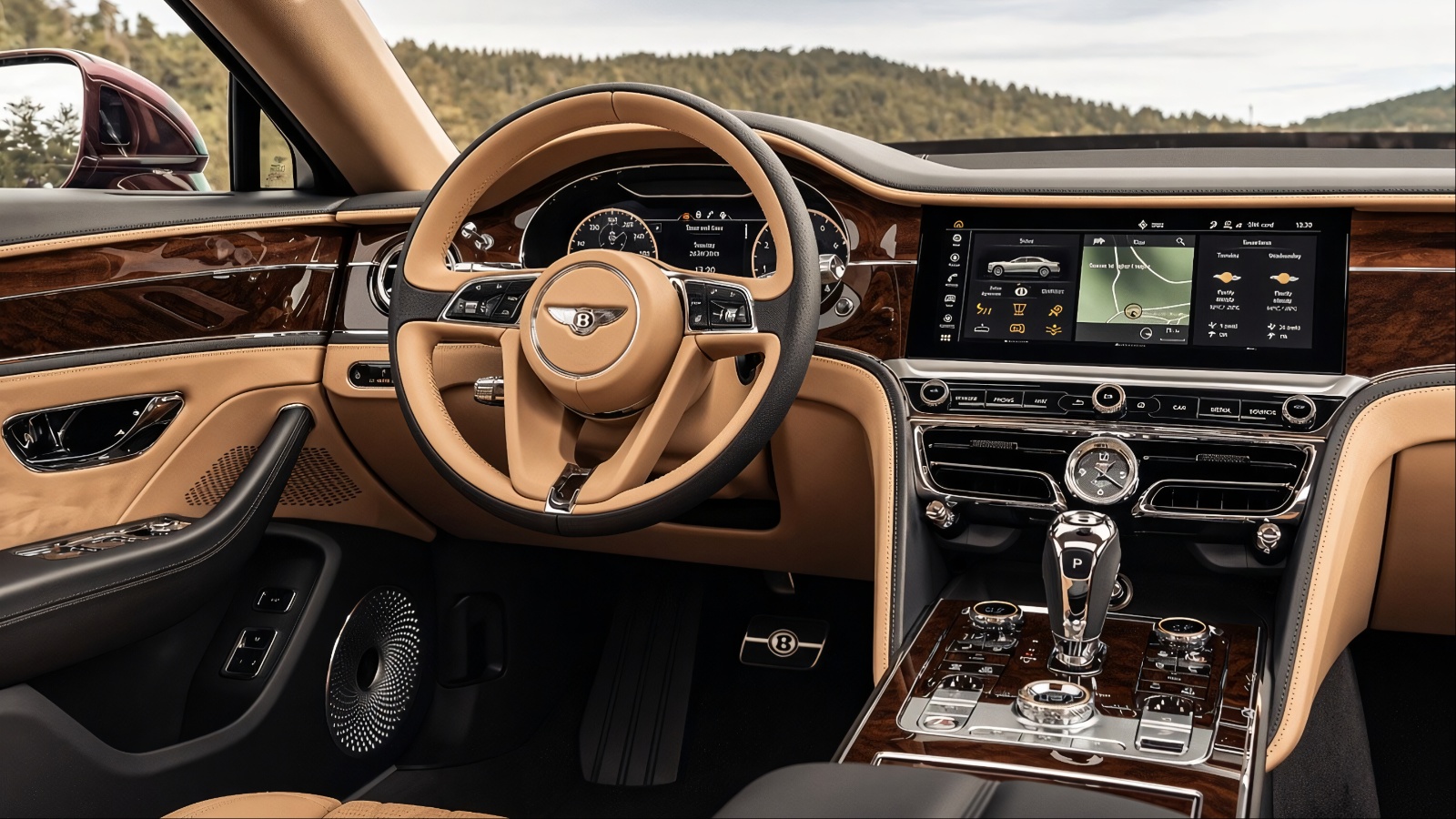
Interior materials can make a huge difference in how a car looks and feels after years of daily use. Two vehicles with similar mileage can develop completely different levels of wear depending on the materials used on the seats, steering wheel, dashboard, door panels, and other high-contact areas.
Some interiors develop shiny patches, peeling surfaces, cracks, stains, or sagging trim surprisingly quickly, while others can continue looking presentable after years of commuting, family use, and repeated entry and exit.
This list compares 10 cars based on how their commonly used interior materials tend to handle long-term wear, moving from materials that generally show deterioration sooner to those known for better durability. The ranking considers high-contact surfaces, resistance to cracking and discoloration, seat durability, ease of cleaning, and how well the cabin maintains its appearance with age.
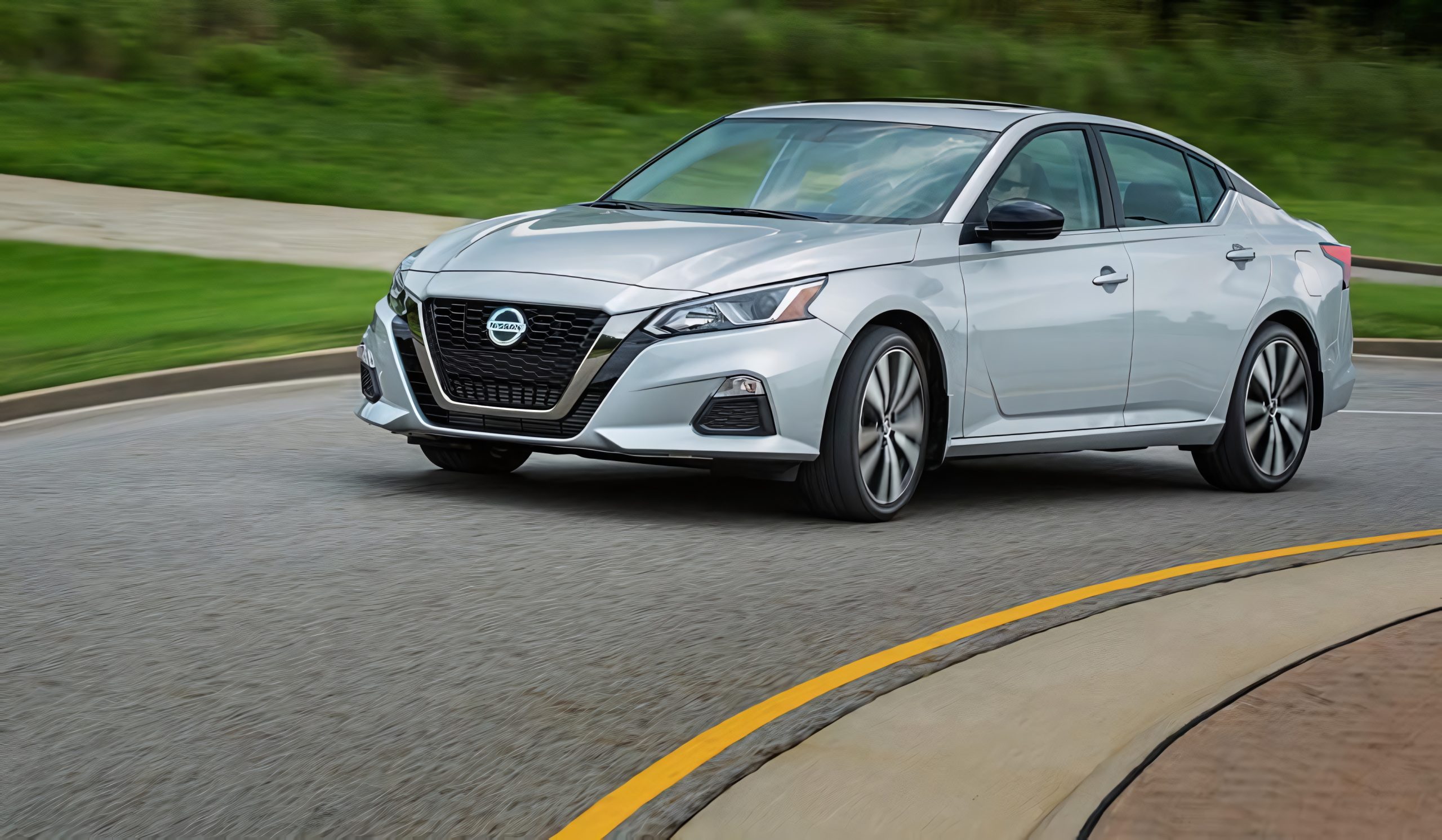
10. Nissan Altima
The Nissan Altima is a practical midsize sedan, but some versions have interiors that can reveal their age relatively quickly, particularly in high-contact areas. Depending on model year and trim, the Altima has used cloth, leather-appointed surfaces, synthetic leather, and various soft-touch plastics. These materials provide a comfortable environment when new, but long-term durability can vary considerably between different interior components.
The driver’s seat is usually the first area to attract attention. Frequent sliding into and out of the car can create compression and visible wear along the outer bolster. On versions with leather or leather-like upholstery, the driver’s seat can eventually develop wrinkles, discoloration, or surface deterioration. Cloth upholstery generally avoids peeling but can become stained and flattened with heavy use.
The steering wheel can also become noticeably smoother or shinier over time. Repeated contact with hands, sunscreen, lotions, and cleaning products can accelerate changes to the surface. Some dashboard and door-panel materials can similarly develop shiny spots where occupants regularly touch them.
None of this means every Altima interior will deteriorate quickly. Maintenance, climate, mileage, and trim level make a significant difference. A well-maintained example can remain attractive for years.
However, when comparing interiors specifically for resistance to visible wear, the Altima’s mixture of soft-touch plastics and synthetic upholstery places it toward the lower end of this list. Its interior prioritizes comfort and affordability rather than exceptionally durable, long-lasting materials.
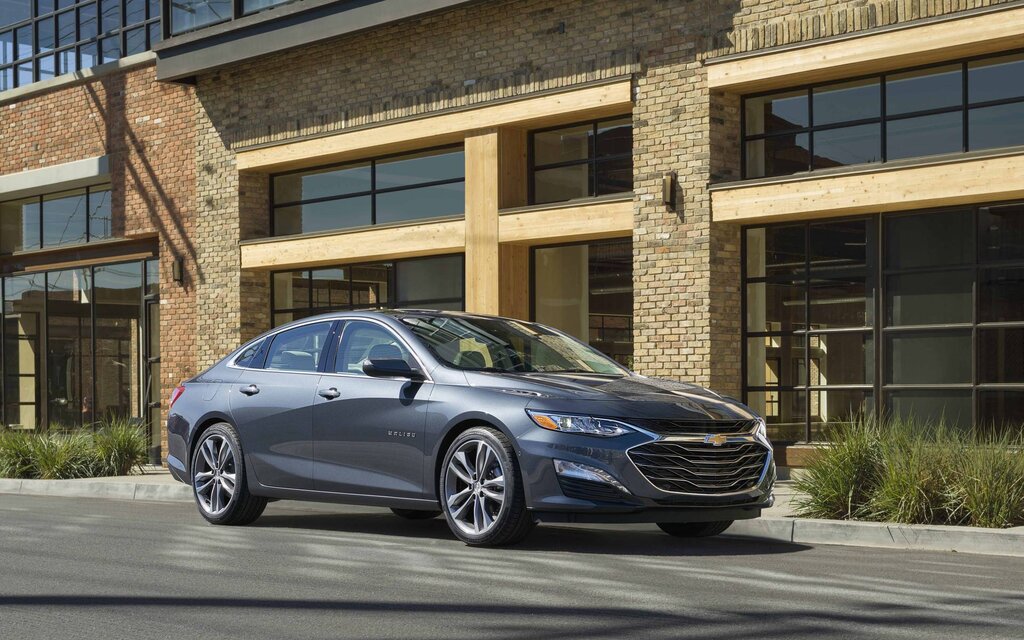
9. Chevrolet Malibu
The Chevrolet Malibu offers a relatively comfortable cabin, but some interior materials can show noticeable changes after years of frequent use. Depending on the generation and trim, buyers could find cloth, leather, or synthetic upholstery combined with soft-touch dashboard materials and conventional molded plastics.
Cloth seats generally hold up reasonably well when properly maintained, although the driver’s seat can become compressed and develop flattened areas after extensive commuting. Light-colored upholstery is particularly vulnerable to staining, while darker materials can hide dirt but may eventually show shiny areas from repeated contact.
Leather-appointed and synthetic surfaces present a different set of concerns. The driver’s seat bolster receives repeated friction every time the driver enters or exits, making it one of the most important areas to inspect on a used Malibu. Wrinkling, surface gloss, and cracking can become more obvious with age, especially in vehicles exposed to intense sunlight or high temperatures.
The steering wheel is another high-contact component. Years of handling can gradually change its texture, while harsh cleaning chemicals can accelerate deterioration of certain surface coatings. Buttons and switchgear can also develop polished areas where fingers repeatedly make contact.
The Malibu’s interior isn’t necessarily fragile. Many examples accumulate high mileage without severe cabin deterioration. The biggest difference comes from how the car was used and maintained. A garage-kept vehicle with regular cleaning can look considerably better than one exposed to heat and heavy daily use.
For this ranking, however, the Malibu sits below interiors that use more robust upholstery and trim materials. It provides a pleasant cabin when new, but long-term appearance depends heavily on maintenance and environmental exposure.
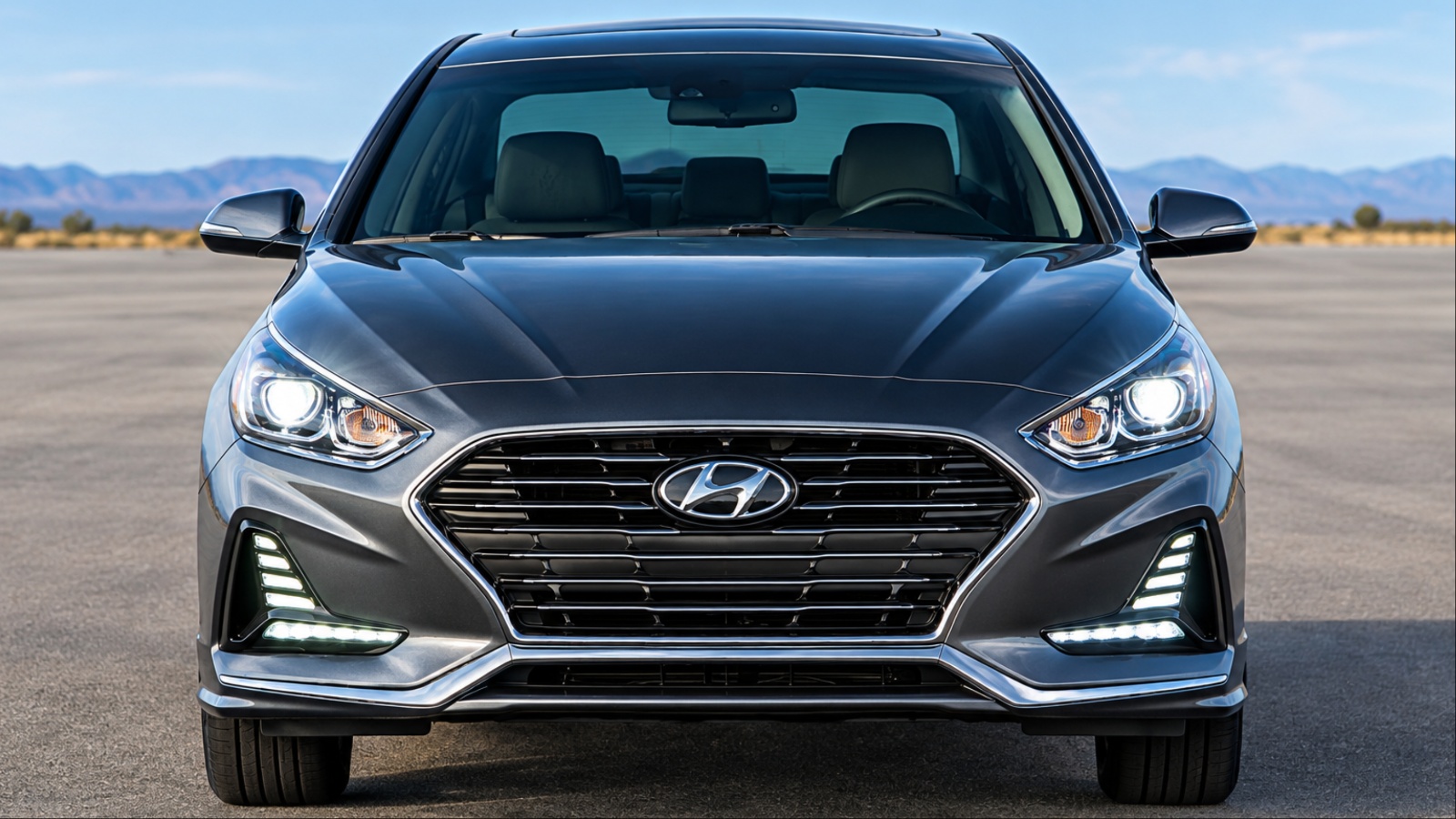
8. Hyundai Sonata
The Hyundai Sonata has offered increasingly sophisticated interiors across its generations, with higher trims receiving leather, synthetic leather, soft-touch surfaces, and more elaborate dashboard designs. While these materials can make the cabin feel upscale, appearance and durability aren’t always identical qualities.
The driver’s seat is the most important wear point. Synthetic leather and leather surfaces can develop creases as the seat ages, particularly around the outer bolster. Frequent short trips can actually increase entry-and-exit wear because the driver repeatedly slides across the bolster without accumulating much highway mileage.
Cloth upholstery tends to avoid the peeling problems associated with some coated materials, but it can absorb stains and develop flattened sections. Dark-colored cloth can also collect dust and lint that becomes increasingly noticeable.
The steering wheel may develop a smoother finish after years of use. This is particularly visible when the original surface has a textured finish that becomes polished through repeated contact. Buttons surrounding the steering wheel and center console can also lose some of their original matte appearance.
One advantage of the Sonata is that Hyundai has progressively improved interior fit, finish, and material presentation. Newer generations generally feel more substantial than some older versions. That means this ranking should not be interpreted as applying equally to every Sonata ever produced.
Age, generation, trim, climate, and maintenance are all significant variables. A carefully maintained Sonata can have a very clean-looking cabin even after substantial mileage.
Still, when judged specifically on resistance to visible long-term wear, the Sonata’s combination of synthetic materials, soft-touch surfaces, and heavily used controls puts it in the middle-lower portion of this list.
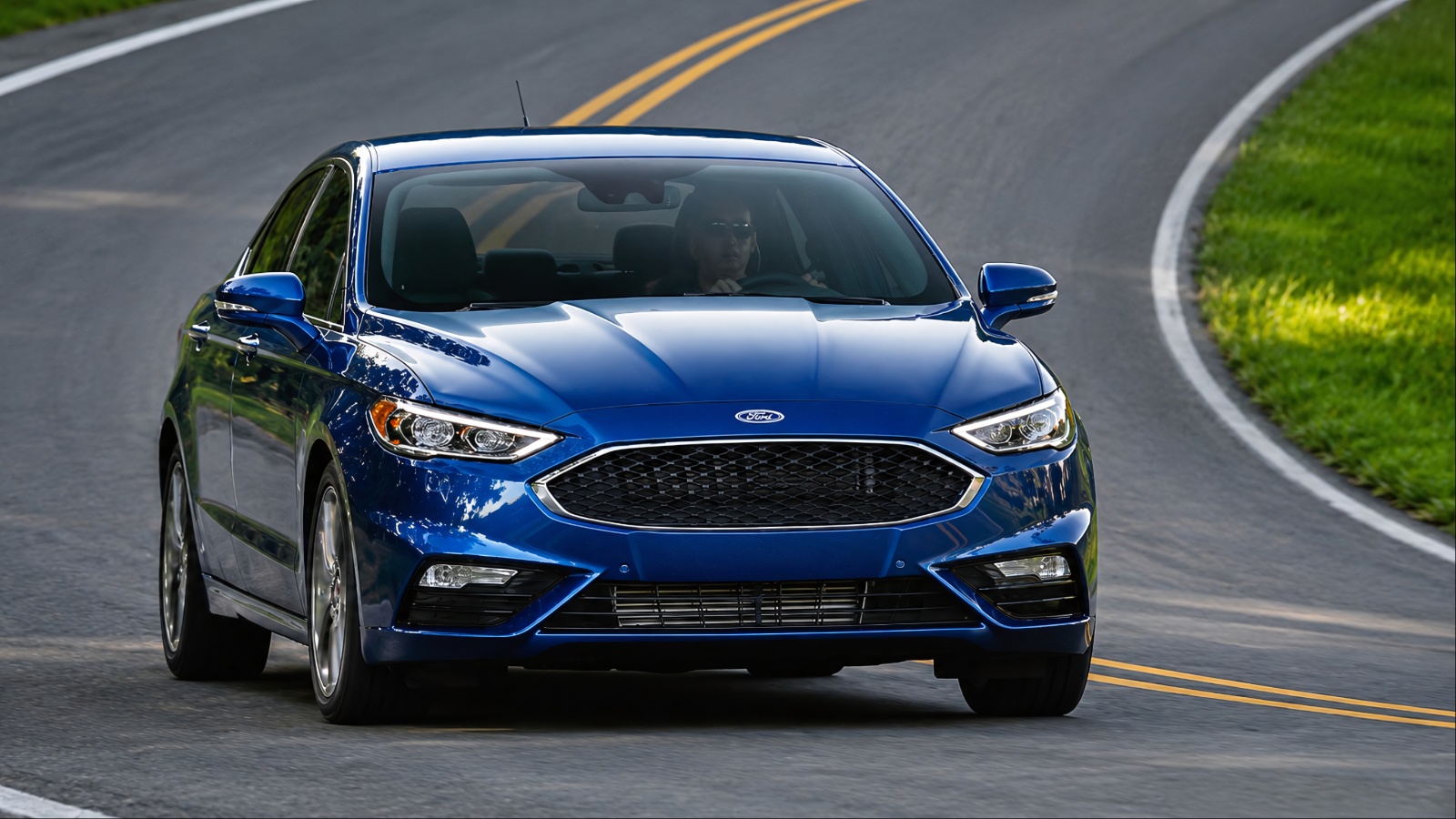
7. Ford Fusion
The Ford Fusion combines practical interior materials with a generally solid cabin layout. Depending on model year and trim, it was available with cloth, leather, and synthetic upholstery, along with hard and soft-touch plastics throughout the dashboard and doors.
One of the Fusion’s strengths is its relatively straightforward interior construction. Harder plastic surfaces can tolerate years of use without developing the same types of surface damage associated with coated materials. The trade-off is that they may not feel as premium as softer materials when the vehicle is new.
The driver’s seat remains the biggest potential wear point. Leather surfaces can become wrinkled, while cloth can flatten in areas receiving repeated pressure. The outer bolster is particularly vulnerable because drivers routinely slide against it while entering and exiting.
The steering wheel can develop a polished appearance with age. This is common in many vehicles rather than a problem exclusive to the Fusion. The difference is how noticeable the change becomes relative to the original finish.
Dashboard and door materials generally hold up reasonably well, although direct sunlight can eventually cause fading or changes in texture. Cars operated in hot climates deserve particular attention because heat and ultraviolet exposure can accelerate deterioration.
Higher-mileage Fusions can therefore show a combination of seat compression, steering-wheel smoothing, and minor trim wear without necessarily suffering major interior damage.
The Fusion earns a middle position because its basic materials are reasonably practical and serviceable. It doesn’t have the exceptionally durable cabin materials associated with some rugged vehicles, but neither does it rely entirely on delicate surfaces. With regular cleaning and protection from prolonged sun exposure, many examples can retain a respectable interior appearance well into their later years.
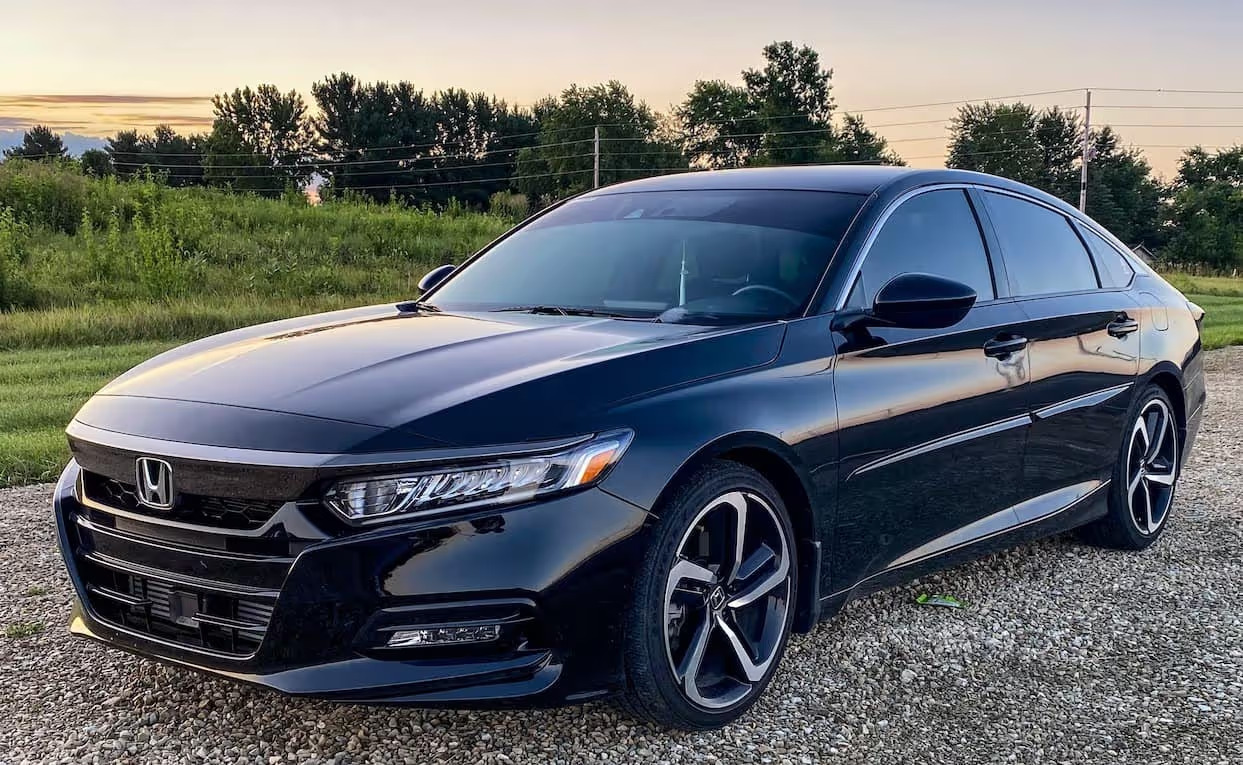
6. Honda Accord
The Honda Accord has built a reputation for being a practical long-term vehicle, and its interiors generally reflect that philosophy. Across different generations, Accord cabins have used cloth, leather, synthetic materials, soft-touch plastics, and durable molded trim.
Cloth upholstery is particularly useful for long-term ownership because it doesn’t develop the same type of surface peeling associated with coated synthetic materials. However, cloth seats can still become compressed, stained, or worn around the driver’s bolster after years of repeated use.
Leather-equipped Accords can develop wrinkles and creases, especially on the driver’s seat. Proper cleaning and conditioning can help maintain the appearance, while vehicles exposed to intense sunlight require additional care. The steering wheel can similarly become smoother or shinier after extensive use.
One advantage of the Accord is that many of its interior surfaces are designed for everyday practicality rather than purely visual appeal. Harder plastics may not feel particularly luxurious, but they can be surprisingly resistant to the sort of surface deterioration that becomes obvious on softer coated materials.
Switchgear also tends to receive considerable use in an Accord because these cars are frequently used as daily transportation. Buttons, climate controls, door handles, and center-console surfaces can accumulate minor scratches and polishing over time, but normal wear doesn’t necessarily mean the underlying material is failing.
The Accord therefore occupies the middle-upper portion of this ranking. Its interior isn’t immune to aging, and heavily used examples can certainly show their mileage. However, the combination of practical materials and generally durable construction makes it well suited to years of everyday driving.
For buyers shopping used Accords, inspecting the driver’s seat bolster, steering wheel, and door-armrest area can provide useful clues about how heavily the vehicle was used.
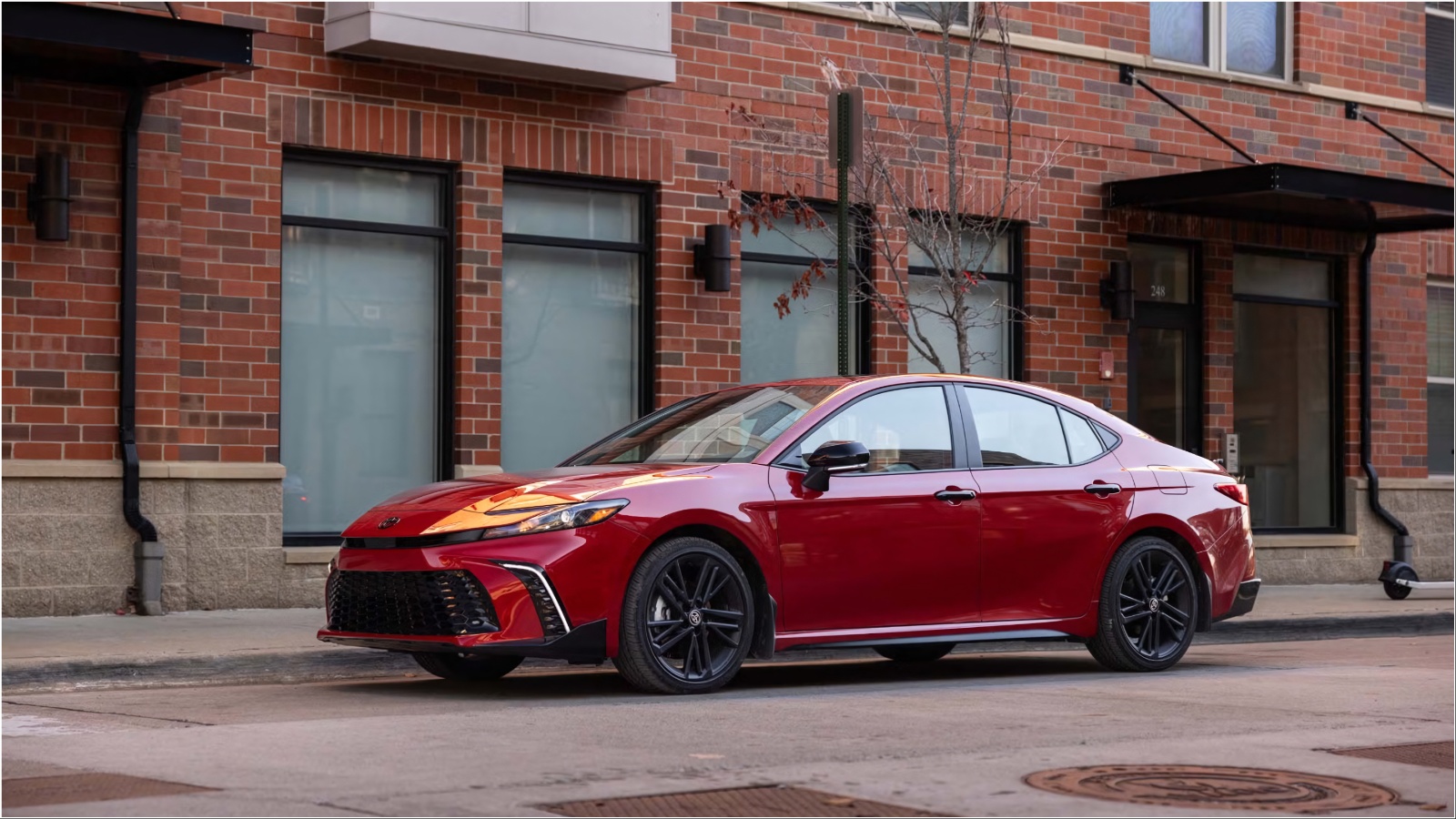
5. Toyota Camry
The Toyota Camry has long been positioned as a dependable everyday sedan, and its interiors generally emphasize practicality and durability. Different generations and trims have used cloth, leather, synthetic upholstery, soft-touch plastics, and durable molded components.
The biggest advantage is that many cabin surfaces are designed to withstand repeated everyday contact. Door panels and dashboard plastics can tolerate years of use without necessarily showing dramatic deterioration. They may accumulate scratches or become slightly shinier in high-contact areas, but this is different from serious material failure.
Seat durability depends strongly on the upholstery. Cloth can remain functional for a long time, although it can absorb stains and become compressed. Leather and synthetic surfaces can develop wrinkles and wear around the driver’s bolster, particularly on high-mileage examples.
The steering wheel can also reveal a vehicle’s age. A heavily used Camry may develop a noticeably smoother surface, especially where the driver’s hands normally rest. This isn’t necessarily a mechanical problem, but it can affect the cabin’s appearance.
Toyota’s widespread use of conventional interior materials also makes minor cosmetic repairs relatively straightforward compared with cabins that use highly specialized finishes. Replacement trim and upholstery components can often be sourced for older models.
Environmental conditions still matter. Strong sunlight, extreme heat, and poor cleaning habits can accelerate aging considerably. A Camry parked outside every day may show more interior deterioration than a higher-mileage example that spent most of its life in a garage.
The Camry’s cabin materials generally provide a good balance between appearance and durability. It ranks above the Accord here because of the particularly practical nature of many of its interior surfaces, although individual generations and trims can vary.
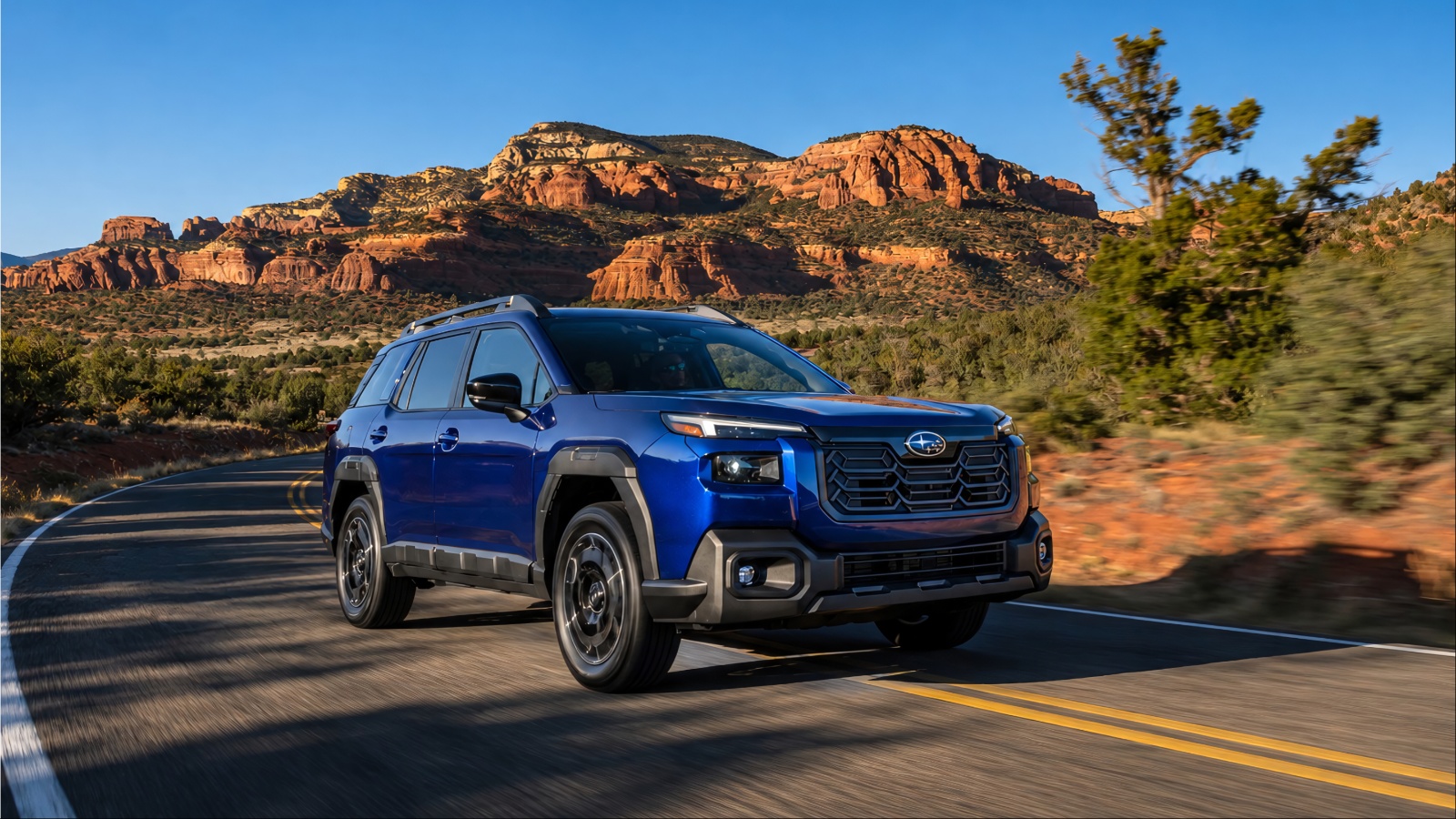
4. Subaru Outback
The Subaru Outback is designed for owners who may use their vehicles for camping, outdoor recreation, pets, passengers, and other activities that can be harder on an interior than ordinary commuting. As a result, practicality has traditionally been an important part of its cabin design.
Cloth and durable synthetic upholstery are built to handle the demands of daily use. Depending on the model year and trim level, some vehicles may also feature leather or leather-like upholstery. While these materials can develop wrinkles and signs of wear over time, the cabin is generally designed with practicality and durability in mind rather than delicate finishes.
The Outback’s interior also benefits from numerous hard-wearing surfaces. Cargo-area materials are particularly important because owners may load bicycles, camping equipment, luggage, tools, or muddy outdoor gear. Harder plastics can take scratches that would damage softer trim, but they remain functional.
Seat bolsters remain the primary area to inspect on a used example. Repeated entry and exit can wear the driver’s seat even if the rest of the cabin remains excellent. Pet hair, dirt, and moisture can also accumulate in the upholstery depending on how the vehicle was used.
The steering wheel and armrests can develop polished surfaces after years of contact, but these changes are generally cosmetic.
Another consideration is that newer Outback interiors can be more elaborate than those of older models, with larger screens and additional soft-touch surfaces. Consequently, durability can vary substantially by generation.
The Outback ranks highly because its basic interior philosophy favors real-world use. Owners aren’t necessarily expected to treat the cabin like a luxury lounge. It is built to accommodate active lifestyles, and many of its materials can withstand the repeated abuse associated with that role.
3. Toyota 4Runner
The Toyota 4Runner is one of the strongest examples of an interior designed around durability rather than delicate luxury. Its cabin uses a combination of rugged plastics, durable upholstery, and straightforward trim that can tolerate substantial everyday abuse.
Hard plastics may lack the upscale feel of softer interior materials, but they can be a practical choice when durability is the priority. They are generally less likely to peel or crack than thin surface coatings. Scratches can still show up with age, but the underlying material typically remains intact.
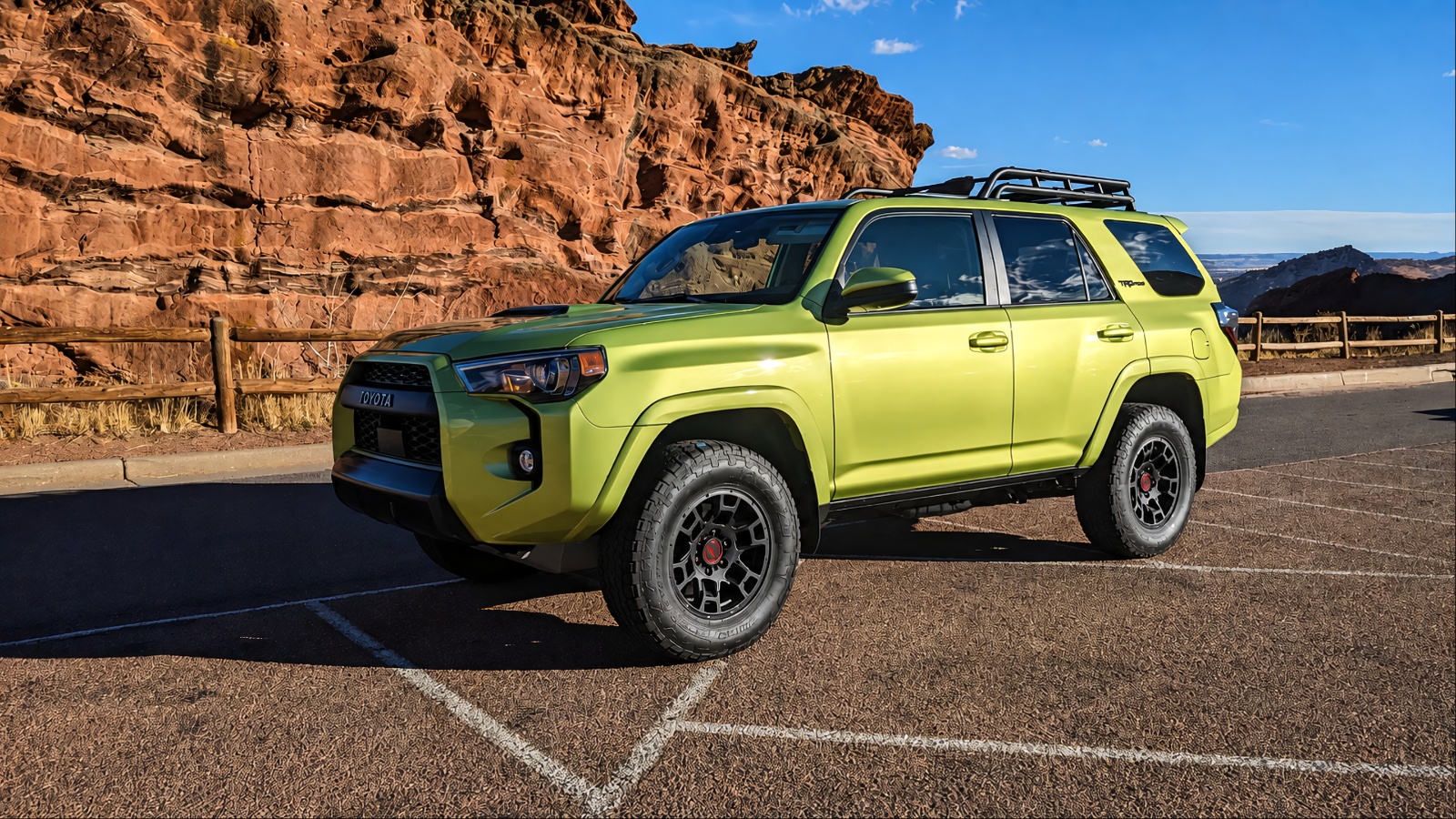
The seats are also designed for practical use. Cloth upholstery can withstand considerable abuse, while leather-equipped versions can remain attractive when properly maintained. As with virtually every vehicle, the driver’s outer bolster is the area most likely to show early wear.
The 4Runner’s cargo area is another major advantage. Owners can use the vehicle for camping equipment, sports gear, pets, and other messy cargo without worrying about every surface being especially delicate. Hard-wearing plastics are easier to clean than many premium soft-touch materials.
The steering wheel may eventually become smoother, and frequently used switches can develop minor cosmetic wear. But these changes generally take substantial use before becoming obvious.
Climate can still affect an older 4Runner. Prolonged exposure to intense heat and sunlight can damage upholstery and fade interior surfaces. Regular cleaning and UV protection can help slow the process.
The 4Runner earns a high position because its interior materials prioritize longevity and functionality. It may not have the softest or most luxurious cabin in its class, but when the question is simply how well the materials can survive years of use, its rugged approach becomes an advantage.
2. Lexus LS
The Lexus LS approaches interior durability from a different direction. Instead of relying primarily on rugged hard plastics, it combines carefully finished leather, high-quality trim, and substantial interior components designed to maintain a premium appearance over time.
Leather still requires maintenance, particularly in a vehicle that spends years exposed to heat and sunlight. The driver’s seat can develop creasing and compression, while the steering wheel can become smoother with extensive use. However, properly cared-for materials can retain their appearance remarkably well.
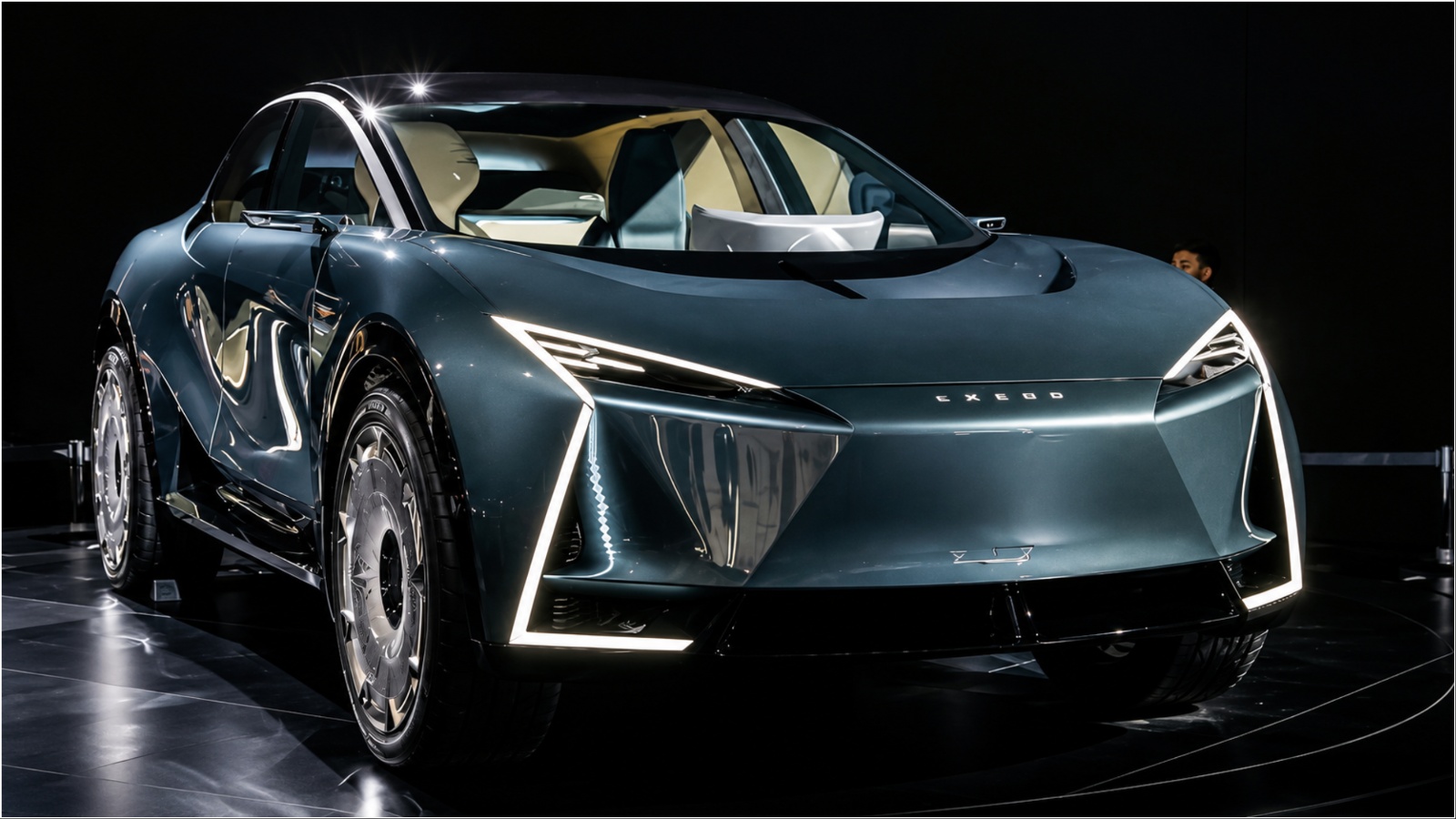
The quality of the underlying construction is also important. High-end interior components generally have a more substantial feel, and many surfaces are designed to remain attractive rather than simply survive contact.
Wood trim, where fitted, can also age differently from plastic. Properly finished wood can remain visually appealing for many years, although exposure to extreme temperatures and neglect can eventually cause deterioration.
The LS’s greatest vulnerability is arguably its complexity. A luxury interior contains more specialized surfaces and components than a basic vehicle. Even when the materials themselves remain intact, switches, electronic controls, seat mechanisms, and other components can experience age-related issues.
That distinction matters when discussing wear. Material durability isn’t identical to total interior reliability.
A well-maintained LS can therefore remain remarkably impressive after years of use. Leather conditioning, regular cleaning, and protection from excessive sunlight make a major difference.
The LS ranks near the top because its materials combine comfort, refinement, and substantial construction. It requires more care than a rugged SUV interior, but when properly maintained, the cabin can preserve its premium appearance exceptionally well.
1. Toyota Land Cruiser
The Toyota Land Cruiser takes the top spot in this materials-focused list because durability has historically been a central part of its design philosophy. Land Cruiser interiors have been expected to function in environments ranging from urban commuting to demanding off-road conditions, and that emphasis influences the choice of materials.
Many generations use durable plastics and upholstery that are designed to tolerate substantial use. These surfaces may not always provide the softest or most luxurious feel, but they can remain functional and presentable after years of hard use.
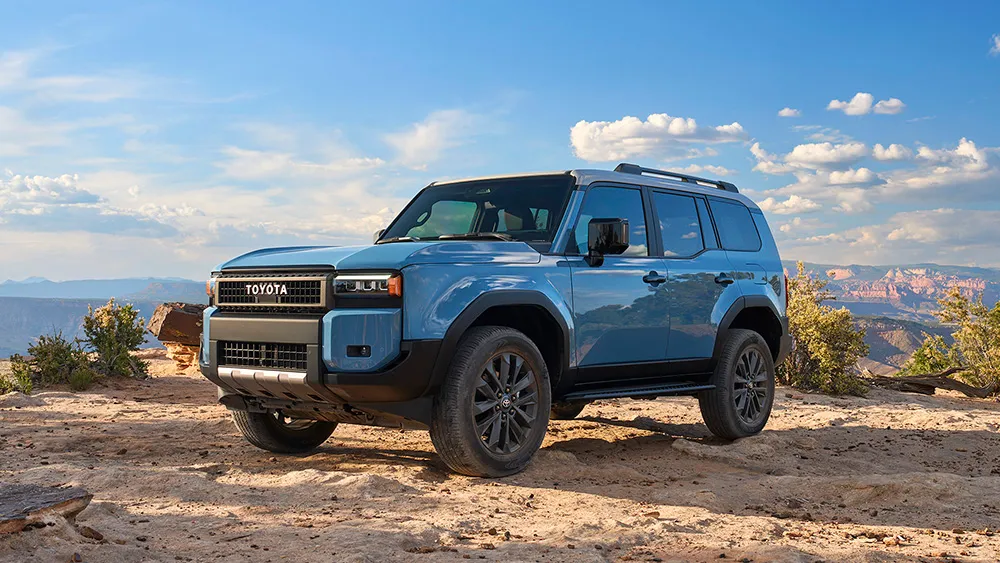
The seats play a major role in the vehicle’s long term durability. Across different generations and trim levels, Land Cruisers have been offered with cloth, vinyl, leather, and other upholstery options. Each material requires a different level of care, but the cabin is generally built with long term use and durability in mind.
Hard-wearing plastics also make sense in areas such as the doors, center console, and cargo compartment. Scratches and scuffs can eventually appear, but these materials generally tolerate abuse better than delicate surface coatings.
The steering wheel and driver’s seat remain the most obvious indicators of mileage. A heavily used Land Cruiser can develop smooth steering-wheel surfaces and worn seat bolsters, but these changes don’t necessarily mean the broader cabin has deteriorated.
Environmental exposure remains important. A vehicle that spends years under intense sunlight can experience fading, cracking, or drying regardless of its original material quality. Regular cleaning and protection can significantly extend interior life.
The Land Cruiser’s advantage comes from its approach to construction. Its interior is designed to withstand years of use in demanding conditions, making it a useful benchmark for long-term material durability.
For buyers prioritizing how an interior ages rather than how luxurious it feels when new, the Land Cruiser’s combination of robust upholstery, practical plastics, and heavy-duty construction makes it one of the strongest choices.