
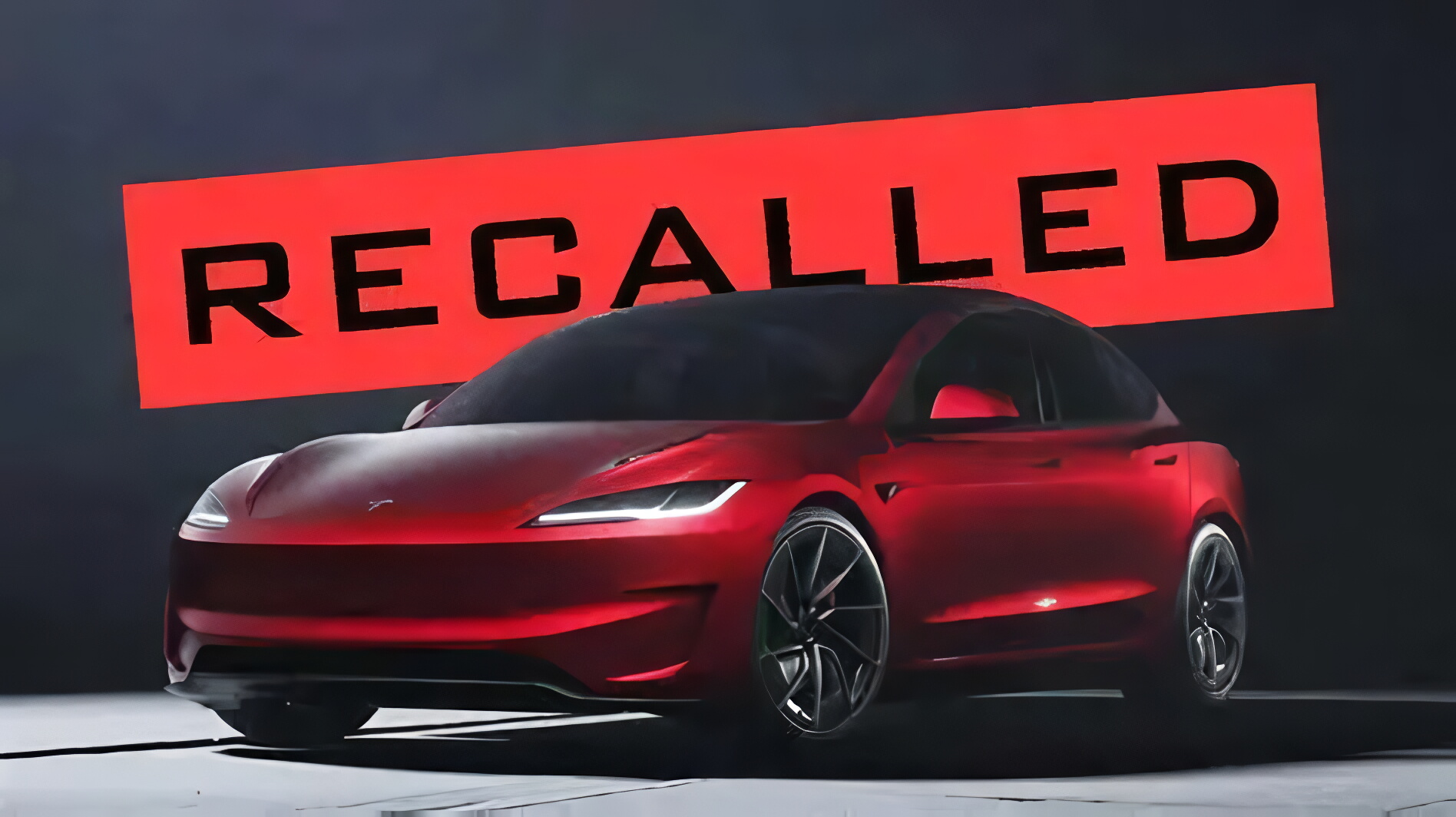
Ever seen a recall notice in the news and wondered what that actually does to a carmaker’s bank account? It’s a fair question. A company announces it’s fixing a million vehicles, then goes right back to selling trucks like nothing happened. Behind that calm press release sits a real number, and it’s messier than most people expect. Some recalls cost a couple hundred dollars per car.
Others spiral into billions once lawsuits, lost production, and regulatory penalties pile on. The gap between those two outcomes is where the whole story lives. Let’s break down what automakers actually pay when a defect slips past the assembly line, where that money goes, and why some recalls quietly ruin a balance sheet while others barely register.

The $500 Average Nobody Talks About
Start with the headline figure, because it’s a useful anchor even though it hides more than it reveals. Average recall cost per vehicle runs around $500, according to AlixPartners analysis, though that average masks an extreme tail of outcomes.
Five hundred dollars per car sounds manageable until you multiply it across a recall population measured in millions. Real-world examples land on both sides of that average.
Ford’s door-latching recall affected 1.3 million vehicles and cost the company $267 million to fix, which works out to roughly $205 per car. Cheaper than the industry average, but still a quarter of a billion dollars for one component.
The variation comes down to what’s being replaced and how hard it is to reach. A software update pushed over the air costs almost nothing per vehicle.
A wiring harness buried behind the dashboard means hours of dealer labor per car, billed back to the manufacturer at standard warranty rates.
Parts cost, labor hours, dealer reimbursement, and customer notification all stack into that per-vehicle figure. A recall touching something simple stays cheap. One requiring engine or airbag work climbs fast, and the total scales directly with how many cars carry the defect.
That per-car number, though, only counts the repair itself. It’s the smallest piece of the actual bill.
Where the Money Actually Goes
Many people assume a recall is mainly about the cost of repairs, but the labor involved is often only a small part of the expense. A detailed analysis of pharmaceutical recalls helps show where the higher costs can arise.
Roughly 35% of total recall cost is the direct recall operation, 49% is business interruption, and 16% covers product rehabilitation, communications, and consulting.
Business interruption, nearly half the bill, means production pauses, shipping holds, dealer inventory freezes, and engineering teams pulled off new projects to handle the crisis instead.
Think about what that looks like inside a company. Engineers who should be developing next year’s model spend twelve to eighteen months tracing a defect, testing fixes, and coordinating with regulators.
That organizational drag, pulling leadership off core work, is one of the most consistently underestimated costs. Then there’s the paperwork.
Regulatory filings, safety agency correspondence, legal review, and customer communication all require staff and outside counsel. None of it fixes a single car, but all of it gets billed.
Total economic impact typically runs three to five times the direct cost once business interruption, litigation, and lost contracts are included. So that $500 per vehicle? Treat it as a starting point, not a final answer.
Warranty reserves tell the same story from a different angle. Ford set aside roughly $4 billion to cover warranty costs in 2021, with warranty expenses growing 17% over a five-year stretch.
That’s money parked on the books before anyone knows exactly which defect will need it.
When One Defect Turns Into Billions
Averages are comforting. Outliers are terrifying. And in automotive recalls, the outliers happen often enough that no finance department can safely ignore them.
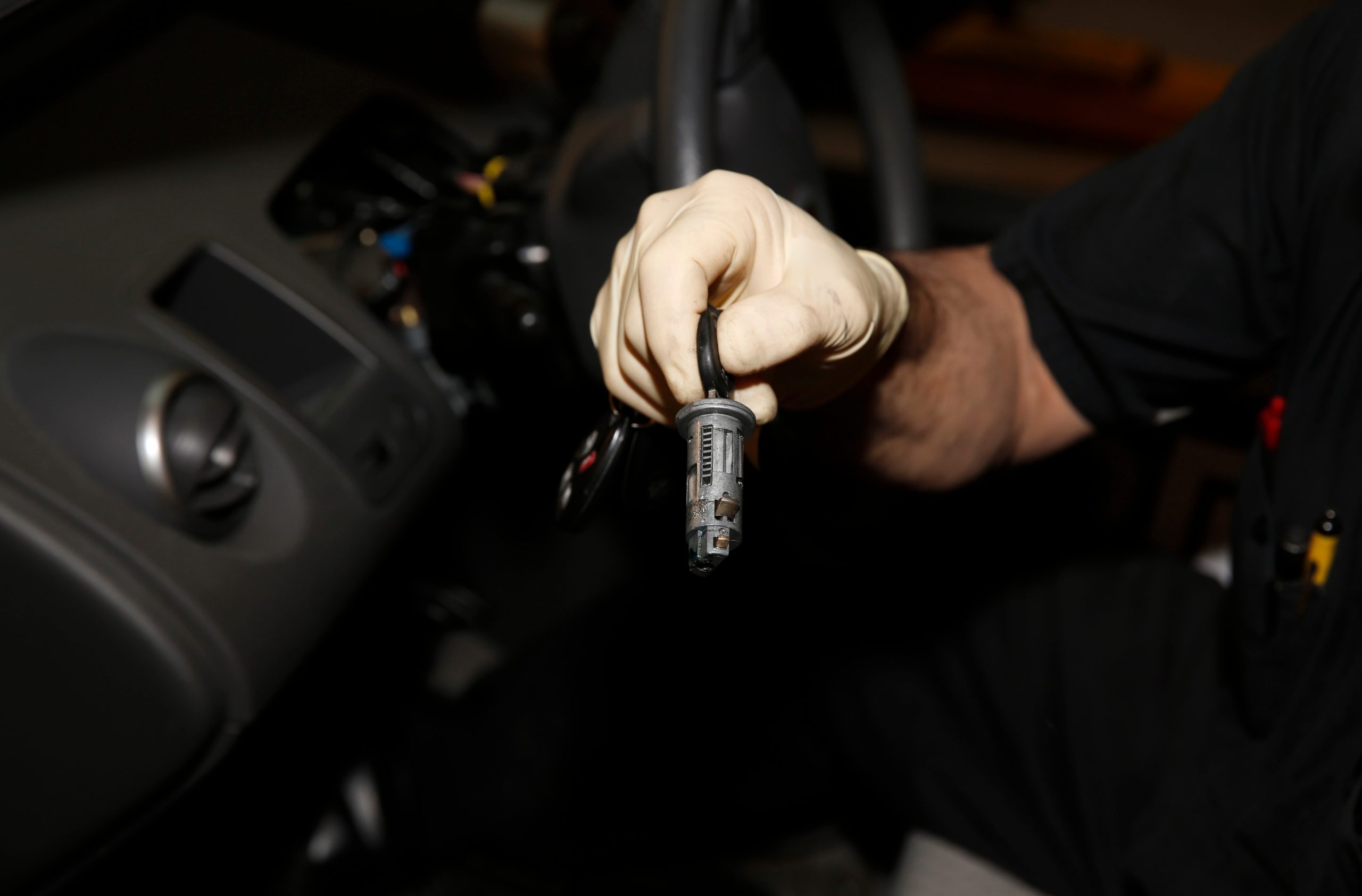
General Motors’ ignition switch recall cost more than $6.7 billion once settlements, vehicle repairs, and Department of Justice penalties were fully accounted for.
The component itself was small and relatively cheap. The real costs came from everything surrounding the failure, including injuries, legal claims, federal investigations, and damage to the company’s reputation that no repair could undo.
Takata’s airbag inflator situation went further still. The company’s worst-case internal estimate for replacing defective inflators reached approximately $24 billion.
A supplier failure of that magnitude reshapes the entire industry around it, since the affected parts sat inside vehicles from dozens of different automakers.
These aren’t freak accidents. They represent what happens to organizations that allow latent defects to reach scale before catching them.
Scale is the multiplier that turns a manageable problem into an existential one. Ten thousand affected cars with a $500 fix costs $5 million, an unpleasant quarter. Ten million affected cars with the same fix and a liability tail behind it reaches numbers that threaten the company itself.
Zoom out and the industry-wide total gets sobering. Recall-related costs across North American automotive exceeded $20 billion in 2017 alone.
Why Suppliers Now Share the Bill
Modern cars aren’t built by one company. They’re assembled from thousands of parts sourced across a global supplier network, and that structure changes where defects originate.
The data backs this up. AlixPartners found that suppliers’ share of total recall costs had risen to 15 to 20% by 2018, with the frequency of suppliers named in recall notices doubling since 2013.
More defects are starting upstream, well before a vehicle reaches final assembly. That creates an awkward split. The defect increasingly begins with a supplier, yet the cost still lands on the automaker.
Customers hold the brand on the hood responsible, regulators address the vehicle manufacturer, and dealers bill the automaker for warranty work regardless of which vendor made the faulty part.
Recovery agreements exist, of course. Automakers negotiate cost-sharing arrangements with suppliers, sometimes recouping a meaningful portion of the expense. But those negotiations take time, sometimes years, and a supplier facing a multi-billion-dollar liability may simply not have the money.
Medical device data shows the same structural pattern across manufacturing generally. Materials and component failures from suppliers or sub-assemblies account for roughly 26% of recalls, with process control errors adding another 17%.
Nearly half of all recall root causes, in other words, trace to manufacturing and supplier origins rather than fundamental design mistakes.
Catching It Early Costs Pennies on the Dollar
One principle captures the economics of recalls better than any specific dollar amount. The longer a defect goes unnoticed, the more expensive it becomes to address.
Quality engineering describes this as the 1:10:100 rule. A defect costs roughly one unit to resolve at the design stage, ten units at final assembly, and one hundred units after shipment.
It’s a heuristic rather than a mathematical law, but decades of manufacturing quality research support the directional logic. Apply that to a car. A flawed bracket caught during design review costs an engineer’s afternoon.
Caught at end-of-line testing, it means reworking units already built. Caught in the field, it means locating owners, shipping parts to thousands of dealers, paying labor at every one, and absorbing whatever legal exposure came with the failures that already happened.
The interval between when a defect enters the production system and when it gets detected is the single most controllable variable in recall economics.
That’s why manufacturers invest heavily in inspection technology, supplier audits, and testing protocols. Conventional methods like visual inspection and standard 2D X-ray see surfaces rather than interiors, missing voids, cracks, and bond failures hidden inside a part.
Closing that detection gap costs money upfront. Not closing it costs far more later.
