Braking performance is one of the clearest indicators of how effectively a car can turn speed into control. Stopping from 60 mph may seem like a simple test, but bringing a vehicle to a complete halt in less than 110 feet requires a combination of strong brakes, capable tires, suspension tuning, weight distribution, and sophisticated electronic controls.
A few feet can make a meaningful difference when avoiding an obstacle or responding to an unexpected hazard.
The cars on this list are based on published instrumented 60-to-0-mph braking tests, with the focus on vehicles that have recorded stopping distances below 110 feet. Results can vary between testing organizations, model years, tire specifications, road surfaces, temperatures, and test conditions, so a particular example may not reproduce the exact figure shown here. The list is arranged from longer to shorter tested stopping distances.
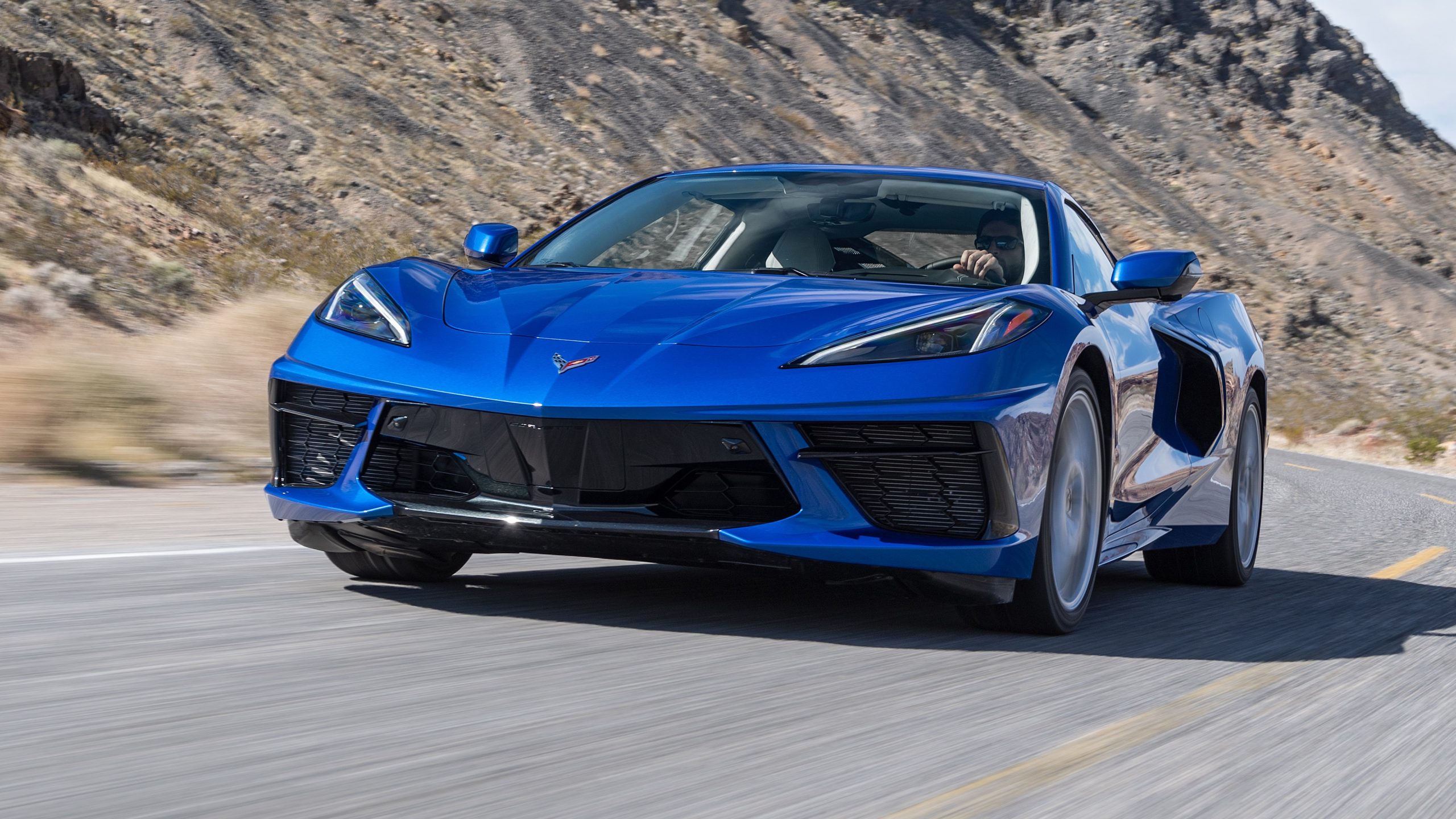
10. Chevrolet Corvette Stingray – Around 109 Feet
The Chevrolet Corvette Stingray combines a relatively lightweight structure with a mid-engine layout and serious braking hardware, making it capable of impressive stopping performance. Depending on configuration, the C8 Corvette can be equipped with large performance brakes, sticky summer tires, and suspension tuning designed to complement its sports-car mission.
Independent testing has recorded the Stingray stopping from 60 mph in roughly the 109-foot range, placing it just inside the 110-foot threshold for this list. That figure is particularly notable because the Corvette is not an ultra-specialized track car. It remains a road-going sports car that can be driven comfortably on public roads.
The mid-engine configuration helps distribute mass differently from a conventional front-engine sports car. During hard braking, weight still transfers toward the front axle, but the Corvette’s chassis is engineered to keep the car stable while allowing its tires to generate substantial braking force.
Tires are an especially important part of the equation. High-performance rubber provides the grip necessary to exploit the available braking hardware. The ABS system then helps maintain control when the driver applies maximum pedal pressure.
Brake performance can vary significantly depending on wheel and tire combinations. Optional performance packages can also change the result, meaning not every Corvette Stingray will produce exactly the same stopping distance.
Nevertheless, a sub-110-foot result demonstrates how capable the C8 Corvette is when asked to convert high speed into a complete stop. Its braking performance complements its acceleration and handling capabilities, giving the Stingray the ability to approach performance-car territory in both directions.
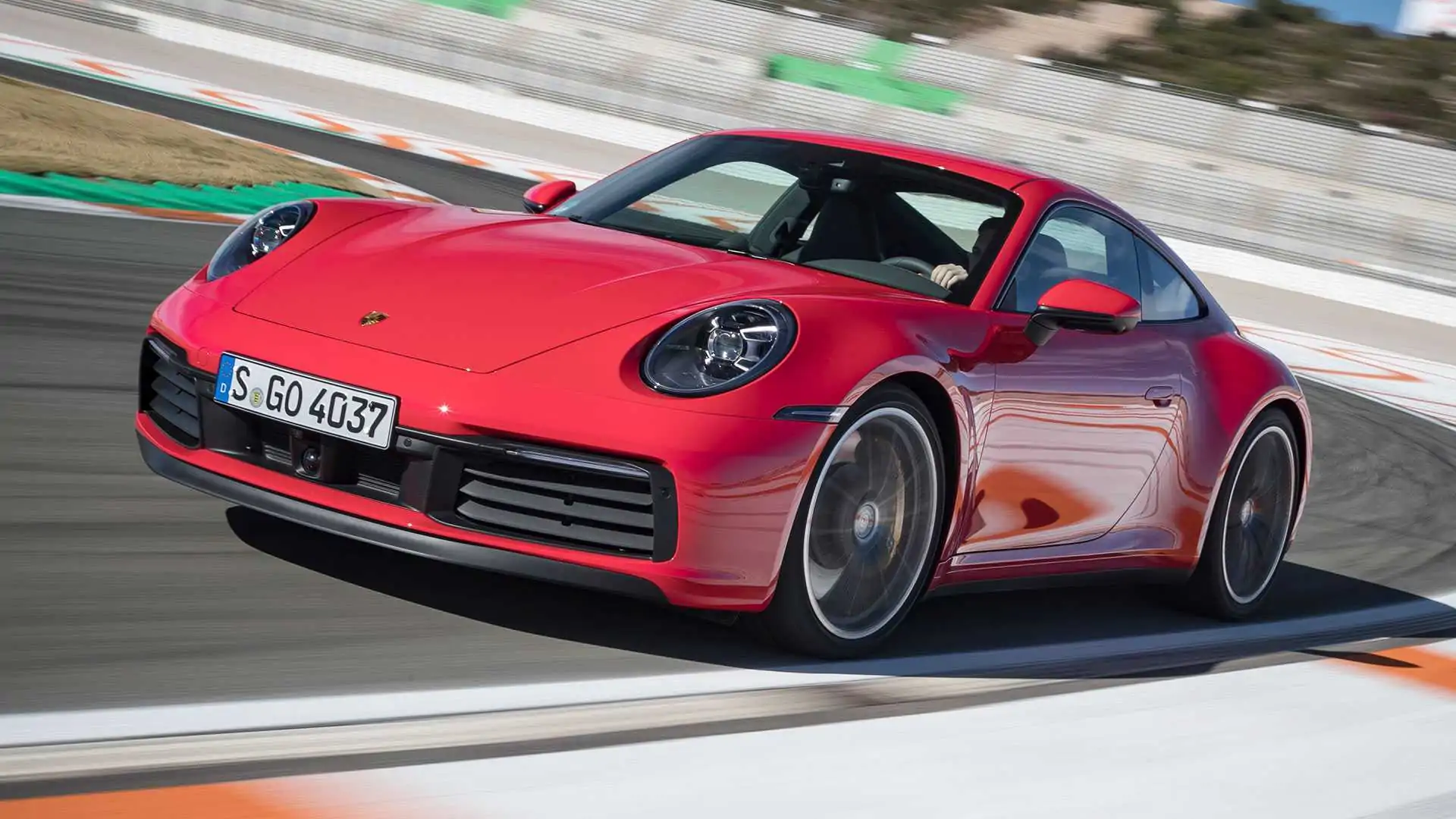
9. Porsche 911 Carrera – Around 108 Feet
The Porsche 911 Carrera has decades of development behind its braking system, and that engineering experience shows when the car is subjected to instrumented testing. Even the standard Carrera, rather than one of Porsche’s most extreme GT variants, can produce exceptionally short stopping distances.
Independent testing has placed certain 911 Carrera configurations at approximately 108 feet from 60 mph. The exact figure depends on the generation, tires, wheels, brake configuration, and testing conditions, but the result comfortably places the car below the 110-foot benchmark.
One reason for the 911’s performance is its chassis balance. The rear-mounted engine gives the car a distinctive weight distribution, while Porsche’s suspension and electronic systems are engineered around maximizing tire contact during aggressive driving.
The brakes themselves are only part of the equation. Modern 911s use powerful braking systems together with sophisticated ABS calibration. The system continuously adjusts braking pressure at the wheels to help maximize deceleration while maintaining directional stability.
Tire selection is equally important. Performance-oriented tires can generate enormous longitudinal grip on dry pavement, allowing the braking system to approach the limits of available traction.
The 911 also benefits from a relatively low center of gravity. That helps the chassis remain stable under hard braking and allows the suspension to control weight transfer effectively.
As with any test figure, the number shouldn’t be treated as universal for every Carrera. Different generations and equipment levels can produce different results.
Still, the Carrera shows why the 911 has earned its reputation as a benchmark sports car. Its ability to stop from 60 mph in roughly 108 feet demonstrates that the car is engineered for more than quick acceleration. It is equally focused on controlling and shedding speed with confidence.
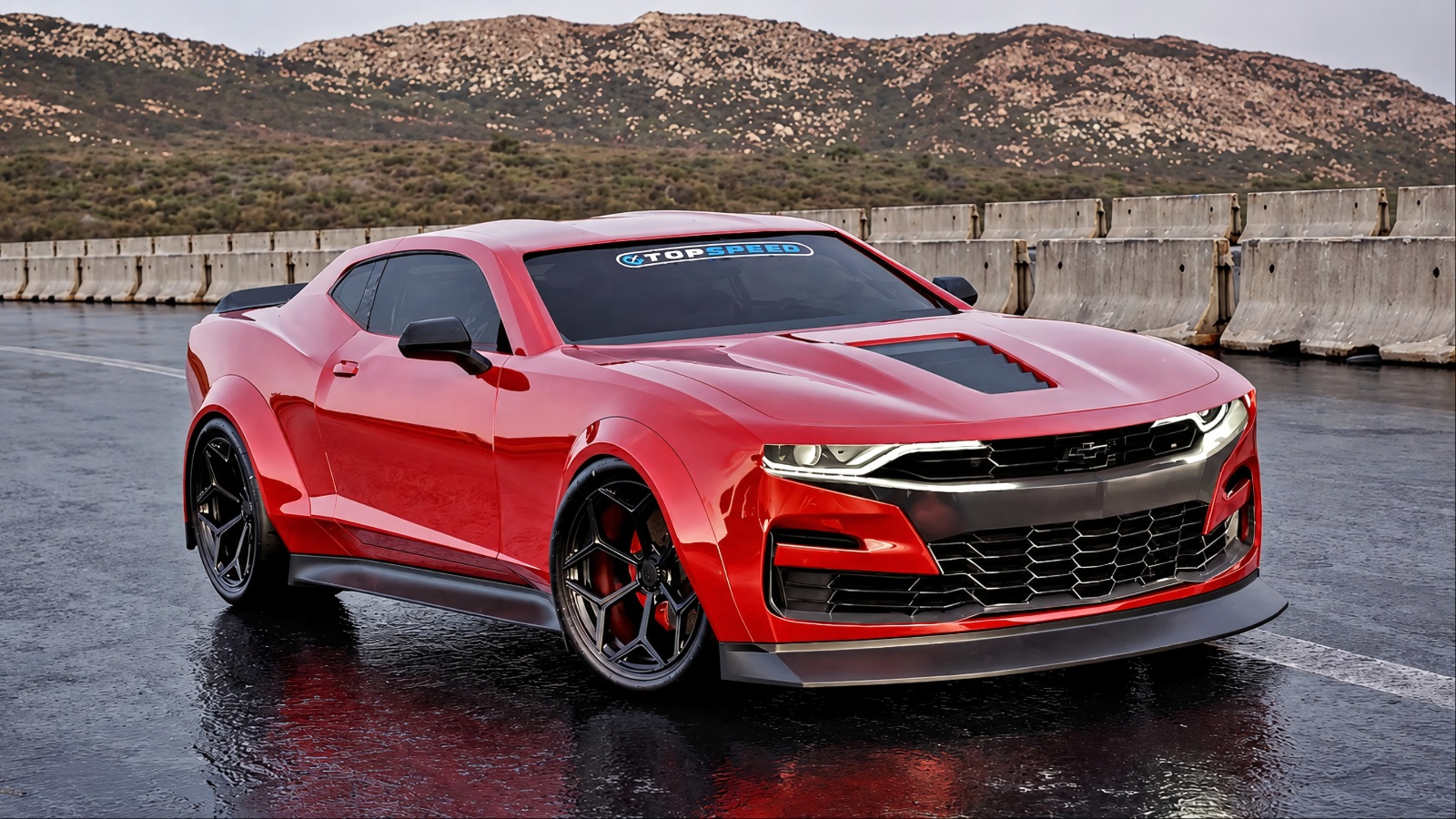
8. Chevrolet Camaro SS – Around 108 Feet
The Chevrolet Camaro SS proves that exceptional braking performance isn’t limited to European sports cars. With the appropriate performance equipment, the V8-powered Camaro can stop from 60 mph in approximately 108 feet in independent testing.
The Camaro SS combines large brakes, performance-oriented suspension tuning, and wide tires to create a package capable of handling substantial deceleration forces. Its front-engine, rear-wheel-drive layout also gives it a familiar sports-car configuration while maintaining enough practicality for everyday driving.
The SS’s braking performance benefits from substantial brake rotors and multi-piston calipers. These components provide the mechanical force necessary to slow the car, but they cannot work effectively without sufficient tire grip.
Performance tires therefore play a major role. Once the tires reach their traction limit, adding more brake force won’t produce shorter stops. Instead, ABS intervention becomes critical, repeatedly adjusting braking pressure to keep the tires near the threshold of available grip.
The Camaro’s chassis also has to remain composed during emergency braking. Excessive nose dive or instability can make it more difficult for the driver to maintain control, even when the raw stopping distance is short.
The approximately 108-foot result is especially impressive considering the Camaro SS is a relatively substantial vehicle compared with some lightweight sports cars. It demonstrates how modern performance suspension, tires, and braking systems can overcome the challenges associated with vehicle mass.
Testing conditions remain important. Tire temperature, pavement condition, brake temperature, and even the specific wheel and tire package can affect results.
Nevertheless, a sub-110-foot 60-to-0 result places the Camaro SS firmly among the stronger braking performers in its segment.
7. Ford Mustang GT – Around 107 Feet
The Ford Mustang GT has evolved considerably from the muscle cars of earlier decades. Modern versions combine substantial V8 power with sophisticated chassis technology, performance tires, and powerful braking systems capable of bringing the car to a stop in roughly 107 feet in some instrumented tests.
The exact result depends heavily on specification. Performance packages can provide upgraded brakes, wheels, tires, and suspension components that materially influence stopping performance. Consequently, a base Mustang and a performance-oriented GT configuration shouldn’t automatically be expected to produce identical numbers.
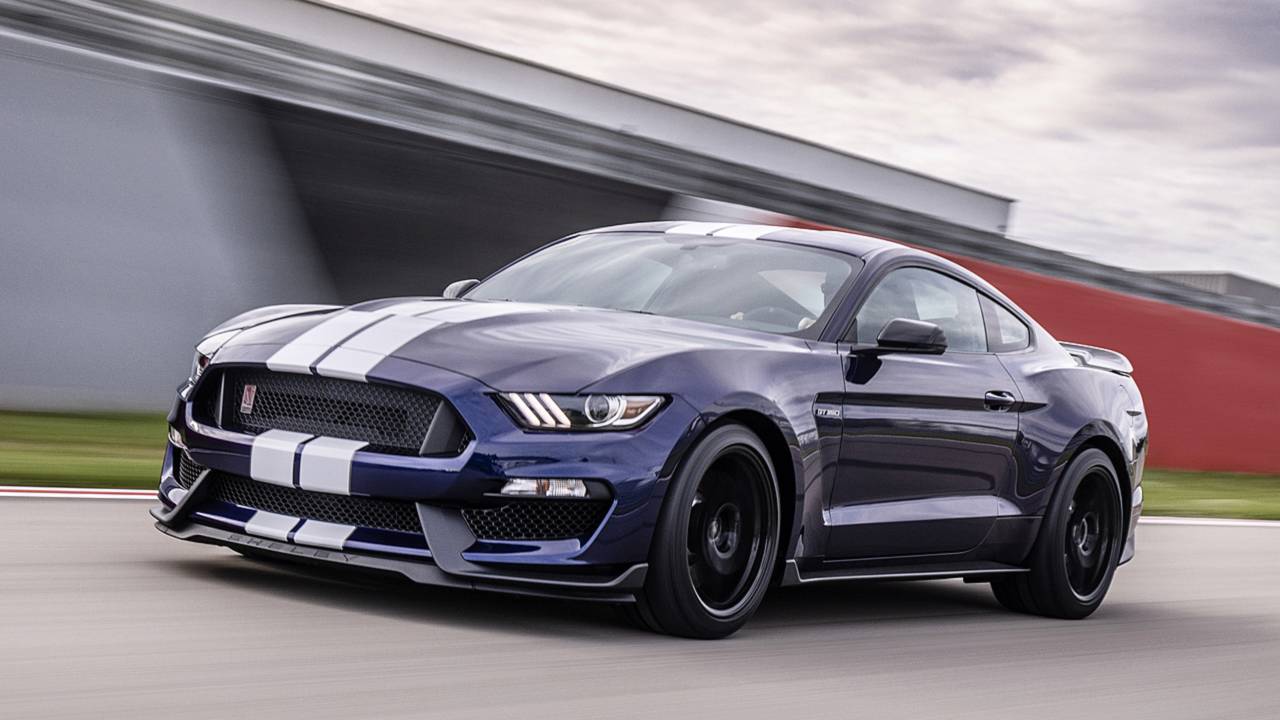
At the heart of the braking system are large disc brakes designed to dissipate the heat generated during repeated high-speed stops. Brake size matters because aggressive braking converts kinetic energy into heat, and the system needs sufficient thermal capacity to maintain consistent performance.
Tires may be even more important during a single maximum-effort stop. Modern high-performance tires can provide tremendous grip, allowing the brakes to apply substantial deceleration without immediately locking the wheels.
The Mustang’s electronic stability and ABS systems also play an important role. ABS allows the driver to apply maximum pedal pressure while reducing the likelihood of wheel lockup.
A 107-foot stopping distance from 60 mph illustrates how far modern Mustang engineering has progressed. Earlier generations of performance cars often prioritized straight-line acceleration, whereas today’s Mustang has to manage acceleration, cornering, and braking with equal sophistication.
For a relatively large V8 sports coupe that remains usable as everyday transportation, a sub-110-foot stopping distance is a significant achievement. It shows that the Mustang GT’s performance credentials extend beyond its engine and exhaust note.
6. BMW M2 – Around 106 Feet
The BMW M2 is one of the smaller cars in BMW’s M performance lineup, but its compact dimensions don’t mean modest braking capability. With powerful brakes and performance tires, the M2 has demonstrated stopping distances from 60 mph in approximately the 106-foot range during independent testing.
A shorter wheelbase and relatively compact body help give the M2 a responsive character, but braking performance depends heavily on tire grip and chassis calibration. The suspension must maintain stable contact between the tires and road while the vehicle experiences substantial forward weight transfer.
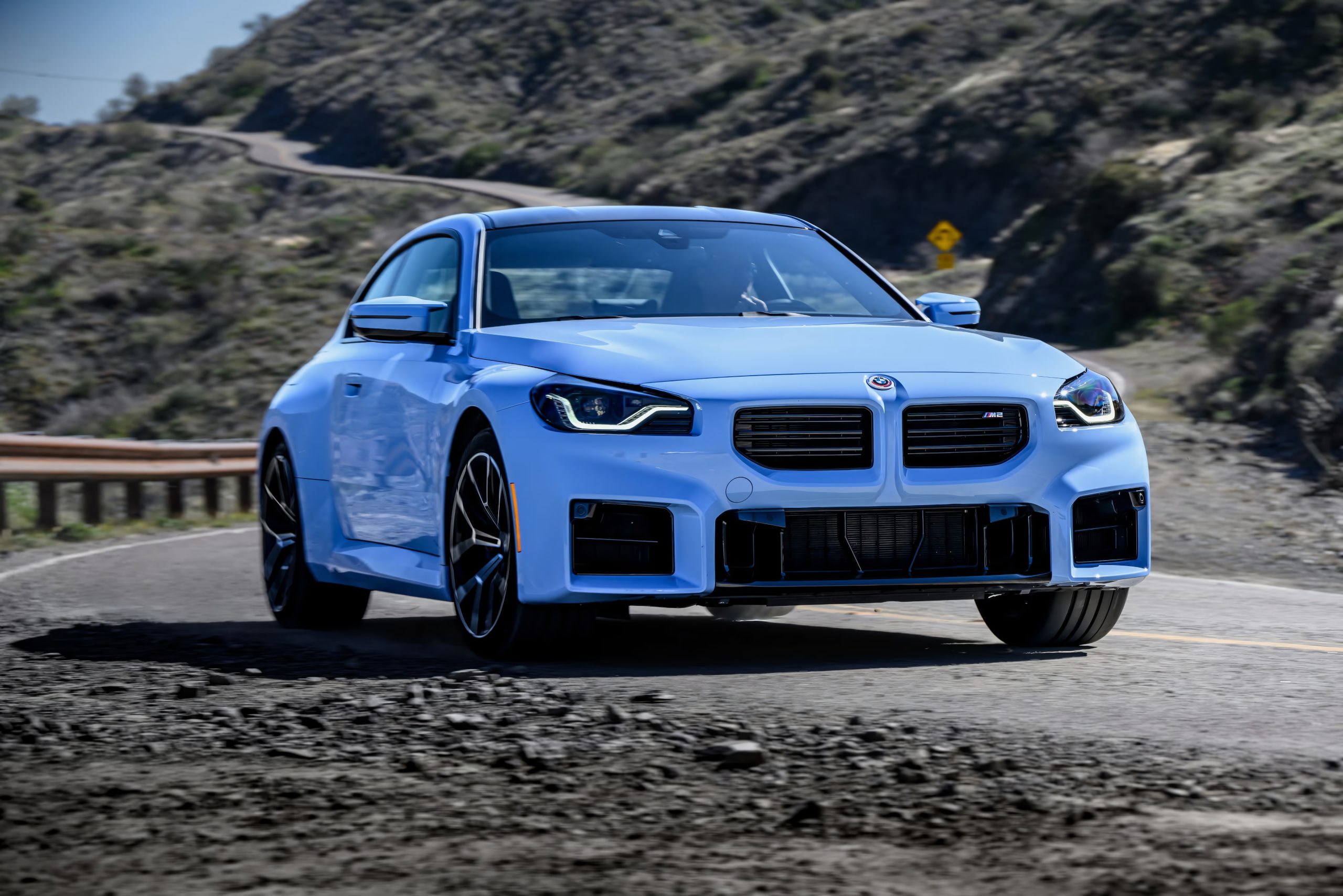
The braking hardware is engineered for repeated performance driving. Large rotors and powerful calipers provide the clamping force necessary to slow the car quickly, while ventilation helps control heat during repeated hard stops.
The M2’s tires are particularly important. A high-performance tire can generate substantially more grip than an ordinary touring tire, which directly affects the maximum deceleration available to the driver.
Modern ABS calibration also contributes to the result. Instead of simply preventing wheel lock, the system is designed to manage braking forces rapidly as the available grip changes.
The approximately 106-foot result puts the M2 comfortably beneath the 110-foot threshold. It also demonstrates why compact performance cars can sometimes produce remarkably short stopping distances. Lower mass means there is less kinetic energy to dissipate at the same speed, although tire and brake performance remain crucial.
Different M2 generations can produce different test results, and optional brakes or tire packages can change the outcome.
Even so, the M2’s ability to combine compact dimensions, substantial engine performance, and very short stopping distances makes it an impressive example of modern sports-car engineering.
5. Porsche 718 Cayman GTS 4.0 – Around 105 Feet
The Porsche 718 Cayman GTS 4.0 combines a mid-engine chassis with a naturally aspirated flat-six engine and serious performance hardware. Its braking capability is consistent with the rest of the car, with instrumented testing producing stopping distances in approximately the 105-foot range from 60 mph.
The Cayman benefits from a particularly favorable chassis configuration. Placing the engine near the center of the vehicle helps create balanced handling characteristics and allows Porsche engineers to carefully manage weight transfer.
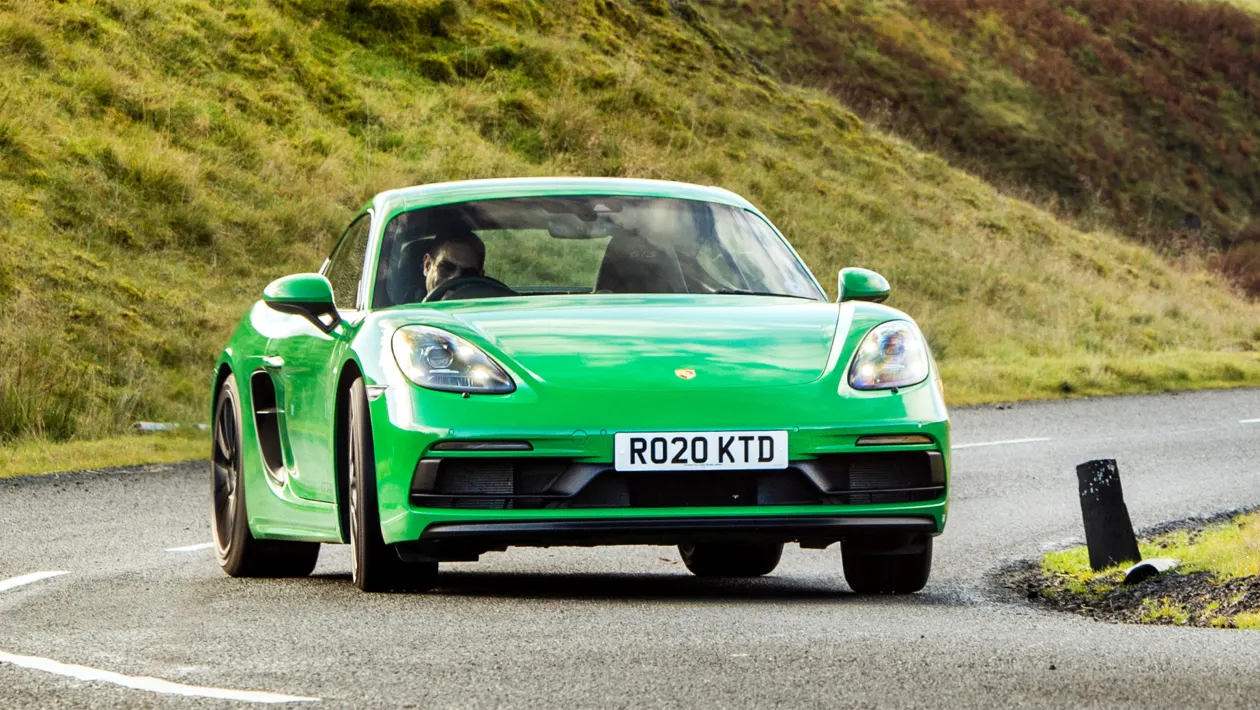
The braking system is designed to match the car’s performance capabilities. Large rotors and powerful calipers provide significant stopping force, while the ABS system works with the tires to maximize available traction.
Because braking is ultimately limited by tire-road friction, the Cayman’s high-performance tires are critical. The brakes can generate enormous clamping force, but the tires determine how much of that force can actually be converted into deceleration.
The car’s relatively low mass is another advantage. A lighter sports car has less kinetic energy to dissipate at 60 mph than a much heavier vehicle traveling at the same speed.
The result is a car capable of stopping remarkably quickly without relying on exotic carbon-ceramic brakes as its only solution. Porsche’s engineering approach focuses on the complete vehicle rather than a single component.
Testing numbers can vary based on tire selection, pavement, temperature, and vehicle specification. A Cayman equipped differently from the tested example may therefore produce a different figure.
A stopping distance of around 105 feet highlights the effectiveness of the Cayman’s formula. Its relatively low weight, balanced mid-engine chassis, powerful brakes, and high-grip tires work together to deliver strong braking performance.
4. Chevrolet Corvette Z06 – Around 100 Feet
The Chevrolet Corvette Z06 moves the C8 platform into a significantly more focused performance category. Its wider body, high-performance tires, larger brakes, and track-oriented engineering allow it to achieve extremely short stopping distances.
Independent testing has produced 60-to-0 braking figures around the 100-foot mark for properly equipped Z06 examples. That puts the car roughly 10 feet inside the threshold used for this list.
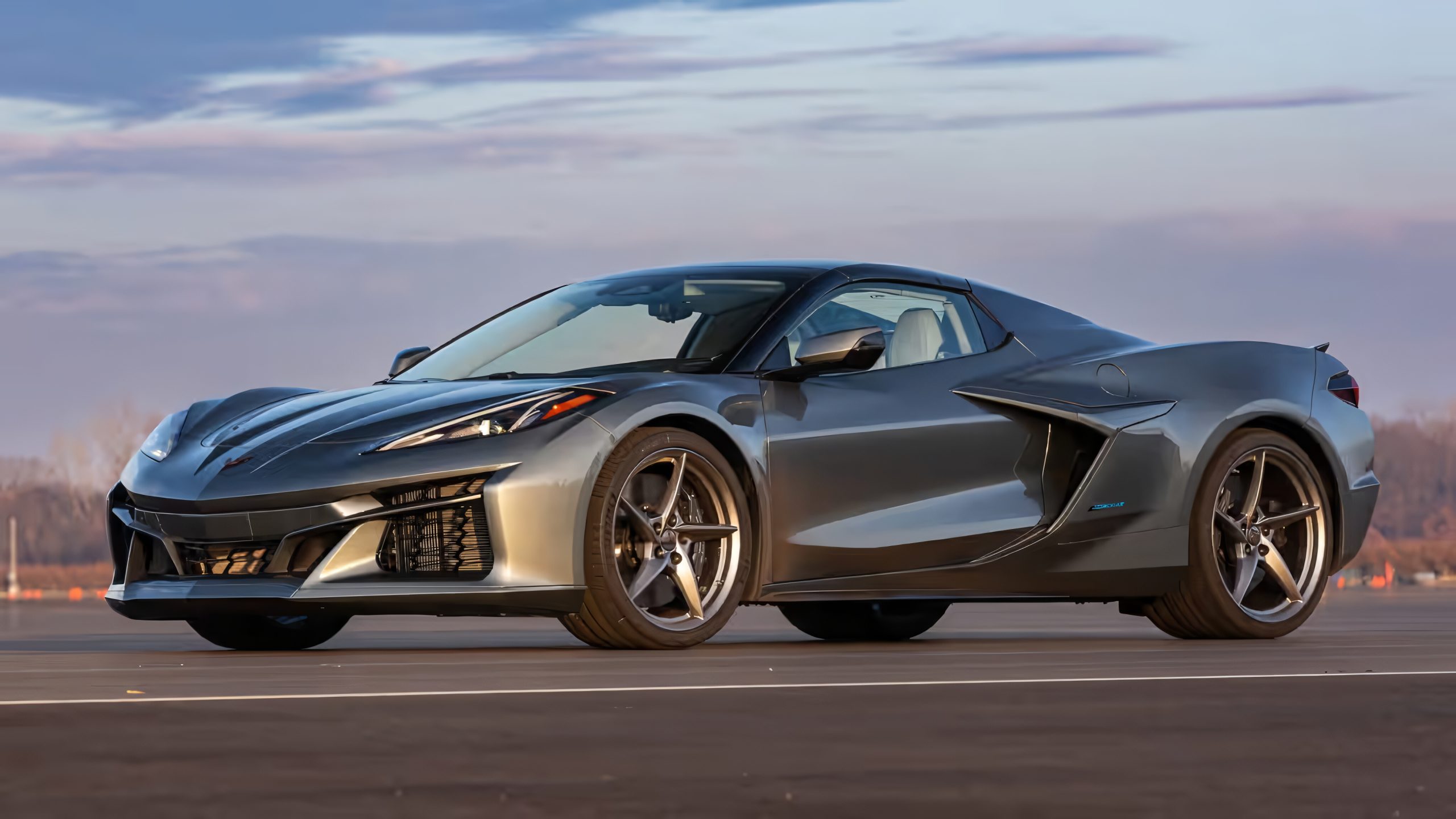
The Z06’s braking system is designed to cope with the demands of serious performance driving. Large rotors provide substantial thermal capacity, while high-performance calipers generate the clamping force required to slow the car rapidly.
The tires are arguably just as important. The Z06 uses extremely capable performance rubber that can generate substantial dry-pavement grip. This allows the braking system to operate closer to the physical traction limit.
Its mid-engine layout also contributes to chassis behavior. The vehicle is engineered to remain stable while decelerating aggressively, allowing the driver to apply maximum braking without creating excessive instability.
Aerodynamics can also become increasingly important at higher speeds, although a 60-mph braking test is still heavily influenced by mechanical grip and tire performance.
The approximately 100-foot result illustrates how different the Z06 is from ordinary passenger cars. At 60 mph, the vehicle is capable of shedding speed extraordinarily quickly, leaving significantly less distance between the driver and a potential obstacle.
Actual performance varies according to tires, brake configuration, pavement, temperature, and test procedure. Still, the Z06’s combination of low mass, high-grip tires, sophisticated chassis tuning, and substantial brakes makes it one of the strongest braking performers among modern American sports cars.
3. Porsche 911 GT3 – Around 97 Feet
The Porsche 911 GT3 is designed with track performance as a major priority, and its braking system reflects that mission. With high-performance tires, powerful brakes, sophisticated chassis electronics, and relatively low mass, the GT3 can stop from 60 mph in well under 100 feet in some independent tests.
Figures around 97 feet have been recorded for high-performance 911 GT3 configurations. Such a result represents a substantial improvement over ordinary passenger vehicles, which commonly require considerably more distance to stop from the same speed.
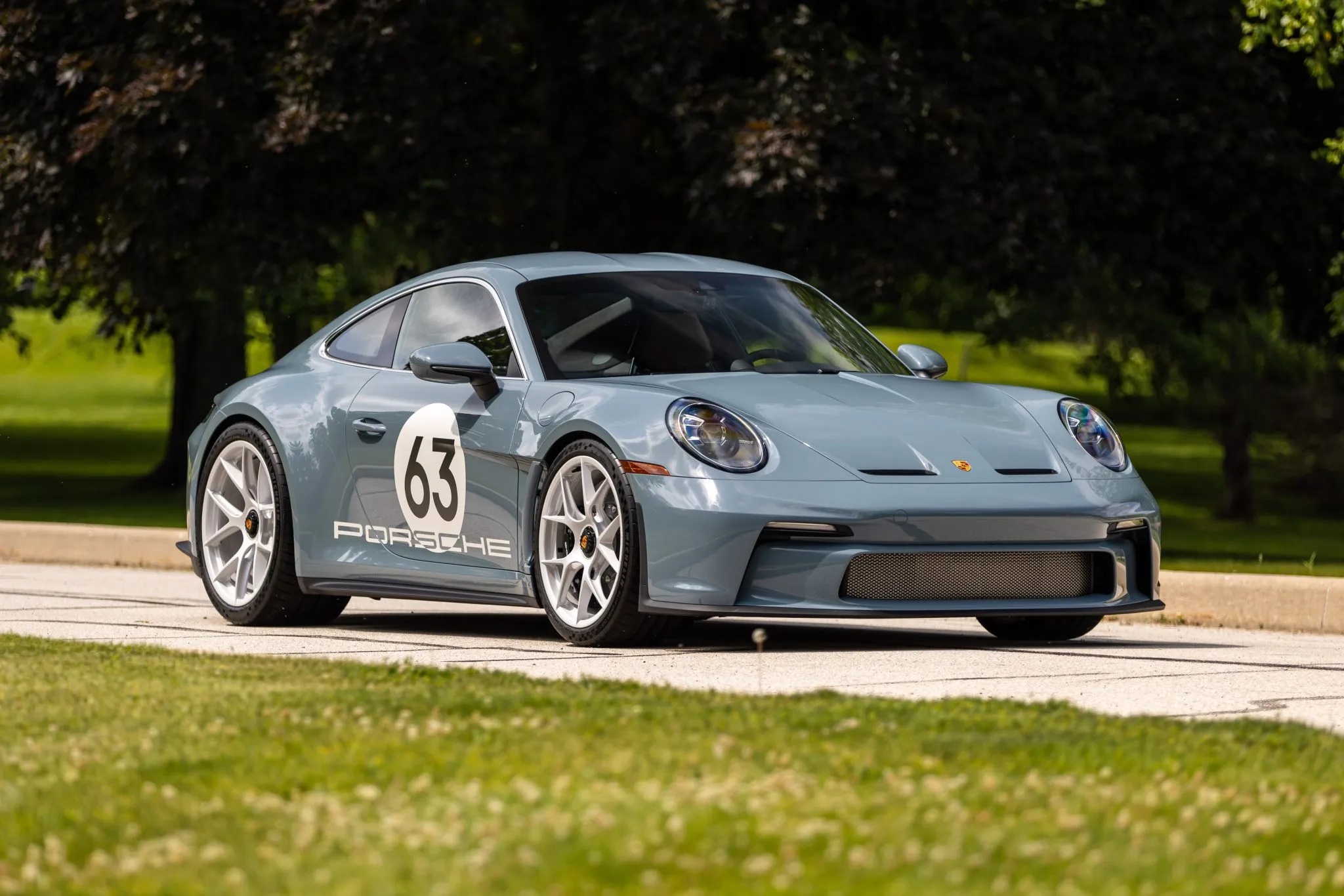
The GT3’s brakes are engineered for repeated heavy use. Track driving generates enormous amounts of heat, so brake components need sufficient capacity to maintain consistent performance rather than simply producing one impressive stop.
Tire technology is equally important. High-grip performance tires can generate the friction necessary to convert braking force into rapid deceleration. The relationship between tire grip and ABS calibration is critical because the system needs to operate close to the limit without allowing the wheels to lock.
The GT3’s aerodynamic package can also generate additional downforce as speed increases. That can increase the load available at the tires, although the effect is more pronounced at higher speeds than during the final portion of a 60-mph stop.
The car’s relatively low mass further reduces the energy that must be dissipated during braking.
A 97-foot result places the GT3 firmly into dedicated performance territory. It demonstrates that the car’s engineering is about more than lap times or acceleration. The ability to repeatedly convert high speed into controlled deceleration is a fundamental part of its design.
As always, exact results depend on test conditions and vehicle configuration.
2. Porsche 911 Turbo S – Around 96 Feet
The Porsche 911 Turbo S combines enormous acceleration with equally serious stopping capability. Despite being substantially equipped and relatively luxurious compared with a stripped-down track car, the Turbo S can produce extraordinarily short braking distances.
Independent testing has recorded figures around 96 feet from 60 mph for certain Turbo S configurations. That means the car can eliminate 60 mph of speed in roughly the distance occupied by a few family sedans parked end to end.
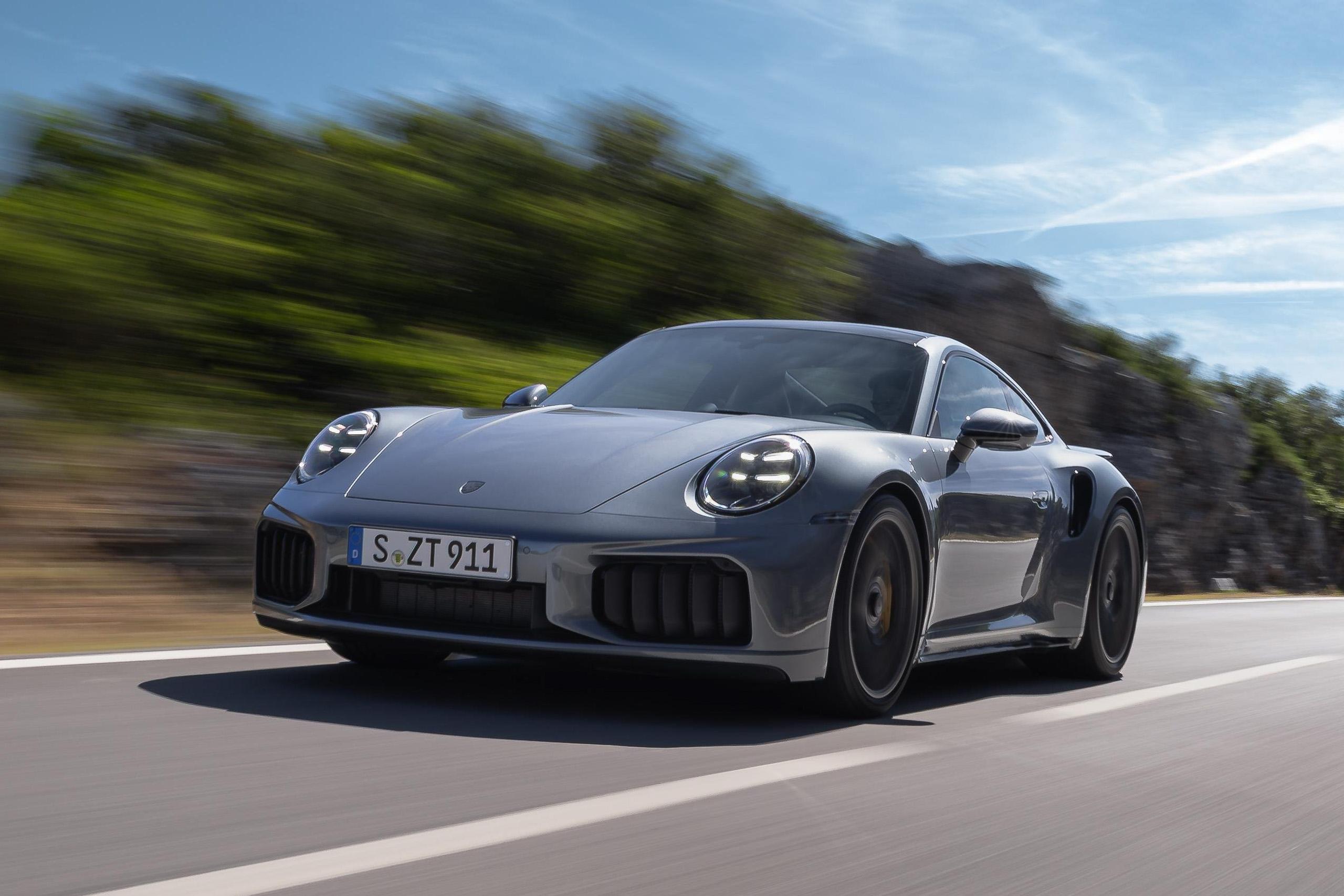
The braking system is engineered to match the vehicle’s extraordinary performance. Large, high-performance brakes provide substantial stopping power and thermal capacity, while optional carbon-ceramic brakes on applicable configurations can further increase performance and reduce unsprung mass.
The tires are fundamental to the result. A braking system can only exploit as much force as the tires can transmit to the pavement. The Turbo S uses highly capable performance tires specifically suited to its performance envelope.
Porsche’s electronic systems also contribute significantly. ABS, stability control, and other chassis systems coordinate braking forces while helping the driver maintain control.
The 911’s low center of gravity and sophisticated suspension further help maintain stability during hard deceleration.
A 96-foot stop is particularly remarkable because the Turbo S is not merely a track machine. It combines its braking capability with all-wheel drive, advanced electronics, luxury equipment, and extreme acceleration.
However, the result should be viewed as a test measurement rather than a universal specification. Tire condition, road temperature, pavement, brake temperature, and testing methodology can all affect the distance.
Still, the Turbo S demonstrates how far modern road-car braking technology has progressed.
1. Porsche 911 GT3 RS – Around 93 Feet
The Porsche 911 GT3 RS represents one of the most aggressively engineered road-legal performance cars in this group. Its combination of high-grip tires, powerful brakes, low weight, sophisticated suspension, and extensive aerodynamic development allows it to produce extraordinary braking performance.
Independent testing has recorded 60-to-0 stopping distances in the low-90-foot range for certain GT3 RS configurations, with figures around 93 feet reported. That is dramatically shorter than what is typical for ordinary road cars.
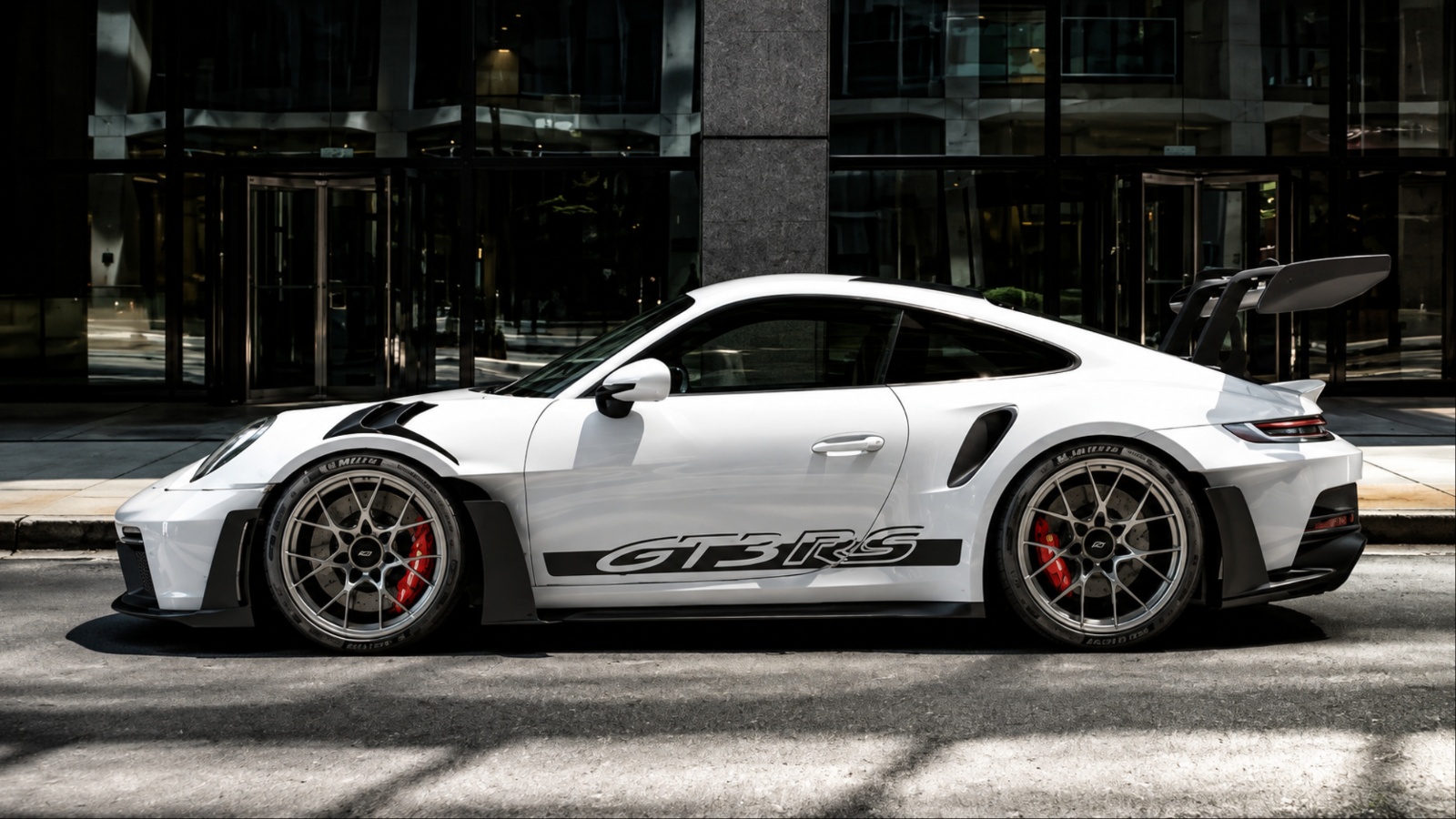
The GT3 RS is designed around maximizing performance on a circuit, and its braking system is an integral part of that mission. Large performance brakes provide the mechanical force required to decelerate the vehicle, while high-performance tires supply the contact with the road.
Aerodynamics also become increasingly significant. The GT3 RS generates substantial downforce, which increases tire loading as speed rises. More aerodynamic load can allow the tires to produce greater braking force, although the amount of aerodynamic assistance changes continuously as the vehicle slows.
The chassis is equally important. Sophisticated suspension geometry helps keep the tires effectively connected to the road, while electronic systems manage braking forces near the traction limit.
The car’s relatively low mass also helps reduce the amount of energy that the brakes must absorb.
A roughly 93-foot 60-to-0 result puts the GT3 RS among the most extreme braking performers available in a road-legal car. It demonstrates that stopping performance depends on the entire vehicle working together rather than simply installing larger brakes.
As with every figure on this list, the exact result depends on the specific test, tires, surface, temperature, and vehicle specification. Even so, the GT3 RS illustrates just how short a modern performance car can stop when its engineering is optimized around maximum grip and control.