
That quick run to the grocery store or the two-minute drop-off at school feels harmless enough, but your engine might tell a different story. Plenty of drivers rack up most of their mileage in short bursts, hopping in the car for errands just a few minutes from home, and mechanics have long whispered about the toll this habit takes under the hood.
The truth is more nuanced than simple horror stories suggest, yet the underlying mechanics behind short trip wear are real and worth understanding. Let’s look at exactly what happens inside your engine during these brief drives, and whether your daily routine deserves a second look.
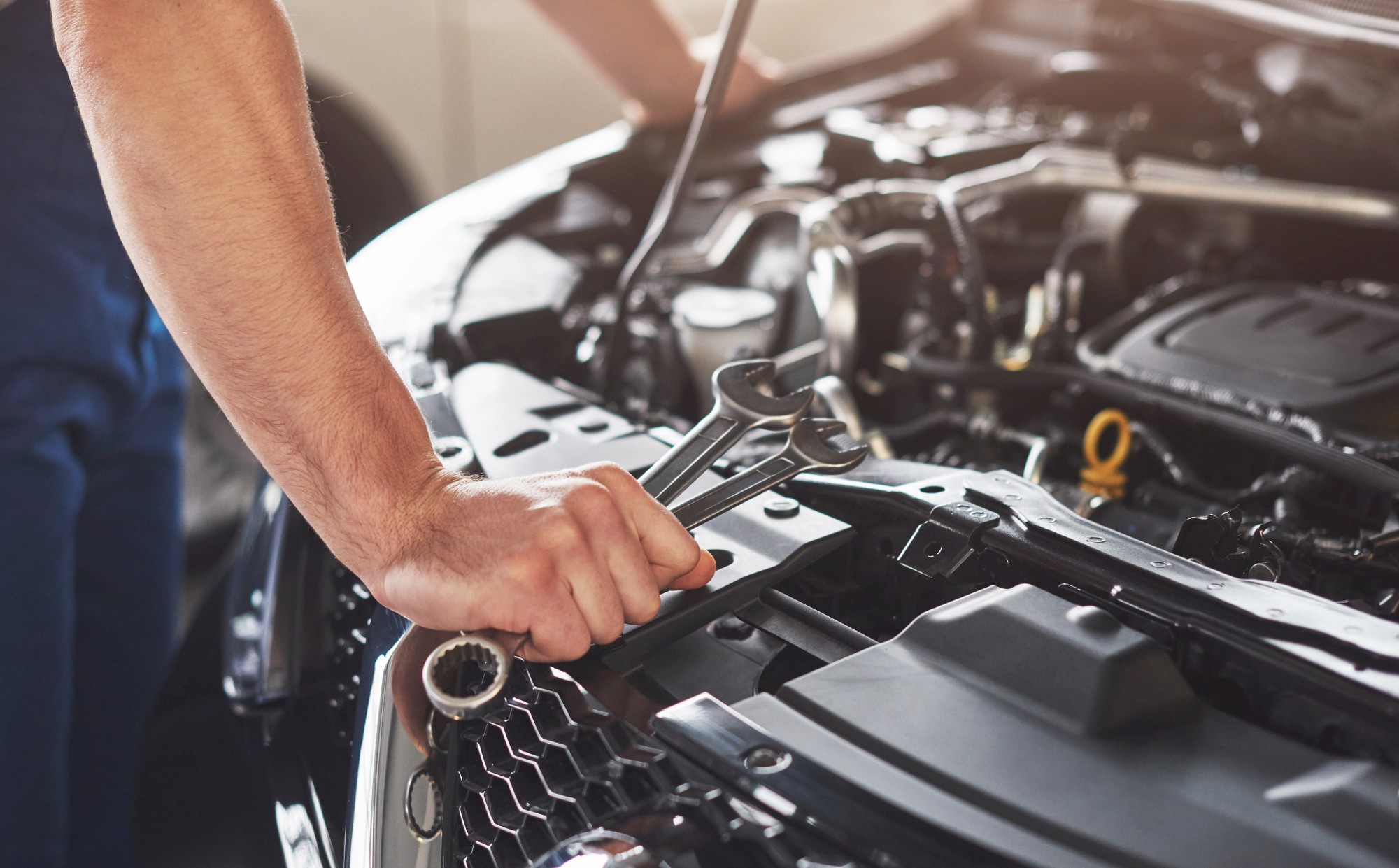
Why Short Trips Can Be Hard on Your Engine
An engine needs heat to operate properly. When you start a cold engine, the oil is thicker and has not yet reached its normal operating condition. The engine management system also adjusts fuel delivery during startup and warm-up.
If you drive for only a few minutes and shut the vehicle off, the engine may never reach the temperature it was designed to maintain during normal operation.
Moisture is another concern. Burning gasoline naturally produces water vapor, while condensation can also develop inside a cold engine.
During a sufficiently long drive, heat helps remove that moisture through the crankcase ventilation system and exhaust. Repeated short journeys can leave more moisture behind, which may contribute to oil contamination and sludge formation.
The exhaust system faces a similar problem. Water can collect inside the exhaust when it remains relatively cool, increasing the chance of internal corrosion. The catalytic converter also needs to reach its operating temperature to function properly.
That does not mean a five-minute trip instantly harms your engine. The concern is repeated use of this driving pattern without enough longer driving to allow the vehicle to reach and maintain normal operating temperature.
What Happens to the Oil and Battery
Your engine oil does more than reduce friction. It also helps carry away contaminants and protect internal components. When a vehicle repeatedly starts cold and runs for only a short period, moisture and small amounts of fuel can remain in the oil instead of being fully driven off.
Frequent short trips can therefore place greater demands on the lubricant. This is one reason some manufacturers classify frequent short-distance driving as a severe service condition.
Your owner’s manual may recommend different maintenance intervals when a vehicle spends much of its life making short journeys. Following those recommendations is more useful than simply guessing when the oil needs to be changed.
The battery has its own problem. Starting the engine requires a substantial burst of electrical power. Once the engine is running, the alternator replaces the energy used during startup, but a very short drive may not provide enough time for a full recharge.
Repeat that cycle day after day, and the battery can remain undercharged. Cold weather can make this situation tougher because batteries generally perform less effectively at low temperatures, while engines also take longer to warm up.
A healthy battery, correct oil, and proper service schedule can reduce these problems, but they cannot completely eliminate the effects of repeated cold starts.

Is a Longer Drive Really Necessary?
For someone whose vehicle rarely travels more than a few miles at a time, adding an occasional longer drive can be useful. The purpose is not to “burn off” imaginary dirt from the engine.
The real benefit comes from allowing the engine oil, exhaust system, and other components to reach normal operating temperature and remain there long enough to remove accumulated moisture.
A 20- to 30-minute drive can provide this opportunity, although the exact time needed varies with the vehicle, weather, traffic, and driving conditions. You do not need to drive aggressively or exceed speed limits.
Normal driving that allows the engine to warm properly is enough. There is also little reason to sit in the driveway for ten or fifteen minutes waiting for the engine to warm up.
In many modern vehicles, gentle driving brings the engine and drivetrain up to temperature more efficiently than prolonged idling. After starting, give the vehicle a brief moment for oil circulation, then drive smoothly until normal operating temperature is reached.
The best routine depends on your vehicle and driving habits. If most trips are short, combine errands when practical so several cold starts become one longer journey.
That simple change can reduce the number of times the engine has to go through its cold-start cycle.
Signs Your Short-Trip Routine May Be Causing Problems
Short trips do not produce one unique warning sign, so it is important not to blame every symptom on your driving pattern. A vehicle that develops a problem still needs proper diagnosis.
Check the engine oil periodically according to the manufacturer’s instructions. Milky or unusually foamy oil can indicate moisture, but persistent milky oil may also point to coolant contamination from a mechanical problem.
That situation deserves professional attention rather than simply taking the car for a longer drive. Pay attention to the battery, too. Slow cranking, dim lights, or repeated difficulty starting the engine can indicate a weak battery or charging problem.
Frequent short trips can contribute to low battery charge, but they are not the only possible cause. The exhaust system deserves attention as well. Unusual rattling, exhaust leaks, or visible corrosion should not be ignored.
A check engine light also warrants investigation because emissions-related faults can have many causes. Fuel economy can provide another clue. A cold engine generally uses more fuel than one operating at normal temperature.
When most trips are short and end before the engine reaches its normal operating temperature, the vehicle may use more fuel than it would on longer journeys. The key is to investigate the cause rather than assume that short-distance driving is always responsible for higher fuel consumption.

How to Protect a Car That Mostly Makes Short Trips
You do not have to change your entire lifestyle to protect your vehicle. Start with the basics. Follow the maintenance schedule in the owner’s manual and check whether the manufacturer lists frequent short trips under severe service conditions. If it does, use the corresponding service interval.
Use the exact oil viscosity and specification recommended for your engine. A different oil is not automatically better simply because it is synthetic or marketed as premium. The manufacturer’s specification matters most.
Keep the battery in good condition and have it tested if the vehicle starts slowly. If your driving routine leaves the battery chronically undercharged, a properly selected battery maintainer may be useful when the vehicle is parked for long periods.
Try grouping errands whenever possible. Instead of starting the car several times for separate two-mile journeys, completing those errands during one longer outing can reduce repeated cold starts.
An occasional longer drive can also give the engine and exhaust enough time to reach normal operating temperature. Drive smoothly until the vehicle warms up rather than revving a cold engine or immediately demanding heavy acceleration.
So, is short-trip driving really killing your engine? Not by itself. Modern vehicles are designed to handle everyday use, including short journeys. The concern comes from making very short trips almost exclusively, especially when maintenance is neglected.
Give the vehicle proper service, allow it to reach normal temperature regularly, and pay attention to warning signs. Those habits can go a long way toward keeping a short-trip vehicle healthy.