
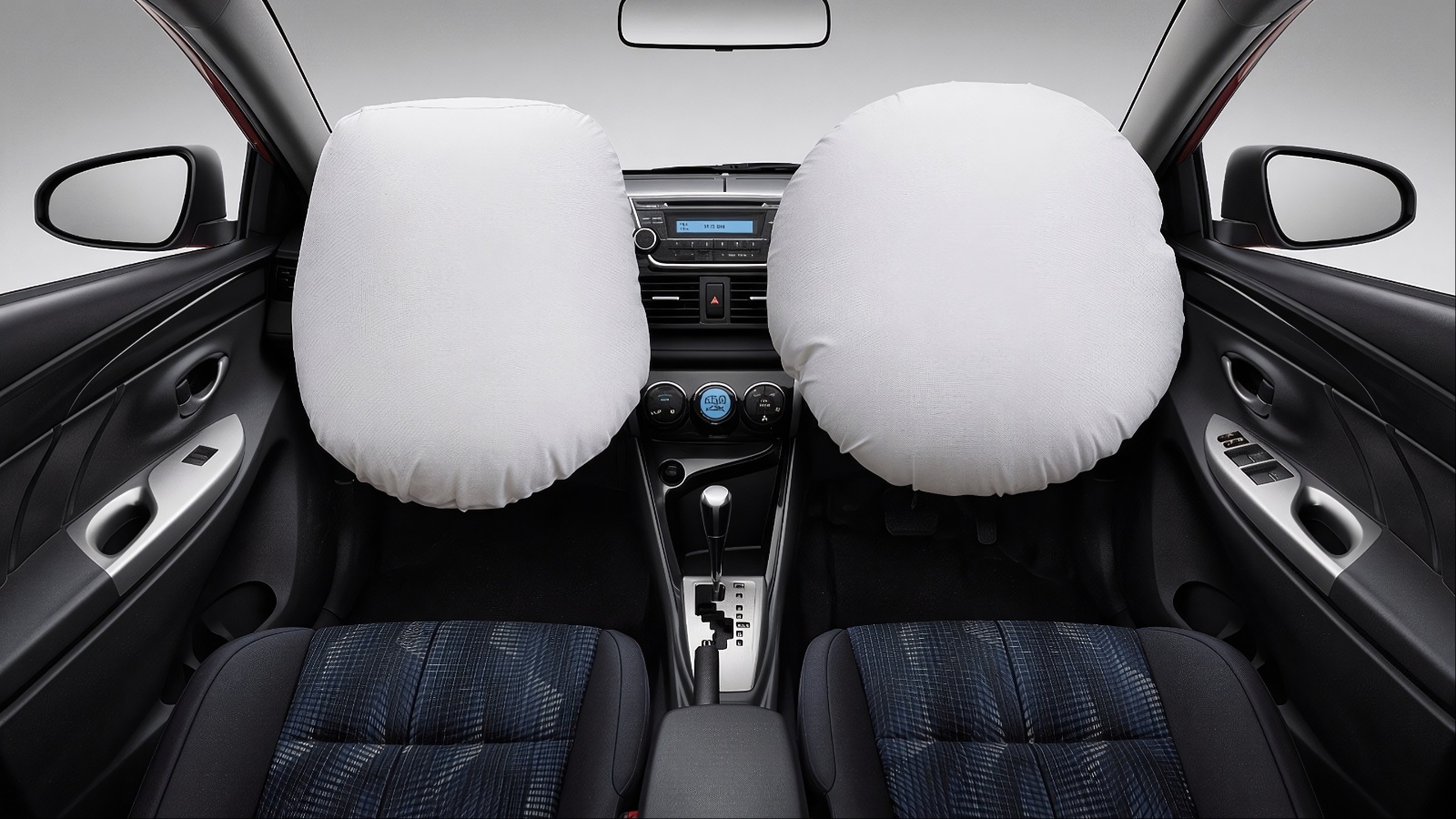
Airbags have changed dramatically since they first appeared in production automobiles. Early systems were relatively simple supplemental restraints designed primarily to protect occupants in frontal crashes.
Modern vehicles use multiple airbags, sophisticated sensors, adaptive deployment strategies, and increasingly advanced occupant-detection technology. What began as a relatively basic safety device has become an integrated part of a vehicle’s entire crash-protection system.
This list looks at eight broad generations of automotive airbag technology, arranged from older systems with more limited capabilities to newer systems with increasingly sophisticated protection.
The ranking considers the number and placement of airbags, sensor technology, deployment control, occupant sensing, protection in different crash directions, and integration with seat belts and other restraint systems. These are technology eras rather than exact industry-wide model-year boundaries, since manufacturers introduced features at different times.
8. First-Generation Frontal Airbags
The earliest production airbag systems represented an important change in automotive safety, but compared with modern systems, they were relatively simple. Early airbags were primarily designed to provide protection during serious frontal collisions, supplementing the vehicle’s seat belts rather than replacing them.
These systems generally relied on relatively straightforward crash sensors and deployment logic. When the sensors detected a sufficiently severe impact, the airbag inflator generated gas rapidly and deployed the cushion in front of the occupant. The goal was to provide a protective barrier between the occupant and the steering wheel, dashboard, or windshield.
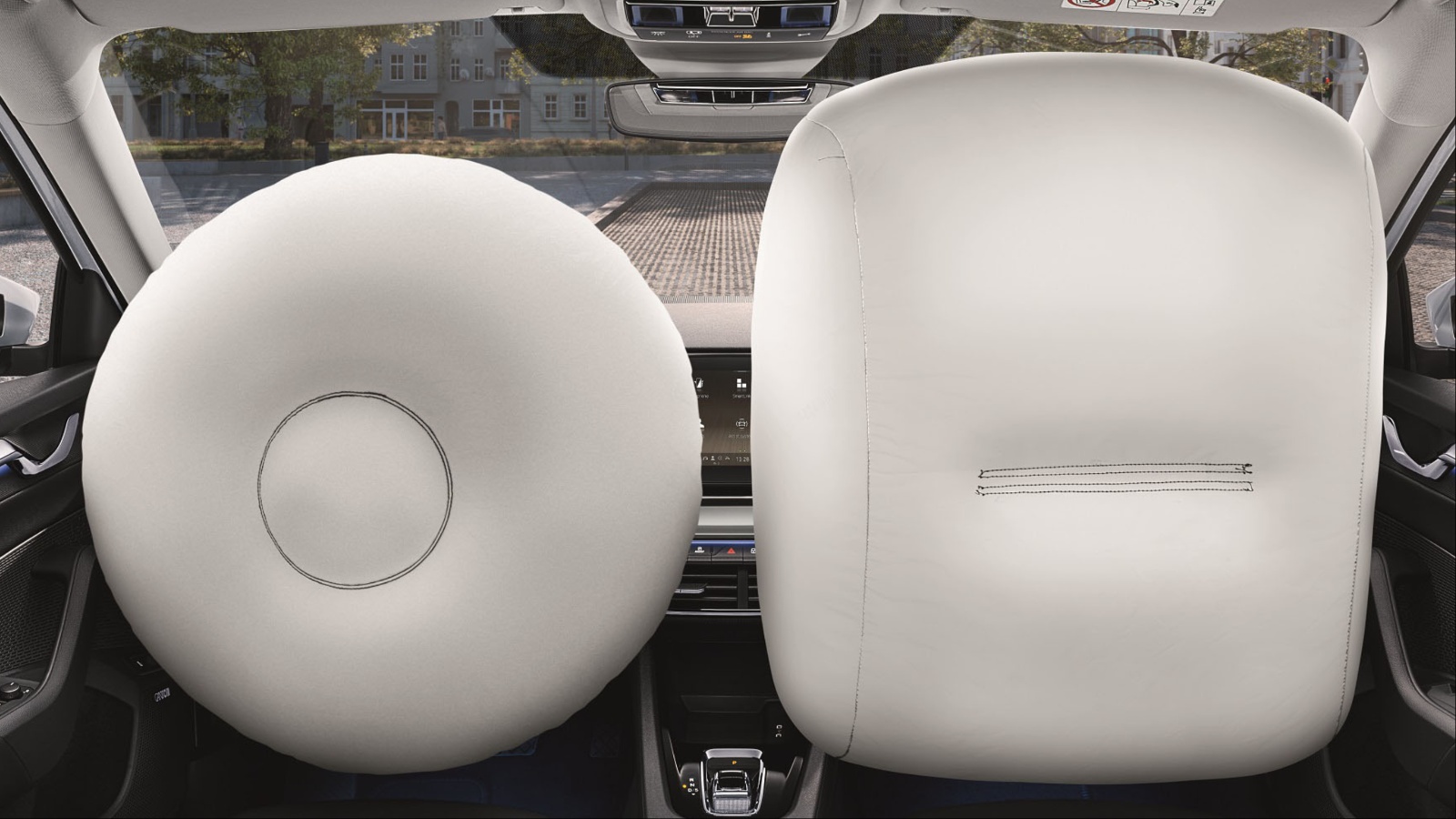
The technology also introduced an important challenge. Airbags deploy extremely quickly and with considerable force, while early systems had limited ability to adjust deployment based on the occupant’s size, seating position, or the circumstances of a crash.
That became particularly significant as engineers learned more about airbag-related injuries. Small occupants, children, and people positioned too close to the airbag could face different risks from those encountered by a properly seated adult.
Early airbags also generally provided little protection outside the frontal impact zone. They could not offer the extensive side-impact, curtain, knee, and other coverage found in later vehicles.
Despite these limitations, first-generation airbags were an important milestone. They established the basic concept of using rapidly deployed cushions to supplement seat belts during a crash.
Their position at the bottom of this list isn’t an indication that they were useless. Rather, it reflects how much the technology subsequently evolved. Early frontal airbags laid the groundwork for the sensor-controlled, multi-airbag restraint systems found in newer vehicles.
7. Improved Frontal Airbags
The next major stage involved improving the basic frontal airbag rather than simply adding more airbags around the cabin. Engineers began refining sensors, inflators, deployment timing, and restraint strategies to make airbags work more effectively with seat belts.
These systems provided better control over when an airbag deployed and under what crash conditions. Instead of treating every collision as essentially identical, increasingly sophisticated electronic systems could evaluate crash severity and respond accordingly.
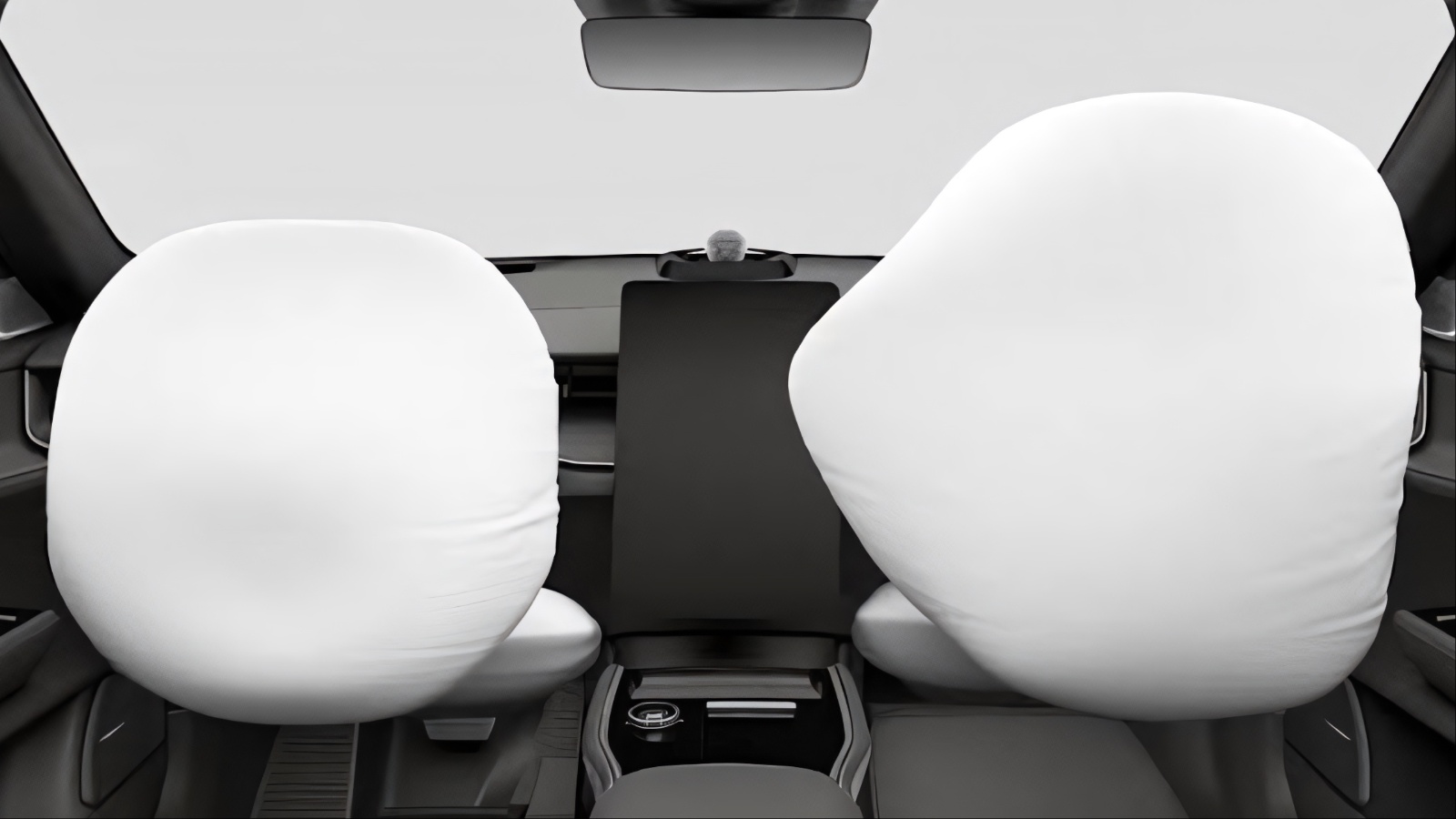
Another important development was improved coordination between the airbag and the seat belt. Seat belts remain the primary occupant restraint in a vehicle, while airbags provide supplemental protection. Better integration allowed the two systems to work together more effectively.
Inflator technology also evolved. Manufacturers developed systems capable of controlling deployment characteristics more effectively than the earliest designs. This helped address concerns surrounding unnecessarily aggressive deployment in less severe collisions.
Frontal airbags remained the primary focus during this period. A driver airbag in the steering wheel and a passenger airbag in the dashboard were becoming increasingly common, but cabin-wide airbag coverage was still limited compared with today’s vehicles.
The systems also remained relatively dependent on assumptions about occupant position. They were becoming smarter, but they were not yet capable of the extensive occupant classification and adaptive restraint strategies that later generations would introduce.
This era therefore represents an important transitional stage. Airbags were no longer simply an emergency cushion that deployed when a crash sensor triggered them. They were becoming part of an electronically managed restraint system.
The improvement was substantial, but protection remained concentrated primarily in frontal collisions.
6. Dual-Stage and Advanced Frontal Airbags
Dual-stage frontal airbags represented another significant development in restraint technology. Instead of relying on one fixed deployment event, these systems could use different levels or stages of inflator output depending on crash circumstances.
The objective was to provide more appropriately scaled protection. A severe collision could call for stronger deployment, while a less severe impact might require a different response. The exact implementation varied among manufacturers and systems.
These airbags also increasingly worked with other restraint components. Crash sensors could evaluate factors such as impact severity, while seat-belt pretensioners helped position occupants before or during the collision.
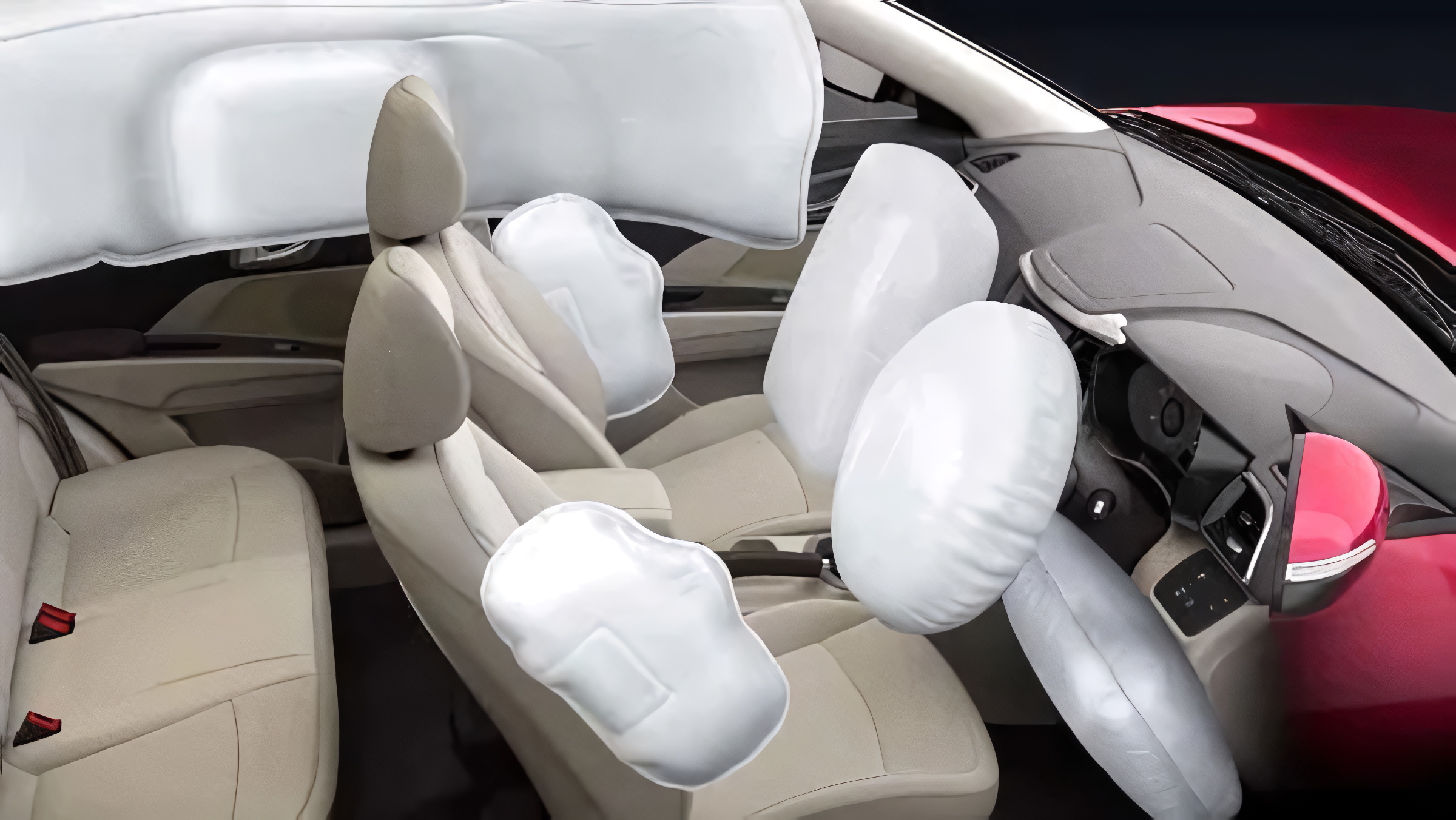
Occupant sensing became increasingly important as well. Systems could use information about seat occupancy and, in some applications, occupant characteristics to influence restraint deployment.
This represented a major change from the earliest airbags. Instead of simply asking whether a crash had occurred, the restraint system increasingly attempted to determine what kind of crash was occurring and how the occupant should be protected.
However, this generation was still heavily focused on frontal protection. Side-impact protection was developing rapidly, but it had not yet reached the comprehensive level seen in newer vehicles.
Another limitation was that technology varied substantially between vehicles. A luxury car could have more sophisticated sensing and deployment strategies than an economy model produced during the same period.
Nevertheless, dual-stage frontal airbags marked an important step toward adaptive restraint systems. They demonstrated that airbags didn’t have to behave identically in every crash.
The technology helped establish the principle that modern restraint systems should adjust their response to the circumstances surrounding a collision rather than rely on a single fixed deployment strategy.
5. Side-Impact Airbags
Side-impact airbags expanded the areas of the vehicle where occupants could receive additional protection. A frontal airbag is designed to cushion an occupant moving forward in a frontal collision. A side impact presents a different challenge because there is far less space between the occupant and the point of impact, giving the vehicle less room to absorb crash forces.
Manufacturers therefore introduced airbags positioned in seats, doors, and other locations to provide protection during side impacts. These systems could help reduce contact between the occupant and the vehicle’s interior structure.
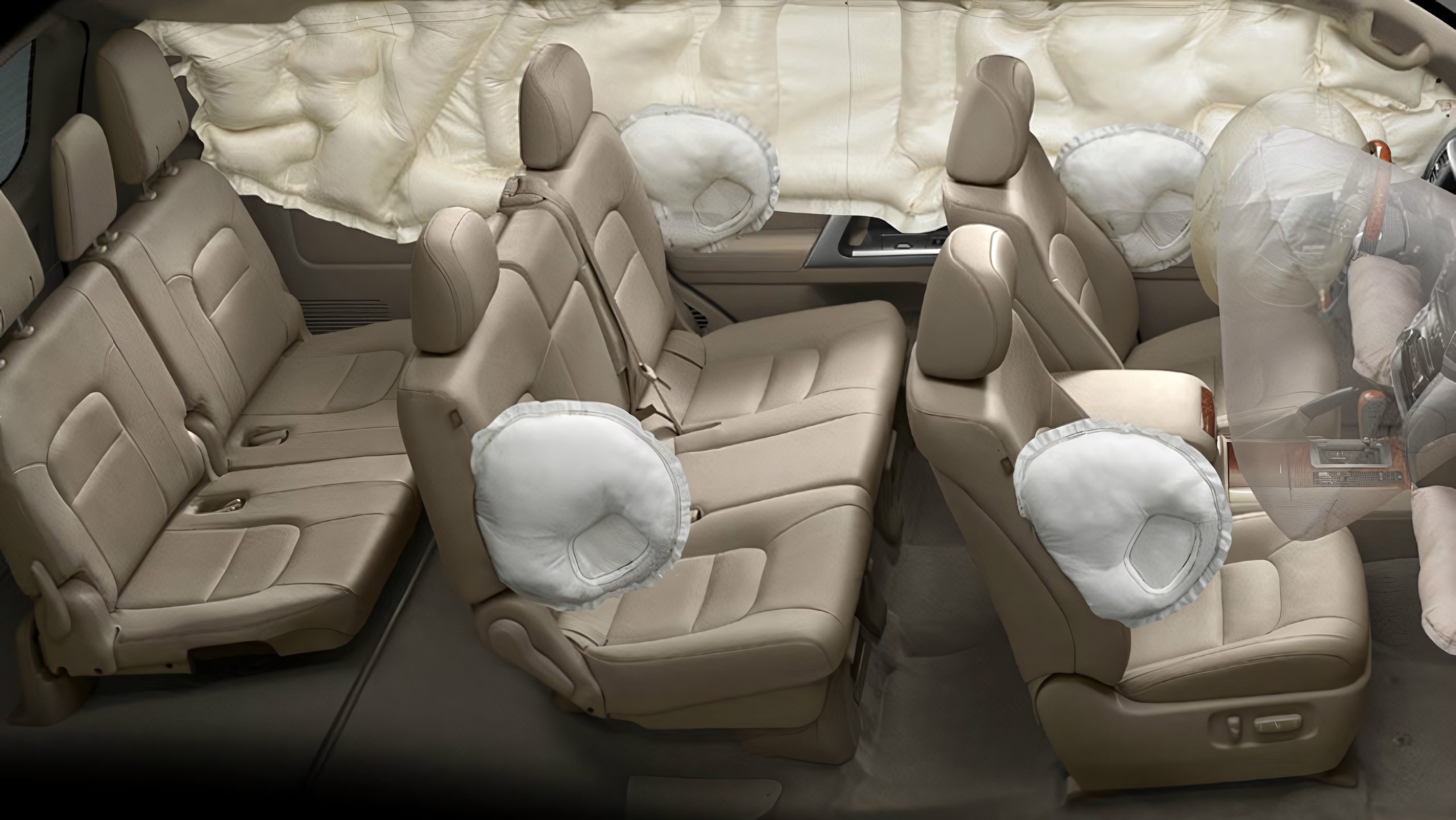
Chest or torso airbags became an important part of this development. They were designed to help protect the occupant’s upper body during side collisions.
Head protection was another major concern. In a side impact, the occupant’s head can move toward the side window, door, or other structures. This encouraged the development of curtain airbags, which would become one of the most important developments in occupant restraint technology.
Side airbags also required increasingly sophisticated crash detection. A vehicle had to distinguish between different impact directions and determine when deployment was appropriate.
This generation therefore expanded the role of airbags from primarily frontal protection to multi-directional occupant protection.
The technology wasn’t perfect. Coverage varied considerably depending on vehicle design, and early side-airbag systems weren’t necessarily capable of protecting against every type of side collision.
The introduction of side impact airbags marked a significant step forward in occupant protection. Instead of relying mainly on frontal airbags during a collision, occupants gained additional protection when an impact occurred from the side.
The result was a more comprehensive approach to crash protection and an important step toward today’s multi-airbag cabins.
4. Full-Length Curtain Airbags
Curtain airbags marked another major advancement in vehicle safety by helping protect one of the most vulnerable areas during certain side collisions: the occupant’s head.
These airbags are generally mounted along the roofline and deploy downward to create a protective curtain alongside the windows. Depending on the vehicle and system, a curtain airbag can extend across multiple seating positions.
One of the major advantages is coverage. Rather than protecting only the torso, the curtain airbag is positioned to help reduce head contact with side structures and, in some designs, provide protection during certain rollover events.
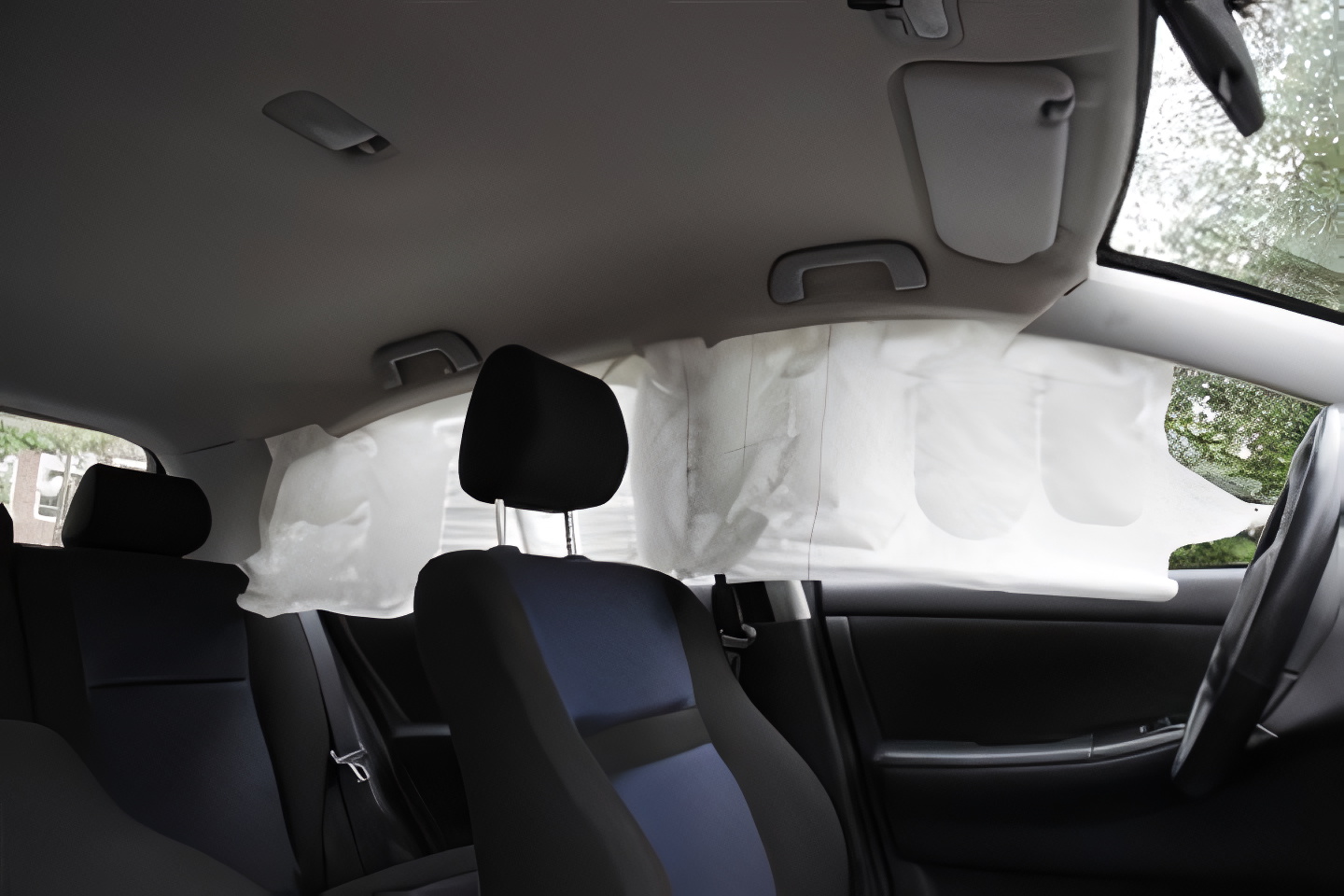
The introduction of full-length curtain systems transformed the airbag layout of many vehicles. A cabin could now have frontal airbags, seat-mounted side airbags, and roof-mounted curtain airbags working together.
Crash sensing also became more sophisticated. Side impacts can happen extremely quickly, leaving little time for a restraint system to react. Sensors and electronic control units therefore became increasingly important to determining the direction and severity of a collision.
Curtain airbags also demonstrated why airbag development cannot be judged simply by counting the number of cushions. Placement is critical. An airbag positioned in the right location can address a specific injury mechanism that a conventional frontal airbag cannot.
By this stage, airbags were becoming a network of specialized restraint devices rather than two large cushions in the front of the cabin.
The technology still wasn’t the end point. Later systems would integrate even more sensors and occupant information, while additional airbags would provide protection around the knees, center seating positions, and other areas.
Nevertheless, full-length curtain airbags represented a substantial expansion of occupant protection compared with earlier systems.
3. Multi-Airbag Systems
Modern multi-airbag systems moved toward protecting occupants from several directions simultaneously. Instead of thinking about a vehicle as having “an airbag system,” manufacturers increasingly designed a network of airbags throughout the cabin.
Depending on the vehicle, this could include driver and front-passenger frontal airbags, front-seat side airbags, curtain airbags, knee airbags, and additional airbags intended for specific seating positions.
The key advantage is coverage. A crash can involve complex occupant movement, and the direction of the vehicle’s impact doesn’t necessarily correspond perfectly to the direction in which the occupant moves.
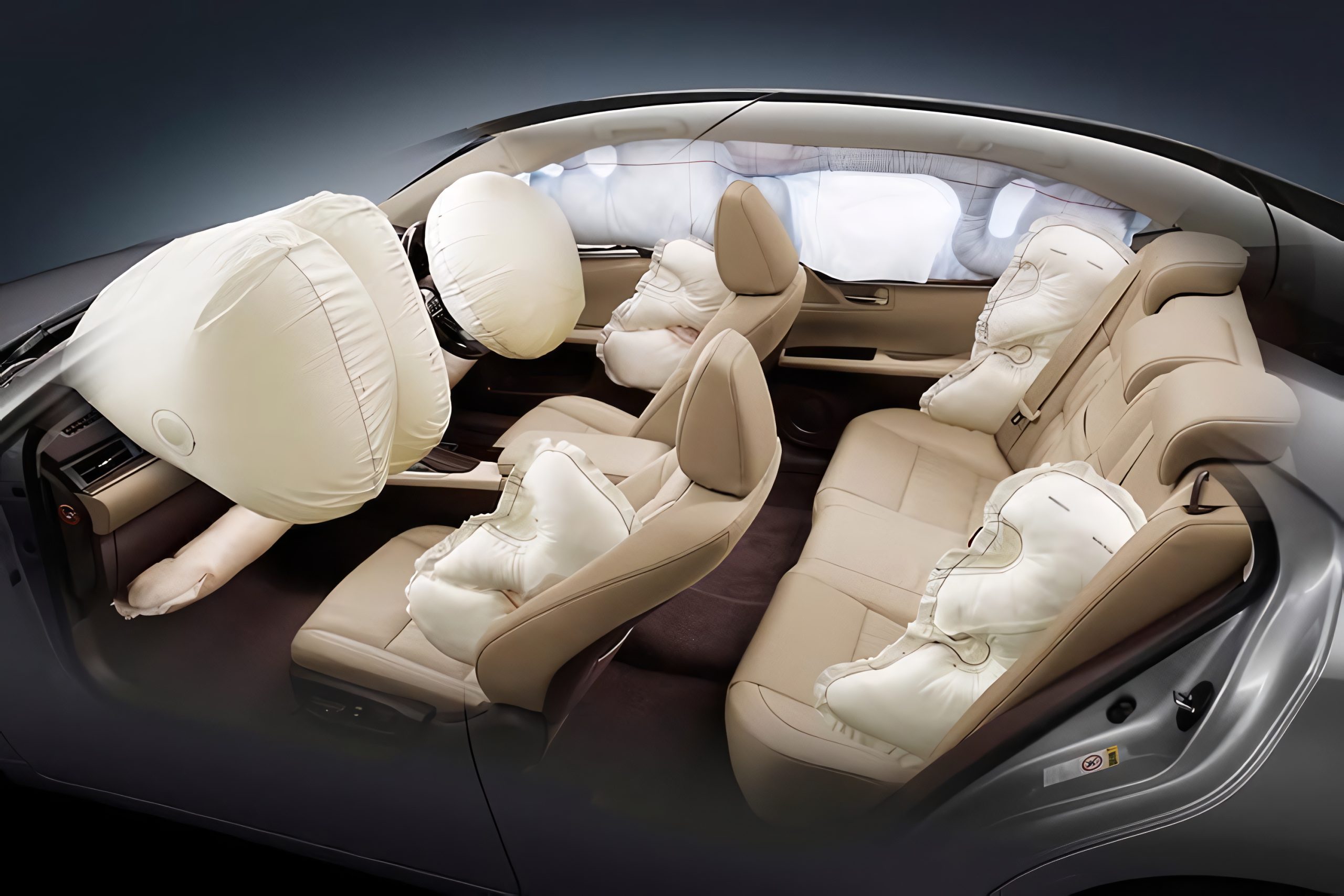
Knee airbags, for example, can help manage lower-body movement and interaction with the dashboard area in certain frontal collisions. Curtain airbags can address head protection during side impacts. Seat-mounted torso airbags can provide additional side-impact protection.
The sensors controlling these systems also became more sophisticated. Electronic control units can receive information from multiple sensors around the vehicle and determine whether deployment is appropriate.
Seat belts remain essential. Pretensioners can remove slack from the belt during a crash, while airbags provide additional cushioning and help manage occupant movement.
This generation also illustrates why airbag count alone isn’t a useful measure of safety. Two vehicles could advertise a similar number of airbags while using very different sensor arrangements, coverage areas, and deployment strategies.
The important development was the integration of multiple restraint components into a coordinated system.
By this stage, airbags had evolved from a primarily frontal device into a comprehensive occupant-protection network. That foundation remains central to the advanced restraint systems used in newer vehicles.
2. Adaptive Restraint Systems
Adaptive restraint systems represent a significant shift from simply adding airbags to making the entire restraint system more responsive to the circumstances of the crash and the occupant.
Modern systems can combine information from crash sensors, seat-position sensors, seat-belt status, and occupant-detection systems. The vehicle’s restraint computer can then use this information to determine how different components should respond.
The concept is important because occupants aren’t identical. A small adult sitting close to the steering wheel presents different restraint considerations from a larger adult sitting farther away. Children and occupants in unusual seating positions present additional challenges.
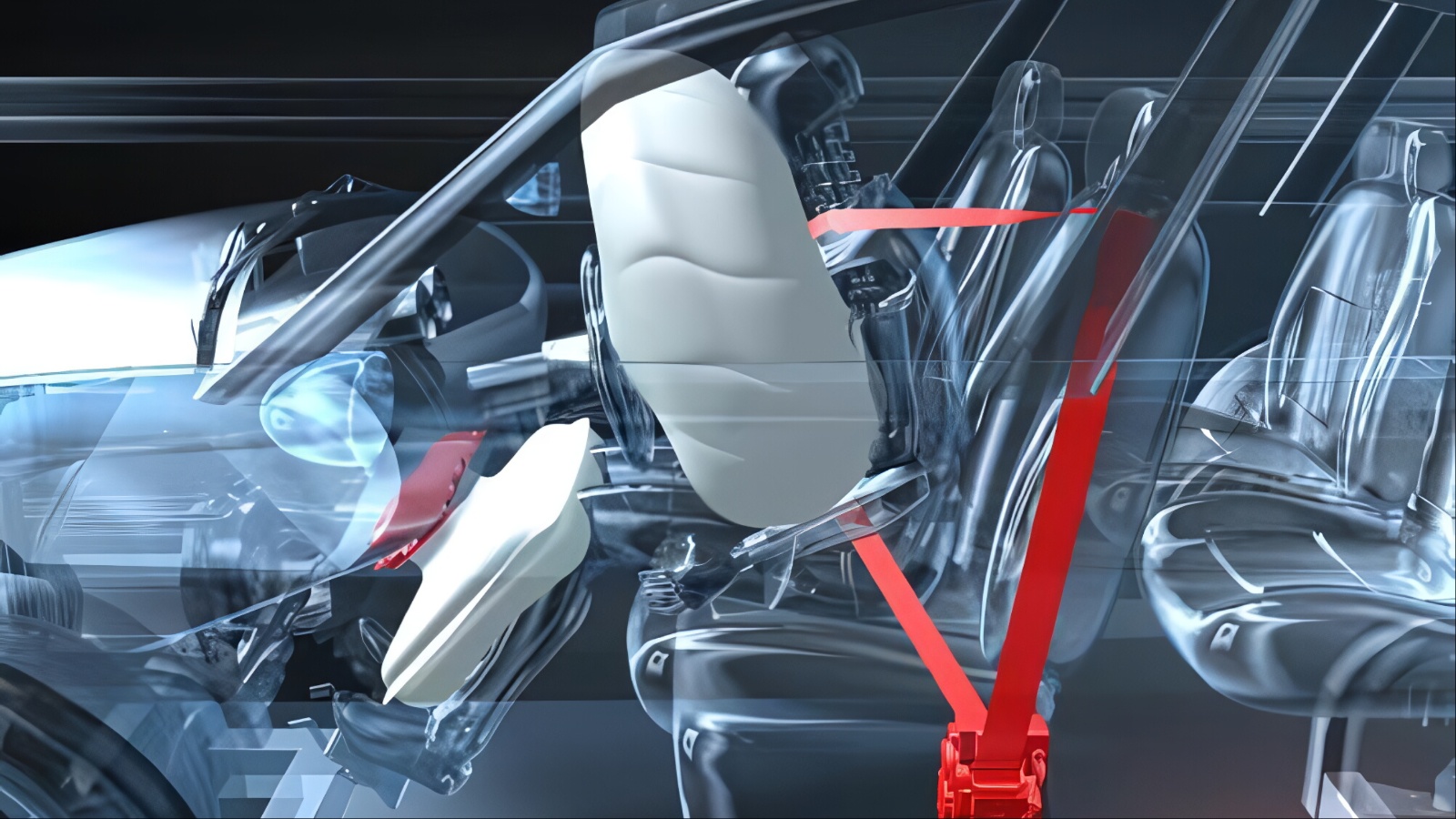
Modern airbags can therefore use sophisticated deployment strategies, including variable or staged inflator operation on systems designed for it. Seat-belt pretensioners can also be controlled as part of the broader restraint strategy.
Sensors positioned around the vehicle help determine impact direction and severity. This allows the system to deploy only the restraints relevant to the particular crash, rather than necessarily deploying every airbag.
Occupant classification is another important development. Systems can detect whether a passenger seat is occupied and, depending on the vehicle and technology, gather information that can influence restraint behavior.
These systems are also increasingly integrated with vehicle safety electronics. The restraint-control module communicates with other electronic systems, allowing the vehicle to respond rapidly to changing crash conditions. The result is a much more individualized approach to occupant protection.
There are still limitations. Sensors can make mistakes, unusual occupant positions can complicate deployment decisions, and airbags remain supplemental restraints rather than substitutes for seat belts.
Nevertheless, adaptive restraint technology represents a substantial advance over fixed-output, limited-sensing airbag systems.
1. Advanced Integrated Airbag Systems
The latest generation of airbag technology represents an integrated approach in which airbags, seat belts, sensors, occupant detection, and the vehicle’s electronic architecture work together as a single restraint strategy.
Modern vehicles can have numerous airbags distributed throughout the cabin. Depending on the model, these can include frontal, side, curtain, knee, and additional airbags designed for specific seating positions or crash scenarios.
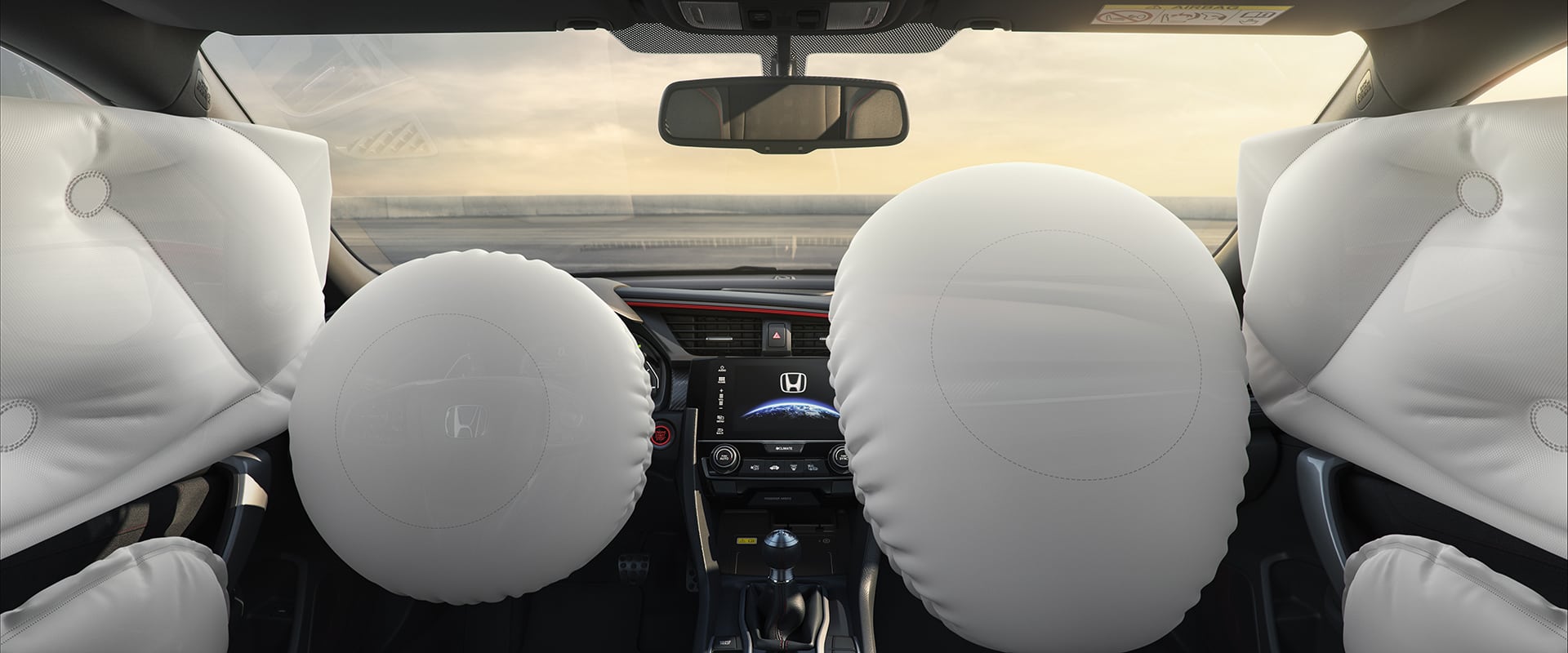
One notable development is the increasing use of advanced occupant sensing. The vehicle can determine whether a seat is occupied and gather information that can help the restraint system determine an appropriate response.
Crash sensing has also become much faster and more sophisticated. Sensors can identify the direction and severity of impacts, allowing the restraint-control system to respond within extremely short timeframes.
Some newer designs have introduced additional airbag concepts intended to address specific crash scenarios. One example is the center airbag, which can help reduce occupant-to-occupant contact in certain side impacts. Other systems have explored airbags positioned between occupants or integrated into seat belts and other restraint components.
The emphasis is therefore no longer simply on deploying the largest possible airbag. The goal is to manage occupant movement intelligently while coordinating multiple restraint technologies.
Seat belts remain fundamental. Pretensioners and load-limiting technology work with airbags to control the forces experienced by occupants.
Even advanced systems have limits, and no airbag technology can eliminate injury risk in every crash. Correct seat-belt use and proper seating position remain essential.
But compared with the earliest frontal systems, today’s integrated restraint architecture represents a remarkable technological progression. Airbags have evolved from relatively simple crash-triggered cushions into sophisticated, sensor-controlled components of a vehicle-wide occupant-protection system.
