
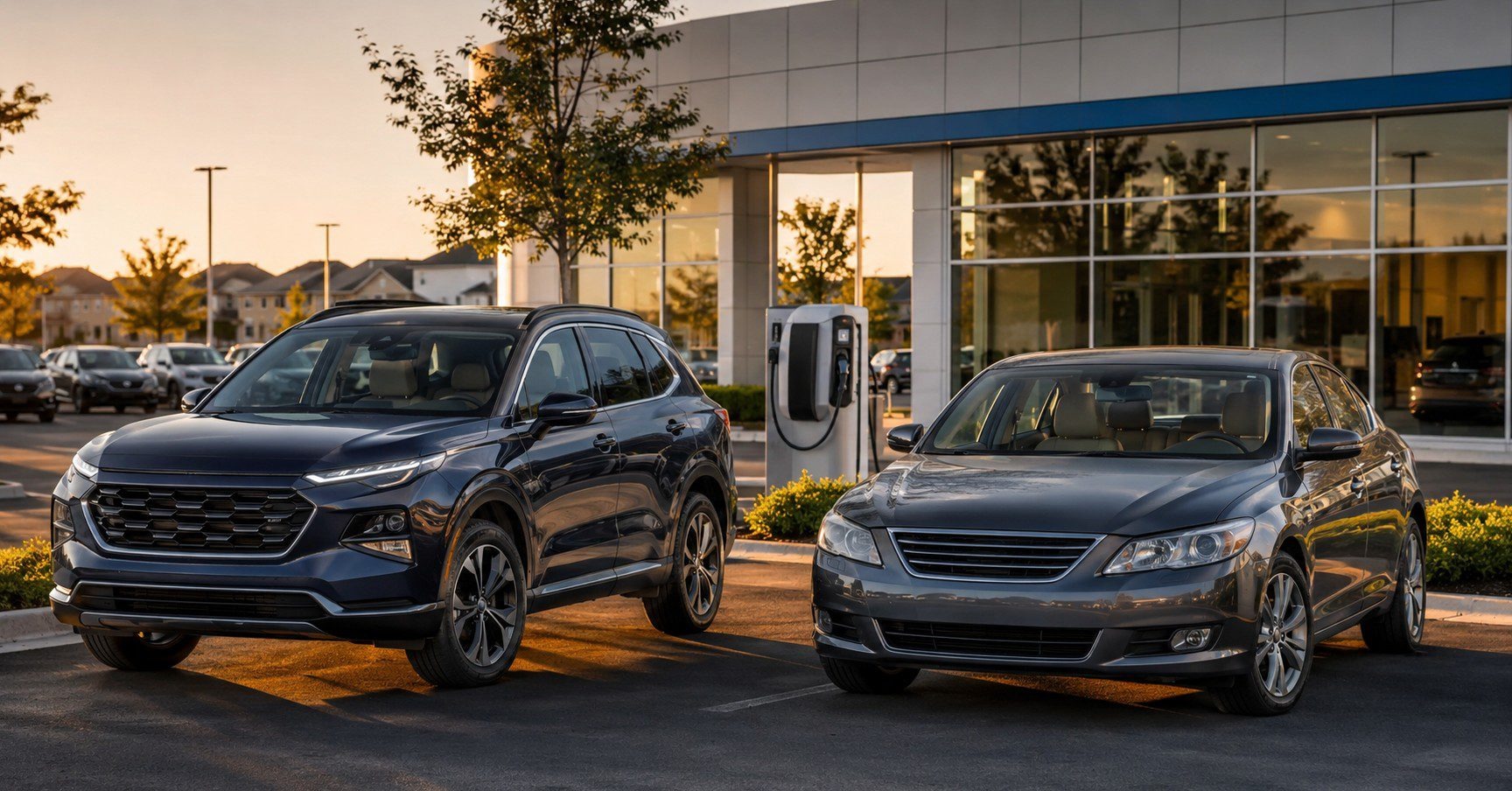
Buying a second car can feel like a smart move. Maybe one vehicle is for commuting while the other handles errands, family trips, or weekends. At first, the extra convenience may seem worth it. Yet the purchase price is only one part of what you pay. Two cars bring separate bills, upkeep schedules, insurance policies, registration duties, parking needs, and even extra mental effort.
Some expenses are easy to spot, while others quietly drain your budget month after month. A car that sits in the driveway is not truly free simply because it is not being driven. Before adding another vehicle to your household, it helps to look beyond the sticker price and consider the full cost of ownership. Here are eight expenses that can make having two cars much more costly than expected.
1. Maintenance Costs
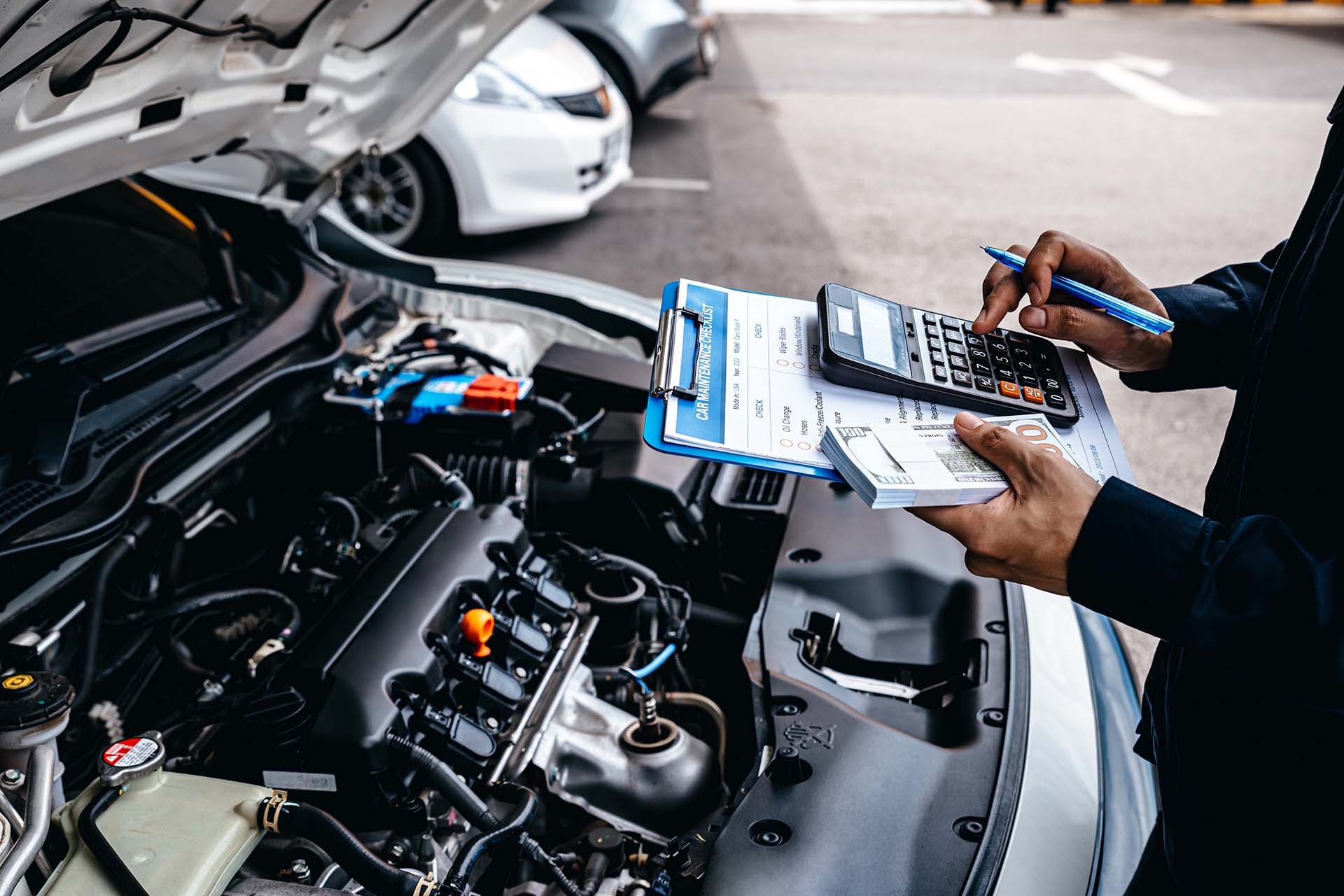
Having two cars means preparing for two separate maintenance schedules, even when one of them is not used regularly. Engine oil still needs to be changed, brake fluid can lose its effectiveness, belts can become worn, and tires may require rotation or replacement.
A car that stays parked most of the time still needs proper attention to remain reliable when you need it. With another vehicle comes another set of service appointments and repair bills.
You may have to deal with issues such as a weak battery, worn brake components, damaged suspension parts, or problems with the cooling system. Any of these repairs can place extra pressure on your budget, especially when they happen unexpectedly.
It is also easy to concentrate on the car you use most and forget about the other one. That can create bigger problems later. When routine servicing is ignored, a small fault can develop into an expensive repair, leaving you with a vehicle that needs urgent attention before it can be used again.
The best approach is to keep records for both cars and set money aside for their maintenance. A second vehicle should come with a realistic maintenance budget, because keeping it properly serviced is part of the true cost of ownership.
2. Insurance Premiums
Insurance is another expense that continues even when a car spends most of its time parked. Adding another vehicle to your household policy may qualify you for a multi-car discount, but you will still have an additional vehicle to insure.
The discount can reduce the extra amount, but it does not remove the cost completely. Many people expect low usage to make the second car almost free to insure. That is not always the case.
Even if you drive it only a few times each month, the vehicle still requires appropriate coverage. Protection may be needed against accidents, theft, weather damage, vandalism, and other risks, depending on the policy you choose.
Your insurance bill may also include options such as roadside assistance, uninsured motorist protection, or rental coverage. These additions can increase the amount you pay each year.
Before adding another car, speak with your insurance provider and ask about available discounts, low-mileage policies, and usage-based programs. Different insurers have different rules, so checking your options can help you avoid paying more than necessary.
A second car may be useful, but you should include its insurance cost in your budget from the beginning.
3. Depreciation
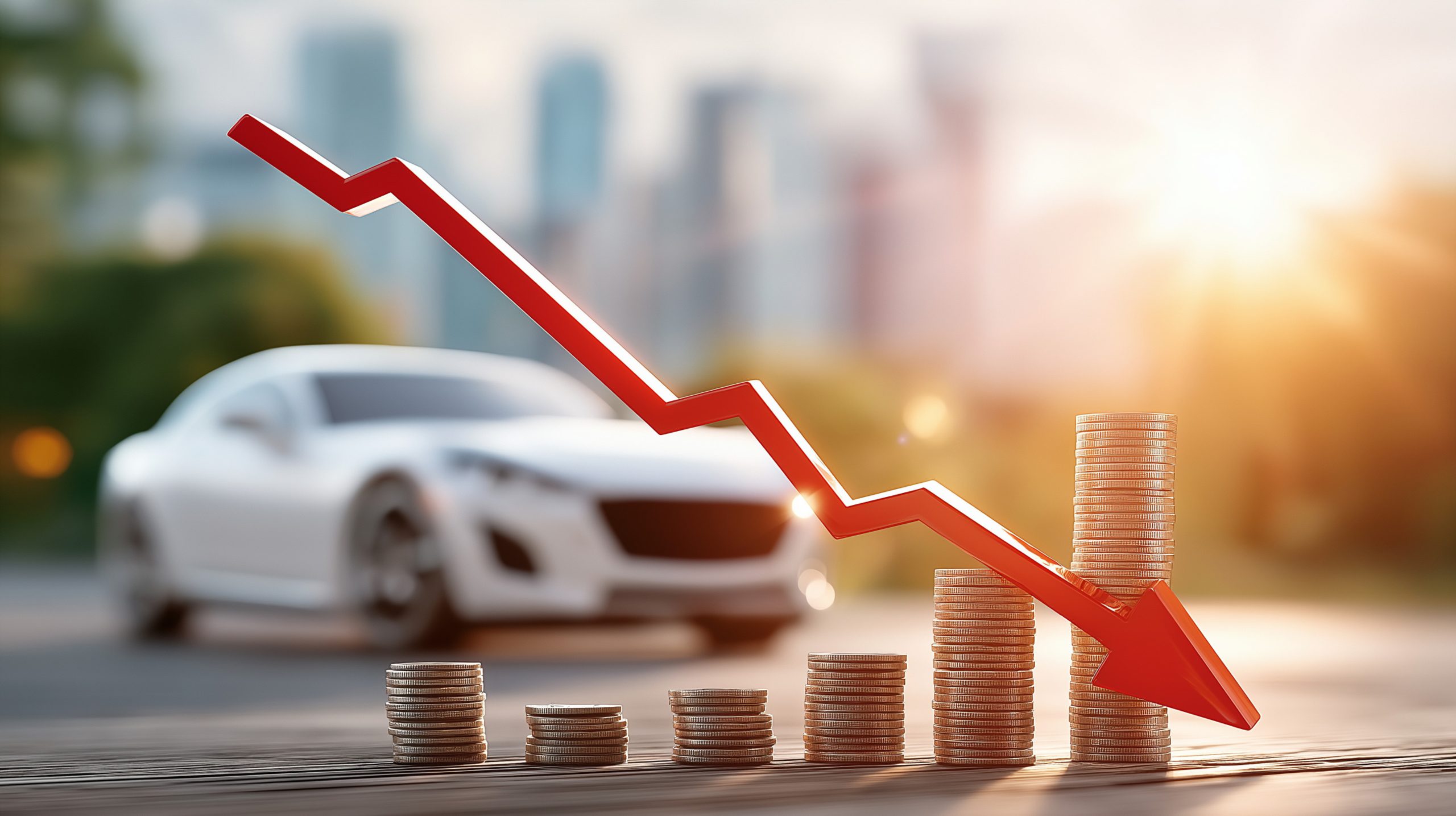
A second car can lose value while spending most of its life parked. That makes depreciation a particularly easy expense to overlook. Owners often focus on fuel and repairs because those costs arrive as bills.
Depreciation works differently. It quietly reduces what the vehicle may be worth when it is eventually sold or traded. Suppose someone buys a second vehicle for occasional use and keeps it in excellent condition.
It may have low mileage years later, yet age, market demand, model changes, condition, and vehicle history can still affect its resale price. Low mileage may help preserve value in some cases, but it does not freeze the vehicle’s worth.
There is also an opportunity cost attached to the money tied up in the car. Cash used to purchase a rarely driven vehicle cannot be used for other household priorities. If the car is financed, interest payments add another expense.
Depreciation can be especially noticeable with newer vehicles because their value may fall faster during the early years of ownership. Used vehicles can depreciate differently depending on the model and market.
Before buying a second car, it is worth asking one practical question. How much value is the vehicle likely to lose compared with how often the household will use it and the types of trips it will handle?
A second vehicle used for short errands may consume less fuel than the primary car, but it still adds another source of fuel spending. If both cars are used regularly, what can you expect to get from it?
4. Fuel Expenses
Fuel can seem like a small line item when viewed one trip at a time. Add another vehicle, though, and those purchases can become much easier to notice in the household budget.
The amount spent depends on how much each car is driven, fuel economy, driving conditions, fuel prices, and the type of trips being made. A second vehicle used for short errands may consume less fuel than the primary car, but it still adds another source of fuel spending.
If both cars are used regularly, the combined amount can climb quickly. There is a behavioral side to this expense, too. Having two vehicles may make driving more convenient.
A person might choose to take a car for a trip that could have been combined with another errand or handled by other means. With two vehicles available, both adults may drive separately to work, appointments, stores, or social activities. Each can use public transportation, cycling, walking, or another option.
Imagine a household that previously used one car for most daily trips. With two vehicles available, both adults may drive separately to work, appointments, stores, or social activities.
Each trip may feel reasonable, but the household now pays for fuel across two vehicles. Fuel-efficient models can reduce consumption, and planning errands can prevent unnecessary driving.
Still, anyone comparing one car with two should calculate expected annual mileage for both vehicles rather than assuming the second car will barely affect fuel calculation changes when there is only one parking space, street parking is restricted, or the household lives in an apartment with limited vehicle space.
5. Parking and Storage
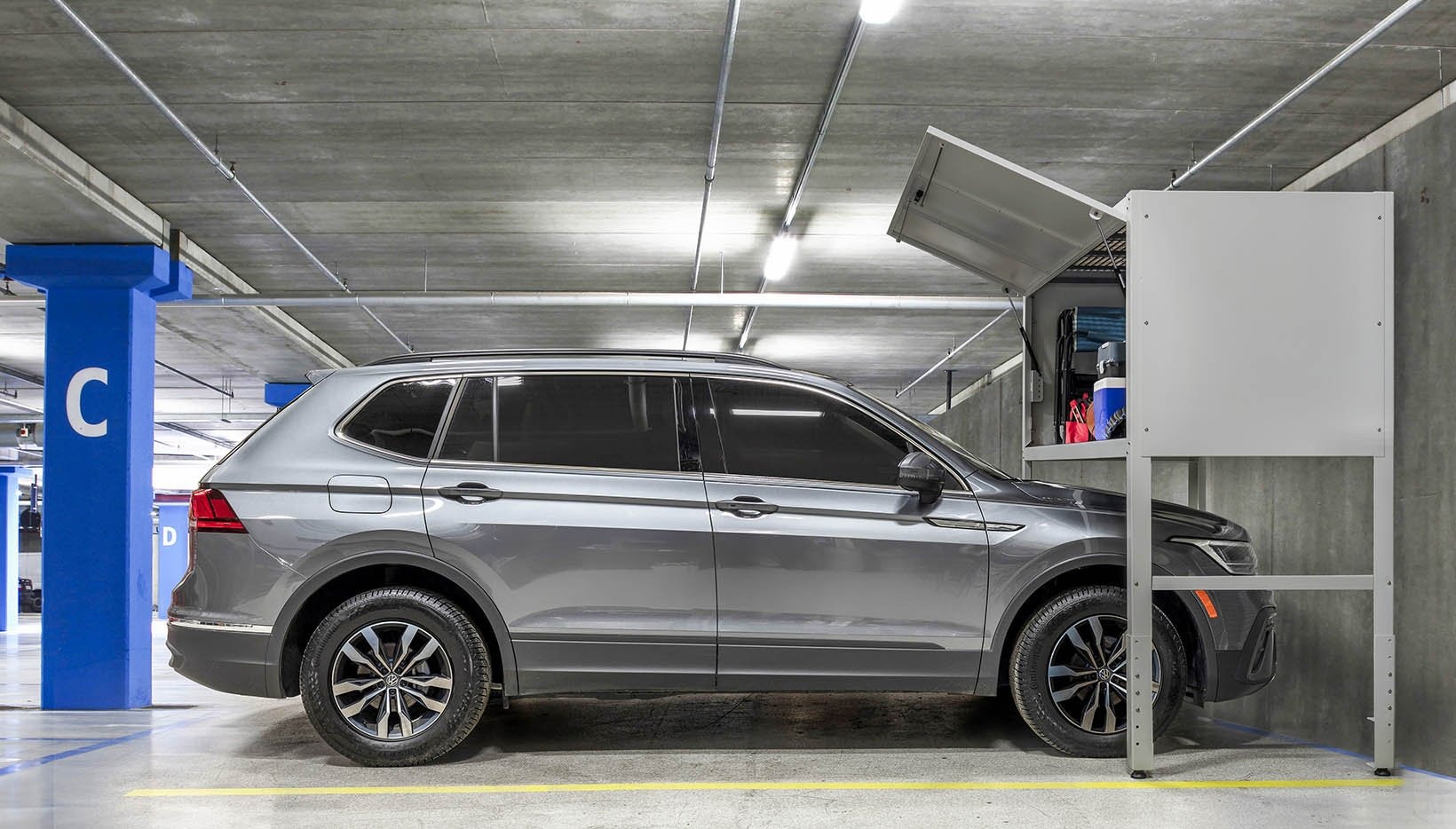
Parking is easy to ignore when a home has an open driveway. The calculation changes when there is only one parking space, street parking is restricted, or the household lives in an apartment with limited vehicle storage.
A second car may require another residential parking permit, garage space, rented parking, or a paid spot near work. In some locations, parking can cost hundreds of dollars each month.
Even when parking is free at home, the vehicle may occupy space that could otherwise be used for storage, recreation, or another purpose.
There are also smaller charges. Drivers may pay for parking during appointments, shopping trips, events, or travel. A forgotten meter or expired permit can result in a ticket.
These costs may seem unrelated to buying a second car, but they can become part of its practical ownership cost. Storage can matter in colder climates, where some owners pay for seasonal storage or garage space to protect rarely used vehicles.
Registration, inspection, taxes, and emissions requirements can create additional recurring costs. Owners must also track renewal dates and required documents. Missing a deadline may result in penalties or prevent legal use.
Before purchasing another vehicle, count available parking spaces and include all parking, storage, registration, inspection, and related costs in the budget from day one.
6. Regulatory and Legal Costs
Every vehicle comes with administrative responsibilities, and adding another one means adding another set of obligations. Registration, inspections, emissions requirements, title records, taxes, and licensing rules can vary widely depending on where the vehicle is registered and how it is used.
The amount may be modest in one location and much higher in another. Some jurisdictions charge annual registration fees, while others include taxes or additional charges based on vehicle type, value, weight, emissions, or other factors. Certain vehicles may also need periodic safety or emissions testing.
There is a paperwork cost as well, even when no large payment is involved. The owner has to keep track of renewal dates, inspection appointments, documents, and any required updates. Missing a deadline can lead to penalties or make the vehicle legally unusable until the issue is corrected.
Leased or financed vehicles can introduce additional requirements because lenders may have their own insurance and documentation conditions. Moving to a new state or changing how a vehicle is used can also trigger new administrative steps.
Rules differ by jurisdiction, so there is no universal price tag for owning two cars. The sensible approach is to check the registration, inspection, tax, and emissions requirements that apply to each vehicle before making the purchase.

7. Time and Coordination
Managing two cars involves more than additional expenses. It also requires extra time and planning. Each vehicle has its own maintenance schedule, service appointments, inspection dates, registration renewals, and potential repair needs.
Keeping track of everything can become tiring, especially when both cars are used regularly. A car that stays parked for long periods can also develop problems.
The battery may lose its charge, tires can lose pressure, and other components may need attention even when the vehicle is hardly driven. Without regular checks, you may discover a problem only when you urgently need to use the car.
Sharing two vehicles within one household requires proper coordination as well. Family members may need to decide who will use each car, which vehicle needs fuel, and which one is due for servicing. These small decisions can take up more time than expected.
Creating a simple maintenance record and setting reminders for important dates can make things easier. Rotating the vehicles occasionally may also help prevent one car from sitting unused for too long.
Still, owning two cars comes with added responsibilities. The second vehicle provides another means of transportation, but it also creates more tasks, appointments, and decisions that need to be managed regularly.
8. Environmental Impact
Two cars can create a larger environmental burden than one, especially when both are driven regularly. Every mile traveled can involve fuel consumption and vehicle emissions, while manufacturing and maintaining vehicles also require energy and materials.
The impact varies considerably by vehicle type and usage. A small, fuel-efficient or electric vehicle may produce fewer operational emissions than a large gasoline-powered vehicle.
Driving fewer miles also reduces fuel use. Yet adding another vehicle can still increase the household’s total resource consumption if it encourages more driving or requires additional production and maintenance.
There is also an important distinction between owning a vehicle and using it. A parked car produces little direct tailpipe pollution while sitting still, but its manufacture has already required raw materials, energy, transportation, and industrial processes. Tires, replacement parts, fluids, and eventual disposal add further resource demands.
Households that genuinely need two cars can reduce some impacts by combining errands, keeping unnecessary trips to a minimum, maintaining proper tire pressure, choosing efficient vehicles, and sharing trips when practical.
An electric or hybrid vehicle may also reduce certain emissions depending on how it is charged and driven. The environmental cost will differ from one household to another, but it deserves consideration alongside the financial price when deciding whether another vehicle is necessary.
