

A taxi may look like any other car sitting in traffic, but its daily workload can be much heavier. A private vehicle might spend hours parked between short trips, while a taxi can spend most of the day carrying passengers from one destination to another. Repeated acceleration, braking, turning, idling, and driving on busy streets place extra demands on many mechanical parts.
That intense use means some components can wear out much sooner than they would on an average personal vehicle. For fleet owners, understanding these high-wear parts is useful for planning maintenance, controlling operating costs, and keeping vehicles available for passengers. Here are eight parts that taxi fleets often need to replace more frequently.
1. Oil and Oil Filter
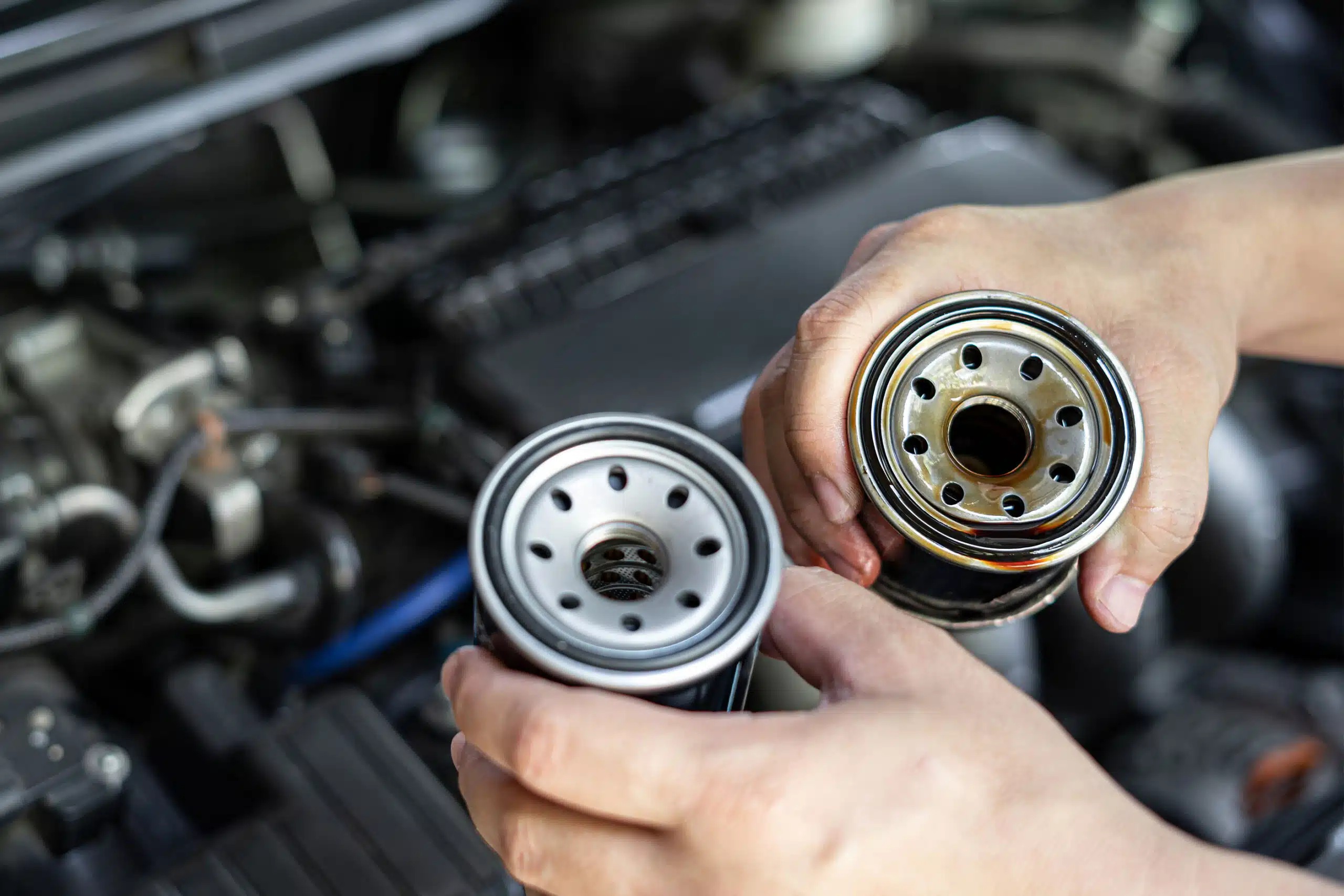
Few maintenance jobs matter more to a hard-working taxi than regular oil and filter changes. Engine oil reduces friction between moving components, helps carry heat away from internal parts, and assists with keeping contaminants suspended so they can be removed by the filter.
When a taxi accumulates miles at a rapid pace, that protective fluid gets exposed to heat, fuel dilution, moisture, and combustion byproducts more frequently than it does in many privately owned vehicles.
A taxi that spends most of its day operating in stop-and-go traffic can place extra demands on the engine. Long periods of idling add running time without adding much mileage, while repeated short trips may prevent the engine from reaching ideal operating conditions.
Service intervals vary by vehicle, oil type, operating conditions, and manufacturer recommendations. A fleet may change oil and filters around 4,000 to 10,000 miles, but that range should not replace the specific schedule recommended for the vehicle.
Fleet managers can make this task easier by recording mileage, service dates, oil type, and filter changes for every car. Digital maintenance reminders can also prevent an overdue service from slipping through the cracks.
For a busy taxi, an inexpensive oil change can be much easier to manage than an avoidable engine repair.
2. Brake Pads and Rotors
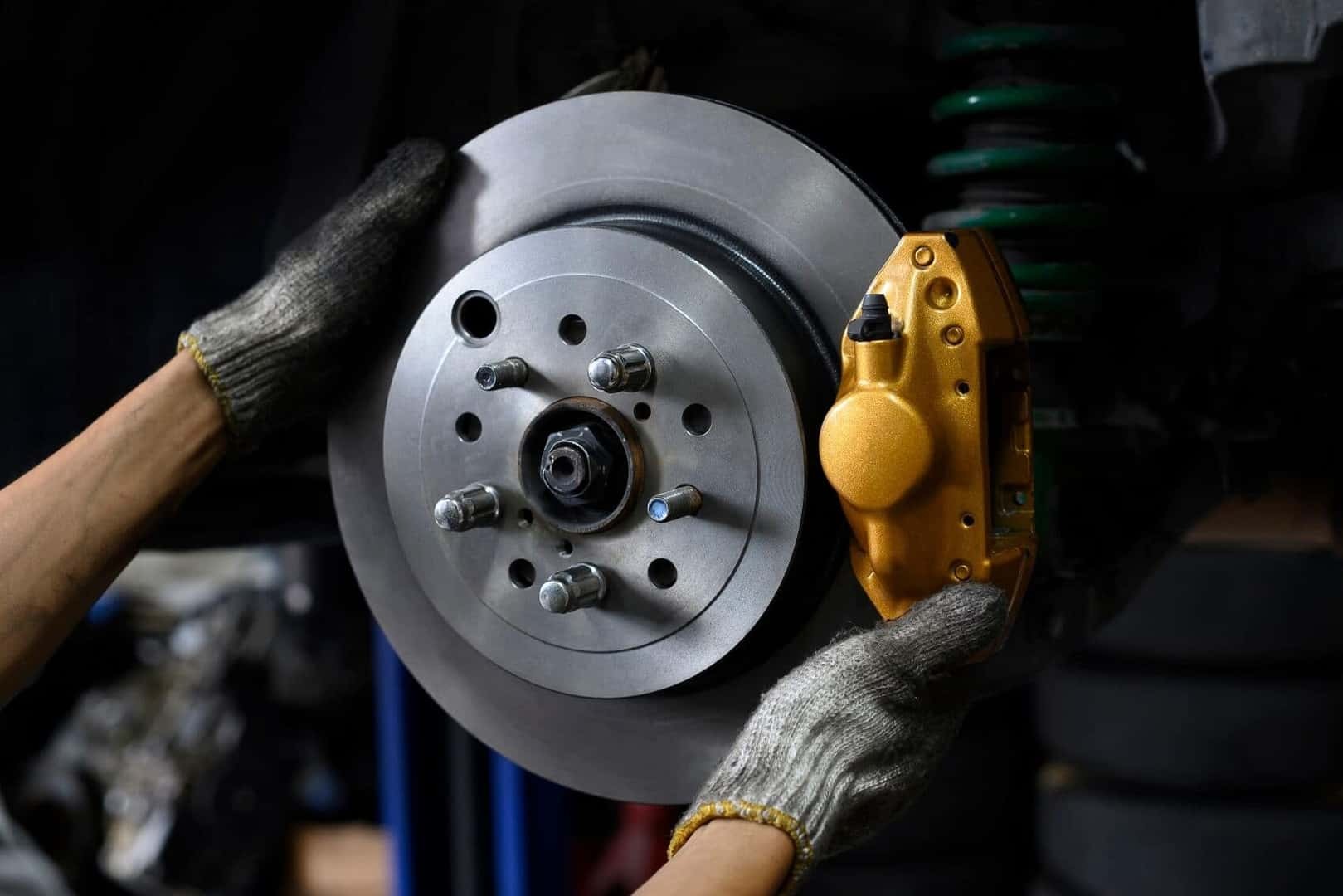
Ask any cab driver what wears them out the most, physically and mechanically, and braking will come up fast. City driving means constant starting and stopping. Red lights, pedestrians, sudden lane changes, curbside pickups.
Every one of those moments asks the brakes to do their job, and doing that job hundreds of times a day adds up quickly. Friction material doesn’t last forever.
Each stop grinds away a tiny bit of the pad, and in taxi work, that grinding happens at a rate few private vehicles come close to matching. Rotors take a beating too, developing grooves, heat spots, and warping that can affect how smoothly a vehicle stops.
There’s also the added weight to consider. Taxis frequently carry passengers and luggage, which means more mass pressing down on the brake system with every stop.
Heavier loads translate to more heat and more wear, shortening the lifespan of pads and rotors even further. Because braking failure isn’t something anyone can afford to risk, especially with paying passengers in the back seat, fleet operators tend to be proactive rather than reactive.
Pads get checked often, and replacements happen well before they become a safety concern. This kind of vigilance is part of what keeps a cab reliable, but it also means brake work shows up on the maintenance ledger far more frequently than it would for someone driving to work and back a few days a week.
3. Air Filters
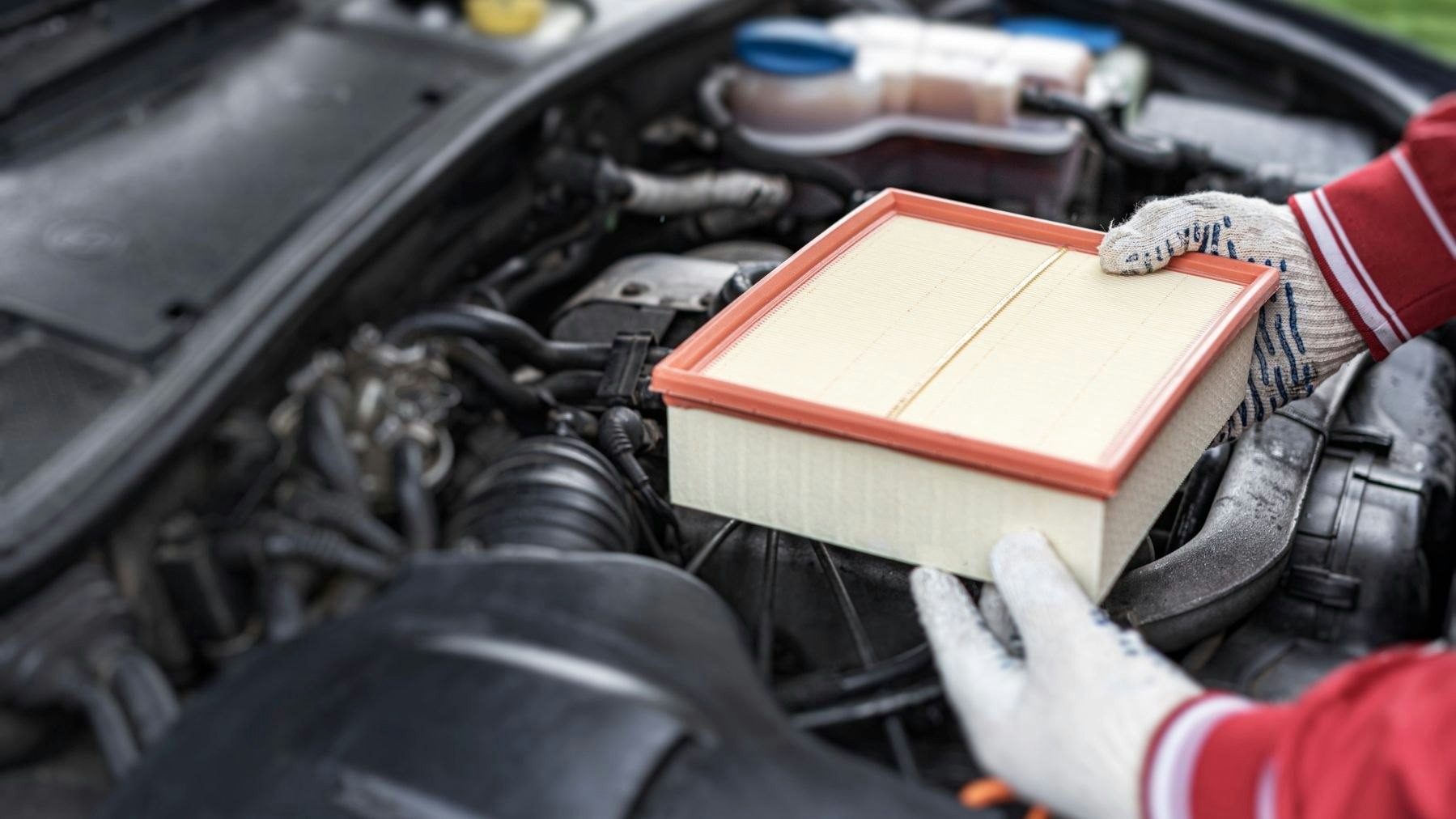
Air may seem harmless, but the engine needs clean air to operate properly. The air filter acts as a barrier, catching dust, dirt, pollen, and other particles before they can enter the engine’s intake system.
For a taxi that covers many miles every week, this simple component can become dirty much faster than expected. City driving can expose vehicles to road dust, construction debris, exhaust particles, and other airborne material.
Roads with heavy traffic or dry conditions may make the problem worse. A clogged filter can restrict airflow and may contribute to reduced engine performance or fuel economy, depending on the vehicle.
Replacement intervals commonly fall somewhere around 15,000 to 40,000 miles, though there is no universal number that applies to every taxi.
The manufacturer’s maintenance schedule should be the starting point, with more frequent inspections when vehicles operate in unusually dusty conditions.
A quick inspection can sometimes reveal whether a filter is heavily contaminated. Fleet technicians can also track filter condition across several vehicles.
If cars operating in the same area repeatedly require early replacements, that information can help managers adjust service schedules. The cost of an air filter is relatively small, but its job is important.
Replacing it at an appropriate interval helps maintain clean airflow and gives the engine a better chance of performing as intended.

4. Tires
Tires have a tough job on any vehicle, but taxi tires can accumulate miles at a remarkable pace. Every passenger pickup, drop-off, turn, lane change, and stop adds another part of the workload.
Add potholes, rough pavement, sharp curbs, heavy loads, and changing weather, and tire wear can become a regular fleet expense.
Many tires may last somewhere between 25,000 and 50,000 miles, but actual life depends heavily on tire quality, alignment, inflation, driving habits, vehicle weight, road conditions, and tire position.
A taxi that spends its days on rough streets may wear tires much faster than a car used for occasional highway trips. Tire pressure deserves attention, too.
Underinflated tires can create extra heat and uneven tread wear, while incorrect pressure can affect handling and fuel consumption. Regular rotation and wheel alignment can help promote more even wear.
Fleet operators can create a simple tire inspection routine. Check tread depth, pressure, visible damage, and unusual wear patterns at regular intervals. Uneven wear can provide clues about alignment, suspension, or inflation problems.
A tire should never be judged by mileage alone. Its condition matters more than the number on the odometer when determining whether it remains suitable for service.
5. Drive Belts
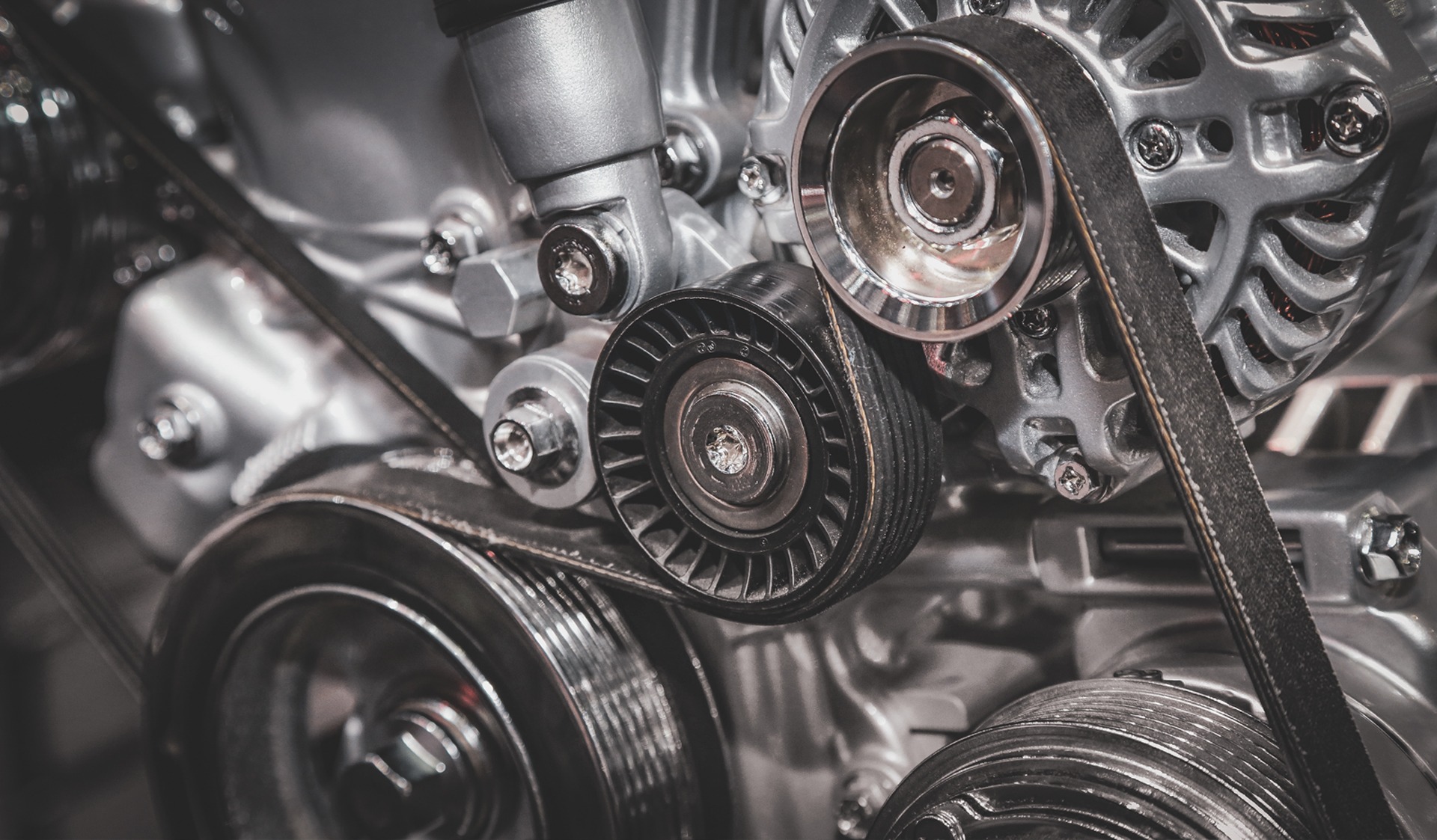
Drive belts don’t get much attention until something goes wrong, but they’re doing quiet, constant work every second an engine runs.
These belts power essential systems like the alternator, water pump, and power steering, keeping everything synchronized so the vehicle functions properly.
In a taxi, that means the belt is under near-constant tension for hours at a stretch. Heat builds, rubber stretches, and small cracks begin to form long before a private driver would notice similar wear on their own vehicle.
Add engine vibration from stop-and-go traffic, and the material fatigues even faster. A failed belt isn’t a minor inconvenience.
Depending on which systems it powers, a snapped belt can leave a vehicle stranded, unable to steer properly, or facing an overheated engine. None of those outcomes work for a business that depends on vehicles staying in motion.
That’s why fleet mechanics tend to inspect belts on a tighter schedule, watching for small cracks, fraying edges, or looseness that might signal trouble ahead.
Rather than waiting for a failure on the road, most operators replace belts proactively, treating the part as cheap insurance against a much bigger headache.
Given how many hours a taxi spends running compared to an average car, it makes sense that this small rubber component ends up on the replacement list roughly twice as often.
6. Shock Absorbers and Struts
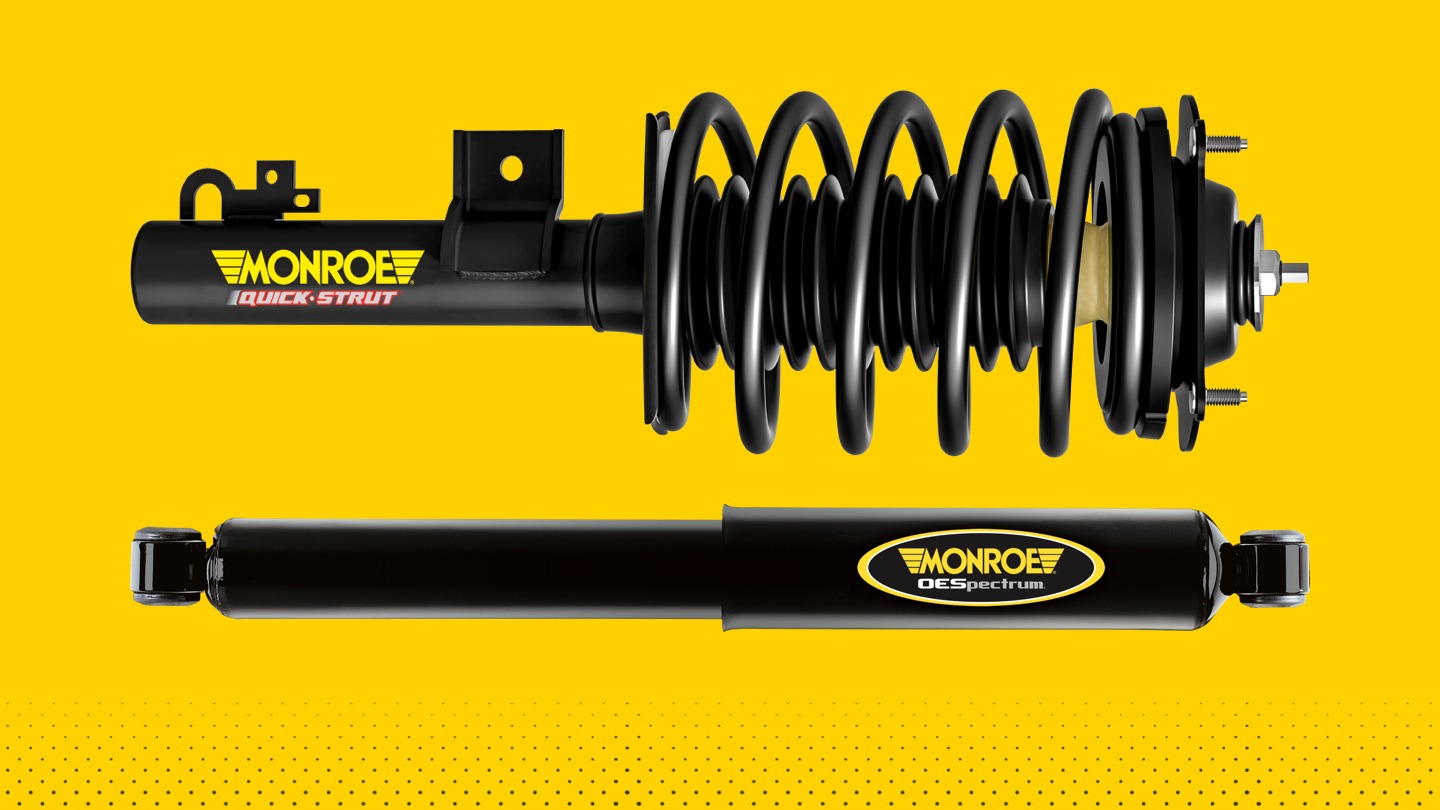
A taxi’s suspension works almost every time the vehicle moves. It absorbs bumps, helps keep the tires connected to the road, and contributes to steering control and ride comfort.
For a vehicle carrying passengers throughout the day, that workload can add up quickly. Urban roads can be particularly demanding.
Potholes, speed bumps, uneven pavement, railroad crossings, rough shoulders, and poorly maintained surfaces all send repeated forces through the suspension.
A taxi may encounter these conditions many more times in a week than a lightly used private car does, hitting a bump, dipping heavily when braking, leaning more during turns, or developing uneven tire wear. Passengers may also notice that the ride feels worse in a month.
Worn shocks or struts can produce several warning signs. The vehicle may bounce excessively after hitting a bump, dip heavily when braking, lean more during turns, or develop uneven tire wear. Passengers may also notice that the ride feels less controlled or comfortable.
There is no single mileage point at which every shock absorber or strut needs replacement. Vehicle design, road quality, passenger load, driving habits, and component quality all matter.
For fleet operators, suspension inspections should be part of regular service rather than something reserved for obvious failures. Technicians can look for fluid leakage, damaged mounts, worn bushings, and other signs of trouble.
Replacing worn suspension components helps preserve ride quality and handling. It can also protect other parts from the extra stress that may result when a suspension system is no longer performing properly.
7. Wheel Speed Sensors
Modern vehicles rely on electronic sensors for many safety and control functions, and wheel speed sensors are among the most important.
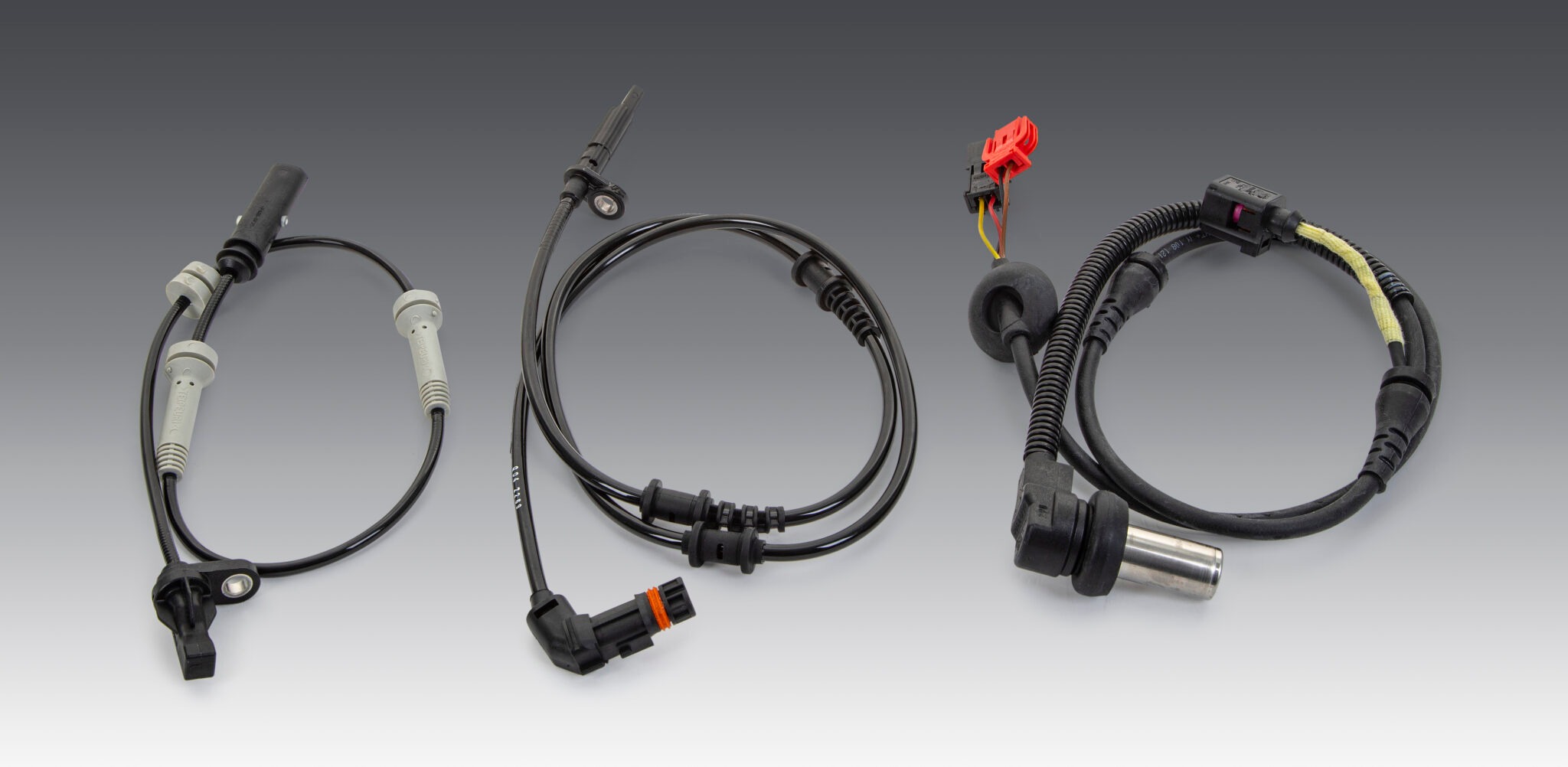
These sensors monitor how quickly individual wheels rotate and send information to systems such as anti-lock braking and electronic stability control.
Taxi service can expose these sensors and their wiring to water, mud, road salt, dust, dirt, and repeated vibration. The sensor itself may remain intact while its wiring or connector develops a problem.
In other cases, contamination or physical damage can interfere with the signal. A warning light on the dashboard is often one of the first clues.
An ABS or stability-control warning may appear, and the vehicle’s diagnostic system can help identify the affected component. The exact symptoms depend on the vehicle and the system involved.
Because these sensors contribute to safety systems, ignoring a warning is not a good maintenance strategy. A fleet technician should diagnose the cause instead of automatically replacing a sensor whenever a warning appears.
Wiring, connectors, wheel bearings, and other components can sometimes create similar symptoms. Taxi operators can reduce surprises by checking sensor wiring and connectors during brake and wheel service.
This is particularly useful because technicians already have access to those areas during many routine repairs. A relatively small electronic component can therefore have a major role in vehicle safety, making timely diagnosis worthwhile for heavily used fleet vehicles.
8. Suspension Parts (Ball Joints and Stabilizer Links)
A taxi carries more than a driver. Depending on the trip, it may carry several passengers and luggage, adding weight to the suspension system.
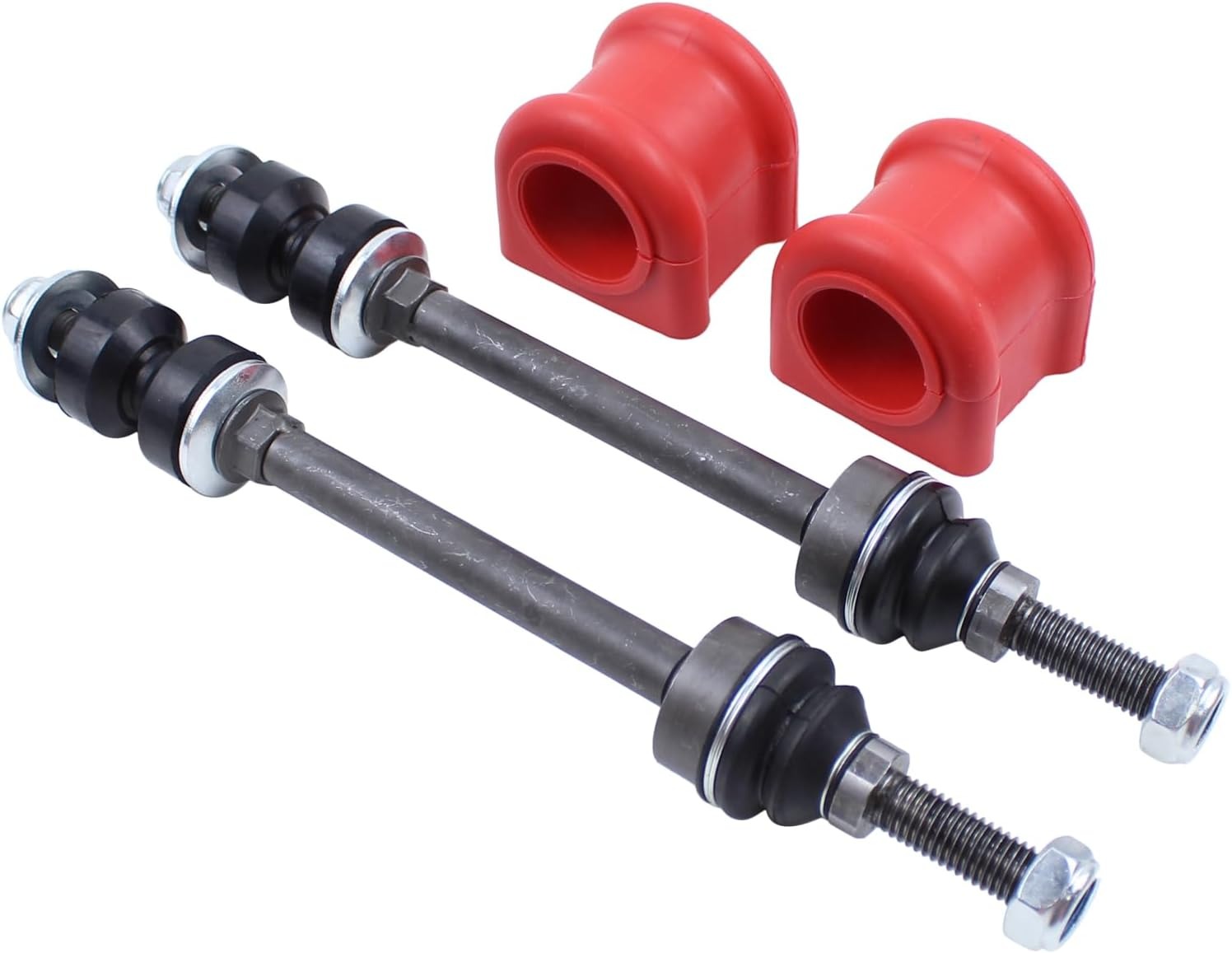
Repeated loading, braking, turning, and driving over uneven pavement can place considerable stress on components such as ball joints and stabilizer links.
Ball joints allow controlled movement between suspension and steering components, while stabilizer links connect parts of the suspension system to help manage body movement during turns.
Neither component is designed to last forever, and heavy commercial use can increase wear. The warning signs may start subtly. A driver might hear a clunk over bumps, notice loose or imprecise steering, or feel unusual movement through the vehicle.
Uneven tire wear can also accompany suspension problems. In some cases, the first clue may appear during a technician’s inspection rather than during everyday driving.
There is no universal replacement interval for these components. Their service life depends on vehicle design, mileage, road quality, passenger loads, driving style, and the condition of related parts.
Fleet owners can protect both safety and operating budgets by inspecting suspension components at regular service intervals.
Finding a worn ball joint or stabilizer link early may prevent additional damage to passengers. Suspension condition deserves the same attention given to brakes, tires, and engine service.
A smooth ride starts with parts that are properly maintained and replaced when wear calls for it. to tires, steering parts, or other suspension components.
For a vehicle that spends much of its life carrying passengers, suspension condition deserves the same attention given to brakes, tires, and engine service. A smooth ride starts with parts that are properly maintained and replaced when wear calls for it.
