
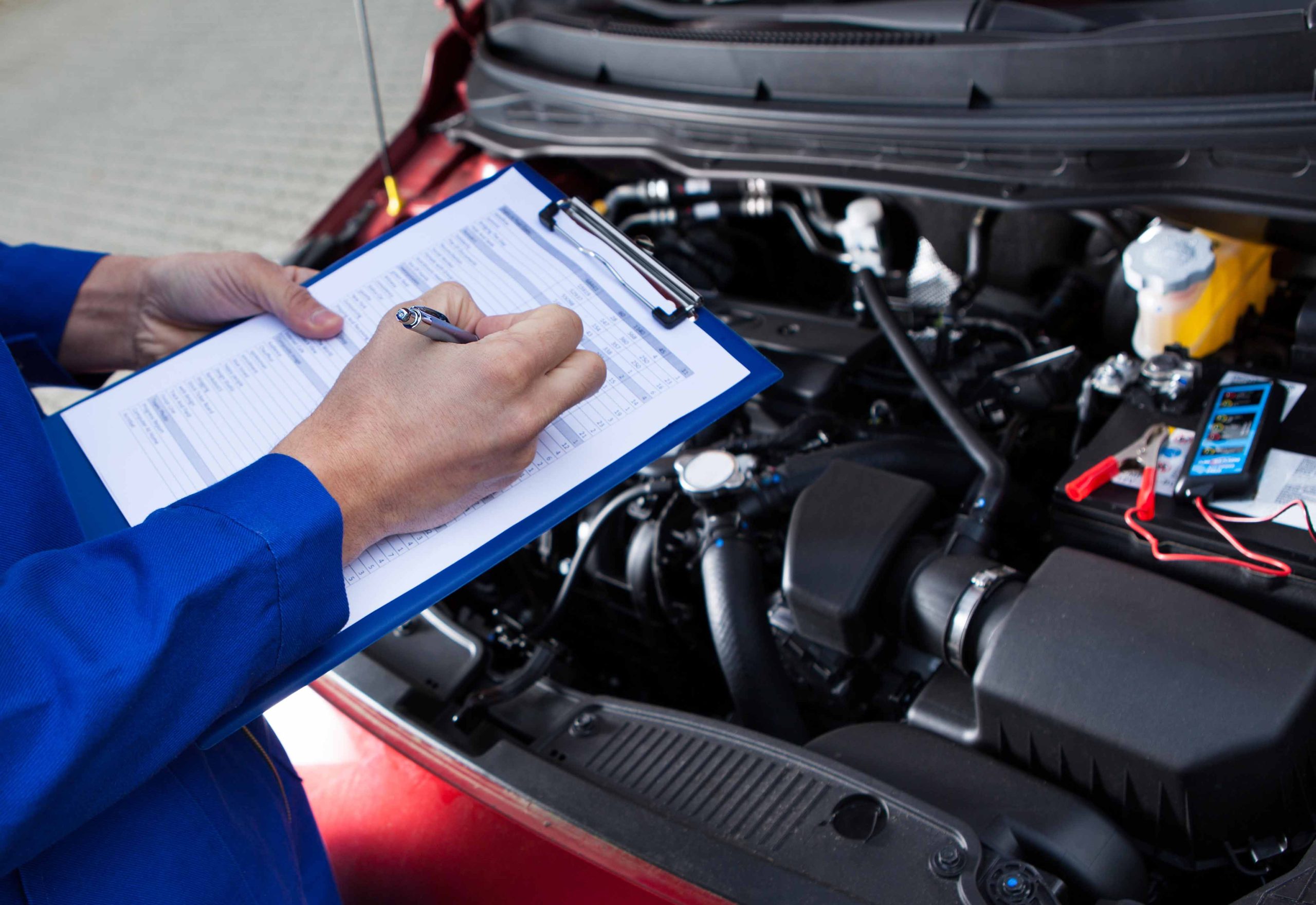
Reaching 75,000 miles is one of those quiet milestones that can tell you a lot about a car. It has already handled years of starts, stops, weather, traffic, and long trips. At this point, routine oil changes are still important, but they are no longer the only things worth checking. A 75,000-mile service can bring several inspections and replacements that help catch wear before it becomes an expensive repair.
The catch? There is no universal 75,000-mile checklist for every vehicle. Your owner’s manual has the final word. Still, knowing what commonly appears at this mileage can help you walk into a service appointment prepared, ask better questions, and avoid paying for work your car does not actually need.
Engine Oil and Filters Come First
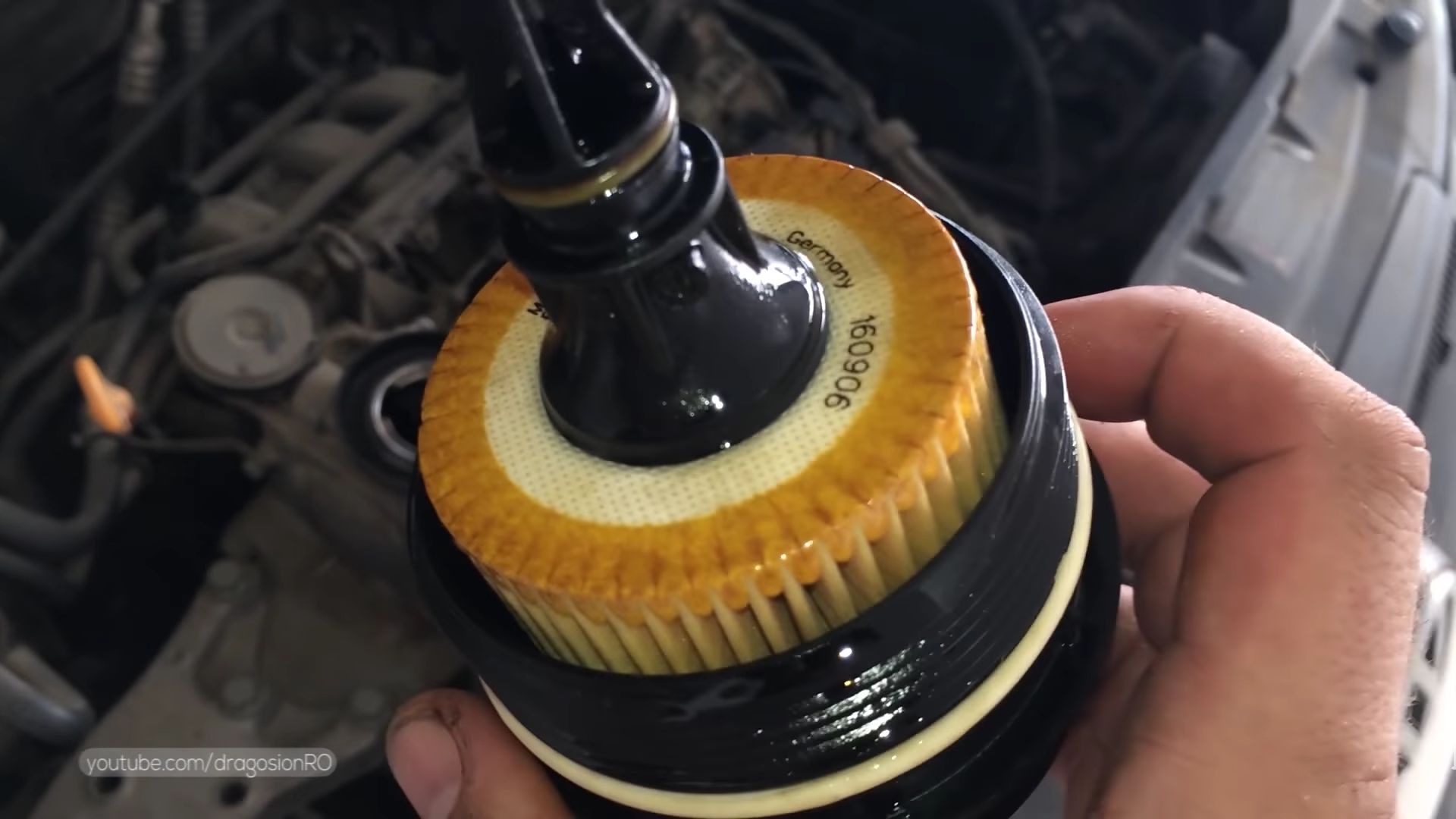
Think of engine oil as the car’s daily protective layer. By 75,000 miles, the engine has completed thousands of operating cycles, so keeping fresh oil and a clean filter in place remains a basic part of responsible maintenance.
Many factory schedules continue to call for oil and oil-filter service at regular intervals, including milestone visits. Toyota, for example, lists engine oil and filter replacement at 75,000 miles on one published maintenance schedule.
Then there are the filters. Depending on the vehicle, the 75,000-mile visit may include an air-filter inspection or replacement, while the cabin filter may follow a separate schedule. These parts do not all age at the same rate.
A car driven through dusty roads may need an air filter sooner than one used mostly on clean highways. Your technician should inspect the condition rather than automatically replacing every filter simply because the odometer reached a certain number. That approach keeps the service tied to your vehicle’s actual needs.
Fluids Deserve a Careful Check
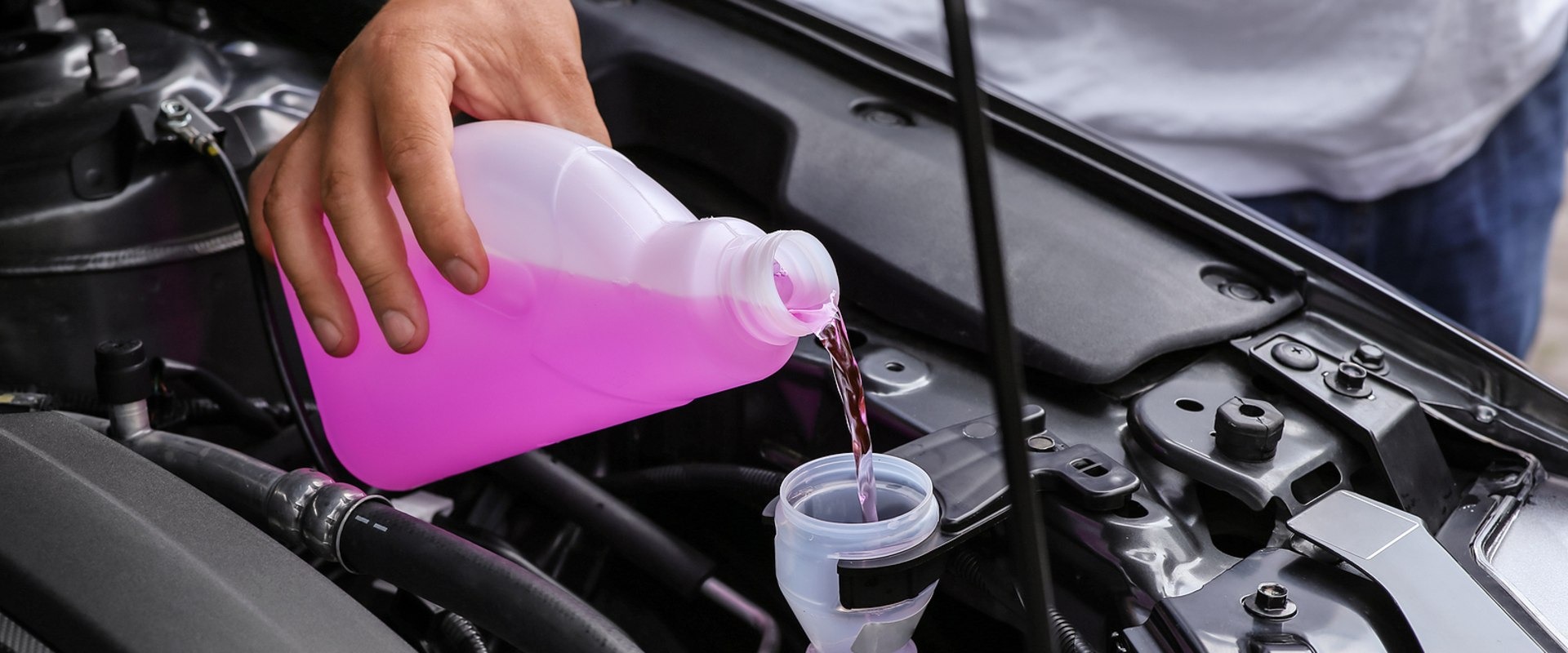
Fluid service is where generic 75,000-mile advice can become misleading. One vehicle may call for coolant replacement at this mileage, while another may schedule it at a different mileage or time period.
A Honda CR-V schedule, for example, lists coolant replacement at 75,000 miles or five years in one published maintenance guide. Transmission fluid deserves similar attention.
Some manufacturers specify replacement, some call for inspection, and some modern vehicles have very different requirements depending on the transmission.
Toyota’s published schedule includes transmission and differential oil inspection at 75,000 miles for the vehicle covered by that document. That is why a service advisor should be able to show you the manufacturer’s requirement for your exact vehicle.
Brake fluid, coolant, power-steering fluid where applicable, and other fluids should also be checked for condition, leaks, and the correct level. A fluid service should follow the factory schedule, not a one-size-fits-all package.
Brakes, Tires, and Suspension Need Attention
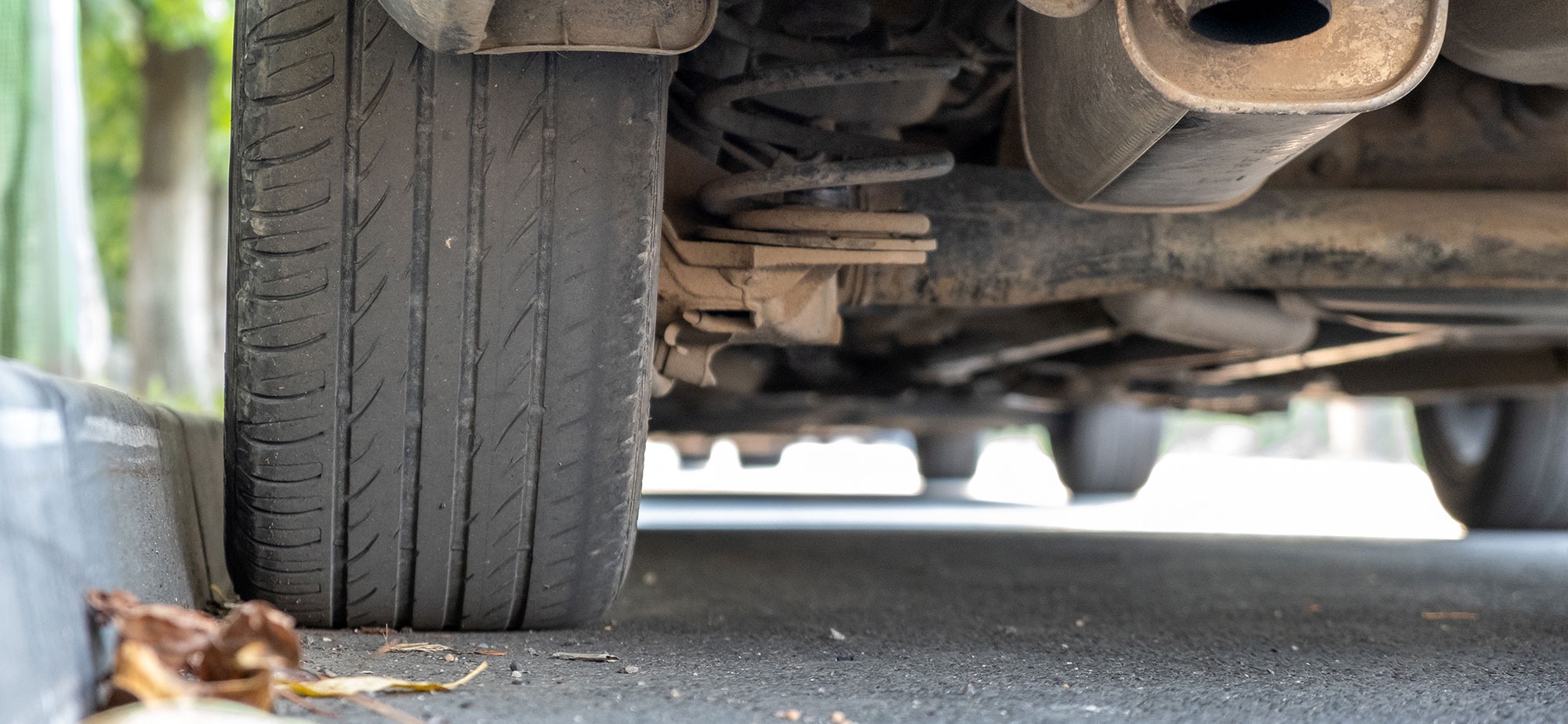
Now picture the car pulling into a service bay with 75,000 miles showing on the odometer. The technician should not look only under the hood. Tires, brakes, steering, and suspension deserve a careful inspection because these systems affect how the vehicle stops, turns, and stays planted on the road.
Manufacturer schedules commonly include checks of brake components, steering parts, suspension components, tires, and related hardware. Brake pads do not have one universal replacement mileage.
Their life depends heavily on driving habits, traffic, vehicle weight, road conditions, and the parts themselves. The same applies to tires. A car can reach 75,000 miles with plenty of tread remaining on one set of tires, while another vehicle may have needed several sets already.
Look for uneven tread wear, cracks, bulges, vibration, pulling, squealing, or a soft brake pedal. Those clues can point to maintenance needs that a mileage number alone cannot reveal. GMC also recommends inspecting shocks and struts around the 60,000-to-75,000-mile range.
Belts, Plugs, and Battery Should Not Be Forgotten
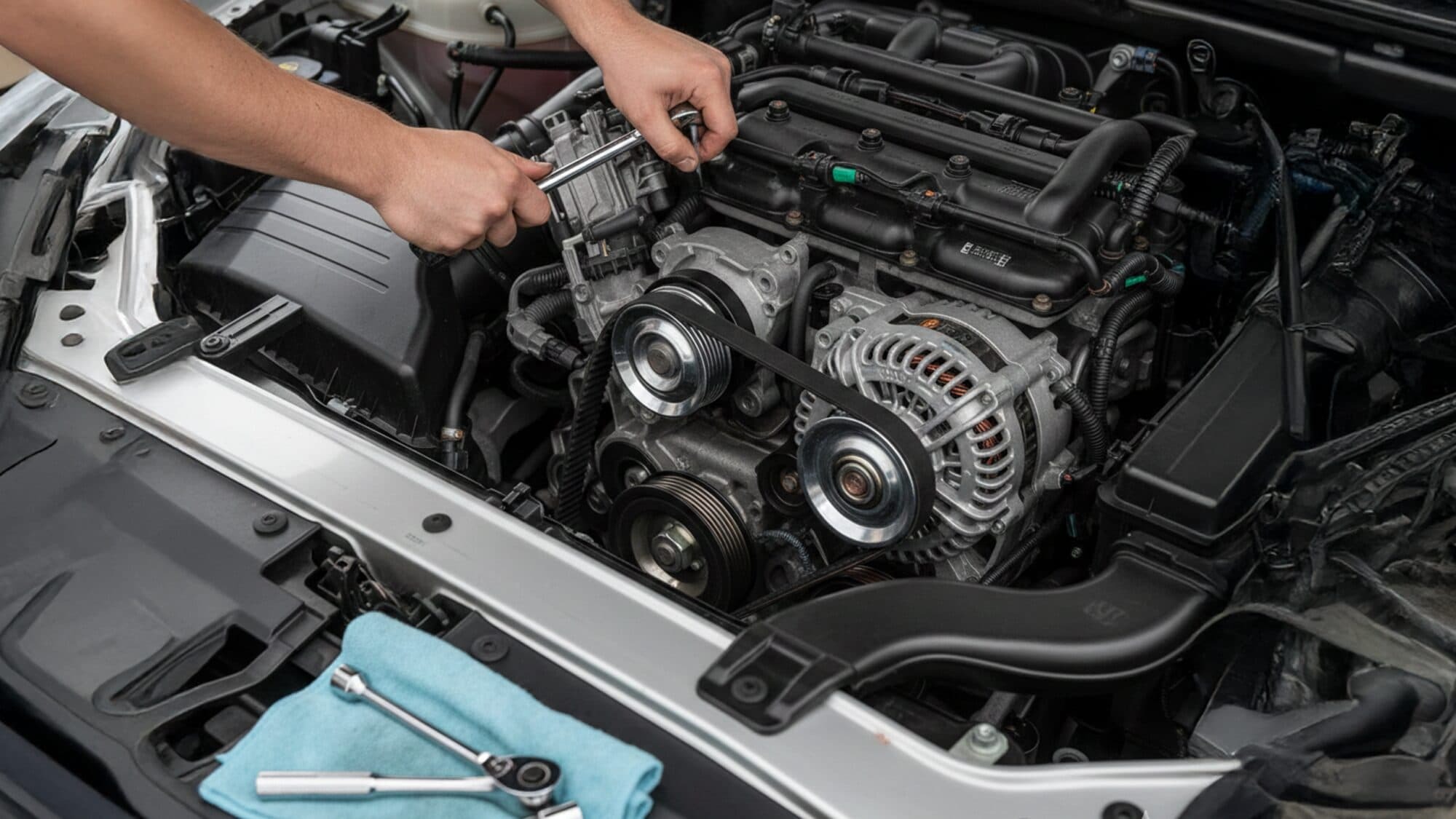
Small parts can create big problems when they are ignored. At 75,000 miles, ask whether your particular engine has a scheduled spark-plug replacement, drive-belt inspection, or timing-belt service approaching.
Spark-plug intervals vary widely, and some vehicles use long-life plugs that are not due at 75,000 miles. Drive belts likewise need inspection for wear, cracking, or damage rather than automatic replacement.
Mopar’s high-mileage guidance recommends checking belts, hoses, plugs, cooling components, and the battery as mileage increases. The timing belt deserves special care because it is not found on every engine.
Some vehicles use a timing chain instead, while others specify belt replacement at a later mileage. Honda’s published schedules, for example, show timing-belt replacement at certain later intervals on applicable engines.
Battery condition also matters. A battery that still starts the car today may be nearing the point where cold starts become difficult. A quick battery and charging-system test can provide useful information without assuming replacement is necessary.
Your Owner’s Manual Makes the Final Call
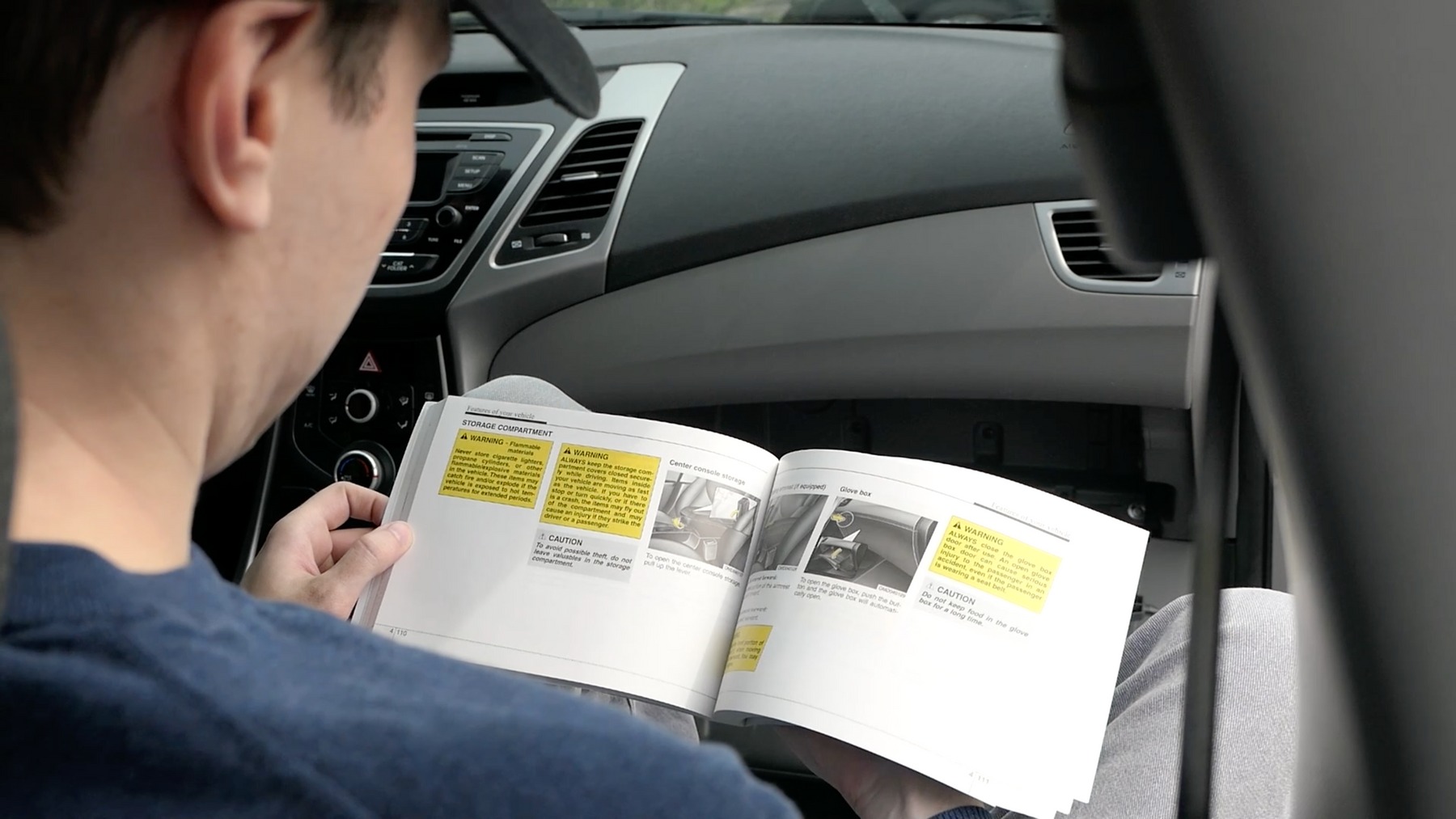
One step many drivers overlook is checking the maintenance schedule for the exact vehicle before approving a 75,000-mile service package. Two vehicles with the same mileage can have very different maintenance requirements.
One might need coolant replacement, another might call for inspections only, and a third could have a service item that was supposed to be completed earlier.
Your maintenance records matter, too. If the 60,000-mile service included spark plugs, transmission fluid, filters, or other scheduled work, you may not need to repeat those jobs at 75,000 miles.
If earlier services were missed, the 75,000-mile appointment can be a useful time to identify what is overdue and create a sensible plan. Manufacturer schedules are designed around the specific vehicle, while driving conditions can create additional needs.
Stop-and-go traffic, towing, dusty conditions, extreme temperatures, and frequent short trips may affect service requirements. At 75,000 miles, the goal is not to replace everything in sight.
It is to verify what your vehicle actually needs, complete scheduled work, inspect wear items, and address small concerns before they become larger ones.
A careful review of the owner’s manual, service records, and inspection results can make the milestone much easier to manage and help your car keep adding miles with fewer surprises.
