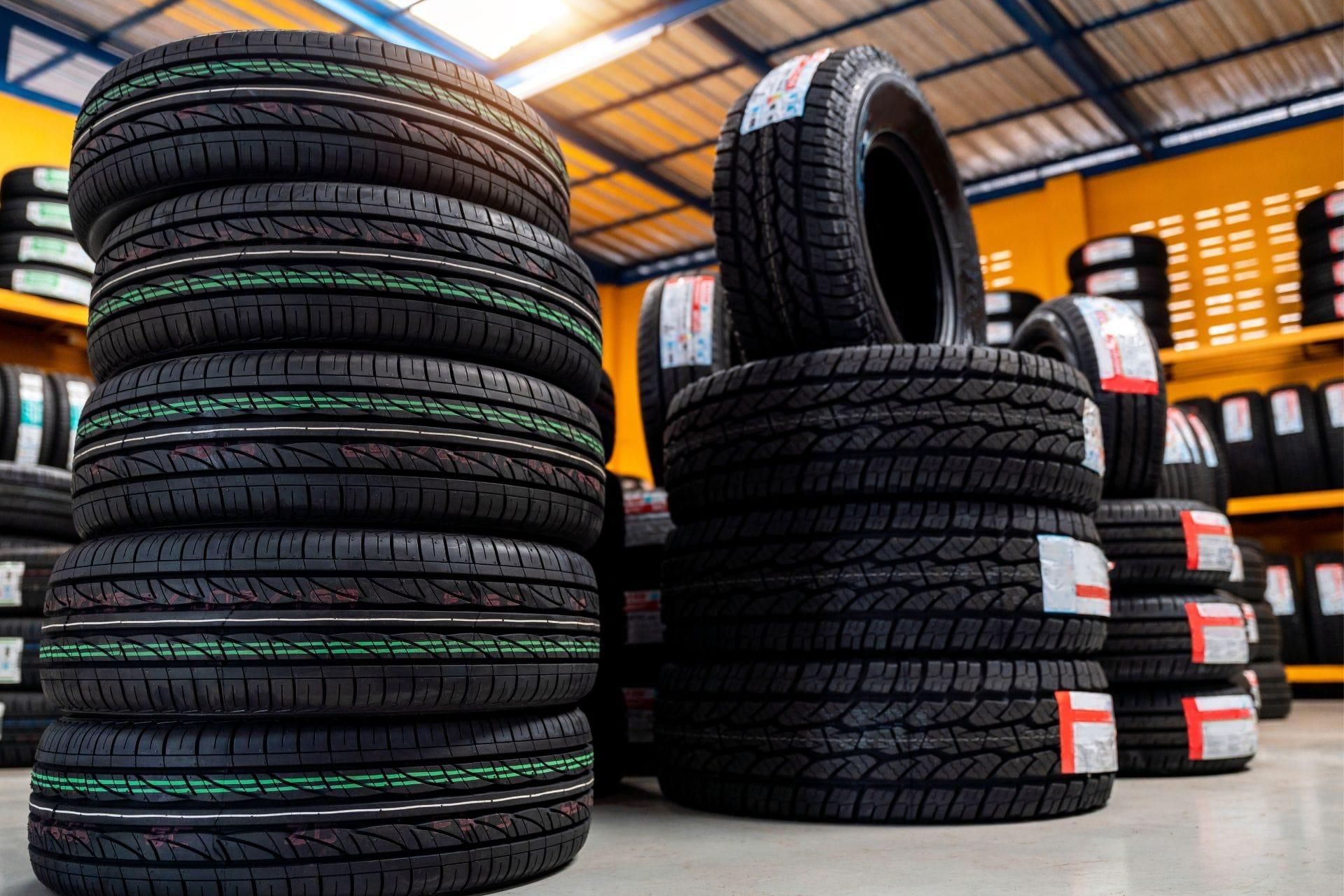
Walk into a tire shop, and you see a price for four tires that often feels steep. You may wonder what the shop actually paid for them. The answer is more layered than a simple markup. Shops buy through distributors, buying groups, and manufacturer programs.
A tire with a list price of 200 dollars may cost the shop much less. But the gap is not pure profit. Rent, labor, machines, and insurance eat into every sale. Mounting and balancing are often priced low to win your business.
Big chains, independent dealers, and online sellers all buy differently. Volume changes almost everything in this trade. This article explains typical costs in plain language. It covers discounts, fees, and what a fair price looks like.
Prices vary by country, brand, and season, so treat the numbers as typical ranges. The goal is to make you a smarter buyer. We look at three areas. First, what shops pay for tires. Second, where the markup goes. Third, how you can pay less.
How Tire Shops Buy Tires and What They Pay
Most shops do not buy directly from the factory. They buy from regional distributors who hold large stock. Big chains are different. They often sign direct deals with manufacturers.
The shop’s cost starts with a dealer price set by the brand. This is usually well below the printed retail price. A common gap is 20 to 35 percent below the suggested retail. The exact figure depends on brand and tire type.
Premium brands tend to give smaller discounts. Their pricing is tightly controlled. Budget and private-label brands leave more room. Shops love them for that reason.
Volume matters a great deal. A shop that buys thousands of tires a year pays less per tire. A small independent may buy a few hundred. It pays closer to the standard dealer price.
Buying groups help small shops fight back. They pool orders to unlock better rates. Members get access to national pricing and shared programs. This narrows the gap with big chains.
Manufacturers also run rebate programs. These pay shops cash back for hitting sales targets. A rebate can be a few dollars per tire. Across thousands of tires, it adds up fast.
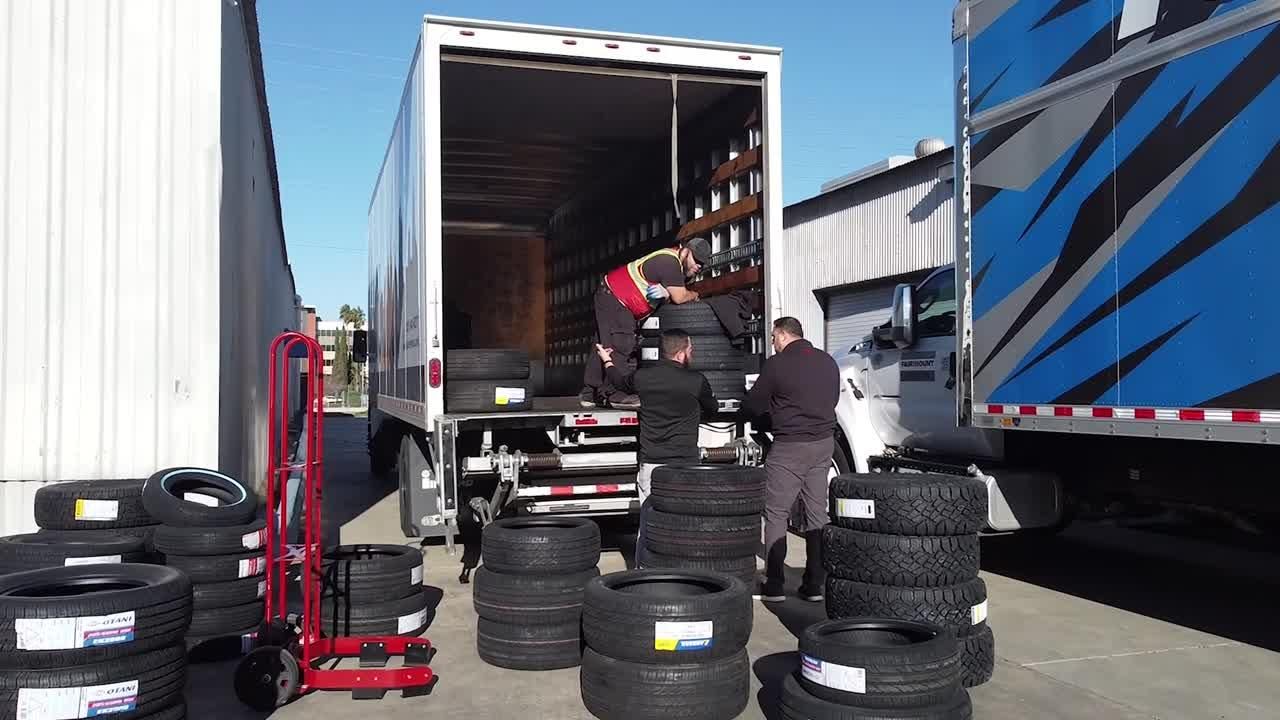
Some rebates are paid at the end of the quarter. Others come as credits against future orders. This means the true cost is lower than the invoice. Customers never see this hidden discount.
Tire size changes the cost sharply. A small passenger tire is far cheaper than a large truck tire. Specialty tires cost much more to buy. Run-flat, winter, and high-performance types carry bigger price tags.
Freight is another cost. Tires are bulky and light, so shipping is not cheap. Distributors add delivery fees or build them into the price. Shops in remote areas pay more.
Timing also plays a role. Prices often dip during off-season sales. Shops that stock up early can save money. Those who buy in a rush pay full rate.
Older stock is a risk as well. Tires carry a manufacture date code on the sidewall. Shops try to sell older tires first. Dated stock may be sold at a discount.
Returns and warranty claims affect costs too. Manufacturers usually cover defects, but the paperwork takes labor. Some brands charge restocking fees on returns. Shops build that risk into their pricing.
Online wholesalers have also changed the game. Small shops can now compare prices in minutes. This keeps distributors competitive. It also lets shops source odd sizes quickly.
Cash flow shapes buying decisions too. Distributors may offer discounts for early payment. A shop that pays in ten days may save a few percent. Smart owners take every such offer. A shop’s cost is not one number. It shifts with brand, volume, timing, and rebates.
Markups, Overhead, and Where Your Money Goes
Once the tire arrives, the shop adds its own margin. On tires alone, margins often run 15 to 35 percent. Budget tires usually earn higher margins. Premium brands earn slimmer ones.
That sounds large, but the shop has real costs. Few people see them. Rent or property costs are the first big item. Tire shops need space for stock and service bays.
Storing hundreds of tires takes a lot of room. That space has to be paid for monthly. Labor is the next major cost. Technicians need training and fair pay.
A good mechanic is hard to find. Wages rise every year. Equipment is expensive. Tire changers, balancers, and alignment machines cost thousands of dollars each.
These machines need calibration and repair. They also lose value over time. Insurance is another bill. Shops need coverage for property, workers, and customer vehicles.
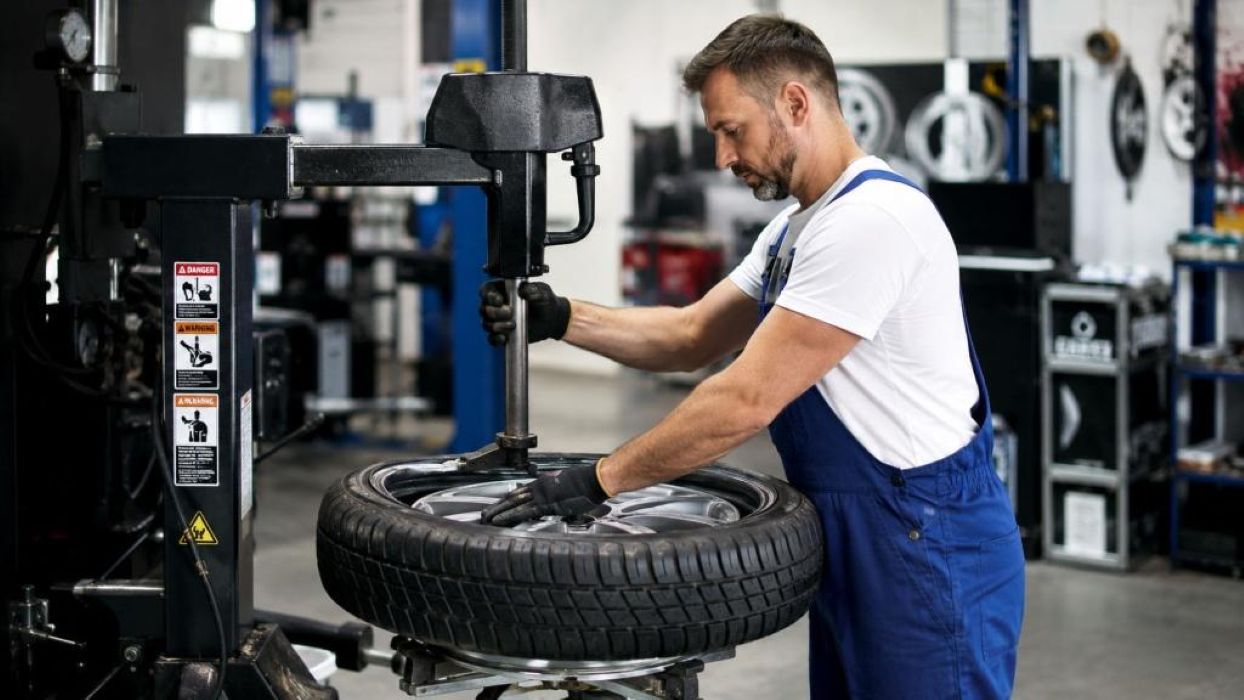
One mistake on a wheel can be costly. Insurers price that risk in. Then come the small fees that customers notice. Mounting, balancing, valve stems, and disposal are common lines.
These charges often total 15 to 30 dollars per tire. Some shops bundle them into one package price. Disposal fees are real costs. Old tires must go to licensed recyclers.
Environmental rules vary by region. Shops pass the charge along. Valve stems and weights are cheap parts. But they add up across hundreds of jobs.
Many shops sell tires near cost to attract customers. They then earn money from service work. Alignment, rotation, and brake jobs carry higher margins. A tire sale opens the door to these.
This is why a low tire price can come with extra offers. Be ready for friendly upsell attempts. Road hazard warranties are a common add-on. They can cost 10 to 15 percent of the tire price.
Shops often keep a large share of that fee. It is one of their best profit lines. Nitrogen inflation is another upsell. It usually costs little but is priced at a premium.
Whether it helps is debated. For most drivers, the benefit is small. Advertising also costs money. Shops pay for signs, online ads, and listings. Credit card fees take two to three percent of each sale. Financing plans cost shops even more.
Taxes and licenses sit on top. They vary by place but are never zero. After all costs, the net profit is often modest. Many tire shops keep only 3 to 8 percent of revenue.
So a shop that makes 100 dollars on a sale may keep only a few of them. The rest pays the bills. This helps explain why some shops resist deep discounts. They have less room than you might think.
Still, margins differ widely. Some shops charge far above fair levels. Knowing the structure helps you judge. You can tell a real bargain from a hollow one.
How to Pay Less and Spot a Fair Deal
Start by getting the out-the-door price. This includes tires, fees, taxes, and disposal. Ask for it in writing. Compare it across at least three shops.
Never compare tire prices alone. A cheap tire with high fees may cost more. Check what the install package includes. Balancing, new valve stems, and disposal should be clear.
Look at the tire’s date code. It is a four-digit number showing the week and year. Tires over six years old are poor value. Rubber ages even when unused.
Shop around different types of sellers. Chains, independents, and online stores all price differently. Online sellers often win on tire price. But you still pay a local shop to install them.
Some shops charge extra to fit tires bought elsewhere. Ask before you buy. Watch for seasonal sales. Winter tires drop in price in spring, and summer tires drop in autumn.

Manufacturer rebates can save 50 to 100 dollars per set. Ask the shop about current offers. Consider mid-range brands. They often match premium quality at a lower price.
Check independent test results and user reviews. Look at wear life, wet grip, and noise. Buy by need, not by badge. A daily commuter does not need racing tires.
Ask about the treadwear warranty. Longer mileage promises can signal better value. Read the fine print on warranties. Many require regular rotations and records.
Think hard before buying road hazard cover. Check whether your insurance or tire warranty already helps. Skip add-ons you do not need. Politely say no to nitrogen and extras.
Be open to negotiation. Many shops can lower the price if you ask. Mention a competitor’s quote. Shops often match or come close. Loyalty helps too. Repeat customers get better deals and fewer upsells.
Pay attention to the shop’s reputation. Good workmanship matters as much as price. A poor installation can cause vibration and uneven wear. That costs more than any discount saves.
Keep your tires healthy to make them last. Check pressure monthly. Rotate them every 5,000 to 8,000 miles. Get alignment checked when the car pulls to one side.
Extending tire life is the biggest saving of all. A well-kept set can last years longer. When you finally buy, replace all four if you can. Mixed tires can hurt handling.
At the least, replace in pairs. Put the new ones on the rear axle for stability. In the end, a tire shop pays far less than the sticker price. But it also carries many costs you do not see. A fair deal gives the shop a living and gives you safe tires. Ask questions, compare totals, and choose wisely.