
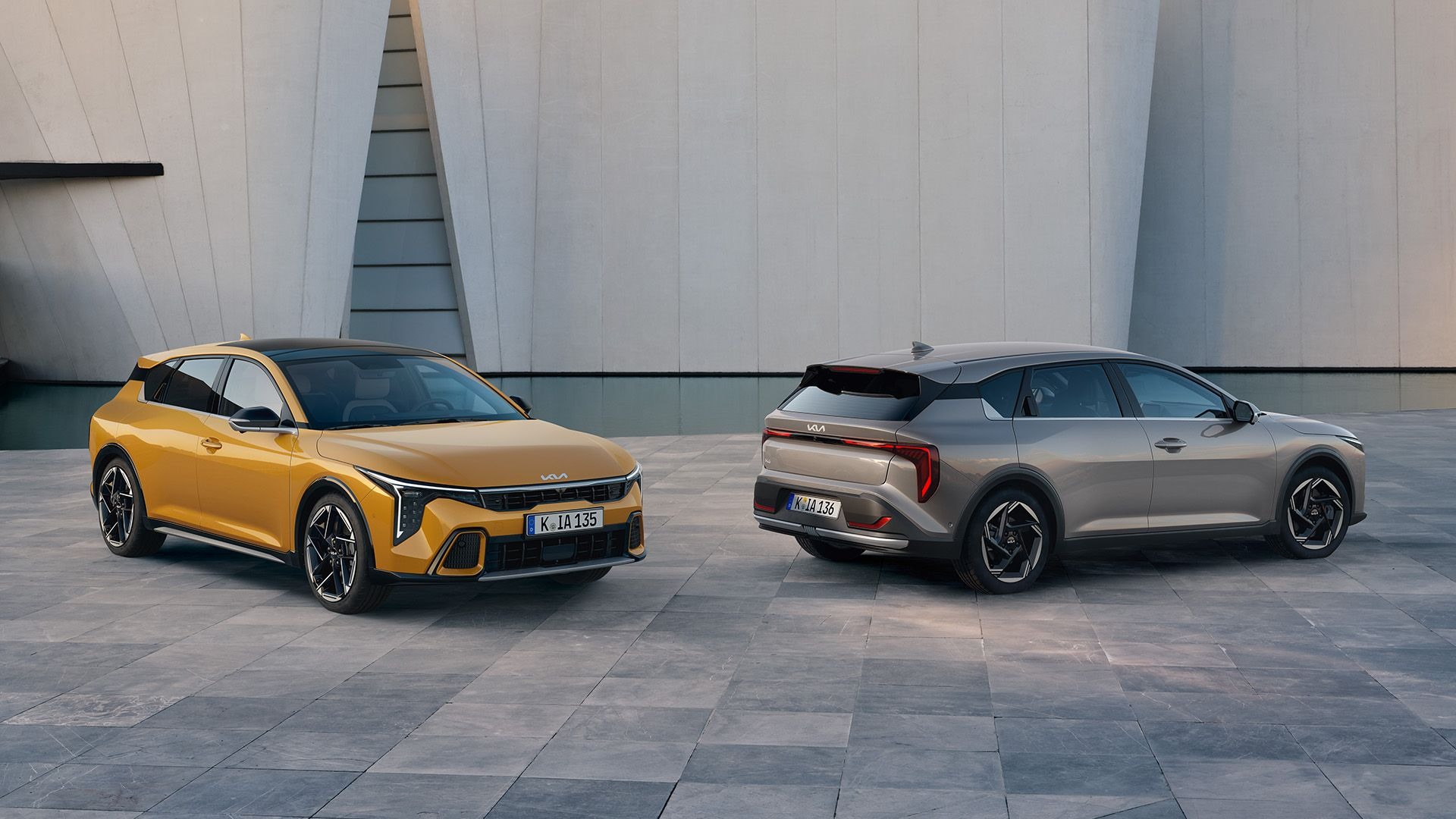
Remember when buying a new car could feel like a bidding contest? During the supply crunch, shoppers sometimes paid well above sticker price simply to get a vehicle they wanted. That situation has eased. Dealers now have more cars to sell, manufacturers are offering incentives, and shoppers have more room to compare stores before signing.
That does not mean every car is automatically sold at MSRP. Dealer fees, accessories, trim availability, and local demand can still change the final price. Still, several mainstream models now give buyers a much more familiar shopping experience. Here are 12 cars where pricing pressure has eased considerably in 2026, making it easier to pursue a deal closer to the manufacturer’s suggested retail price.
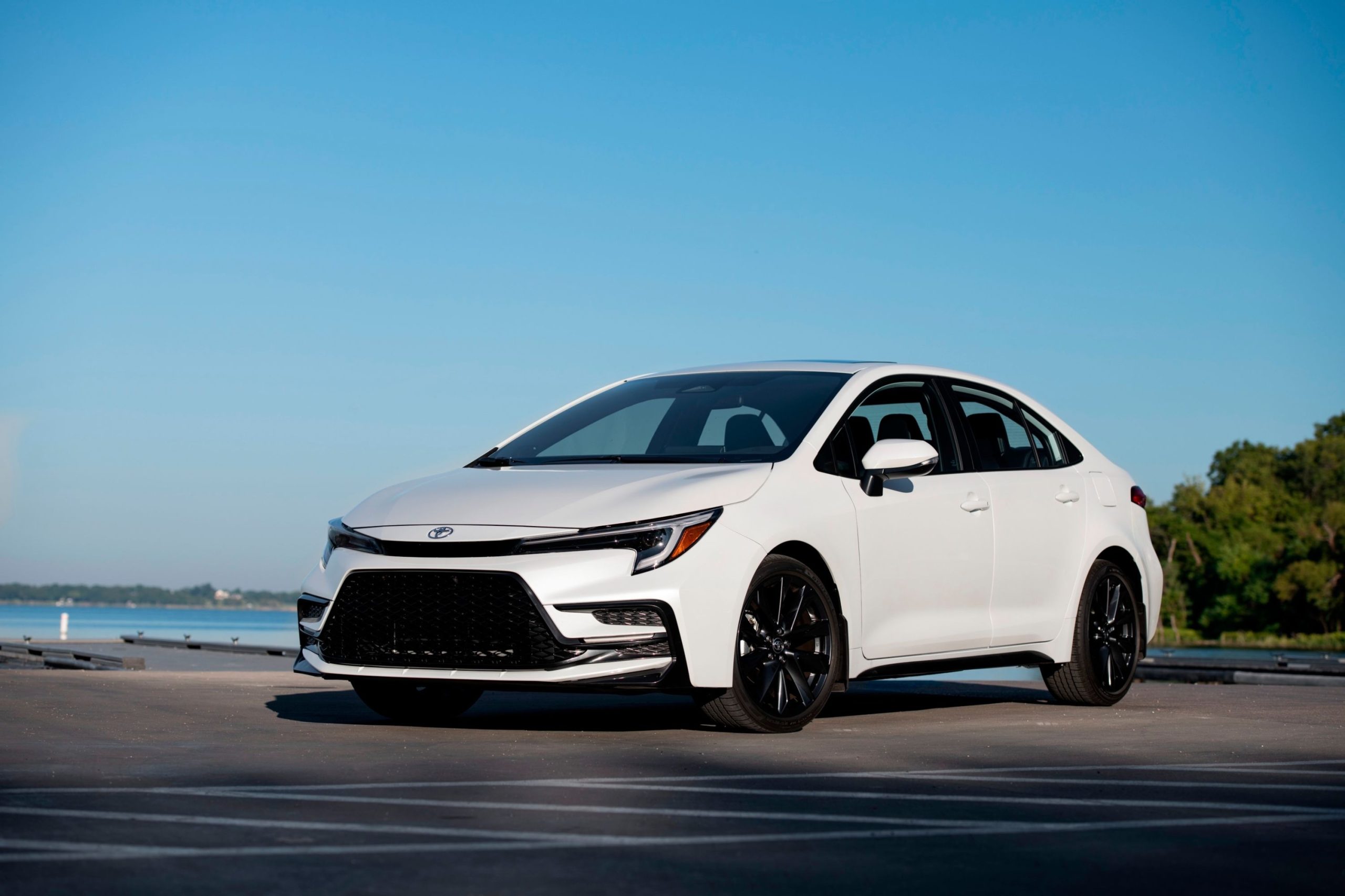
1. Toyota Corolla
Walk into a Toyota dealership today looking for a Corolla, and the buying conversation can feel much more normal than it did during the tightest supply periods.
The 2026 Corolla starts at $23,125 before destination, taxes, fees, and options, according to Toyota. The lineup also includes several trims and hybrid versions, giving shoppers more than one configuration to consider.
The Corolla benefits from being a high-volume compact car rather than a scarce specialty vehicle. That matters when negotiating. If one store adds unwanted accessories or refuses to discuss its price, a shopper can check another dealer with a similar Corolla.
Competition becomes especially useful when several comparable cars are sitting nearby. There is still no guarantee of a discount.
A specific color, hybrid trim, or heavily requested configuration can command stronger pricing in a particular area. Dealers can also add accessories or fees that push the final figure higher.
Kelley Blue Book puts the August 2026 average transaction price for the entire compact-car segment at $27,997, up 2.9% from a year earlier. That figure covers many models and configurations, so it should not be treated as the expected price of a Corolla.
The main takeaway is simple. Buyers have more room to negotiate the Corolla’s actual transaction price rather than assuming they must pay a premium.
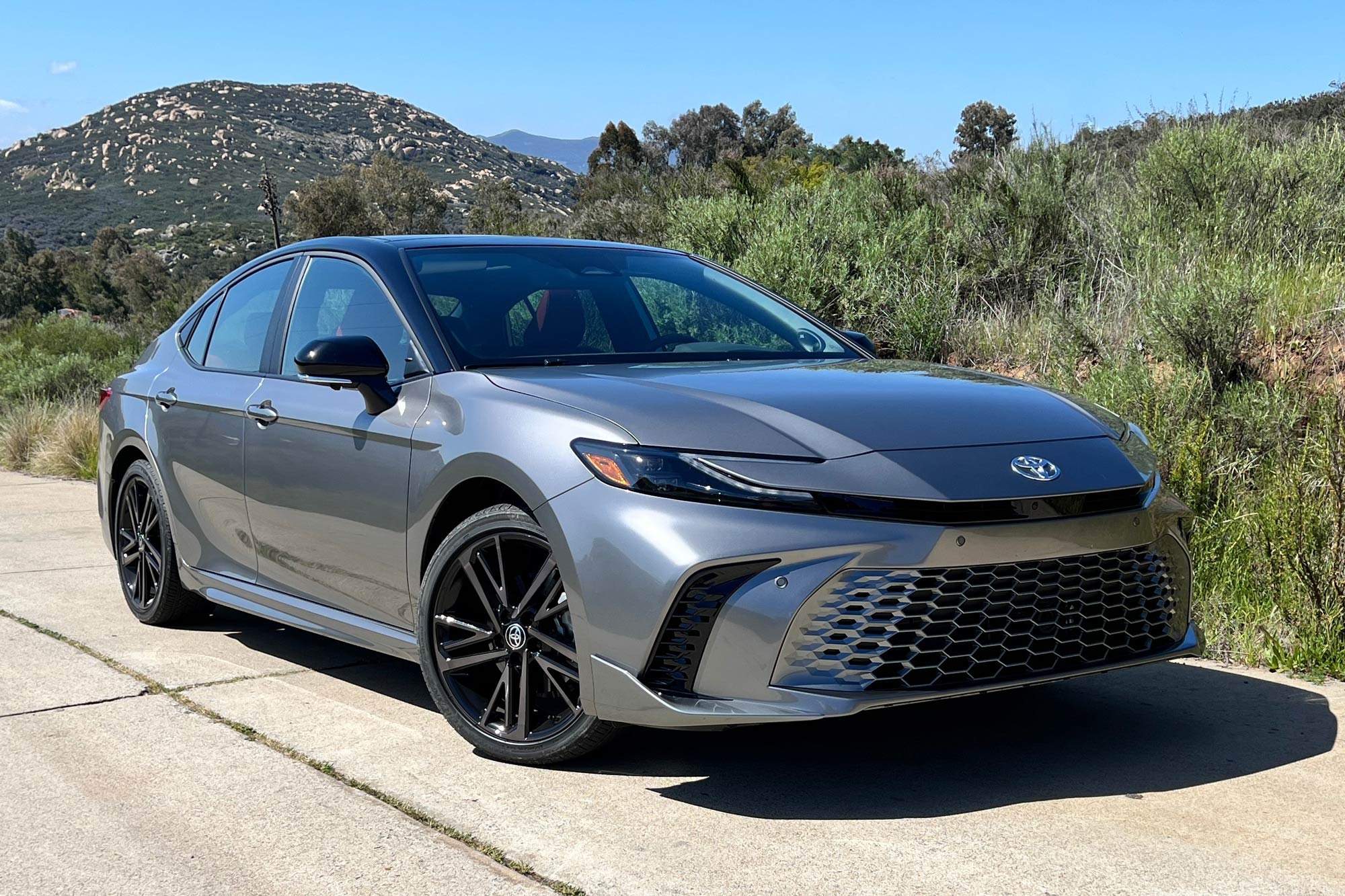
2. Toyota Camry
Few nameplates carry the kind of established reputation the Camry has built across decades of consistent sales leadership within the midsize sedan category.
That strong name recognition, combined with broad availability across dealer networks nationwide, gives shoppers a genuine opportunity to compare pricing rather than feeling trapped into accepting whatever a single dealership demands.
Multiple dealers stocking similar Camry configurations create natural competitive pressure, reducing whatever leverage an individual store might otherwise hold over a buyer who’s willing to make a few phone calls or visit competing showrooms.
That willingness to shop around remains the single most powerful tool buyers possess, regardless of which specific vehicle they’re pursuing.
Buyers should temper expectations somewhat, though. Popularity doesn’t automatically guarantee MSRP pricing at every single dealership, particularly for stores carrying limited inventory of specific trims that happen to be in stronger demand within their particular region.
A dealer sitting on just one or two examples of a popular configuration retains considerably more pricing power compared to a store with several units competing for the same buyer’s attention.
Context matters here too. Kelley Blue Book reported an August 2026 average new vehicle transaction price of $50,089 industry-wide, compared against an average MSRP of $51,852.
That gap suggests genuine downward pressure exists across the broader market, though it certainly doesn’t represent a full return to pre-pandemic conditions.
For Camry shoppers specifically, framing this as improved pricing flexibility rather than complete markup elimination captures the situation considerably more accurately.
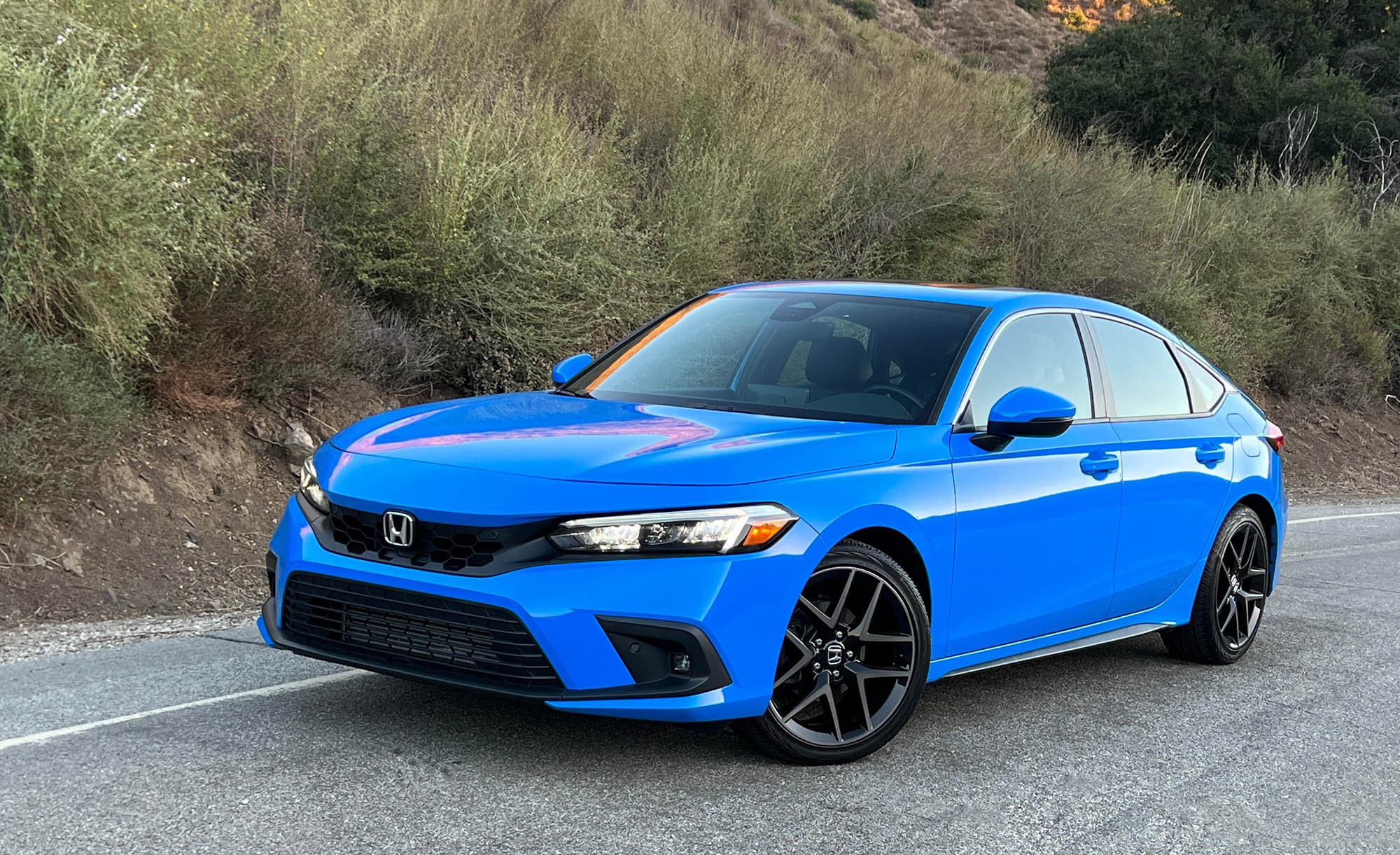
3. Honda Civic
The Civic has long been one of the most recognizable compact cars in the country, and its popularity made it an obvious target for aggressive pricing when inventories were thin. Today’s market gives buyers a little more breathing room.
Honda lists the 2026 Civic Sedan with a starting MSRP of $24,695, while the Civic lineup also includes hybrid versions and hatchback models. That variety creates useful choices for consumers who are willing to compare equipment rather than focusing on one exact vehicle.
Think of the shopping process as a three-part check. First, get the dealer’s selling price. Next, ask which accessories or protection products have been added. Finally, request the complete out-the-door figure.
This prevents a seemingly attractive advertised price from becoming much more expensive later in the process. A Civic can still carry dealer-added charges.
Popular trims, limited local inventory, and certain colors may command more attention than basic configurations. A buyer should therefore avoid treating the disappearance of widespread markups as a promise of automatic discounts.
The broader compact-car market remains fairly expensive by historical standards, with an August 2026 average transaction price of $27,997, according to Kelley Blue Book.
Yet the pricing environment gives Civic shoppers more choices than during the shortage years. The result is a car that can be approached with ordinary comparison shopping instead of assuming that the first dealer’s number is the only available deal.
4. Honda Accord
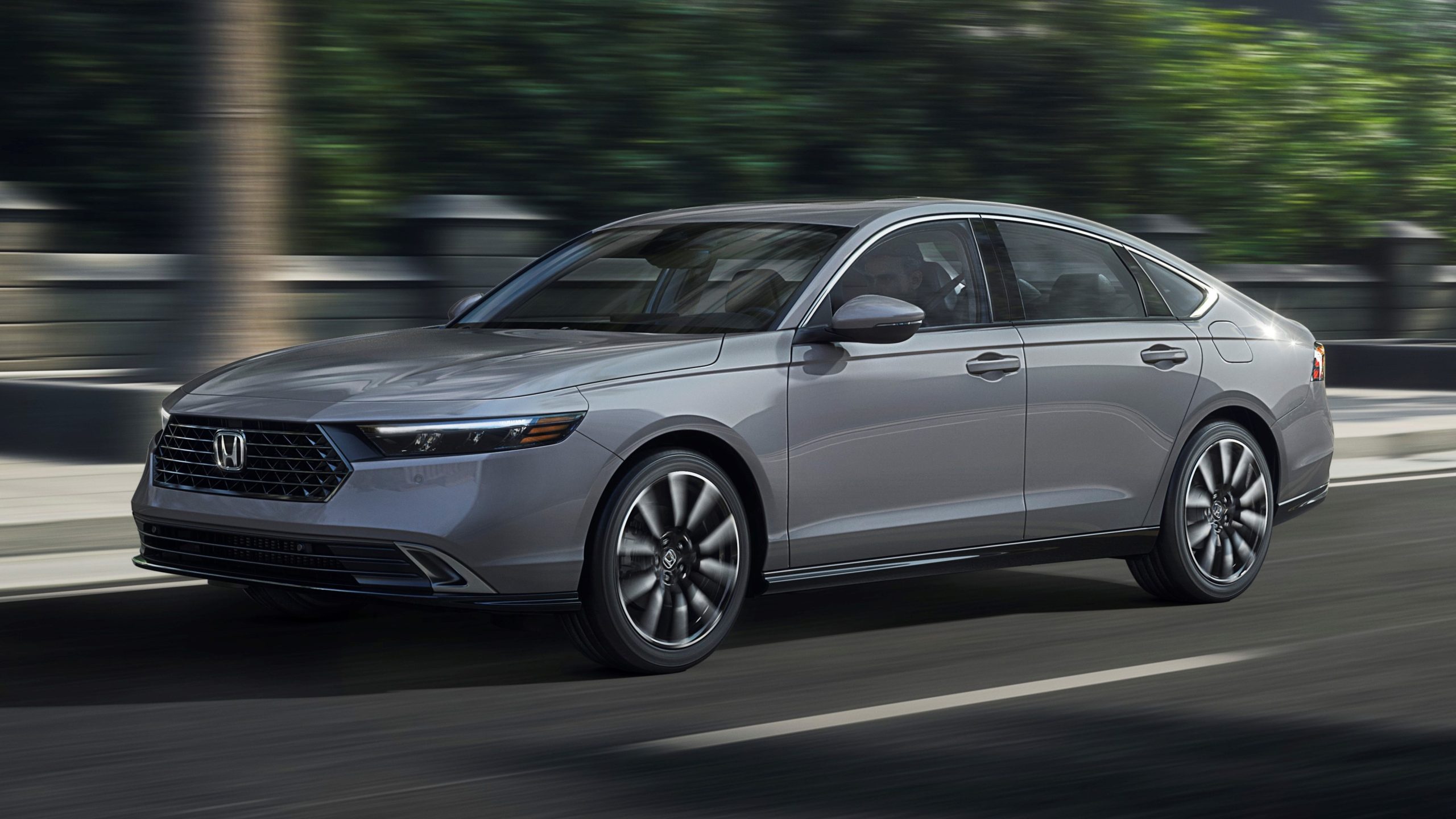
Midsize sedans occupy a genuinely competitive corner of the American market, and the Accord’s positioning within that category gives buyers considerable opportunity to shop across multiple dealerships before committing to any particular purchase.
Well-known nameplates once seemed to justify automatic premium pricing purely based on reputation, but that dynamic has shifted considerably as inventory levels have normalized across most Honda dealerships nationwide.
Shoppers today can reasonably expect to compare advertised prices, available incentives, financing packages, and dealer-specific fees before settling on where exactly to make their purchase.
That comparison process represents standard, healthy car shopping behavior that briefly disappeared during the worst supply shortages, when buyers sometimes felt fortunate simply to locate any available Accord regardless of price.
Buyers should resist treating “near MSRP” as some kind of universal guarantee, though. Individual dealers retain genuine discretion here, meaning one store might offer meaningful discounts while a neighboring dealership holds firm on pricing or adds dealer-installed accessories that increase the final transaction amount considerably.
Regional supply variations also continue affecting outcomes, since areas experiencing tighter local inventory naturally see less downward pressure on pricing compared to regions with abundant stock.
Cox Automotive’s reporting reinforces this nuanced picture, noting incentives represented 6.5% of average transaction price during August 2026.
That figure confirms genuine pricing support exists throughout the market without suggesting every transaction happens under identical conditions.
The Accord fits comfortably within this pattern, representing improved but not perfectly uniform pricing conditions across different dealers and regions.
5. Chevrolet Equinox
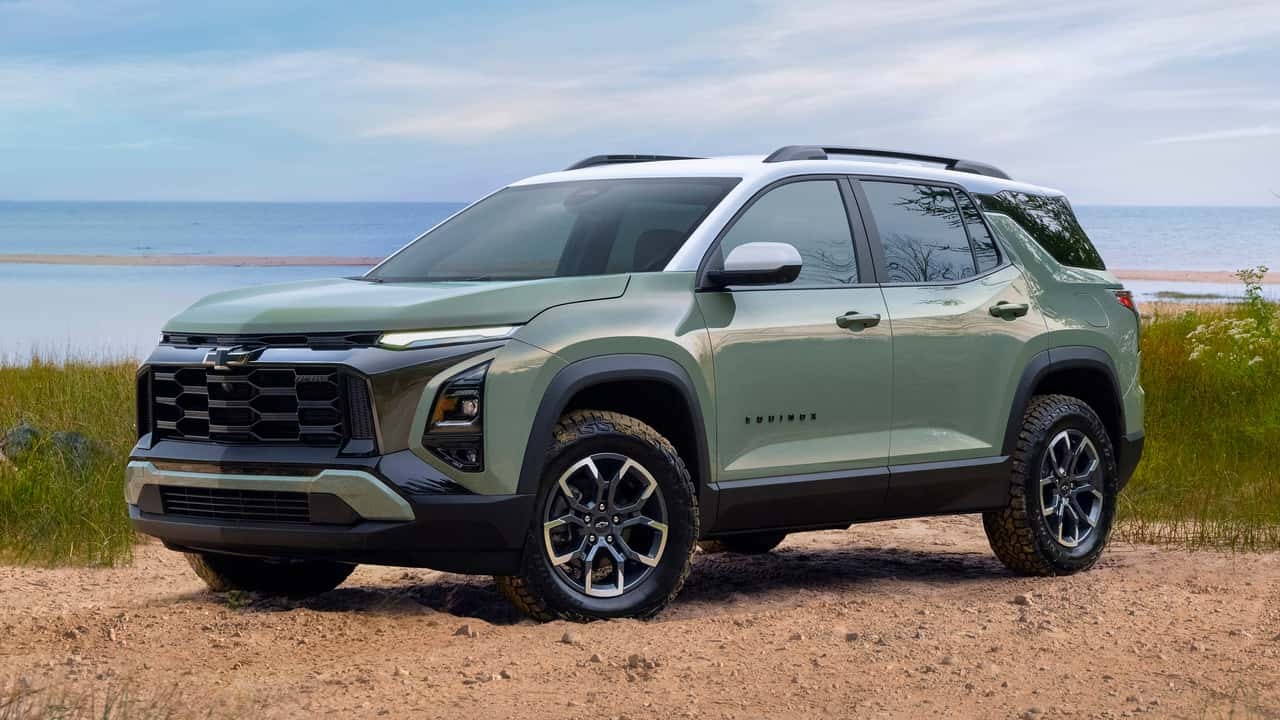
The Equinox gives this list a compact SUV, a body style that has become one of the most important choices for American buyers. Chevrolet lists the 2026 Equinox with a starting price of $28,800 for the LT, with other versions priced higher.
SUV shoppers have plenty of alternatives. Someone considering an Equinox can also compare other compact SUVs before deciding whether a dealer’s price is attractive. That competition can make an inflated selling price harder to justify, particularly when several comparable vehicles are available locally.
Picture two dealerships with similar Equinox models. One adds a large package of accessories and insists that the equipment is mandatory. The other provides a cleaner selling price. A shopper who has already checked both stores has a much better basis for negotiating.
There are limits, of course. An Equinox with a desirable trim, unusual color, or scarce equipment may have less pricing flexibility. A dealer may also advertise a vehicle at a low starting figure while adding optional equipment to the actual unit.
Kelley Blue Book reports that the compact-SUV segment averaged $37,722 in transaction price during August 2026, up 1.1% from a year earlier. That figure includes many more expensive vehicles, so it is not a direct Equinox price benchmark.
What the Equinox represents is a return to ordinary competitive shopping. The dealer still controls its selling price, but buyers have more alternatives and more information before agreeing to a number.
6. Hyundai Elantra
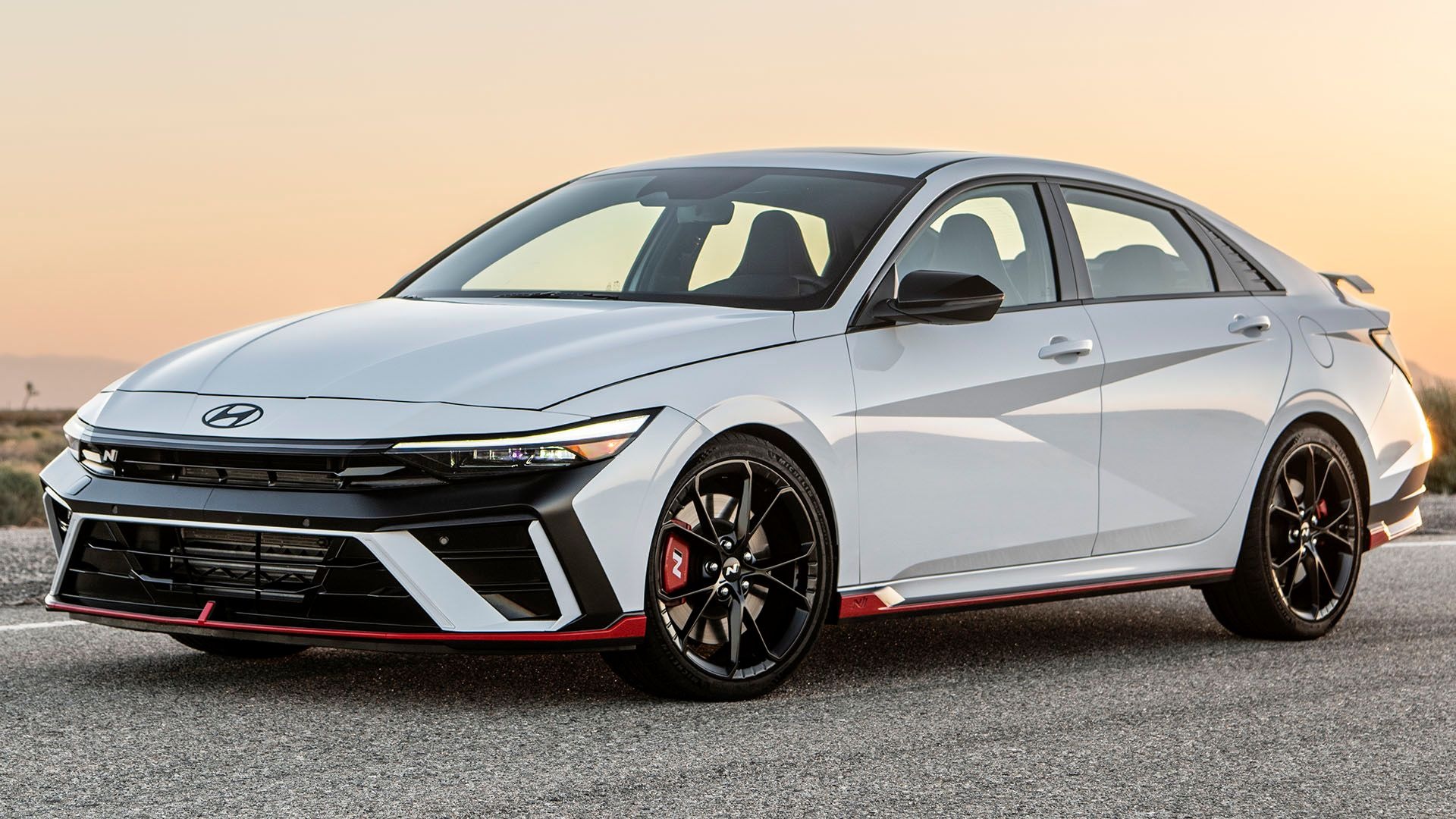
The Elantra sits in one of the most price-sensitive parts of the new-car market. Hyundai lists the 2026 model with a starting MSRP of $22,825, with several trims extending the range upward.
That pricing gives shoppers more flexibility because there are plenty of alternatives to consider. Buyers can compare the Elantra with other compact sedans and decide whether its equipment and final transaction price fit their needs.
If one dealer demands a large premium, there is little reason to stop shopping. The numbers also show why advertised pricing deserves a closer look.
Hyundai states that actual dealer prices may vary and that MSRP excludes freight, taxes, title, license fees, and other charges. In other words, the sticker is only one part of the purchase calculation.
Imagine receiving two offers that look similar at first glance. One dealer may have a lower vehicle price but expensive add-ons. Another may show a slightly higher advertised number but fewer extras. Comparing the complete out-the-door amount can reveal which offer is actually cheaper.
Manufacturer incentives can also change the equation. Kelley Blue Book reported that incentives averaged 6.5% of transaction price across new vehicles in August 2026. Individual Elantra buyers will not necessarily receive that exact percentage.
The Elantra therefore fits this list because it is a mainstream compact sedan where competition, incentives, and multiple dealer choices can make a near-MSRP transaction more attainable than during the tightest supply years.
7. Hyundai Sonata
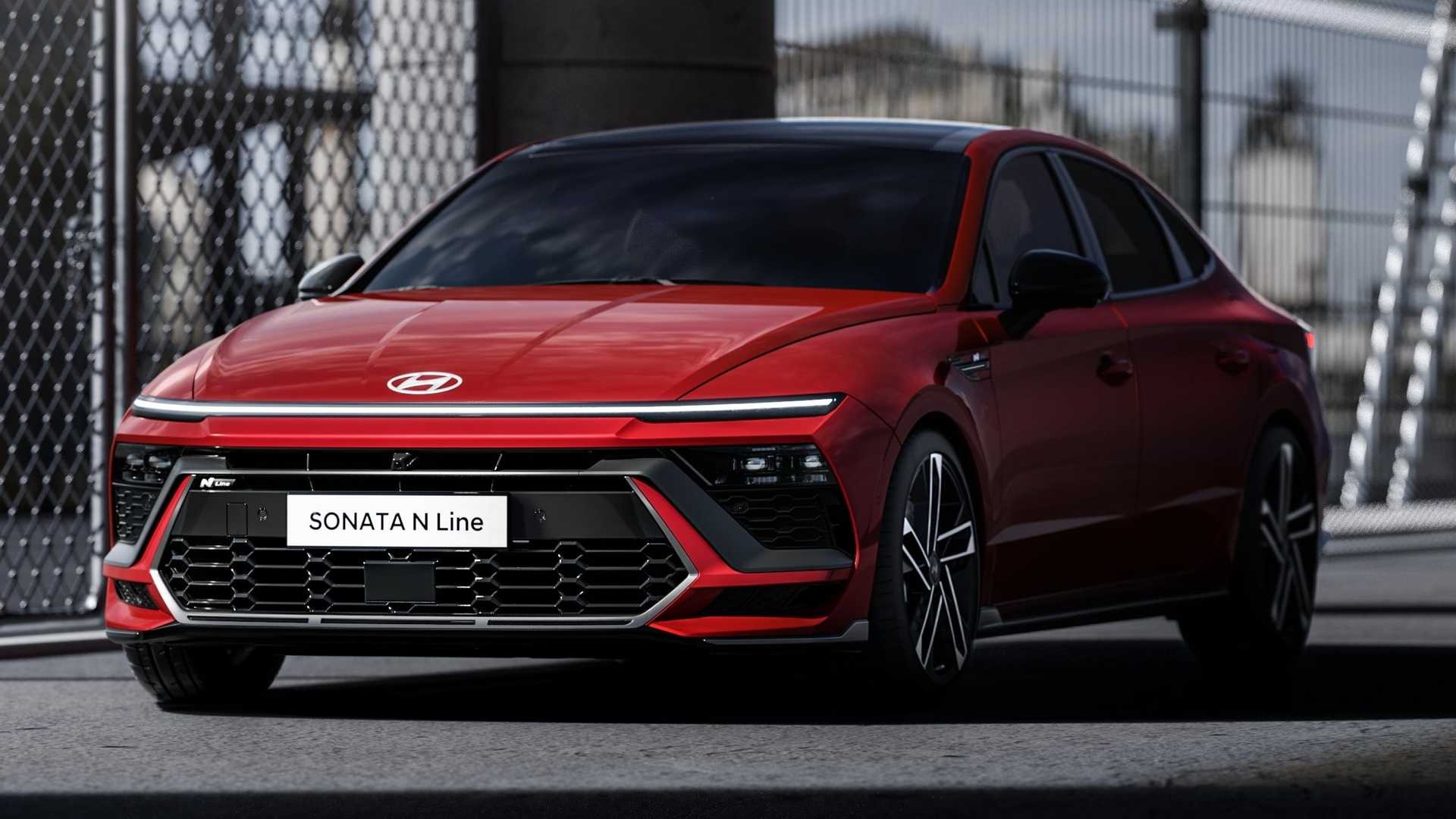
The Sonata takes a slightly different route. Rather than competing solely on low entry price, it operates in the midsize-sedan category while facing shoppers who can choose from both other sedans and a large selection of SUVs.
Hyundai’s current U.S. listing confirms that the 2026 Sonata remains available, with gas and hybrid versions across several trims. Current Hyundai pricing lists the gas Sonata from roughly the upper-$20,000 range before freight and other charges.
A dealer therefore has to think about the alternatives sitting in the same buyer’s consideration set. If a customer wants a midsize sedan, that person can request prices from multiple stores.
If the price becomes less attractive, shoppers can compare another sedan or consider a crossover in a similar price range. Inventory age is another factor worth considering, especially when older vehicles remain on dealer lots.
A newly delivered car may receive different treatment from a vehicle that has remained on the lot for weeks or months. Buyers can ask how long a particular unit has been in inventory and whether any current manufacturer offers apply.
None of this means every Sonata will sell below MSRP. Dealer-installed products, financing conditions, availability, and regional demand can all affect the transaction.
What has changed is the bargaining environment. A customer is less likely to be forced into accepting the first available car simply because another vehicle cannot be found. That additional choice can make the Sonata a much more conventional purchase in 2026.
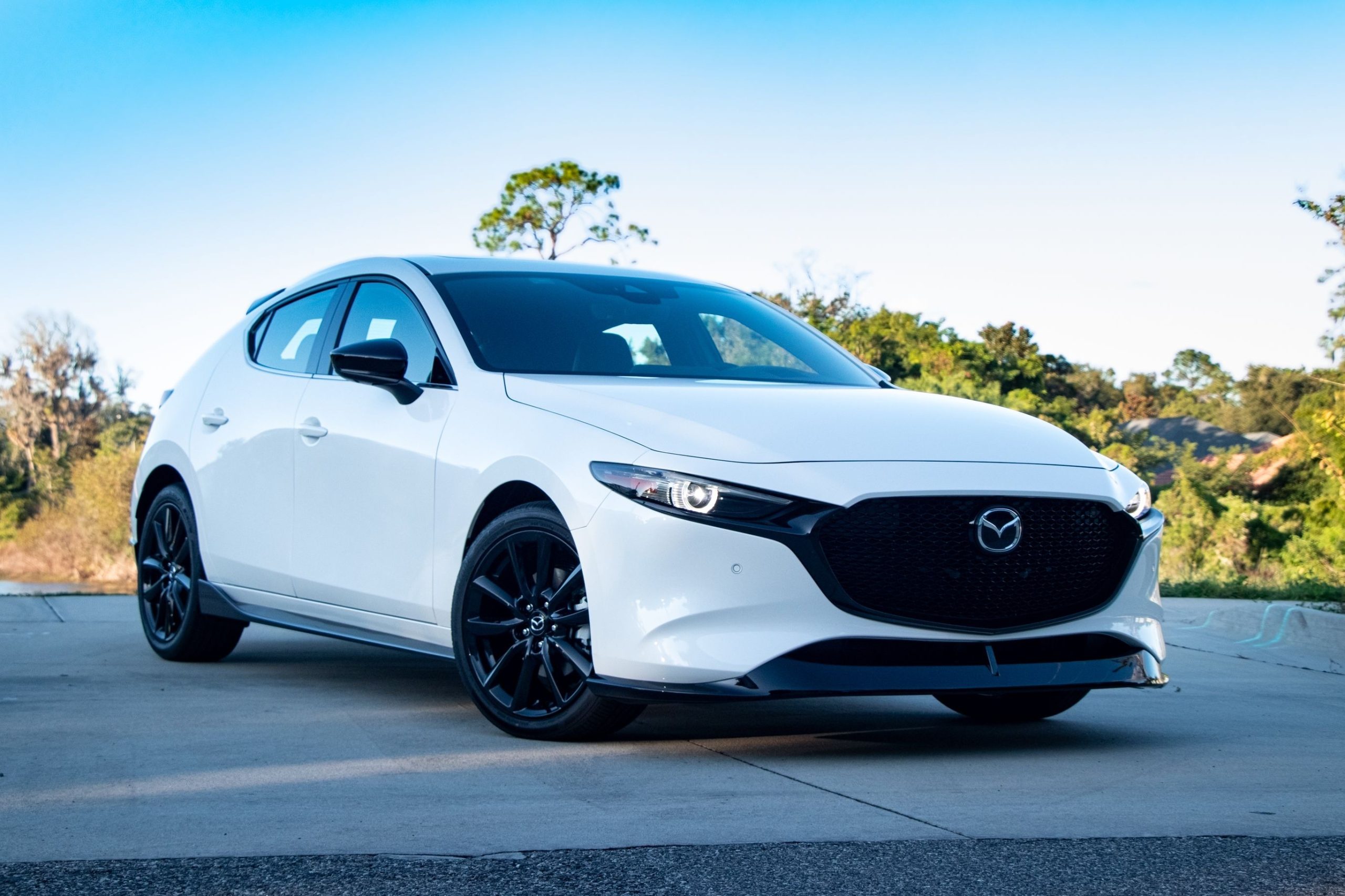
8. Mazda3
The Mazda3 has a slightly different personality from some of the volume-focused compact cars on this list, yet its position in the compact segment gives buyers plenty of alternatives.
For 2026, Mazda lists the Mazda3 Sedan starting at $24,650 and the Hatchback starting at $25,650, before destination and other charges. The lineup then climbs through several equipment levels, giving shoppers room to decide how much they actually want to spend.
Here is where careful comparison becomes useful. A shopper might prefer a Mazda3 because of its styling, driving feel, or interior presentation.
That preference does not mean the buyer should ignore the price. If the dealer adds expensive accessories, the customer can compare another Mazda3 or use competing compact cars as reference points.
Mazda itself states that MSRP figures do not include destination and handling, taxes, title, or additional fees. That distinction matters because the difference between MSRP and the final amount on a purchase contract can be much larger than the headline price suggests.
The compact-car category averaged $27,997 in transaction price during August 2026, according to Kelley Blue Book. The figure is a segment average, not a Mazda3 target price, but it illustrates where the model sits in the broader market.
For buyers, the Mazda3 is a reminder that a competitive market does not remove negotiation. It makes negotiation more practical.
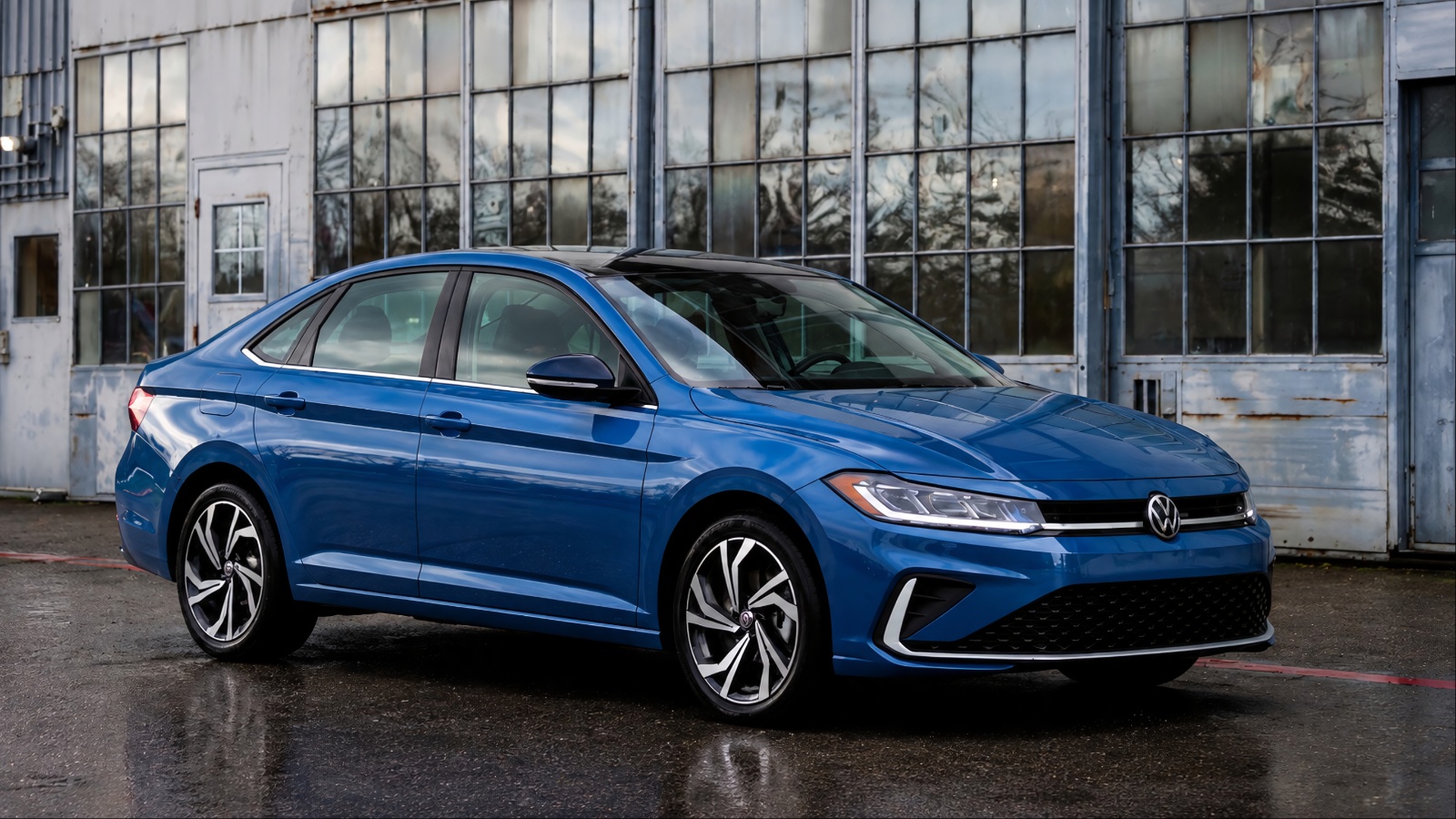
9. Volkswagen Jetta
The Jetta remains one of the recognizable names in the compact-sedan class, and that class is packed with alternatives. Volkswagen currently lists the Jetta with an MSRP starting at $23,995.
That starting price puts the Jetta in direct competition with several affordable sedans. A shopper does not have to treat a dealer’s first offer as the only available option.
Calling multiple Volkswagen stores can produce different figures, while comparing other compact sedans provides another useful reference.
A simple way to determine whether a dealer’s price is competitive is to request the vehicle selling price, every dealer-installed accessory, all mandatory fees, and the final out-the-door total in writing. With each cost clearly listed, comparing offers becomes much easier.
The Jetta can still be marked up in certain circumstances. A dealer may have limited inventory, a particular vehicle may contain expensive accessories, or local demand may be stronger than expected. Those factors can create a higher transaction price even when the broader market is calmer.
Kelley Blue Book’s August 2026 data show that compact cars averaged $27,997 in transaction price. Again, that number covers many models and equipment levels, so it should not be treated as a Jetta price guide.
The Jetta belongs here because buyers have more practical alternatives. That alone can change the tone of a dealership negotiation and reduce the need to accept an inflated price.
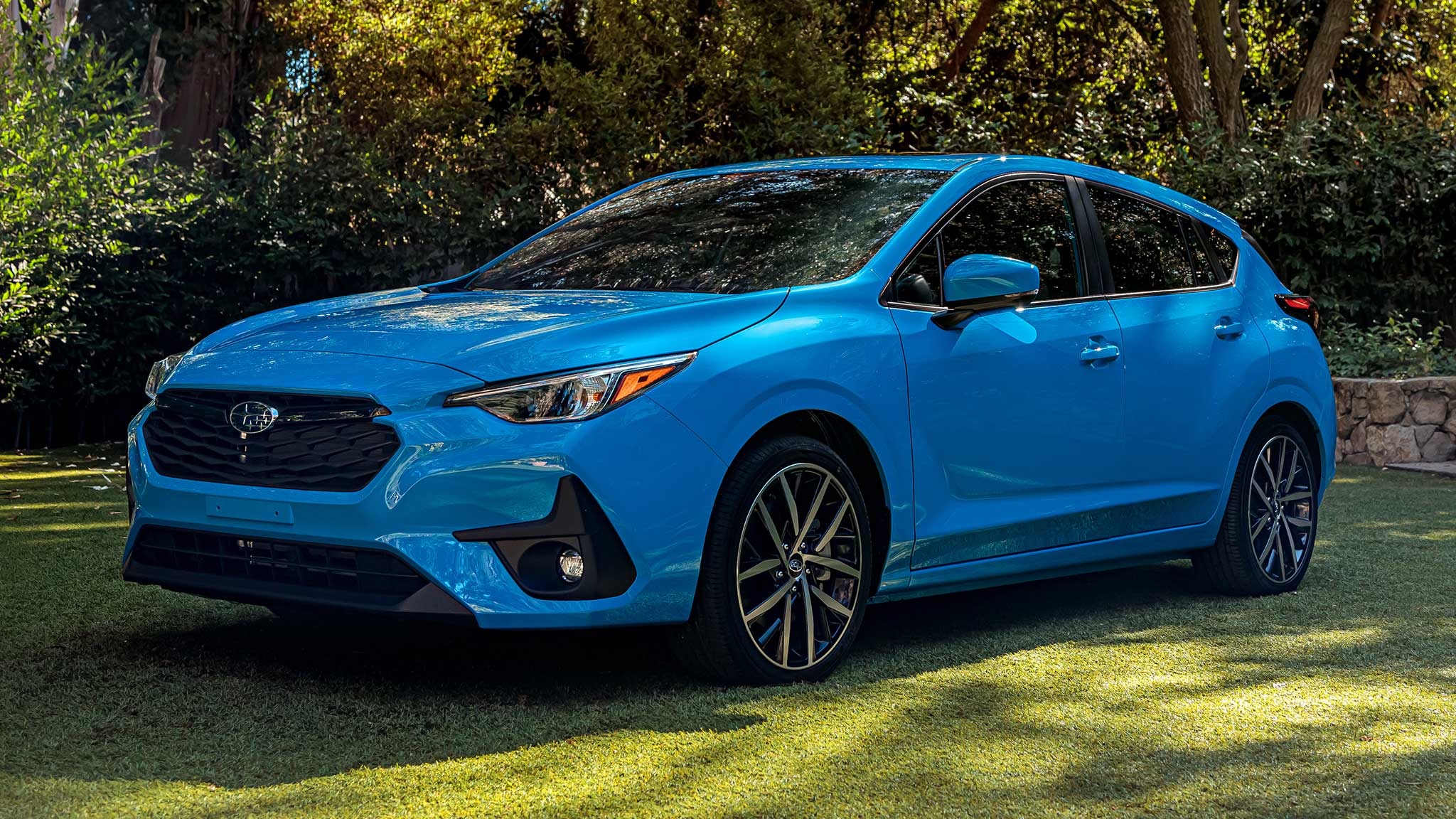
10. Subaru Impreza
Subaru has cultivated genuinely loyal customers over decades, yet the Impreza specifically competes within a market segment crowded with both traditional compact cars and increasingly popular small crossover alternatives.
That competitive pressure gives Impreza shoppers meaningful leverage whenever comparing pricing across different dealerships or cross-shopping against entirely different vehicle categories addressing similar transportation needs.
Final transaction amounts for individual Impreza purchases can vary considerably based on chosen trim level, specific equipment packages, available financing terms, current inventory levels at particular dealerships, and regional demand patterns specific to different geographic markets.
Buyers benefit considerably from understanding the distinction between a vehicle’s advertised price and the actual out-the-door total, since these figures frequently diverge once fees, taxes, and any dealer-added accessories enter the calculation.
Broader market data suggests genuine improvement compared to recent shortage years, though certainly not a complete transformation into a pure buyer’s market where every seller desperately competes for attention.
Cox Automotive reported average transaction prices increased 1.9% year over year during August 2026, while incentives simultaneously averaged 6.5% of average transaction price across the broader industry.
That combination of modest price growth alongside meaningful incentive activity paints a nuanced picture worth understanding clearly.
The Impreza fits comfortably within this pattern, best described as a model where normal price comparison shopping has become genuinely useful again, rather than characterized as a vehicle that universally sells free from any dealer markup potential whatsoever regardless of specific circumstances surrounding individual transactions.
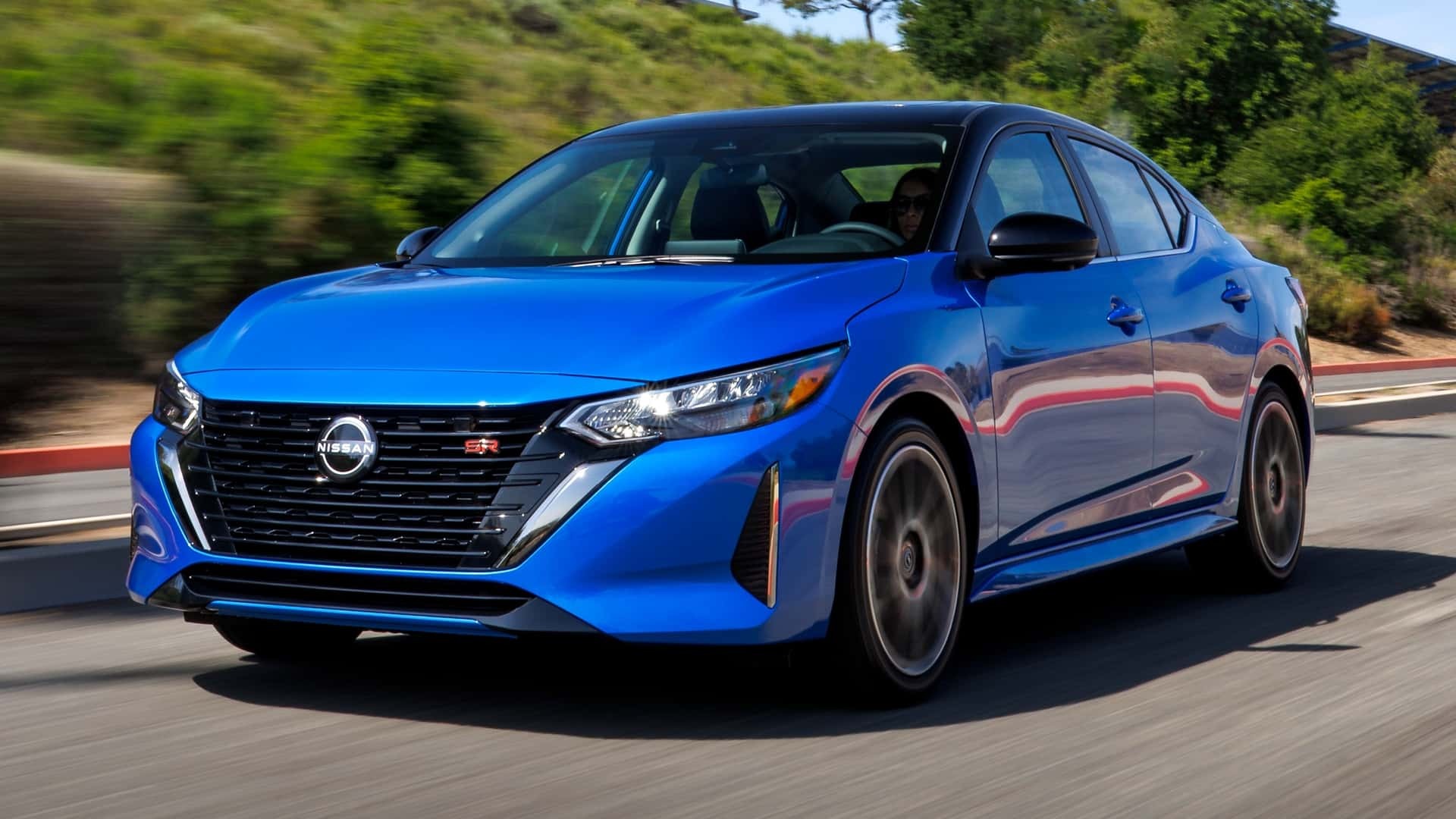
11. Nissan Sentra
The Sentra occupies one of the most competitive parts of the new-car market, and that makes it a natural candidate for this list. Nissan lists the 2026 Sentra starting at $22,600, with the lineup extending through several trims.
A buyer shopping at this price point usually has multiple alternatives. The Corolla, Civic, Elantra, Jetta, Mazda3, and other compact cars can all enter the conversation.
When a dealer’s price does not make sense, shoppers have a practical option. They can request a quote from another store and compare the offers. The Sentra also shows why a low sticker price does not necessarily translate into a low transaction price.
Nissan’s published pricing excludes destination and handling charges, taxes, title, license fees, and options, while the dealer sets the actual selling price.
Suppose a dealer advertises a Sentra at an attractive number but then adds protection products and accessories. Another store might have a higher advertised figure but fewer mandatory additions. Comparing the final amount can change which offer looks better.
The broader compact-car segment recorded a $27,997 average transaction price in August 2026. That is not a prediction of what a Sentra should cost, but it provides useful market context.
The Sentra fits the theme because buyers are not locked into one choice. Competition gives shoppers more leverage to request a reasonable selling price and walk away from unwanted extras.
12. Kia K4
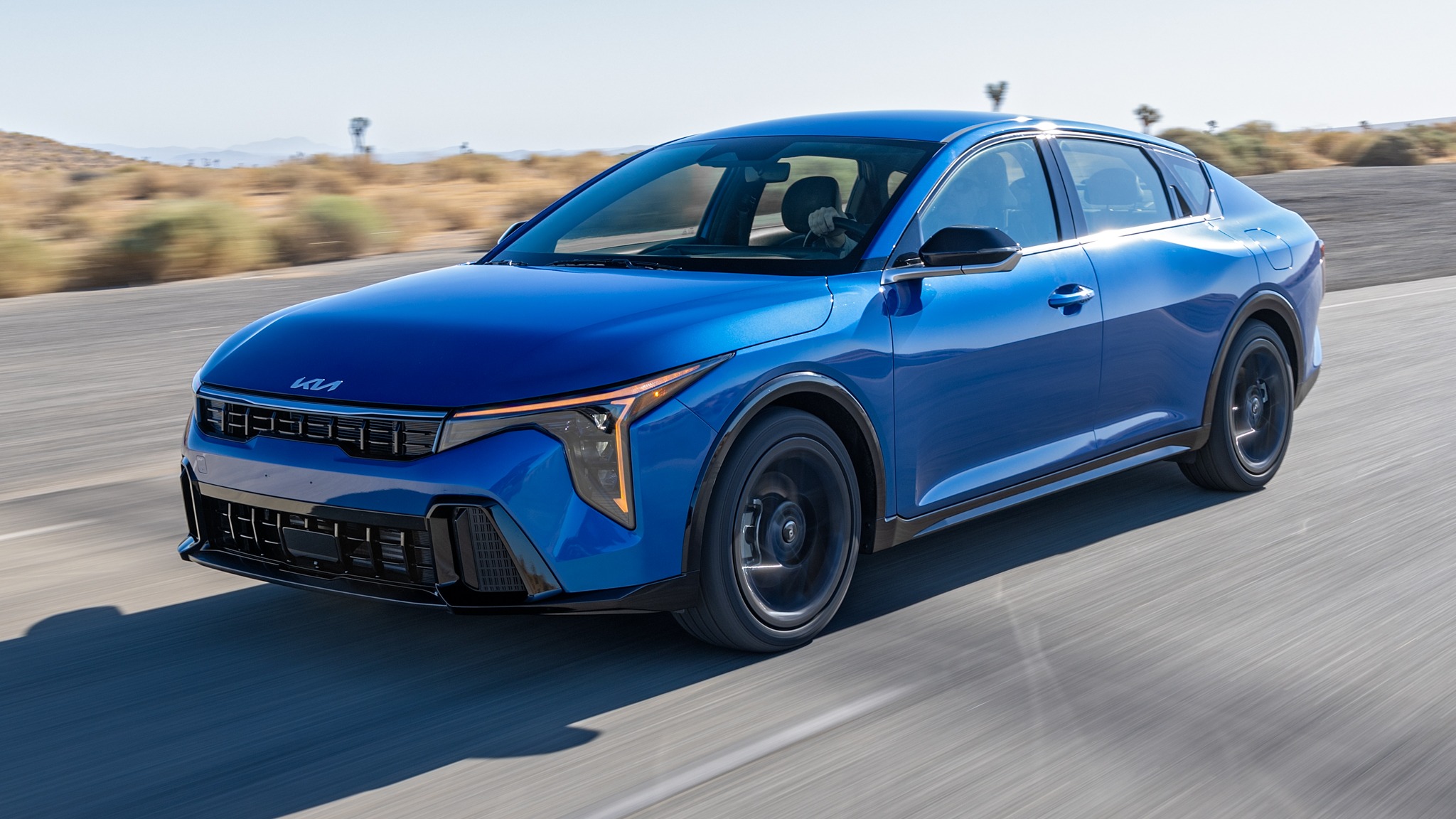
The Kia K4 is the current model that makes more sense for this list than the older Forte. Kia’s 2026 K4 starts at $22,290, with five sedan trims and a range that reaches into the upper-$20,000s before additional charges.
That places the K4 in a busy part of the market. A shopper can compare it with the Corolla, Civic, Elantra, Sentra, Jetta, and Mazda3 rather than relying on one dealership’s offer. When several vehicles can meet the same basic transportation needs, price becomes a powerful comparison tool.
Kia’s pricing information makes one point clear. MSRP does not include destination and handling charges, taxes, title and license fees, options, or retailer charges. The retailer also determines the actual selling price. As a result, the K4’s advertised starting price should not be treated as the final amount a buyer will pay.
There is also a useful distinction between eliminating markups and reducing their reach. A specific K4 can still carry a dealer premium, especially if inventory is limited or the vehicle has desirable equipment. The broader market simply gives shoppers more ways to reject an unfavorable offer.
Kelley Blue Book’s August data show incentives averaging 6.5% of new-vehicle transaction prices, while inventory remains manageable in many parts of the market.
The K4’s place in a competitive compact-sedan segment makes it a practical example of how dealer pricing can become more consumer-friendly without guaranteeing a below-MSRP deal.
For shoppers, that is the real significance of a market with lower markups. Buyers have more choices to compare, more opportunities to check prices, and greater room to negotiate before signing the paperwork.
