
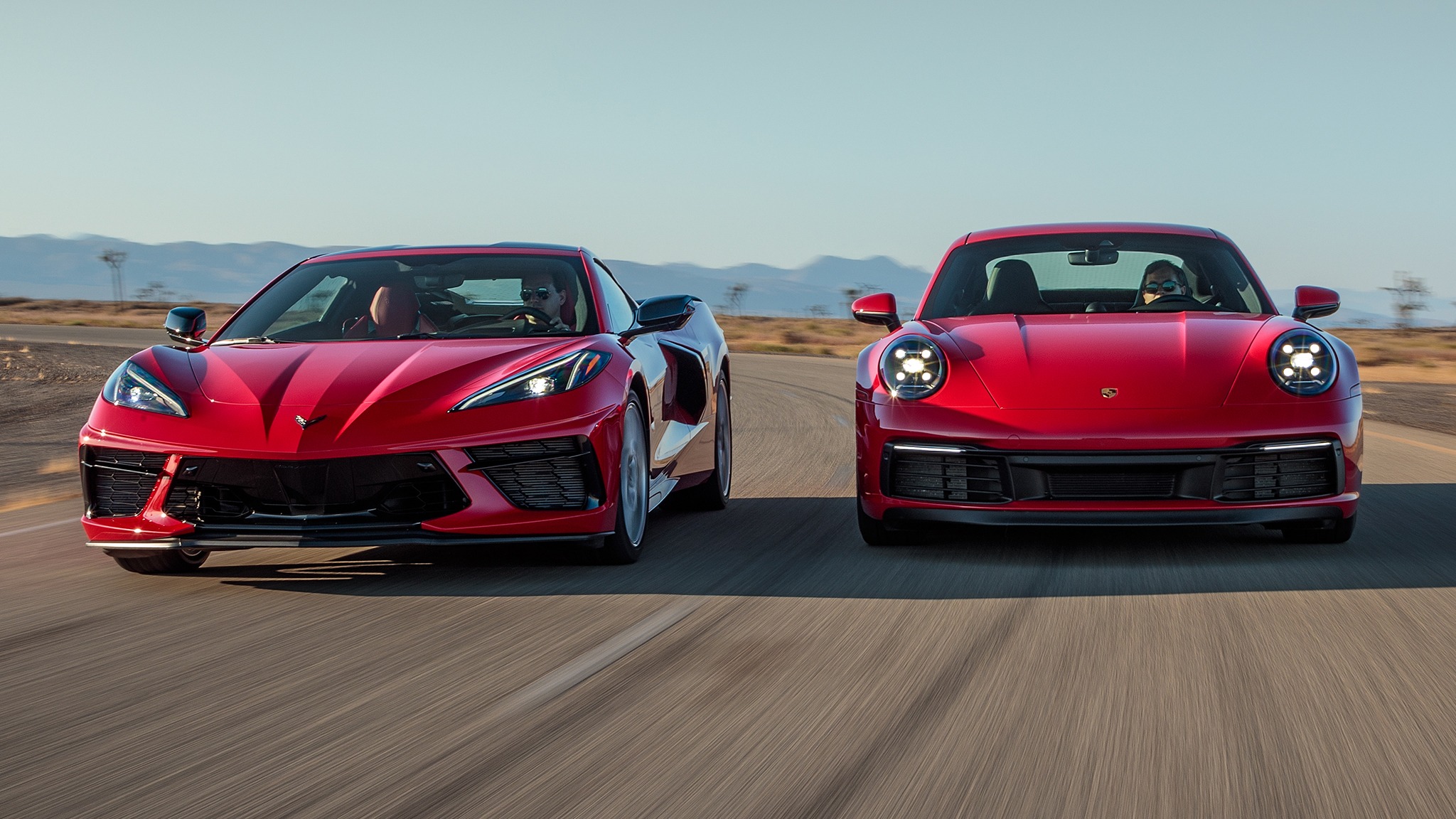
Buying a new car is exciting, but the price you pay today is only part of the ownership story. Depreciation can quietly take thousands of dollars from a vehicle’s value before you are ready to sell or trade it.
The good news is that some cars hold their prices far better than most. Recent iSeeCars data identifies four models that lost less than 20% in five years, while CARFAX projections add two mainstream choices with similarly strong expected resale performance.
A few other models sit just above the 20% mark and still deserve attention for their strong value retention. The figures come from different research methods, so they should be read with care. Here are nine cars that stand out for keeping a large share of their original value.
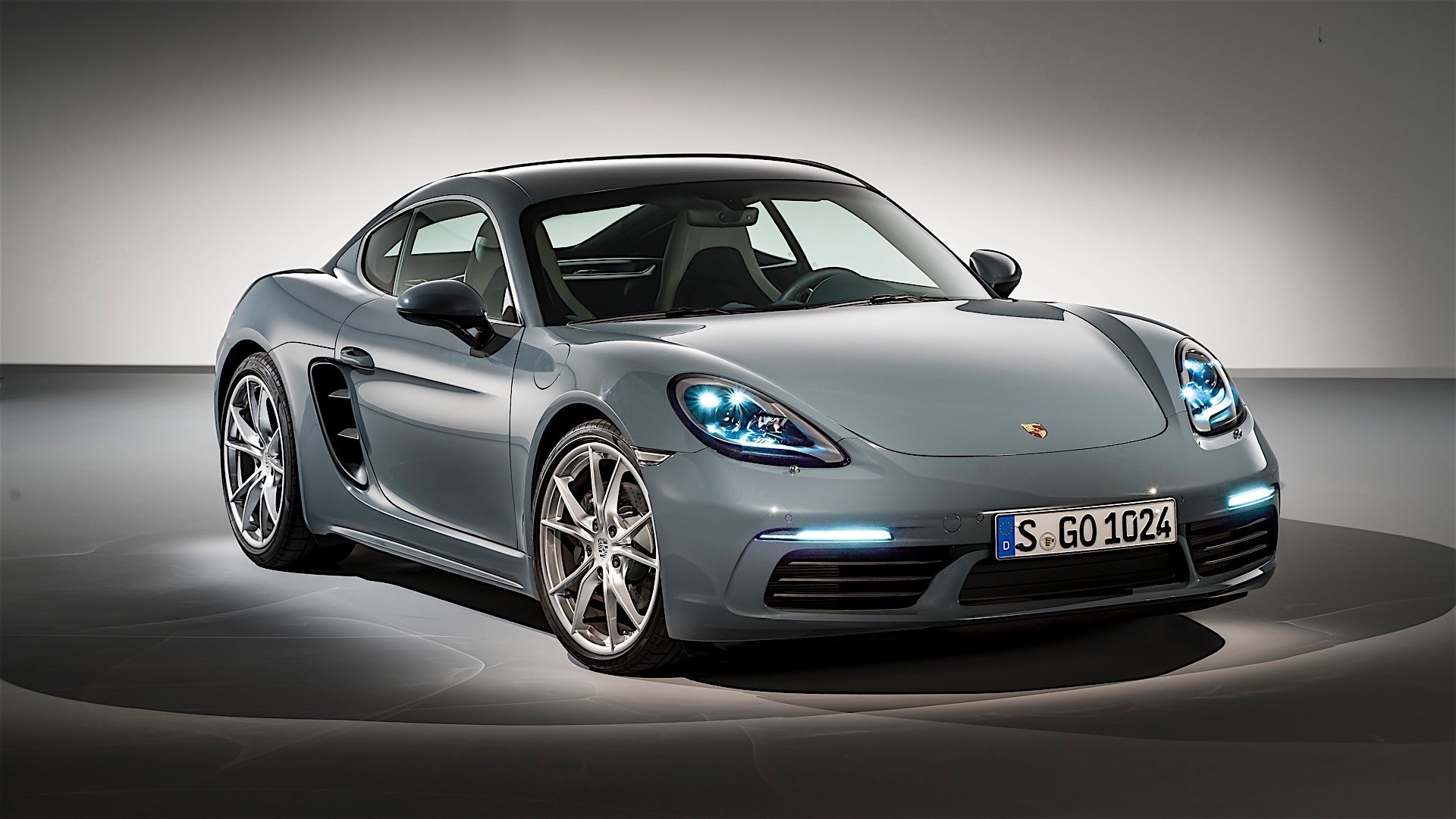
1. Porsche 718 Cayman
9.6% Five-Year Depreciation
Topping every chart worth mentioning, the Porsche 718 Cayman delivers value retention numbers that genuinely stunned researchers compiling this data.
Losing just 9.6% of its original value across a full five years means this sports car retains roughly 90.4% of what buyers originally paid, a genuinely remarkable outcome considering how dramatically most vehicles depreciate during that same timeframe.
Crunching the actual dollar figures, the gap between inflation-adjusted MSRP and five-year-old used pricing landed at just $6,988. Several factors converge to explain this exceptional performance.
Dedicated sports cars built purely around driving enjoyment tend to attract passionate enthusiast communities willing to pay premium prices for well-maintained examples, and the Cayman benefits enormously from exactly this dynamic.
Carrying the Porsche badge adds another layer of desirability too, since that nameplate carries decades of accumulated prestige that casual manufacturers simply can’t replicate regardless of how good their own products might be.
What makes this particular result genuinely unusual involves comparing the Cayman against typical luxury vehicle depreciation patterns. Most premium cars lose value considerably faster than mainstream alternatives, yet the Cayman defies that expectation entirely.
Separate resale value rankings reinforce this exceptional standing too, placing the Cayman second among luxury coupes specifically, trailing only the 911 itself while retaining an impressive 92.5% of its value across that same five-year window.
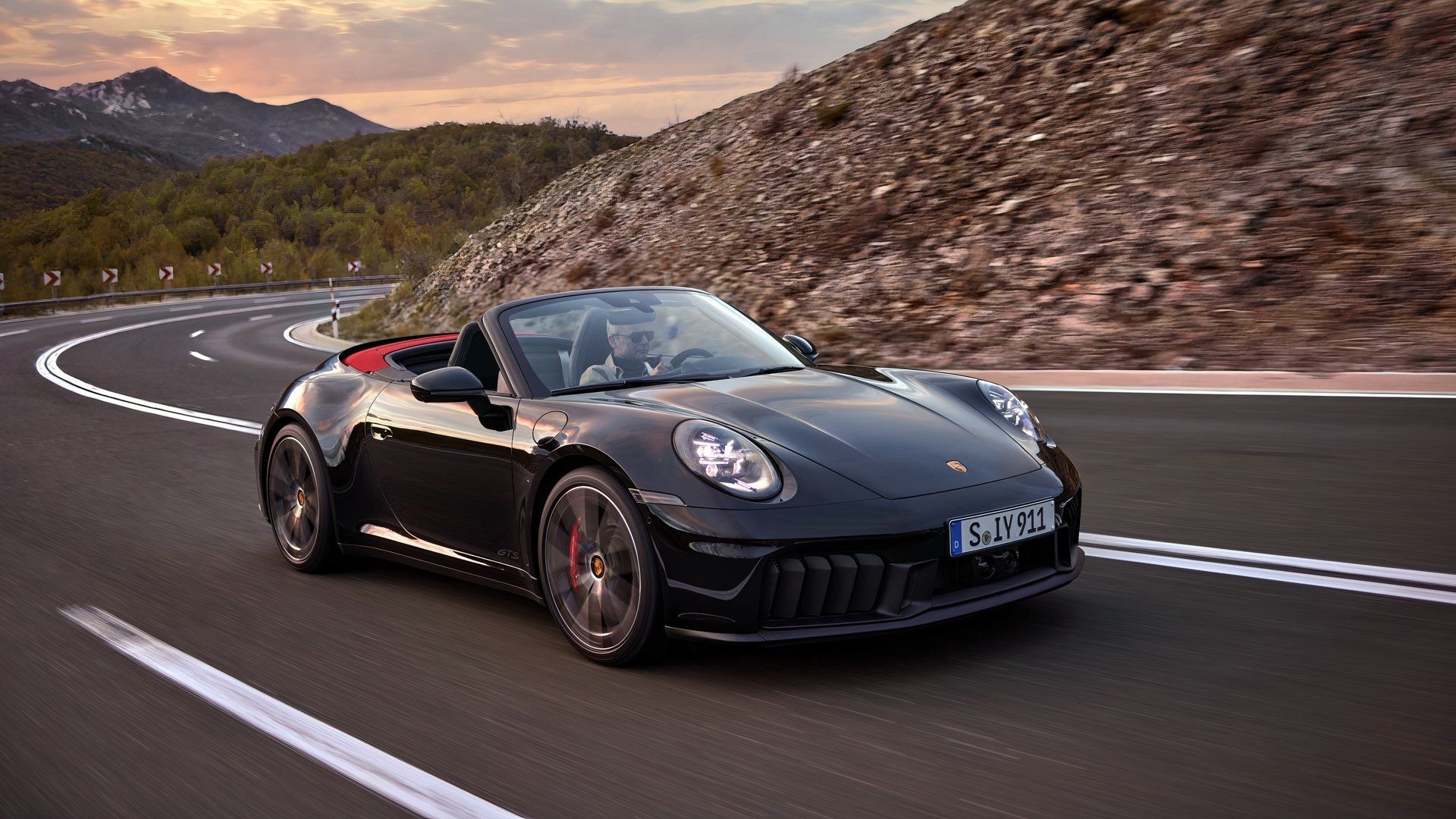
2. Porsche 911
11.1% Five-Year Depreciation
Sitting just behind its smaller sibling, the Porsche 911 delivers value retention that genuinely cements Porsche’s reputation as a manufacturer producing vehicles buyers simply refuse to let go cheaply. Losing only 11.1% across five years leaves this iconic sports car holding approximately 88.9% of its original value, translating into an average dollar gap of $15,533 between inflation-adjusted MSRP and comparable used pricing five years later.
Decades of consistent engineering excellence explain much of this exceptional performance. Few vehicles anywhere carry design language as instantly recognizable as the 911’s silhouette, a shape that’s remained remarkably consistent while continuously improving underlying performance and technology across successive generations.
That visual continuity creates genuine brand equity that newer competitors simply cannot manufacture overnight, regardless of how impressive their own engineering achievements might be.
Enthusiast demand plays perhaps the largest role in sustaining these impressive numbers. Porsche has cultivated genuinely passionate ownership communities across decades, creating exactly the kind of sustained demand that keeps used pricing considerably firmer than typical depreciation curves would otherwise predict.
Current resale value data confirms this pattern extends across different analytical approaches too, with the 911 coupe specifically retaining 94.7% of its value after five years according to separate luxury coupe rankings, claiming first place within that particular category.
Buyers should recognize that exact depreciation figures fluctuate somewhat depending on which specific body style or powertrain configuration they’re considering, yet the broader conclusion remains unmistakable regardless of those variations.
The 911 stands among the strongest value-retaining performance vehicles currently available anywhere in the market.
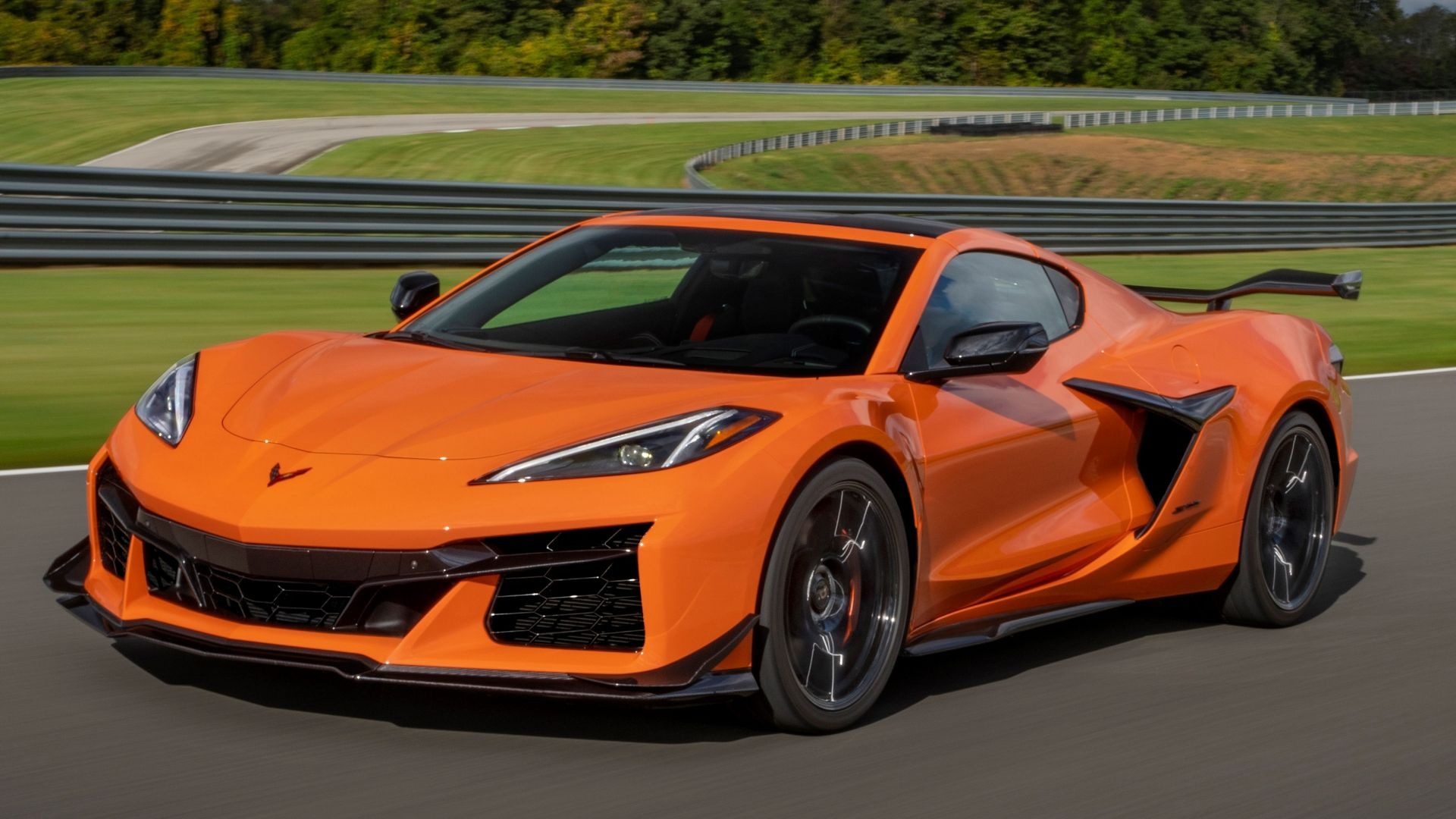
3. Chevrolet Corvette
18.7% Five-Year Depreciation
A Chevrolet Corvette can deliver serious performance without carrying the same entry price as many European exotic and luxury sports cars. That pricing advantage is one reason its 18.7% five-year depreciation result deserves attention.
iSeeCars estimates that the Corvette retains about 81.3% of its original value after five years, with an average difference of $13,365 from its inflation-adjusted MSRP.
The Corvette also benefits from a dedicated buyer base, which can help enthusiast vehicles maintain their value. Buyers looking for a two-seat American sports car often seek out the Corvette specifically rather than viewing it as just another used vehicle. Its distinctive styling and performance further strengthen that appeal.
Current iSeeCars resale data places the Corvette third among luxury coupes, with 82.1% of its value retained after five years. That percentage comes from a separate analysis, so it should be read as an additional indicator rather than a direct replacement for the 18.7% depreciation figure.
There is also a practical financial point here. A vehicle that retains more of its value can reduce the gap between its purchase price and eventual resale price.
That does not make ownership inexpensive, since insurance, maintenance, financing, and fuel still matter. Yet the Corvette’s resale performance gives buyers another reason to consider it when comparing performance cars.
4. Toyota Tacoma
19.9% Five-Year Depreciation
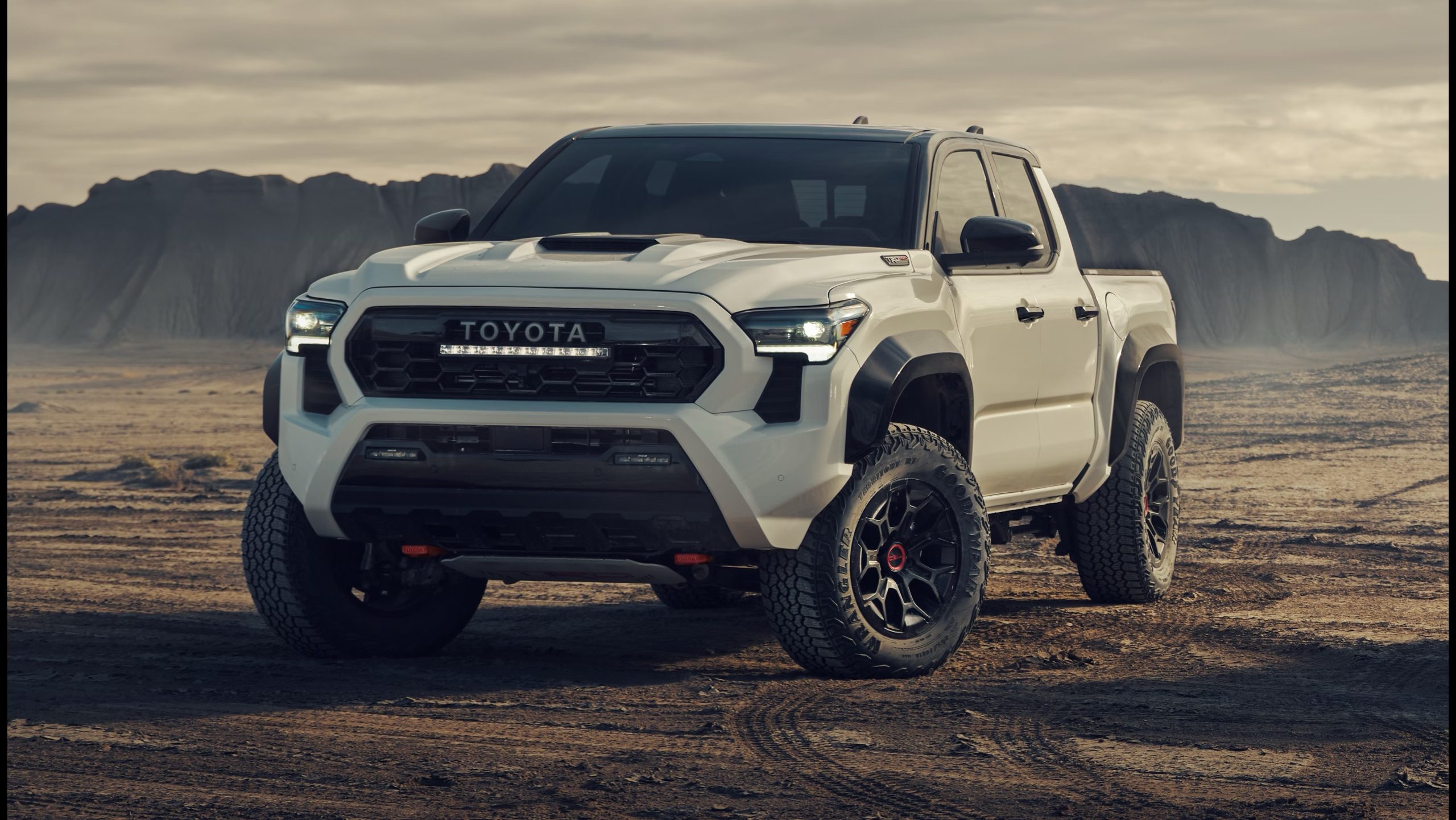
At 19.9% depreciation, the Toyota Tacoma barely stays beneath the five-year cutoff, but that narrow margin makes its result especially interesting.
iSeeCars places the Tacoma fourth in its 2026 rankings, with an average difference of $6,426 between its inflation-adjusted MSRP and five-year used value. Put simply, the study estimates that about 80.1% of its original value remains.
The Tacoma’s appeal comes from its usefulness. It can serve as a daily driver, work truck, towing vehicle, or off-road companion, giving it a broad pool of potential used buyers.
Toyota’s reputation for durability also supports demand, particularly among shoppers who want a truck they can keep for many years. Other cost data points in the same direction.
Kelley Blue Book estimates five-year depreciation of $11,173 for a 2025 Tacoma XtraCab and $9,573 for a Double Cab configuration. Those are dollar estimates for specific versions, so they should not be compared directly with iSeeCars’ percentage.
Still, the message from the available data is easy to understand. The Tacoma has retained value at a rate that puts it close to the strongest-performing vehicles in its class. Buyers should remember that trim, mileage, condition, options, and local demand can affect the resale price of an individual truck.
5. Honda Civic
19% Projected Five-Year Retail Depreciation
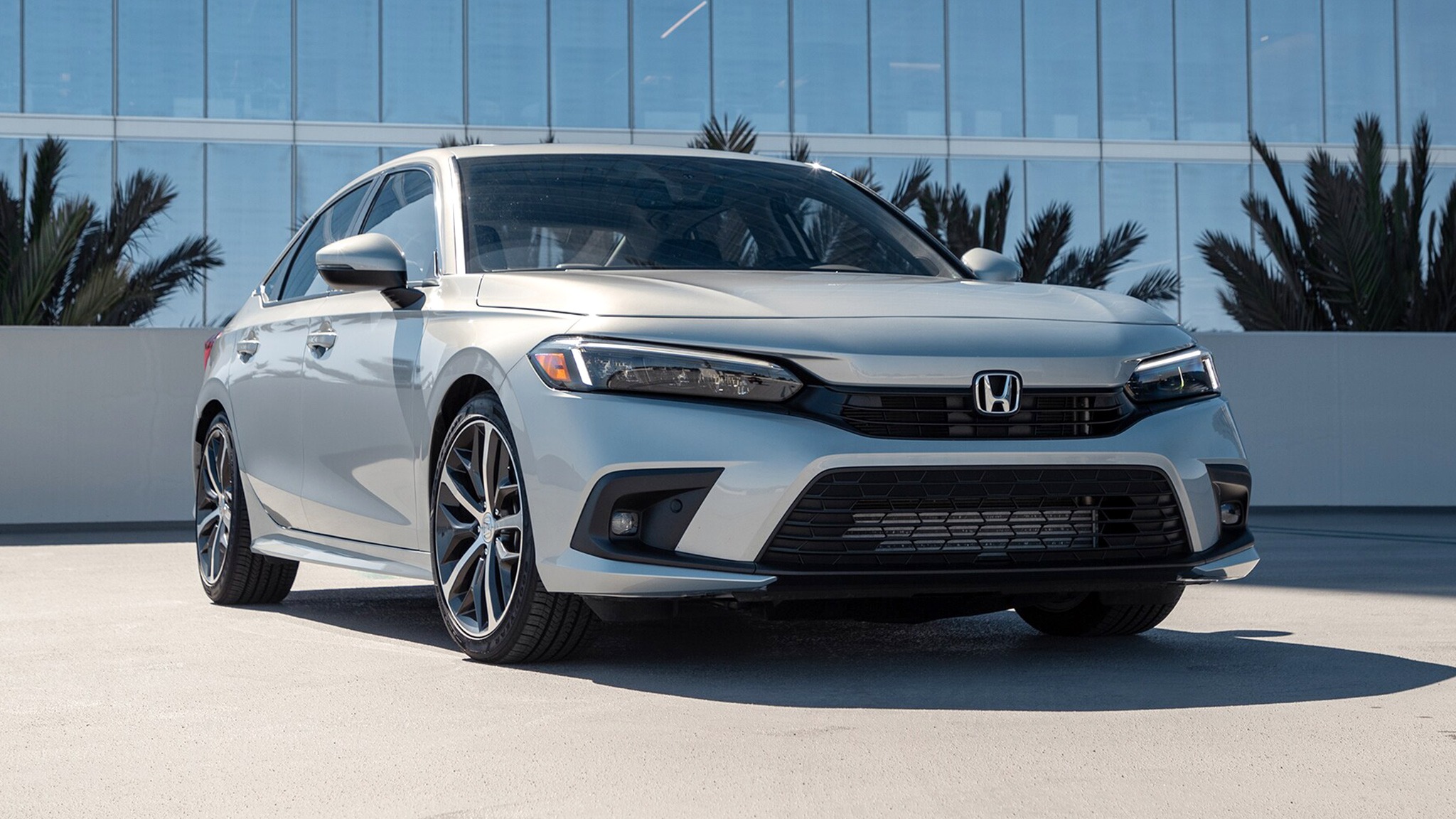
The Honda Civic needs a small explanation because the answer depends on which data set you use. CARFAX’s five-year retail-value projection for the 2025 Civic estimates 19% depreciation, with projected retail value falling from about $27,730 to $22,350. That places the Civic below the 20% mark in that projection.
iSeeCars reaches a different result. Its 2026 historical analysis puts the Civic at 22.9% five-year depreciation, so the model does not qualify under that study’s strict threshold.
The difference is not something to overlook because it is important when interpreting vehicle value data correctly. The Civic has several qualities that can help support strong resale demand.
It is widely recognized, efficient, practical, and available in multiple body styles and powertrains. Those qualities give used buyers plenty of reasons to consider one, whether they need a commuter car or a more engaging compact.
For this article, the 19% figure should therefore be treated as a CARFAX projection for the 2025 model, not as a universal five-year depreciation rate. Actual resale results can vary with mileage, condition, trim, equipment, market demand, and purchase price.
Even with that qualification, the Civic deserves attention because its projected value retention places it among the cars expected to lose relatively little of their original retail value.
6. Toyota Corolla
19% Projected Five-Year Retail Depreciation
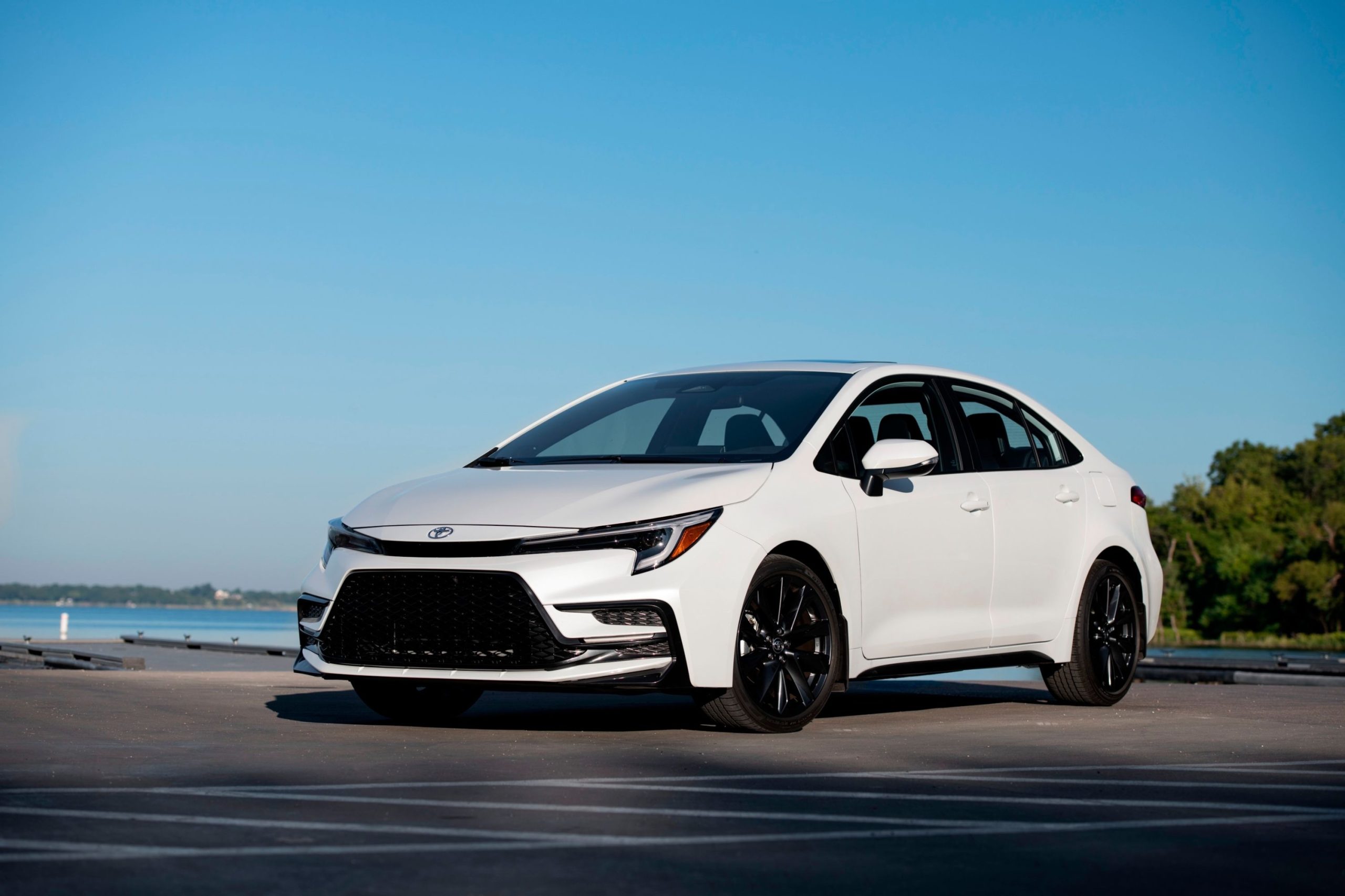
Toyota’s Corolla earns a place on this list through another CARFAX projection. For the 2025 model, CARFAX estimates five-year retail depreciation at 19%, with projected retail value declining from approximately $23,600 to $19,030.
That forecast puts the Corolla below the 20% threshold used for this article. The iSeeCars data tells a different story. Its 2026 study lists the Corolla Hatchback at 25.5% five-year depreciation.
Since the two sources use different methods and the iSeeCars figure specifically covers the Corolla Hatchback, the numbers should not be treated as interchangeable.
Still, the Corolla has several qualities that can help protect resale value. Its long-standing reputation, efficient operation, accessible pricing, and large presence in the compact-car market give it broad appeal. A used Corolla can make sense for someone seeking straightforward transportation without paying for a larger vehicle.
The CARFAX figure is a projection, not a promise about what every 2025 Corolla will be worth five years later. Mileage, maintenance, accident history, trim level, options, and market conditions can all affect an individual vehicle’s selling price.
That distinction matters, yet the projected 19% depreciation figure remains useful for shoppers who are comparing expected ownership costs.
It shows why the Corolla continues to attract attention from buyers who want practical transportation with strong projected resale performance.
7. Toyota Tundra
21.2% Five-Year Depreciation
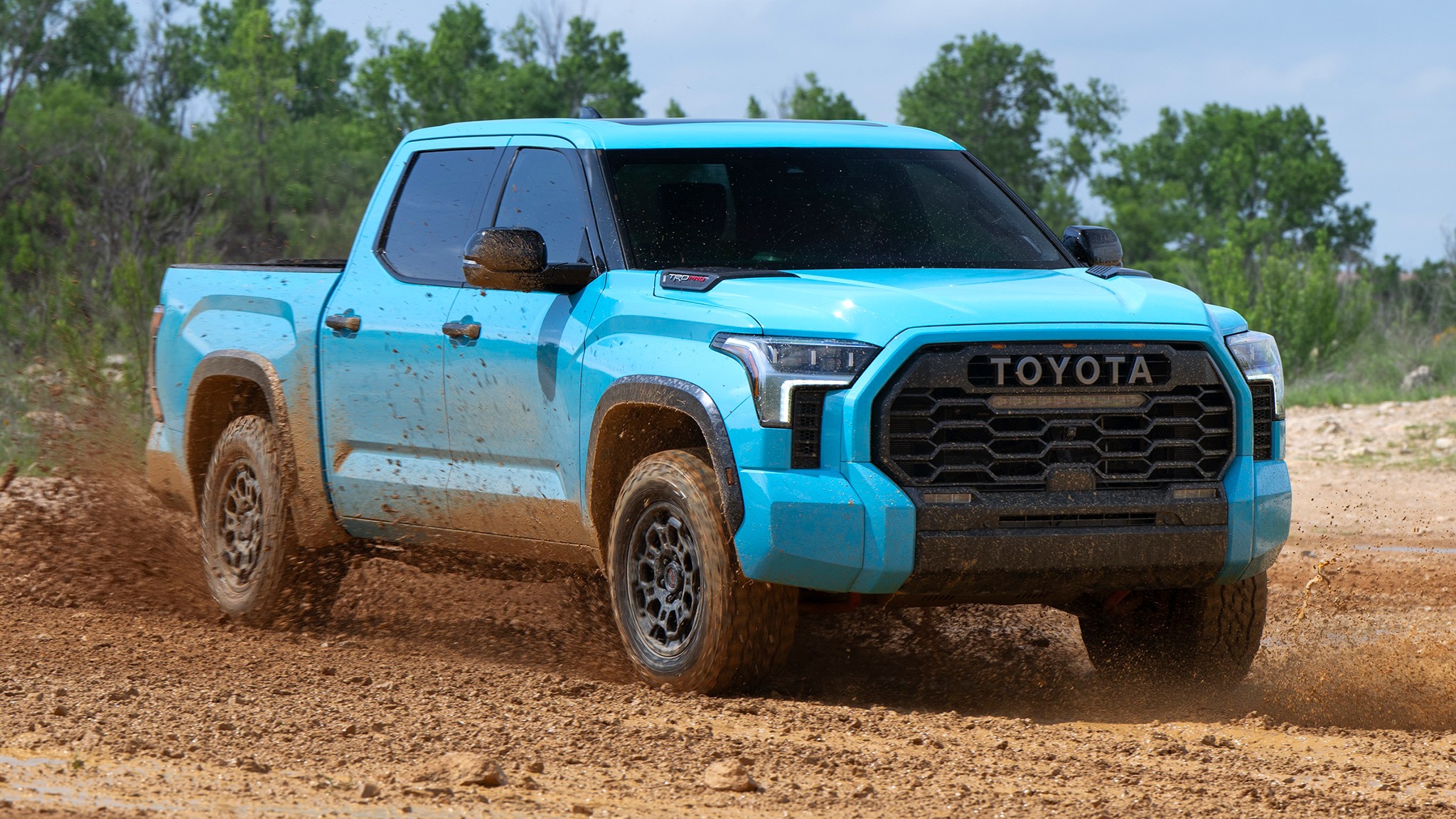
The Toyota Tundra misses the strict 20% cutoff by only 1.2 percentage points. iSeeCars reports five-year depreciation of 21.2%, ranking it fifth in the 2026 study. Its average difference between inflation-adjusted MSRP and five-year used value was $8,746.
That result puts the full-size pickup in an interesting position. It does not belong on a technically strict list of vehicles losing less than 20%, yet it remains close enough to deserve mention when discussing cars with strong value retention.
The Tundra’s ability to tow, haul, handle work duties, and support outdoor activities gives it broad utility. Pickup trucks also attract buyers who place a high value on capability.
A used Tundra can appeal to someone who wants a full-size truck without paying the price of a new one, which can help support demand for older examples. Kelley Blue Book uses a different cost-to-own approach, with depreciation estimates tied to specific vehicle configurations.
Those figures can provide useful ownership information, but they should not be presented as direct equivalents to iSeeCars’ percentage.
So, where does the Tundra fit? It is best described as a near-20% performer rather than a true under-20% vehicle. Its 21.2% result still places it among the stronger value-retention performers in the iSeeCars study.
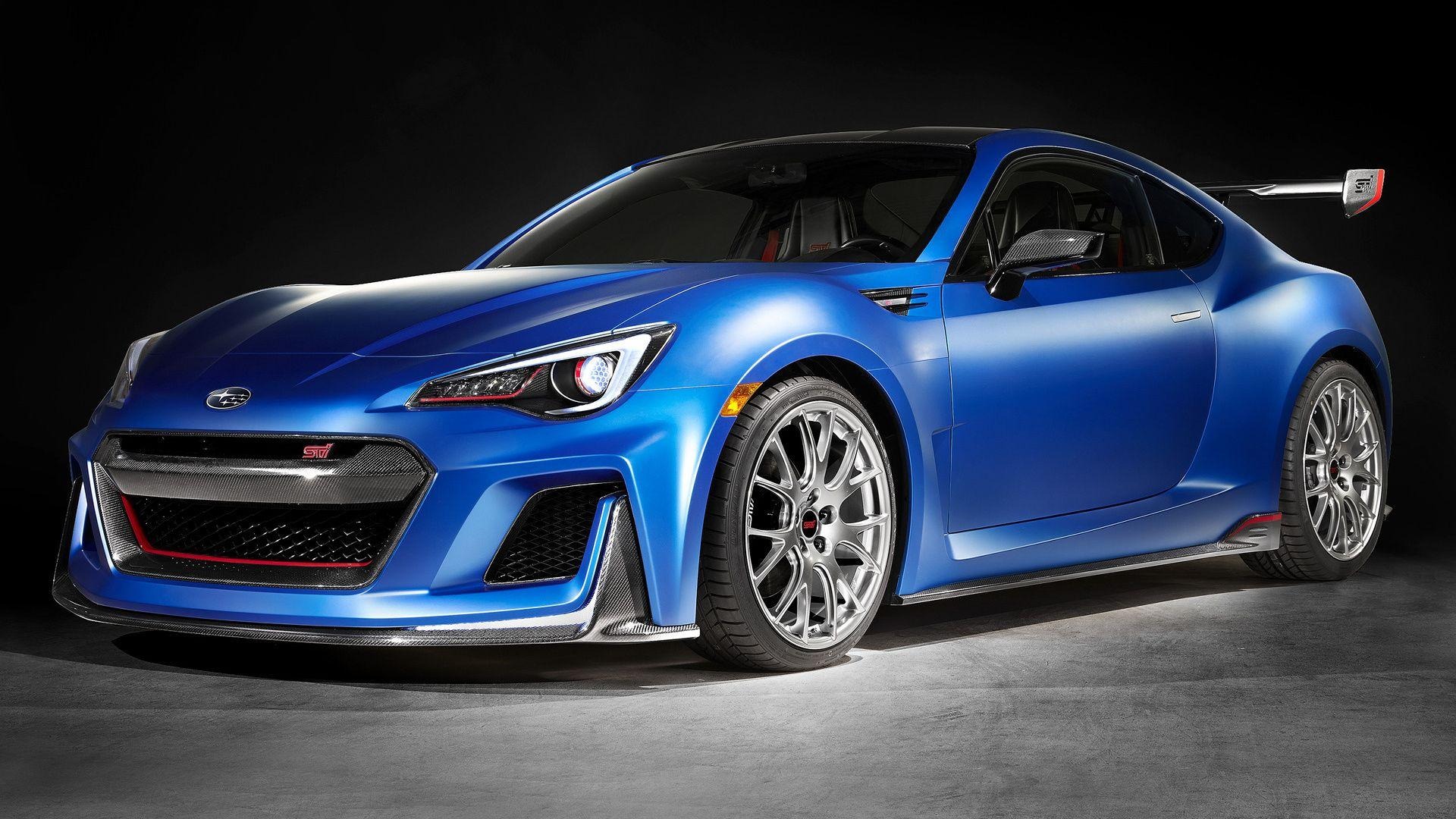
8. Subaru BRZ
23.7% Five-Year Depreciation
The Subaru BRZ takes a different route to strong resale performance. Rather than relying on broad family-car appeal, it targets drivers who want a lightweight, rear-wheel-drive sports car with an emphasis on handling and driver involvement.
iSeeCars reports five-year depreciation of 23.7%, placing the BRZ seventh in its 2026 study. That number is above the 20% threshold, so the BRZ should not be presented as a qualifying under-20% model.
Its inclusion here serves a different purpose. It shows how some enthusiast-focused cars can retain more of their value than many mainstream vehicles, even when they fall outside a strict cutoff.
The BRZ’s appeal is easy to understand from the driver’s seat. Its compact dimensions, rear-wheel-drive layout, and sports-car design give it a distinct identity.
Used buyers searching for an affordable performance car may actively seek the model rather than simply choosing it because it happens to be available.
Resale value can also depend heavily on condition with a car like this. Careful maintenance, sensible mileage, original equipment, and a clean history may help an individual example command stronger interest.
At 23.7%, the BRZ is better classified as a strong value-retention performer than an under-20% car. That makes the distinction between the article’s headline and its broader nine-model selection important.
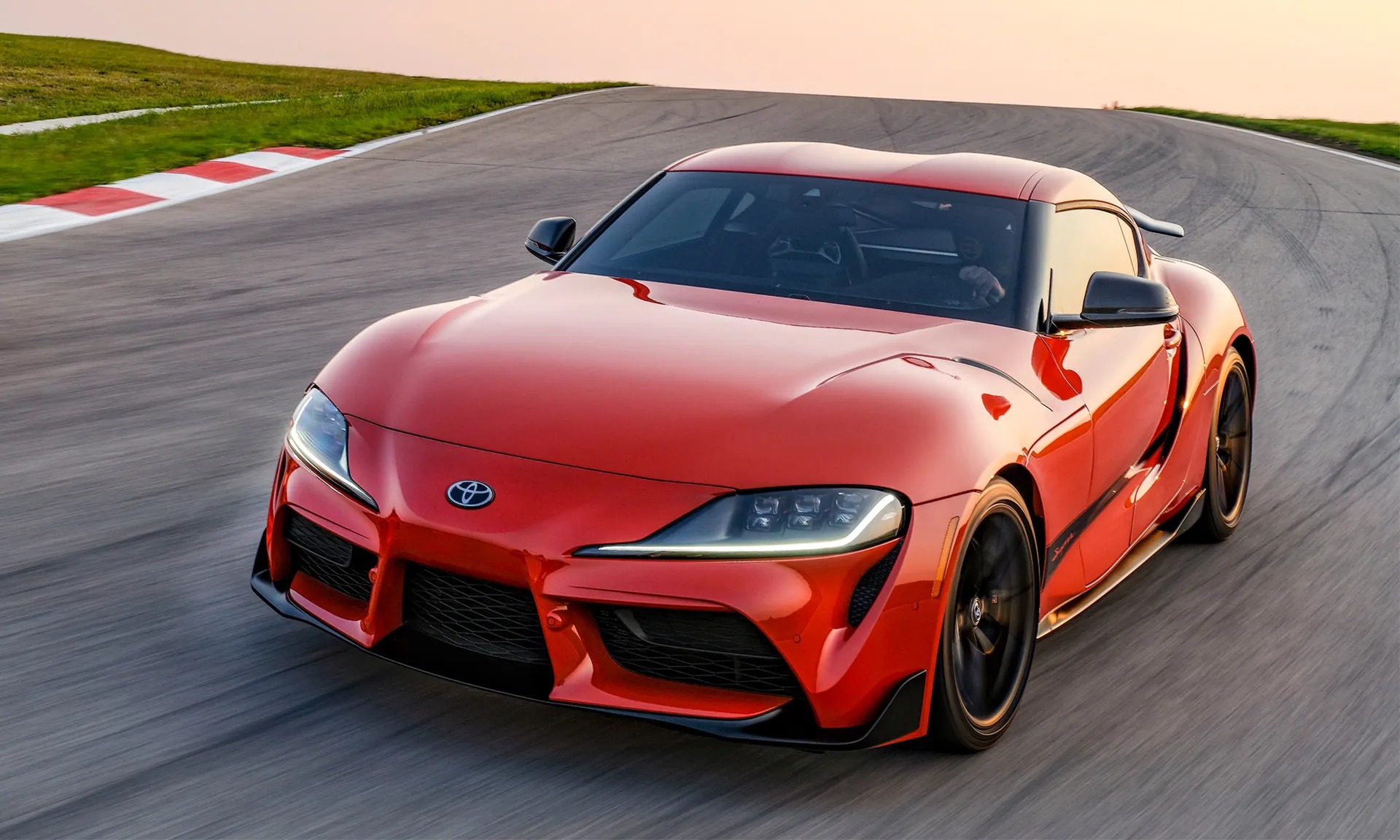
9. Toyota GR Supra
24.0% Five-Year Depreciation
The Toyota GR Supra closes this list with a five-year depreciation figure of 24.0% from iSeeCars. That result places it eighth in the 2026 study. While the number is above the article’s 20% cutoff, it still represents comparatively strong value retention within the study.
The GR Supra has a very different appeal from Toyota’s mainstream compact cars. It is a two-seat sports car designed around performance, styling, and driving enjoyment.
Its enthusiast following gives it a dedicated used-car audience, which can support demand when well-kept examples reach the market. iSeeCars’ resale-value data also reports 76.4% value retention after five years for the GR Supra among two-seat luxury vehicles.
Since that result comes from a separate ranking, it should be considered supporting information rather than a second version of the 24.0% figure. Buyers should also keep the usual resale factors in mind.
Mileage, condition, accident history, maintenance records, equipment, and local supply can all influence what a particular Supra is worth. A strong model-level statistic does not guarantee a specific resale price.
The GR Supra therefore belongs in a broader discussion of cars that retain value relatively well, but it does not meet a strict less-than-20% standard. Including that clarification keeps the list useful without presenting a 24.0% depreciation figure as something it is not.
