American car shoppers have spent years hearing about Chinese electric vehicles without having many opportunities to see them in person. Current trade policies have kept many of these vehicles out of U.S. dealerships, but the technology being developed overseas still deserves attention, regardless of whether access to the American market eventually changes.
Massive battery ranges, blazing fast charging speeds, and price tags that would make domestic manufacturers nervous have become standard features across an entire generation of Chinese-built electric cars. Whether these vehicles ever cross the Pacific in meaningful numbers remains genuinely uncertain, but understanding what’s already on the road elsewhere helps explain where global EV competition might eventually head.
1. BYD Seal
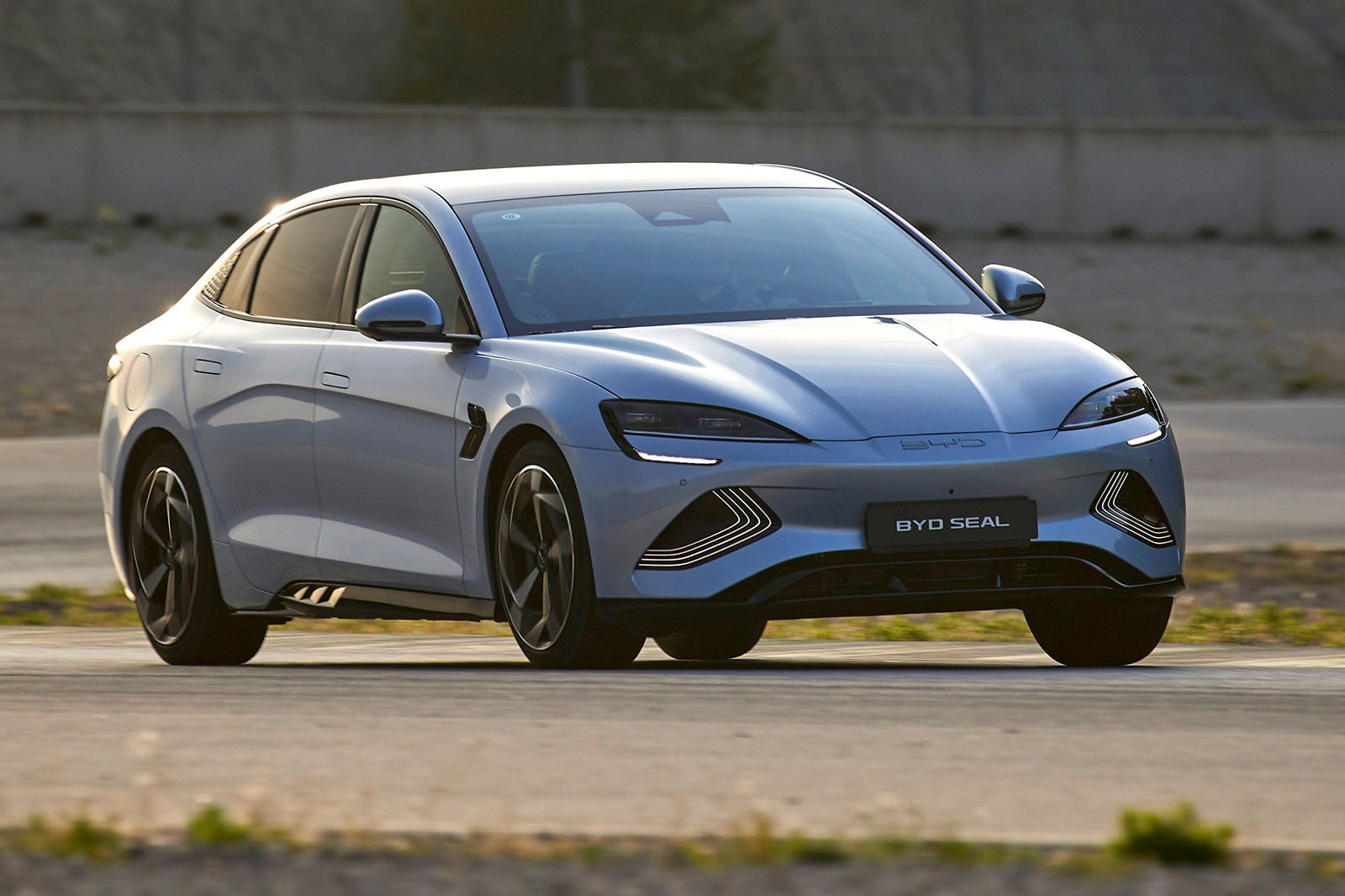
Tesla’s Model 3 has enjoyed relatively limited direct competition within its specific segment, yet BYD’s Seal demonstrates exactly the kind of engineering that could eventually challenge that dominance if market access ever opens up.
Dual-motor All Wheel Drive configurations push output toward roughly 523 horsepower, numbers that genuinely compete against premium sport sedan alternatives regardless of powertrain type or country of origin.
That impressive power comes courtesy of BYD’s proprietary 82.5 kilowatt-hour Blade battery technology, a design philosophy the company has refined specifically toward balancing energy density against genuine safety considerations.
Sporty fastback styling completes the package, giving the Seal genuine visual appeal that stands apart from purely utilitarian electric sedan competitors focused primarily on efficiency above aesthetic considerations.
Range figures require some careful interpretation, though, since different testing cycles across various global markets produce numbers that don’t always translate directly toward American EPA methodology.
That measurement inconsistency makes direct range comparisons somewhat tricky for casual observers trying to gauge exactly how the Seal might perform under typical American driving conditions and testing standards.
Combining genuine performance credentials, distinctive styling, and proprietary battery technology creates exactly the kind of package that would naturally invite comparison against established American electric sport sedans should BYD ever gain meaningful access to selling directly within the United States market through traditional dealership networks.
2. Zeekr 7X
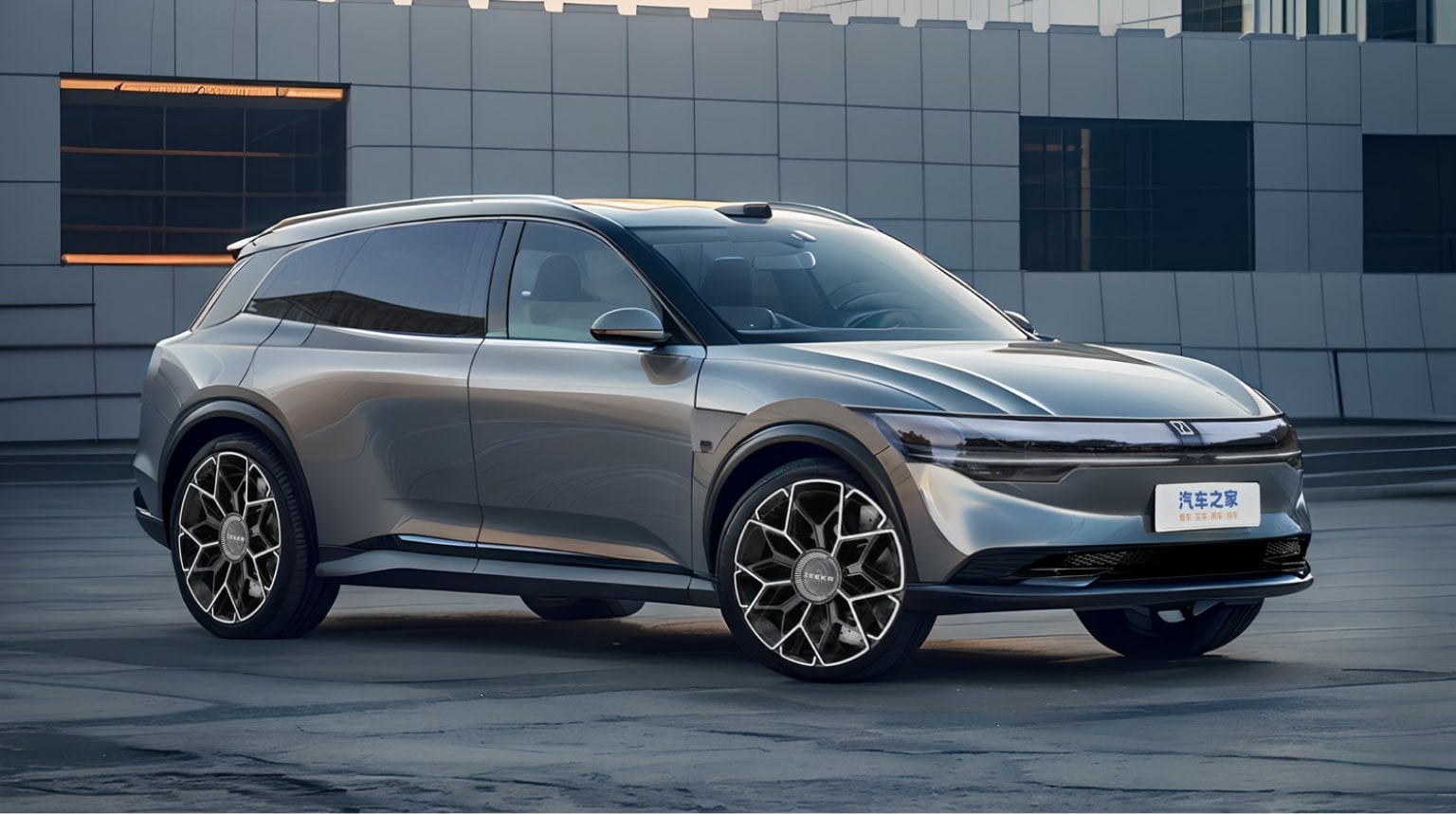
Charging speed and outright performance have become genuine battlegrounds throughout the global EV industry, and the Zeekr 7X showcases precisely how far Chinese engineering has progressed within both categories simultaneously.
Its longest-range Rear Wheel Drive configuration claims up to 802 kilometers, translating to approximately 498 miles under China’s CLTC testing methodology, numbers that would represent genuinely class-leading range figures within nearly any market worldwide.
Performance credentials climb even further with the All Wheel Drive Ultra variant, which Zeekr claims produces 784 horsepower while accelerating from zero to 100 kilometers per hour in roughly 3.0 seconds.
That acceleration figure places the 7X solidly within genuine performance vehicle territory, a genuinely impressive achievement for a midsize SUV rather than a dedicated sports car or specialized performance model.
Higher range variants specifically utilize 900 volt electrical architecture, a technical choice that enables considerably faster charging speeds compared to more conventional 400 volt systems still common throughout much of the industry.
That architectural decision reflects genuine forward-thinking engineering rather than simply chasing headline range numbers without addressing practical charging speed concerns that matter enormously for everyday ownership experience.
Combining genuine SUV practicality alongside legitimate high-performance credentials and rapid charging capability would position the 7X as genuinely interesting competition against premium electric crossovers currently dominating American showrooms, assuming Zeekr ever gained meaningful access to selling directly within the United States market.
3. NIO ET9
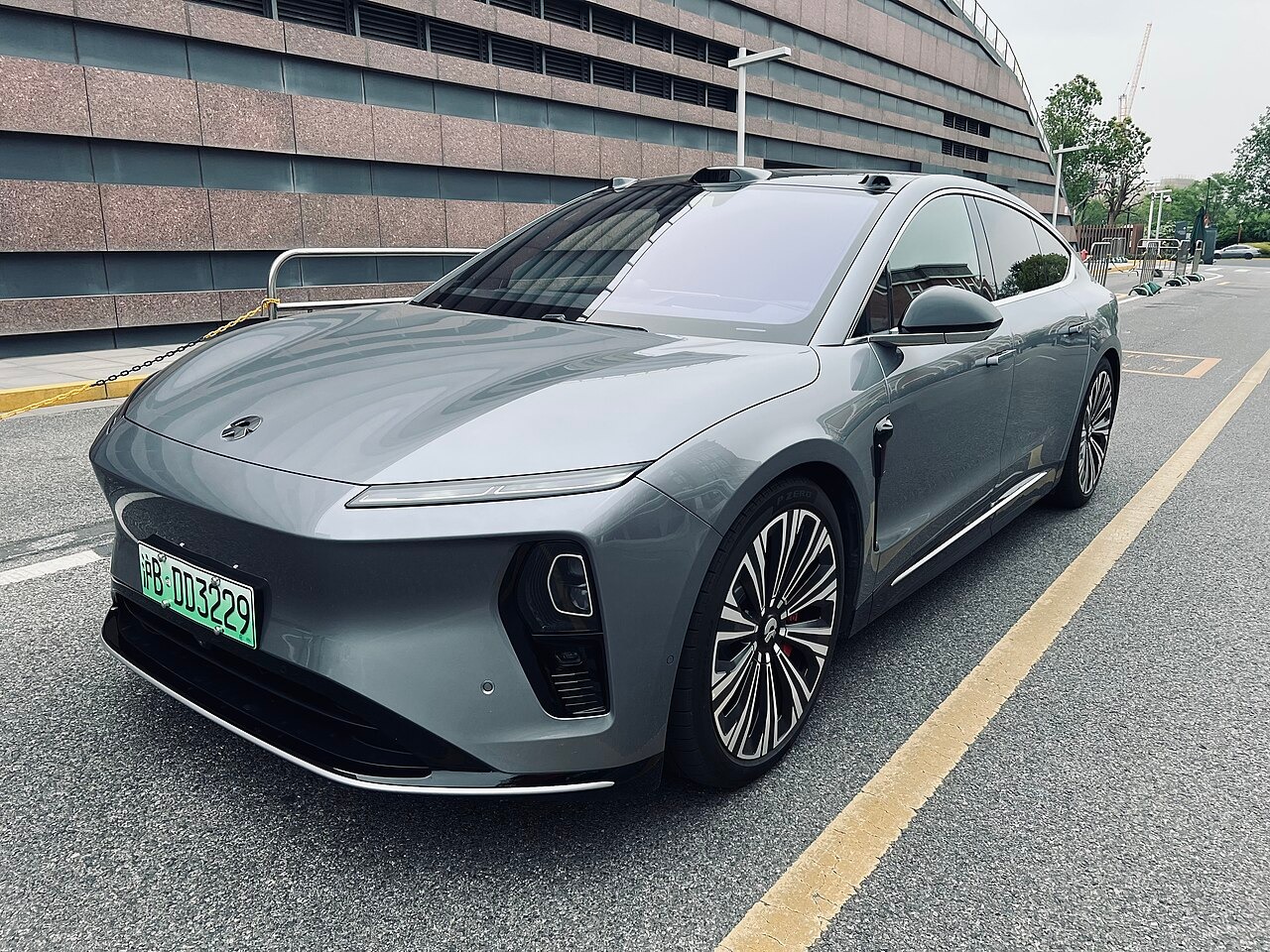
Luxury electric sedans have become increasingly sophisticated, but the NIO ET9 takes a particularly engineering-focused approach. Rather than relying solely on a large battery and powerful motors, NIO has equipped the sedan with technologies designed to improve its ride, steering, handling, and electrical performance.
The ET9 uses a 900-volt electrical system and supports charging power of up to 600 kW under compatible conditions. NIO quotes roughly 650 kilometers, or 404 miles, of CLTC range. Acceleration from 0 to 100 km/h takes approximately 4.3 seconds.
Then there is the chassis. Steer-by-wire, rear-wheel steering, and fully active suspension give the ET9 capabilities that go well beyond what buyers traditionally expect from a large luxury sedan. These systems can help the vehicle respond more precisely while improving ride comfort.
The ET9 is not designed as a low-cost family car. Its purpose is closer to a technology flagship, showing what NIO can achieve at the upper end of the market.
If NIO established a U.S. operation, the ET9 could attract buyers interested in luxury, advanced chassis engineering, and high-speed charging.
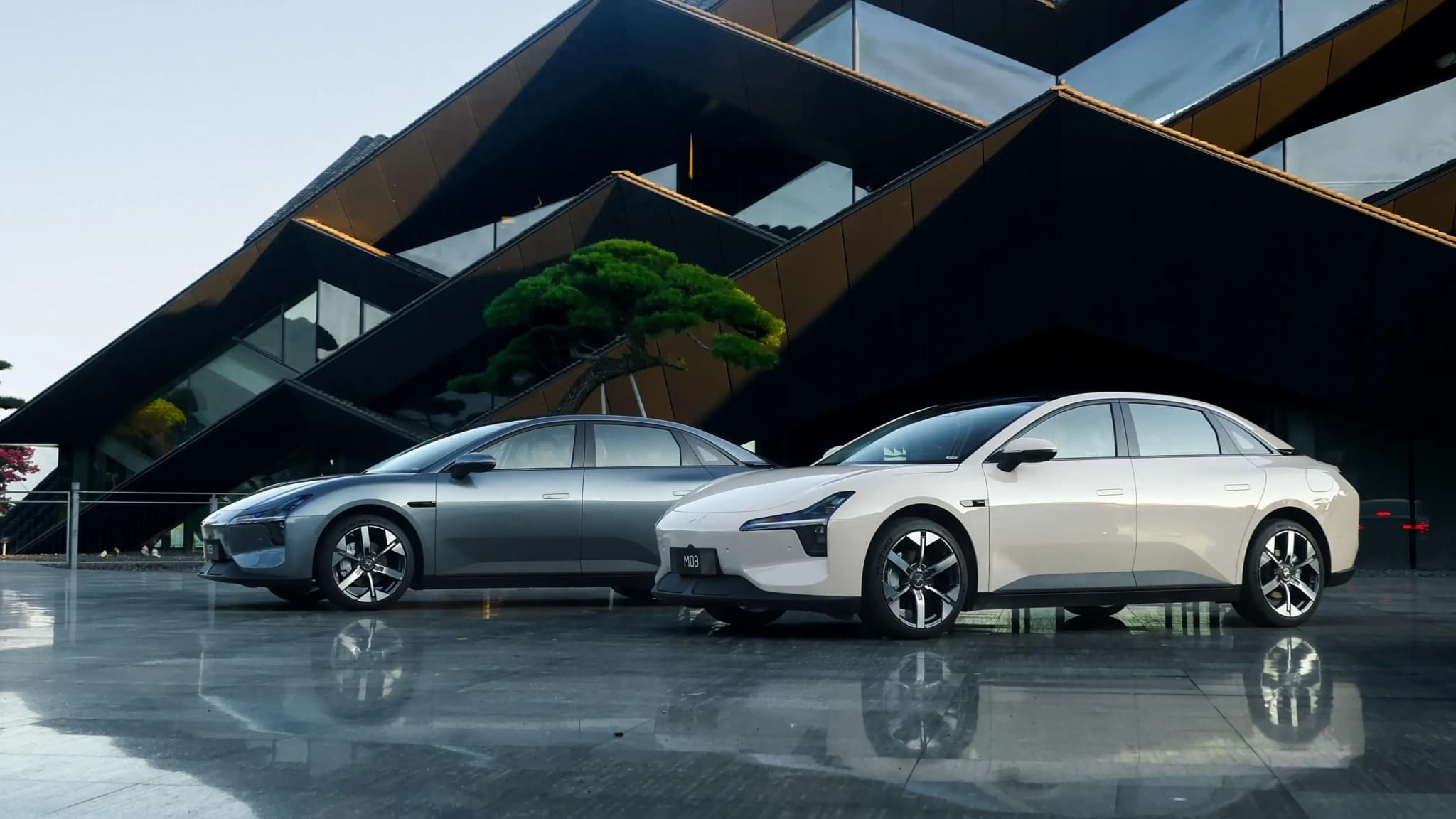
4. XPeng MONA M03
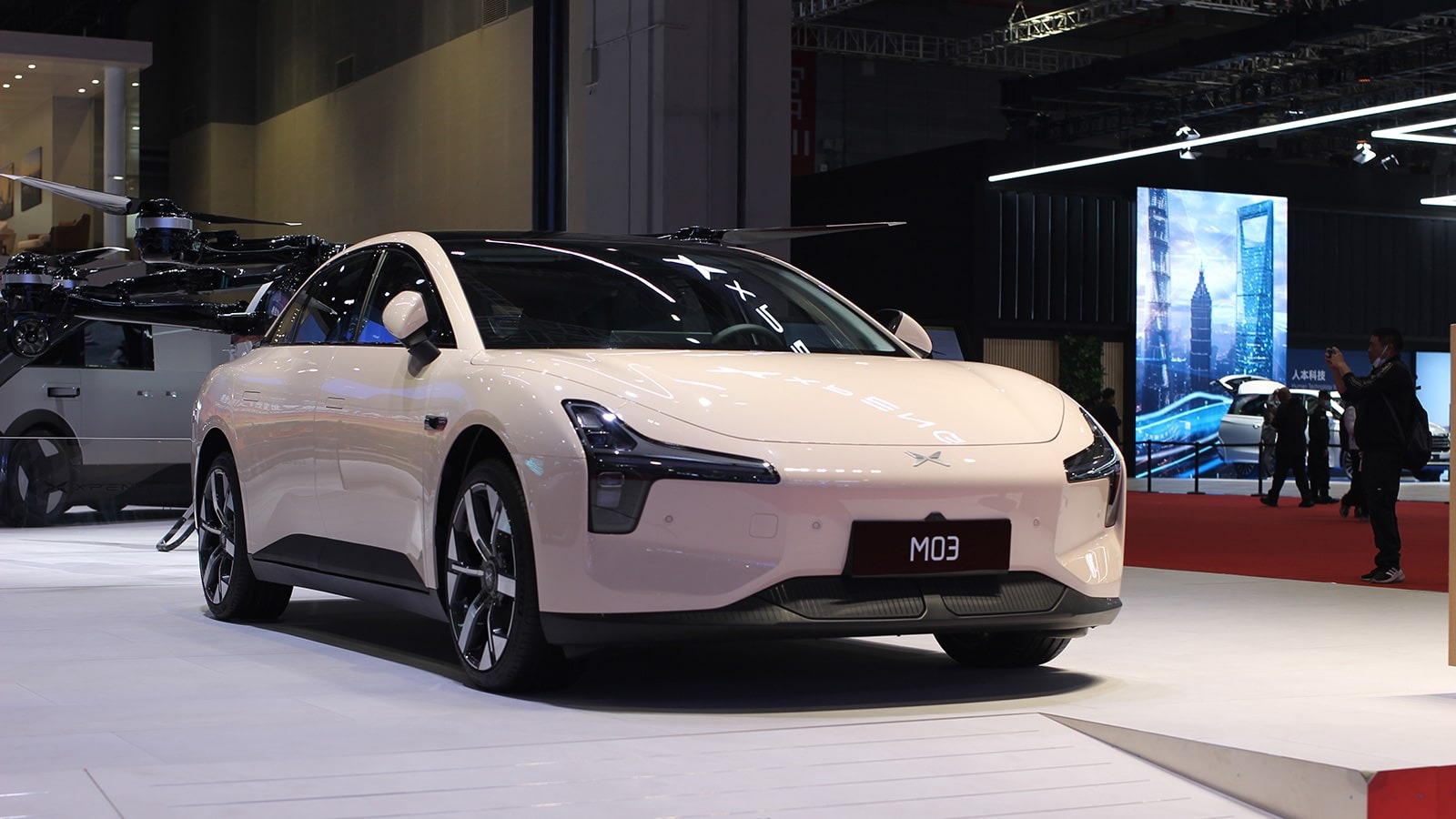
Price competition represents perhaps the single most disruptive force Chinese manufacturers could potentially introduce toward American EV shopping, and the XPeng MONA M03 illustrates exactly how aggressive that pricing pressure could eventually become.
This Front Wheel Drive liftback produces up to 160 kilowatts, translating roughly to 215 horsepower, numbers that comfortably satisfy typical daily driving requirements without venturing into genuinely high-performance territory.
Range figures reach up to 640 kilometers according to CLTC testing methodology, equivalent to roughly 398 miles, genuinely competitive numbers for a vehicle positioned toward the affordable end of China’s domestic EV marketplace.
That combination of reasonable range alongside adequate everyday performance creates a genuinely practical package rather than one compromising heavily toward achieving its remarkably low price point.
Chinese market pricing begins at approximately 119,800 yuan, translating roughly to $17,900 based on exchange rates used within the cited database analysis.
That figure represents dramatically lower pricing compared to nearly any comparable electric vehicle currently available throughout American dealership networks, regardless of manufacturer or specific market segment under consideration. This pricing gap illustrates precisely why the M03 deserves genuine attention beyond simply cataloging its technical specifications.
Domestic Chinese pricing at this level demonstrates the genuine cost competition these manufacturers could potentially introduce toward affordable EV segments specifically, assuming eventual market access changes ever allowed direct competition against considerably pricier American and established international alternatives currently dominating budget-conscious electric vehicle shopping.
5. GAC AION V
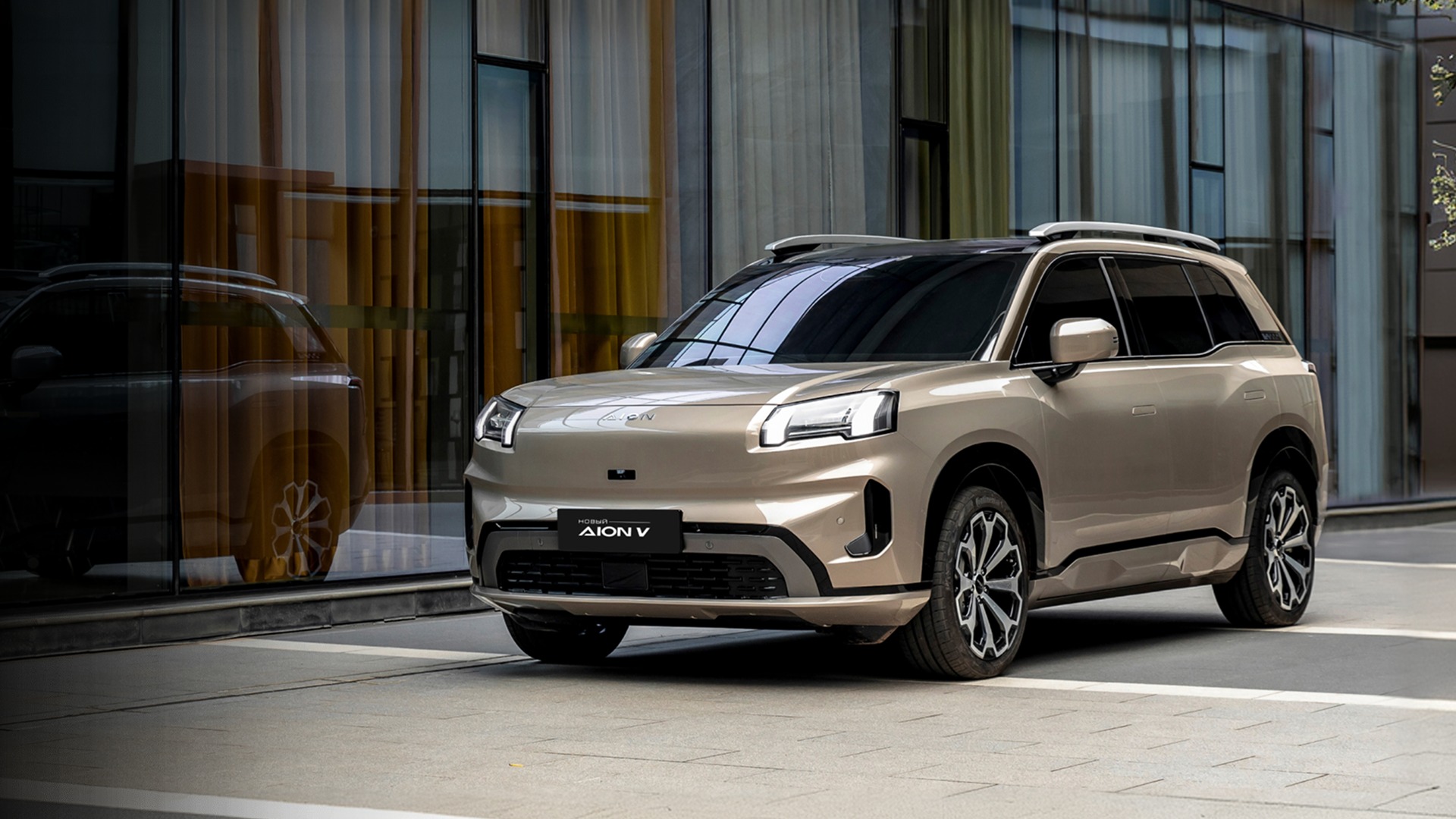
Family buyers often want three things from an electric SUV: plenty of space, a practical driving range, and charging that does not make road trips unnecessarily long. The GAC AION V is designed to address all three with a straightforward midsize SUV package.
GAC says its global version can achieve up to 750 kilometers of claimed range, while its 400V-plus 3C charging system can add as much as 370 kilometers of claimed range in 15 minutes under suitable conditions.
Real-world charging results depend on battery state, temperature, charger capability, and other factors, so these figures should be viewed as manufacturer claims rather than guaranteed results.
Technology also receives considerable attention. The AION V can use an NVIDIA Orin-X processor for its intelligent-driving system, giving the vehicle substantial computing capability for driver-assistance functions.
Its traditional SUV proportions may be one of its strongest selling points. There is no exotic body shape to get used to, and the format fits familiar family-car expectations.
Should GAC pursue broader U.S. access, the AION V could appeal to buyers who want an electric crossover with long claimed range without moving into a luxury price category.
6. BYD Atto 3
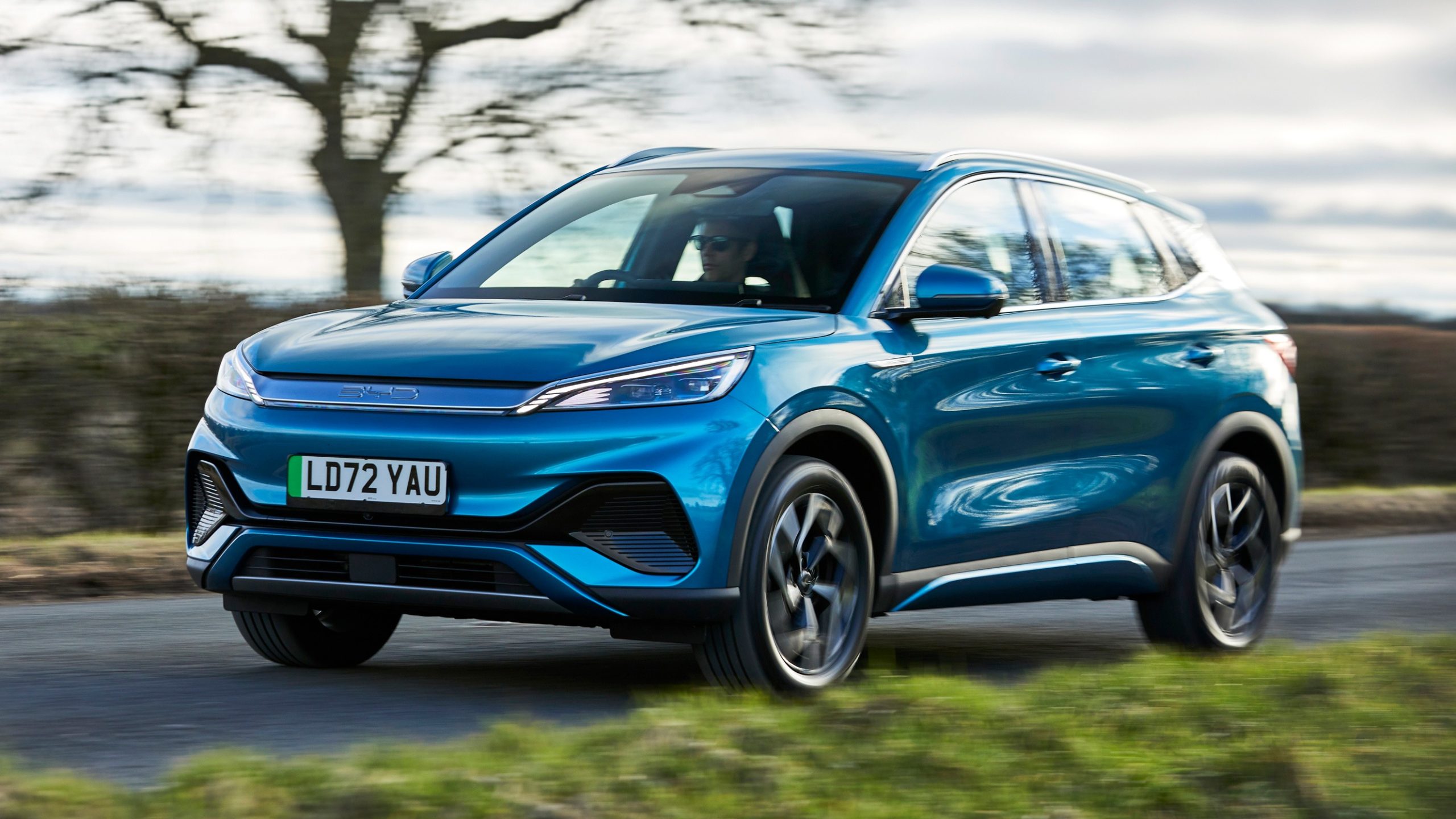
Compact SUVs occupy a valuable place in the automotive market because they provide a useful mix of passenger room, cargo capacity, maneuverability, and relatively manageable dimensions.
The BYD Atto 3 was designed around that formula, making it one of BYD’s more practical global products. The 2026 version sold in Australia, for example, uses a 60.48-kWh Blade battery and can produce up to 150 kW of power.
The extended-range version is quoted with a 420-kilometer WLTP range. WLTP figures are measured under a different testing procedure from the U.S. EPA cycle, so the number should not be treated as an American EPA estimate.
Inside, the Atto 3 takes a more youthful approach than many conventional compact SUVs, with unusual design touches and a technology-focused cabin. Its relatively compact footprint also makes it easier to position as an everyday vehicle rather than a large family hauler.
If BYD were able to establish regular U.S. sales, the Atto 3 could target consumers seeking an accessible electric crossover. Its appeal would come from practicality and equipment rather than extreme acceleration or luxury credentials.
7. Leapmotor C10
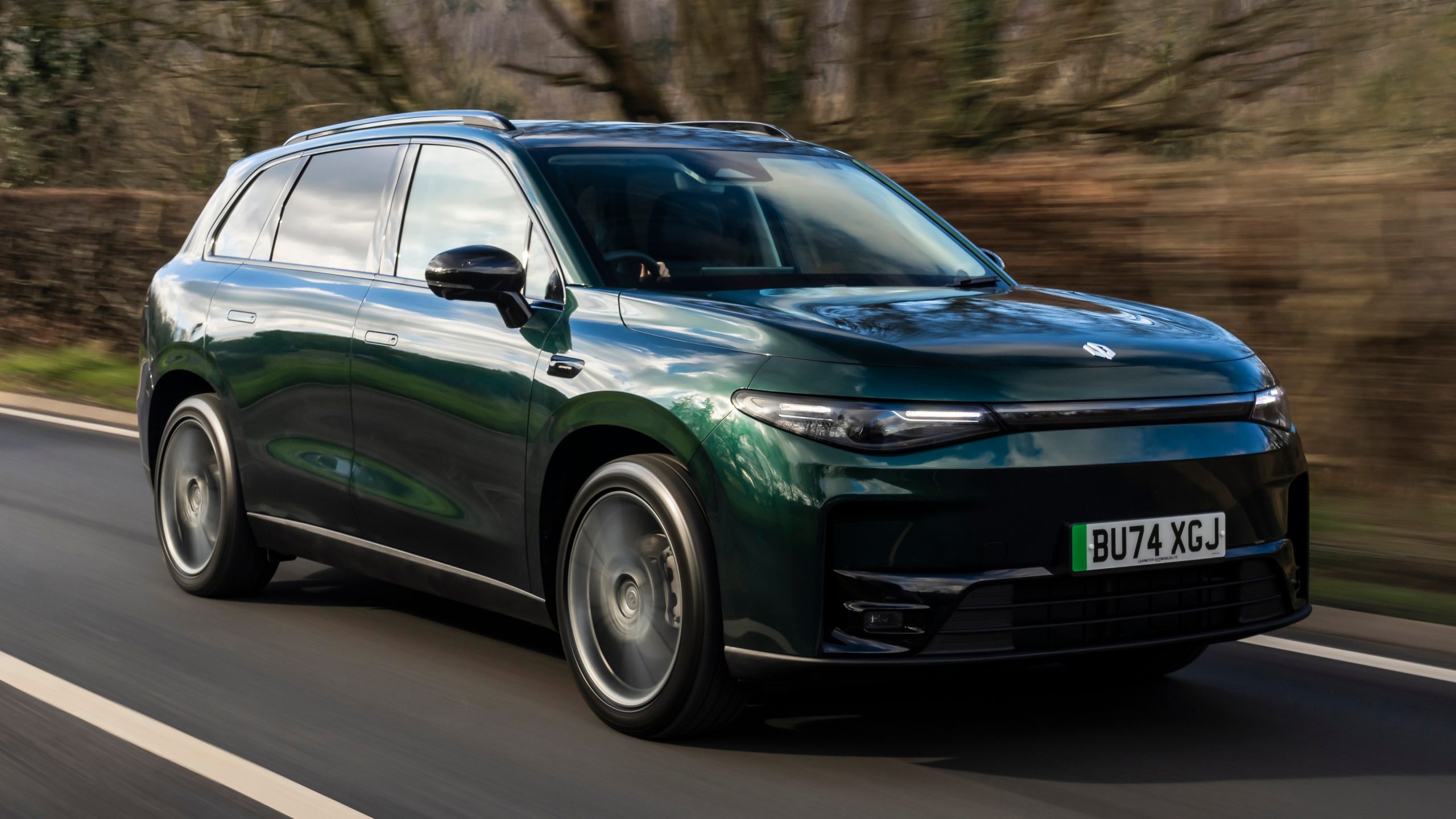
Some EVs are designed to attract attention with dramatic styling or extraordinary performance. The Leapmotor C10 takes a quieter route. Its proportions resemble those of a conventional midsize family SUV, which could make it easier for buyers to understand immediately.
The C10 is available with battery-electric and range-extender powertrains, depending on the market. International battery-electric versions can offer up to 510 kilometers of WLTP range.
An all-wheel-drive version can accelerate from 0 to 100 km/h in about four seconds, giving the family-oriented SUV plenty of performance when needed.
The range-extender configuration is especially interesting for consumers who remain concerned about charging availability. Instead of relying exclusively on a battery for every journey, that setup adds an internal-combustion generator to supply electricity when necessary, depending on the market’s specification.
Leapmotor has also expanded beyond China through international partnerships and sales operations. That gives the C10 a practical advantage as a potential export product.
In the U.S., its conventional SUV shape, flexible powertrain choices, and family-friendly layout could make it easier to position against established electric crossovers.
8. BYD Dolphin
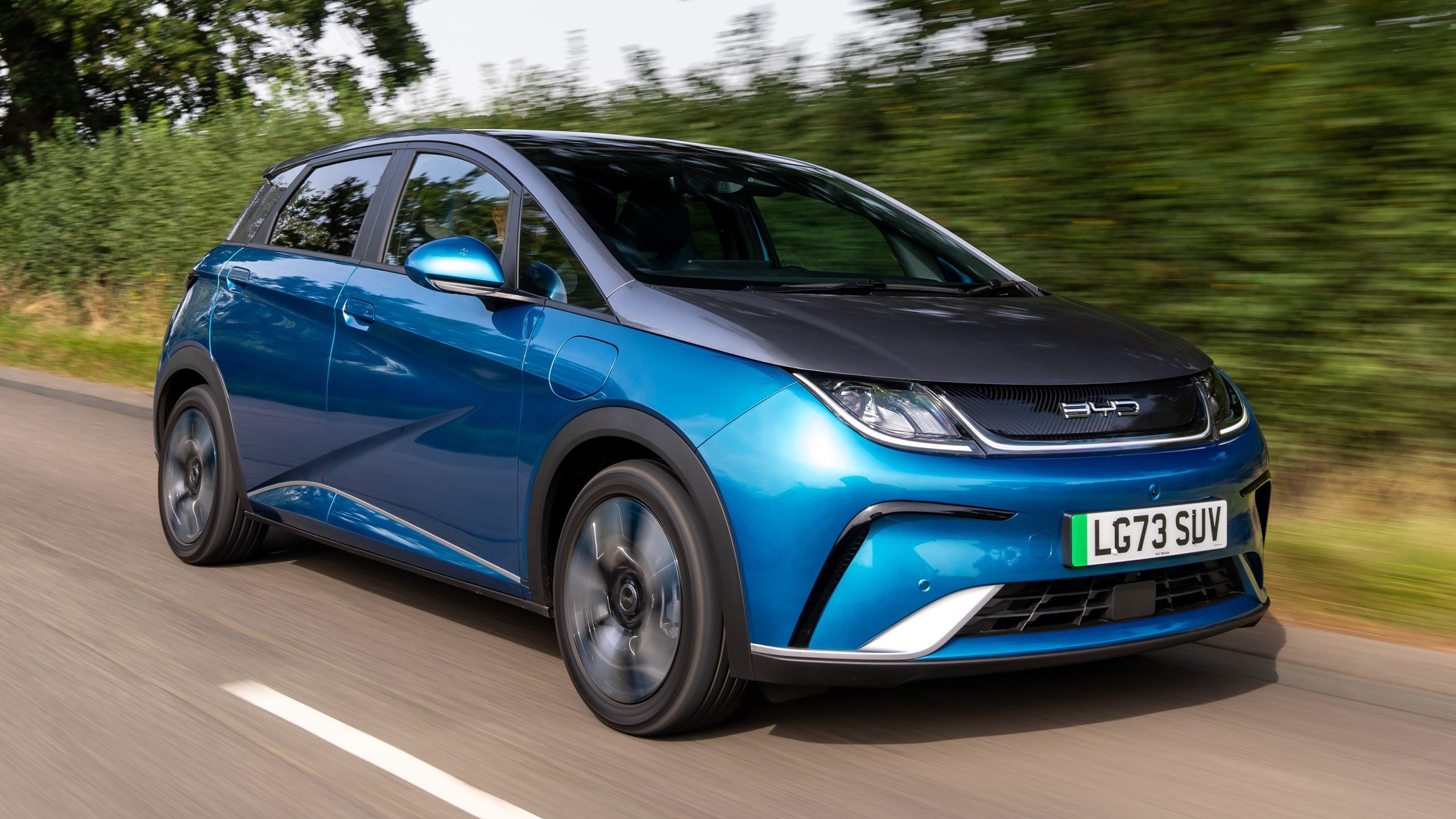
Small cars have not received the same attention in the American EV market as large SUVs, pickups, and premium sedans. That makes the BYD Dolphin an interesting model to watch.
Its compact hatchback body is designed around efficiency, urban usability, and accessible transportation rather than high-end performance.
The Dolphin has become an important part of BYD’s international lineup, with sales in numerous markets outside China. Its relatively small dimensions can make parking easier, while its electric powertrain provides the quiet operation and instant response associated with battery-electric vehicles.
Price is another major part of its appeal. In markets where it is sold, the Dolphin has generally been positioned below many larger electric vehicles, helping demonstrate how manufacturers can bring battery technology into smaller and less expensive cars.
A U.S. launch would present challenges because American consumers have historically favored larger vehicles, while federal safety, emissions, charging, and other requirements would affect the final product.
Still, an affordable small EV could give buyers another option for commuting and city driving, particularly if its price remained competitive after market-entry costs.
9. XPeng G6
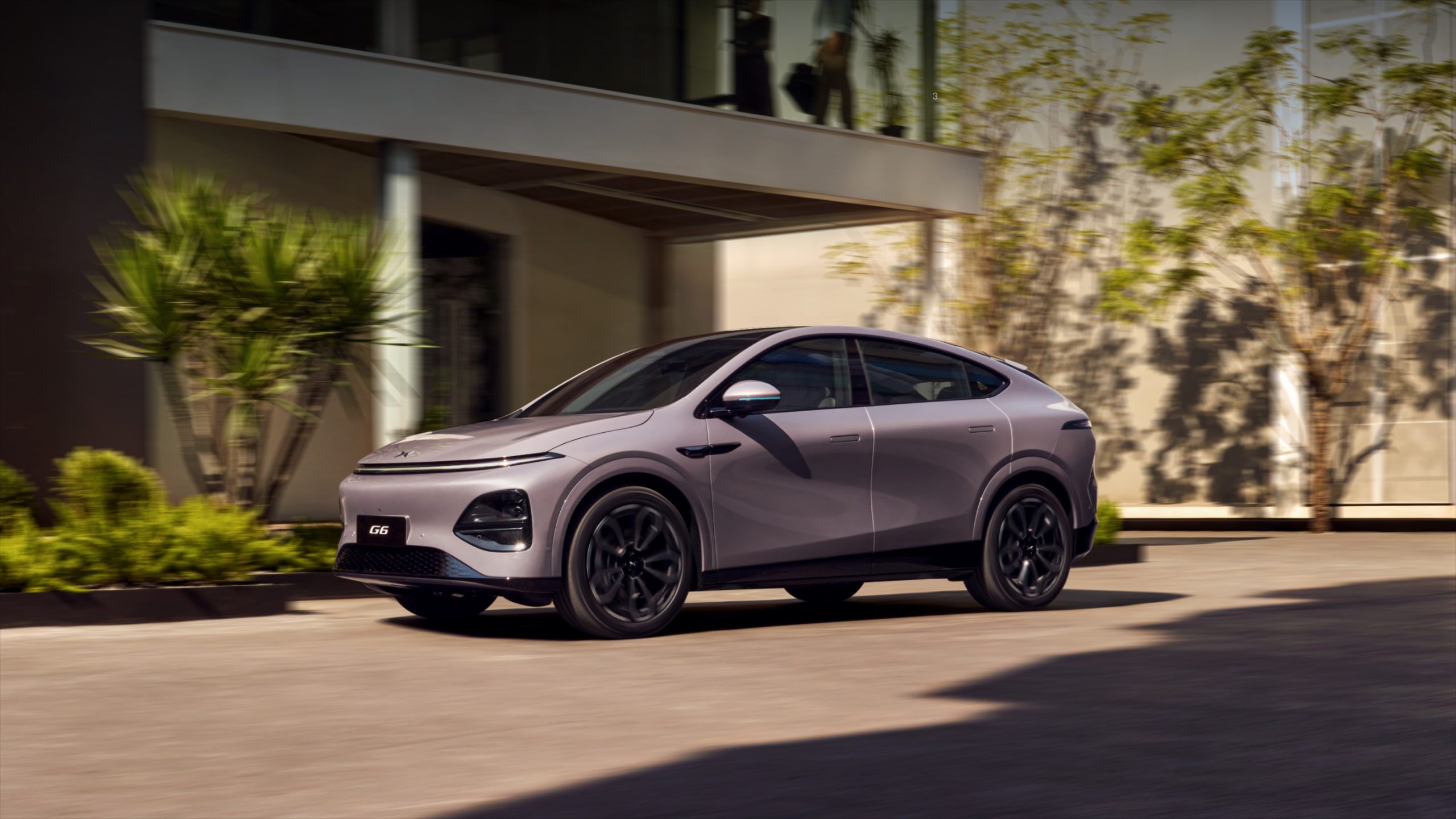
The XPeng G6 enters one of the most competitive parts of the EV market: the midsize electric crossover. Its streamlined exterior is designed to reduce aerodynamic drag, while its cabin focuses heavily on screens, software, connectivity, and driver-assistance functions.
The vehicle has been offered with advanced charging technology and different battery and powertrain configurations depending on the market. Its fast-charging capability is especially relevant for drivers who regularly travel longer distances and want shorter charging stops.
XPeng has built much of its brand around software and intelligent-driving technology, rather than treating electronics as an afterthought. That approach gives the G6 a different character from a basic electric SUV that simply replaces an engine with a battery and motor.
The closest American comparison would likely be the Tesla Model Y and other electric crossovers in the same size category. A U.S. launch would require much more than importing vehicles, though.
XPeng would need an extensive sales, service, charging, parts, and support structure to earn consumer confidence. The G6’s hardware may attract attention, but a dependable ownership network would be just as important.
10. Xiaomi SU7
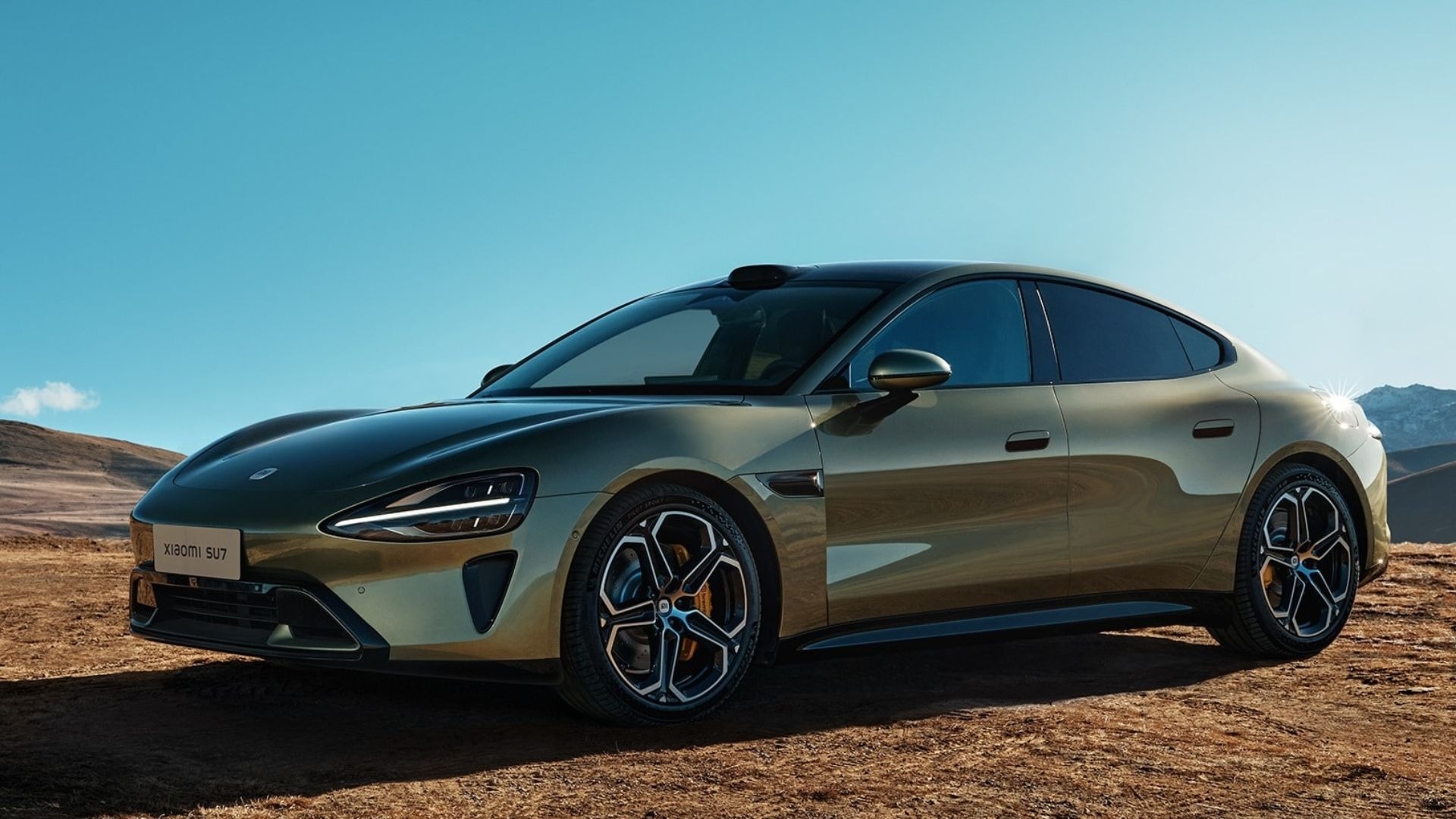
Xiaomi entered the automotive business from a very different starting point. Known internationally for smartphones, consumer electronics, software, and connected devices, the company brought that technology background into the SU7 electric sedan.
The result is a car designed with a strong emphasis on digital integration. Its sleek exterior gives it a performance-oriented appearance, while different powertrain versions offer varying levels of acceleration, range, and capability.
The cabin connects closely with Xiaomi’s broader technology ecosystem, creating an experience that will feel familiar to consumers already using the company’s devices.
The SU7 also shows how competition in electric vehicles is expanding beyond traditional car manufacturers. Software, connectivity, computing power, and user interfaces are becoming increasingly important parts of the ownership experience.
For American consumers, a U.S.-market SU7 would raise questions about how a consumer-electronics company could compete with established automakers.
Its arrival would also place more attention on the connection between smartphones and automobiles. Whether Xiaomi could bring its pricing and technology advantages to the United States would depend on regulatory approval, market-access conditions, production arrangements, and a workable sales and service network.
11. BYD Sealion 7
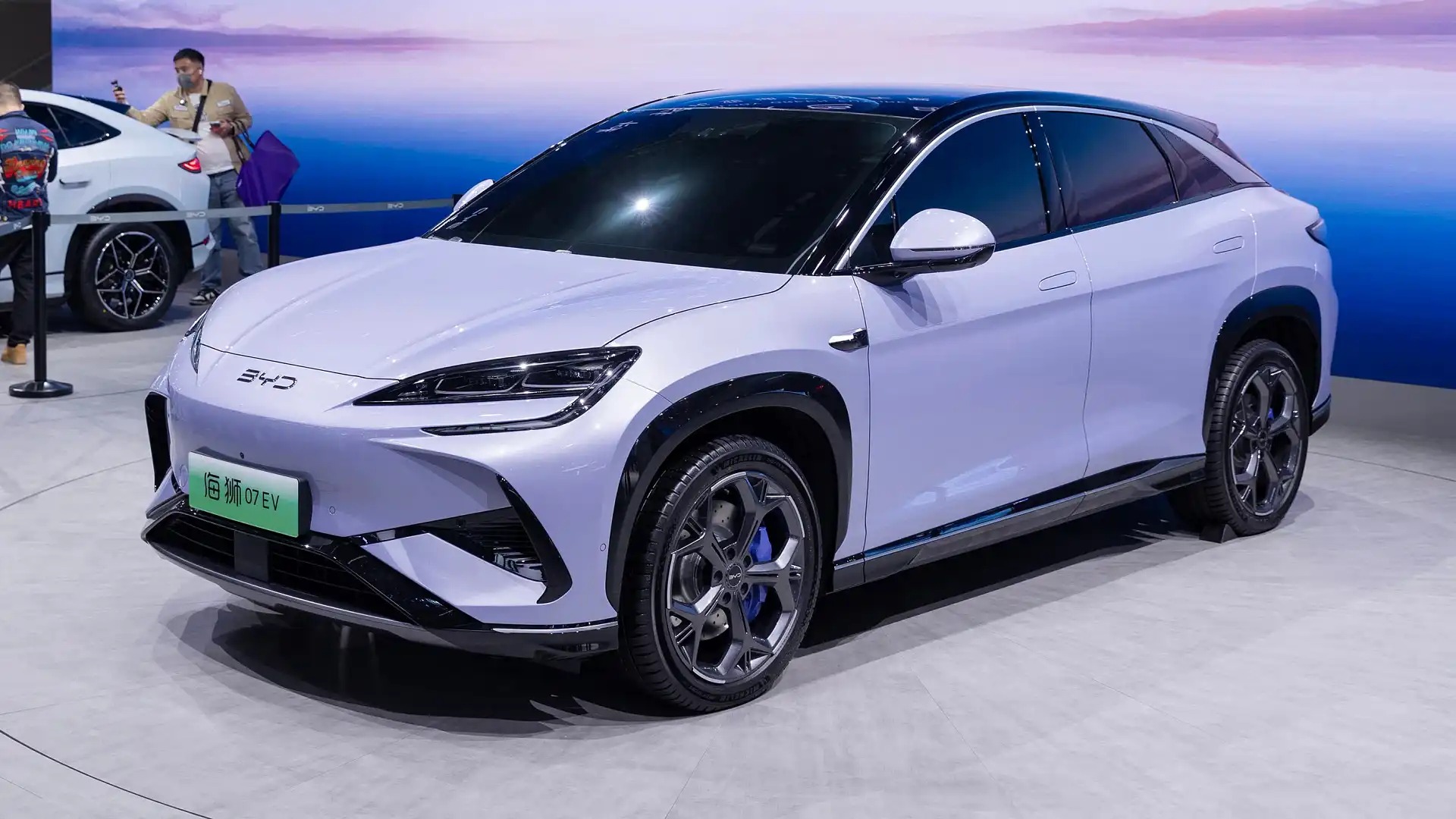
SUV buyers who like the sleek appearance of a fastback may find the BYD Sealion 7 particularly appealing. Rather than using the boxy shape associated with traditional utility vehicles, the crossover combines a raised driving position with a sloping roof and aerodynamic body.
The Sealion 7 is offered with different powertrain configurations, including dual-motor all-wheel-drive versions. Depending on specification and market, power, battery capacity, charging performance, and range can vary considerably.
Its appeal is easy to understand. Buyers get the sporty appearance of a performance-oriented vehicle while retaining the passenger space and cargo flexibility of an SUV. This combination has become increasingly popular in markets around the world.
For the United States, the Sealion 7 would sit in a crowded category filled with electric crossovers from American, European, Korean, and Japanese manufacturers.
Its presence could give buyers another choice while putting pressure on established brands to compete on battery technology, equipment, performance, and pricing.
The vehicle also benefits from BYD’s experience producing batteries and electric drivetrains in-house. That vertical integration can give the company greater control over important components used throughout its EV lineup.
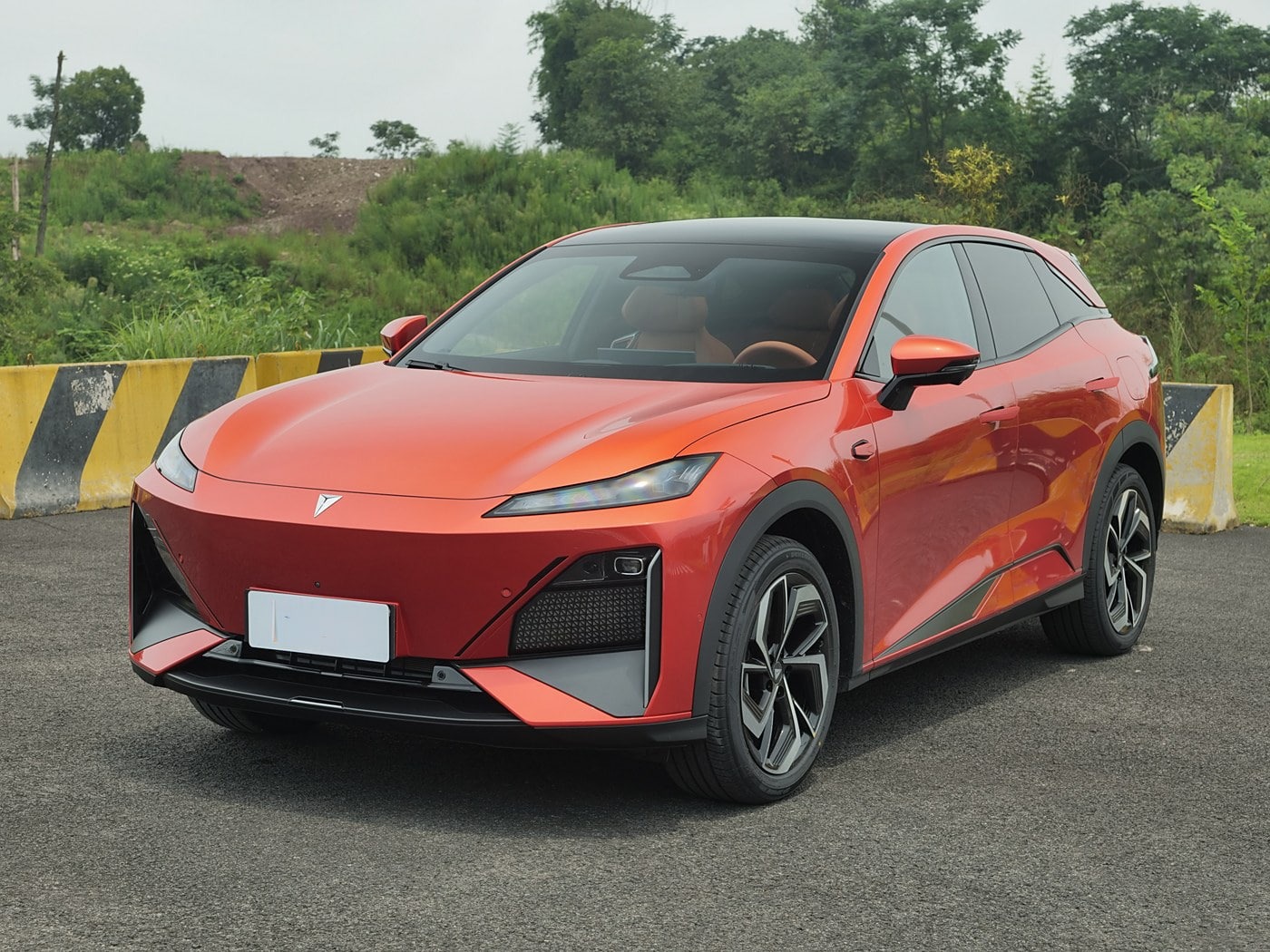
12. Deepal S07
The Deepal S07 combines several trends that are shaping the modern electric SUV market, including sleek styling, extensive onboard computing, electric power, and advanced driver-assistance technology.
It is a midsize SUV designed for buyers who want technology without giving up the familiar practicality of a family vehicle. The 2026 battery-electric version can produce up to 190 kW and is quoted with as much as 630 kilometers of CLTC range, depending on configuration.
Certain versions also offer Huawei’s Qiankun ADS 4 Pro driver-assistance system, adding another layer of advanced electronic capability.
Deepal has also been developing its presence outside China, making the S07 part of a broader international strategy rather than a vehicle built solely for its domestic market.
If the model ever reaches American dealerships, its closest competition would likely come from midsize electric crossovers that emphasize technology and software.
Buyers would need to consider the same practical issues they would with any unfamiliar brand, including service coverage, parts availability, warranty support, charging compatibility, and long-term resale value.
The S07 shows how Chinese manufacturers are combining familiar SUV practicality with increasingly sophisticated electronics and electric powertrains.