
Most stolen cars do come back, but where you live changes the odds dramatically. Estimates vary by dataset, from roughly one in five to about 57% recovered, and the gap between states is enormous. Alabama recovered only 10.70% of stolen vehicles from 2020 to 2024, while Alaska recovered 83.26%. Recovery depends on reporting speed, license-plate reader coverage, and how easily thieves can move a vehicle out of reach.
One important caveat is that no public source ranks individual cities by vehicle recovery rate, so this should not be treated as a measured ranking. Instead, the list highlights ten cities located in states and regions with low recovery rates or along export corridors where stolen vehicles can disappear quickly.
The order is therefore a reasoned approximation rather than a definitive ranking. Portland, for example, publishes recovery percentages by make and model. Whenever the list relies on inference rather than directly reported data, that distinction is noted.
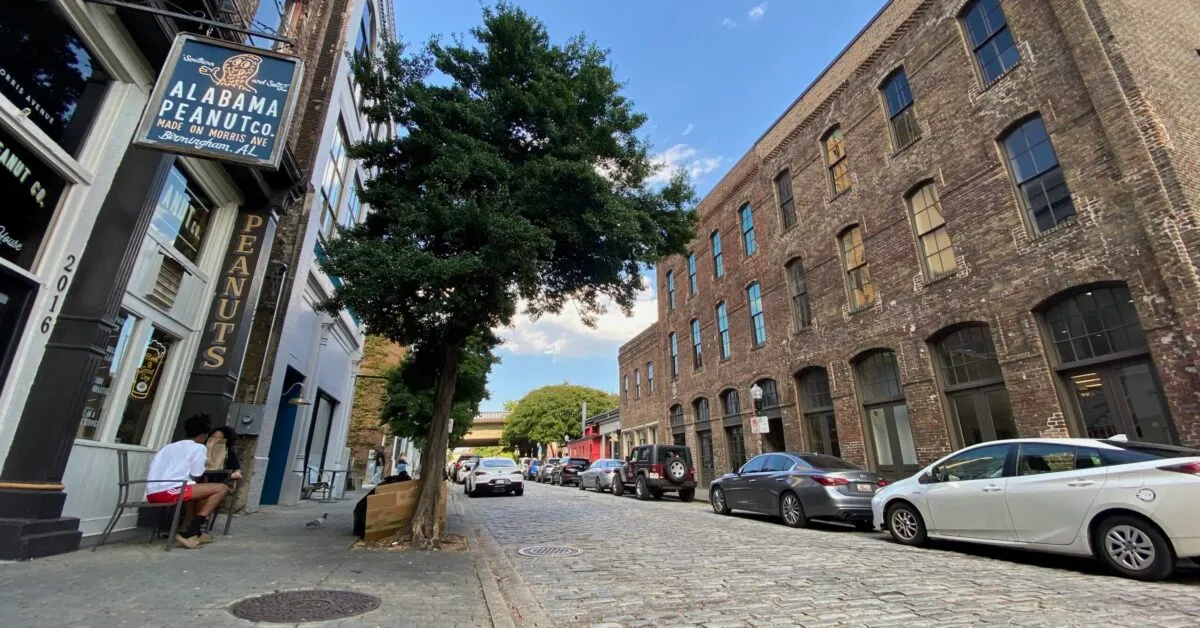
1. Birmingham, Alabama
Birmingham sits in the state with the weakest measured recovery record in the country. Alabama recovered only 10.70% of stolen vehicles between 2020 and 2024, the lowest among states analyzed.
No city-level figure is published for Birmingham, so its place here is inferred from that statewide result, and the local number could be higher or lower. Still, as Alabama’s largest metro and a junction of several interstates, it is a reasonable place to expect few cars to come home.
Several factors may contribute to the situation. Interstate highways allow a thief to cross into another jurisdiction within hours, and once a stolen vehicle leaves the reporting agency’s area, the chances of a license plate reader detecting it may decrease.
Speed also matters because the NICB says that promptly reporting a theft can improve the chances of recovery. Limited license plate reader coverage or stretched police resources could create additional challenges, although there is no Birmingham-specific data here confirming either factor.
For Birmingham drivers, the first hours are critical. Report the theft immediately with your VIN and plate, and call your insurer. Cars recovered within 24 hours are most likely to be intact, and after 48 hours the chop-shop risk rises sharply. A hidden GPS tracker or factory telematics is probably the best single investment, since tracked vehicles are recovered far more frequently and much faster.
Visible deterrents such as steering-wheel locks, plus parking in lit, camera-covered lots, add another layer. Ask your insurer whether comprehensive coverage and gap protection apply, since an unrecovered car can leave a loan balance behind.
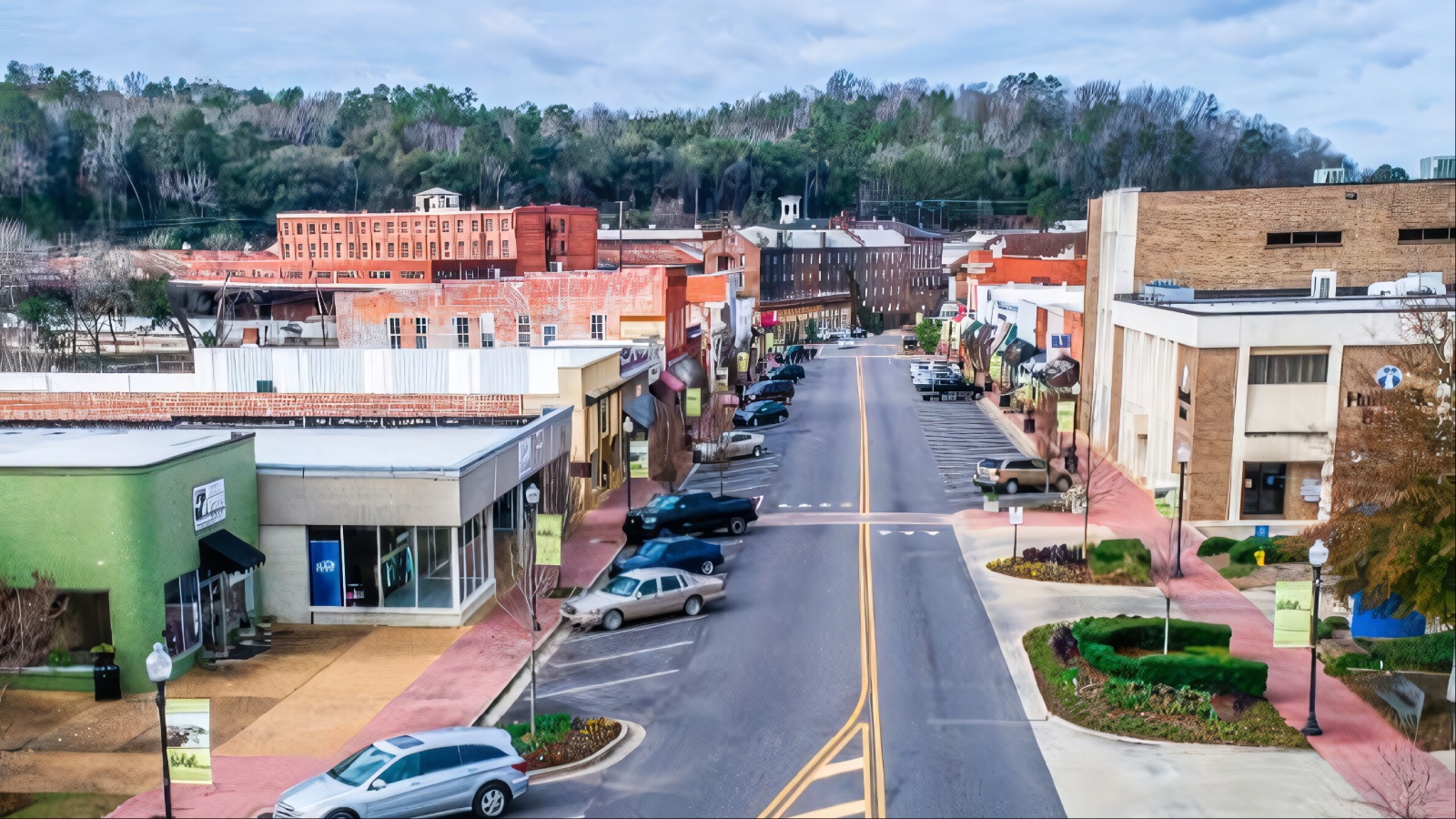
2. Montgomery, Alabama
Montgomery faces the same statewide disadvantage as Birmingham. Alabama had the lowest recovery rate among the states studied from 2020 to 2024, at 10.70%. That figure applies to the state, not Montgomery, so the city’s position on this list is based on inference.
Montgomery is a mid-sized city where I-65 and I-85 intersect, providing quick routes toward Atlanta, Birmingham, and the Gulf Coast. A stolen vehicle could potentially cross several jurisdictions before authorities have an opportunity to locate it.
Mid-sized departments often juggle violent crime, staffing gaps, and limited technology budgets, and auto theft can slip down the priority list. Nationally, the FBI’s clearance rate for motor-vehicle theft is only about 8 to 12 percent, the lowest of any major property crime, so investigators rarely find the thief and the car together.
Places that use plate readers widely and coordinate closely with the NICB tend to recover a higher share, so gaps in either would matter here.
The most preventable problem is also the most overlooked. More than 100,000 vehicles, about 11% of US thefts, were stolen with keys or fobs left inside in 2021. Montgomery drivers can cut their exposure by never leaving a fob in the vehicle, avoiding remote starts while unattended, and locking doors even in the driveway. Add a tracker, keep your VIN and photos somewhere accessible, and call police and your insurer immediately if the car disappears.
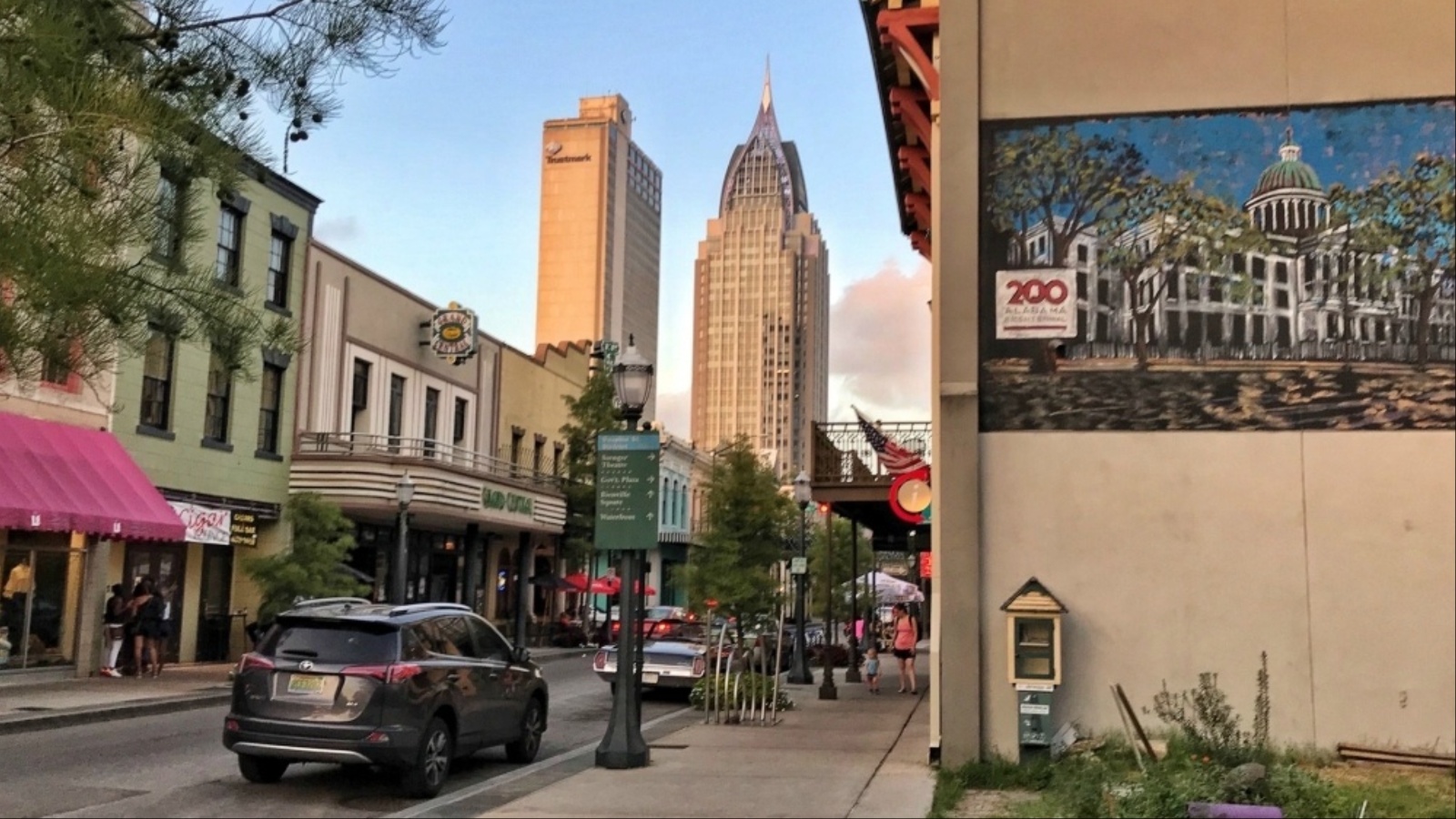
3. Mobile, Alabama
Mobile combines two factors that may increase the risk of unrecovered vehicle theft. It is located in the state with the lowest measured recovery rate, while its status as a port city may provide additional opportunities for stolen vehicles to leave the area. Alabama recovered just 10.70% of stolen vehicles between 2020 and 2024.
Separately, areas near major seaports and international land borders tend to lose more vehicles to export, which can reduce recovery rates regardless of local policing. No published statistic specifically measures Mobile’s recovery rate, so its placement here should be treated as a reasoned estimate rather than a direct measurement.
The export angle matters because a car headed for a shipping container is not abandoned on a side street like a joyride victim. Once a vehicle is loaded, the ordinary recovery pathways, such as a patrol officer spotting it or a plate-reader hit, stop working.
A significant minority of stolen cars are never found, especially those taken by organized rings for parts stripping or export, while joyrides are typically found within days. Which type of theft dominates Mobile is unknown to me.
For owners, speed and documentation are the best defenses. Report the theft at once, and give police the VIN, plate, color, and any distinguishing marks so the record is easy to share with other agencies and the NICB. Keep dated photos of the car, including interior details.
A tracker with real-time location can be decisive. Owners of trucks and SUVs, which are commonly targeted for parts, should be especially careful about parking overnight in unsecured lots or open driveways.
4. New York City, New York
New York had the second-lowest state recovery rate, at 16.85% for 2020 to 2024. New York City dominates the state’s population and vehicle volume, so it is a natural candidate here, although the statewide figure blends the city with upstate areas and I can’t split them. Recovery numbers in dense cities can also be distorted by differences in how thefts and recoveries are reported and matched, so treat any single percentage cautiously.
Regional data point the same way. One analysis found the best rates for returned vehicles in the Midwest (24%), with the worst in the Northeast (14%).

The New York-Newark-Jersey City metro area also recorded 27,138 stolen cars in 2025, the second-highest total nationally, which means investigators are stretched across a very large caseload. Dense parking and the sheer number of exit routes likely make quick discovery harder than in smaller cities, though that part is my inference.
Even when a car returns, the bill can sting. A ValuePenguin analysis of 2018 data found repair costs after recovery were highest in the Northeast, at a typical $2,668. New Yorkers should carry comprehensive coverage, photograph the car regularly, and report thefts immediately to both police and insurer.
Garages and monitored lots reduce risk more than street parking, and a hidden tracker offers the best chance of locating a vehicle before it is stripped, driven out of state, or loaded onto a shipment.
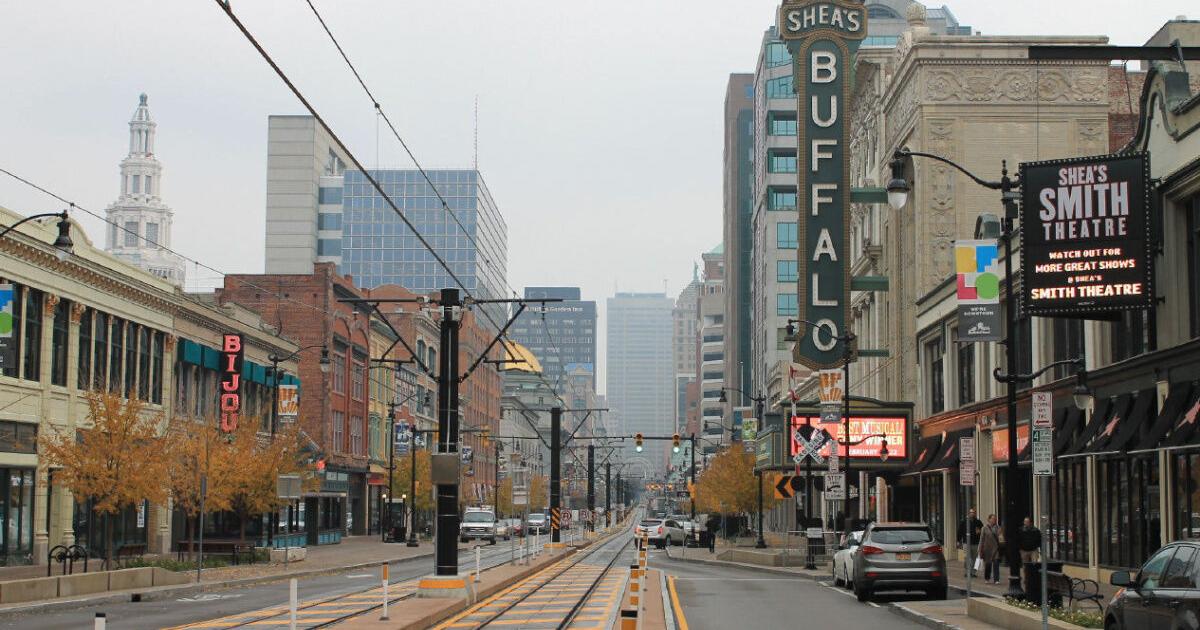
5. Buffalo, New York
Buffalo is located in the state with the second-lowest recovery rate, at 16.85% from 2020 to 2024. It also has an additional factor that sets it apart from many other New York cities, with an international land border only a short drive away.
Areas near borders and major seaports tend to lose more stolen vehicles to export, which can reduce recovery rates regardless of local policing. Because there is no published recovery data specific to Buffalo, its position on this list is based on inference, and the city’s actual results may be better than the statewide average suggests.
Being close to an international border can give thieves additional options. A stolen vehicle could be driven across the border quickly or taken to a staging location and shipped later, potentially keeping it out of the databases local officers rely on
Winter weather could have mixed effects. Colder conditions might reduce some opportunistic theft, while heavy snow could leave abandoned vehicles hidden for days and make searches more difficult. These points are speculative rather than measured findings, so they should be viewed as factors worth considering rather than firm conclusions.
The practical lesson is to shorten the window between theft and detection. One analysis found it takes an average of 11 days for a stolen car to be recovered, long enough for damage or stripping. Buffalo owners can narrow that window by reporting immediately, enabling any manufacturer app that shows vehicle location, and installing a hidden tracker.
Lock the car every time and take fobs inside. Save your VIN, plate, and insurer’s claim line in your phone so nothing slows the first call. If your car is found, inspect the ignition and locks before assuming everything is fine.
6. Atlanta, Georgia
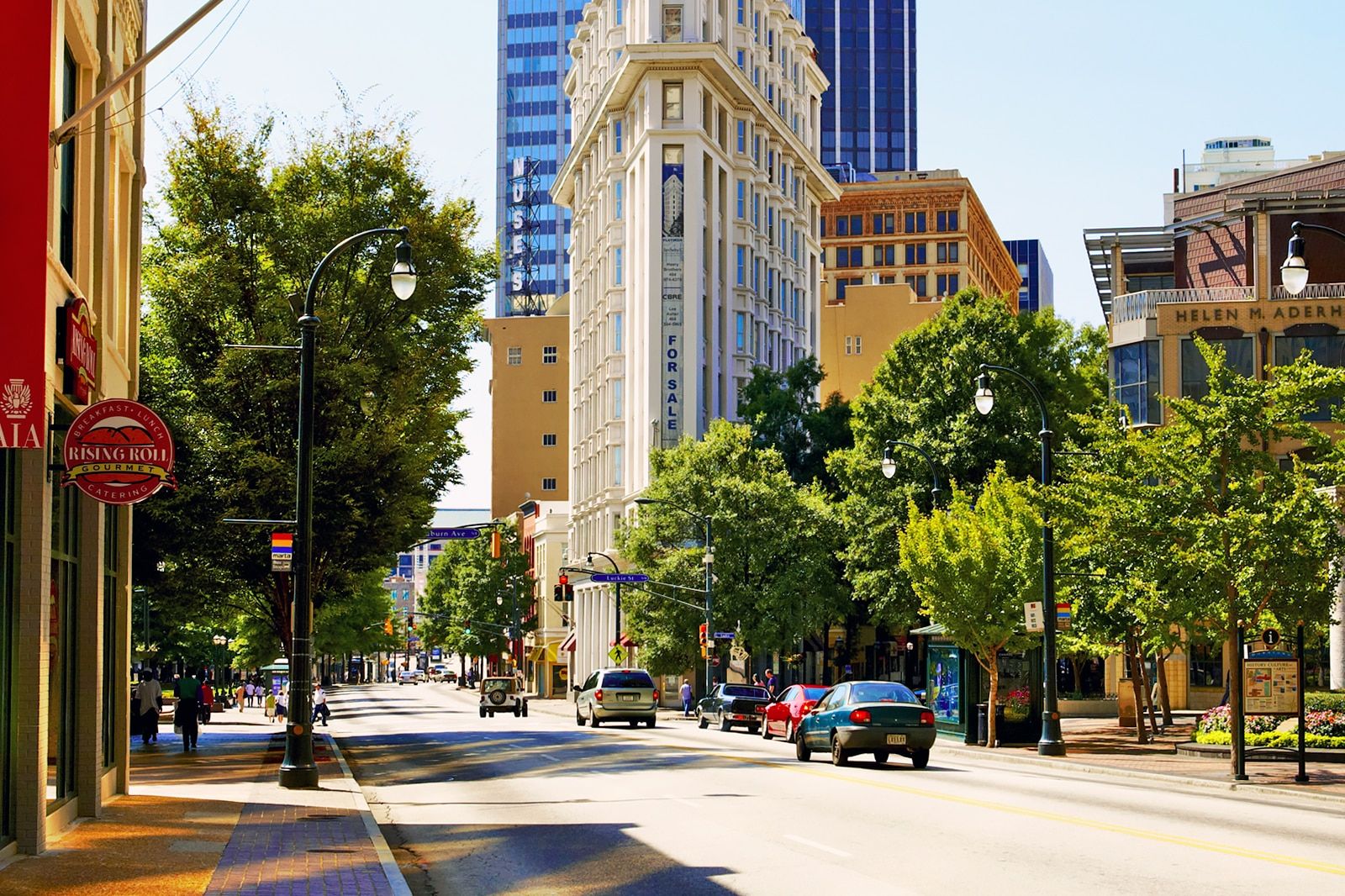
Georgia had the third-lowest recovery rate among states studied, at 21.17% for 2020 to 2024, and Atlanta is its dominant metro and transportation hub. Again, no dataset I found gives Atlanta’s own recovery rate, so this placement is inferred from the state result and the city’s role as a crossroads of major interstates. The region is large, sprawling, and car-dependent, which offers thieves both abundant targets and plenty of escape routes.
Solving the crime is a separate problem from recovering the car, and both are hard. The clearance rate for vehicle theft is only about 8 to 12 percent, meaning 88 to 92 of every 100 stolen cars never lead to an arrest.
In a sprawling metro with many overlapping police agencies, a stolen car can cross county lines quickly, and information may not travel as fast as the vehicle does. Strong plate-reader networks and NICB coordination tend to help, so agency cooperation matters as much as any single department’s effort.
Atlanta drivers should assume speed is their responsibility. Report immediately, provide the VIN and plate, and ask police to enter the vehicle into the national database. Cars recovered within the first 24 hours are most likely to be intact, and the chance of stripping rises after two days.
Park in secured decks where possible, keep fobs away from doors at home, and add a hidden tracker. Keep your insurance card and comprehensive coverage details in your phone so a claim can begin the moment you notice the car is gone.
7. Savannah, Georgia
Savannah pairs Georgia’s low statewide recovery rate, 21.17% for 2020 to 2024, with one of the country’s busiest container ports. That combination is why it earns a place here. Areas near major seaports lose more vehicles to export, which lowers their recovery rates regardless of policing. I found no Savannah-specific percentage, so this is an informed guess rather than a measured result.
Port cities matter because they create a fast exit. A stolen car placed in a container may leave the country before the owner has finished filing a report, and recovery becomes far harder once it’s overseas. Most car thefts are opportunistic joyrides, and those cars usually reappear within days, but the organized export trade takes the vehicles that drive recovery rates down. The proportion is unknown for Savannah, and it may well be modest.

Owners can improve their odds with a few habits. Report the theft immediately so the vehicle can be flagged as early as possible, and provide the VIN and a precise description. Keep purchase records, service invoices, and dated photos that prove ownership.
Trackers are particularly valuable in port cities because they can reveal a vehicle heading toward a shipping facility. Higher-value trucks and SUVs deserve extra protection, such as garage parking and steering-wheel locks, because they are the vehicles most often targeted for parts or export, according to general theft patterns.
8. Newark, New Jersey
Newark is an inference from geography rather than a statistic. The New York-Newark-Jersey City metro area recorded 27,138 stolen vehicles in 2025, the second-highest total nationally, and New York State posted the second-lowest state recovery rate at 16.85%.
New Jersey itself was not in the figures I found. Add the Northeast’s reputation for weaker return rates and one of the country’s largest container port complexes next door, and Newark becomes a plausible low-recovery city.

The regional evidence is suggestive. One analysis put the Northeast at 14% recovery, the worst region, versus 24% in the Midwest. The port matters because seaport areas lose more vehicles to export. Together, high volume, overlapping jurisdictions, and a giant shipping terminal create conditions in which a car can disappear faster than a report can travel through the system.
For Newark-area drivers, the takeaway is to plan for a low-probability recovery. Buy comprehensive coverage, confirm what your policy pays for a total loss, and ask your lender about gap protection if you owe more than the car is worth.
Garages generally beat street parking. Report immediately to local police and your insurer, provide the VIN and plate, and add a tracker. Store keys and spare fobs inside your home, not in the car. If a car is recovered, expect possible damage, since thieves often strip parts or vandalize interiors.
9. Houston, Texas
Houston earns a place through volume and geography rather than a published recovery rate. Houston-Pasadena-The Woodlands ranked in the top five metro areas by stolen vehicles in 2025, and Texas was among the top five states by volume of thefts.
The city also has a major seaport and sits within a day’s drive of the Mexican border, two features associated with export and lower recovery. Nobody I found publishes Houston’s own recovery percentage, so this entry rests on inference.
Volume is a double-edged fact. A huge caseload strains investigators, but large volume alone does not doom recovery. Seattle police, for instance, say approximately 86% of stolen vehicles there are recovered, mostly because thefts are usually for temporary transportation.
That suggests Houston’s outcomes depend heavily on the mix of joyride versus export and parts theft, on plate-reader coverage, and on how quickly cars are reported, none of which I can verify from public data.
Houston owners should treat recovery odds as uncertain and focus on the steps they can control. Report a theft immediately because early reporting can improve the chances of recovery.
Consider using a vehicle tracker, keep your VIN and registration information readily available, and check whether your insurance policy includes rental reimbursement while a claim is being processed.
In a large, car-dependent city, where you park also matters. Well-lit garages with security cameras can provide more protection than open lots. If you are buying a used vehicle locally, run the VIN through NICB VINCheck to help avoid purchasing a stolen vehicle.
10. Laredo, Texas
Laredo is included primarily because it is a major land-border crossing with Mexico. Cities near international borders or major seaports can lose more stolen vehicles to export, which may reduce recovery rates regardless of local policing.
There is no published recovery rate specific to Laredo, and the city may recover many stolen vehicles, particularly those involved in joyride thefts. Its place on this list reflects structural geographic risk rather than a measured recovery figure, making it the entry most strongly shaped by location.

A vehicle stolen near the border can be across it within an hour or two, and once it crosses, ordinary U.S. recovery tools stop working. That is the theory behind low border recovery, and it applies mainly to organized theft rather than casual joyriding.
Texas as a whole ranked among the top five states by theft volume in 2025, so the state’s agencies are busy. Still, coordination with the NICB and plate-reader networks can raise recovery, so results may vary by task force and year.
Laredo residents can reduce their risk by using multiple layers of protection, such as hidden GPS trackers, steering-wheel locks, and garage or gated parking. Report a theft immediately and provide police with the VIN, license plate number, and tracker login if available, since quick reporting can be especially important near a border.
Keep proof of ownership readily accessible and store digital copies securely in the cloud. If the vehicle is recovered, have it inspected before driving because stolen vehicles may have missing parts or damaged ignition systems. For more precise local data, check whether the city police department publishes stolen-vehicle statistics, as Portland does.