
Electric vehicles have changed the conversation around long-term ownership. One of the biggest concerns for used-EV shoppers has always been battery degradation and the possibility that an older electric car will have substantially less driving range than it did when new. New real-world data suggests that concern may be overstated. According to Recurrent’s analysis of more than 1 billion miles of EV driving, the average EV retains about 97% of its range after three years and 95% after five years.
That does not mean every five-year-old EV will have exactly 95% of its original range. Battery condition varies with mileage, climate, charging habits, battery chemistry, and how an automaker calculates the range displayed to the driver. Still, several manufacturers show particularly stable range retention in Recurrent’s data. These nine used EVs are worth considering when the goal is to find an older electric vehicle that can remain close to its original range.
1. Cadillac Lyriq
The Cadillac Lyriq is one of the newer entries in the luxury-EV market, but it deserves attention from used-car shoppers because Cadillac is one of the automakers Recurrent identifies as showing no apparent range loss during the first several years of ownership. That makes the Lyriq an interesting choice for buyers who want a premium electric SUV without necessarily paying new-car prices.
The Lyriq combines a relatively large battery with a comfortable luxury-oriented design. Depending on model year and configuration, its EPA-rated range has been substantial enough that even a modest percentage of degradation does not necessarily make the vehicle impractical. A five-year-old example retaining approximately 95% of its usable range would still provide most of the driving capability it had when new.
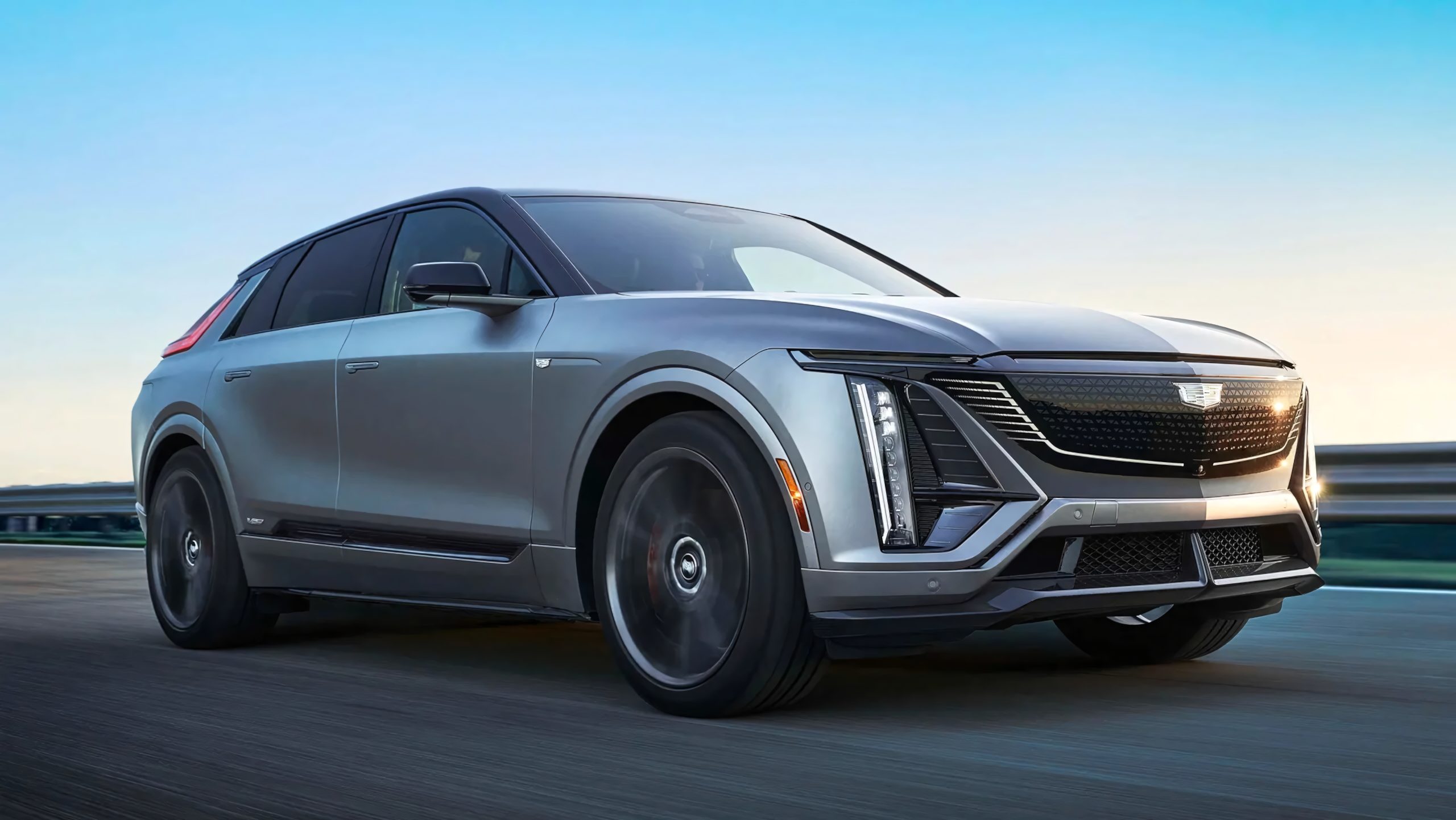
There is another reason to look beyond the number shown on the battery-health screen. Recurrent points out that range retention and battery health are not identical measurements. Automakers can use software, range algorithms, and reserved battery capacity to keep the driver’s displayed range relatively stable even as the cells naturally age.
For used buyers, the Lyriq should therefore be evaluated as a complete vehicle rather than judged solely by its age. A battery-health report, charging history, mileage, service records, and real-world range test can provide a much clearer picture of an individual example.
2. Ford Mustang Mach-E
The Ford Mustang Mach-E is another strong candidate for shoppers interested in an older EV with stable usable range. Ford is one of the five automakers Recurrent specifically identifies as having EVs with no apparent range loss during the first several years of ownership. That is particularly interesting because the Mach-E has been on the market long enough for real-world examples to accumulate meaningful mileage.
The Mach-E also demonstrates why range displayed on the dashboard should not always be interpreted as a direct measurement of battery capacity. Recurrent notes that Ford has used software updates and changes to range calculations during the Mach-E’s life. Those changes can affect what the driver sees without physically changing the battery pack.
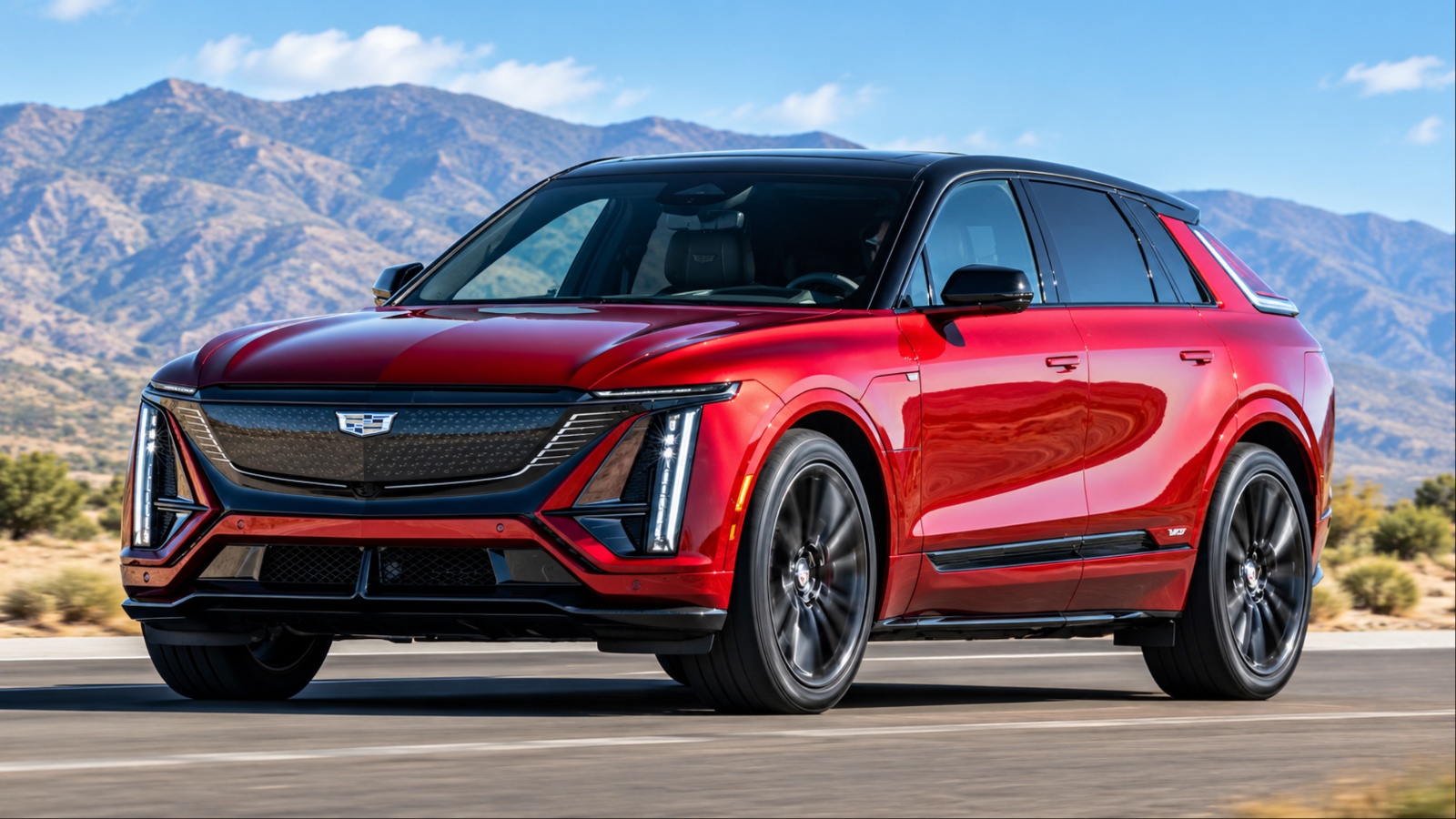
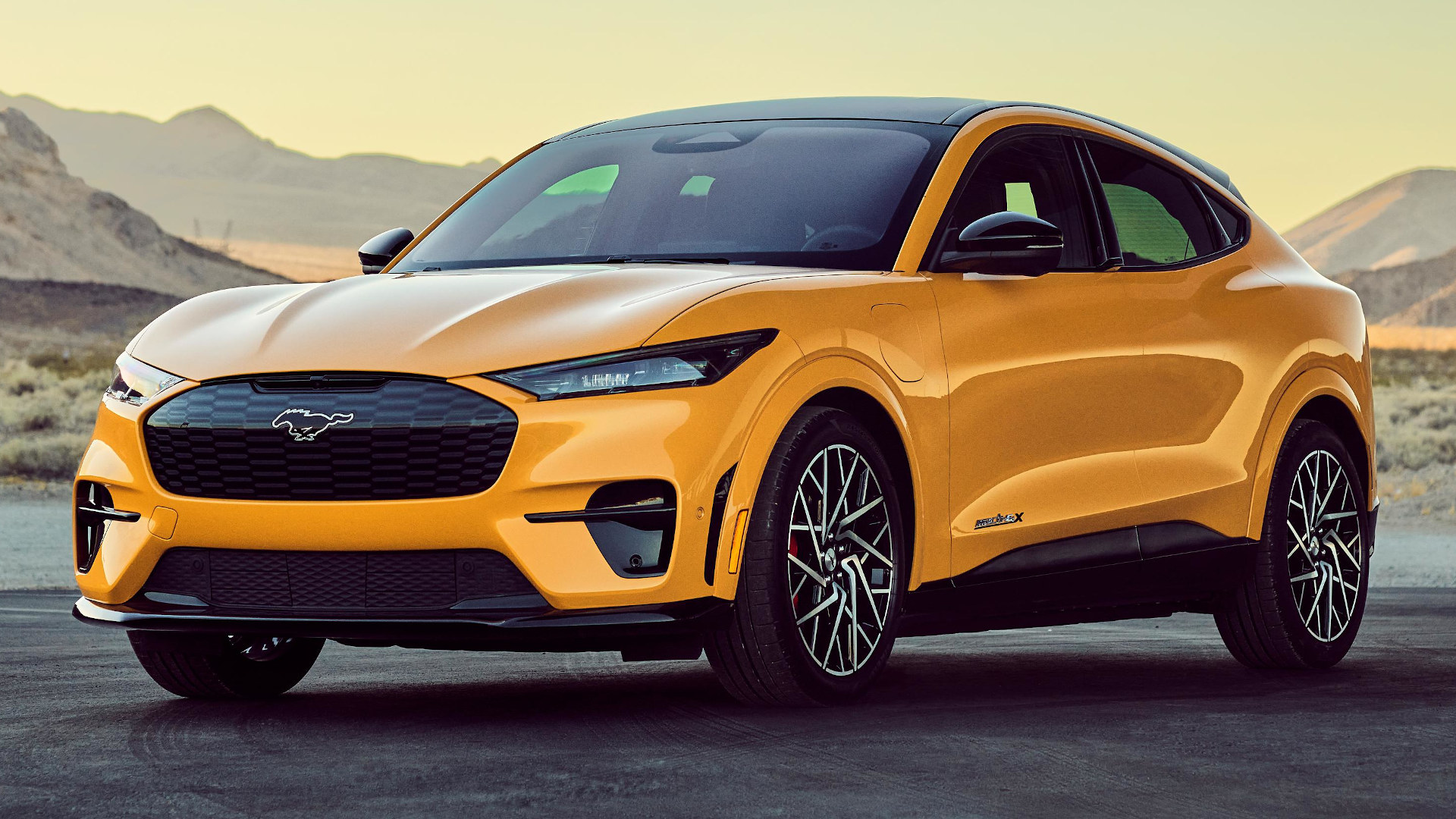
For a used Mach-E buyer, that means the important question is not simply whether the vehicle is five years old. The better question is how the individual vehicle has been used and whether its current real-world range remains appropriate for its configuration.
A healthy five-year-old Mach-E retaining around 95% of its original range would still be highly usable for most daily driving. Even a small loss can be difficult to notice in normal commuting because the vehicle started with a substantial amount of range.
Buyers should still inspect charging behavior, battery condition, mileage, tire condition, and software history before purchasing. Different Mach-E trims also have different battery capacities and EPA ranges, so comparisons should always be made between the same configuration.
3. Ford F-150 Lightning
The Ford F-150 Lightning gives used-EV shoppers something unusual: an electric pickup with a large battery and substantial range. It also comes from Ford, a manufacturer that Recurrent’s range-retention research places among the brands with no apparent range loss during the first several years.
The Lightning’s size means battery capacity is particularly important. A large battery pack allows the truck to absorb a certain amount of capacity loss before the change becomes especially noticeable in everyday driving. A vehicle that originally offered hundreds of miles of range can still provide useful driving distance after several years even if its battery has experienced normal aging.
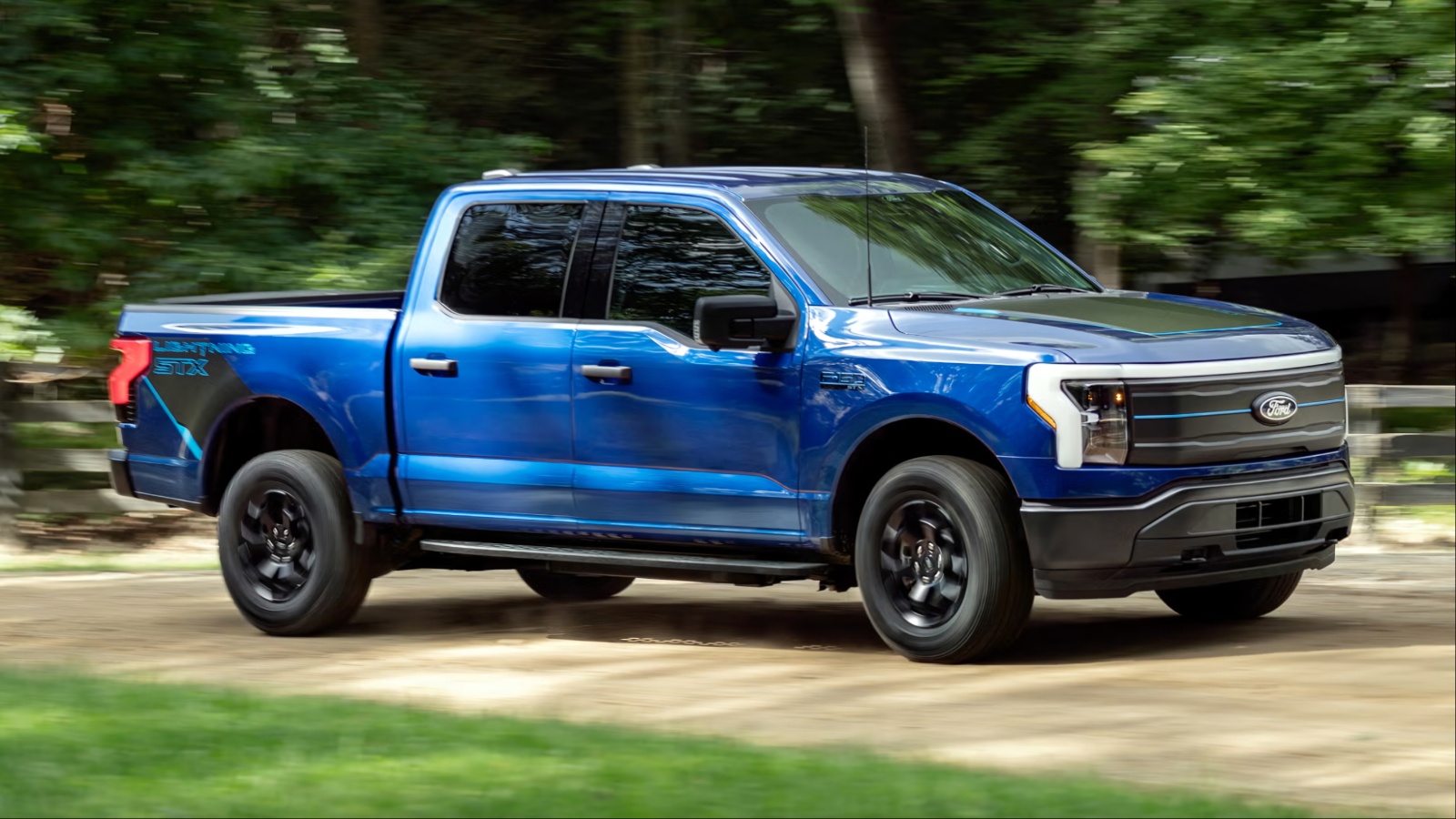
The F-150 Lightning is also a reminder that range retention is not the same thing as battery health. Recurrent’s study specifically warns that a vehicle can show little apparent range loss while its battery is still aging. Software and the way an automaker manages available battery reserves can influence the range displayed to the driver.
Used buyers should therefore inspect the truck’s charging history and battery condition rather than assuming that every five-year-old Lightning will have exactly 95% of its original capacity. Heavy towing and frequent high-power charging can also change how an individual truck performs.
For shoppers who need an electric vehicle capable of carrying passengers, cargo, and towing equipment, the Lightning’s potentially strong long-term range retention makes it an especially interesting used-EV candidate.
4. Hyundai Ioniq 5
The Hyundai Ioniq 5 has quickly become one of the better-known electric crossovers, and Hyundai is one of the five automakers Recurrent identifies as showing no apparent range loss across the first several years of EV ownership.
That finding is particularly useful for used shoppers because the Ioniq 5 combines substantial range with an 800-volt electrical architecture and rapid DC charging capability. The result is an EV that can remain useful for long-distance driving even after several years of ownership.
Recurrent also highlights Hyundai as an example of how software can influence perceived range. Updates to range calculations and other vehicle-management systems can make the displayed driving range remain relatively consistent even while the battery naturally ages.
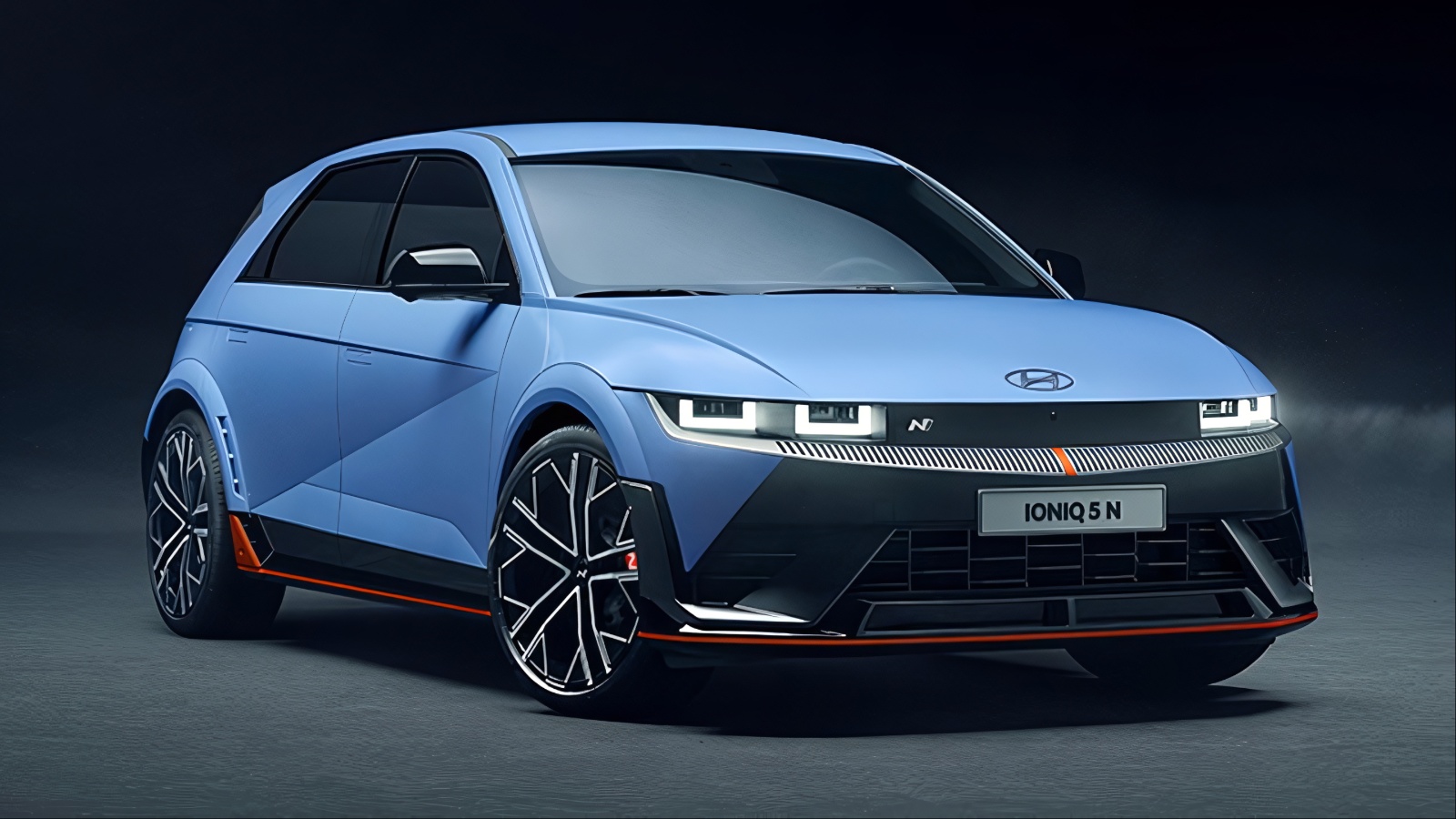
That does not mean every Ioniq 5 will retain exactly 95% of its original range after five years. Driving conditions, climate, charging patterns, mileage, and individual battery condition all matter. A used buyer should obtain a battery-health assessment whenever possible rather than relying solely on the dashboard estimate.
Still, the broader data provides useful context. A five-year-old EV retaining around 95% of its original range is not an unrealistic expectation for the modern EV market. The Ioniq 5 is particularly interesting because its original range was already sufficient for many daily and highway-driving needs.
For buyers considering a used Ioniq 5, battery condition and charging performance should be placed alongside conventional used-car concerns such as suspension wear, tires, brakes, accident history, and software updates.
5. Hyundai Ioniq 6
The Hyundai Ioniq 6 takes the same general electric-vehicle philosophy in a more aerodynamic sedan body. Hyundai’s presence among the manufacturers showing no apparent range loss in Recurrent’s study makes the Ioniq 6 another interesting used-EV candidate.
Aerodynamics matter greatly in an EV because reducing air resistance can improve efficiency at highway speeds. That means an Ioniq 6 with a healthy battery can potentially remain an efficient long-distance vehicle even after years of use.
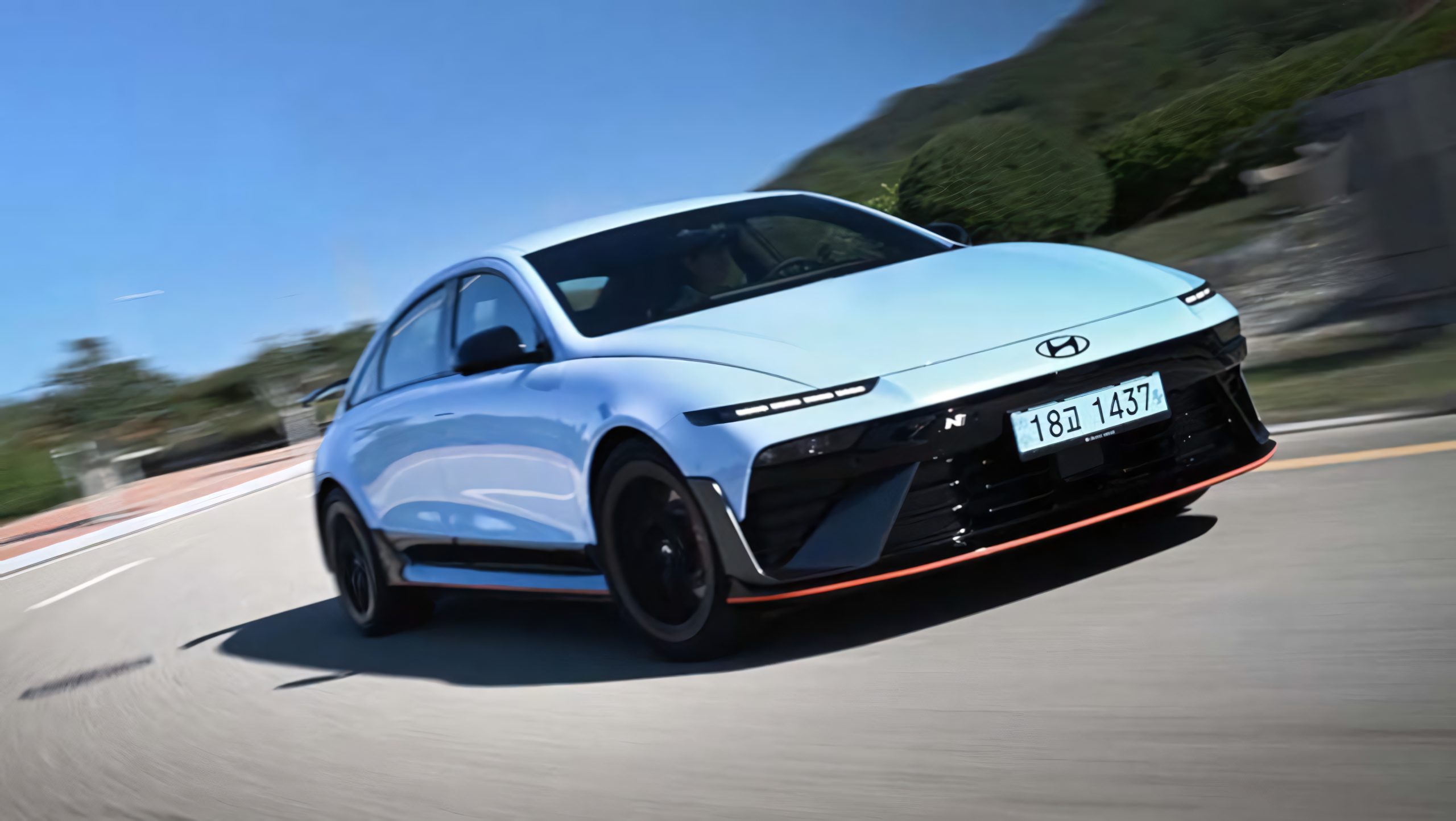
The most important qualification is that the five-year figure should be treated as a broad benchmark rather than a guarantee for every vehicle. Recurrent’s 95% figure describes the average EV, while its manufacturer-level analysis identifies brands with particularly stable apparent range. It does not mean every individual Ioniq 6 will have precisely 95% of its original capability at the five-year mark.
Used shoppers should look for a vehicle with a documented maintenance history and, ideally, an independent battery-health report. Charging behavior is also worth investigating, particularly if the vehicle was used extensively for long-distance driving.
The Ioniq 6’s efficient design makes the distinction between battery capacity and usable range especially important. Even if a battery has experienced normal degradation, the vehicle can continue to deliver useful real-world range because of its efficiency.
For shoppers who prefer a sedan rather than an SUV, the Ioniq 6 provides an interesting alternative. Its combination of aerodynamic design, modern battery technology, and Hyundai’s strong range-retention results makes it worth considering in the used market.
6. Hyundai Kona Electric
The Hyundai Kona Electric is a smaller and generally more affordable way into the used-EV market. Its compact dimensions and efficient electric powertrain make it particularly well suited to commuters who do not need the size of an Ioniq 5 or the luxury positioning of a Cadillac Lyriq.
Hyundai’s inclusion in Recurrent’s group of automakers with no apparent range loss gives the Kona Electric additional appeal for buyers concerned about long-term range. The vehicle has also been available with different battery capacities and specifications over its production run, so used shoppers need to pay attention to the exact model year and configuration.
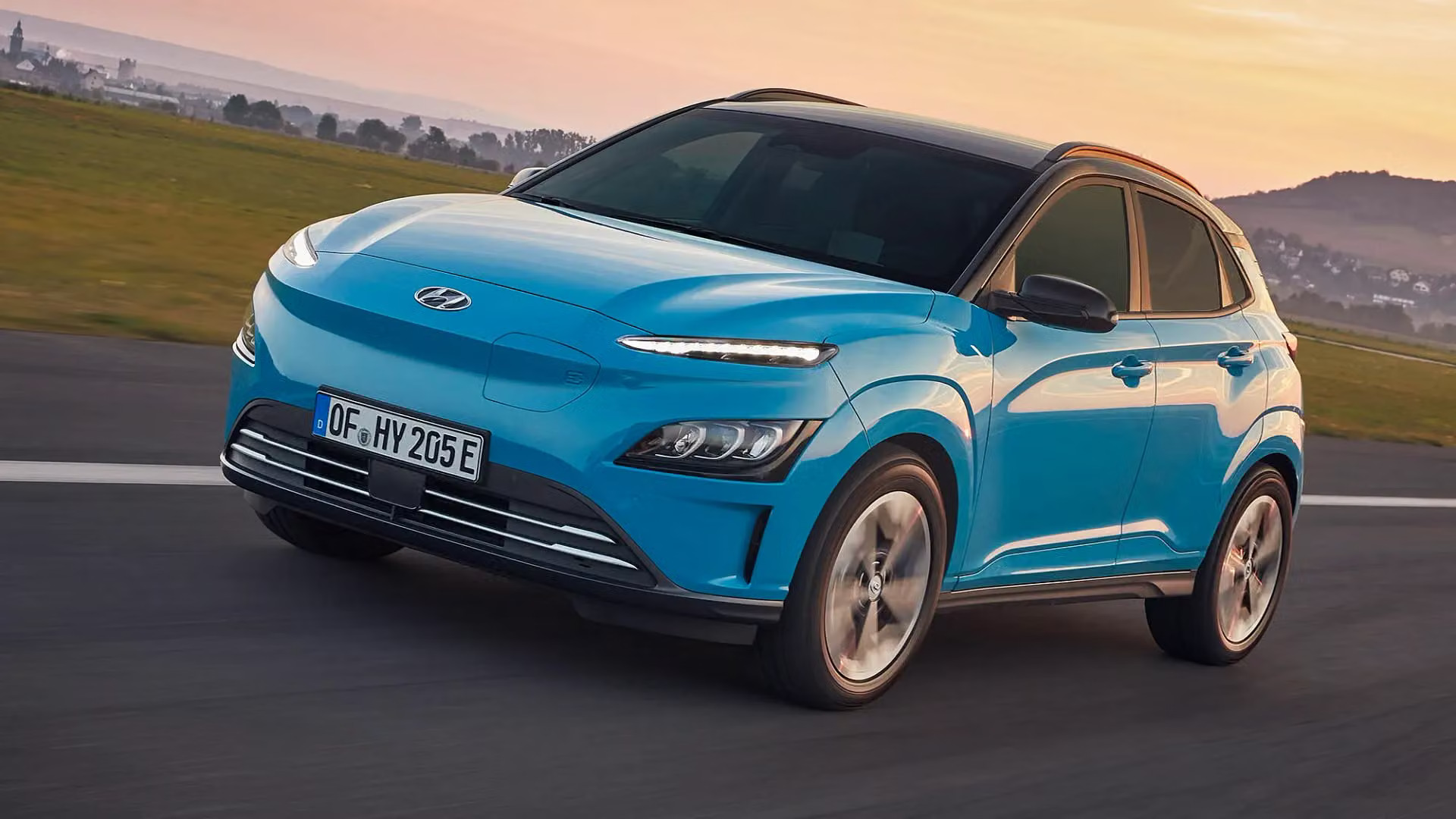
As with every EV on this list, a five-year-old Kona Electric should not automatically be assumed to have exactly 95% of its original battery capacity. The 95% figure comes from Recurrent’s average range-retention analysis. Individual vehicles can perform differently depending on usage and environmental conditions.
The good news is that normal battery aging does not necessarily translate into a dramatic reduction in daily usefulness. A Kona Electric that loses a few percent of its original range can still cover most commuting needs, especially when the vehicle began with enough range for the owner’s routine.
For a used buyer, checking the battery-health measurement, charging performance, tire condition, service records, and accident history is more important than simply looking at the odometer. A well-maintained Kona Electric can offer a practical combination of low running costs, compact dimensions, and strong usable range.
7. Mercedes-Benz EQS
The Mercedes-Benz EQS represents the luxury end of the used-EV market. Mercedes-Benz is one of the five automakers Recurrent identifies as having EVs with no apparent range loss during the first several years, putting the EQS on the radar for buyers looking for long-term range stability.
The EQS was designed as a large luxury electric sedan, with an emphasis on comfort, technology, refinement, and long-distance capability. Its substantial battery pack also gives the vehicle plenty of energy capacity to work with as the battery naturally ages.
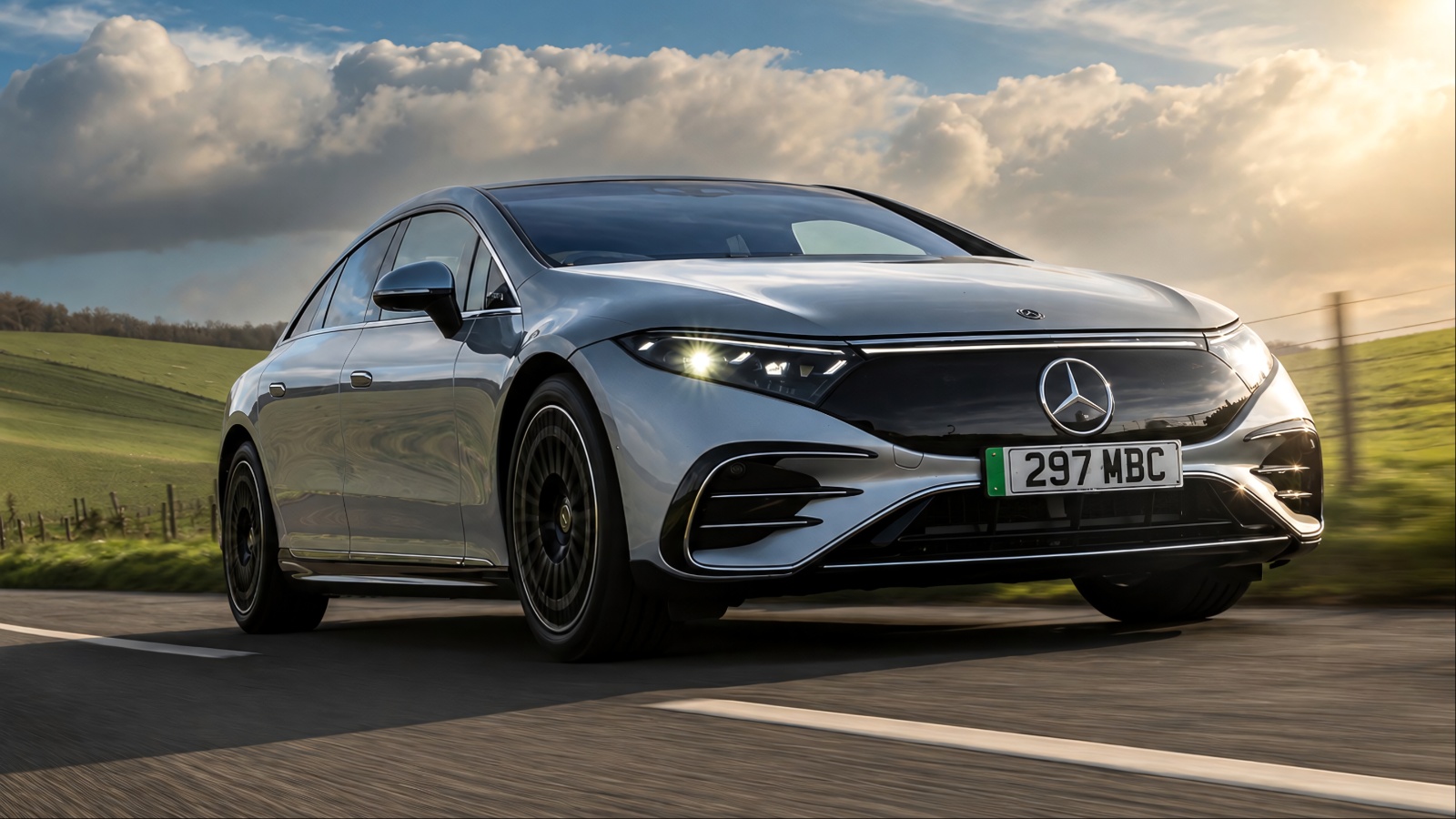
A five-year-old EQS retaining approximately 95% of its original range would still have a substantial amount of usable driving capability. That is particularly relevant for used buyers because depreciation can make expensive luxury EVs considerably more accessible than they were when new.
However, purchase price is only one part of the equation. Buyers should investigate insurance, tires, suspension components, charging equipment, software, and other ownership costs before choosing a used EQS.
Battery condition remains one of the most important inspections. Recurrent emphasizes that displayed range is not identical to battery state of health, meaning a vehicle showing nearly its original range can still have experienced some internal battery degradation.
The EQS therefore makes the most sense for shoppers who evaluate the entire ownership picture. Its strong apparent range retention is encouraging, but a professional pre-purchase inspection and battery-health check remain important before purchasing a used example.
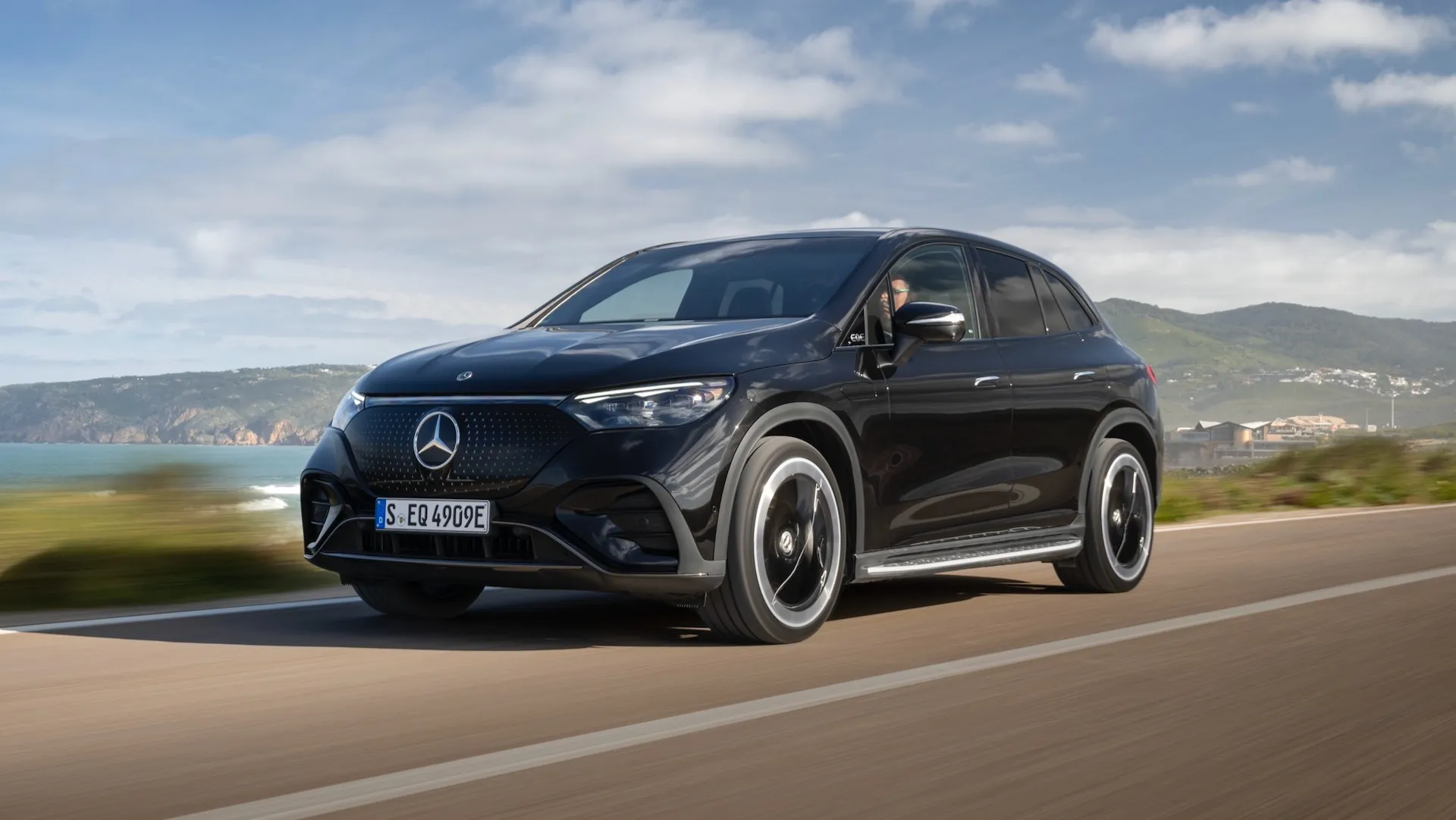
8. Mercedes-Benz EQE
The Mercedes-Benz EQE brings the same luxury-EV concept into a slightly smaller package. Like the EQS, it benefits from Mercedes-Benz’s presence among the manufacturers whose EVs show no apparent range loss over the first several years in Recurrent’s research.
That makes the EQE worth considering for used buyers who want a premium electric sedan but do not necessarily need the larger dimensions of the EQS. Its efficient electric powertrain and sizable battery are also helpful when evaluating long-term range.
The central point for used-EV shoppers is that age alone does not tell the whole battery story. A five-year-old EV can still retain most of its original range, and Recurrent’s research suggests that the average vehicle retains about 95% after five years. Individual vehicles can perform better or worse than that benchmark.
The EQE’s actual condition should therefore be verified rather than assumed. Buyers should request battery-health information, check the vehicle’s charging behavior, examine its service history, and compare the current real-world range with the vehicle’s original specifications.
Luxury EVs can also depreciate considerably, which makes used examples attractive to shoppers who want premium equipment without paying the original purchase price. However, lower acquisition cost does not automatically mean lower total ownership cost.
For buyers who understand that distinction, a used EQE can offer a combination of luxury, quiet operation, advanced technology, and potentially strong long-term range retention.
9. Rivian R1S
The Rivian R1S is one of the most distinctive used EVs on this list. It combines three-row SUV practicality with serious electric performance, making it appealing to families and drivers who want an EV capable of more than simple commuting.
Rivian is also included in Recurrent’s group of five automakers whose EVs show no apparent range loss during the first several years of ownership. That provides useful evidence for used shoppers concerned about whether an older R1S will experience a dramatic reduction in usable range.
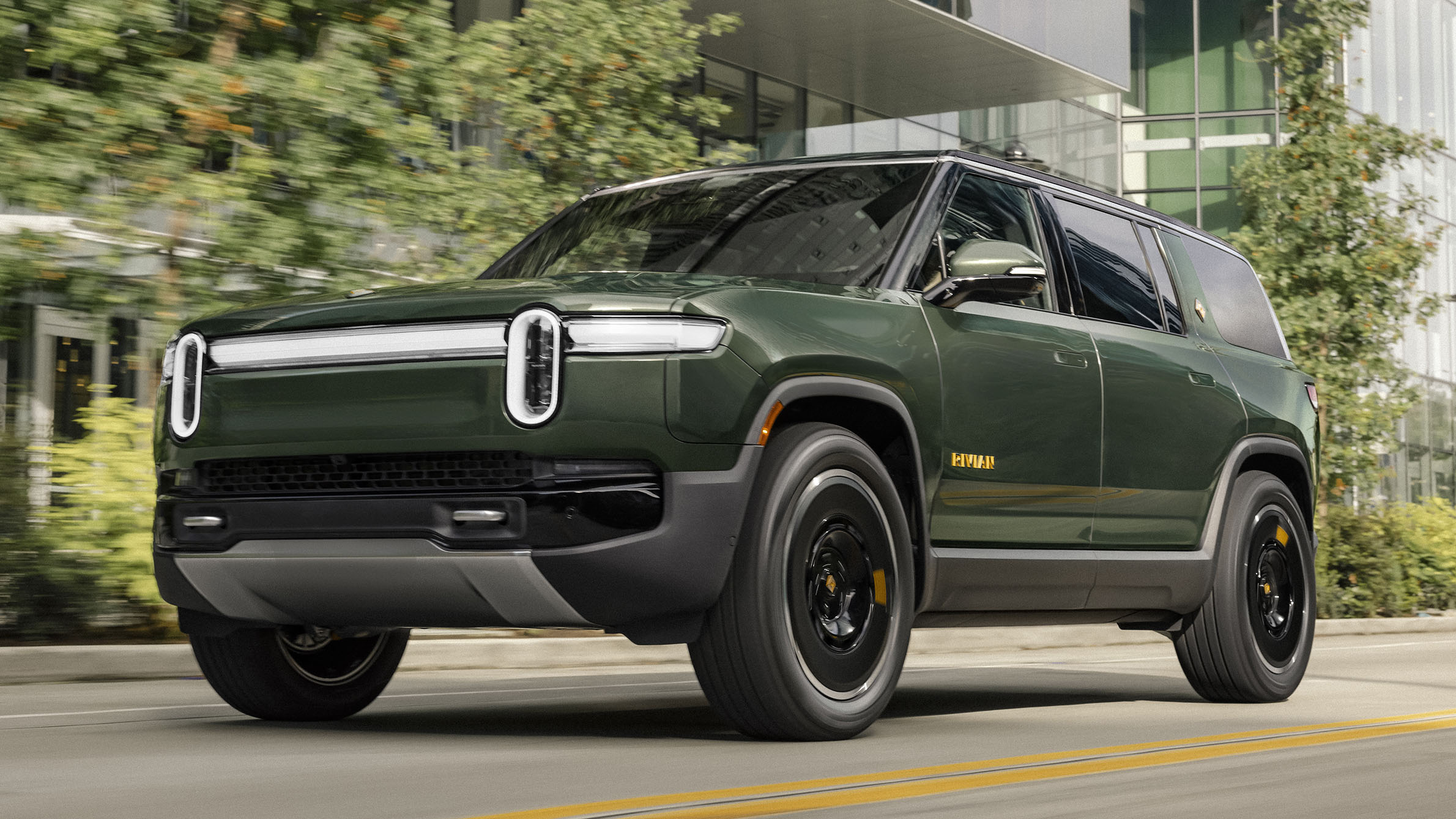
The R1S has a large battery and substantial original range, although specifications vary by battery pack, model year, motor configuration, and trim. Because of those differences, used buyers should compare an individual vehicle with the original specifications for that exact configuration.
A five-year-old R1S will not necessarily have precisely 95% of its original range. Recurrent’s research provides an average benchmark rather than a guarantee. Battery age, mileage, climate, charging habits, and software can all influence the result.
Still, the broader five-year data is encouraging. The average EV retaining about 95% of its range means normal battery aging is generally a gradual process rather than the sudden “range cliff” that some prospective buyers fear.
For a used R1S, battery health should be checked alongside suspension components, tires, underbody condition, charging equipment, and vehicle software. If those areas check out, the R1S can remain a compelling used electric SUV with plenty of useful range years after its original purchase.
