
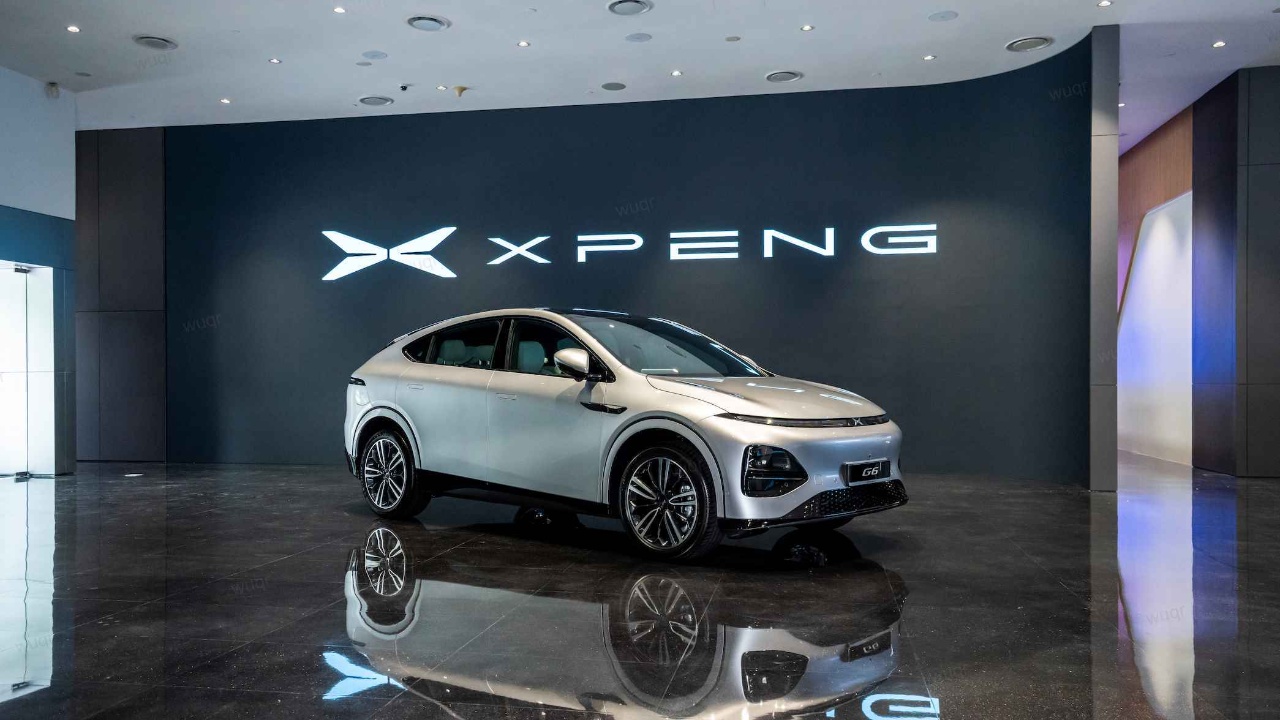
Chinese electric-vehicle manufacturer Xpeng is preparing to expand beyond selling cars by offering its technology to other international automakers, building on the relationship it has already established with Volkswagen.
The company is looking to commercialize a broader portfolio that includes electric vehicle architecture, smart-cockpit systems, artificial-intelligence chips, and driver-assistance software.
The strategy could give Xpeng a new source of revenue at a time when China’s EV market remains intensely competitive. Instead of relying exclusively on vehicle sales, Xpeng wants to turn some of the technology developed for its own vehicles into products that other automakers can license or integrate into their vehicles.
Reuters reported on September 17 that Xpeng has established a commercialization team focused on selling its technology to outside companies.
Two people familiar with the matter said potential partners include foreign automakers, software developers, and automotive suppliers, with some companies already expressing interest. Xpeng declined to identify potential customers.
The move follows the company’s existing partnership with Volkswagen, which has become one of the clearest examples of a major established automaker working with a Chinese EV manufacturer for vehicle technology.
From Volkswagen Partnership to a Broader Technology Business
Xpeng’s relationship with Volkswagen began with a strategic partnership announced in 2023, when Volkswagen agreed to invest approximately $700 million in the Chinese EV manufacturer. The companies subsequently expanded their cooperation, with Xpeng supplying technology for Volkswagen’s China-focused electric vehicles.
The partnership has since moved beyond a financial investment. Xpeng’s technology has been incorporated into jointly developed Volkswagen products, including the ID.UNYX 08 SUV, according to Reuters.
The relationship gives Volkswagen access to technology that Xpeng has developed for China’s highly competitive EV market, while Xpeng gains a major international automotive customer.
That arrangement now provides a potential blueprint for Xpeng’s wider strategy. Rather than developing every system exclusively for its own vehicles, Xpeng can potentially package individual technologies and sell them to companies that do not want to develop equivalent systems from scratch.
The technology portfolio reportedly includes Xpeng’s electrical and electronic architecture, which controls communication between various vehicle systems. It also includes smart-cockpit technology, the company’s Turing AI chips, and driver-assistance software.
These technologies are becoming increasingly important as modern vehicles move toward centralized computing and software-defined architectures. Automakers need increasingly sophisticated systems to manage infotainment, driver assistance, battery functions, connectivity, and vehicle controls.
Developing those systems internally can take years and require substantial investment. A technology partnership can potentially shorten that development process, although the extent of integration and customization would vary by automaker.
Xpeng is also looking beyond conventional vehicle technology. Reuters reported that the company intends to offer solutions related to robotaxis, humanoid robots, and other artificial-intelligence applications. That would turn the potential business from an EV technology supplier into a broader AI and mobility technology operation.
The distinction is important because Xpeng is trying to build revenue streams that are less dependent on the number of vehicles it sells.
Why Xpeng Wants More Technology Revenue
Xpeng’s push comes against a difficult backdrop for Chinese EV manufacturers. China’s electric-car market has experienced intense price competition, forcing companies to find ways to improve margins while continuing to invest heavily in new technology.
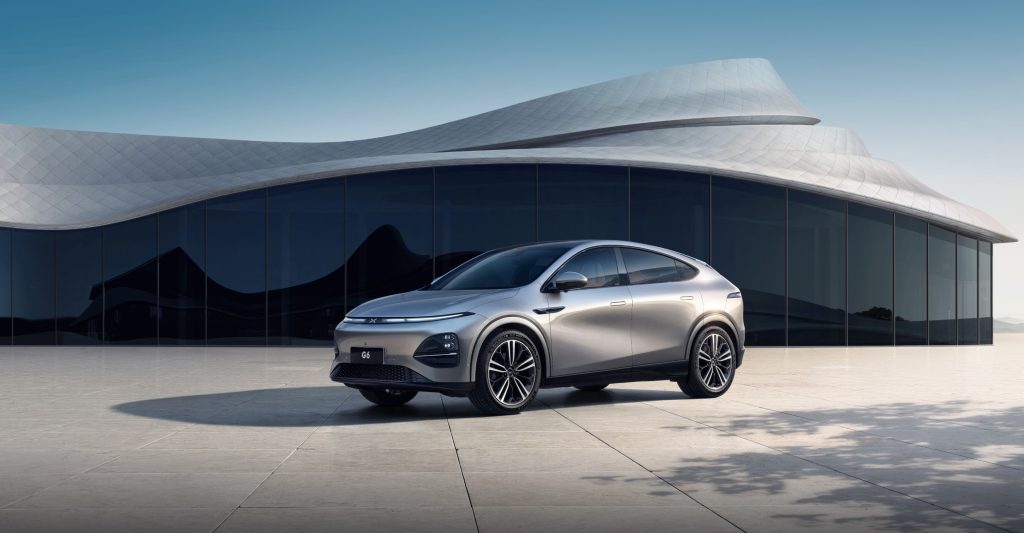
Xpeng has made progress in generating higher-margin revenue from services and technology.
Reuters reported that revenue from services and other businesses nearly doubled, while the gross margin for that category reached 75.1% in the second quarter of 2026. That compares with the much more competitive economics of selling complete vehicles.
The company remains unprofitable, however, meaning technology commercialization could become an important part of its effort to diversify revenue.
The basic business model is familiar across the technology industry. A company invests heavily in developing a platform, then attempts to recover some of that investment by licensing the technology to additional customers.
For Xpeng, the potential advantage is that many of its technologies have already been developed and tested in production vehicles. The company can therefore potentially offer automakers systems that have moved beyond the earliest research and development stage.
The Turing AI chip is one example. Xpeng has developed dedicated computing hardware to support its advanced driver-assistance systems. If the company can adapt that technology for other automakers, it could generate revenue without having to sell an Xpeng-branded vehicle for every system deployed.
The same principle applies to the company’s smart-cockpit technology. Modern carmakers increasingly compete on digital interfaces, voice controls, navigation, connectivity, and AI-powered functions. These systems require substantial software development and computing resources.
Xpeng’s proposal could allow established automakers to obtain some of those capabilities through an outside technology partnership.
That does not mean every automaker will simply install an unchanged Xpeng system. Automotive technology partnerships typically involve extensive engineering, validation, and adaptation for different vehicle architectures, regulations, and brand requirements.
There are also strategic considerations. Automakers may be reluctant to become heavily dependent on a competitor for technology that affects critical vehicle functions. Data ownership, cybersecurity, intellectual property, software updates, and long-term support would all have to be addressed before large-scale agreements could be completed.
Xpeng Is Expanding Into Robotics and AI
Xpeng’s technology strategy is becoming broader because the company increasingly sees itself as an AI and robotics business as well as an EV manufacturer.
The company has been developing its IRON humanoid robot, and Reuters reported that commercial deliveries are expected to begin in 2027. Xpeng has already moved the project from research into manufacturing, announcing in September that its humanoid robot production facility had entered operation.
Xpeng said the robot production line has a core-process automation rate exceeding 80%, showing how the company is attempting to transfer automotive manufacturing expertise into robotics production.
Chief Executive He Xiaopeng has also said that robotics could eventually generate higher margins than vehicle sales. That ambition helps explain why Xpeng is looking for additional technology customers now.
Licensing automotive systems to other manufacturers could generate cash and provide commercial experience while the company develops newer businesses such as humanoid robots and autonomous mobility. Robotaxis are another potential technology market.
Xpeng has invested heavily in autonomous driving and artificial intelligence, and Reuters reported that its commercialization strategy could include technologies for robotaxi operations.
This could allow the company to sell individual components or complete technical solutions to mobility operators and other businesses rather than operating every autonomous vehicle itself.
The international opportunity is also expanding. Xpeng said in September that its new G9L SUV will be offered in 64 global markets and will become its fourth model produced in Europe. The company has already surpassed 100,000 overseas vehicle sales since entering international markets, according to Reuters.
The G9L is scheduled for its global launch at the Paris Motor Show on October 12, and Xpeng says it will be available in both battery-electric and range-extended versions.
Expanding vehicle sales and licensing technology therefore form two connected parts of Xpeng’s international strategy. Its own vehicles provide a platform for developing and validating technologies, while external customers could create additional revenue from the same underlying investment.
For traditional automakers, the appeal is equally straightforward. Chinese EV companies have developed software, battery integration, electronic architectures, and driver-assistance systems at a rapid pace because of intense competition in their domestic market.
Partnerships can give established manufacturers access to some of that development without building every system independently.
The Volkswagen relationship demonstrates that this model can extend to a major global automaker. Xpeng now wants to determine whether similar agreements can be established with other companies.
However, no additional major automaker has been publicly confirmed as a new Xpeng technology customer. Reuters reported that some potential partners have shown interest, but discussions do not necessarily mean agreements will be completed.
That makes the next stage of Xpeng’s strategy particularly important. The company needs to demonstrate that technology licensing can become a sustainable business rather than simply an extension of its vehicle operations.
If it succeeds, Xpeng could gradually evolve from an EV manufacturer into a technology supplier serving multiple automakers and mobility companies. Its electronic architecture, cockpit systems, AI chips, and driver-assistance software could become products in their own right.
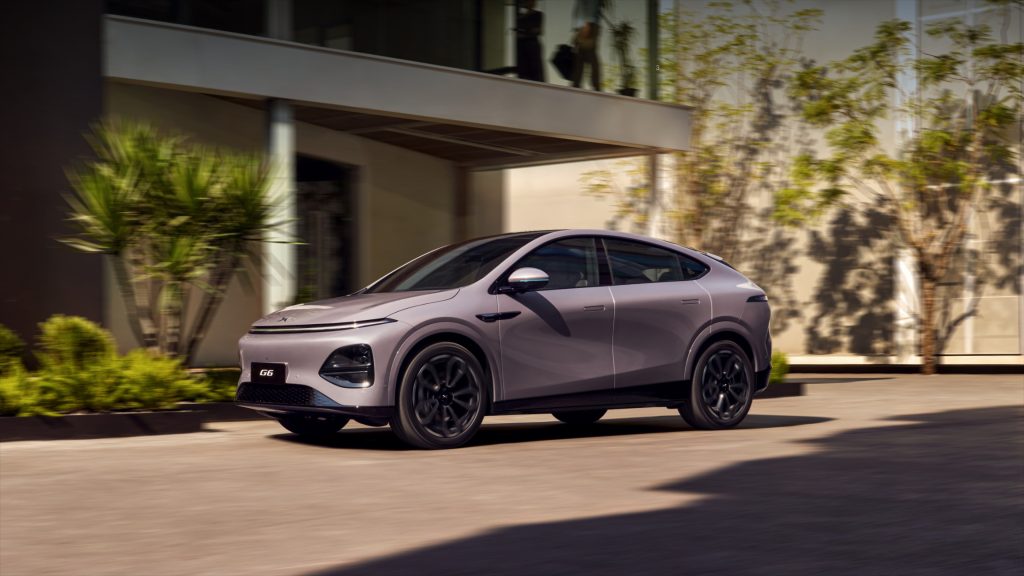
The approach also reflects a broader change in the automotive industry. As vehicles become increasingly software-driven, automakers no longer need to develop every major technology internally. Partnerships are becoming a way for companies to access capabilities that would otherwise require years of development and billions of dollars in investment.
For Xpeng, the Volkswagen relationship provided an important starting point. The next step is to turn that experience into a broader commercial operation.
The company is still competing in the highly competitive EV market, but its technology business could provide a different growth path.
With automotive software, AI chips, autonomous driving, robotaxis, and humanoid robots all becoming part of its portfolio, Xpeng is positioning itself to generate revenue from technologies that extend well beyond the vehicles carrying its badge.
