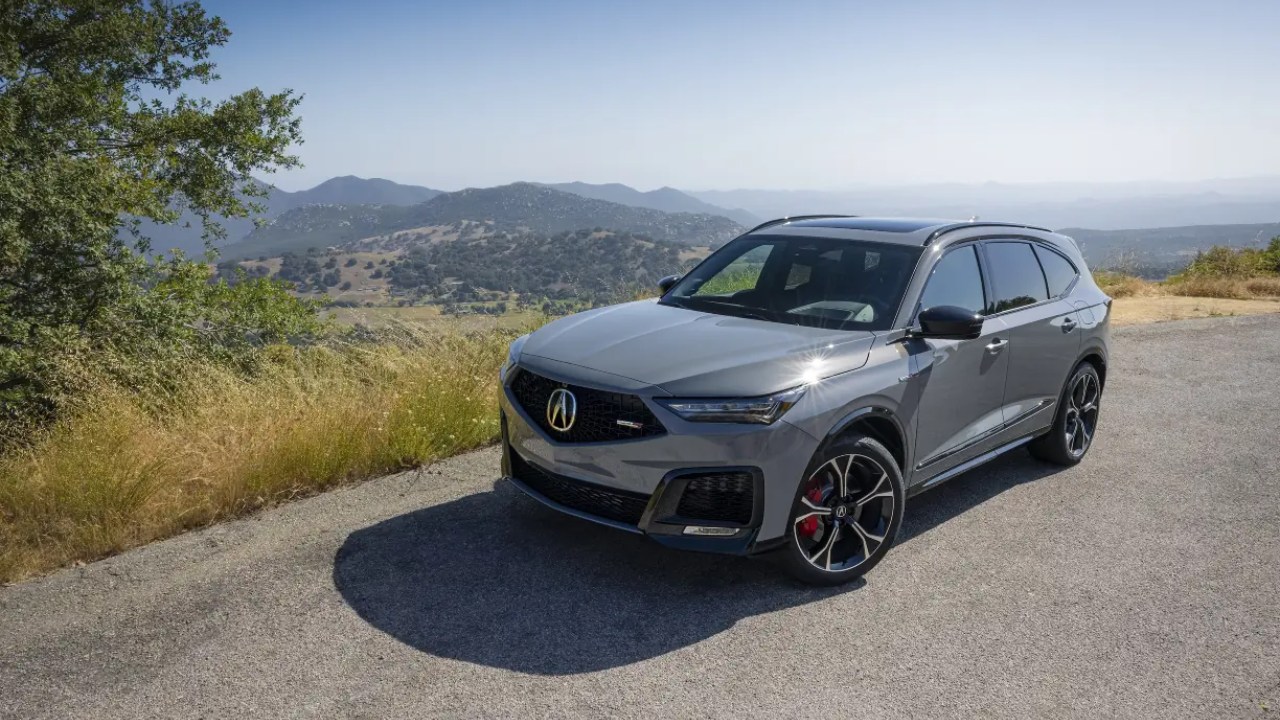
Acura is putting its performance-oriented MDX Type S on hold after the 2026 model year as the automaker weighs the cost and complexity of meeting changing U.S. emissions requirements. The decision affects one of Acura’s lowest-volume but highest-performance MDX variants and leaves the future of the model uncertain.
The MDX Type S will not continue into the 2027 model year, although Acura expects to have enough existing inventory to keep selling the performance SUV into early 2027. The company has not announced a specific date for its return or confirmed that production will resume if federal emissions requirements change.
The immediate issue is regulatory uncertainty surrounding the Environmental Protection Agency’s Tier 4 emissions standards. The rules were finalized in 2024 and are scheduled to begin with the 2027 model year.
The EPA proposed delaying the phase-in until 2029, but a final decision is not expected until February 2027. Acura has decided not to wait for that decision before determining the future of the Type S.
That creates an unusual situation for a performance SUV that has only been on sale since the beginning of the current MDX generation.
The Type S combines a 355-horsepower turbocharged V6, standard Super Handling All-Wheel Drive, and specialized chassis hardware, making it substantially different from the regular MDX. Its low sales volume, however, makes the economics of updating its emissions systems more difficult.
Why Acura Is Pausing the MDX Type S
The MDX Type S uses a 3.0-liter twin-scroll turbocharged V6 producing 355 horsepower and 354 lb-ft of torque. It is paired with a 10-speed automatic transmission and Acura’s SH-AWD system. The powertrain is exclusive to the Type S within Acura’s current lineup, which is an important factor in the emissions-certification issue.
The regular MDX uses a naturally aspirated 3.5-liter V6 producing 290 horsepower and 267 lb-ft of torque. The Type S therefore requires a separate engine calibration and emissions-certification program rather than sharing the standard MDX’s powertrain.
Acura’s official specifications also show that the Type S has its own turbocharged engine, while the rest of the MDX range uses the 3.5-liter V6.
That matters because the EPA’s Tier 4 rules do more than tighten limits on pollutants. According to reporting on the regulatory change, the standards also introduce more demanding onboard diagnostic requirements.
Those requirements can be particularly significant for specialized or low-volume powertrains because manufacturers have fewer vehicles over which to spread the development and certification costs.
The EPA finalized the Tier 4 criteria-pollutant standards in 2024, with implementation originally scheduled for 2027. In May 2026, the agency proposed delaying the phase-in to 2029. Automakers subsequently supported the proposed delay at a public hearing in June, but the regulatory process remains unfinished.
Acura’s decision effectively means the company is not spending the additional resources necessary to certify the existing Type S configuration under the incoming rules before knowing whether those rules will actually take effect on the original schedule.
The decision is also consistent with Acura’s broader effort to streamline its product portfolio. The brand has already discontinued the TLX midsize sedan and ended ZDX production in 2025.
Honda also canceled plans for the Acura RSX EV earlier in 2026, while Acura’s RDX production has been paused as the company prepares for a future hybrid version. The MDX itself is not being discontinued. The pause applies specifically to the Type S trim.
What Makes the Type S Different
The MDX Type S is more than an appearance package added to the regular SUV. Acura gives the Type S a dedicated 3.0-liter turbocharged V6, producing 355 horsepower at 5,500 rpm and 354 lb-ft of torque from 1,400 to 5,000 rpm. The engine uses a twin-scroll turbocharger and is paired with a sport-tuned 10-speed automatic transmission.
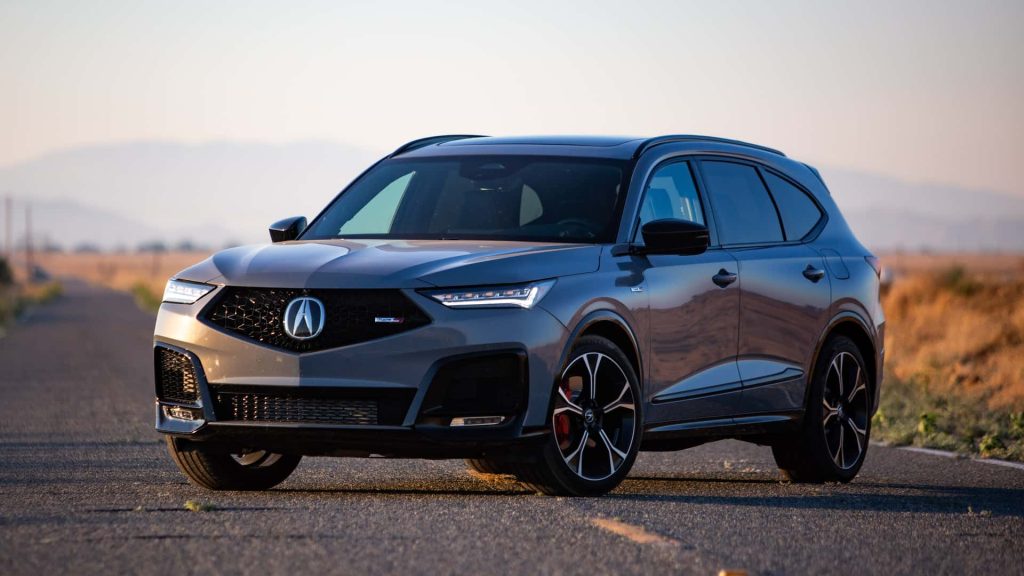
The performance hardware continues with a rear-biased SH-AWD system, adaptive air suspension, adaptive dampers, and Brembo four-piston front brakes. The Type S also receives a Sport+ driving mode and a Lift mode. On the Type S Advance, Acura adds 21-inch wheels, sport seats, premium materials, and a 31-speaker Bang & Olufsen audio system.
Acura’s official 2026 specifications list the Type S at a starting price of $75,850 for the SH-AWD model, while the standard MDX starts at $51,800 before destination and handling charges.
Fuel economy also separates the Type S from the rest of the lineup. Acura lists the 2026 Type S at 19 mpg city, 25 mpg highway, and 21 mpg combined. The standard MDX with the 3.5-liter V6 is more efficient, with the front-wheel-drive version rated at 17 mpg city, 21 mpg highway, and 19 mpg combined, according to Acura’s current specifications.
The Type S therefore occupies a specialized position within the MDX lineup. It costs considerably more than the regular models and uses an engine that is not shared across Acura’s broader product range.
That limited application is significant from a manufacturing and regulatory perspective. Developing and certifying a unique engine for a relatively small number of vehicles can be harder to justify than updating a powertrain used across several models.
CBT News reports that the Type S accounts for less than 10% of U.S. MDX sales, even though it generates disproportionately strong margins for Acura. MDX sales topped 24,000 units in the first half of 2026, meaning the performance version represents only a small portion of the model’s American customer base.
Acura therefore has a straightforward economic calculation to make. The Type S brings additional revenue and margin, but the cost of adapting its unique turbocharged V6 to changing emissions and diagnostic requirements has to be weighed against the relatively small number of vehicles sold.
What Happens to the MDX Type S Next?
For now, Acura is describing the move as a pause rather than a permanent cancellation. That distinction is important because the company’s future decision could depend partly on what happens with EPA regulations.
If the Tier 4 phase-in is delayed, Acura could potentially reconsider the Type S or develop a revised version of the performance SUV under a more favorable regulatory timeline. However, Acura has not promised that the model will return.
The company has confirmed that 2026 Type S inventory should remain available into early 2027. That gives customers additional time to purchase an existing example even though new production will stop after the 2026 model year.
Acura has also indicated that elements of the Type S package will not simply disappear from the MDX family. Spokesperson Andrew Quillin told Automotive News that the company plans to apply premium Type S features and styling to other MDX trims.
Acura separately said that performance will remain important to the brand as it introduces hybrid-electric models in the coming years.
That suggests Acura is trying to preserve some of the Type S identity without necessarily maintaining the complete 355-horsepower turbocharged package.
The future 2027 MDX has not yet been fully detailed. Acura says additional information will be released later in 2026.
The company’s longer-term strategy is also moving toward electrification. Acura has said hybrid-electric models will become part of its future lineup, potentially providing another way to deliver stronger performance without relying exclusively on a specialized high-output gasoline engine.
For enthusiasts, however, the current MDX Type S remains a distinctive product. It combines a relatively large turbocharged V6 with a sophisticated all-wheel-drive system, adaptive air suspension, and Brembo brakes in a three-row luxury SUV.
Acura’s decision to pause production means the 2026 model year could become the final production run for this particular configuration, at least until the company determines whether the regulatory and business case supports bringing it back.
The situation also illustrates a broader challenge facing automakers. Emissions regulations can have different effects depending on how widely a powertrain is used. A high-volume engine shared across multiple vehicles can justify the engineering and certification investment more easily.
A specialized engine installed in fewer vehicles can face a much more difficult business case when new emissions and diagnostic requirements arrive.
For Acura, that calculation appears to have led to a temporary production halt rather than an immediate engineering investment.
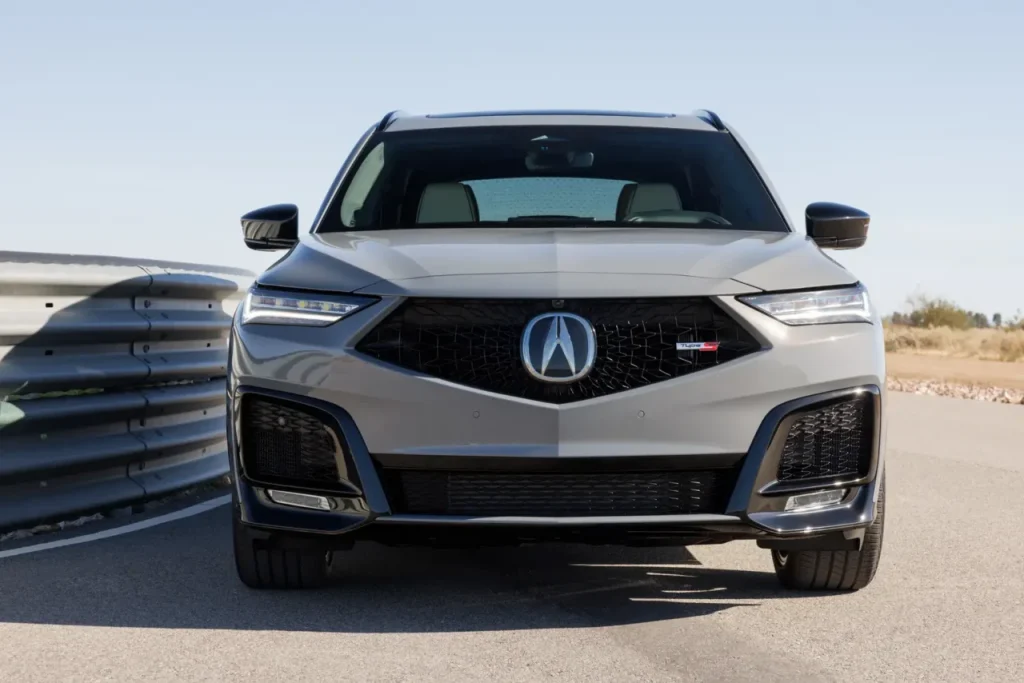
The MDX itself remains an important part of the Acura lineup, but its performance strategy is changing. The company is preparing for a future that includes hybrid technology while reducing the number of specialized gasoline-powered products in its portfolio.
For now, buyers interested in the 355-horsepower MDX Type S have a limited window to purchase a new example, with existing inventory expected to support sales into early 2027. Whether the Type S returns after that depends in part on the EPA’s final emissions decision and Acura’s future product strategy.
The pause does not represent a recall or a safety action. It is a manufacturing and product-planning decision linked to emissions certification uncertainty.
That distinction is important as Acura prepares to reveal more details about the next MDX and decides how much of the Type S formula can continue into the brand’s next generation of performance vehicles.