
The 2028 model year is shaping up to bring major changes inside several familiar vehicles. Automakers are redesigning cabins around larger displays, smarter software, improved materials, more flexible storage, and quieter, more premium surroundings.
In some cases, these changes accompany an entirely new generation, while other vehicles receive substantial mid-cycle interior updates that make them feel considerably newer from the driver’s seat.
The shift also reflects changing expectations from American buyers, who increasingly judge a vehicle by its technology and cabin experience as much as its engine. These ten vehicles stand out for the significant interior transformations planned or introduced for the 2028 model year.
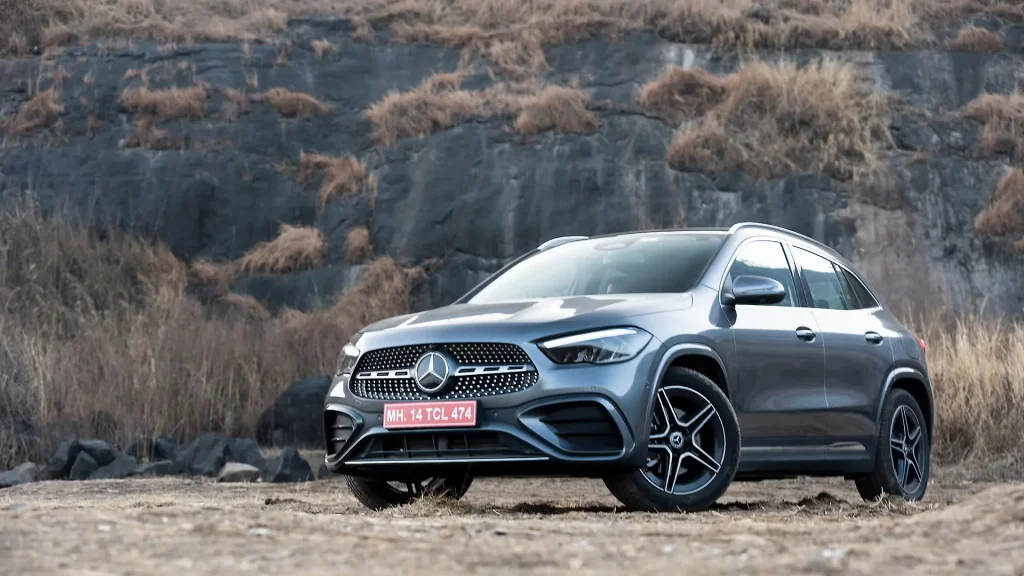
1. 2028 Mercedes-Benz GLA
Mercedes-Benz is giving the GLA one of the most substantial cabin transformations for the 2028 model year. This is not simply a larger screen added to an existing dashboard.
Mercedes says the interior has been completely redesigned around a cleaner, more minimalist layout, with the available MBUX Superscreen stretching across the dashboard and visually connecting the driver and passenger areas.
The new system can incorporate a 10.25-inch instrument display, a 14-inch central display, and a 14-inch passenger screen beneath one glass surface.
The change is particularly noticeable because Mercedes has moved away from the sculptural dashboard treatment used by the outgoing GLA. The new cabin uses floating forms, slimmer-looking doors, and a two-level center console.
A redesigned steering wheel retains physical-feeling roller and rocker controls, giving the cabin some traditional interaction points despite its heavy emphasis on digital technology.
Mercedes has also increased the GLA’s interior ambitions by lengthening the wheelbase and raising the roofline. The company says those changes create a roomier environment, while an available panoramic roof adds to the sense of openness. Ambient lighting offers 64 colors, and a new available Burmester 3D audio system uses 16 speakers and Dolby Atmos.
The 2028 GLA is also moving to Mercedes’ MB.OS operating system, which integrates the MBUX Virtual Assistant and other vehicle functions. That makes the redesign more than a cosmetic exercise. The cabin has effectively been reorganized around Mercedes’ next-generation software architecture.
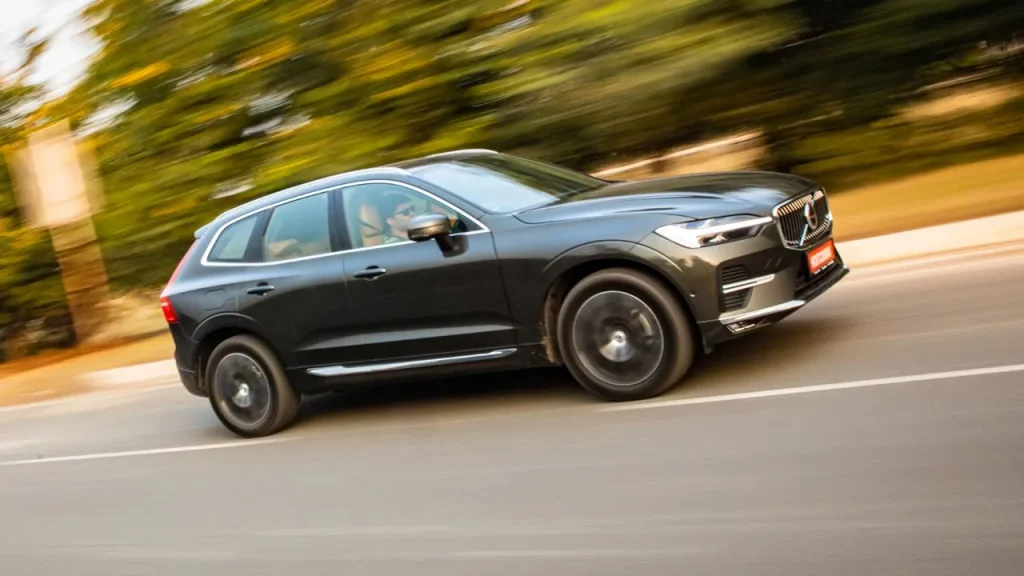
2. 2028 Volvo XC60
Volvo has taken a quieter approach with the 2028 XC60, but the changes inside are substantial enough to make the cabin feel noticeably fresher. The XC60 receives new interior materials and color choices as part of its latest makeover, including an available Cardamom Nappa leather option.
The changes build on an interior that was already known for its clean Scandinavian design rather than attempting to replace it with an entirely different visual philosophy.
One of the interesting aspects of the redesign is how Volvo has concentrated on tactile details. Instead of filling the cabin with unnecessary visual clutter, the company has revised the dashboard and door materials while giving buyers additional upholstery choices.
That approach allows the XC60 to retain its understated character while making the cabin feel newer.
The 2028 update also arrives at a significant point in the XC60’s life. Volvo has kept the basic vehicle architecture in service while substantially increasing the capability of its plug-in-hybrid powertrain.
The 2028 XC60 plug-in hybrid is rated for up to 78 miles of electric driving according to Volvo’s recently announced U.S. model information, a major increase over the outgoing setup.
For buyers spending considerable time inside the vehicle, the cabin changes may matter just as much as the mechanical revisions. The existing U.S. XC60 measures 185.4 inches long and 78.7 inches wide, providing a substantial midsize-SUV footprint without becoming unwieldy in urban driving.
Volvo’s emphasis on cleaner materials and a calmer dashboard gives the refreshed model a distinctly different atmosphere without abandoning the design language that made the XC60 recognizable.
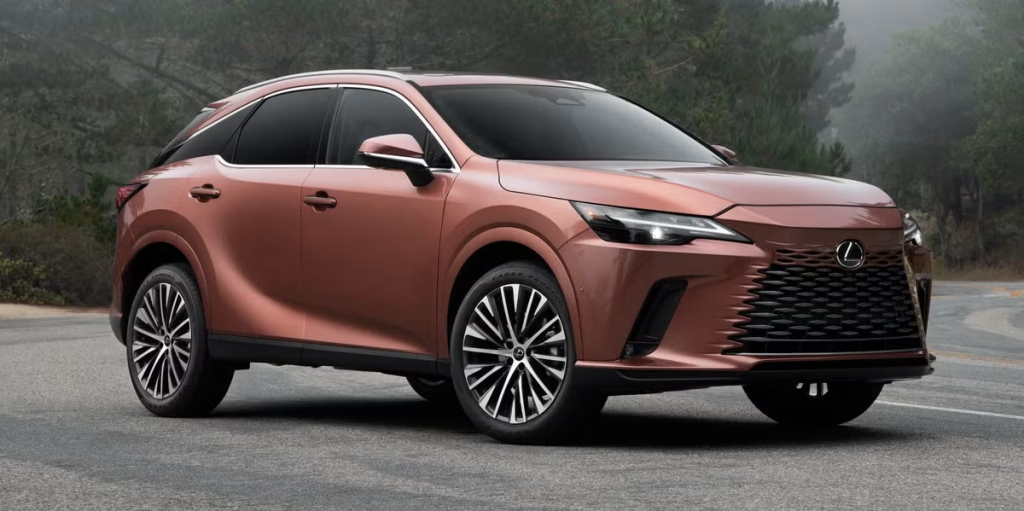
3. 2028 Lexus RX
Lexus is preparing a substantial cabin update for the RX for 2028, even though the exterior changes are expected to be comparatively restrained.
Spy photography and reporting indicate that Lexus is concentrating much of the work inside, bringing the midsize SUV’s cabin closer to the newer design language already seen in models such as the latest ES and TZ. The result should make the RX feel substantially newer from the driver’s seat without requiring a completely new generation.
One of the most interesting changes is the treatment of the climate controls. Lexus is reportedly introducing haptic controls, replacing some of the conventional physical switchgear used in the current cabin.
Importantly, the physical volume control is expected to remain, preserving at least one familiar control rather than putting every function behind a touchscreen.
That balance is significant because Lexus has been gradually changing how its interiors handle technology. The current RX already uses a large central touchscreen, but the 2028 update appears intended to give the dashboard a cleaner appearance while making its technology more consistent with newer Lexus products.
The RX is especially important in the American market because it has been Lexus’s best-selling vehicle. The fifth-generation model arrived for 2023, meaning the 2028 update comes roughly midway through its expected product cycle. That makes the interior revision more than a minor trim change.
Rather than chasing a radically futuristic cabin, Lexus appears to be refining the RX around newer controls, revised materials, and a more contemporary dashboard. For buyers who spend long hours commuting or traveling in an RX, those changes could be more noticeable day to day than the relatively subtle exterior revisions.
4. 2028 Chevrolet Blazer
Chevrolet is preparing a major update for the Blazer for 2028, and early prototype photography has provided the first clues about what is happening inside.
The redesigned cabin appears likely to borrow elements from the latest Chevrolet interior philosophy, particularly the technology-heavy dashboard layout already introduced on larger GM SUVs.
The significance of the change becomes clearer when the Blazer is compared with Chevrolet’s newer products. The current Traverse, which shares the GM C1 platform with the Blazer, uses a prominent 17.7-inch diagonal infotainment display paired with an 11-inch digital instrument cluster.
Early 2028 Blazer prototype images show enough of the dashboard to suggest that Chevrolet is moving the crossover toward a similarly modern cockpit.
That does not mean Chevrolet has officially confirmed every detail of the 2028 Blazer’s interior. The prototype is still heavily camouflaged, and the company has not published a complete U.S. specification sheet for the refreshed model.
It would therefore be premature to assign exact screen sizes, materials, or seating configurations that Chevrolet has not announced.
What is clear is the direction. The Blazer’s cabin is being reconsidered as part of a broader product update rather than receiving another small trim revision.
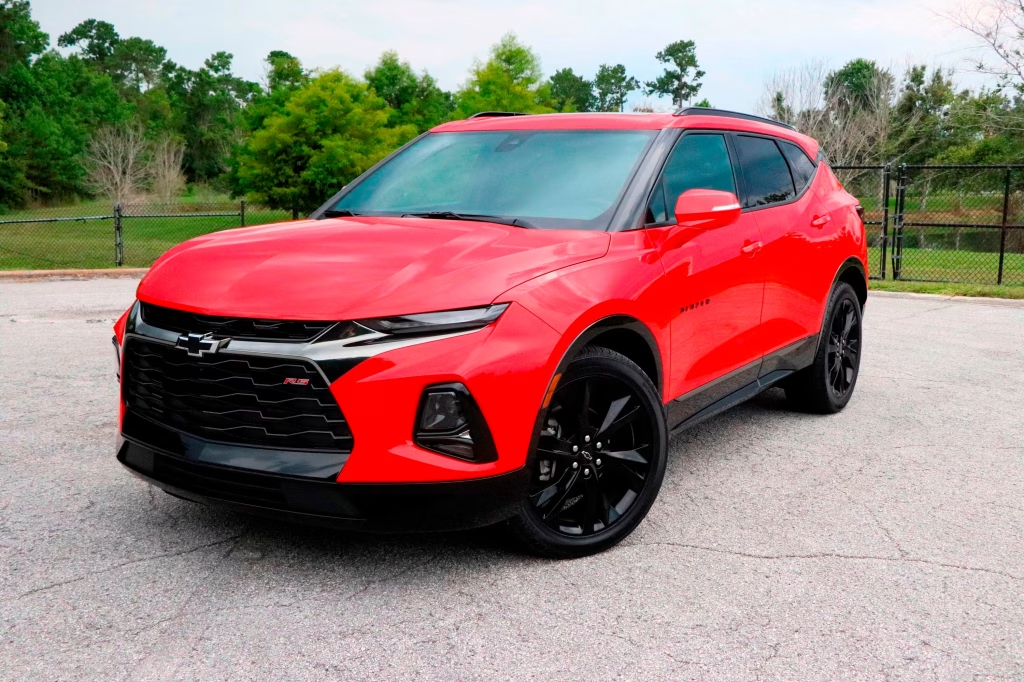
Chevrolet’s recent interiors have placed greater emphasis on large displays, Google-based connected services, wireless smartphone integration, and cleaner dashboard designs. The 2028 Blazer is expected to benefit from that evolution.
For buyers, the change could make the Blazer feel substantially more current without changing its basic two-row crossover role. The interior is where the biggest transformation is expected to be felt, particularly for drivers moving from an older Blazer into the updated model.
5. 2028 Kia Sportage
The 2028 Kia Sportage is heading toward a much more substantial interior transformation than the usual mid-cycle refresh.
Prototype sightings indicate that Kia is preparing a heavily redesigned cabin, with the company moving away from the current dual-screen arrangement in favor of a single, wide display that combines driver information and infotainment functions.
The new system is expected to run Kia’s Pleos Connect operating system, marking a significant change in the way occupants interact with the vehicle.
That change could immediately alter the character of the Sportage from the driver’s seat. The current U.S. model already uses a technology-focused dashboard, but its twin 12.3-inch screens create a distinctly segmented appearance.
The next-generation layout is expected to give the dashboard a cleaner horizontal appearance while reducing the visual separation between the instrument panel and center infotainment area.
Kia also appears to be resisting the trend toward eliminating physical controls. Reports from prototype testing indicate that the redesigned Sportage will retain physical buttons despite the larger integrated display.
That combination could make the new cabin feel technologically advanced without forcing every frequently used function into a touchscreen menu.
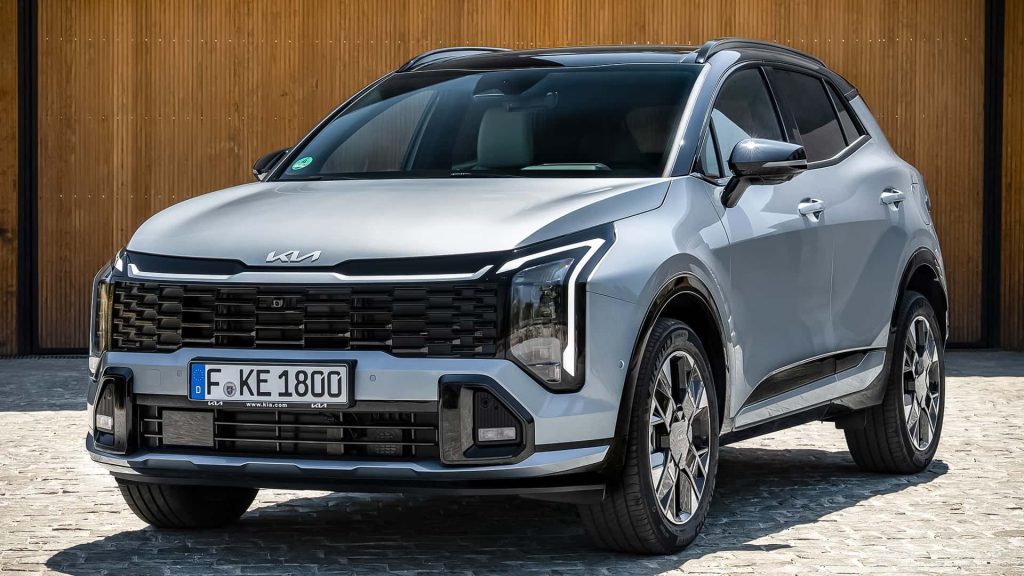
The interior changes are arriving alongside a broader redesign. The next Sportage is expected to adopt a more upright, Telluride-inspired exterior and a more premium atmosphere inside. Exact U.S. specifications have not yet been released, so details such as final screen dimensions, seating materials, and interior measurements should not be treated as confirmed.
What is already clear is that Kia is not simply changing trim colors or adding another software update. The dashboard architecture itself is being reconsidered, making the 2028 Sportage one of the more significant cabin transformations in this group.
6. 2028 Honda Accord
Honda is preparing a substantial makeover for the Accord, and the changes are expected to reach well beyond the exterior.
Honda’s Gary Robinson, vice president of auto strategy, has described the upcoming Accord as a substantially redesigned car that will feel like a new model, with greater emphasis on sportier styling. Reports indicate that the updated sedan is scheduled to arrive during the second half of 2027, making it a 2028-era vehicle for buyers.
Inside, the Accord is expected to receive a reworked cabin centered around a larger infotainment screen. The exact U.S. dashboard design has not been officially revealed, but reporting points toward a substantially revised interior rather than another minor equipment update.
That is significant because the current 11th-generation Accord already introduced a cleaner cabin with a 12.3-inch touchscreen on higher trims.
Honda’s direction appears to be toward a more modern and visually distinctive cockpit. The company has already demonstrated this design philosophy through the Prelude and its Hybrid Sedan concept, and reports suggest the next Accord could borrow some of those ideas while remaining practical enough for everyday family use.
There is also an interesting technology angle. Reports indicate Honda could bring its S+ Shift system to the Accord’s hybrid powertrain.
Rather than being a conventional manual transmission, the system simulates gear changes electronically to make acceleration feel more engaging. That would represent a software-driven change to the driving experience rather than a traditional mechanical one.
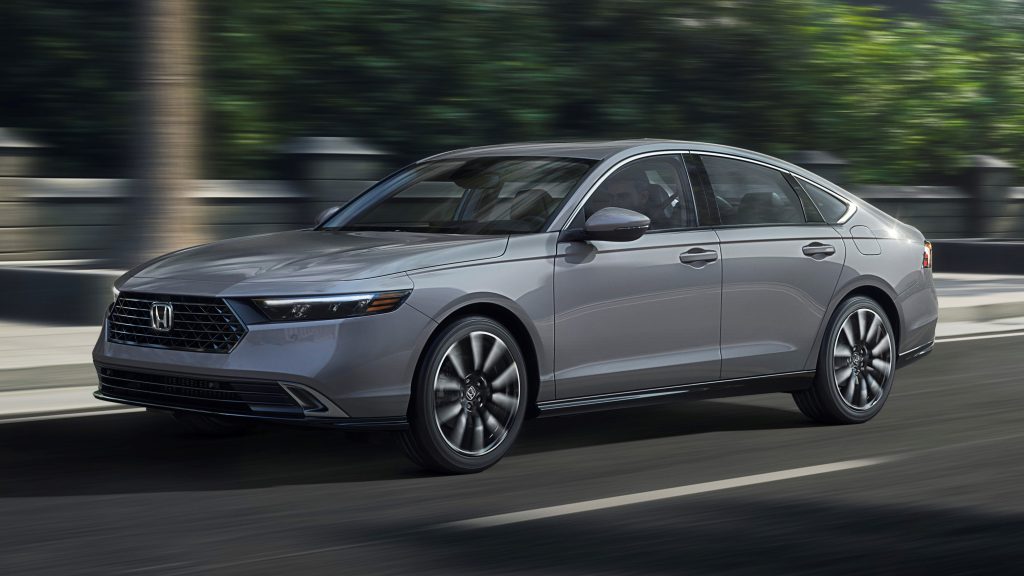
Honda has not yet published complete U.S. specifications for the redesigned Accord, so exact interior dimensions, screen sizes, and final trim-specific equipment remain unconfirmed.
Still, the company’s own description of a substantially redesigned model, combined with reporting about the reworked cabin, makes the Accord a clear candidate for a major 2028 interior transformation.
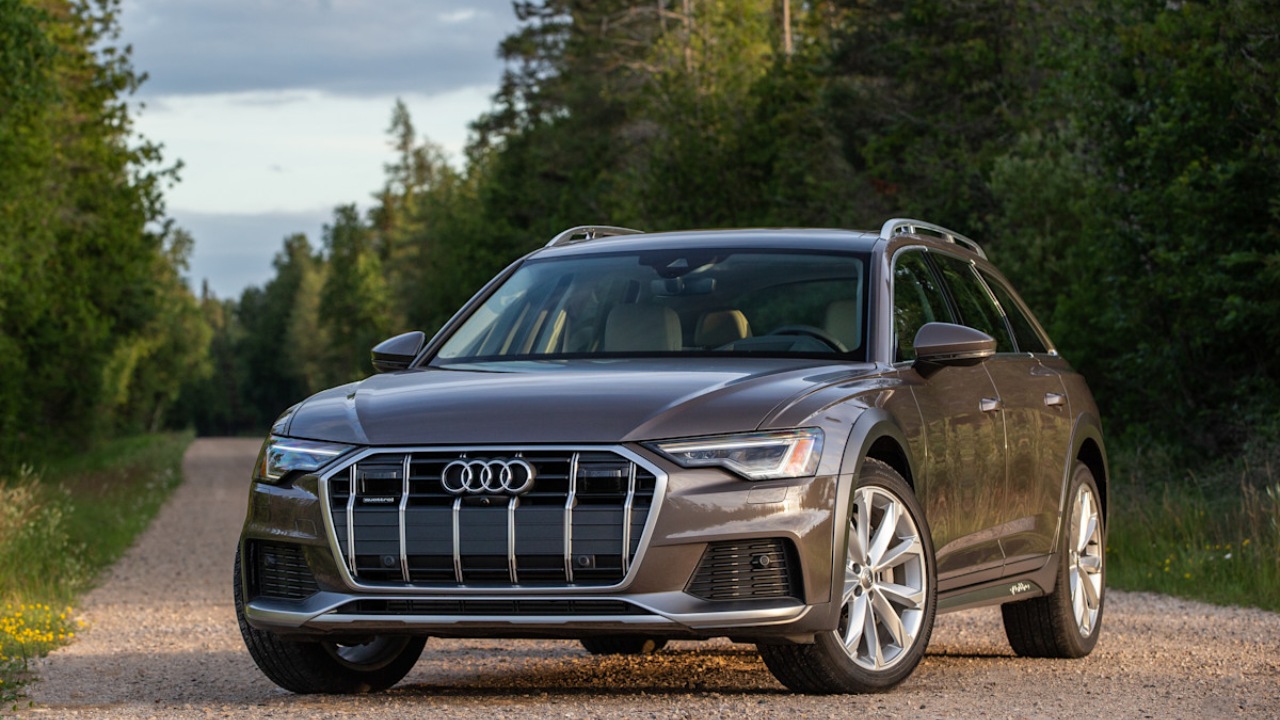
7. 2028 Audi A6 Allroad
Audi is bringing a very different kind of interior to the 2028 A6 Allroad, turning the high-riding wagon into one of the brand’s most technology-heavy cabins.
The redesigned Allroad shares its interior architecture with the latest A6 sedan, replacing the previous generation’s arrangement with a much wider digital cockpit.
The centerpiece is Audi’s new display layout, which places an 11.9-inch digital instrument cluster alongside a 14.5-inch central infotainment screen. Buyers can also add a 10.9-inch display for the front passenger.
The change is more than a screen upgrade. Audi has reworked the dashboard around a cleaner horizontal design while reducing the number of conventional controls. At the same time, the Allroad retains some physical interaction points, including conventional stalks and dedicated vent controls.
That gives the cabin a mixture of digital technology and traditional controls instead of making every function dependent on the touchscreen.
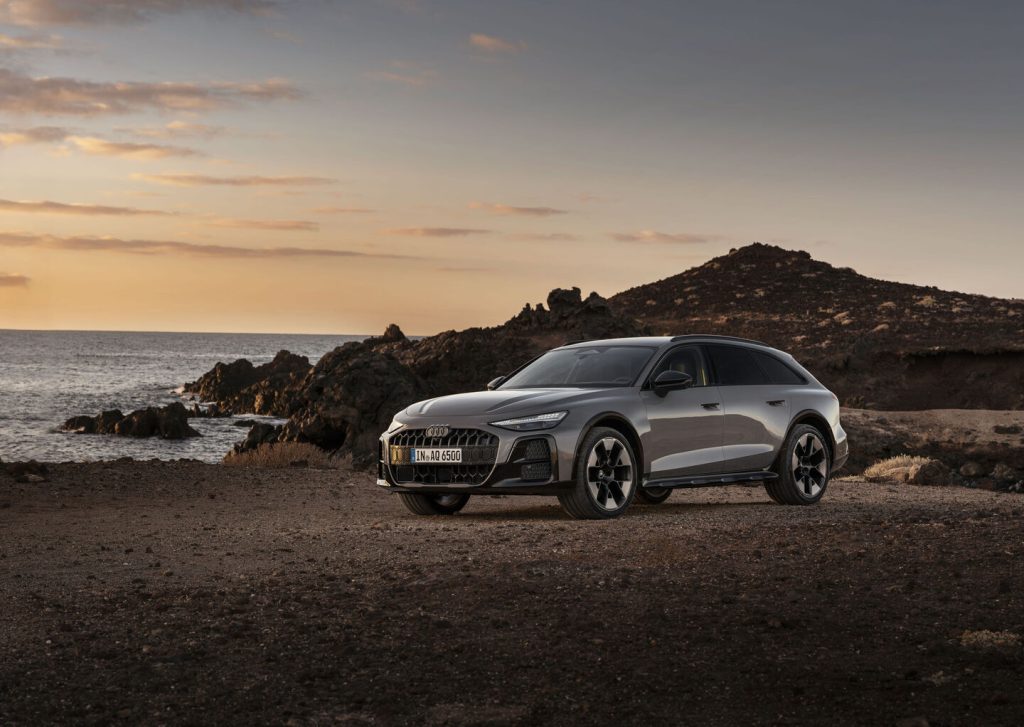
The wagon also gains a more premium atmosphere through available four-zone climate control, massaging seats, and upgraded acoustic insulation. Audi has specifically worked on reducing cabin noise, an important change for a vehicle intended to combine long-distance comfort with additional ground clearance.
For American buyers, the new Allroad is particularly significant because Audi has confirmed it will come to the U.S. The American powertrain is not completely finalized, but the expected setup is a turbocharged 3.0-liter V6 producing 362 horsepower and 406 lb-ft of torque, paired with a seven-speed dual-clutch automatic and Quattro all-wheel drive.
8. 2028 Genesis GV90
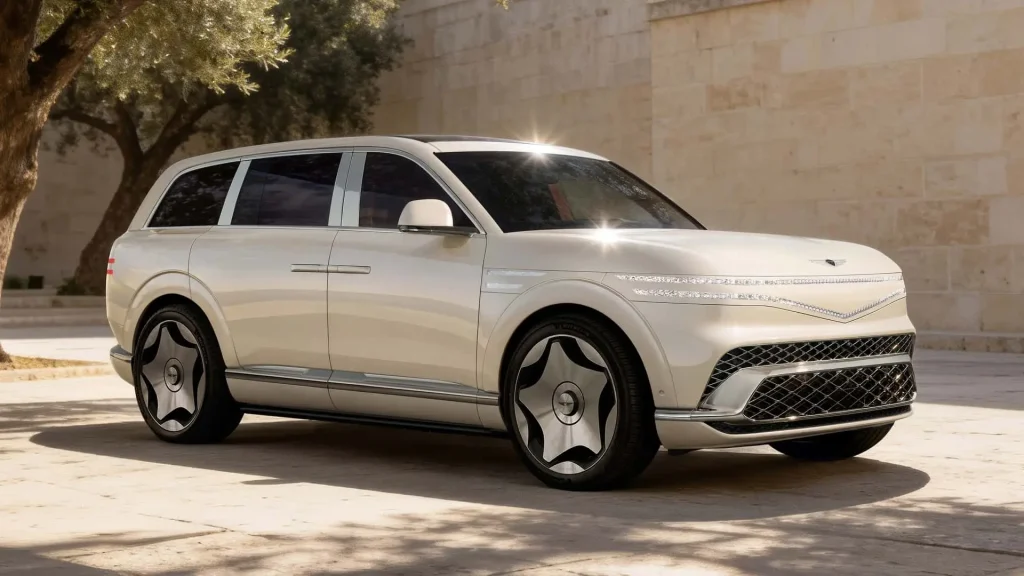
The 2028 Genesis GV90 is not a redesign of an existing cabin. It is an entirely new flagship SUV, and its interior is arguably the most ambitious cabin Genesis has ever put into production.
The GV90 brings several ideas from the Neolun concept into a production vehicle, including exceptionally lounge-like seating, premium natural materials, and unusual configurations intended to make the SUV feel more like a private luxury space than a conventional three-row vehicle. Genesis says the U.S. model is targeted for arrival in early 2027 as a 2028 model.
The standard GV90 provides three rows and can seat up to seven people, while available second-row captain’s chairs create a more upscale six-seat configuration.
The Neolun version goes much further, offering configurations with reclining executive seats, additional rear amenities and front seats capable of rotating 180 degrees when the vehicle is parked. Some versions also feature pop-out tables, a refrigerator and extensive wood and Nappa leather trim.
Technology dominates the front of the cabin too. Genesis uses a large 23.6-inch display that can expand to 24.6 inches when the vehicle is parked, while a 25.5-inch augmented-reality head-up display projects information into the driver’s field of view.
The system is powered by Hyundai Motor Group’s new Pleos Connect software and includes an AI agent called Gleo AI.
The GV90 is also substantial physically, measuring 208.1 inches long and 79.9 inches wide. Its dual-motor electric system produces 657 horsepower and 590 lb-ft of combined torque, giving this cabin redesign equally serious performance underneath.
9. 2028 Volvo XC40
The 2028 Volvo XC40 receives a cabin update that proves a full interior transformation does not always require an entirely new generation. Volvo has revised the dashboard technology, improved storage solutions, and introduced a larger central touchscreen while retaining the XC40’s familiar Scandinavian design.
The new infotainment display measures 11.2 inches and runs Volvo’s latest software, including Google’s Gemini AI assistant.
That technology change is more significant than the extra 1.4 inches of screen size might suggest. Volvo has been steadily moving its vehicles toward a software-centered ownership experience, and the XC40 now receives the same direction.
Wireless Apple CarPlay and Android Auto remain available, while Google-based services are integrated directly into the vehicle.
The cabin itself remains intentionally simple. Volvo has improved the materials and added additional places to store small items, addressing one of the practical weaknesses of a compact luxury SUV.
The existing XC40 already has useful touches such as a glovebox bag hook, a removable center-console trash bin, and flexible cargo-area storage.
The 2028 model also becomes more consistent across the U.S. range because all-wheel drive is now standard. The previous front-wheel-drive version is dropped, leaving the 247-horsepower B5 powertrain as the sole U.S. configuration.
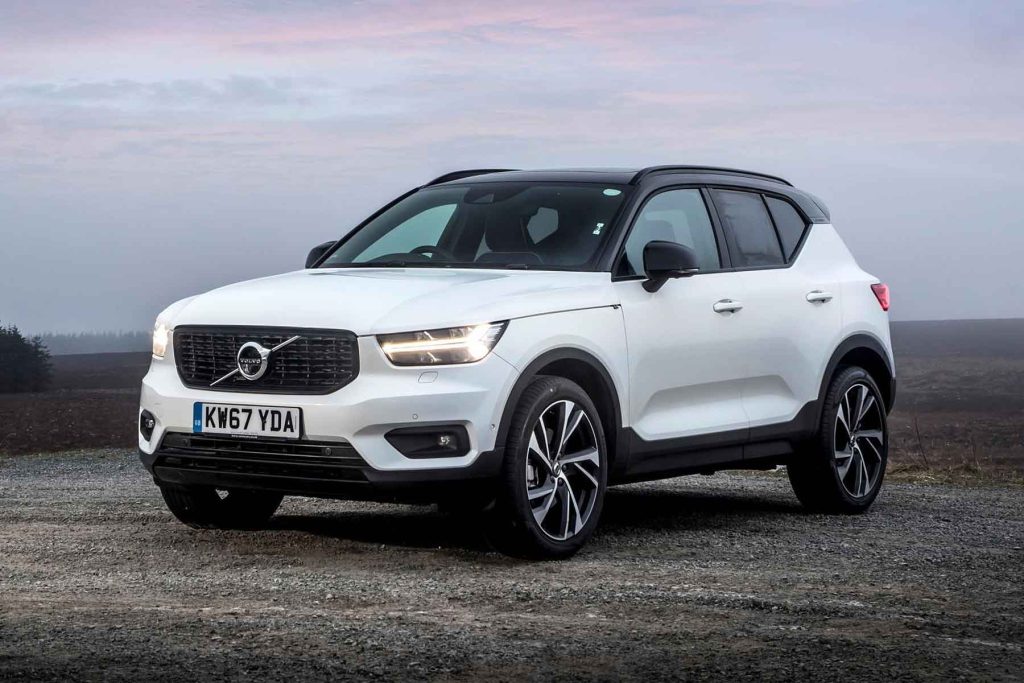
What makes the XC40 interesting for this list is the way Volvo has modernized the driver’s environment without abandoning the cabin’s established identity. The vertical touchscreen remains central, physical controls have not disappeared completely, and the interior continues to prioritize functionality over visual clutter.
For a relatively compact SUV, the numbers are respectable as well. The XC40 offers 20.1 cubic feet behind the rear seats and up to 57.5 cubic feet with the second row folded, giving the redesigned cabin useful everyday practicality.
10. 2028 BMW M5
BMW is making one of the most dramatic cabin changes in its performance lineup with the 2028 M5. The important part is that the M5 does not need a completely new generation to receive the transformation.
BMW is reportedly using the mid-cycle update to replace much of the existing dashboard architecture with technology derived from its Neue Klasse vehicles.
The biggest visual change is the move to BMW’s new panoramic display concept. Instead of relying on the traditional instrument cluster and center screen arrangement, the redesigned M5 uses a broad windshield-projected information display paired with a large central touchscreen.
The familiar rotary iDrive controller is also expected to disappear, marking a major departure from one of BMW’s longest-running interior controls.
The steering wheel is changing too, with new controls positioned to handle more functions without requiring the driver to reach toward the center console. That fits BMW’s wider strategy of moving vehicle interaction toward the steering wheel, voice controls, and the company’s next-generation software.
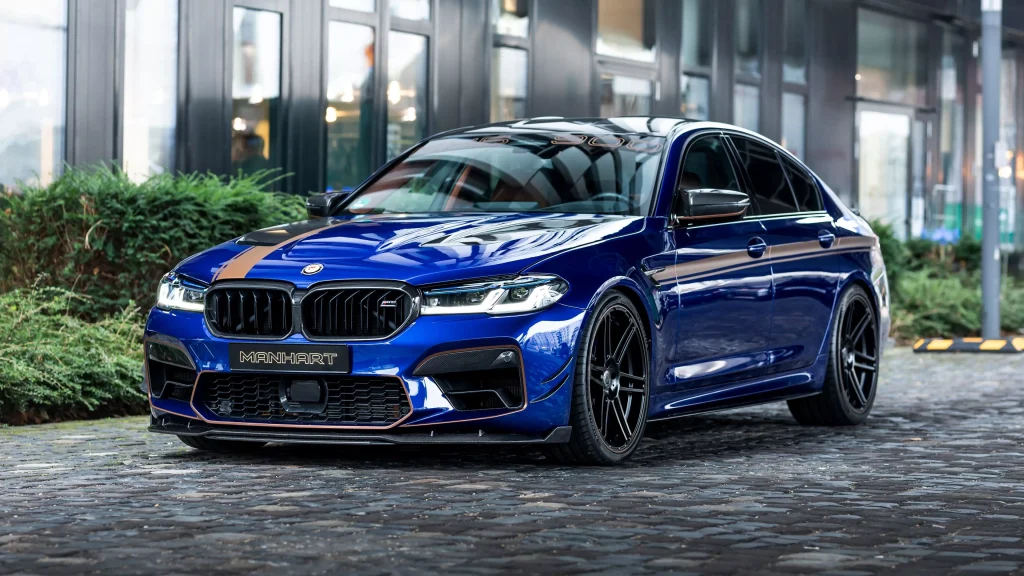
Yet the M5’s mechanical character remains remarkably familiar. BMW’s current U.S. M5 uses a 4.4-liter twin-turbocharged V8 combined with an electric motor, producing 717 horsepower and 738 lb-ft of torque. BMW lists an eight-speed automatic transmission and all-wheel drive, along with a 3.4-second 0-to-60-mph time.
At 200.6 inches long and 77.6 inches wide, the M5 is also a substantial sedan, giving BMW plenty of room to create a broad digital dashboard. The 2028 update therefore changes one of the most familiar parts of the car without abandoning the high-performance plug-in-hybrid powertrain underneath.
