
Digital dashboards have become nearly standard in new vehicles, with large screens replacing traditional speedometers and tachometers. Yet some new cars still offer a more familiar setup, with physical analog needles moving across conventional gauges.
These vehicles prove that a modern cabin does not necessarily require an entirely digital instrument panel. Some combine analog gauges with a small information screen, while others use the traditional layout as part of a deliberately driver-focused interior.
From family SUVs to sports cars, these models retain a feature that is becoming increasingly unusual in the new-car market.
1. 2026 Toyota 4Runner
The 2026 Toyota 4Runner is an interesting case because Toyota has not completely abandoned traditional gauges even as the SUV receives substantially more modern technology.
Depending on the configuration and instrument-cluster setup, the 4Runner can use analog-style gauges for the speedometer and tachometer while placing additional information inside a separate display.
Toyota’s 2026 owner’s manual specifically describes an analog meter configuration. It identifies an analog tachometer for engine speed and an analog speedometer for vehicle speed.
The same cluster can also provide a digital speed readout and a multi-information display, giving drivers a mixture of old-school instruments and modern information screens.
That combination makes the 4Runner particularly appealing for drivers who dislike staring at a completely blank digital canvas. The needles remain easy to understand at a glance, while the electronic display handles information that would have required additional gauges in an older vehicle.
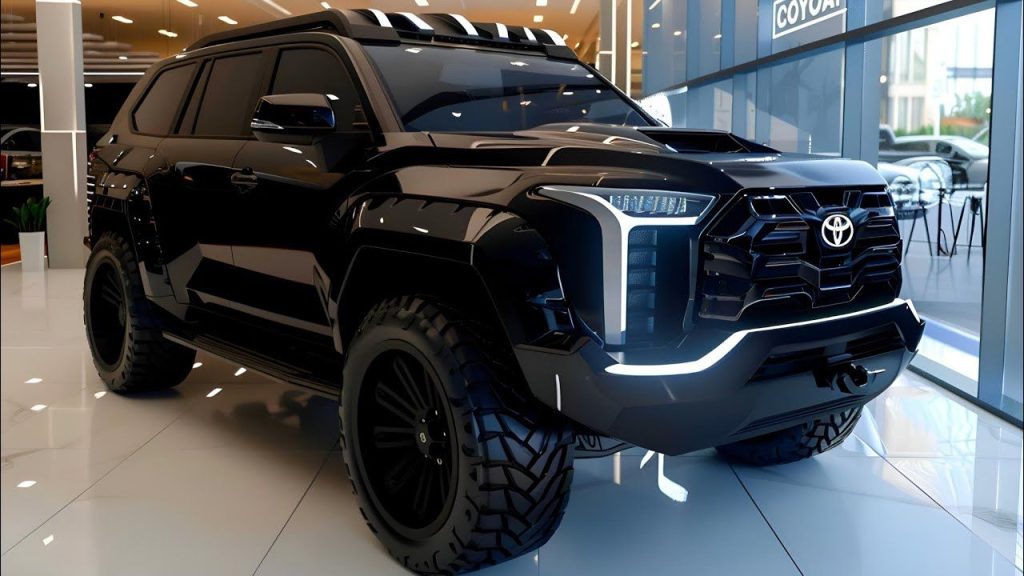
The approach also fits the 4Runner’s character. This is a body-on-frame SUV built around off-road capability, and its cabin does not need to imitate a luxury sedan with a wall of screens to provide modern functionality.
The traditional gauges give the driver a familiar reference point, while Toyota’s newer electronics handle navigation, vehicle information, and safety-system data.
It is worth noting that cluster configurations vary by trim. Toyota offers different meter displays, so buyers should verify the exact instrument setup of the version they are considering rather than assuming every 4Runner has identical gauges.
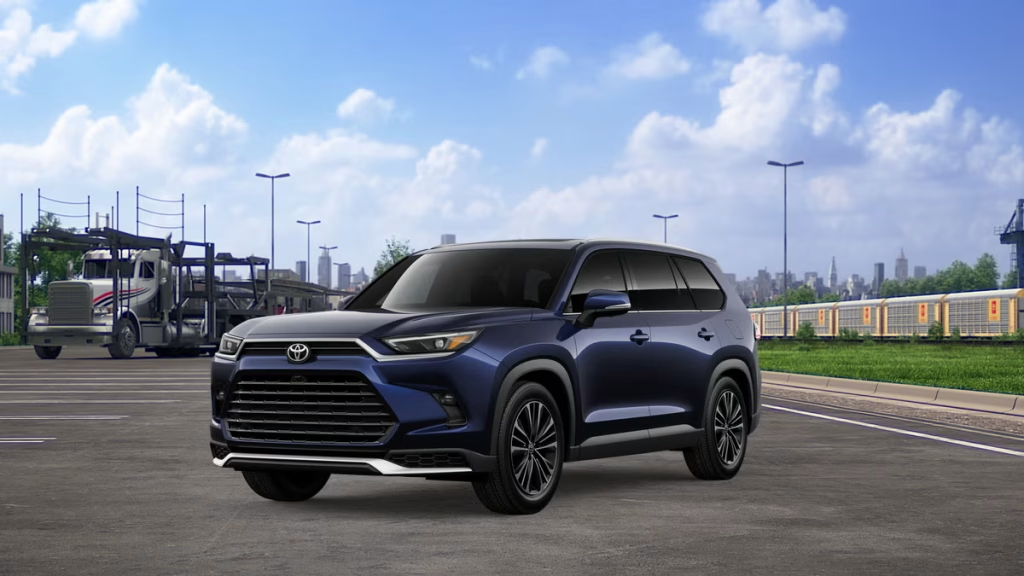
2. 2026 Toyota Grand Highlander
The Grand Highlander takes the idea of analog gauges into a completely different type of vehicle. Instead of being a rugged off-road SUV, it is designed around family transportation, three-row practicality, and long-distance comfort. Yet Toyota still gives buyers an instrument layout with physical-style analog gauges in the appropriate configuration.
Toyota’s U.S. specifications for the 2026 Grand Highlander list a combination meter with analog gauges and a 7-inch color multi-information display on the XLE grade.
The analog instruments sit around the smaller information screen, allowing the driver to retain a conventional speedometer and tachometer while receiving additional vehicle information digitally.
That setup is notable because the Grand Highlander is hardly a stripped-down vehicle. It can be equipped with modern connectivity, Toyota Safety Sense 3.0, blind-spot monitoring, and a large 12.3-inch center touchscreen. In other words, Toyota has not avoided modern technology. It has simply kept the driver’s primary gauges more conventional.
There is also a practical advantage to this arrangement. A physical needle provides a familiar visual reference that does not depend on changing screen graphics or selectable layouts. The driver can glance down and immediately identify the vehicle’s speed or engine speed without navigating through a digital interface.
For buyers shopping for a three-row family vehicle, the Grand Highlander therefore offers an unusual blend. The center of the dashboard can feel thoroughly modern while the instrument panel retains a more traditional appearance.
The important detail is that the analog setup is trim-specific. Toyota’s equipment information identifies the XLE combination meter, so buyers should check the exact configuration before assuming every 2026 Grand Highlander uses the same cluster.
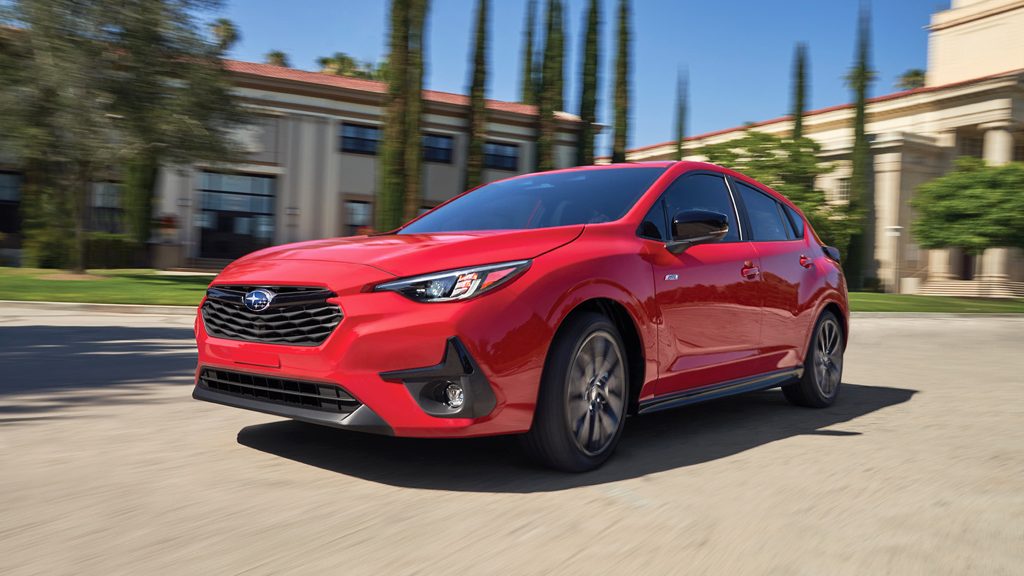
3. 2026 Subaru Impreza
The 2026 Subaru Impreza is one of the few new compact cars that still gives drivers a genuinely traditional instrument layout. Subaru’s U.S. specifications show the current Impreza with a conventional gauge arrangement rather than making a large digital panel the centerpiece of the driver’s view.
The setup pairs analog-style speed and engine-speed information with a smaller multifunction display for additional vehicle data.
That distinction matters because the Impreza is not an old-fashioned car in any meaningful sense. It comes standard with Subaru’s Symmetrical All-Wheel Drive and EyeSight driver-assistance technology, while the cabin can include modern smartphone connectivity and a large central touchscreen.
The traditional cluster simply handles the information that drivers need to see most frequently.
The 2026 lineup uses two engines. The Sport has a 2.0-liter horizontally opposed four-cylinder producing 152 horsepower and 145 lb-ft of torque, while the RS moves to a 2.5-liter Boxer four-cylinder producing 180 horsepower and 178 lb-ft. Both versions use a continuously variable transmission and standard all-wheel drive.
There is a practical charm to this arrangement. A physical gauge does not change its appearance when the driver switches between different vehicle menus, and the needle’s position can communicate speed or engine revs almost instantly.
The smaller information display can then handle trip data and other electronic information without taking over the entire dashboard.
For buyers who want a new car without giving up the familiar appearance of traditional gauges, the Impreza remains an unusually straightforward choice.
4. 2026 Subaru Crosstrek
The 2026 Subaru Crosstrek takes the traditional-gauge approach and combines it with the equipment expected from a modern compact SUV.
Subaru’s regular Crosstrek continues to use analog gauges, while the new Crosstrek Hybrid switches to a 12.3-inch digital driver display. That makes the gasoline-powered versions particularly relevant for shoppers specifically looking for physical-style instruments.
The difference between the two powertrains is worth emphasizing. The hybrid’s digital cluster is not simply an optional appearance change. Subaru’s own information describes the 12.3-inch screen as replacing the analog gauges found in the regular Crosstrek.
Buyers who specifically want traditional needles therefore need to pay attention to which powertrain they select.
For the regular Crosstrek, the analog instruments sit alongside a smaller information display rather than being surrounded by one enormous screen. That gives the driver a familiar speedometer and tachometer while still allowing electronic information to appear where needed.
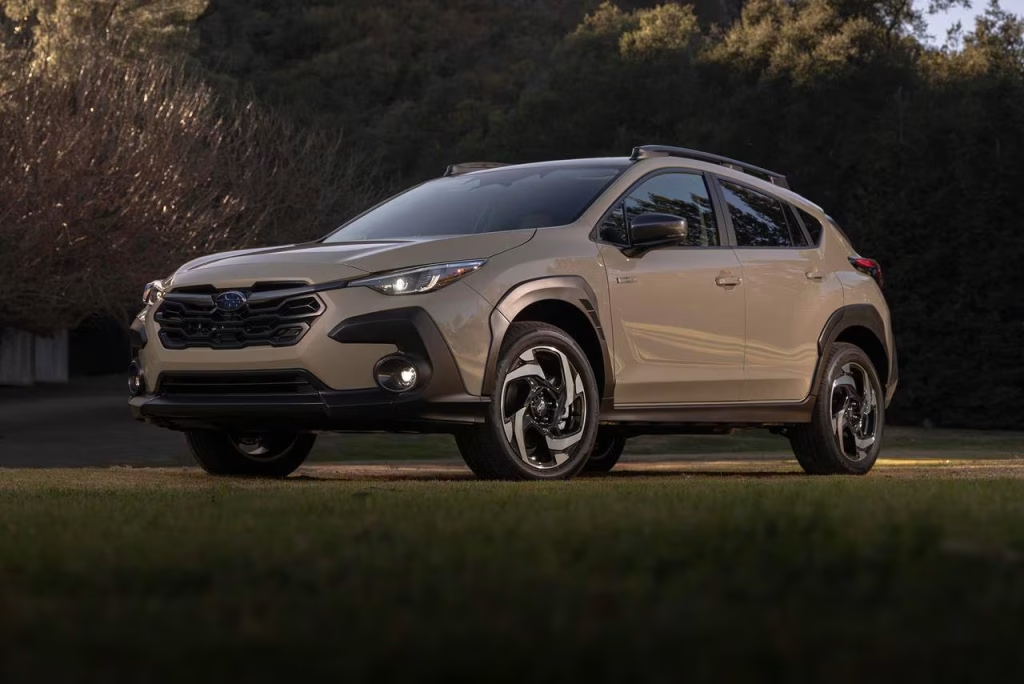
The arrangement fits the Crosstrek’s broader philosophy. It is a vehicle built around practicality, standard all-wheel drive, and light off-road capability rather than making its interior a showcase for screens. Subaru can still provide modern driver assistance, connectivity, and convenience features without replacing every physical gauge with a display.
The distinction also makes the Crosstrek unusual in the 2026 market. A buyer can choose a new vehicle from the same model family with either a conventional analog-style cluster or a much more screen-heavy digital setup, depending on the powertrain.
5. 2026 Mazda CX-50
The 2026 Mazda CX-50 manages to keep traditional gauges without making its cabin feel dated. Mazda’s U.S. owner’s manual identifies a conventional speedometer and tachometer alongside a multi-information display, with separate fuel and coolant-temperature gauges.
The arrangement gives the driver physical-style needles for the fundamentals while using a smaller screen for information that changes depending on the driving situation.
That combination is easy to appreciate because Mazda has not simply avoided modern technology. The 2026 CX-50 receives a 10.25-inch center display, wireless Apple CarPlay and Android Auto, a wireless phone charger, and i-Activsense safety technology. The 2.5 S models also use Mazda’s i-Activ AWD system as standard.
Under the hood, the standard CX-50 uses a naturally aspirated 2.5-liter four-cylinder producing 187 horsepower and 185 lb-ft of torque. Buyers can also step up to the turbocharged version, which produces as much as 256 horsepower and 320 lb-ft when using premium fuel. Both are paired with a six-speed automatic transmission.
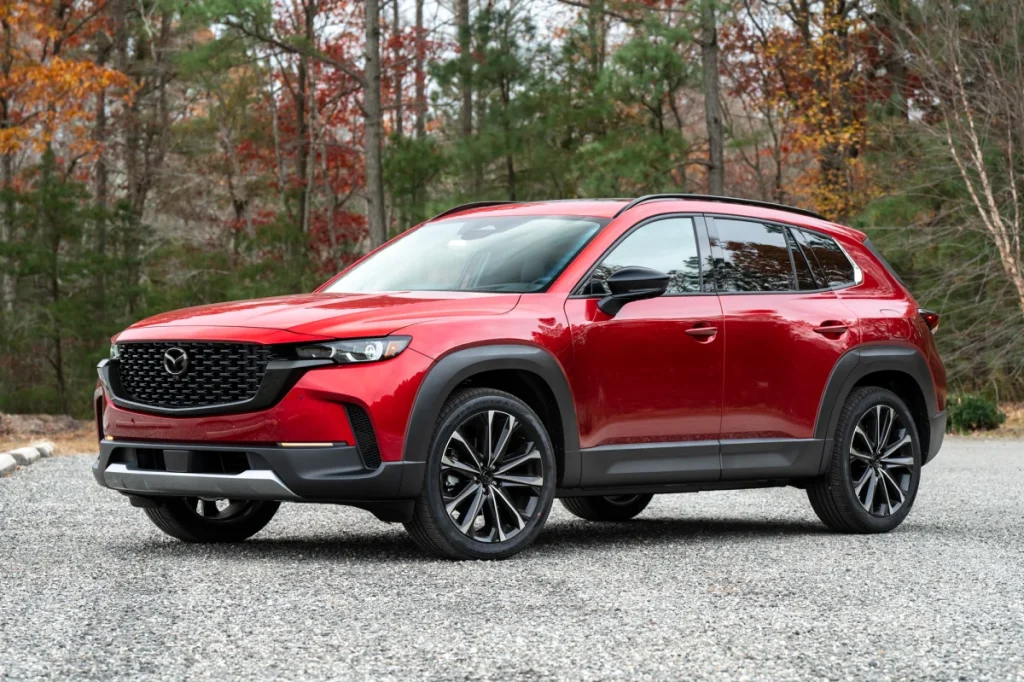
The gauge arrangement is particularly interesting because Mazda lets the driver keep the information that matters most in a familiar format. Speed is represented by a dedicated gauge, engine speed can be read from the tachometer on gasoline versions, and the smaller display handles trip information, fuel economy, driving-assistance information, and other data.
For someone tired of increasingly screen-heavy interiors, the CX-50 offers a useful middle ground. It feels like a current vehicle everywhere else, yet the driver’s primary instruments still retain the visual language of a traditional automobile.
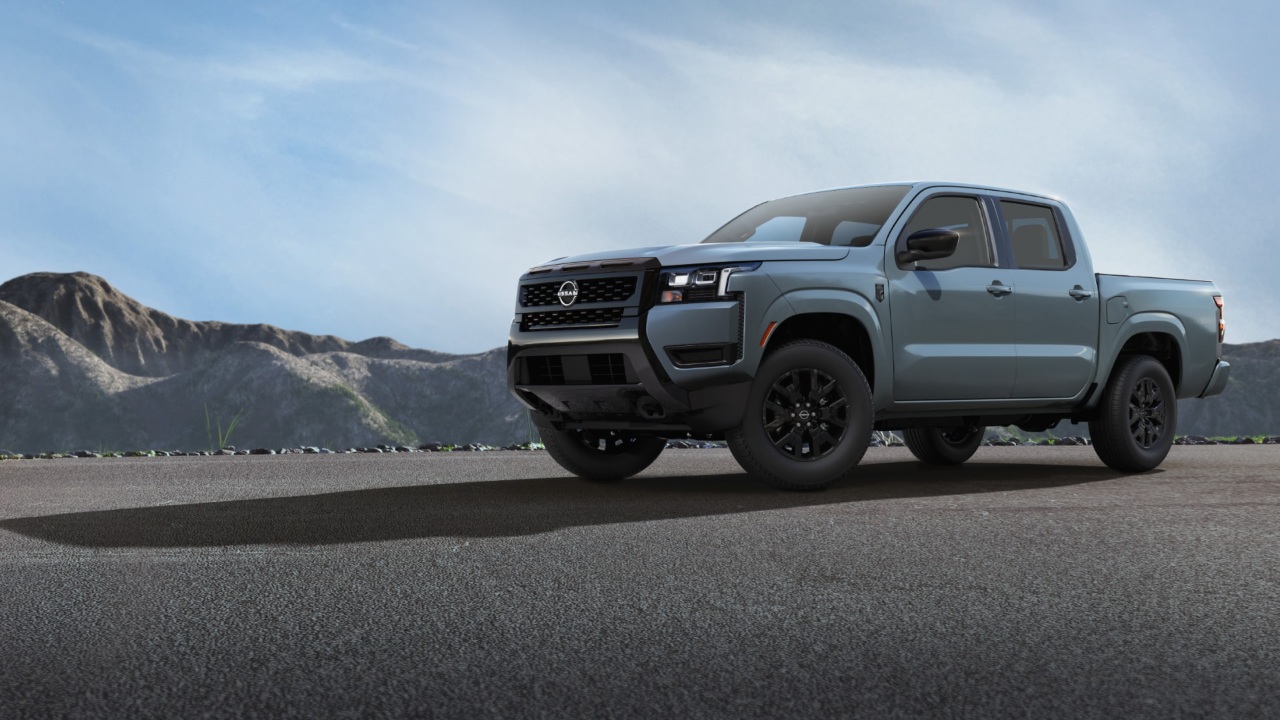
6. 2026 Nissan Frontier
The 2026 Nissan Frontier takes the traditional gauge concept and places it inside a pickup that has otherwise received plenty of modern technology.
Rather than giving the driver a completely digital instrument panel, the Frontier retains two conventional circular gauges with a smaller 7-inch digital display positioned between them. Nissan’s 2026 owner’s manual also shows the familiar two-gauge arrangement in its instrument-cluster illustrations.
That setup is particularly appropriate for a truck because the driver can quickly read speed and engine RPM without relying entirely on a configurable screen. The center display then takes care of information that benefits from digital presentation, including vehicle warnings and other driving data.
The Frontier also shows that retaining analog gauges does not mean sacrificing modern safety equipment. Nissan equips the truck with technologies such as automatic emergency braking with pedestrian detection, lane departure warning, and available ProPILOT Assist.
The truck uses radar and camera hardware for some of these functions, demonstrating how traditional gauges can coexist with sophisticated electronic assistance.
Power comes from Nissan’s 3.8-liter V6, producing 310 horsepower and 281 lb-ft of torque. The engine is paired with a nine-speed automatic transmission, and buyers can choose between rear-wheel drive and four-wheel drive depending on configuration.
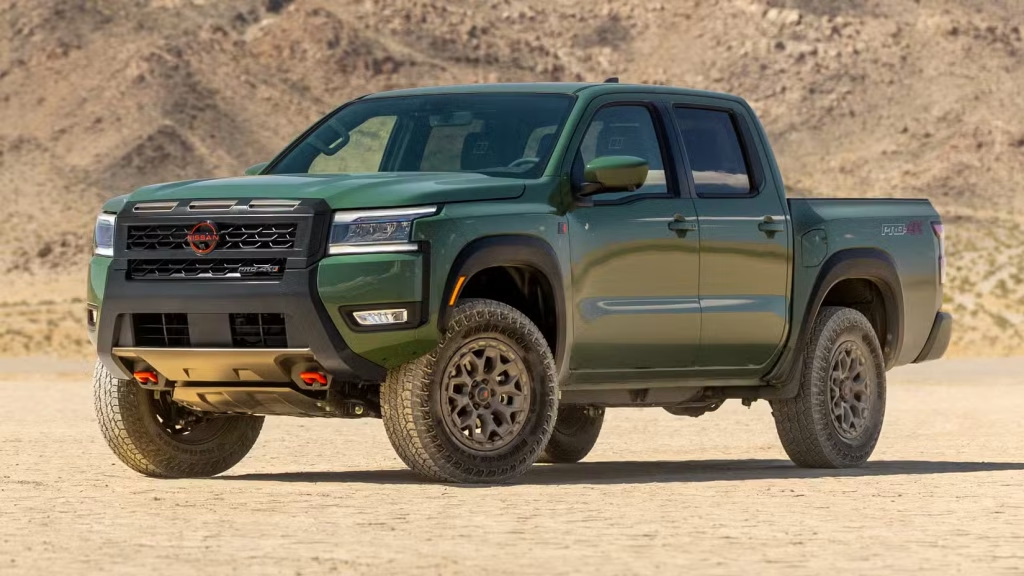
There is also something refreshingly straightforward about the Frontier’s dashboard. The center touchscreen can be substantially larger than the driver’s information display, but the instrument panel itself remains visually familiar.
The result is a new truck that acknowledges the modern preference for digital information without turning the driver’s view into one giant screen.
For buyers who want a current pickup with physical-style gauges, the Frontier remains one of the more recognizable choices in the segment.
7. 2026 Jeep Wrangler
The Jeep Wrangler keeps one of the most recognizable instrument layouts in the new-car market. Its 2026 U.S. configuration uses traditional circular gauges for the tachometer and speedometer, positioned on either side of the central driver-information display.
Jeep’s owner’s manual specifically identifies the left gauge as the tachometer and the right gauge as the speedometer, while the center section provides digital information such as speed and vehicle status.
That makes the Wrangler slightly different from a vehicle with a completely analog dashboard. The primary gauges retain physical-style needles, but Jeep still uses a digital screen between them for information that benefits from a configurable display. The result is a hybrid arrangement rather than a purely mechanical-style cluster.
It also fits the Wrangler’s purpose. The vehicle’s cabin has remained recognizable through decades of changes, and retaining conventional gauges helps preserve that familiar layout even as the SUV gains newer technology.
Depending on configuration, the Wrangler can also provide features such as adaptive cruise control, forward collision warning with active braking, and ParkSense rear parking assistance.
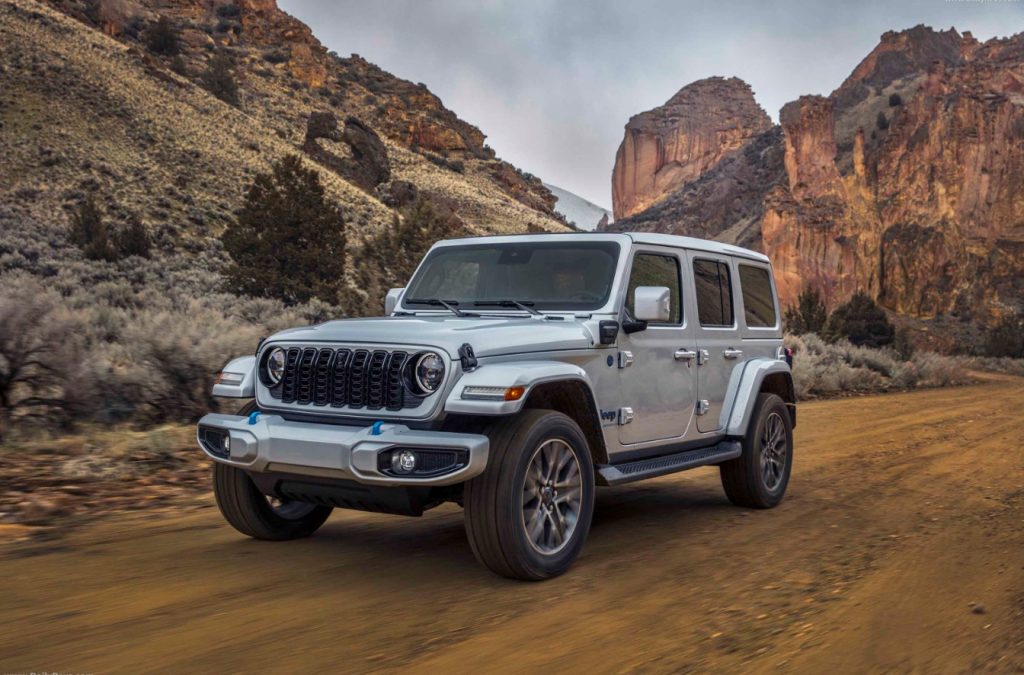
Powertrain choices make the 2026 Wrangler more interesting than a one-engine SUV. The lineup includes a 2.0-liter turbocharged four-cylinder producing 270 horsepower and 295 lb-ft of torque, while other configurations offer larger engines and different outputs.
For drivers who want a new vehicle but dislike the trend toward giant digital screens directly in front of the steering wheel, the Wrangler offers a familiar alternative. You still get modern electronic information, but the two most important gauges remain easy to identify instantly.
8. 2026 Jeep Gladiator
The Jeep Gladiator carries the Wrangler’s traditional instrument philosophy into the midsize pickup segment. Its 2026 U.S. cabin uses circular tachometer and speedometer gauges with a central information display between them.
Jeep’s documentation identifies the left circular gauge as the tachometer and the right circular gauge as the speedometer, while the center display supplies additional vehicle information.
This arrangement gives the Gladiator a distinctive visual advantage for drivers who prefer conventional instruments. There is still plenty of digital technology in the cabin, but the driver does not have to depend on a fully configurable screen simply to determine engine speed or road speed.
The pickup also retains a strong connection to traditional mechanical controls. The Gladiator is built around a body-on-frame architecture and available four-wheel-drive systems, with features intended for towing, hauling, and off-road use. Its dashboard therefore feels more functional than futuristic.
The important distinction is that “analog gauge cluster” does not mean the entire instrument panel is mechanical. The Gladiator uses electronics throughout the vehicle, including its driver-information display. What remains traditional is the presentation of the primary gauges, with physical-style circular indicators providing the basic readings.
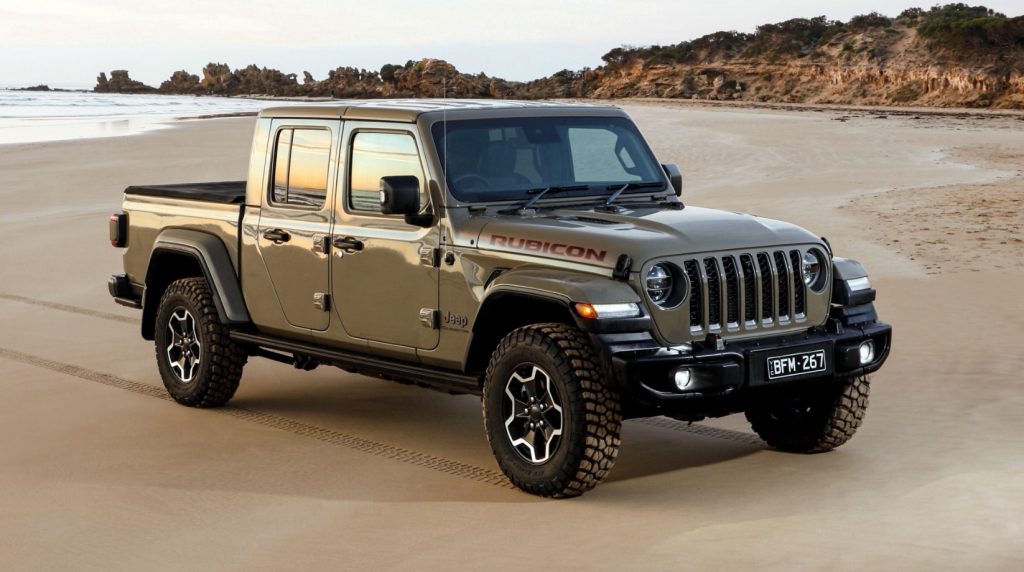
That is increasingly unusual among new vehicles. Many manufacturers have moved toward configurable digital clusters that can change their appearance depending on the selected drive mode. Jeep instead keeps the core gauge layout recognizable while using the central screen for supplementary information.
For buyers looking for a new pickup with a more familiar driver’s view, the Gladiator stands out because its modern technology does not completely replace the traditional speedometer-and-tachometer arrangement.
9. 2026 Nissan Kicks
The 2026 Nissan Kicks gives buyers an interesting choice between traditional-looking gauges and a fully digital presentation.
Nissan’s U.S. specifications show the S and SV trims with a 7-inch Advanced Drive-Assist Display, while the SR receives a 12.3-inch digital dashboard with fully digital gauges. The lower trims are therefore the versions to consider for buyers specifically looking for a more conventional instrument layout.
The Kicks is particularly interesting because Nissan has not simply made the entire cabin old-fashioned to preserve this arrangement. Even the less expensive versions receive a 12.3-inch NissanConnect infotainment display, wireless Apple CarPlay and Android Auto compatibility, and modern driver-assistance technology.
The result is a dashboard where the center of the cabin is dominated by a large screen while the driver’s display remains considerably more restrained.
There is also a useful distinction between an analog gauge and a digital display that imitates analog gauges. The Kicks S and SV use a smaller driver-information display rather than the 12.3-inch fully digital cluster found in the SR.
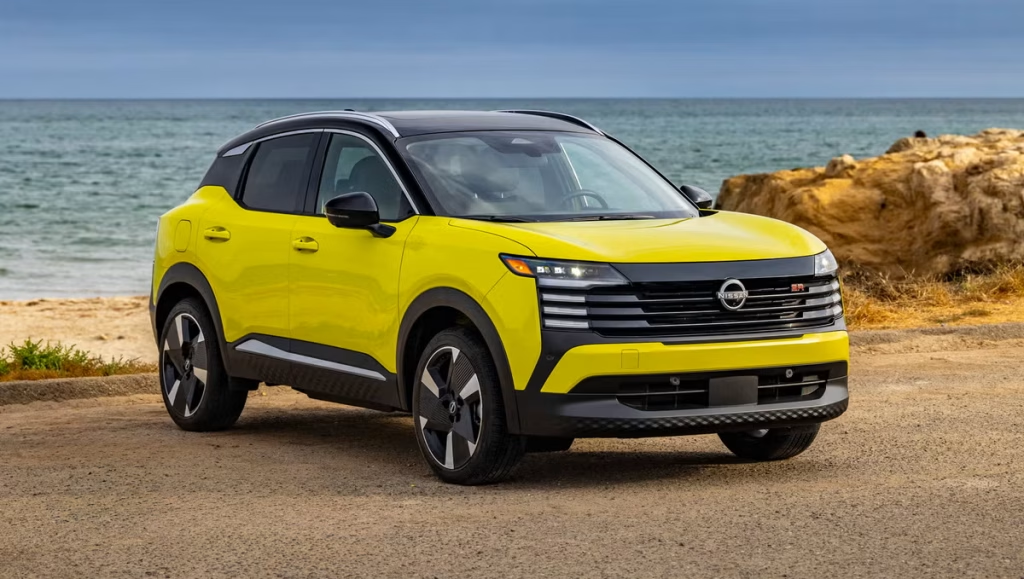
That makes the lower trims a better fit for shoppers who want to avoid the increasingly common large-screen instrument-panel experience.
Under the hood, every 2026 Kicks uses a 2.0-liter four-cylinder producing 139 horsepower and 140 lb-ft of torque, with front-wheel drive or available all-wheel drive depending on configuration.
The Kicks shows that traditional-looking instrumentation does not have to come with a bare-bones interior. Nissan has kept the driver’s information relatively simple while allowing the rest of the cabin to move firmly into the modern era.
10. 2026 Nissan Sentra
The 2026 Nissan Sentra is another example where shoppers need to choose the correct trim to get the more traditional instrument treatment. The redesigned compact sedan offers a 7-inch driver display on the base S, while higher trims receive a 12.3-inch digital dashboard with fully digital gauges.
The base display is not a collection of old mechanical gauges in the strictest sense, so it is worth being precise about what makes the Sentra relevant to this list. The 7-inch system is electronic, but Nissan’s lower-trim display can present the speedometer and tachometer in a traditional dial-style arrangement.
The result looks considerably closer to a conventional analog cluster than the large panoramic digital dashboard used on the upper trims. Independent testing of the 2026 Sentra also notes that the base display can use a traditional speedometer-and-tachometer presentation.
That makes the Sentra a useful choice for someone who cares more about the appearance and simplicity of analog-style gauges than whether the needles are physically mechanical.
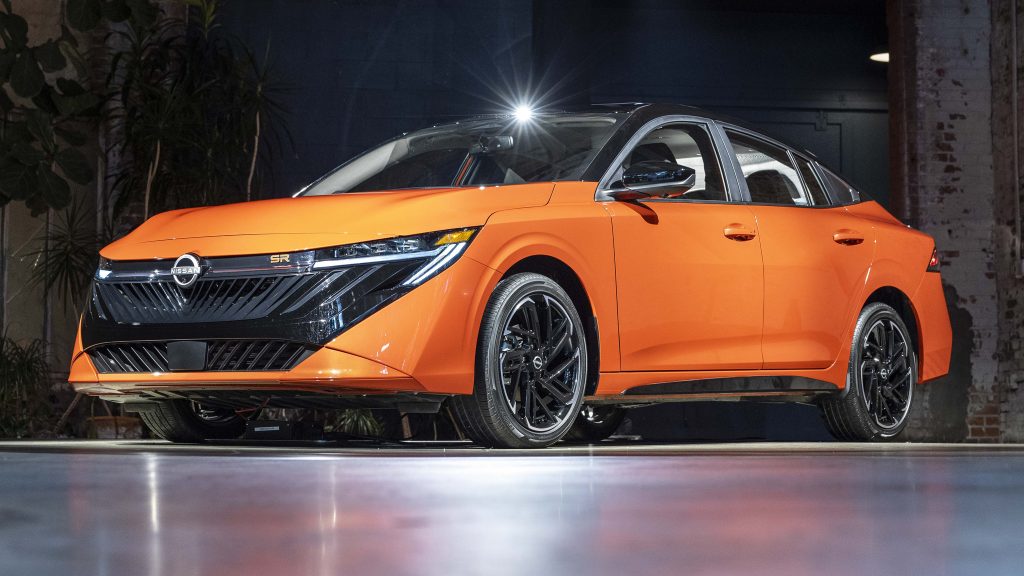
The rest of the car is distinctly modern. The 2026 Sentra gets a redesigned interior, a 12.3-inch center infotainment display, and available wireless connectivity. Nissan also retains familiar physical controls for some frequently used functions instead of putting every operation behind a touchscreen.
Power comes from a 2.0-liter four-cylinder producing 149 horsepower and 146 lb-ft of torque. The engine works with a continuously variable transmission.
For buyers seeking a new compact sedan without immediately stepping into a giant digital instrument panel, the base Sentra provides one of the more unusual alternatives in the current market.
