Owning an EV without a private driveway or garage changes the charging equation completely. Apartment renters may have to depend on public DC fast chargers, workplace stations, grocery-store chargers, or a building’s shared Level 2 equipment.
That makes charging speed, range, charger availability, and vehicle efficiency far more important than they are for someone who can plug in every night at home. Some EVs are simply harder to live with in this situation, particularly large, heavy models that consume substantial energy or vehicles that take longer to replenish.
The following ten examples highlight where apartment living can make EV ownership considerably less convenient.
1. GMC Hummer EV Pickup
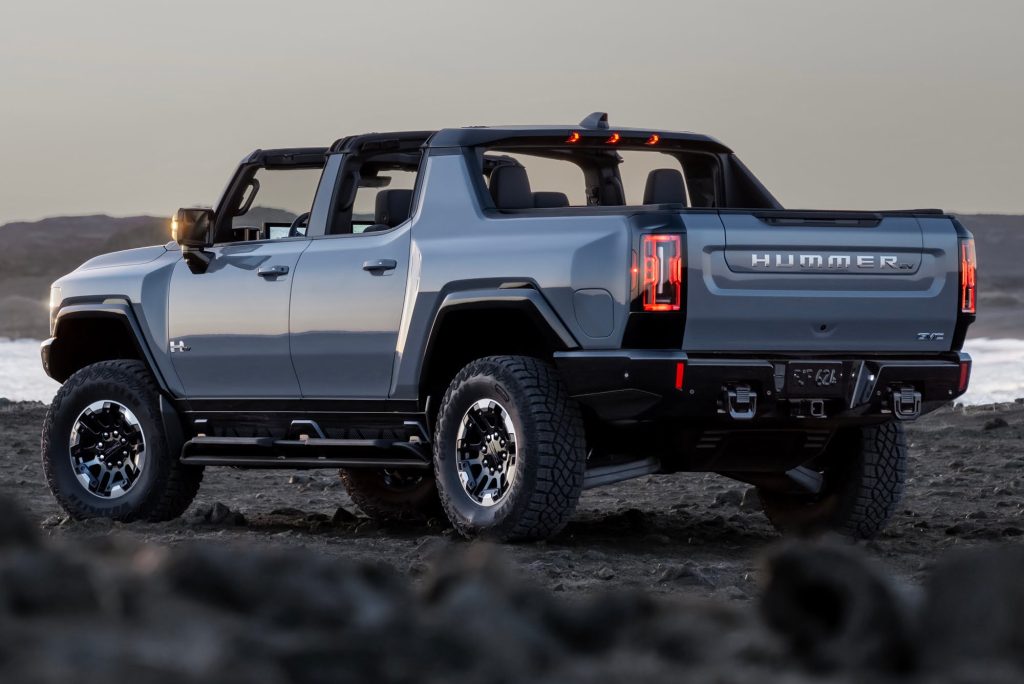
The GMC Hummer EV Pickup is an impressive vehicle, but apartment living can highlight one of its biggest drawbacks. Its massive battery pack and high energy requirements make relying entirely on public charging considerably less convenient.
GMC says the 2026 Hummer EV Pickup can have up to 363 miles of range with the largest battery configuration, while the 2X version is rated for up to 316 miles. The truck can accept up to 350 kW of DC fast-charging power, so charging speed itself is not the problem.
The issue is how much energy the vehicle needs. A renter who cannot plug in overnight has to deliberately visit a public charger whenever the battery gets low. With a vehicle this large, those charging sessions can become a recurring part of the weekly routine rather than something handled conveniently at home.
The Hummer also measures more than 86 inches wide without its mirrors and can be more than 216 inches long depending on configuration. Finding an apartment parking space that comfortably accommodates it can be another consideration, particularly in older garages designed around smaller vehicles.
None of this means the Hummer cannot work for an apartment renter. Someone with reliable workplace charging or a nearby high-power station could use one successfully. The problem is that its size, weight, and energy consumption make public-only ownership less convenient than with a smaller, more efficient EV.
2. Lexus RZ
The Lexus RZ becomes a more complicated proposition for an apartment renter who has no dependable charging location. The 2026 model is substantially improved compared with earlier versions, gaining a native NACS port, access to the Tesla Supercharger network, and a larger battery.
Lexus says the RZ 350e can deliver approximately 301 miles of manufacturer-estimated range with 18-inch wheels, while the RZ 450e AWD is rated at approximately 264 miles.
The problem is not that the RZ cannot fast-charge. Lexus says the 2026 model can go from 10% to 80% in around 30 minutes under ideal conditions. That is reasonable for a public charging stop, but it is considerably slower than some newer 800-volt competitors that can accomplish the same task in roughly 20 minutes.
For someone who charges exclusively in public, the difference becomes meaningful. A renter might need to spend more time at a charger every week, especially if the vehicle is driven heavily.
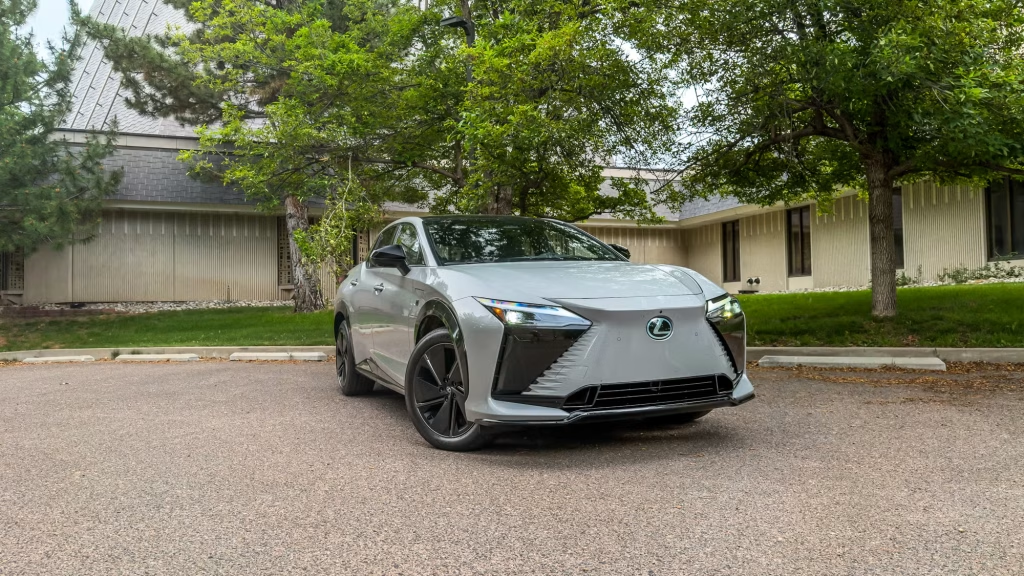
The RZ also has multiple powertrain choices, with the RZ 550e F Sport producing 408 horsepower but offering only about 228 miles of manufacturer-estimated range on 20-inch wheels.
The RZ is therefore much easier to recommend to someone with home charging. Without it, the relatively long charging sessions make the ownership routine more demanding than it needs to be.
3. Rivian R1S
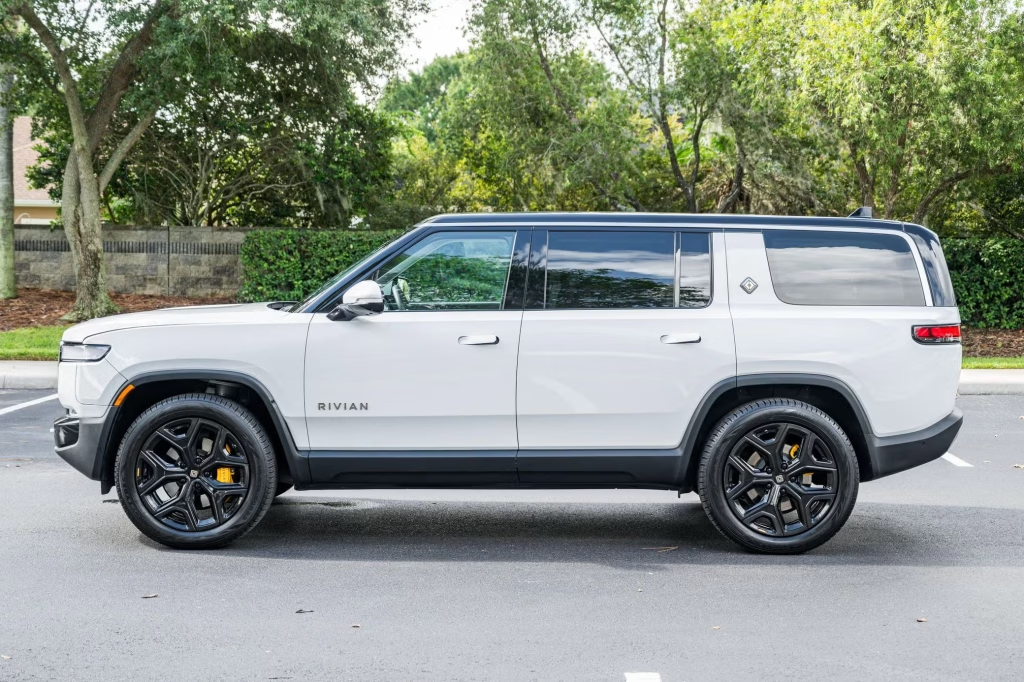
The Rivian R1S can be a difficult EV to justify for an apartment renter who has no dependable overnight charging because of its size, battery capacity, and charging requirements.
The 2026 R1S Dual with the standard battery is EPA-rated at 329 miles, but its 108-kWh battery takes about 12 hours to charge from empty using a 240-volt Level 2 connection. For an apartment resident without access to a dedicated outlet, that means public charging becomes a much more important part of the ownership routine.
Rivian’s DC fast-charging capability is respectable. The company says its vehicles can add up to 150 miles in 20 minutes under suitable conditions, with charging power reaching up to 300 kW. The 2026 R1S also has a built-in NACS port, allowing newer vehicles to use more than 21,500 compatible Tesla Superchargers.
The challenge is that the R1S is a large, heavy three-row SUV. The Dual weighs substantially more than a typical compact EV, and the vehicle measures 200. 8 inches long and 82 inches wide without mirrors. Its EPA efficiency is also only 85 MPGe combined for the 2026 Dual, so every mile of driving requires a meaningful amount of electricity.
That combination can make public-only charging inconvenient. An apartment renter who drives relatively little may manage perfectly well, particularly with a fast charger nearby.
Someone covering hundreds of miles each week could find themselves making frequent charging stops simply because the vehicle’s battery is large and its energy consumption is relatively high.
4. Ford F-150 Lightning
The Ford F-150 Lightning creates a different challenge for apartment dwellers because public charging becomes less convenient when the truck is used for regular hauling and towing duties. Ford’s 2025 specifications list battery capacities from 98 kWh to 131 kWh, while EPA-estimated range can reach up to 320 miles depending on the configuration.
Ford says a 150-kW DC fast charger can add approximately 62 to 65 miles of range in 10 minutes, depending on the battery. That is useful, but it also illustrates how much electricity a full-size electric pickup requires. A renter who cannot charge at home may have to make regular trips to a DC station simply to maintain enough range for normal driving.
The situation becomes more demanding when towing. Ford rates select Lightning configurations for towing up to 10,000 pounds, but towing can substantially increase energy consumption and reduce driving range.
That means a renter using the truck for trailers, boats, or heavy loads could need charging stops much more frequently than the EPA range figure suggests.
There is also the physical question of apartment parking. The Lightning is a full-size pickup, so garages with narrow spaces or low maneuvering room can be less convenient than they would be for a compact EV.
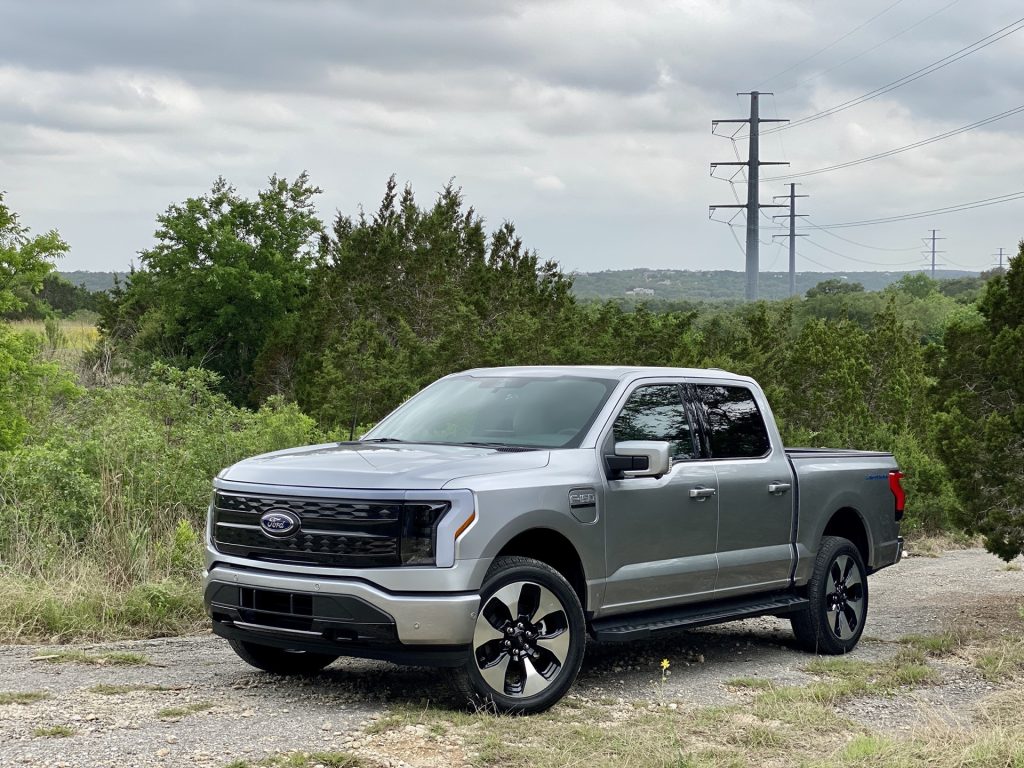
The truck’s size makes finding a suitable public charging bay another consideration, especially when chargers are positioned in compact parking lots.
For an apartment resident with workplace charging or a dedicated charger at the building, the Lightning can make sense. Without either, its large battery, full-size dimensions, and potentially high energy consumption make ownership considerably more demanding.
5. Volkswagen ID.4
The Volkswagen ID.4 is easier to live with than some large EVs on this list, but apartment renters without reliable home charging still face a meaningful inconvenience.
The 2026 ID.4 Pro and Pro S are EPA-rated for 291 miles of range, while the all-wheel-drive versions reach 263 miles. Volkswagen says DC fast charging can take the battery from 10% to 80% in approximately 28 minutes under optimal conditions.
That charging time is reasonable, but it is not especially quick by current EV standards. A renter who cannot plug in overnight may need to make regular public-charging stops simply to maintain enough range for commuting.
The problem becomes more noticeable during cold weather, highway driving, or repeated long-distance trips, when real-world range can fall below the EPA estimate.
The ID.4 offers an important benefit for apartment residents because it can access the Tesla Supercharger network using a Volkswagen-approved NACS adapter.
Volkswagen says the 2026 model also includes a two-year Electrify America Pass+ membership with Plug&Charge, providing access to more than 1,080 Electrify America stations and over 5,000 DC fast chargers.
That network access makes the ID.4 considerably more practical than an EV restricted to a smaller charging ecosystem. Still, the charging session itself takes longer than what some newer 800-volt vehicles can achieve.
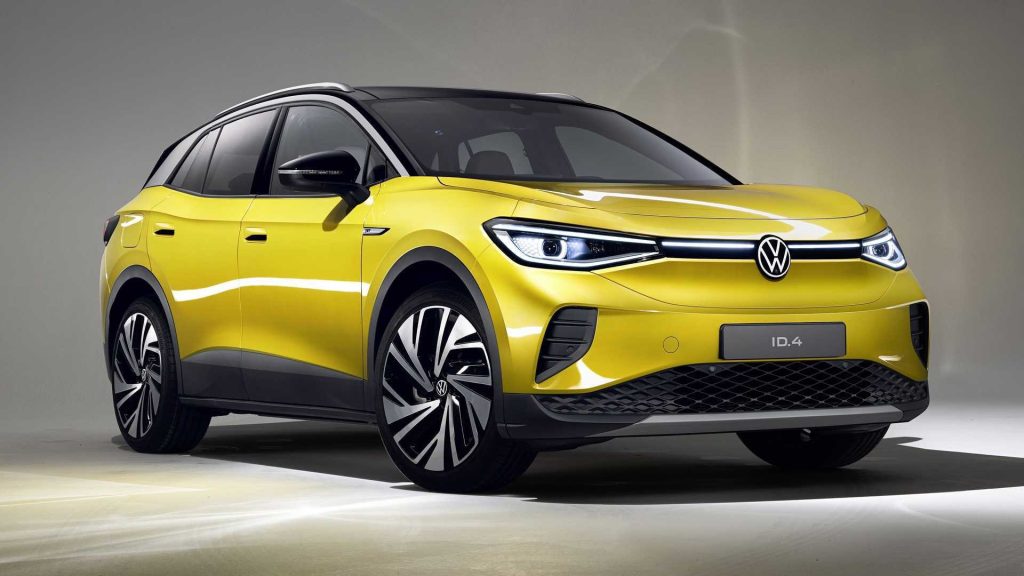
For someone who has a Level 2 charger at an apartment complex, the ID.4 can be a sensible daily driver. For a renter who relies almost entirely on public DC charging, however, spending close to half an hour at a station every time a substantial recharge is needed can become a recurring inconvenience.
6. Nissan Ariya
The Nissan Ariya illustrates why an EV’s charging network access does not automatically make it convenient for an apartment renter.
The Ariya was discontinued in the United States after the 2025 model year, so this applies specifically to someone considering a used Ariya rather than a new 2026 vehicle. Nissan’s final U.S. Ariya offered up to 289 miles of EPA-estimated range in the Evolve+ configuration.
The bigger issue for a public-only charging routine is charging speed. Nissan says Ariya models with the 63-kWh battery can take approximately 35 minutes to reach 80% from 10%, while versions equipped with the 87-kWh battery require approximately 40 minutes under suitable DC fast-charging conditions.
That difference becomes significant when compared with newer EVs capable of completing a similar charge in roughly 20 minutes. An apartment renter who cannot charge at home may need to schedule those longer stops regularly, particularly if the vehicle is driven heavily.
The Ariya does have several features that help. Its battery uses liquid cooling, Nissan provides an Intelligent Route Planner capable of locating fast chargers, and the vehicle can access compatible Tesla Superchargers with the appropriate NACS adapter.
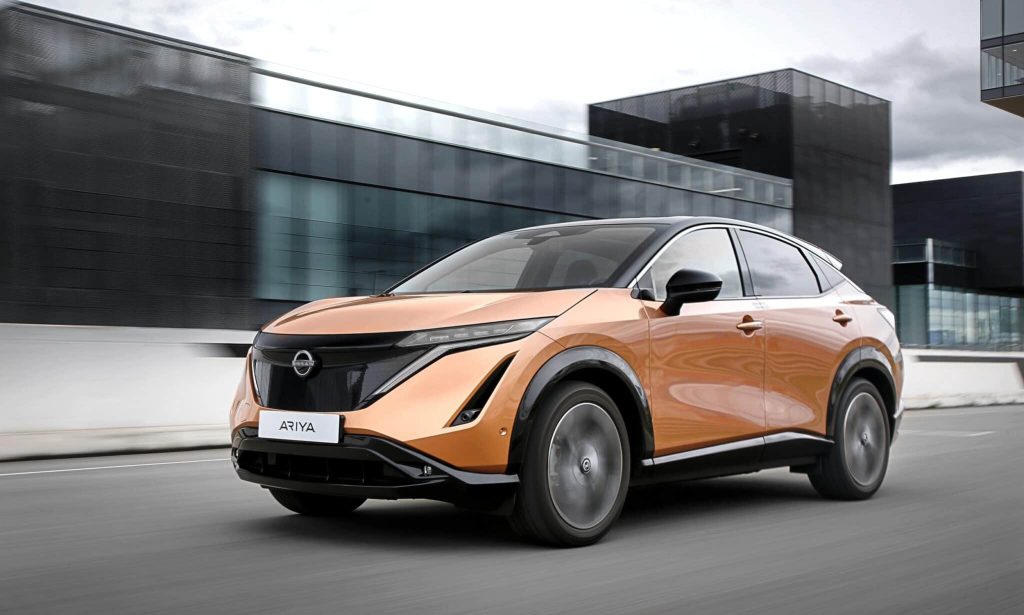
Nissan also says its charging ecosystem provides access to more than 100,000 public chargers through the NISSAN ENERGY Charge Network.
Those advantages make the Ariya far from unusable without home charging. However, because it is an older charging design and no longer in production, a used Ariya makes the most sense for an apartment renter who has dependable Level 2 access or a conveniently located fast charger.
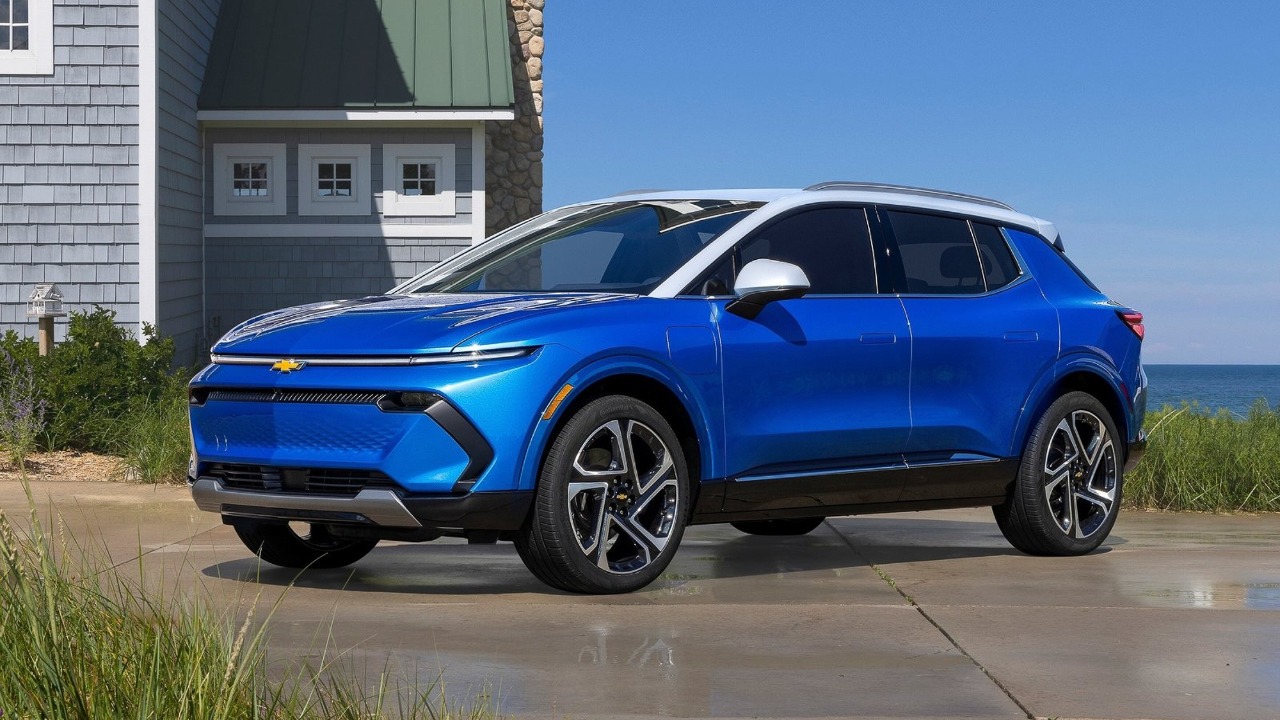
7. Chevrolet Equinox EV
The Chevrolet Equinox EV is a good example of an EV that can become considerably less convenient when apartment living eliminates home charging. Its biggest strength is range, with the 2026 front-wheel-drive version rated at up to 319 miles by the EPA.
That sounds reassuring, but the vehicle’s charging hardware is less impressive than its range figure. Chevrolet says the Equinox EV uses an 85-kWh battery and accepts up to 150 kW of DC fast-charging power.
Chevrolet estimates that the 2026 Equinox EV can add up to 84 miles of range in 10 minutes with public DC fast charging in the front-wheel-drive configuration. The company also says a 10-to-80-percent session takes approximately 42 minutes under its current published specifications.
That is not necessarily a problem for someone who charges at home overnight. For an apartment renter who depends entirely on public chargers, however, those sessions can become a recurring time commitment.
Consumer Reports also notes that the Equinox EV’s 150-kW maximum acceptance rate is modest compared with some newer EVs designed around much faster charging systems.
The vehicle has a useful charging advantage. Chevrolet says owners can access more than 250,000 public chargers through its charging network, including over 29,000 Superchargers when using the appropriate GM-approved NACS adapter.
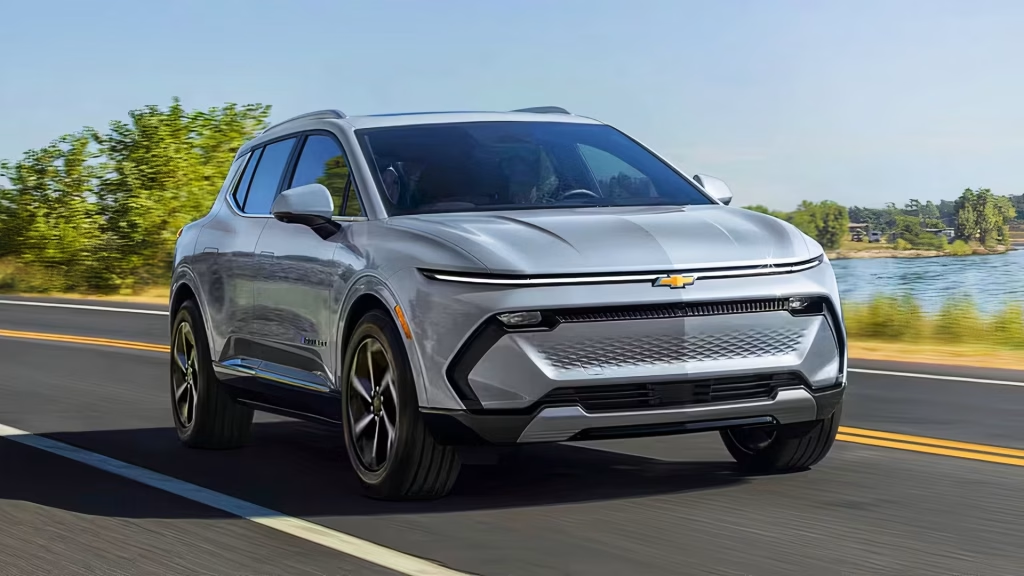
So the Equinox EV is not inherently poor. Its combination of range and reasonable pricing can make it attractive. The issue for an apartment renter is that its strongest ownership advantage, convenient overnight charging, may not be available.
8. Toyota BZ4X
The Toyota bZ4X can be particularly awkward for an apartment renter who has no reliable Level 2 charging because its DC fast-charging performance has historically lagged behind the quickest modern EVs.
The 2026 model is substantially improved, but Toyota’s own specifications still show why public-only charging requires more planning than it would in an EV with a faster charging architecture.
For 2026, the bZ4X receives a larger 74.7 kWh battery in the front-wheel-drive version and 74.7 kWh in all-wheel-drive configurations, while Toyota lists up to 314 miles of EPA-estimated range for the FWD XLE. That range is useful for reducing how frequently an apartment resident needs to charge.
The difficulty comes when the battery eventually needs replenishing. Toyota lists DC fast charging capability, but charging performance varies substantially with battery temperature, charger output, and other conditions. The bZ4X also does not use the type of 800-volt architecture found in several newer fast-charging competitors.
For an owner with home charging, that matters less because the vehicle can simply be plugged in overnight. Without a private charging location, every recharge becomes a separate trip to a public station. A renter may therefore spend more time planning around charger locations and availability, particularly before longer journeys.
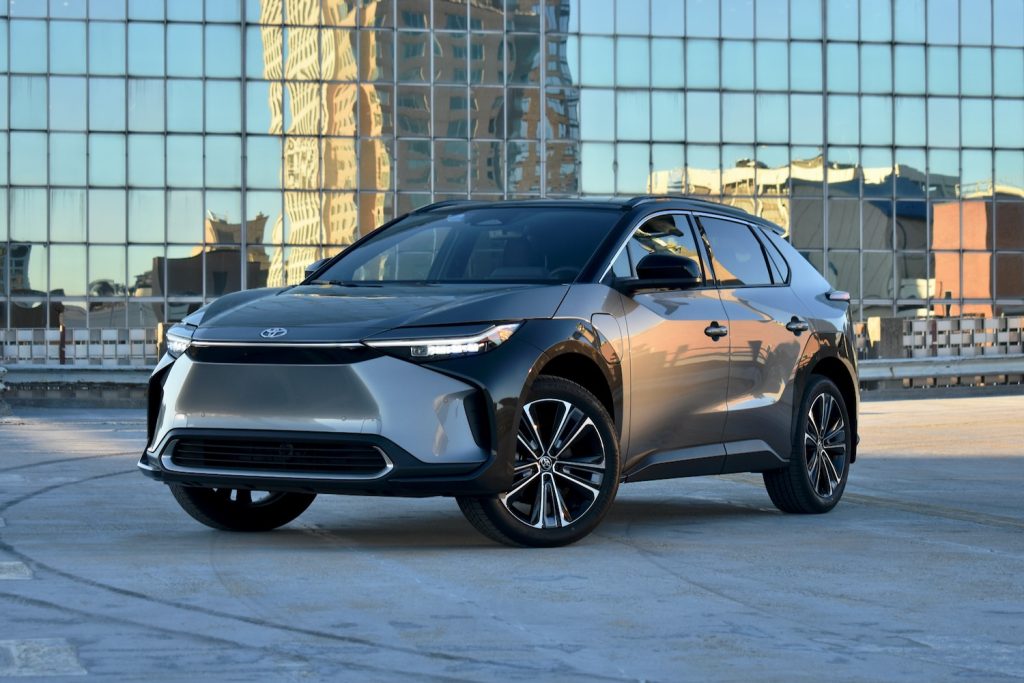
Toyota has also expanded public-charging access for its EV customers, including compatibility with the North American Charging Standard ecosystem through an adapter where applicable. That improves station access, but it does not change the vehicle’s fundamental charging rate.
The bZ4X can work for apartment living when a reliable charger is available at the building, workplace, or nearby destination. Without one, its slower charging characteristics make ownership more dependent on careful planning.
9. Ford Mustang Mach-E
The Ford Mustang Mach-E is not inherently difficult to own without home charging, but its charging characteristics make apartment living more dependent on public infrastructure than some newer competitors.
For 2026, the Mach-E offers an EPA-estimated range of 260 to 320 miles, depending on battery, drivetrain, and trim. That gives renters useful flexibility between charging stops, but the vehicle’s maximum DC fast-charging rate is 150 kW on long-range versions, while standard-range models peak at 115 kW.
Ford itself emphasizes that the Mach-E is particularly convenient when it can be charged at home. With a 240-volt connection, the company’s charging guide says the vehicle can replenish a substantial amount of energy overnight. Without that option, the owner has to substitute public charging for that convenient overnight routine.
That distinction becomes important for apartment renters. A public fast charger can certainly keep the Mach-E moving, but it means charging becomes an errand rather than something that happens while the vehicle is parked overnight.
Ford’s connected navigation can precondition the battery before arriving at a fast charger, which can help charging performance, and the Mach-E can use Tesla Superchargers with the appropriate adapter.
The vehicle also has a relatively large footprint compared with compact EVs, measuring about 186 inches long. For renters dealing with tight apartment parking spaces, that can add another small inconvenience.
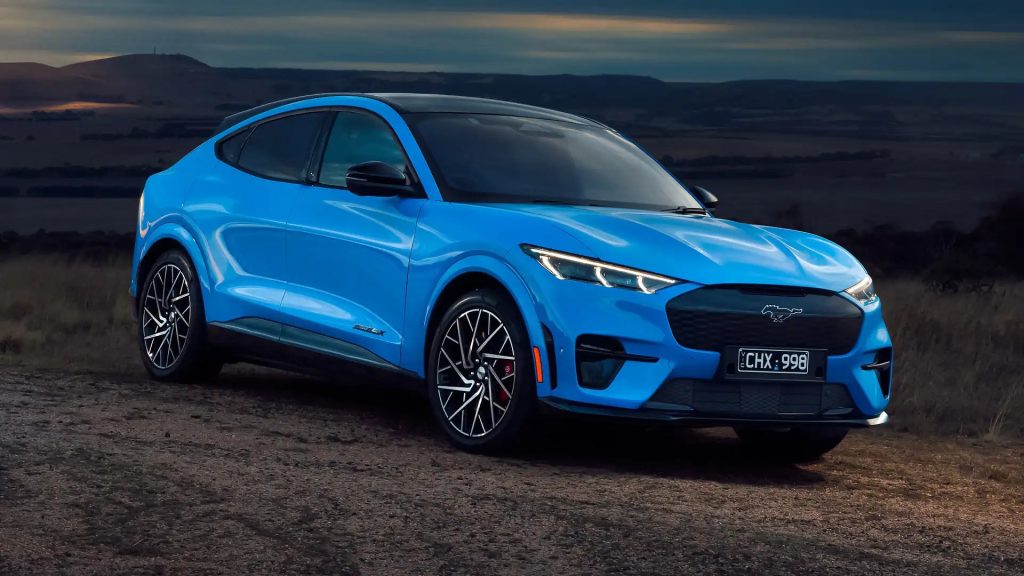
The Mach-E therefore makes the list not because it lacks useful range or charging access, but because its strongest ownership advantage comes when a driver has somewhere to plug in regularly. Without that convenience, a renter must plan around public charging more frequently.
10. Nissan LEAF
The redesigned 2026 Nissan LEAF is dramatically more suitable for long-distance driving than its predecessor, but an apartment renter who depends entirely on public charging still needs to consider its charging speed carefully.
The new LEAF finally adopts a North American Charging Standard port, eliminating the previous generation’s CHAdeMO limitation and giving it access to a much broader public charging network.
The LEAF’s range is now competitive for its class. Nissan rates the S+ at 303 miles, the SV+ at 288 miles, and the Platinum+ at 259 miles. That is a major improvement over earlier LEAF models and means many apartment residents would not need to charge every day.
The catch appears when the battery needs a rapid refill. Nissan says the new LEAF accepts up to 150 kW from a DC fast charger and can charge from 10% to 80% in approximately 35 minutes.
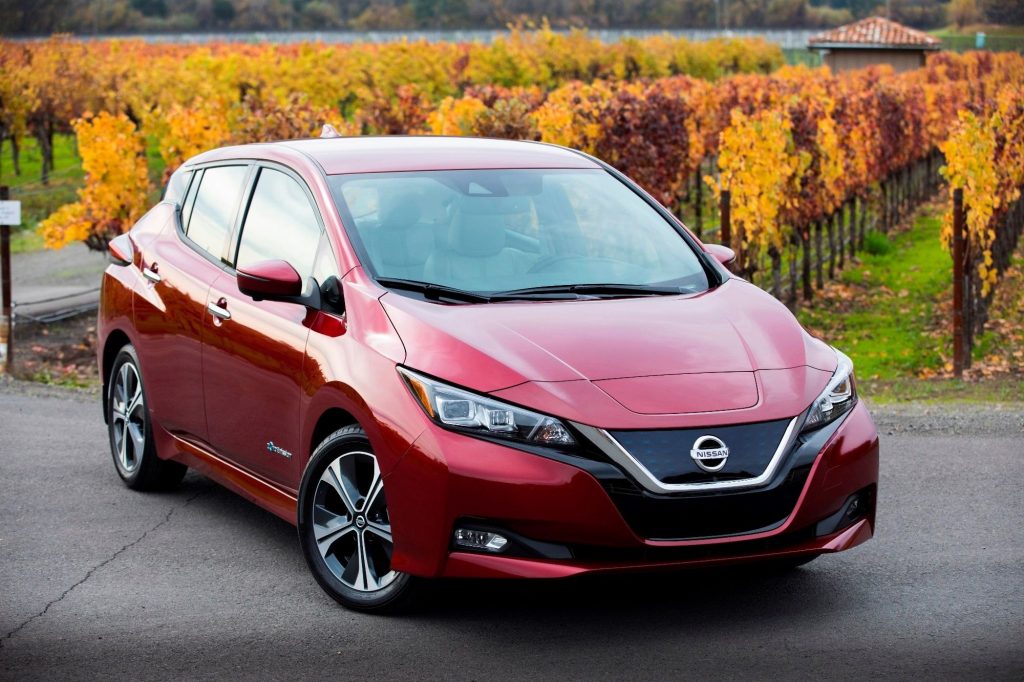
Consumer Reports describes that 150-kW ceiling as relatively slow compared with the fastest current EVs, although it is still three times the maximum DC charging rate of the previous-generation LEAF.
For an apartment renter, that means the LEAF can work well when daily driving is modest, and a charger is conveniently located near home, work, or regular errands. Someone who frequently drives long distances, however, may spend more time at public chargers than they would in an EV capable of sustaining much higher charging power.
The new LEAF is therefore a major improvement, but its 150-kW ceiling remains an important consideration for anyone who cannot plug in overnight.