
Electric-vehicle range figures can look impressive on a specification sheet, but the number printed on the window sticker does not always tell the whole story. Temperature, highway speed, tires, wheel size, terrain, and climate-control use can substantially change how far an EV travels between charges.
Some models have demonstrated that their advertised range can translate into genuinely useful long-distance capability, while others can fall considerably short under demanding conditions.
This guide separates five EVs that have delivered 300 or more miles in independent real-world testing from five where the advertised figure can create unrealistic expectations. The focus is on measurable results rather than marketing claims.
5 EVs With Real 300+ Mile Range
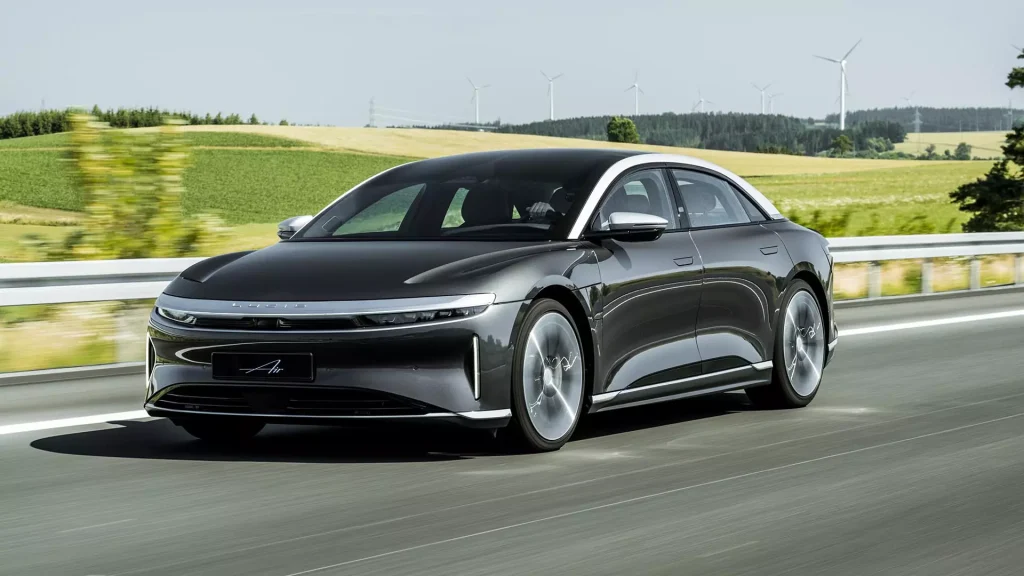
1. 2023 Lucid Air Grand Touring
The Lucid Air Grand Touring is one of the clearest examples of an EV whose long-range reputation is supported by independent testing.
MotorTrend recorded 330 miles in its 70-mph road-trip range test with a 2022 Lucid Air Grand Touring Performance, while the EPA figure for that configuration was substantially higher. The result still placed the car beyond the 300-mile threshold under demanding highway conditions.
Lucid’s advantage comes from efficiency as much as battery size. The Air combines a large battery pack with an exceptionally aerodynamic body and efficient electric motors. That allows it to maintain impressive range even when driven at highway speeds, where aerodynamic drag becomes a major factor in EV energy consumption.
The Air Grand Touring is also notable because it does not need unusually slow driving to reach the 300-mile territory in independent testing. MotorTrend’s highway-oriented test is designed to represent sustained road-trip conditions, making its 330-mile result particularly relevant to drivers who regularly travel between cities.
There is an important qualification, however. The tested 2022 Grand Touring Performance is not identical to every current Air variant. MotorTrend has recorded different results across the Air lineup, including 319 miles for an Air Pure AWD and 330 miles for the Grand Touring Performance.
That variation demonstrates why buyers should pay attention to trim, wheels, and drivetrain rather than assuming every Air delivers the same range.
Still, the Grand Touring has demonstrated genuine 300-plus-mile highway capability, making it one of the strongest examples of an EV that can back up its long-range credentials with real-world evidence.
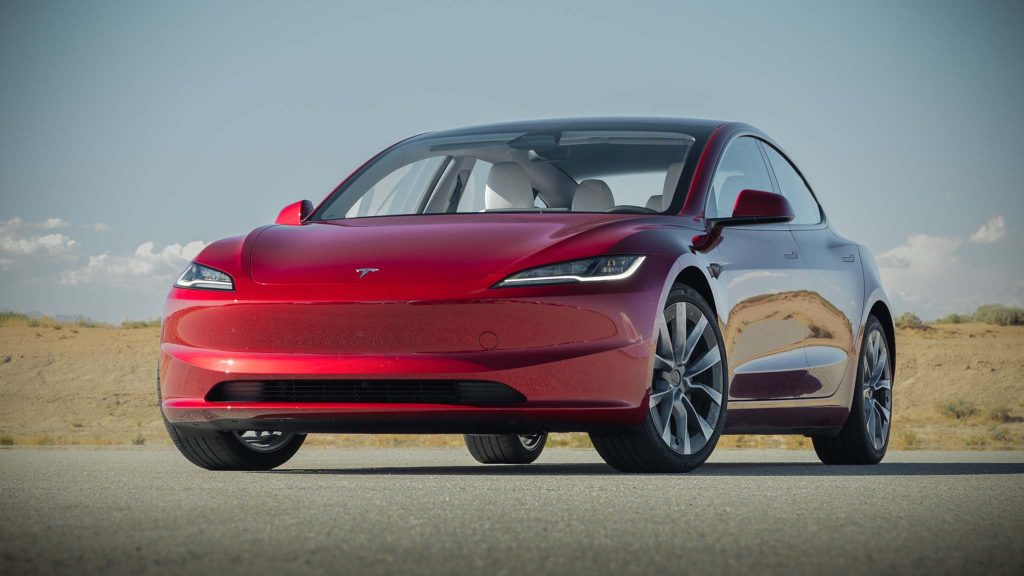
2. 2024 Tesla Model 3 Long Range
The Tesla Model 3 Long Range has repeatedly demonstrated that its range can translate into substantial real-world distance. Edmunds recorded 338 miles from a 2024 Model 3 Long Range during its standardized EV range test.
The publication had previously recorded 341 miles from a pre-refresh Model 3, showing that the model’s efficiency is not dependent on a single exceptional test result.
Efficiency is central to the Model 3’s performance here. The car does not need an enormous battery to travel long distances because its relatively low weight and aerodynamic shape reduce the amount of electricity required to move it.
Edmunds’ long-term 2024 example recorded an average consumption of about 22.2 kWh per 100 miles, illustrating how effectively the vehicle uses its stored energy.
The 2024 refresh also brought changes to the Model 3’s cabin, exterior design, and suspension tuning. Yet the long-range version retained the fundamental efficiency advantage that has helped the Model 3 perform strongly in independent range tests.
There is an important distinction between this test result and what a driver should expect every day. Edmunds’ 338-mile figure came from its standardized testing procedure, not a guarantee that every highway trip will reach that number. Cold weather, high speeds, strong headwinds, and heavy climate-control use can reduce range.
Even with those caveats, the Model 3 Long Range has repeatedly crossed the 300-mile threshold under independent testing. That makes it a useful benchmark for judging whether an EV’s claimed long-distance capability translates into actual usable range.
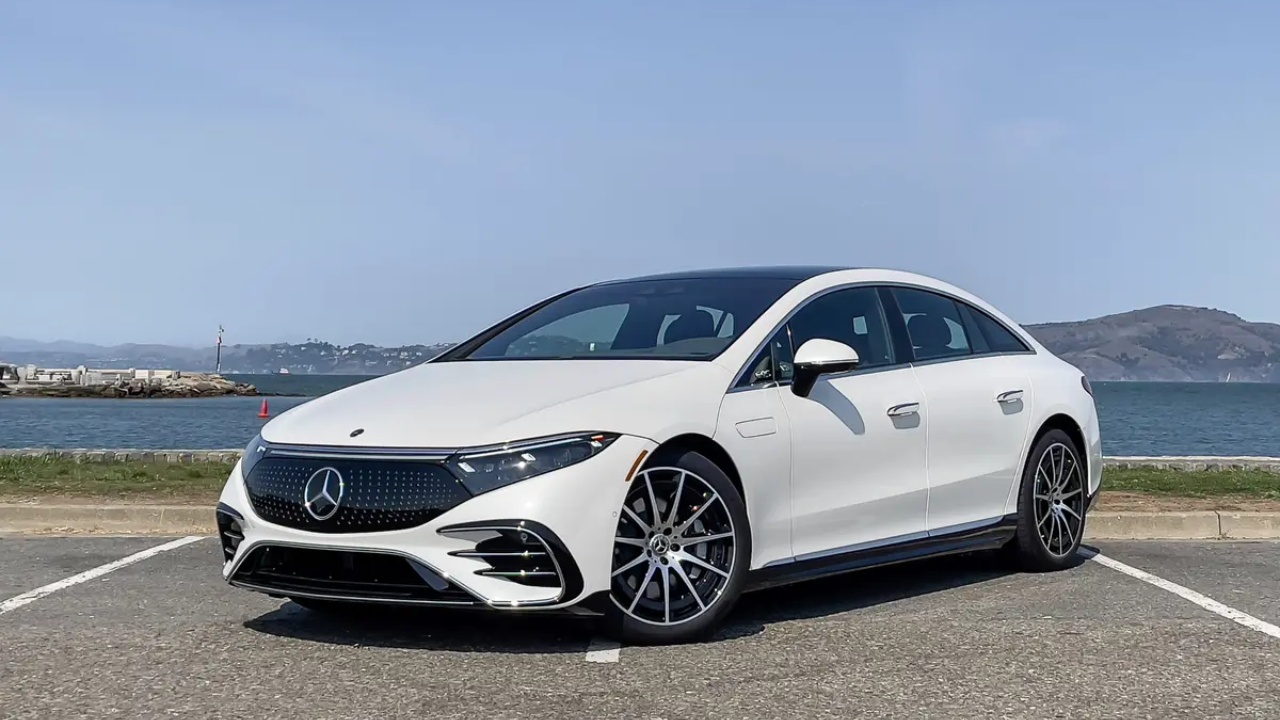
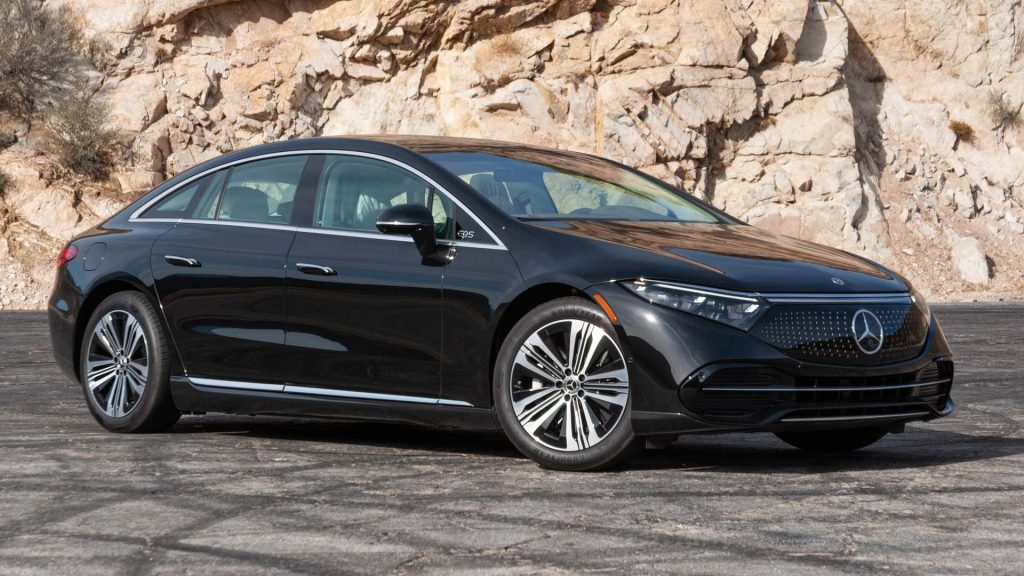
3. 2022 Mercedes-Benz EQS 450+
The 2022 Mercedes-Benz EQS 450+ provides one of the clearest examples of an EV exceeding its official range in independent testing. Edmunds drove the rear-wheel-drive EQS 450+ through its standardized EV range test and recorded 422 miles, compared with an EPA estimate of 350 miles.
That is a substantial difference and puts the EQS among the strongest real-world range performers tested by the publication.
The result is particularly notable because Edmunds does not use a low-speed laboratory simulation for this test. Its standardized route includes city and highway driving, with climate control operating normally.
The EQS therefore demonstrated that its large battery, aerodynamic body, and efficient powertrain could deliver exceptional distance outside an EPA test cycle.
Mercedes equipped the 450+ with a single electric motor driving the rear wheels. The setup produces 329 horsepower and 419 lb-ft of torque, while the battery has a usable capacity of about 107.8 kWh. Those numbers help explain why the EQS can travel such a long distance without requiring an unusually small or lightweight vehicle.
The test result should not be treated as a guarantee for every journey. Temperature, speed, wheel selection, and driving style can significantly affect EV range. Even Edmunds notes that its testing takes place under relatively favorable conditions.
Still, the 422-mile result is difficult to dismiss. The EQS 450+ did not merely cross the 300-mile threshold. It exceeded its official estimate by 72 miles in Edmunds testing, demonstrating substantial real-world range capability. For long-distance EV buyers, that makes the 2022 EQS 450+ an important benchmark.
4. 2022 BMW iX xDrive50
The BMW iX xDrive50 proves that a relatively large electric SUV can also travel more than 300 miles in real-world conditions. Edmunds recorded 377 miles from a 2022 iX xDrive50 in its standardized EV range test, substantially exceeding the vehicle’s EPA estimate of 315 miles for the tested configuration.
What makes the result particularly interesting is the size of the vehicle. The iX is a midsize luxury SUV weighing more than 5,700 pounds in Edmunds’ test configuration, yet its electric motors and battery system managed an impressive 32 kWh per 100 miles during the test.
That efficiency helped the SUV cover considerably more ground than its EPA figure suggested.
Wheel choice is worth noting. Edmunds’ test vehicle used optional 22-inch wheels and had a 315-mile EPA rating. The standard 20-inch wheels would have increased the EPA estimate to 324 miles. This illustrates how equipment can affect EV range even when the underlying vehicle remains the same.
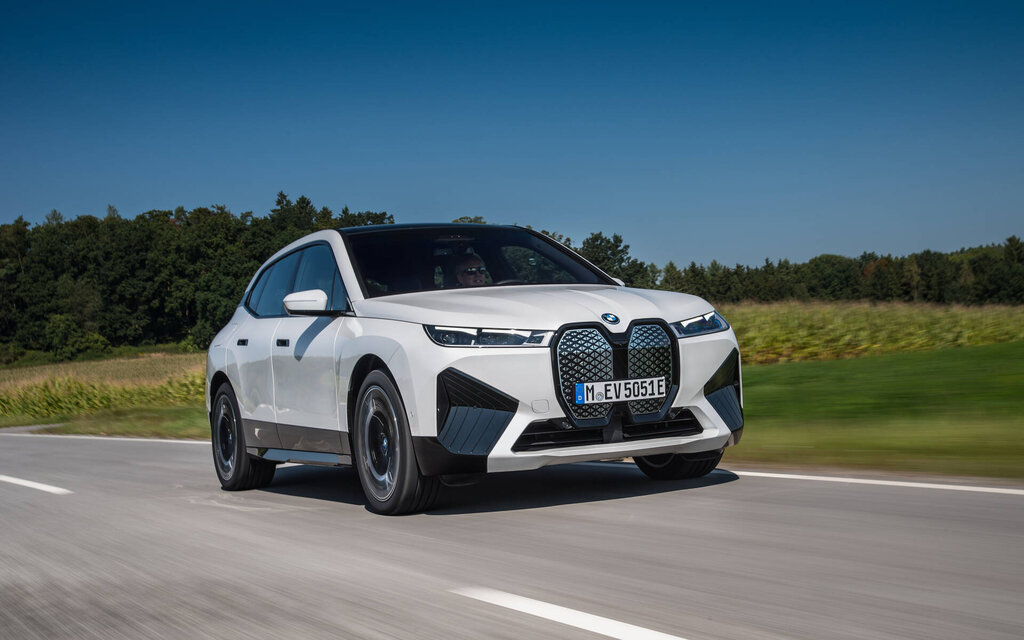
The iX also offers substantial practicality. Its five-seat cabin provides generous passenger space, while Edmunds lists 35.5 cubic feet of cargo capacity behind the rear seats. That gives the vehicle a useful advantage for families who want long range without giving up SUV proportions.
A 377-mile independent result does not mean every iX will travel that far. Weather, driving speed, and wheel configuration can change the result considerably. Yet the test demonstrates that the xDrive50 has genuine 300-plus-mile capability under controlled real-world conditions, making it one of the more convincing long-range electric SUVs.
5. 2023 GMC Hummer EV 3X
The GMC Hummer EV 3X seems like an unlikely candidate for a long-range list because it weighs more than 9,000 pounds and has the aerodynamic profile of a brick.
Yet MotorTrend’s 70-mph Road-Trip Range test produced 310 miles, putting it just beyond the 300-mile threshold. The result is particularly impressive considering the enormous size and weight of the truck.
The Hummer accomplishes this largely through battery capacity rather than exceptional efficiency. The tested truck uses a massive battery pack of roughly 205 kWh, giving it enough stored energy to compensate for its high consumption.
MotorTrend recorded a 310-mile result while using 95 percent of the battery at a constant 70 mph, making the figure particularly relevant to highway travel.
There is an important tradeoff. The Hummer’s efficiency is nowhere near that of vehicles such as the Model 3 or Lucid Air. MotorTrend specifically described the truck as highly inefficient for an EV, but its enormous battery gives it enough range to remain useful for longer journeys.
Charging performance helps offset some of the battery’s enormous size. MotorTrend recorded a peak charging rate of 264 kW and found that the truck could sustain more than 200 kW for an extended period during its test.
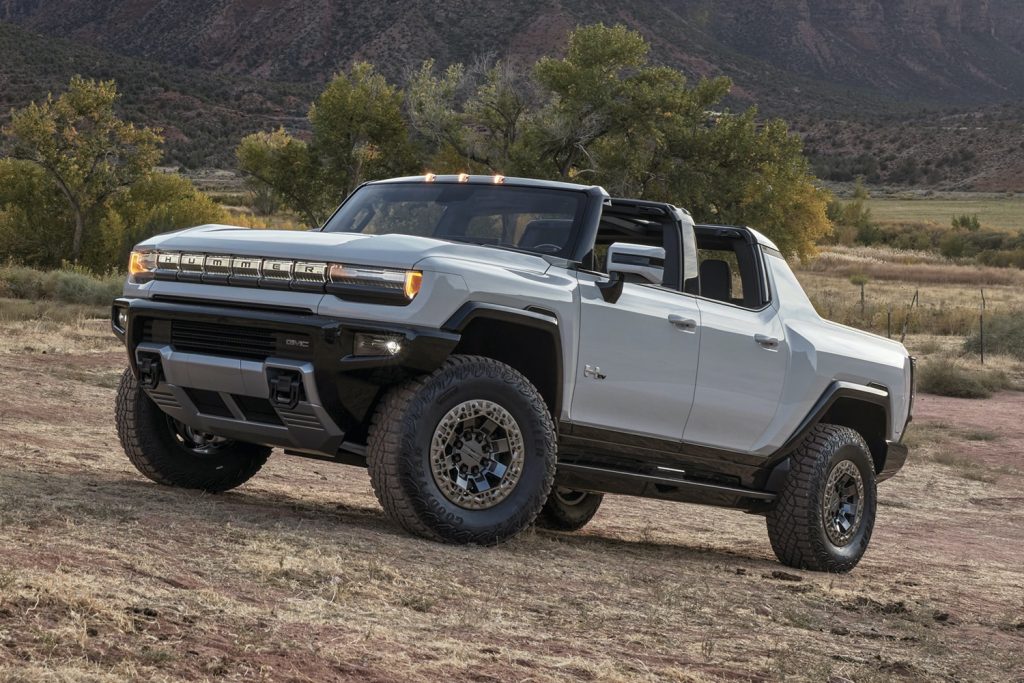
The Hummer is therefore an unusual but legitimate entry on this list. It demonstrates that even a huge electric pickup can achieve more than 300 miles of highway range when equipped with a sufficiently large battery. The lesson is not that the Hummer is efficient, but that its real-world range can genuinely exceed the 300-mile mark.
5 EVs That Overpromise on Range
1. 2023 Lexus RZ 450e
The 2023 Lexus RZ 450e provides one of the clearest examples of a large gap between EPA range and real-world highway performance.
The RZ450e Premium with 20-inch wheels carried an EPA rating of 196 miles, but Car and Driver managed only 120 miles during its 75-mph highway range test. The test was conducted in temperatures just above freezing, which is an important qualification, but the difference remains substantial.
The vehicle’s relatively modest 63.4-kWh battery helps explain the limitation. The RZ was derived from the same basic electric architecture used by the Toyota bZ4X and Subaru Solterra, while Lexus added a more powerful dual-motor all-wheel-drive system.
The resulting vehicle produces 308 horsepower, but the battery capacity leaves less energy available for sustained high-speed driving than in many long-range competitors.
Wheel size also matters. Lexus rated the RZ450e at up to 220 miles with 18-inch wheels, while the 20-inch configuration tested by Car and Driver received the lower 196-mile EPA rating. Buyers therefore need to identify the exact wheel and tire configuration before comparing range figures.
Charging can add another limitation. Car and Driver recorded an average DC fast-charging rate of only 36 kW from 10 to 90 percent during its test, while the vehicle’s onboard AC charger is rated at 6.6 kW.
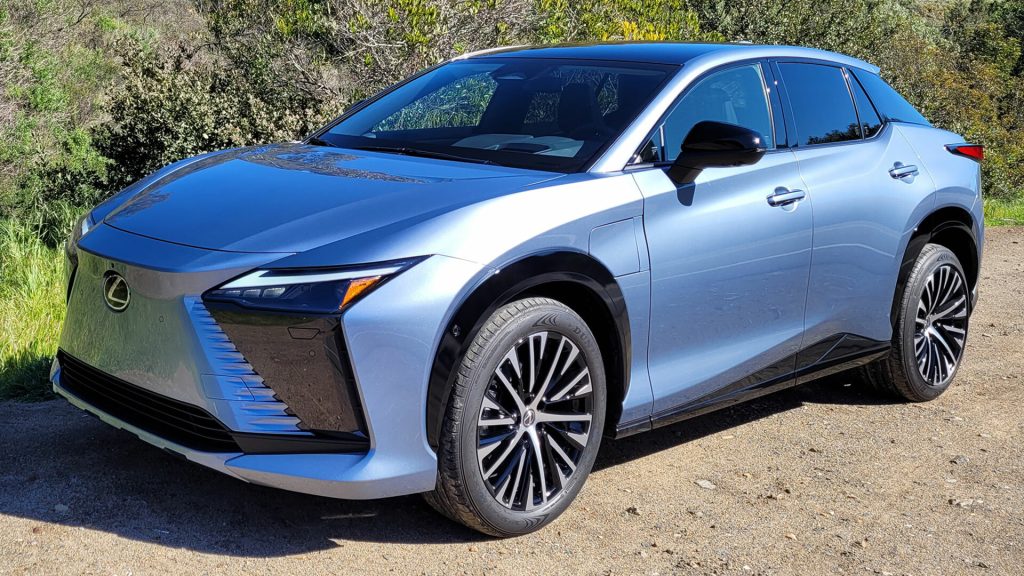
The RZ450e is comfortable and refined, but buyers who expect its EPA figure to translate directly into highway distance should adjust those expectations. Its 120-mile, 75-mph result demonstrates why official range alone does not tell the entire road-trip story.
2. 2022 Ford F-150 Lightning
The Ford F-150 Lightning demonstrates why an EPA range number can look considerably more impressive than what drivers experience on a sustained highway trip.
The Extended Range version carried a 320-mile EPA rating, but InsideEVs managed 270 miles at a constant 70 mph in favorable weather. That represents a difference of roughly 16 percent, despite the test being conducted in conditions considered good for range.
The reason is largely tied to the Lightning’s size and aerodynamics. It is a full-size pickup with substantial frontal area and considerable weight, so maintaining highway speed requires considerably more energy than it would in a streamlined electric sedan.
The Extended Range battery provides 131 kWh of usable energy, but that large capacity is partly compensating for the truck’s high consumption rather than producing exceptional efficiency.
MotorTrend’s long-term experience provides another useful perspective. Its Lightning was rated at 320 miles by the EPA, yet the publication noted that it rarely managed more than 200 miles when driven on highways in normal conditions. The longest distance recorded was 323 miles during primarily urban driving, where EVs tend to be more efficient.
Towing makes the difference even more dramatic. Edmunds notes that the Lightning’s range can fall sharply while pulling a trailer, potentially dropping to around 100 miles depending on conditions.
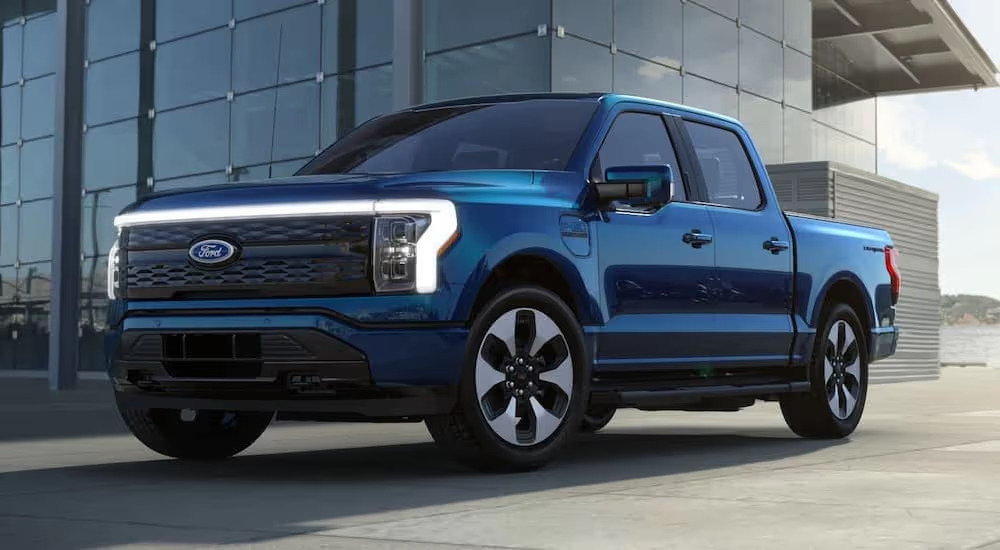
The Lightning remains a capable electric pickup, but buyers should not plan long highway journeys around its 320-mile headline figure. Its 270-mile, 70-mph test result provides a more conservative reference point for road-trip planning.
3. 2022 Rivian R1T
The Rivian R1T is another electric pickup whose official range can create optimistic expectations for highway travel. InsideEVs recorded 254 miles at 70 mph from a 2022 R1T, compared with an EPA rating of 314 miles for the tested configuration.
That represents a substantial gap, although the vehicle was equipped with 20-inch all-terrain tires that Rivian itself said could reduce range by about 40 miles.
The tire specification is crucial in this case. All-terrain rubber increases rolling resistance, while the R1T’s tall body and substantial mass already demand more energy than a low-slung electric sedan. Rivian therefore gives buyers different range expectations depending on wheel and tire configuration.
Even after accounting for the manufacturer’s 40-mile penalty, the 254-mile test result remains relevant to anyone considering an R1T for long highway journeys. The test was performed at a steady 70 mph, making it a useful illustration of how quickly aerodynamic drag and rolling resistance can consume battery energy at highway speeds.
The R1T’s capabilities also encourage owners to use it in ways that can further reduce range. Its pickup bed, substantial payload capability, and available all-terrain equipment make it well suited to outdoor activities, but carrying heavy loads or driving off pavement can require more energy than a standard road trip.

None of this means the R1T is incapable of long-distance travel. Its battery is large, and its charging capability makes longer journeys practical with planning. The important distinction is between its laboratory-derived EPA figure and the distance a driver should confidently expect at 70 mph.
For buyers prioritizing highway range, the R1T’s configuration matters enormously. Wheel and tire choice should be considered alongside the battery and motor configuration rather than treated as a cosmetic decision.
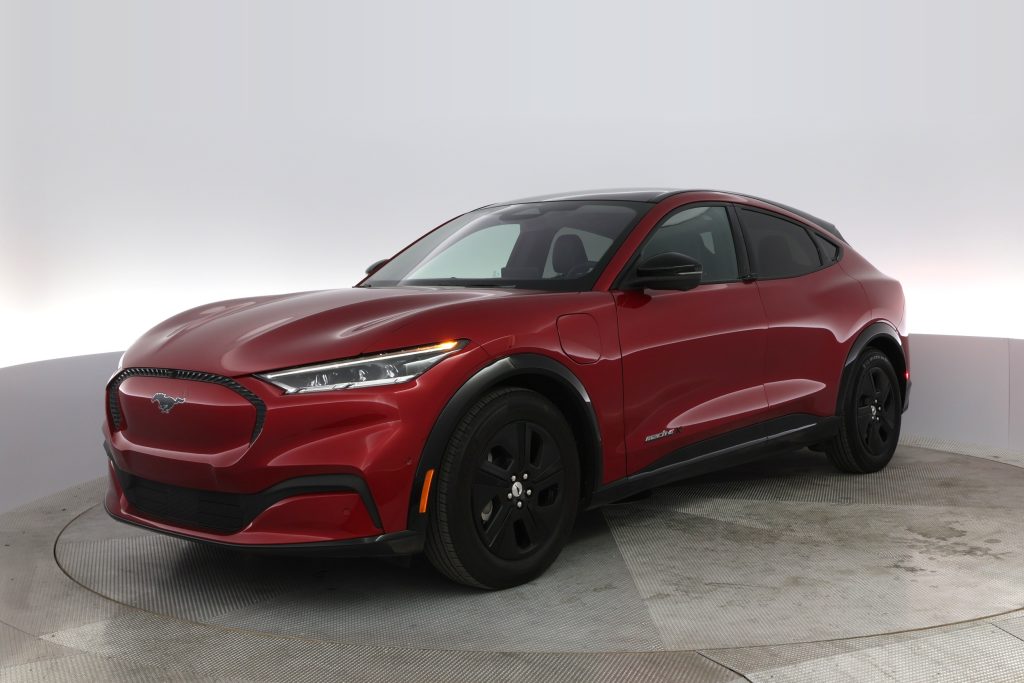
4. 2021 Ford Mustang Mach-E California Route 1
The 2021 Ford Mustang Mach-E California Route 1 is an interesting example because its EPA figure initially suggests it belongs comfortably among 300-mile EVs. Ford’s official combined rating was 305 miles, while its highway rating was 281.8 miles.
In InsideEVs’ controlled 70-mph highway test, however, the vehicle traveled 287.4 miles. That result was actually slightly better than its EPA highway rating, but it fell 18 miles short of the headline combined figure.
That distinction is important for prospective buyers. The EPA combined range is calculated from both city and highway portions of a standardized test, and EVs generally consume more energy at sustained freeway speeds.
For someone planning long interstate trips, the highway figure is therefore a more useful benchmark than the larger combined number.
The California Route 1 was specifically designed around efficiency. It used rear-wheel drive, an extended-range battery, and relatively aerodynamic 18-inch wheels with aero covers. InsideEVs recorded 287 miles at a constant 70 mph, showing that the Mach-E could still approach 300 miles under demanding highway conditions.
The reason it appears in the “overpromise” group is not that the vehicle failed badly. Rather, the 305-mile headline figure could lead buyers to expect 300-plus miles during a highway journey, whereas the controlled test came in below that threshold.
Weather can widen that difference further. Cold temperatures, strong winds, elevation changes, and higher speeds can all increase consumption. A buyer considering this Mach-E should therefore use its highway performance as the safer planning reference instead of assuming 305 miles is guaranteed.
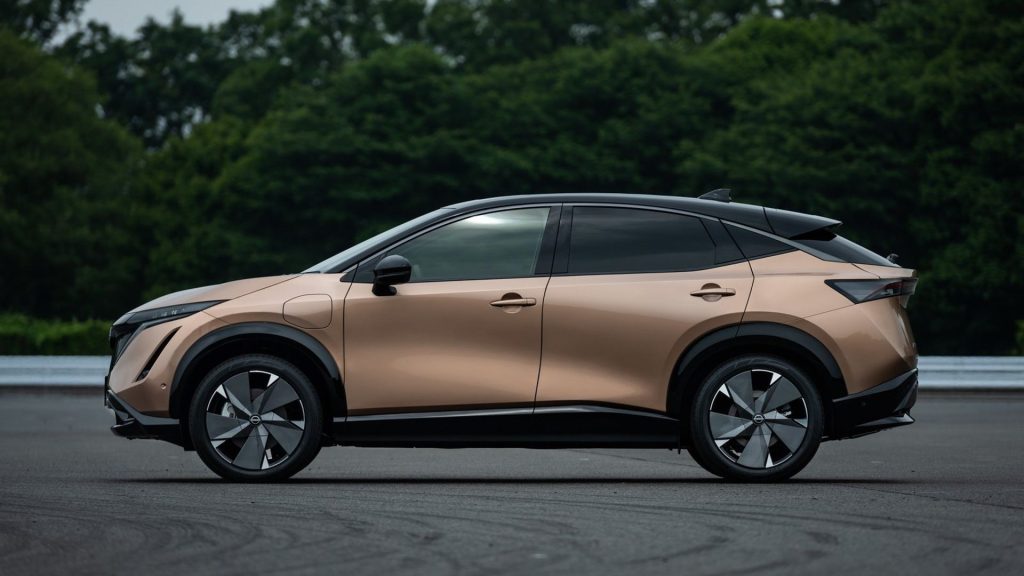
5. 2023 Nissan Ariya Venture+
The Nissan Ariya Venture+ presents a more complicated range story because its EPA rating actually reaches 304 miles, but the specific real-world highway result depends heavily on which version is tested.
Car and Driver recorded only 210 miles at 75 mph from a dual-motor Ariya, while Nissan’s single-motor Venture+ is the version rated at 304 miles. The distinction between those configurations is critical.
The Venture+ uses Nissan’s larger 87.0-kWh battery and a single electric motor, making it the Ariya configuration designed specifically around maximum range.
The dual-motor e-4ORCE version tested by Car and Driver had a smaller EPA rating of 267 miles, yet its 210-mile highway result shows how significantly sustained speed can affect the Ariya’s real-world distance.
This is where the Ariya can create confusion for shoppers. Seeing “304 miles” in specifications can make the entire model line appear capable of 300-mile road trips. In reality, that number applies specifically to the single-motor Venture+ configuration, while adding the second motor substantially changes the range calculation.
Efficiency is another factor. Car and Driver measured the dual-motor Ariya at 36.3 kWh per 100 miles during its testing, higher energy consumption than several competing electric SUVs. That means the vehicle needs more electricity to travel the same distance, something that becomes increasingly noticeable at highway speeds.
The Ariya remains a comfortable and well-equipped electric SUV, but buyers should pay close attention to drivetrain and battery configuration. The 304-mile figure should not be treated as a universal Ariya range number.
For long-distance driving, the actual configuration and highway conditions can produce a much lower usable distance between charging stops.
