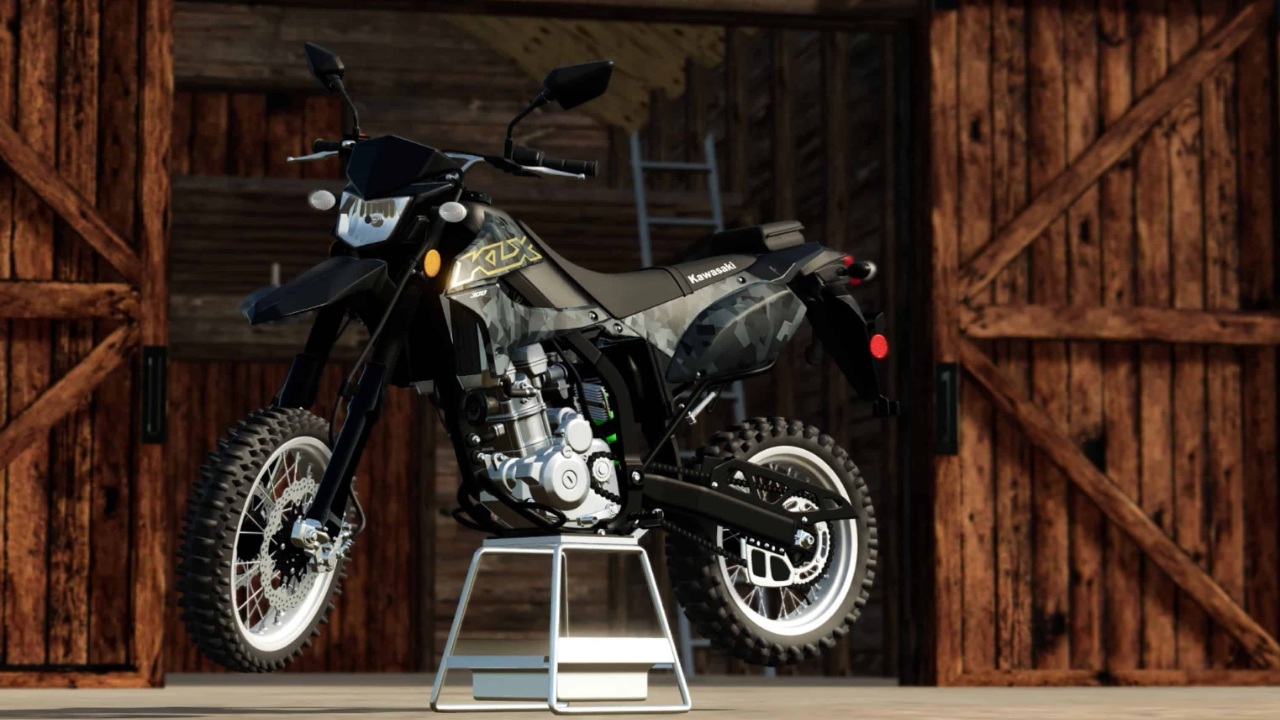
Motorcycle modifications can make a bike louder, sharper, more comfortable, or simply more personal, but the money spent on a modification rarely translates directly into a higher selling price.
In fact, some changes can make a used motorcycle harder to sell because buyers may prefer factory equipment, worry about installation quality, or face the cost of reversing the work.
Used-bike specialists also note that stock motorcycles generally appeal to a wider pool of buyers, while aftermarket parts can be worth more when sold separately.
Here are 10 modifications that can create resale headaches, even when they made perfect sense to the original owner.
1. Extremely Loud Aftermarket Exhaust
An aftermarket exhaust is one of the most common motorcycle modifications, and it is also one of the easiest ways to create a resale problem. Riders frequently install a slip-on or full system to change the motorcycle’s sound, reduce weight, or alter its performance.
The problem begins when the exhaust becomes too loud or when the original equipment disappears. A modification that makes the bike more enjoyable for one owner can immediately narrow the pool of potential buyers.
RevZilla notes that aftermarket exhaust systems are generally louder than factory systems and that some systems use removable baffles to alter sound levels. The same source also explains that full exhaust systems can require fuel-system changes or tuning, depending on the motorcycle and setup.
That creates another concern for used-bike buyers. They may need to determine whether the motorcycle was properly tuned after the exhaust system was installed.
There is also a practical resale issue. J.D. Power specifically advises sellers that aftermarket upgrades generally do not add much retail value and gives an aftermarket exhaust as an example. Its used-motorcycle guidance says a $500 aftermarket exhaust may add little or nothing to the motorcycle’s resale value.
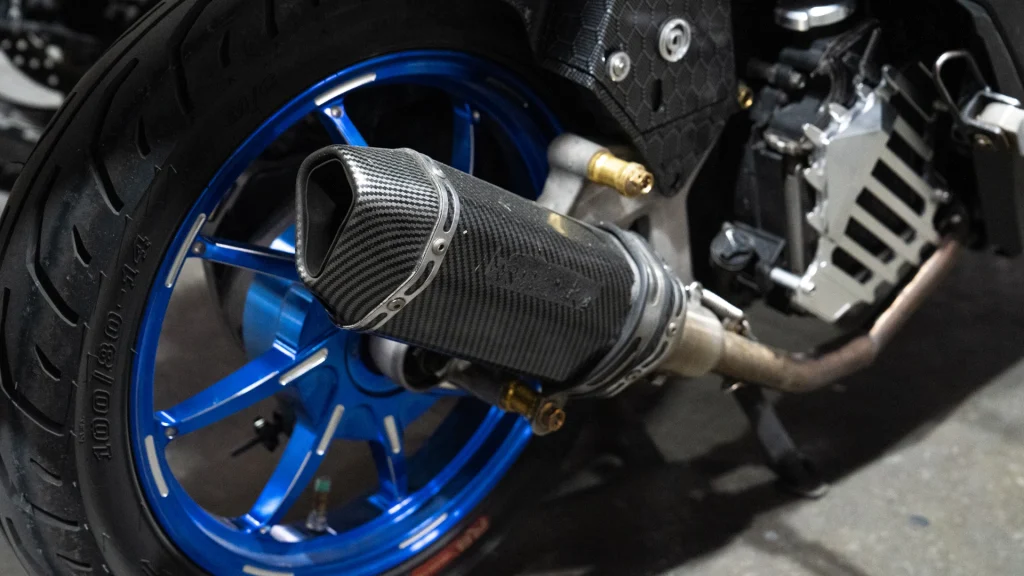
That does not mean every aftermarket exhaust hurts a motorcycle’s value. A quality, reversible system with the original exhaust included can be much easier to explain to a buyer. The biggest problem is a loud, poorly installed, or emissions-related system with no factory replacement available.
2. Aggressive ECU Tuning
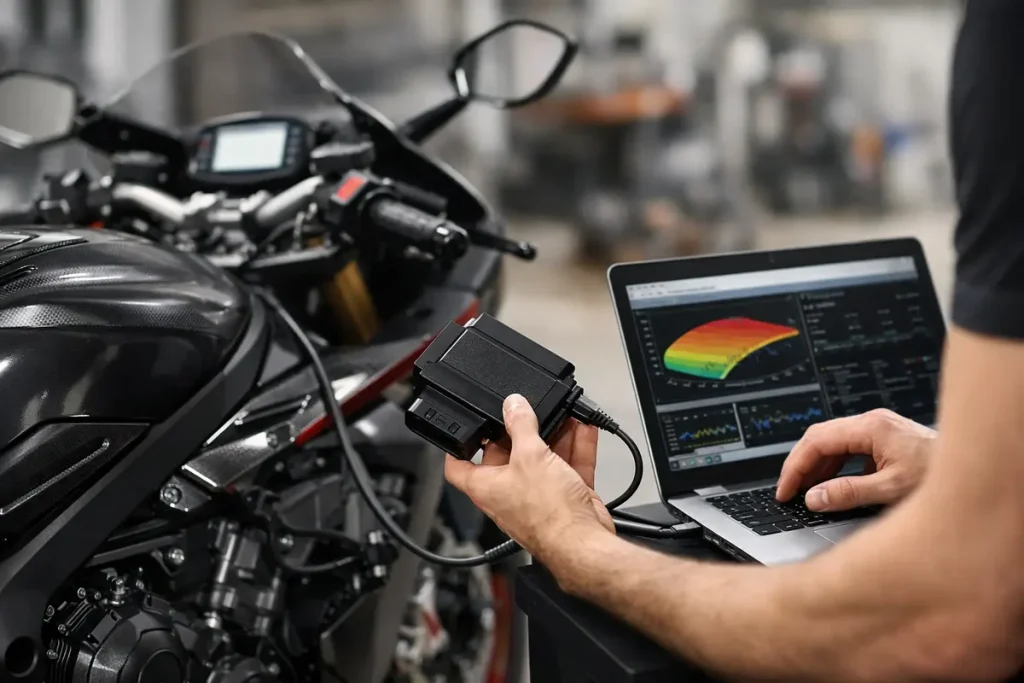
ECU tuning can transform how a motorcycle responds to the throttle, but it can also create questions that a stock engine does not.
An aftermarket tune changes the calibration controlling the engine, and buyers may want to know exactly what was changed, who performed the work, and whether the motorcycle was returned to its factory calibration before sale.
This becomes particularly relevant when ECU tuning is combined with other modifications. RevZilla’s technical guidance on motorcycle exhaust systems explains that major changes to airflow can require corresponding changes to fuel delivery.
A full aftermarket exhaust, for example, can require a fuel controller or other tuning because the engine’s air and fuel requirements have changed.
From a resale perspective, uncertainty is the problem. A buyer looking at a used motorcycle cannot easily determine from the outside whether an ECU calibration was professionally developed, copied from an internet forum, or adjusted repeatedly by the previous owner.
Even if the motorcycle runs perfectly, the buyer may worry about reliability, drivability, emissions compliance, or the possibility that the original calibration is unavailable.
The safest situation for resale is usually documentation. Keeping the factory ECU map, receipts, and records showing who performed the tuning gives the next owner more information. Without that paperwork, the modification becomes harder to evaluate.
Another issue is that many buyers simply do not want to inherit someone else’s performance setup. J.D. Power notes that motorcycle buyers often have their own preferences for upgrades, while aftermarket modifications generally add little to a motorcycle’s retail value.
An ECU tune can therefore improve the owner’s experience while simultaneously reducing the motorcycle’s appeal to a buyer who wants an untouched, factory-calibrated machine.
3. Lowered Suspension
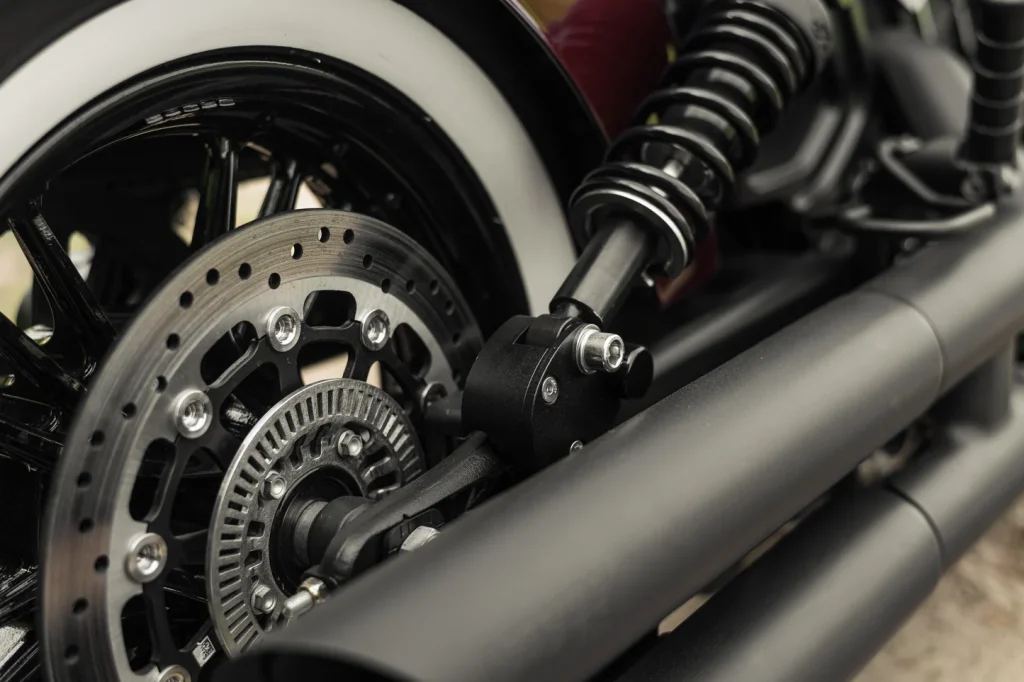
Lowering a motorcycle can solve a genuine ergonomic problem. A shorter rider may feel more confident when the seat is closer to the ground, and a properly engineered lowering setup can make a bike easier to manage at stops. The resale problem begins when the modification becomes too specific to one rider or is performed incorrectly.
Suspension geometry is not something that can be changed casually. RevZilla’s discussion with suspension specialist Evan Yarnall explains that lowering should be done evenly rather than simply pushing the fork tubes upward or installing a lowering link without addressing the rest of the suspension.
Changes to ride height affect the motorcycle’s geometry, and improper work can create interference or handling problems.
That can make a prospective buyer cautious. A buyer who is taller may not want a lowered motorcycle, while another may question whether the suspension was modified correctly or whether the original components are still available. The result is a narrower audience than a factory-height motorcycle might have.
There is also a practical advantage to keeping the original equipment. RevZilla notes that lowering can be reversible, while manufacturer options such as low seats and factory-lowered suspension exist on numerous motorcycles. A seller who retains the original suspension components gives the next owner more flexibility.
J.D. Power likewise points out that aftermarket upgrades generally do not add much retail value because buyers have different preferences. Returning a motorcycle closer to stock before selling can therefore make financial sense.
A properly documented lowering job is not automatically a resale killer. The bigger concern is a permanent or poorly executed setup that leaves the buyer with expensive work to reverse it.
4. Extreme Handlebar Changes
Changing handlebars can completely alter the way a motorcycle feels. A different bend can improve reach, wrist position, and riding comfort, which is why bars are such a popular customization. But dramatic changes can work against a seller because ergonomics are highly personal, and what feels perfect to one rider can feel awkward to the next.
There is also a mechanical side to consider. Changing handlebar dimensions can affect cable, hose, and wiring routing. A poorly executed installation may leave lines stretched, controls positioned awkwardly, or wiring modified in ways a buyer does not trust.
Even when everything works correctly, a potential buyer may wonder why the original configuration was changed.
Used-bike buyers often pay close attention to controls because they can reveal a motorcycle’s history. RevZilla specifically notes that aftermarket levers and pegs can sometimes be clues that a motorcycle has experienced a tip-over or crash.
The presence of modified controls does not prove an accident occurred, but it can prompt a buyer to inspect the motorcycle more carefully.
That is where an otherwise harmless modification can create a resale problem. A seller may view an expensive handlebar, riser, and control setup as an upgrade, while a buyer may see it as another part that needs to be replaced.
J.D. Power’s motorcycle-selling guidance makes the broader point clearly: aftermarket seats, exhausts, bars, and other accessories generally do not add much retail value because prospective owners have their own preferences.
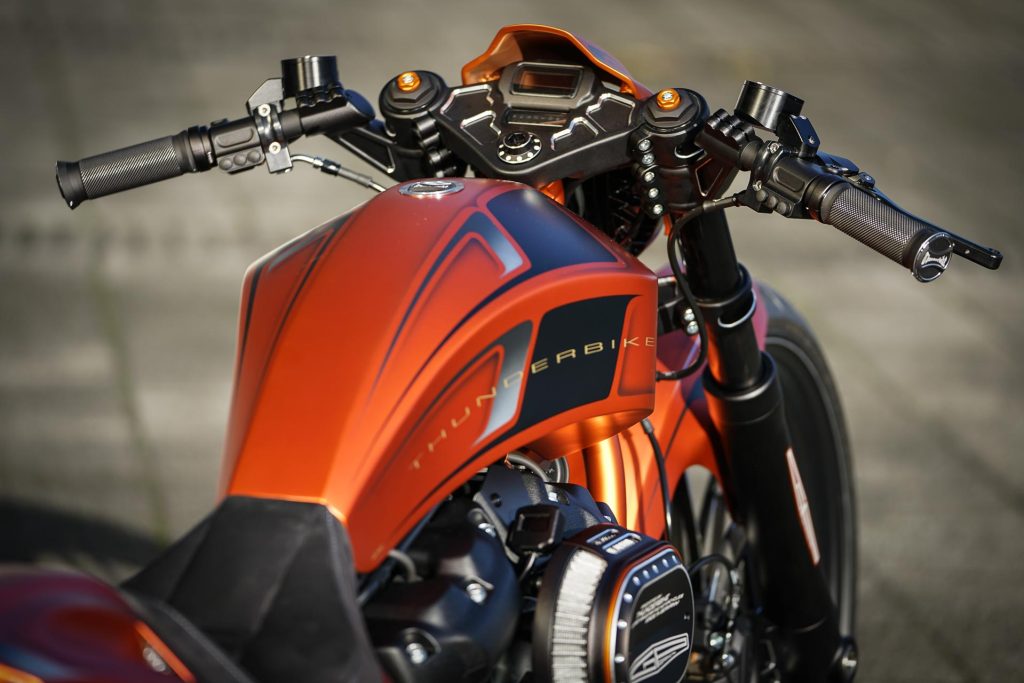
For resale, reversible changes are much easier to justify. Keeping the original handlebars, cables, and related hardware can allow the motorcycle to be returned to its factory configuration before listing, potentially giving the seller access to a much larger group of buyers.
5. Oversized Wheels and Tires
Going significantly larger than the motorcycle’s factory wheel and tire setup can make a bike look dramatically different, but that visual change may not be worth much to the next owner.
Motorcycle buyers tend to have specific preferences about handling, tire choice, and appearance, so an expensive wheel conversion can become a highly personal modification rather than a value-adding upgrade.
The biggest resale issue is uncertainty. A buyer may want to know whether the new wheel size changes steering characteristics, ground clearance, suspension behavior, or tire availability. Even when the modification works properly, the buyer may prefer the manufacturer’s original dimensions and immediately calculate the cost of returning the bike to stock.
J.D. Power makes a broader point about aftermarket equipment in its motorcycle-selling guidance. Accessories generally add little retail value because buyers have their own preferences. When the original components are still available, the company suggests that sellers consider removing the aftermarket equipment and selling it separately.
Tires create another consideration. A buyer may have a preferred brand or compound, and an unusual size can reduce the number of readily available replacements. That can turn an appearance-focused modification into an ownership concern.
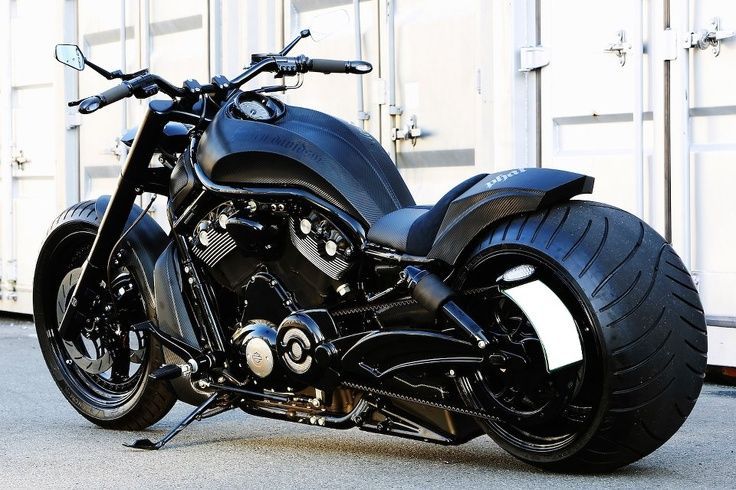
The safest approach for resale is keeping the factory wheels and related hardware. If the aftermarket wheels are high quality, they can potentially be sold separately to someone specifically looking for that setup.
RevZilla similarly advises sellers that motorcycles closer to stock will generally appeal to more buyers, while easily removed aftermarket parts can often be sold independently.
There is nothing inherently wrong with upgrading wheels, but resale value depends heavily on whether the modification appeals to the next buyer. A factory wheel setup gives buyers fewer decisions to make, while an unusual combination can immediately become another expense they must consider.
6. Custom Paint or Radical Wraps
Few modifications change a motorcycle’s identity as quickly as a dramatic paint job or wrap. A carefully executed custom finish can look spectacular and may be exactly what the owner wanted. The resale problem is that appearance is intensely subjective, and a design that attracts one buyer can send another looking for a different motorcycle.
Factory paint provides an important reference point for used-bike shoppers. When a motorcycle has its original finish, a buyer can compare the panels and look for inconsistencies that might indicate repairs. A completely different color or elaborate custom design makes that assessment more difficult.
A custom finish can also raise questions about why it was applied. It does not prove that the motorcycle has been crashed, but a prospective buyer may want to know whether panels were repaired, replaced, or repainted before the new finish was installed. That means documentation becomes particularly valuable.
J.D. Power recommends that motorcycle sellers disclose major modifications, repairs, and damage when advertising a used bike. It also emphasizes the importance of maintenance and repair records when establishing confidence with prospective buyers.
The financial problem is even more straightforward. J.D. Power notes that aftermarket upgrades generally do not add much retail value because buyers have different ideas about how they want their motorcycles customized.
A seller might spend thousands of dollars on a professional paint job and still discover that buyers are unwilling to reimburse that investment.
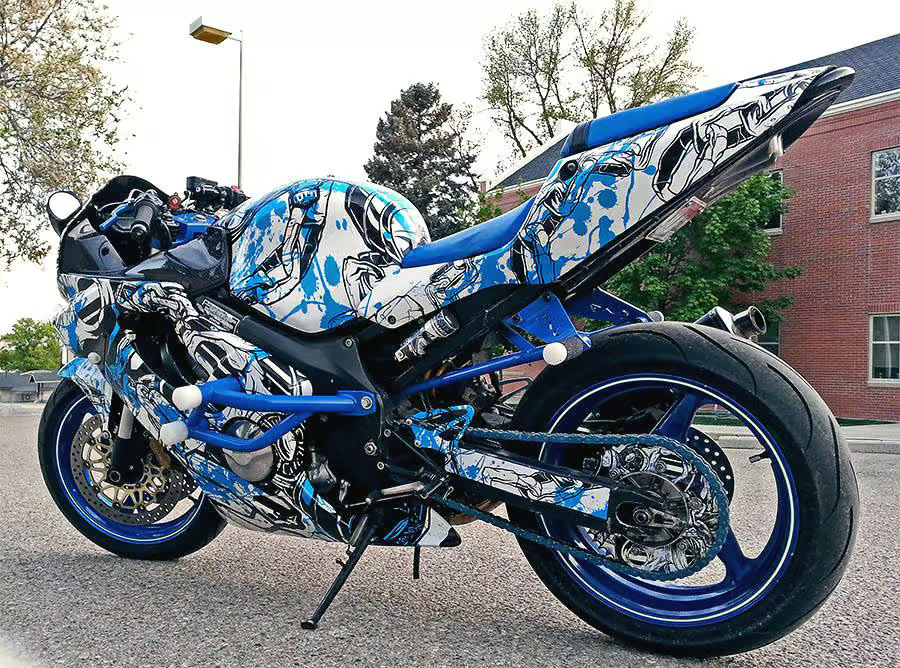
A reversible wrap is usually easier to explain than permanent bodywork, particularly if the original finish underneath remains intact. Keeping photographs of the motorcycle before the modification can also help establish its history.
For maximum resale flexibility, a clean factory appearance remains easier to market to a broad audience. A highly personalized finish may attract an enthusiast who loves it, but it can just as easily shrink the buyer pool.
7. Stretched Swingarm
A stretched swingarm is a modification that can completely change a motorcycle’s appearance and riding characteristics. It is particularly associated with custom builds and drag-oriented motorcycles, where additional length can be used for a specific purpose.
For an owner building a bike around that style, the modification may make perfect sense. For a future buyer looking for a conventional street motorcycle, however, it can become a major drawback.
The concern is not simply cosmetic. Changing swingarm length alters the motorcycle’s chassis geometry and can affect handling. A buyer may therefore want to know exactly which components were installed, how the work was performed, and whether the motorcycle retains its original swingarm and associated hardware.
That is where resale becomes difficult. A stretched motorcycle appeals to a relatively specific audience. Someone searching for a stock sport bike may immediately remove it from consideration, while a buyer interested in a custom drag-style machine may still want to perform the modification themselves rather than pay extra for somebody else’s setup.
J.D. Power’s used-motorcycle guidance explains why this happens with aftermarket modifications generally. Buyers have different preferences, so modifications often do not add their full purchase price to a motorcycle’s resale value.
The company specifically notes that sellers may be better off removing aftermarket equipment and selling it separately when the original parts are available.
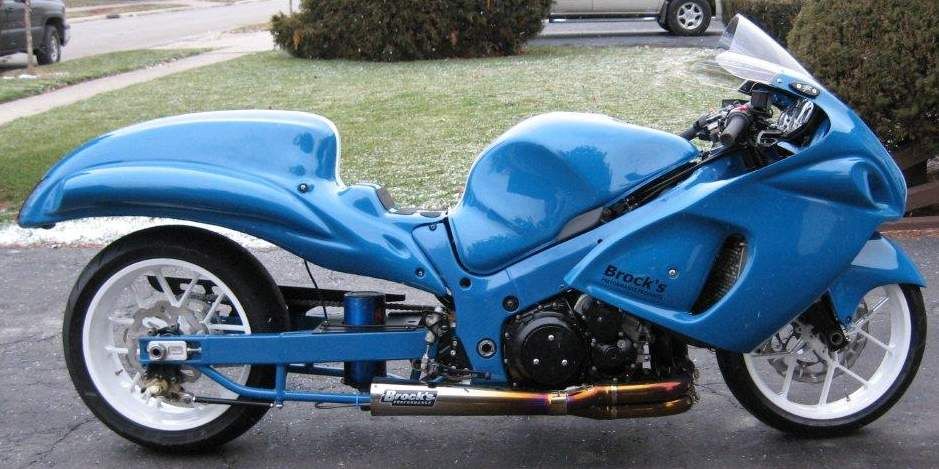
A stretched swingarm can also make a prospective buyer pay closer attention to the motorcycle’s history. RevZilla recommends examining modified motorcycles carefully because aftermarket changes can provide clues about how a bike has been used and whether additional inspection is necessary.
If resale matters, retaining the factory swingarm and hardware is valuable. The custom parts can potentially be sold separately to someone specifically seeking that setup, while the motorcycle can be returned closer to its original configuration.
8. Extreme LED Lighting Conversions
Additional LED lighting can be useful when it improves visibility, but an excessive lighting conversion can become a resale liability. Riders sometimes install large numbers of auxiliary lights, colored accent lighting, or nonstandard headlamp assemblies to give their motorcycles a distinctive appearance.
The problem is that lighting modifications can raise questions about legality, wiring quality, and whether the factory equipment was retained.
For a used-bike buyer, electrical work is particularly difficult to evaluate from a quick inspection. A neatly installed system with proper connectors and protection may be perfectly reliable, while poorly routed wiring or improvised connections can create concerns that are not obvious until the motorcycle is used regularly.
The legal side matters too. Federal lighting requirements for motorcycles are covered by FMVSS No. 108, which establishes requirements for lighting equipment on motor vehicles, while individual states can impose additional requirements governing equipment and lighting use.
That means an aftermarket lighting setup should not be assumed to be legal simply because the lights function correctly.
This uncertainty can make an extensively modified lighting system less attractive to buyers. Someone purchasing a used motorcycle may prefer a factory headlight and original wiring rather than spending time determining whether an elaborate lighting arrangement complies with local rules.
The resale issue is also tied to personalization. J.D. Power notes that aftermarket upgrades generally do not add much retail value because buyers have different preferences.
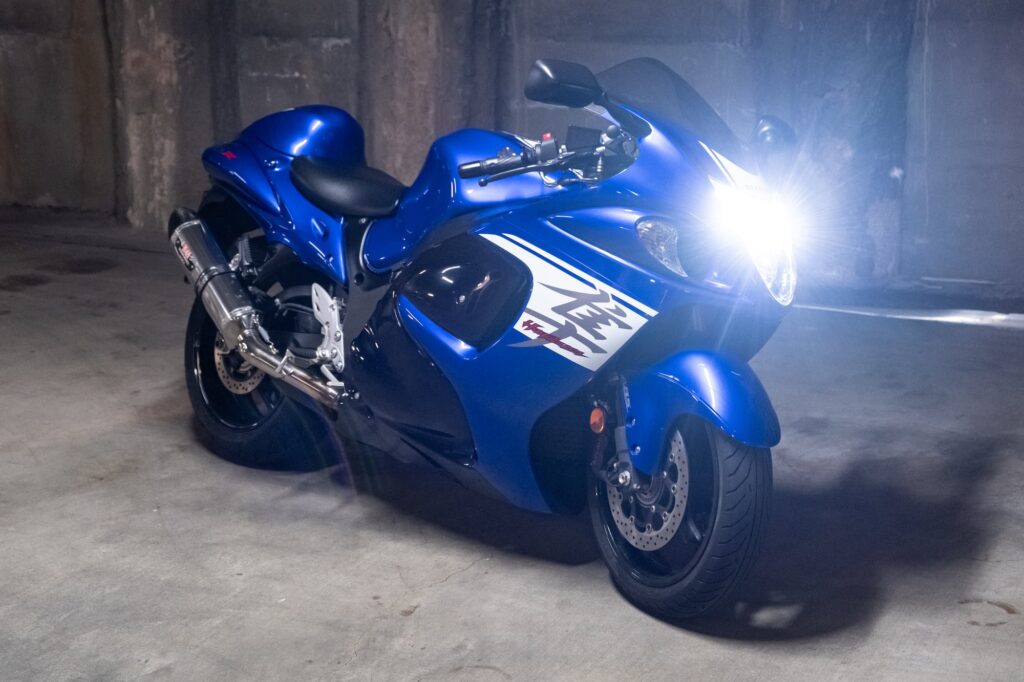
A simple, professionally installed auxiliary light system may therefore be easier to defend than a motorcycle covered in highly personalized lighting. Keeping the original lamps, wiring, and switches gives the seller the option of returning the bike to a factory configuration before listing it.
The key is restraint. Lighting that solves a practical problem can appeal to buyers, while an elaborate electrical conversion can turn a straightforward used-bike purchase into a project.
9. Extreme Seat Modifications
A motorcycle seat is one of the most personal parts of a bike, so changing it can make sense for the original owner while making the motorcycle less appealing to the next one. Custom seats can be reshaped, lowered, widened, narrowed, or fitted with different foam and upholstery.
A rider who spends hours touring may consider that money well spent, but a buyer with a different body shape or riding position may see the same modification as something that needs to be replaced.
The resale challenge becomes greater when the modification is permanent. A professionally made replacement seat can usually be removed, but if the original seat pan has been heavily altered or the factory seat is no longer available, returning the motorcycle to stock may become expensive.
J.D. Power’s motorcycle-selling guidance specifically identifies aftermarket seats among the types of accessories that may not increase a motorcycle’s retail value because buyers have their own preferences. The company also suggests that sellers consider removing aftermarket equipment and selling it separately when the original parts are available.
Seat height can also influence a buyer’s decision. Motorcycle manufacturers publish seat-height specifications because rider reach is an important consideration when choosing a motorcycle. A substantially lowered or reshaped seat can change the relationship between the rider and the controls, even if the motorcycle’s suspension remains completely stock.
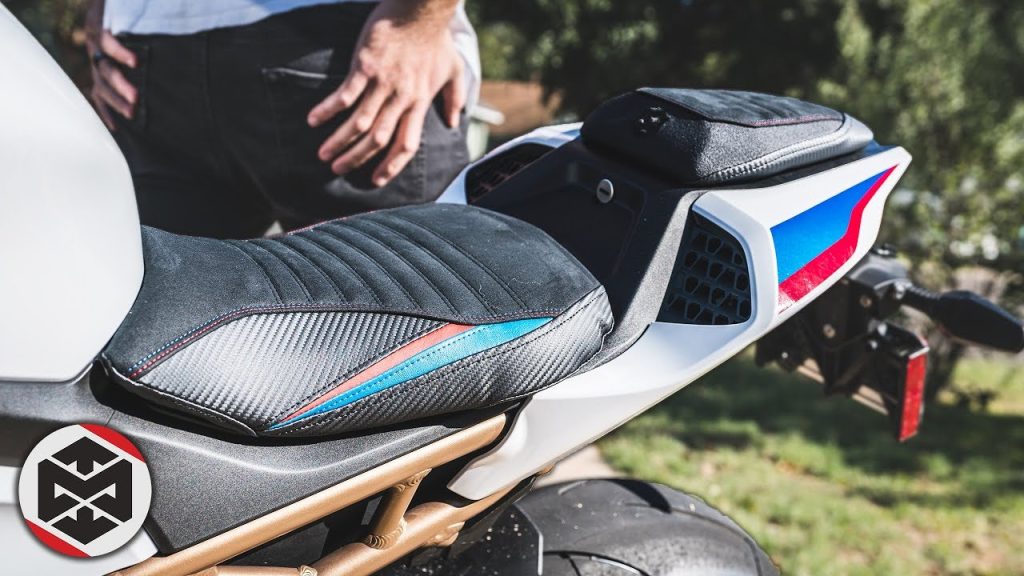
There is nothing inherently wrong with a custom seat. In fact, a high-quality touring seat with documentation and the original equipment included may be easy to explain to a buyer. The problem is expecting the next owner to place the same value on the modification.
For that reason, the original seat is worth keeping even after installing an expensive replacement. When it is time to sell, the seller can present both options rather than forcing the buyer to accept a highly personalized seating position.
A modification designed around one rider’s body is rarely universal. Keeping the factory seat preserves flexibility and can prevent a relatively simple customization from becoming a bargaining point during the sale.
10. Permanent Performance or Cosmetic Customization
Some motorcycle modifications go far beyond individual accessories and turn the machine into a highly personalized build.
Extensive engine work, custom bodywork, welded components, unusual frame modifications, or combinations of several aftermarket systems can make a motorcycle genuinely unique. That may be exactly the goal of a custom project, but uniqueness can become a disadvantage when the owner eventually wants to sell it.
The central problem is documentation. A prospective buyer may be comfortable purchasing a motorcycle with a slip-on exhaust or replacement levers because those components are relatively easy to identify and replace.
A bike with extensive mechanical or structural modifications raises much bigger questions. Who performed the work? What parts were used? Was the engine opened? Were factory components removed permanently? Are replacement parts still available?
J.D. Power recommends maintaining documentation covering modifications, repairs, and maintenance when selling a motorcycle. Detailed records can give prospective buyers more confidence about how the machine was maintained and what has been changed.
There is also a financial reality behind custom builds. Spending $5,000 on modifications does not mean a motorcycle automatically becomes worth $5,000 more. J.D. Power notes that aftermarket upgrades generally do not add much retail value because buyers have different preferences.
In some cases, a heavily customized motorcycle may actually have a smaller potential buyer pool. The person who appreciates every modification might be willing to pay more, but many other shoppers may prefer a stock motorcycle they can personalize themselves.
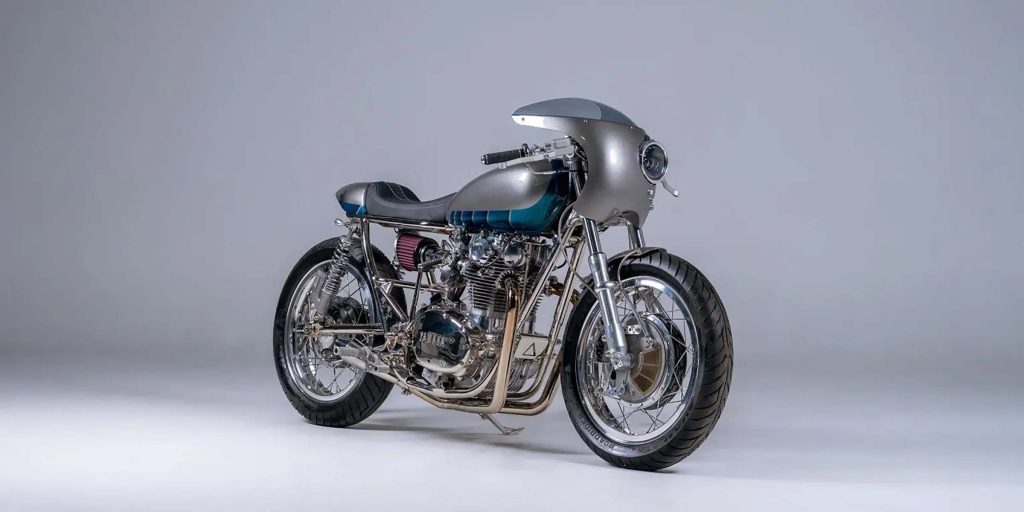
That makes reversibility one of the most valuable principles for motorcycle customization. Keep the factory parts whenever possible, retain invoices and installation records, and avoid irreversible changes unless the motorcycle is being built primarily for personal enjoyment rather than future resale.
A custom motorcycle can certainly find the right buyer. The important point is that the modifications should not be assumed to have the same financial value to everyone as they did to the person who installed them.