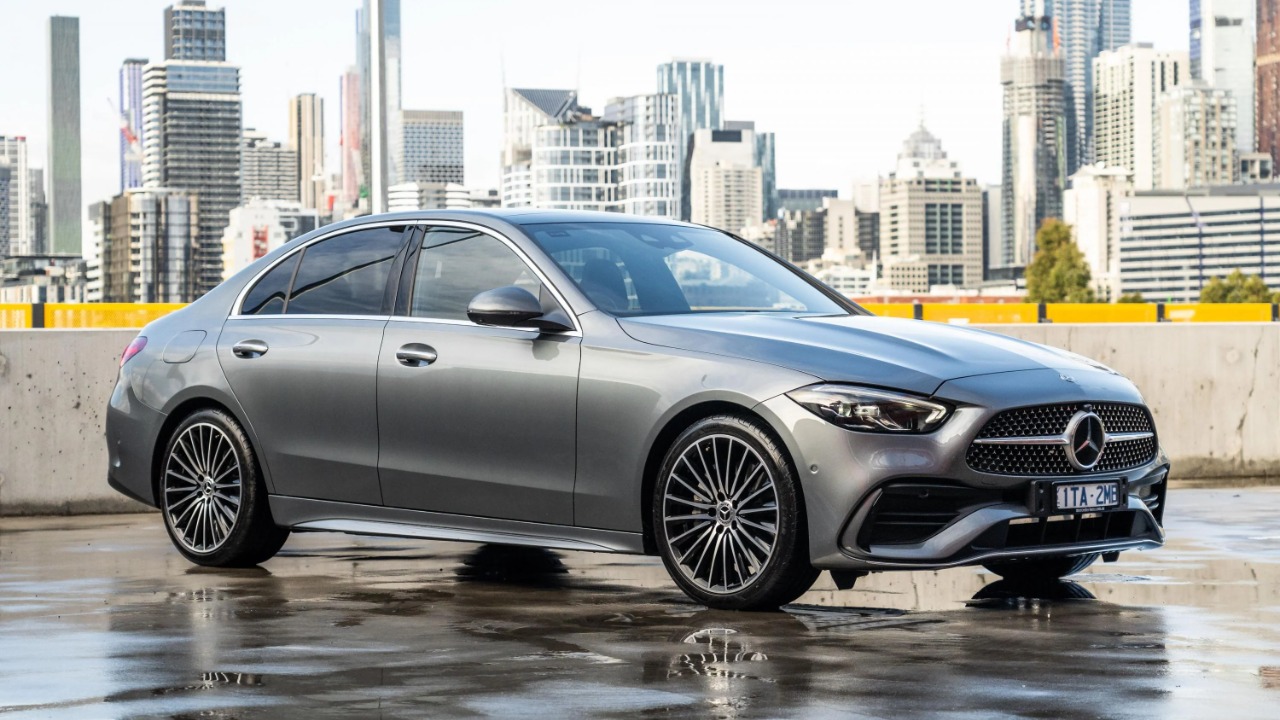
A dented bumper or cracked headlight can look like a straightforward repair, yet modern vehicles can turn seemingly minor crashes into surprisingly expensive insurance claims.
CCC Intelligent Solutions reported that total losses reached a record 23.1% of auto claims in 2025, while the preliminary average total cost of repairs reached $4,818.
The reason is not simply the price of body panels. Cameras, sensors, airbags, specialized glass, calibration procedures, and increasingly complex structures can quickly increase an estimate. When repair costs approach a vehicle’s actual cash value, an insurer may decide that replacing the car makes more financial sense than fixing it.
1. Tesla Model 3
A Tesla Model 3 can look like it suffered little more than cosmetic damage after a low-speed collision, but the repair estimate can change dramatically once technicians inspect what sits behind the damaged exterior.
Tesla’s own collision-repair documentation requires inspection of impact sensors and related safety-system components after a crash, while damaged connectors and certain restraint-system components may need replacement. That means a damaged bumper or corner is not necessarily just a bumper job.
The financial problem becomes more pronounced as a Model 3 gets older. An insurer compares the expected repair bill with the vehicle’s actual cash value, not what the owner originally paid.
A repair that might be perfectly reasonable on a newer Model 3 can become economically difficult on an older example whose market value has already declined.
Tesla’s repair ecosystem can add another layer of complexity because collision work may involve specialized procedures, approved parts, and diagnostic requirements.
Tesla also states that vehicles declared total losses can become unsupported, particularly when they have salvage or rebuilt titles, with special concerns surrounding high-voltage battery repairs.
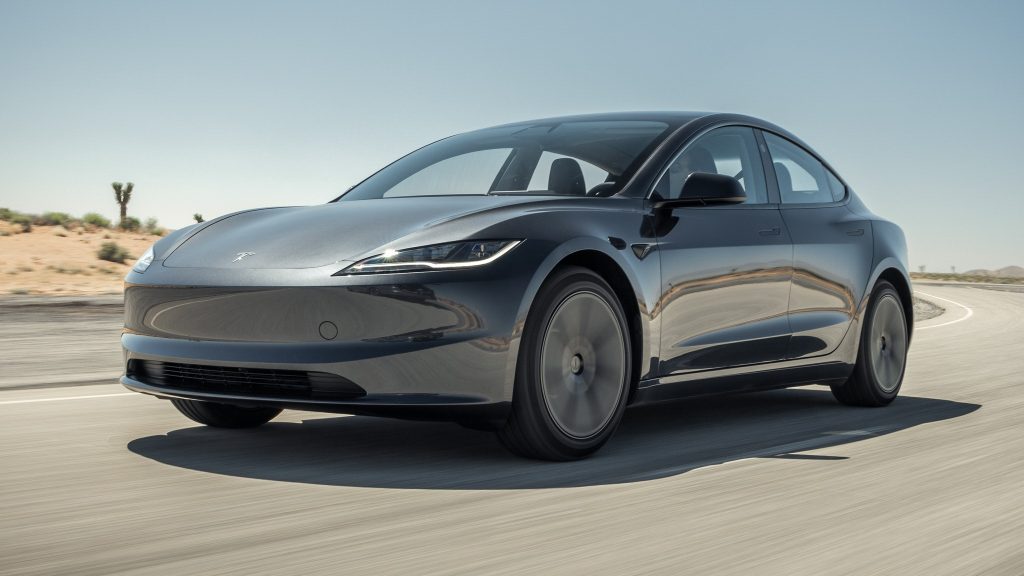
That is why a Model 3 with apparently manageable exterior damage can cross the insurance industry’s economic line faster than a casual glance might suggest. The damage does not have to make the car look destroyed. The repair estimate simply has to become too large compared with what the insurer believes the vehicle is worth.
2. Subaru Outback
The Subaru Outback is a good example of how safety technology can turn a seemingly simple windshield or front-end repair into a more involved insurance claim.
The 2026 Outback uses Subaru’s EyeSight driver-assistance system, which relies on cameras mounted near the windshield. If the glass is replaced or the camera system is disturbed, calibration may be required before the safety systems can function correctly.
That matters because a windshield is not just a sheet of glass on a modern Outback. Current U.S. replacement estimates show that newer Outback windshields can cost substantially more than older conventional automotive glass, with the additional expense associated with EyeSight-equipped vehicles and calibration.
One U.S. glass-price database reported 2025 Outback windshield quotes averaging about $537, while its broader data showed newer Outbacks carrying higher replacement costs than many older examples.
Now consider an older Outback with lower market value. If a collision damages the windshield, bumper, hood, lighting, and driver-assistance equipment at the same time, several individually manageable repairs can combine into a bill that approaches the vehicle’s actual cash value. That is where the word “minor” becomes misleading.
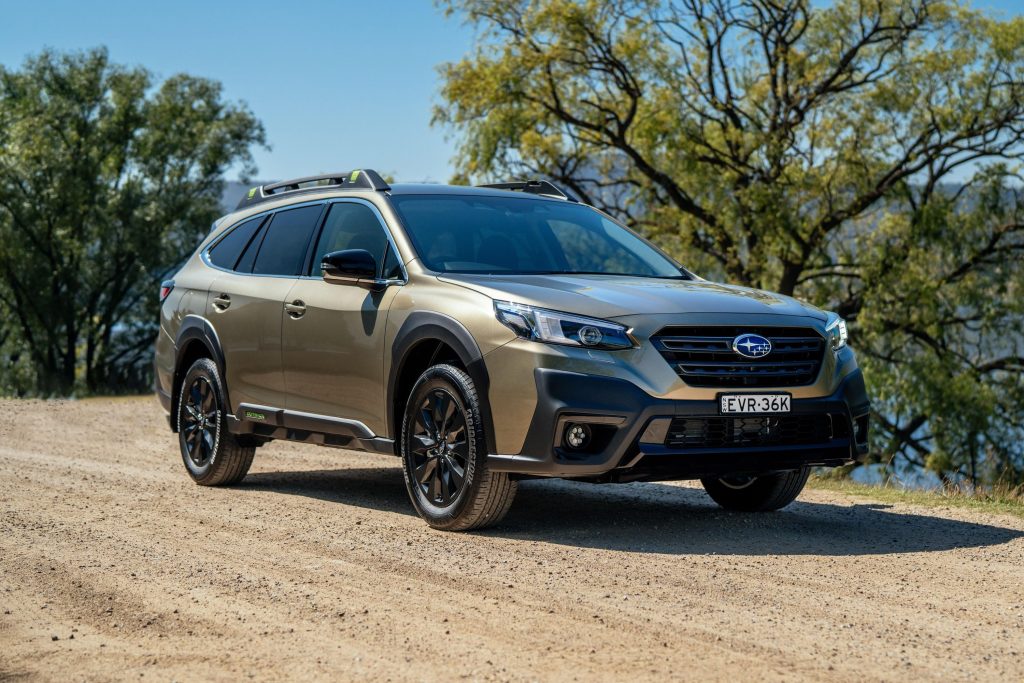
The 2026 Outback itself starts at $34,995, but insurers deal with the specific vehicle involved in the claim, including its age, mileage, and condition.
A much older Outback can therefore face a very different total-loss calculation from a nearly new one. State rules also vary, with some states using fixed percentages and others using a total-loss formula.
3. Toyota Prius
The Toyota Prius can face the same financial challenge as many modern vehicles. A repair that appears minor on the surface can sometimes involve costly components hidden underneath.
Its front bumper area can contain sensors and other equipment associated with Toyota’s driver-assistance systems, while the vehicle also relies on specialized hybrid components that require trained technicians.
A low-speed crash that damages the bumper, headlights, and front-end mounting points can therefore produce a much larger estimate than the visible damage suggests.
The situation becomes more significant with an older Prius because insurers compare repair costs with the vehicle’s actual cash value. A repair estimate that would be acceptable for a newer car can become uneconomical for an older example.
Toyota’s current Prius also uses a sophisticated hybrid system and multiple electronic safety features, adding components that did not exist on older generations. The 2026 Prius has a starting MSRP of $28,550 before destination charges, while the Prius Plug-in Hybrid starts higher.
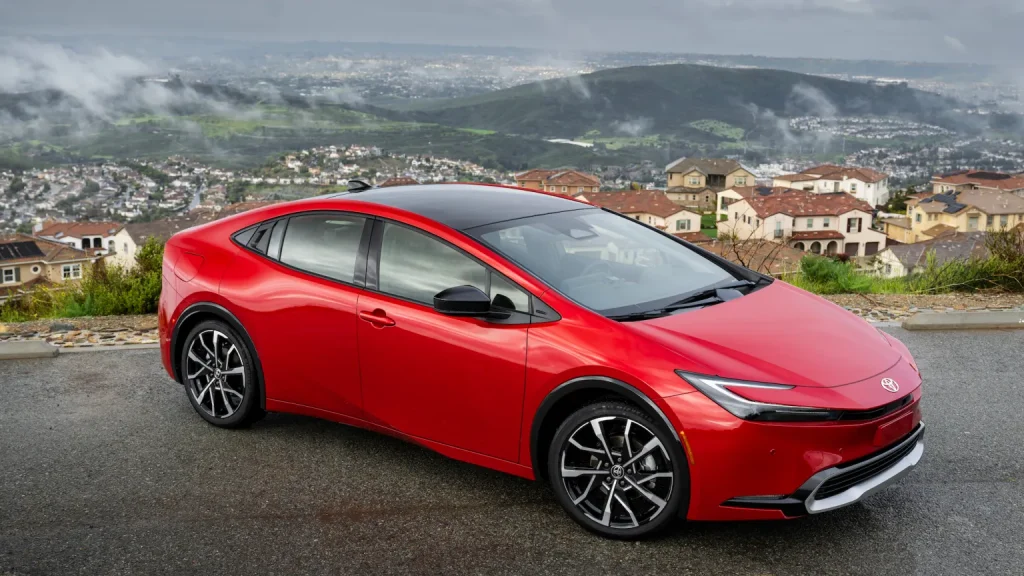
The key point is straightforward. A Prius does not need severe structural damage to be considered a total loss. The vehicle’s age, market value, parts availability, and the combined cost of multiple repairs can all influence that decision, sometimes as much as the visible severity of the crash.
4. Ford Mustang Mach-E
The Ford Mustang Mach-E can make a seemingly ordinary front or rear collision considerably more complicated because it combines an expensive electric powertrain with modern electronic systems.
Ford’s repair information requires specific procedures following certain collisions, and damage around the vehicle’s high-voltage system can require additional inspection before the vehicle is returned to service.
A damaged bumper alone may be repairable, but a crash involving suspension components, wiring, sensors, or the battery enclosure can quickly increase the estimate. For an older Mach-E, that figure has to be compared with the vehicle’s current market value rather than its original purchase price.
The electric drivetrain also means collision repair is not simply a matter of replacing conventional mechanical parts. Ford identifies high-voltage battery components and safety procedures that technicians must follow when working around the system.
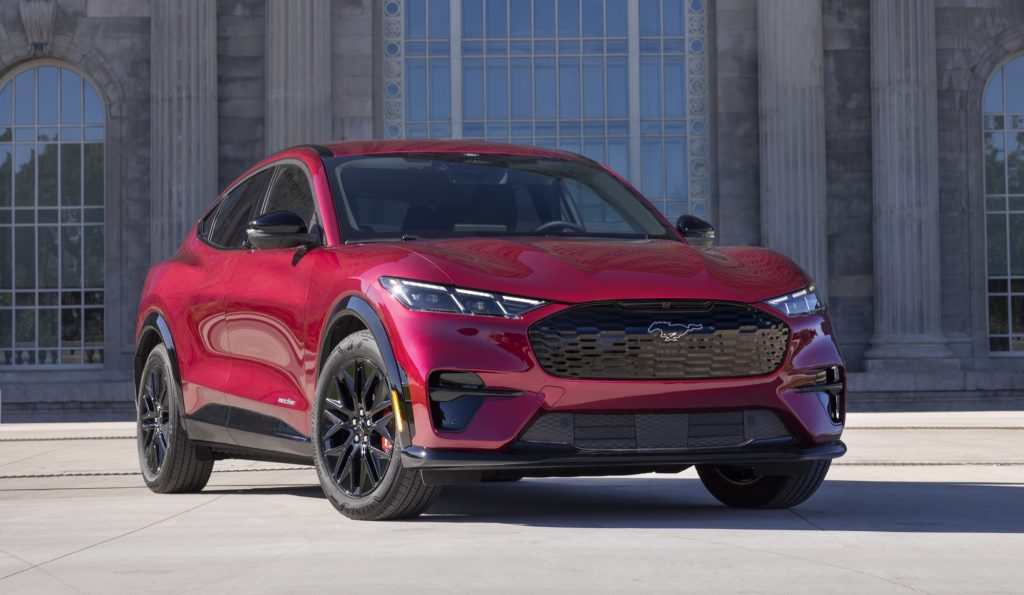
This creates an interesting insurance calculation. A car can remain visually recognizable and apparently drivable while the repair estimate continues climbing because specialists need to inspect components that are not visible from outside. Once the estimate approaches the Mach-E’s actual cash value, an insurer may decide repairing it is no longer economical.
5. Hyundai IONIQ 5
The Hyundai IONIQ 5 can turn what looks like ordinary body damage into a more complicated repair because it combines an electric powertrain with extensive electronic equipment.
Its large battery sits beneath the passenger compartment, while the vehicle also uses multiple sensors and cameras for driver-assistance functions. Hyundai’s 2026 specifications list battery capacities of up to 84 kWh, depending on configuration.
A low-speed impact that reaches the underbody can therefore require inspection beyond the visible bumper or rocker-panel damage.
The same applies when collision damage affects sensors, wiring, or structural mounting points. IIHS notes that crash avoidance systems can make repairs more complicated because damaged cameras and sensors may require calibration after repairs.
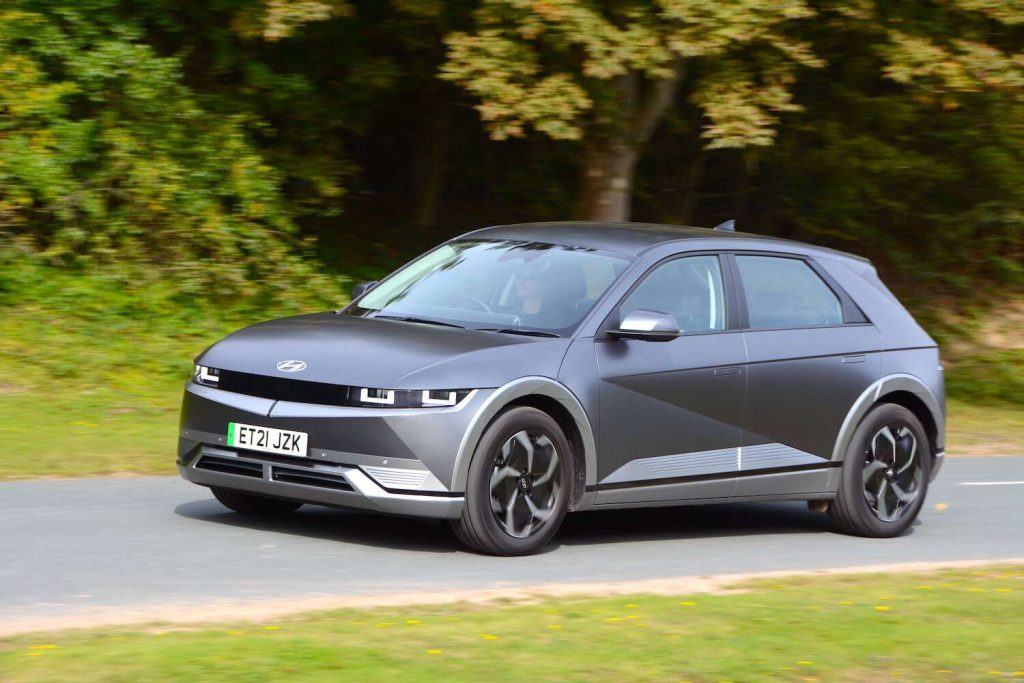
That becomes important as an IONIQ 5 ages. An insurer is not asking whether the car can technically be repaired. It is comparing the estimated repair bill with the vehicle’s actual cash value. A relatively modest collision can therefore become uneconomical when several expensive systems are involved.
The 2026 IONIQ 5 also starts around $35,000, giving insurers a finite value against which substantial repair estimates are measured.
6. BMW 3 Series
The BMW 3 Series illustrates another reason a car can approach a total-loss decision without looking destroyed. Its compact dimensions do not mean simple repairs. Modern versions combine aluminum and high-strength steel construction with sophisticated electronics, sensors, and driver-assistance equipment.
BMW lists available systems, including blind-spot detection, frontal collision warning, and lane-keeping assistance, on the 2026 330i.
A front-corner collision might therefore involve more than replacing a fender and bumper. If sensors, lighting assemblies, suspension components, or electronic equipment are affected, the estimate can grow quickly. IIHS research has found that crash damage involving driver-assistance technology can lead to complicated repairs and calibration requirements.
The calculation becomes especially important on an older 3 Series. The current 330i starts at $48,000, but an insurer evaluates the specific vehicle’s age, mileage, condition, and market value rather than using today’s new-car price.
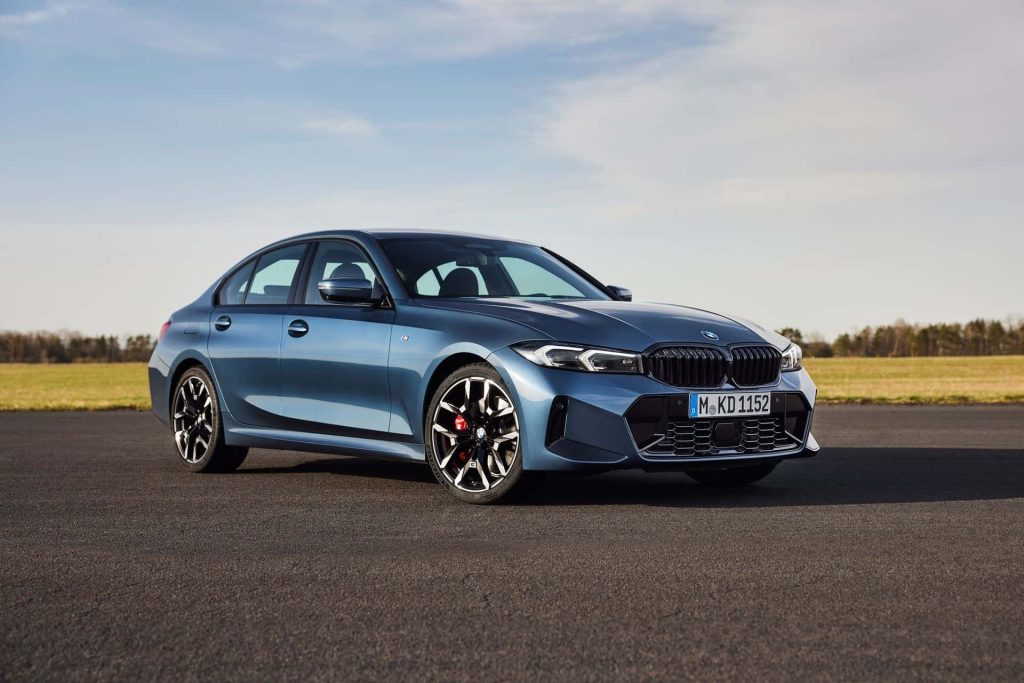
So a collision that leaves the cabin untouched can still become financially difficult to repair. The visible dent is only one part of the estimate, while labor, replacement components, diagnostics, and calibration can determine whether fixing the car remains economical.
7. Honda Accord
The Honda Accord is a reminder that a car does not need to be expensive to become expensive to repair.
Its current generation includes Honda Sensing safety technology, and the 2026 model uses cameras and other electronic systems that can add diagnostic and calibration work after a collision.
CCC reported that calibrations appeared on 35.6% of repairable estimates in Q3 2025, showing how frequently these procedures now enter ordinary collision repairs.
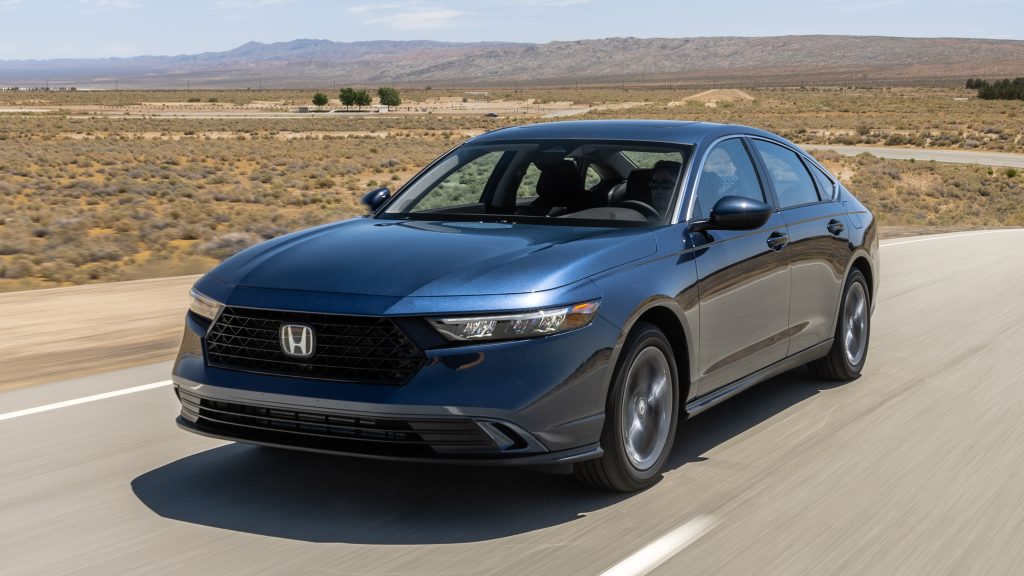
A damaged front corner can involve more than a bumper cover. Headlights, sensors, fenders, wheels, and suspension components can all contribute to the estimate. On an older Accord, the insurer then compares that growing repair bill with the car’s actual cash value.
The 2026 Accord starts at $28,395, while hybrid versions begin higher, giving older examples considerably less financial room before a major repair becomes uneconomical. Honda lists the sedan at 195.7 inches long and 73.3 inches wide.
8. Toyota Camry
The Toyota Camry can also reach the economic total-loss threshold after damage that does not initially look disastrous.
The current Camry is sold exclusively with a hybrid powertrain, and Toyota Safety Sense 3.0 brings a collection of electronic driver-assistance functions into the car. Toyota specifically lists Lane Tracing Assist, Dynamic Radar Cruise Control, and an Emergency Drive Stop System among its safety technologies.
Those systems are useful for preventing or reducing crashes, but collision repairs can become more involved when sensors, cameras, or their mounting areas are damaged. CCC’s 2025 data show how common calibration has become, with calibrations appearing on more than one-third of repairable estimates in Q3.
The Camry starts at $29,600 for 2026, while Toyota lists up to 232 net combined horsepower and up to 51 mpg combined. Its 193.5-inch length also means there is plenty of vehicle between the front and rear bumpers, but that does not protect every expensive component from a collision.
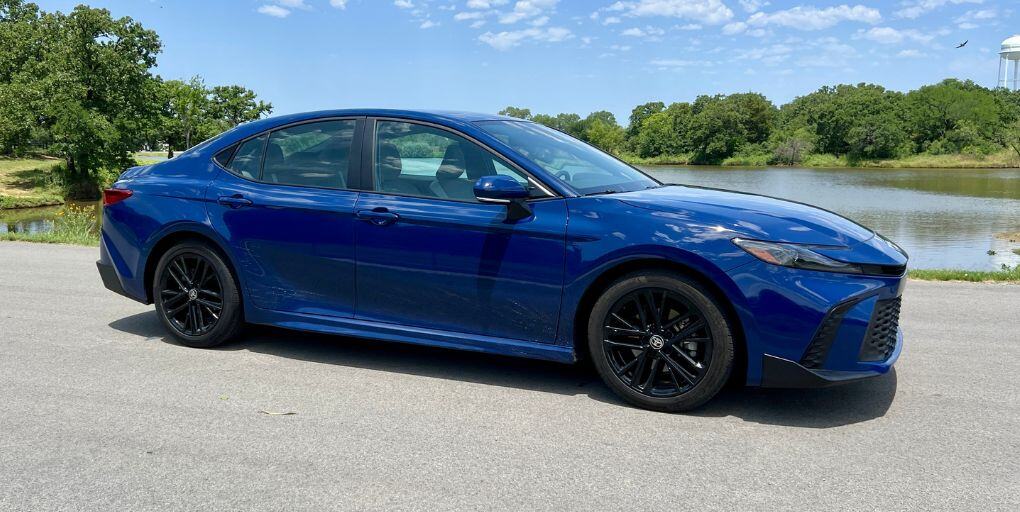
For an older Camry, a collection of moderate repairs can therefore become financially difficult even when the passenger compartment remains intact.
9. Honda Civic
The Honda Civic shows how a relatively affordable compact sedan can become expensive to repair when several small components are damaged together.
The 2026 Civic includes Honda Sensing features such as Collision Mitigation Braking, Forward Collision Warning, Adaptive Cruise Control, and Lane Keeping Assist. Higher trims also add blind-spot monitoring and other electronic safety equipment.
That technology can complicate collision work. A front-end impact that damages the bumper, grille, or areas around the camera can require additional inspection or calibration rather than simply replacing painted body panels.
Industry data from CCC shows that ADAS calibration appeared on 35.6% of repairable estimates in the third quarter of 2025, illustrating how frequently electronic calibration has become part of modern collision repair.
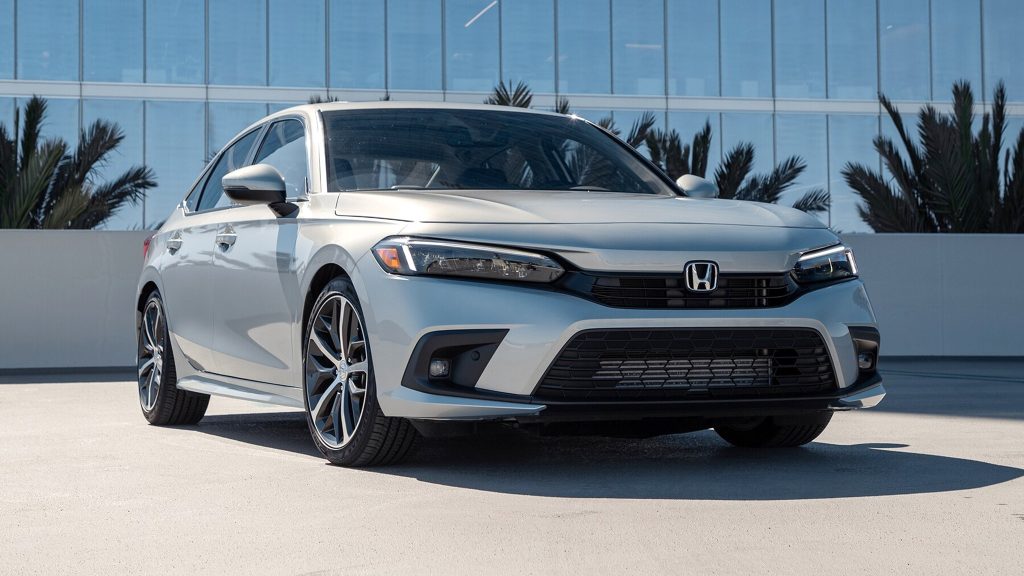
The Civic’s relatively accessible purchase price can also make the economics different on older examples. A car worth considerably less than a new Civic has less room for a large repair estimate before an insurer may determine that repairing it is not financially practical.
A collision that leaves the passenger compartment untouched can therefore still produce a surprisingly large bill once parts, labor, diagnostics, and calibration are combined.
10. Mercedes-Benz C-Class
The Mercedes-Benz C-Class takes the same repair-cost problem into the luxury segment, where sophisticated electronic hardware can make relatively contained damage expensive to put right.
The 2026 C-Class uses an array of driver-assistance equipment, while Mercedes-Benz says its latest C-Class technology can incorporate cameras, radar sensors, and ultrasonic sensors depending on configuration.
That creates several potential cost points after a crash. A damaged bumper may conceal radar equipment, while a windshield replacement can affect camera-based systems. Mercedes-Benz also relies on specialized diagnostic procedures, meaning collision repair is not necessarily finished when the bodywork looks straight again.
The economics become particularly important with older C-Class models. A repair estimate must be measured against the specific vehicle’s actual cash value, which can fall considerably as the car accumulates age and mileage.
Consequently, a combination of body damage, lighting components, sensors, and calibration can push an older example toward a total-loss decision without the vehicle appearing catastrophically damaged.
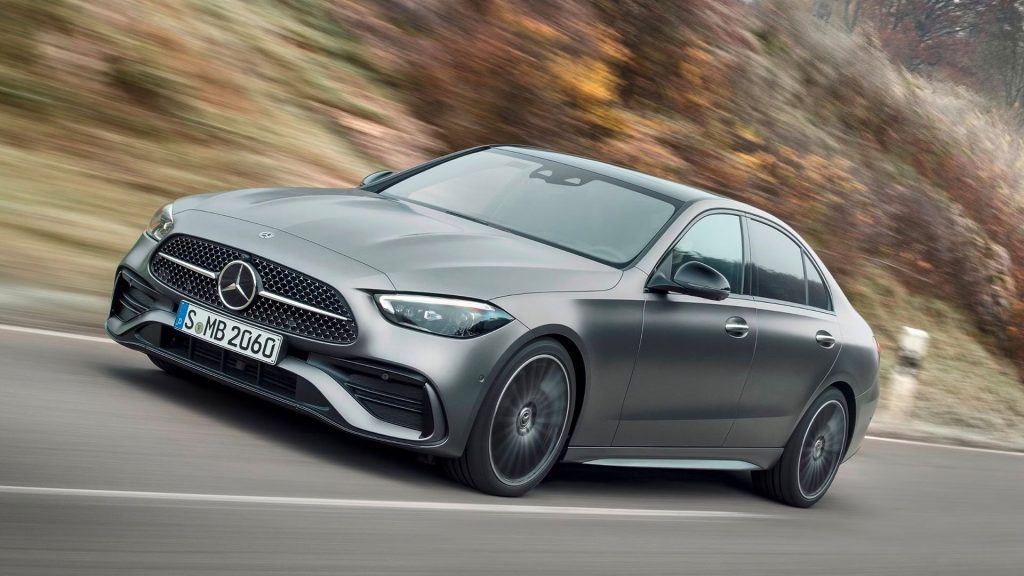
The current C 300 4MATIC illustrates the level of technology involved. It uses a 2.0-liter turbocharged four-cylinder with mild-hybrid assistance and produces 255 horsepower and 295 lb-ft of torque.
11. Ford F-150
The Ford F-150 can look repairable after a low-speed collision, but its size, technology, and equipment can make the estimate climb quickly.
Modern F-150 models can have blind-spot detection, lane-departure prevention, rear automatic braking, and other electronic safety systems, depending on configuration. IIHS lists several of these features for the 2026 F-150.
A damaged bumper is therefore not necessarily just a body-panel problem. Sensors, wiring, lighting, brackets, and other components can sit behind the exterior. IIHS notes that crash-avoidance sensors can increase repair costs because they may be expensive to replace and can require calibration after a collision.
The truck’s size can also work against it financially. Repairing a newer F-150 may make economic sense because its market value is high. An older truck with substantial mileage has a much smaller financial cushion. If several components are damaged at once, the estimate can approach the truck’s actual cash value surprisingly quickly.
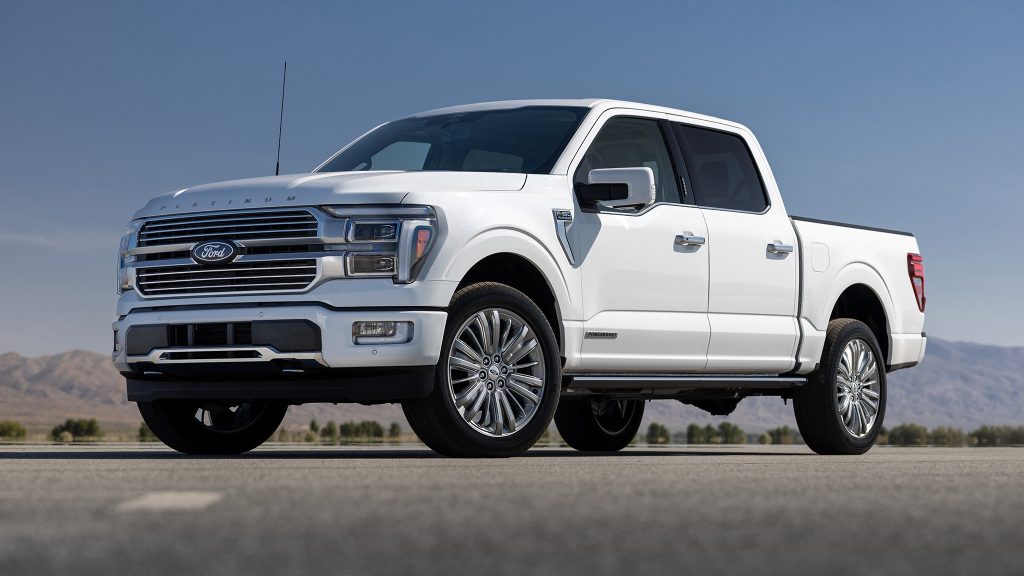
That is how a pickup with a visibly damaged corner can potentially become a total-loss claim even when the cabin and major mechanical components appear intact.
12. Nissan Rogue
The Nissan Rogue demonstrates how a windshield or front-end impact can become more complicated when cameras and driver-assistance systems are involved.
Nissan’s technical procedures require camera aiming after the front camera or windshield is removed or replaced on the Rogue. Certain ProPILOT-equipped versions also require additional calibration procedures.
That means a cracked windshield is not necessarily the end of the repair story. If the camera’s mounting position changes, the system needs to be correctly recalibrated.
Nissan also publishes collision-repair guidance covering pre- and post-repair scanning, radar recalibration, and other procedures, highlighting how much electronic verification can now accompany body repairs.
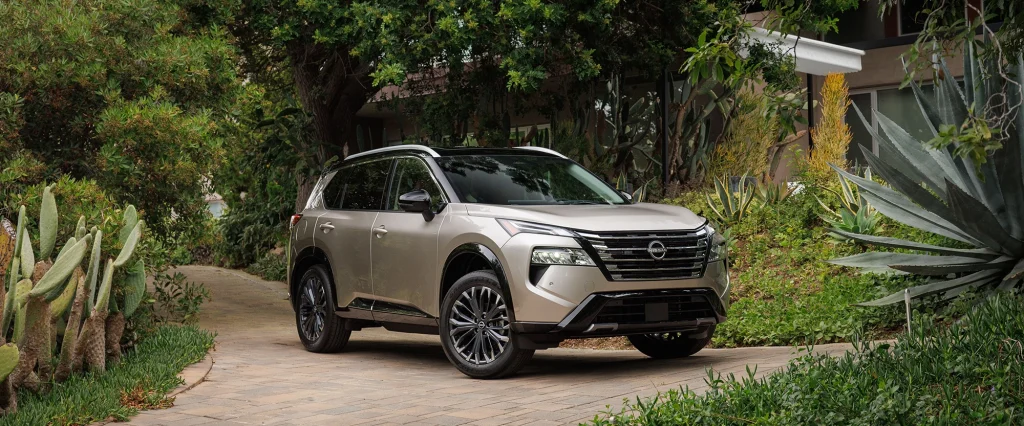
For an older Rogue, several modest repairs can therefore become financially significant. A windshield, bumper, grille, lighting assembly, and damaged sensor or camera can each add to the estimate. Once labor and calibration are included, the insurer must compare the total against the vehicle’s actual cash value.
The Rogue does not have to look destroyed for the numbers to stop making sense. That is the central reason modern collision estimates can surprise owners.
13. Chevrolet Equinox
The Chevrolet Equinox can suffer a surprisingly expensive repair from damage that initially appears limited to the front or rear bumper.
The 2026 Equinox has more than 15 standard safety and driver-assistance features, including automatic emergency braking, forward collision alert, lane-keep assistance, and rear cross-traffic braking. IIHS also lists standard blind-spot detection and rear automatic braking on the latest Equinox.
That equipment means a bumper impact can involve more than plastic and paint. Sensors, wiring, brackets, and electronic components may need inspection or replacement, particularly when the impact occurs near a sensor’s mounting area. On an older Equinox, the insurer must then compare the complete repair estimate with the vehicle’s actual cash value.
The 2026 model starts at $28,800, so older examples can have considerably less financial room for major repairs. Chevrolet also lists 175 horsepower from its 1.5-liter turbocharged engine.
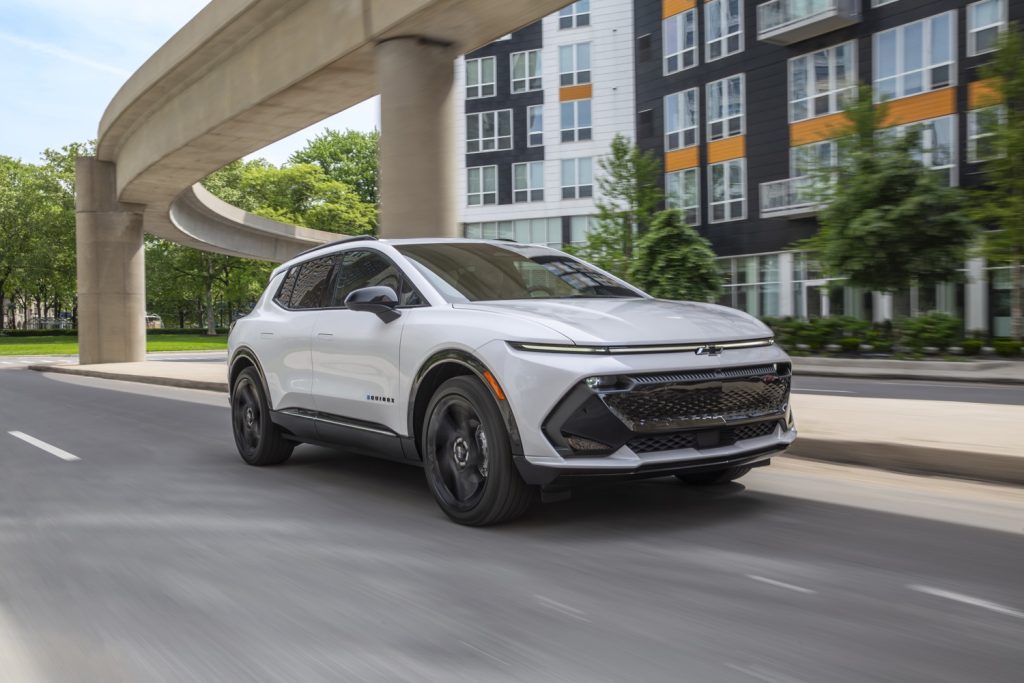
A damaged corner can therefore become an insurance problem when several relatively ordinary repairs accumulate into one large estimate.
14. Kia Sportage
The Kia Sportage is another mainstream SUV where a small collision can become more complicated because of the technology packed into the front end. The 2026 Sportage includes Forward Collision-Avoidance Assist, Lane Keeping Assist, Lane Following Assist, and parking sensors, while higher trims add additional driver-assistance equipment.
Kia specifically warns that impacts around radar sensors can affect Forward Collision-Avoidance Assist even when no warning appears.
Its documentation also says that damage around the bumper, radar, or front-view camera can require inspection by an authorized dealer. That makes a seemingly ordinary bumper repair potentially more involved than its appearance suggests.
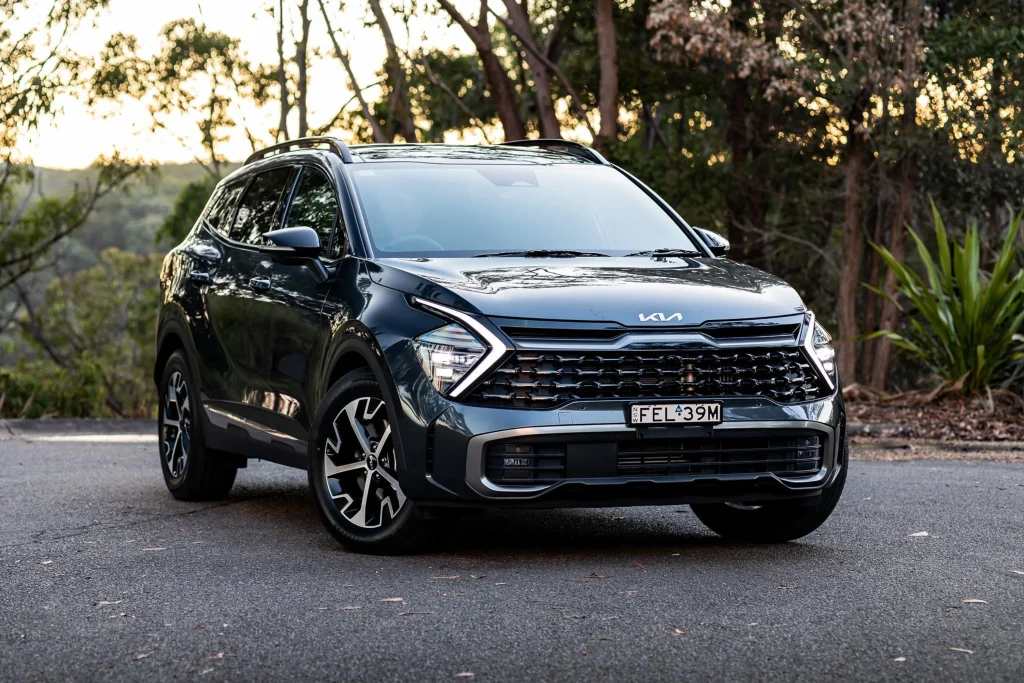
The financial calculation becomes tougher on an older Sportage. Once replacement parts, labor, diagnostics, and sensor-related work are combined, the estimate can become disproportionate to the vehicle’s market value.
The 2026 Sportage starts at $28,790, with the standard 2.5-liter engine producing 187 horsepower and 178 lb-ft of torque.