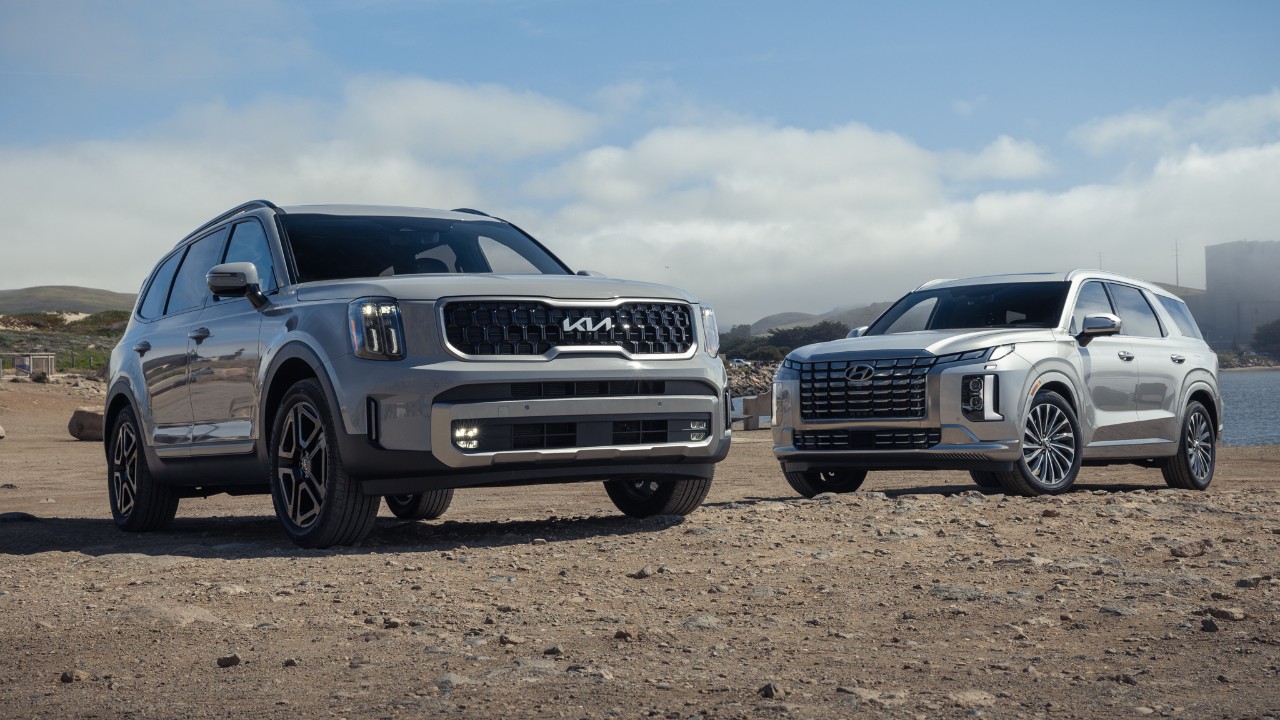
The theft crisis involving older Hyundai and Kia vehicles created an unusual problem for American drivers. Some cars became harder to insure not because of mechanical problems, but because insurers considered them especially vulnerable to theft.
State Farm and Progressive temporarily restricted new policy sales for certain Hyundai and Kia vehicles in some U.S. markets, particularly models without electronic engine immobilizers.
The issue became widespread after thefts surged and social media helped publicize the vulnerability. The nine models below represent notable vehicles affected by this insurance controversy, with specific model years and trims varying by insurer and market.
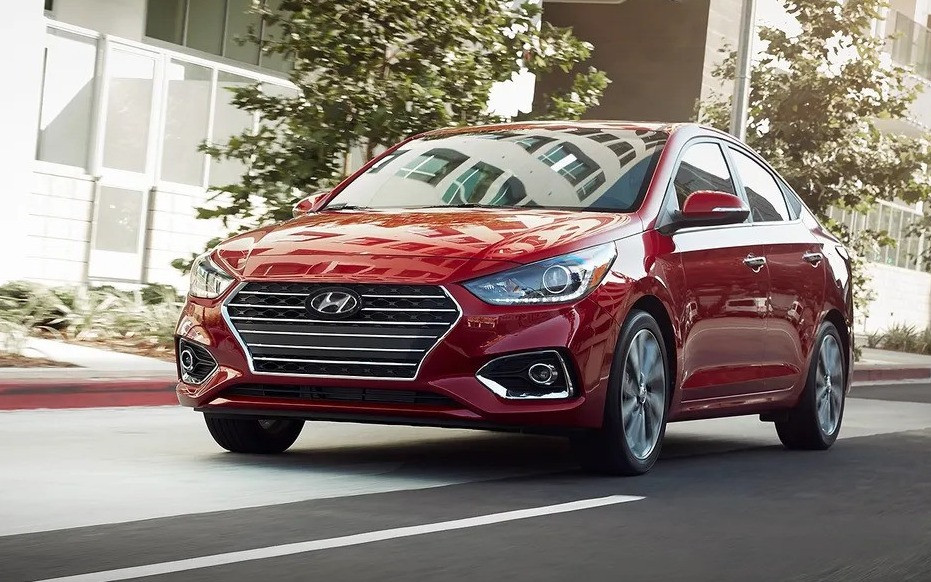
1. Hyundai Accent
The Hyundai Accent became one of the smaller cars caught up in the insurance problems surrounding older Hyundai and Kia vehicles.
Certain 2018 through 2022 Accent models were included among the vehicles identified by Hyundai as eligible for its anti-theft software upgrade, although eligibility depended on the specific vehicle and equipment.
The important factor was not simply the Accent nameplate, but whether a particular vehicle lacked a factory electronic immobilizer.
The Highway Loss Data Institute found that many Hyundai and Kia vehicles without immobilizers experienced dramatically elevated theft claim frequencies.
In its analysis of 2015-19 vehicles, theft claims for Hyundai and Kia models as a group were nearly twice as frequent as those for vehicles from other manufacturers. HLDI identified the absence of immobilizers as a major reason these vehicles became attractive targets.
That situation eventually affected insurance availability. In 2023, State Farm confirmed that it had temporarily stopped accepting new customer applications in some states for certain Hyundai and Kia model years and trim levels.
Progressive also restricted new-policy sales in some geographic areas, saying theft rates for certain vehicles had more than tripled and in some markets were nearly 20 times higher than for other vehicles.
The Accent itself was not inherently an unreliable or unsafe vehicle. The insurance concern centered on theft exposure. Hyundai subsequently introduced an anti-theft software upgrade for eligible vehicles, and HLDI later found that vehicles receiving the upgrade had substantially lower theft claim frequencies than eligible vehicles without it.
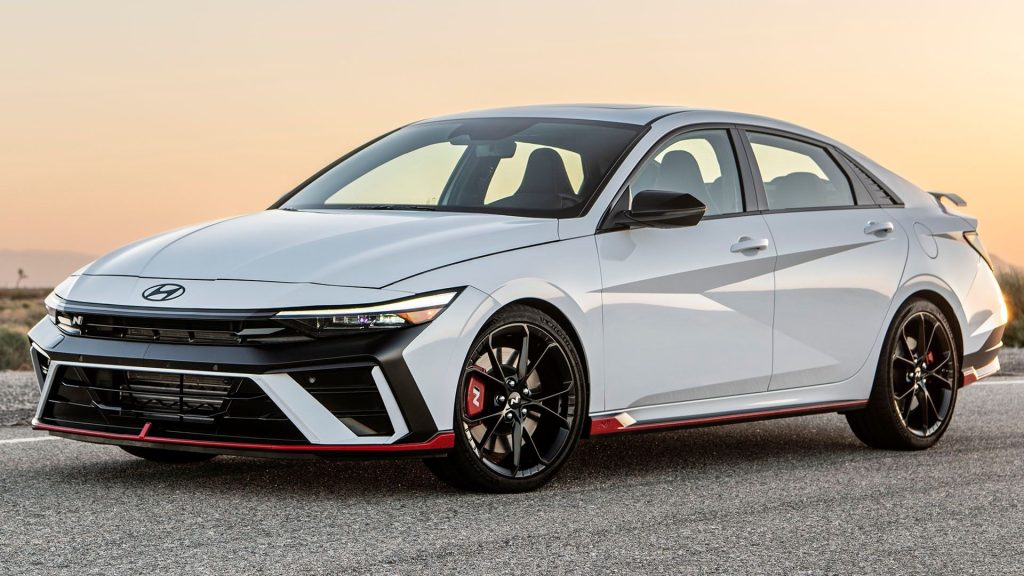
2. Hyundai Elantra
The Hyundai Elantra represents a much larger portion of the affected vehicle population because it was sold in huge numbers across the United States. HLDI’s research identified eligible Elantra models from 2011 through 2022, although not every vehicle within those years necessarily lacked an immobilizer or qualified for the same theft-prevention measures.
This distinction is important because simply owning an older Elantra did not automatically make a driver uninsurable. The problem centered on particular configurations, ignition systems, and markets.
State Farm said its restrictions applied to certain model years and trim levels in some states, while Progressive similarly limited new-policy sales in certain geographic areas. Existing customers were generally treated differently from people attempting to purchase a new policy.
The theft problem became particularly severe after social media videos highlighted how certain key-start Hyundai and Kia vehicles could be stolen.
HLDI reported that immobilizers were standard on 96% of vehicle models from other manufacturers in 2015, compared with only 26% of Hyundai and Kia models that year. That gap helps explain why insurers suddenly faced a much higher theft exposure from particular vehicles.
Hyundai responded with an anti-theft software campaign for eligible vehicles. According to HLDI’s later research, the upgrade reduced theft claim frequency by more than half.
By December 2024, however, eligible 2011-22 Hyundai vehicles that had received the upgrade still had higher theft claim frequencies than the broader vehicle population, showing why the insurance issue did not disappear immediately.
For an Elantra owner, the key question has therefore never been simply the model name. The vehicle’s model year, ignition system, immobilizer status, software-upgrade eligibility, and local insurance rules all matter.
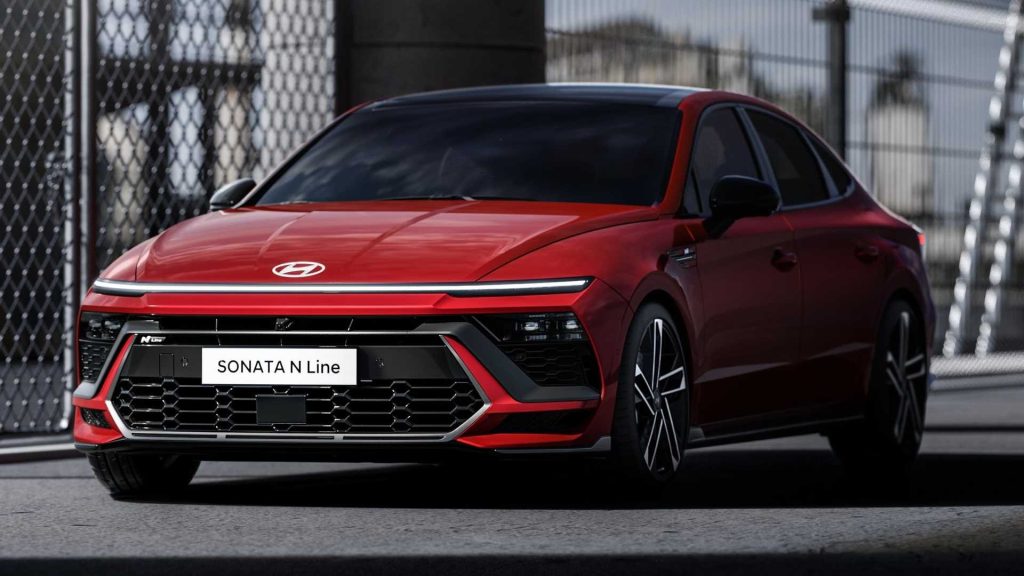
3. Hyundai Sonata
The Hyundai Sonata became one of the most recognizable names caught in the insurance restrictions surrounding older Hyundai and Kia vehicles.
State Farm’s reported ineligible list included 2015 through 2021 Sonata models, although the restriction applied to specific vehicles and markets rather than every Sonata sold during those years. Progressive also limited new-policy sales for certain Hyundai and Kia vehicles in some geographic areas as theft losses climbed sharply.
The central issue was the absence of an electronic engine immobilizer on certain key-start vehicles. An immobilizer uses electronic communication between the vehicle and key to prevent the engine from starting without an authorized key.
HLDI found that passive immobilizers were standard on only 26% of Hyundai and Kia vehicle series for the 2015 model year, compared with 96% among other manufacturers.
That security gap became particularly consequential after theft videos spread across social media.
HLDI reported that 2015 through 2019 Hyundai and Kia vehicles had theft claim frequencies nearly twice those of vehicles from other manufacturers during the period studied. The problem then spread across more states, creating unusually high insurance losses for some models.
Hyundai responded with a theft-deterrent software upgrade for eligible vehicles. Later HLDI research found that eligible Hyundai and Kia vehicles receiving the upgrade had theft claim frequencies 53% lower than comparable vehicles that had not received it as of December 2023. Whole-vehicle theft claims fell by 64% in that analysis.
For Sonata owners, the important distinction is therefore the individual vehicle’s equipment and security-update status rather than simply the badge on the trunk.
4. Hyundai Santa Fe
The Hyundai Santa Fe illustrates how the insurance problem extended beyond small sedans into popular family SUVs.
State Farm’s reported list included 2015 through 2021 Santa Fe models, with eligibility depending on the particular vehicle’s security equipment and configuration. The issue was especially associated with vehicles using traditional keyed ignition systems without a factory electronic immobilizer.
That distinction is important because the Santa Fe nameplate itself was not the problem. Hyundai vehicles with push-button ignition had long been equipped with immobilizers, according to Hyundai’s statement when insurers began restricting new policies.
Hyundai also said that immobilizers became standard on all its vehicles produced from November 2021 onward.
The scale of the theft problem explains why insurers became involved. HLDI found that theft claim frequency for 2011 through 2021 Hyundai and Kia vehicles was substantially higher than for comparable vehicles from other manufacturers, with the difference particularly pronounced among 2015 through 2019 models.
By June 2023, theft claim frequency for 2003 through 2023 Hyundai and Kia vehicles had risen to more than 10 times its first-half 2020 level.
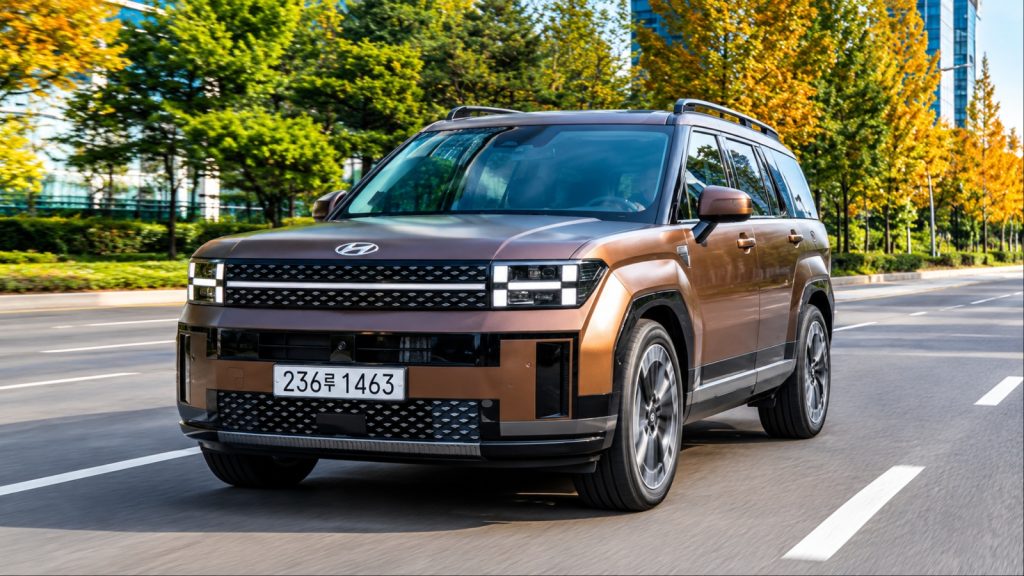
Hyundai’s response included steering-wheel locks, security kits, and eventually a software upgrade for eligible vehicles. The upgrade changed the vehicle’s behavior so it would only start when the owner’s key or an identical duplicate was present in the ignition. HLDI’s research found substantial reductions in theft claims after the upgrade was installed.
For anyone shopping for an older Santa Fe today, checking the VIN for completed security campaigns is more useful than assuming every Santa Fe from an affected year carries the same theft risk. Insurance availability can also vary by insurer, state, and individual vehicle.
5. Hyundai Tucson
The Hyundai Tucson was another major name caught in the theft-related insurance controversy. State Farm’s 2023 list included 2015 through 2021 Tucson models among the Hyundai vehicles for which it temporarily stopped accepting some new policy applications.
Progressive also restricted new policies for certain Hyundai and Kia vehicles in selected markets. The restrictions were connected to theft losses involving vehicles without factory electronic immobilizers, rather than to the Tucson’s crash safety or mechanical reliability.
The distinction between individual Tucsons is important. Not every Tucson from the affected years lacked an immobilizer.
The current multistate settlement identifies 2011 through 2022 Tucson vehicles that were not factory-equipped with an engine immobilizer as eligible for additional theft protection measures. That means owners need to check the specific vehicle rather than assume an entire model year is affected.
The insurance issue developed after social media videos publicized a theft technique targeting certain Hyundai and Kia vehicles with traditional keyed ignitions. HLDI found that only 26% of Hyundai and Kia vehicle series had passive immobilizers as standard equipment in 2015, compared with 96% for other manufacturers.
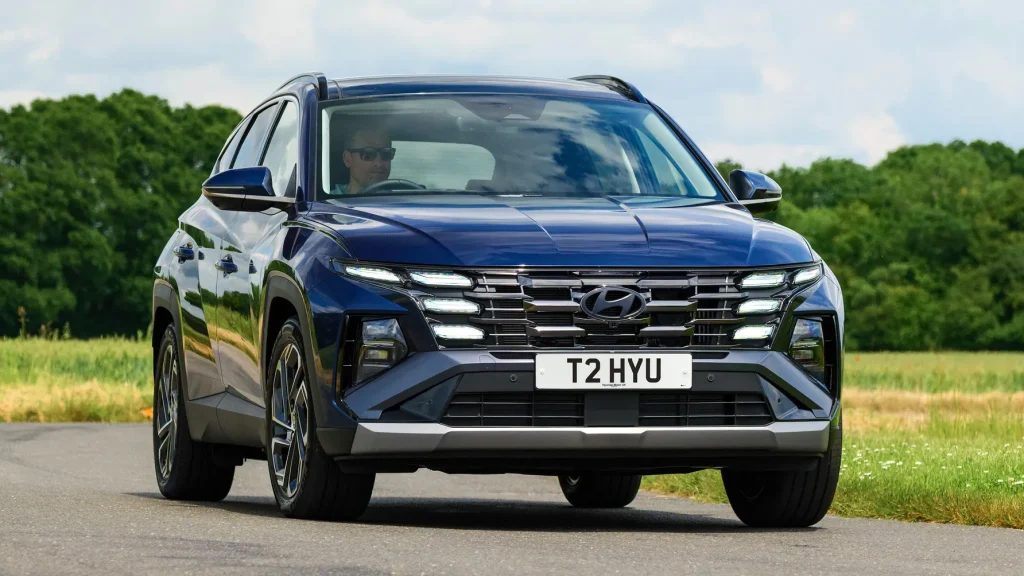
Hyundai responded by introducing an anti-theft software upgrade in 2023 for eligible vehicles. HLDI later found that vehicles receiving the upgrade had 53% lower theft claim frequencies than eligible vehicles that had not received the update. Whole-vehicle theft claim frequency fell by 64% in that analysis.
For Tucson owners, the practical question is therefore whether the particular vehicle has an immobilizer, qualifies for the software upgrade, and has completed applicable security campaigns. Insurance rules can also differ between companies and states.
6. Kia Forte
The Kia Forte became one of the most visible compact cars associated with the Hyundai-Kia theft wave.
State Farm’s reported 2023 ineligible list included 2015 through 2021 Forte models, while the current multistate settlement identifies 2014 through 2021 Forte vehicles without factory engine immobilizers as eligible vehicles for the settlement’s theft-related protections.
The distinction between these vehicles comes down to their equipment. Models with push-button ignition generally had immobilizers, while certain key-start versions lacked the same protection and were vulnerable to the theft method that spread through social media.
State Farm said its temporary restrictions applied to certain model years and trim levels, rather than every Hyundai and Kia vehicle.
The scale of the problem was unusual. HLDI reported that 2015-19 Hyundai and Kia vehicles had theft claim frequencies nearly twice those of vehicles from other manufacturers.
The organization linked the difference in large part to the absence of electronic immobilizers. In 2015, immobilizers were standard on 96% of vehicle series from other manufacturers but only 26% of Hyundai and Kia vehicle series.
Kia introduced a software upgrade for eligible vehicles in February 2023. HLDI’s later analysis found that the upgrade reduced theft claim frequency by 53%, while whole-vehicle theft claim frequency declined by 64%. HLDI also cautioned that theft-related claims remained elevated even after the update.
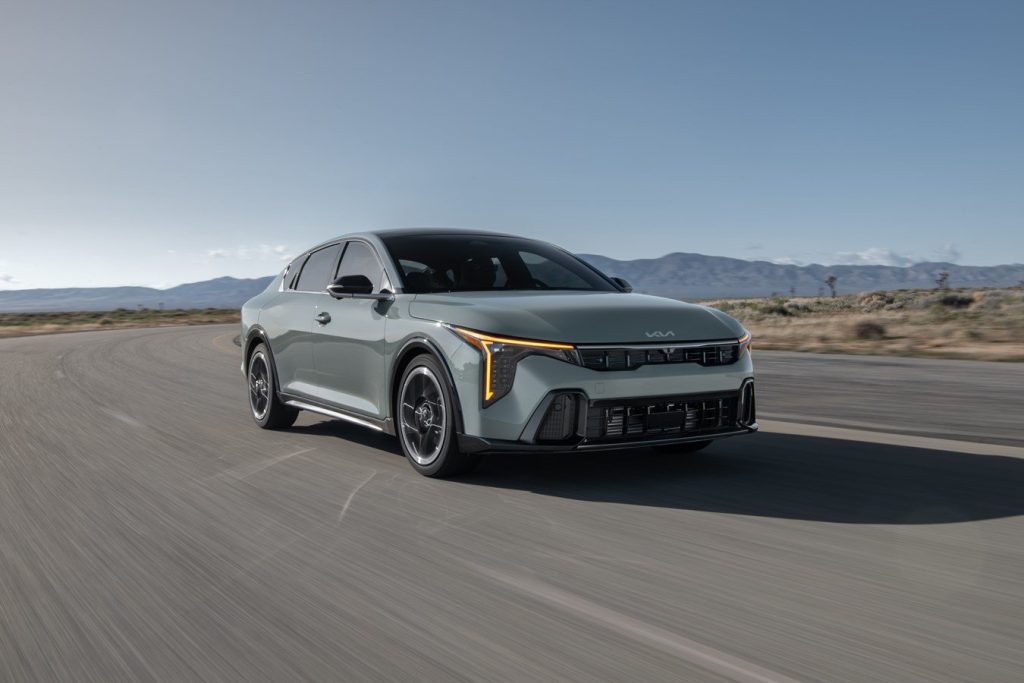
The Forte’s inclusion in this list should therefore not be interpreted as saying every Forte is difficult to insure. The relevant factors are the model year, ignition configuration, factory immobilizer, security updates, and the insurer’s current underwriting rules. Owners can also have additional protection installed through Kia’s security programs.
7. Kia Soul
The Kia Soul became one of the most recognizable vehicles affected by the Hyundai and Kia theft problem, partly because of the large number of Souls sold in the United States and the broad range of model years that could lack an engine immobilizer.
State Farm’s reported restrictions included 2015 through 2021 Soul models, while the later multistate settlement covers 2011 through 2022 Souls that were not factory-equipped with an engine immobilizer.
The security issue was tied to the vehicle’s ignition system, not the Soul’s boxy design or mechanical reliability. HLDI found that Hyundai and Kia vehicles without immobilizers had substantially higher theft claim frequencies than comparable vehicles equipped with the technology.
In its analysis of selected Kia models, immobilizer-equipped versions of the Soul had much lower theft claim frequencies than versions without the feature.
That distinction matters for anyone who owns or shops for an older Soul. Two Souls from the same model year can potentially have different security equipment depending on configuration. The VIN and factory equipment should therefore be checked rather than relying solely on the model year.
Kia responded with an anti-theft software upgrade for eligible vehicles. HLDI found that eligible Hyundai and Kia vehicles receiving the upgrade had theft claim frequencies 53% lower than comparable vehicles without the upgrade in its December 2023 analysis. The rate of whole-vehicle theft claims fell by 64%.
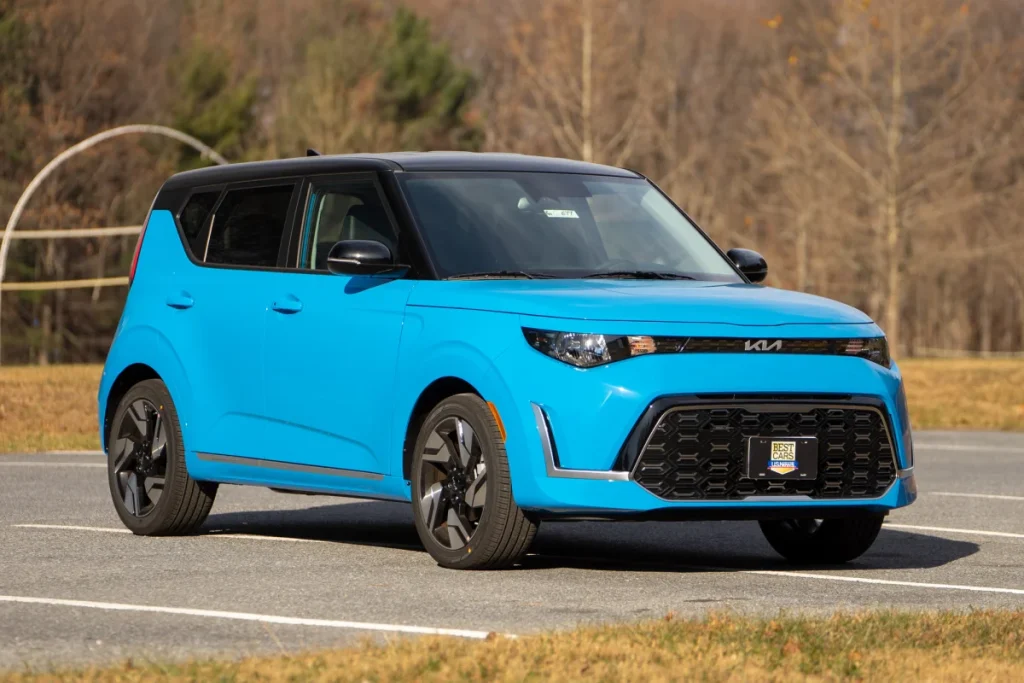
The insurance situation also deserves attention. State Farm’s restriction concerned new policy applications in some states and specific vehicles, rather than a nationwide declaration that every Soul could not be insured. Existing policies were handled differently, and underwriting decisions could vary by insurer and location.
8. Kia Sportage
The Kia Sportage was another high-volume SUV affected by the theft-related insurance restrictions. State Farm’s reported list covered 2015 through 2021 Sportage models, while the 2025 multistate settlement identifies 2011 through 2022 Sportage vehicles without factory engine immobilizers for additional anti-theft protection.
The Sportage provides an especially clear example of why blanket statements about these vehicles can be misleading. HLDI found significant differences in theft claim frequency between Kia models equipped with immobilizers and comparable versions without them.
In its analysis, the Sportage LX without an immobilizer had an estimated theft claim frequency of 7.3 claims per 1,000 insured vehicle years, compared with 1.3 for the combined EX and SX Turbo versions equipped with the technology.
That is a substantial difference, and it helps explain why insurers became concerned. Progressive said theft rates for certain Hyundai and Kia vehicles had increased dramatically in some markets, while State Farm confirmed it had temporarily stopped accepting some new applications for particular model years and trims.
These decisions were based on insurance risk and theft losses, not a finding that the Sportage itself was mechanically defective.
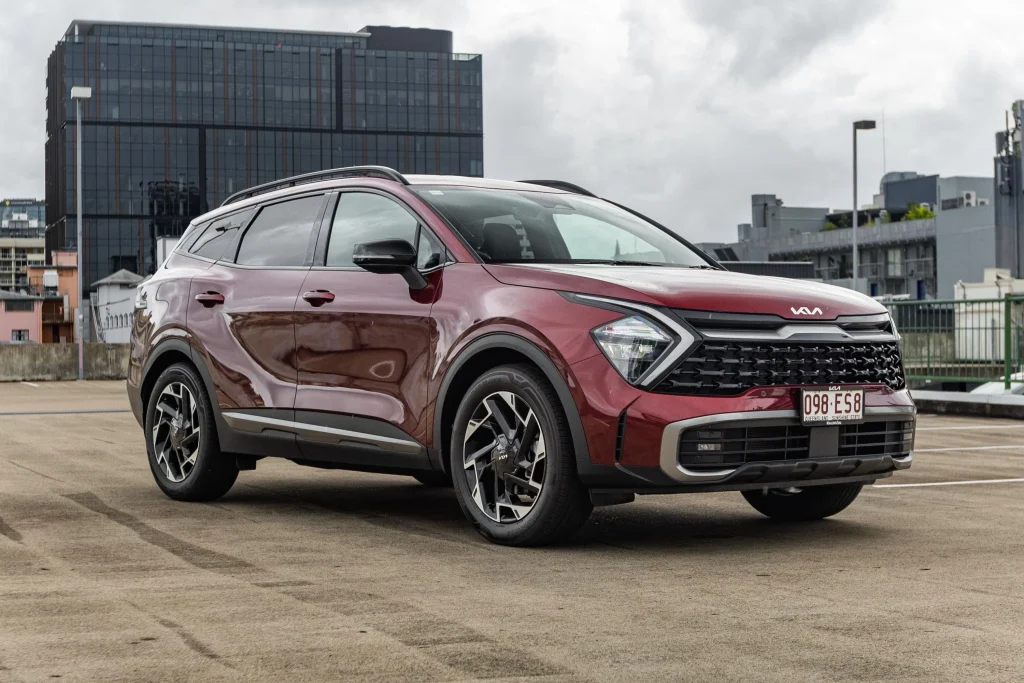
Kia’s subsequent software campaign changed the starting logic on eligible vehicles. With the upgrade installed, the vehicle requires the owner’s key to be present in the ignition before the engine will start. HLDI’s research showed that the upgrade substantially reduced theft claims, although theft and vandalism rates remained elevated compared with other makes.
For a used Sportage buyer, the practical checklist is straightforward. Determine whether the vehicle has a factory immobilizer, confirm that any applicable security upgrade was completed, check whether it received the later hardware protection update, and get an insurance quote before completing the purchase.
9. Kia Optima
The Kia Optima was another midsize sedan caught in the insurance restrictions that followed the surge in Hyundai and Kia vehicle thefts.
State Farm’s reported ineligible list included 2015 through 2021 Optima models, while the multistate settlement later identified certain 2011 through 2020 Optima vehicles without factory engine immobilizers as eligible for theft-related protections. The exact affected vehicle, therefore, depends on model year, trim, and factory equipment.
The Optima’s involvement had little to do with its mechanical design. The central concern was the security system used on certain key-start versions.
HLDI found that many Hyundai and Kia vehicles from this period were sold without electronic immobilizers, a feature that had already become standard on the vast majority of vehicles from other manufacturers. In 2015, immobilizers were standard on 96% of models from other automakers, compared with only 26% of Hyundai and Kia models.
That difference became particularly significant when theft techniques spread through social media. HLDI found that theft claims for 2015-19 Hyundai and Kia vehicles were nearly twice as frequent as claims for vehicles from other manufacturers.
The problem became severe enough that insurers began changing their underwriting practices in selected markets.
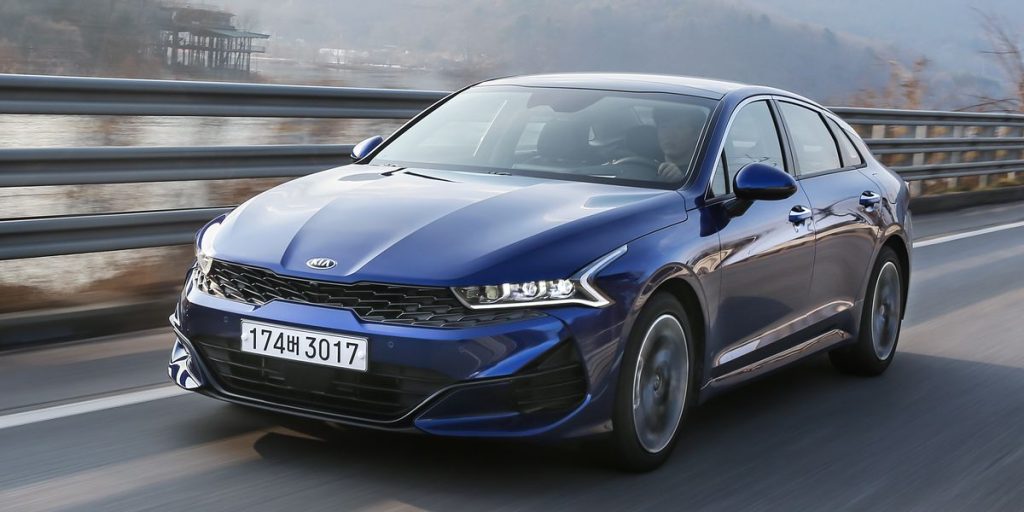
Kia subsequently introduced an anti-theft software upgrade for eligible vehicles. HLDI’s research found that eligible Hyundai and Kia vehicles receiving the upgrade had theft claim frequencies 53% lower than comparable vehicles without the upgrade. Whole-vehicle theft claims fell by 64% in the same analysis.
The situation has also improved substantially from its peak. HLDI’s 2025 research found that theft claim frequency for eligible Hyundai and Kia vehicles continued declining through 2024, although rates remained higher than the national vehicle average.
For an older Optima, checking the VIN for security-upgrade eligibility, confirming completed work, and obtaining an insurance quote before purchase remain important steps.