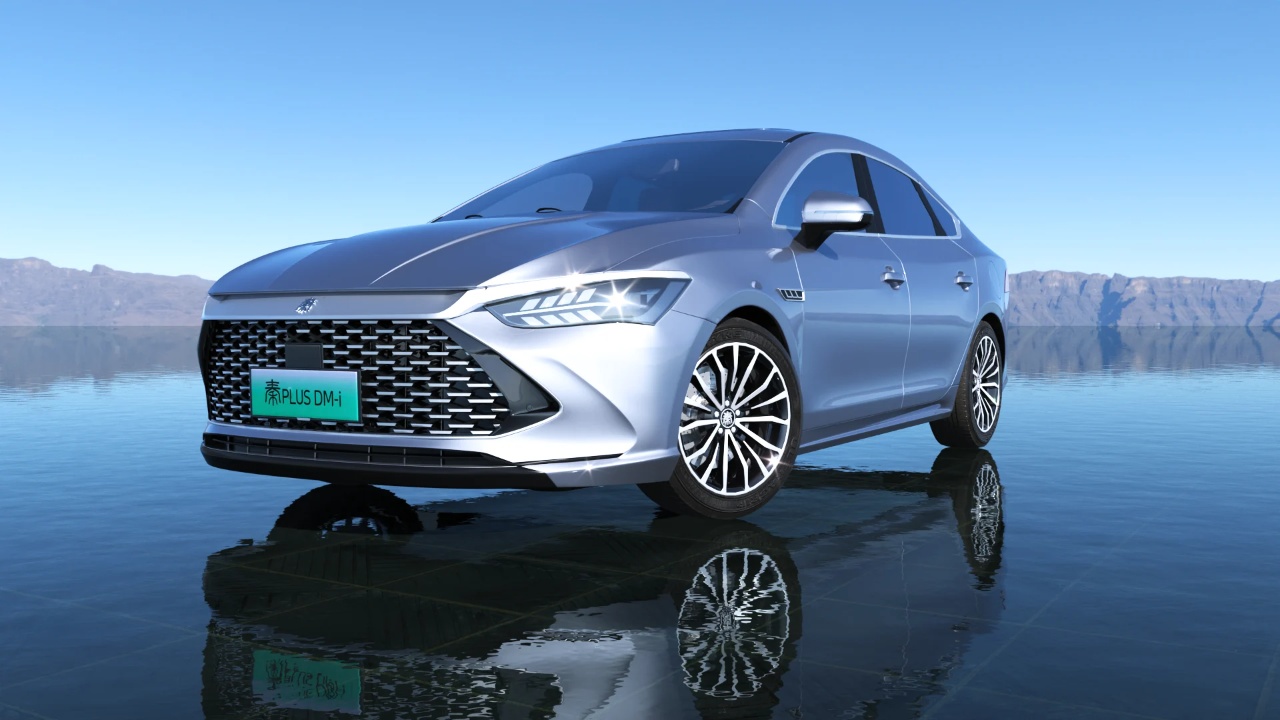
BYD is recalling 183,211 vehicles in China after regulators identified a manufacturing defect affecting a small but important component of the brake pedal assembly. The recall covers older Qin and Tang series vehicles produced between 2014 and 2022, making it one of the larger recent safety actions involving China’s biggest electric-vehicle manufacturer.
China’s State Administration for Market Regulation (SAMR) announced the recall on September 18, saying certain brake-pedal stopper pads can crack or deteriorate after prolonged use. In extreme cases, the component can detach and cause the vehicle’s brake lights to remain illuminated even when the brake pedal is not being pressed.
The defect does not mean that the vehicle’s main braking mechanism necessarily stops working. Instead, the concern involves incorrect brake-light operation. A continuously illuminated brake light could give drivers behind the vehicle the impression that the BYD is slowing or stopping when it is not, potentially creating a collision risk.
BYD will replace the affected components with improved parts through authorized dealers at no cost to owners.
Which BYD Vehicles Are Included?
The recall covers 183,211 vehicles across the Qin and Tang model lines, with the majority coming from the Tang family.
According to SAMR’s official recall notice, BYD Auto Industry Co. is recalling 58,026 Tang vehicles produced between March 28, 2015, and December 21, 2018.
The campaign also covers 77,846 next-generation Tang DM vehicles manufactured from May 19, 2018, through January 14, 2022, and 7,023 next-generation Tang EV vehicles produced between December 27, 2018, and October 25, 2021.
A separate recall covers 40,316 Qin vehicles manufactured between June 27, 2014, and June 9, 2019.
That means the campaign stretches across several generations of BYD vehicles and includes both electrified and plug-in-hybrid models within the affected series.
The defect originates in the brake-pedal stopper pad, sometimes described as a stop buffer. The component limits the movement of the brake pedal when it is released. According to SAMR, a manufacturing problem resulted in abnormal material characteristics in certain batches.
After prolonged use, the affected stopper can crack or break. If it eventually separates from the pedal assembly, the brake-light switch can remain activated even though the driver has released the pedal.
Reuters reported that the problem was associated with a batch of defective stopper pads and that the affected vehicles were produced between 2014 and 2022. BYD has committed to replacing the component through its authorized dealer network.
Owners who previously received the improved stopper as part of an earlier repair do not need to have the component replaced again, according to SAMR.
BYD will notify affected customers through registered letters, telephone calls, and text messages. The company has also provided a customer service channel for owners seeking information about the campaign.
Why a Brake-Light Defect Can Become a Safety Issue
At first glance, a component that affects brake-light operation might appear less serious than a defect involving the braking system itself.
The vehicle can still have functional brakes, but the brake lights serve an important communication role. Drivers behind a vehicle rely on those lights to understand when the vehicle ahead is slowing down or stopping. If the lights remain illuminated continuously, that information becomes unreliable.
A driver following the BYD could see illuminated brake lights and assume the vehicle is braking even though it is traveling normally. That could lead to unnecessary braking or other unexpected reactions.
The opposite problem can also be dangerous. A defective switch or related component that prevents brake lights from operating correctly could fail to provide a warning when the vehicle actually slows. The specific defect identified by SAMR in this recall concerns the stopper potentially detaching and causing the lights to remain on.
SAMR therefore classifies the issue as a safety risk even though the primary braking function is not described as being lost.
The remedy is relatively straightforward. Authorized BYD dealers will replace the affected stopper pad with an improved component free of charge.
That is significant because the vehicles involved are now several years old. The earliest affected Qin vehicles date back to 2014, while some Tang models included in the campaign were built as recently as 2022.
The long production window also illustrates how a relatively inexpensive mechanical component can create a large recall when the same design or material batch is used across multiple model generations.
Another Safety Test for BYD as Its Global Presence Grows
The recall comes at an important point for BYD. The company has expanded rapidly beyond China and is now one of the world’s largest electric and plug-in-hybrid vehicle manufacturers.
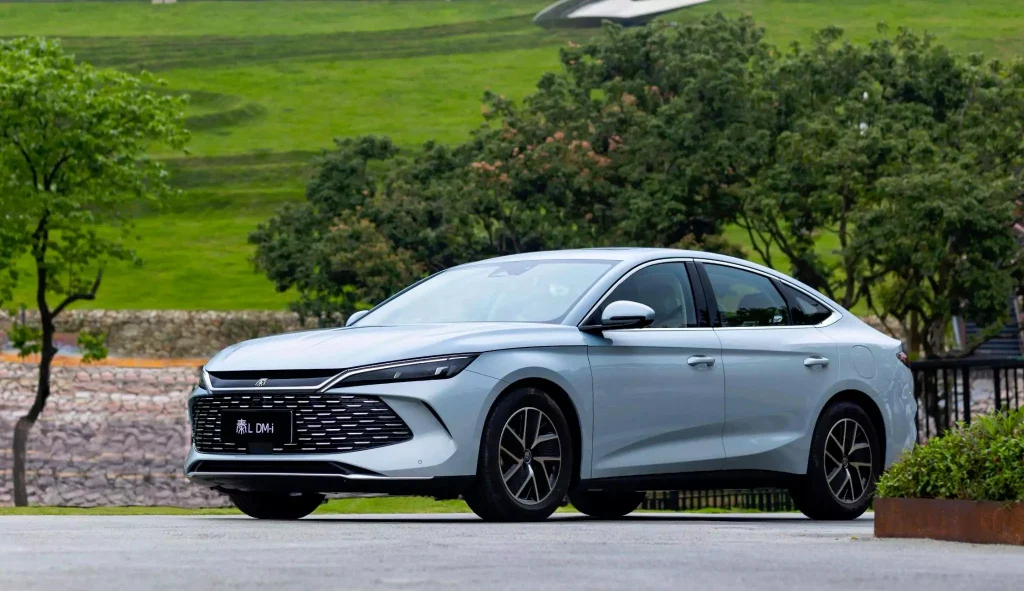
BYD reported 440,293 new-energy vehicle sales in August 2026, according to reporting on its latest results. That included more than 256,000 battery-electric passenger vehicles, while overseas sales have become an increasingly important part of the company’s growth strategy.
The recall itself is limited to vehicles in China and concerns older models. There is no indication from the cited recall notice that the campaign automatically applies to vehicles sold in other markets.
That distinction is important because vehicle specifications, production batches, and regulatory requirements can differ between countries. Owners outside China should therefore rely on their local BYD distributor or regulator for recall information rather than assuming that every Qin or Tang vehicle is affected.
The campaign also comes during a period of increased scrutiny of vehicle manufacturing quality in China. Regulators have been carrying out multiple recall actions involving domestic and international manufacturers as China’s automotive industry expands rapidly.
On the same day as the BYD announcement, SAMR also announced a separate recall involving 686 Nio Firefly electric vehicles. Those vehicles have a different manufacturing defect involving a steering-system component that could, in extreme cases, result in loss of electric power-steering assistance.
The Nio campaign is unrelated to BYD’s brake-pedal issue, but the simultaneous actions demonstrate the range of component-level defects being addressed by Chinese regulators.
For BYD, the immediate solution is relatively straightforward. Owners of affected vehicles need to have the brake-pedal stopper replaced with the updated part.
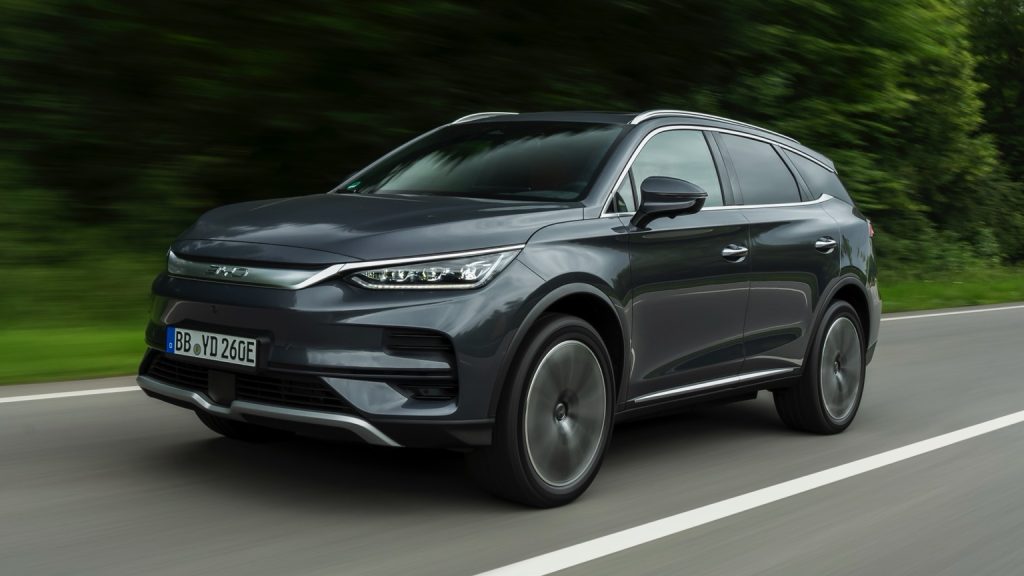
The larger significance lies in the scale of the campaign and the age range of the vehicles involved. More than 183,000 cars require attention because a relatively small component can deteriorate after years of use and create misleading brake-light signals.
BYD has agreed to repair free of charge through authorized dealers, while SAMR is overseeing the recall under China’s defective-vehicle recall regulations.
The recall does not by itself indicate a broader problem with BYD’s entire vehicle lineup. It is specifically tied to certain Qin and Tang vehicles and a particular batch of brake-pedal stopper pads.
For affected owners, the message is straightforward. The component should be replaced even if the vehicle appears to brake normally. A properly functioning braking system also relies on warning equipment working as intended, and incorrect brake-light signals can create risks for other road users.
As BYD continues expanding its production and international presence, recalls such as this will remain an important part of how the company manages the quality and long-term reliability of its increasingly large vehicle population.