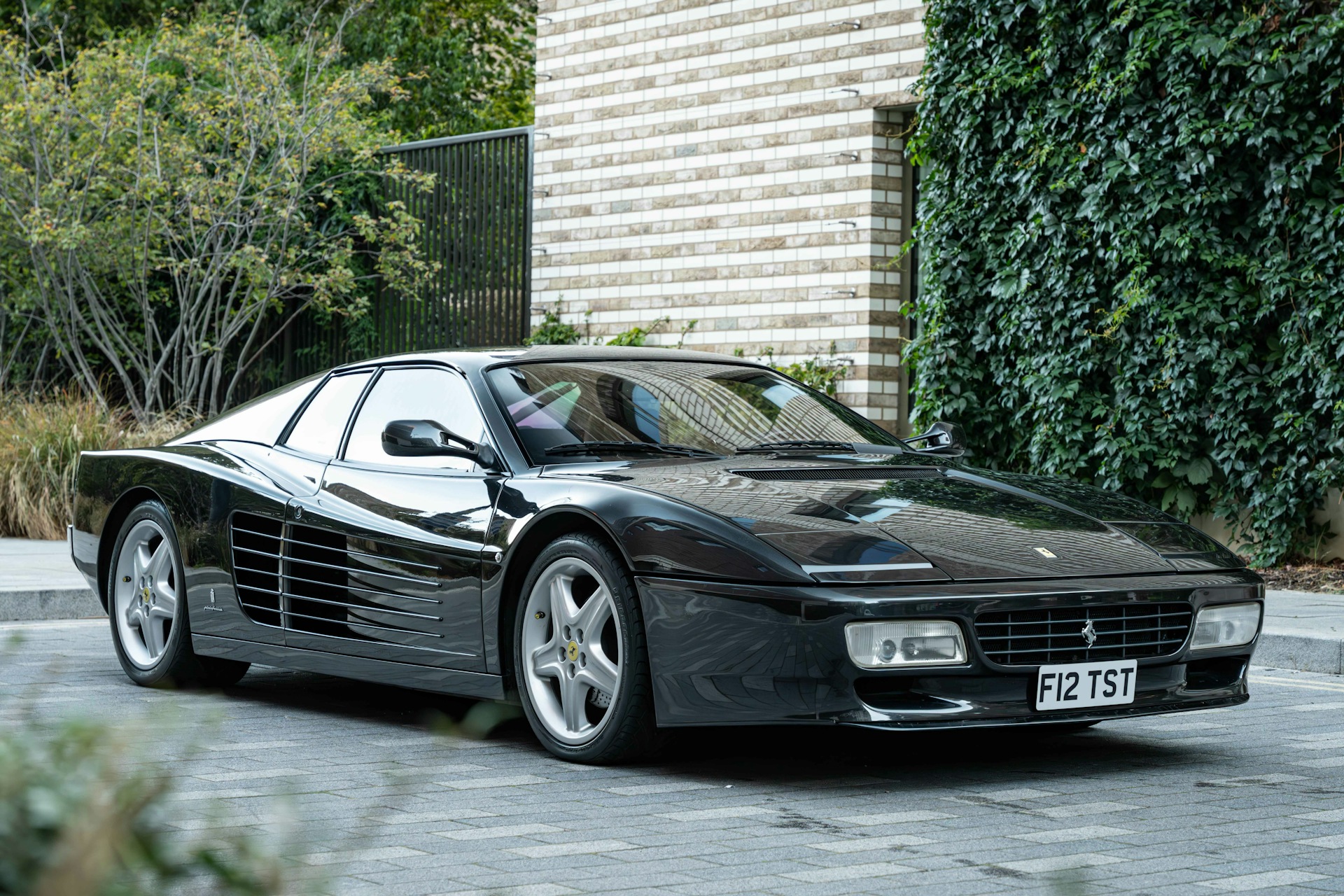
Some sports cars have delivered investment returns that can rival or exceed major US stock indexes, turning desirable automobiles into serious collector assets. Ferrari, Porsche, and other performance brands have produced models whose market values rose sharply as supply remained limited and enthusiast demand increased.
Current auction data highlights several cars with impressive annual appreciation, including the Ferrari 550 Maranello, Ferrari F12berlinetta, Ferrari 488 Pista Spider, Ferrari 512 TR, Ferrari 458 Spider, Ferrari F355 Spider, and Porsche 928. These results do not guarantee future profits.
Ownership costs, taxes, insurance, maintenance, storage, transaction fees, and market cycles can substantially affect actual returns for individual collectors and investors.

1. Ferrari 550 Maranello
The Ferrari 550 Maranello has become a fascinating example of how a modern classic can transition from an expensive used sports car into a valuable collector automobile. Introduced in the 1990s, the 550 combined a front-mounted V12 engine with a traditional six-speed manual transmission option, giving it characteristics that have become increasingly attractive to collectors.
Its design also represents an important period in Ferrari history, before modern hybrid systems, turbocharging became widespread across the range, and increasingly complex electronic technology transformed high-performance cars. That combination gives the 550 a strong identity among enthusiasts seeking a relatively analog Ferrari.
Current collector-car data places the 1999 Ferrari 550 Maranello among the strongest appreciating cars tracked in 2026. DriveIndex reports a current market value around $341,654 and an annual appreciation rate of approximately 27 percent based on verified auction transactions.
The same dataset includes more than 117,000 completed auction sales across thousands of vehicles, giving the figures a transaction-based foundation rather than relying solely on advertised asking prices.
The increase in interest surrounding the 550 reflects a broader collector preference for cars that combine performance with mechanical character.
Modern supercars can be extraordinarily fast, but collectors often place additional value on rarity, manual transmissions, naturally aspirated engines, distinctive styling, and a strong connection to a manufacturer’s earlier engineering philosophy. The 550 checks several of these boxes. Its V12 engine and grand-touring character make it different from the mid-engine Ferraris that followed, giving it a distinct position within the company’s modern history.
There are still significant financial considerations. A Ferrari cannot be treated like a low-cost stock investment. Maintenance can be expensive, specialist servicing may be required, and a neglected example can require substantial mechanical work. Condition also has a major influence on value.
A well-documented car with desirable specification, limited ownership history, strong maintenance records, and appropriate mileage can command a very different price from a heavily modified or poorly maintained example. Auction averages therefore should not be interpreted as guaranteed returns for every 550 owner.
For US collectors, the 550 illustrates why individual cars can sometimes outperform conventional financial benchmarks during favorable periods. It also demonstrates why the word “investment” needs careful interpretation in the collector-car market.
A 27 percent annual appreciation figure represents observed market movement, not a guaranteed future return or an after-cost profit.
The S&P 500 had a 10-year annualized price return of 13.48 percent through August 31, 2026, according to S&P Dow Jones Indices, showing the level a collector car would need to surpass consistently before expenses to claim a meaningful advantage.
2. Ferrari F12berlinetta
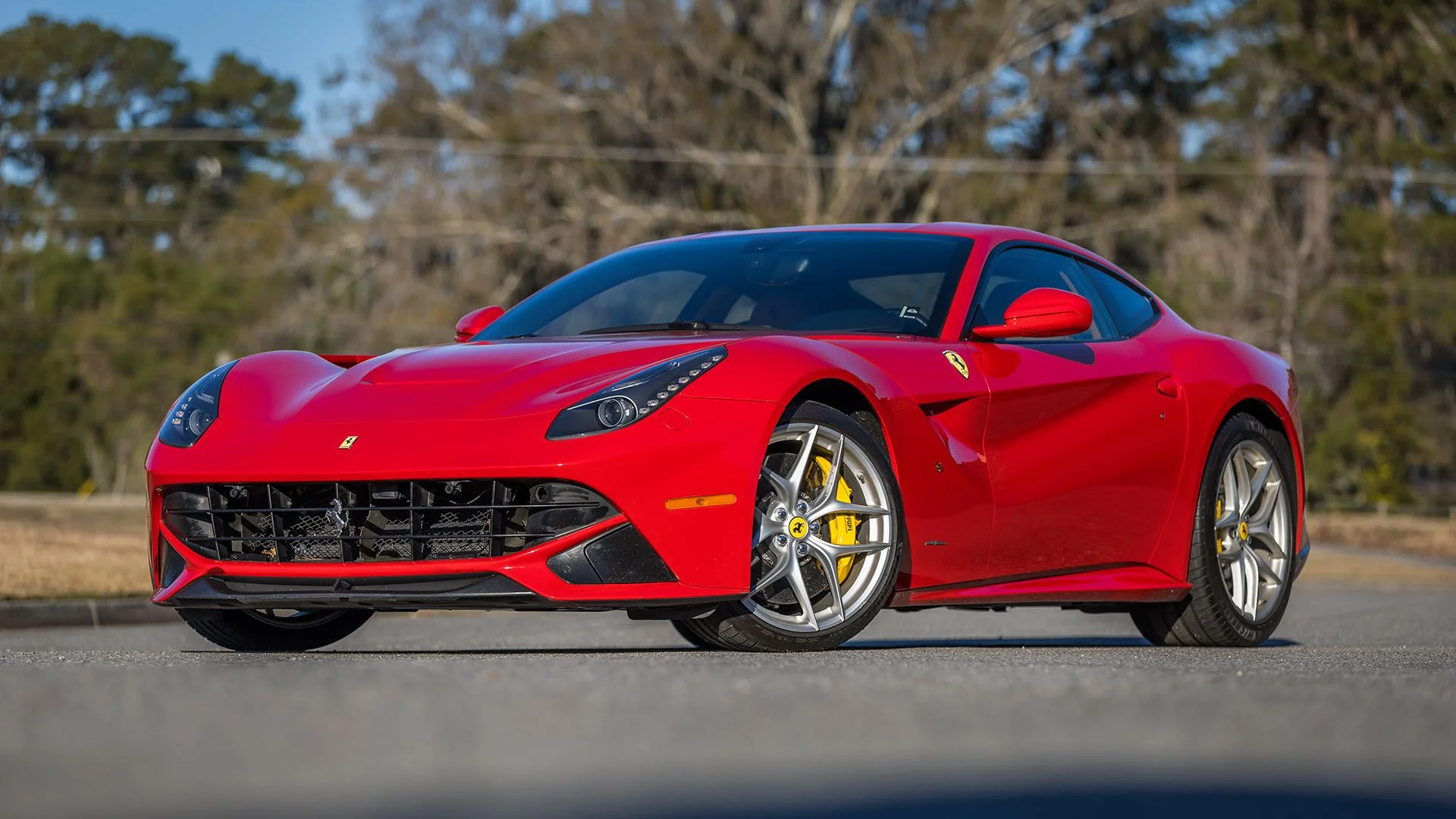
The Ferrari F12berlinetta represents a different stage in Ferrari’s evolution, yet it has many characteristics that appeal to collectors. It uses a naturally aspirated V12 and delivers the kind of high-output grand-touring performance that Ferrari has historically associated with its front-engine flagship models.
For enthusiasts, the F12 occupies an interesting position because it arrived during the transition toward turbocharged and hybrid performance technology. That makes its naturally aspirated V12 particularly significant to collectors who value traditional Ferrari engineering.
Current market data shows why the F12 deserves attention in a discussion about sports cars and investment returns. DriveIndex lists the 2014 Ferrari F12berlinetta with a market value of approximately $404,300 and a reported annual appreciation rate of 26.4 percent. That figure places it among the fastest-appreciating cars in the current dataset.
The F12 also benefits from its position in Ferrari’s product history. Cars that become symbols of a technological transition can gain additional collector attention when enthusiasts begin reassessing them years after production ends.
The F12 combines a large naturally aspirated engine, rear-wheel drive, dramatic proportions, and modern performance capability. It is fast enough to remain impressive by contemporary standards while retaining mechanical characteristics that are increasingly uncommon in newer performance cars.
Specification matters enormously when assessing an F12 as a potential collectible. Mileage, service history, exterior color, interior configuration, factory options, accident history, and ownership documentation can influence market value.
Collectors often pay premiums for examples that have been preserved carefully rather than heavily modified. Ferrari’s extensive range of personalization options can also create meaningful differences between individual cars, meaning two F12s with similar mileage may not have identical market appeal.
The F12 shows why comparing a collectible car with an index fund requires more than comparing two percentage figures. An index fund can provide broad diversification and liquidity, while a sports car is a single physical asset exposed to condition, location, maintenance, market taste, and transaction costs.
The F12’s reported appreciation is impressive, but an owner must sell the vehicle to realize that market value. Dealer commissions, auction fees, detailing, transportation, repairs, insurance, and taxes can reduce the amount received by the seller.
3. Ferrari 488 Pista Spider
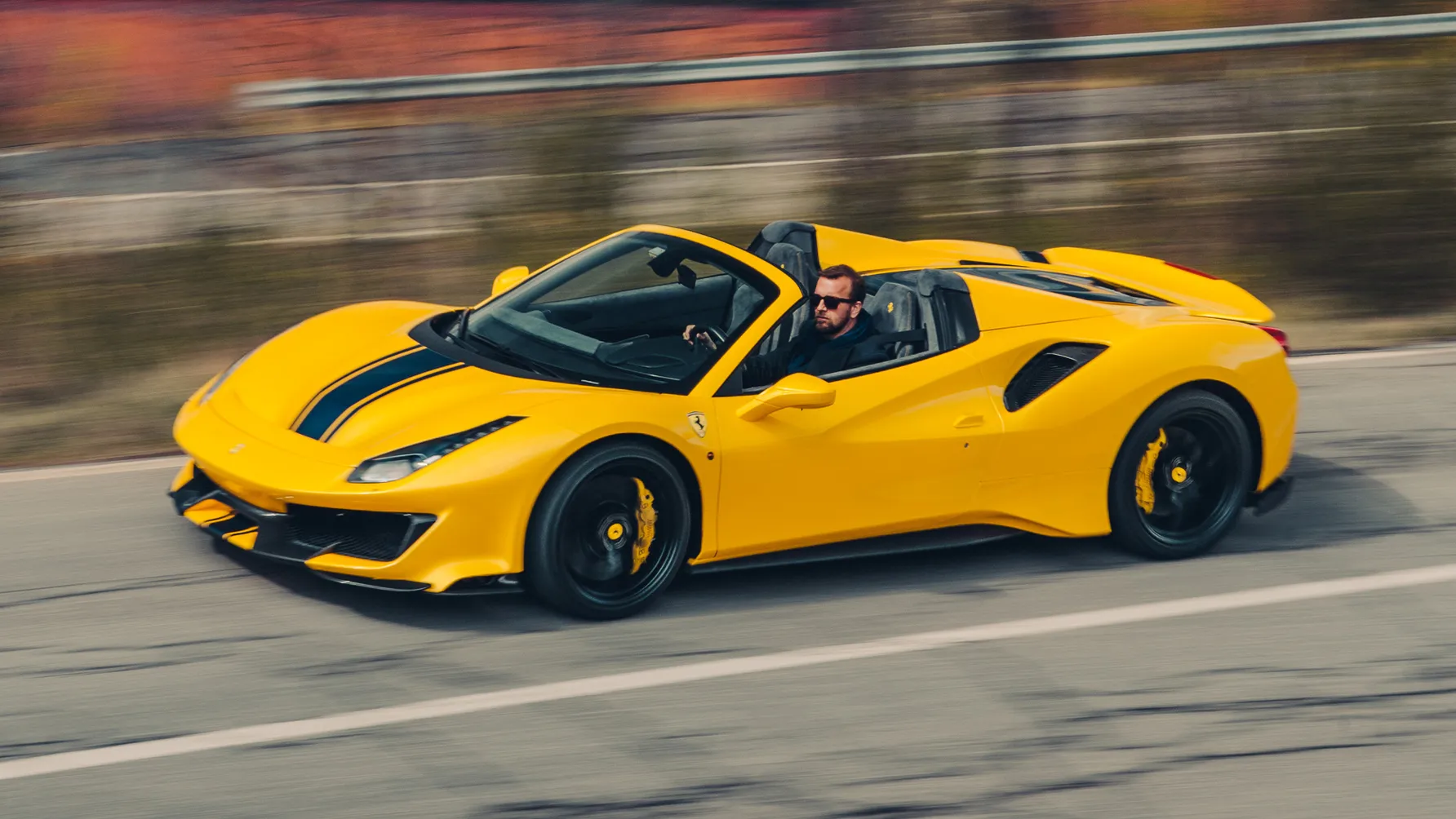
The Ferrari 488 Pista Spider is a modern example of how limited production, extreme performance, and brand prestige can combine to create a strong collector market. Unlike the naturally aspirated Ferraris discussed above, the 488 Pista uses a twin-turbocharged V8.
It was developed as a high-performance version of the 488 platform, with extensive attention given to weight reduction, aerodynamics, engine response, and track-focused performance. Its Spider configuration adds open-air appeal while retaining the technical character that defines the Pista family.
The latest collector-market data puts the 2020 Ferrari 488 Pista Spider at approximately $1.75 million, with DriveIndex reporting annual appreciation of roughly 26 percent. That is a remarkable figure compared with conventional equity benchmarks, at least during the period measured by the dataset.
The car’s appeal comes from several factors working together. Ferrari produced the Pista as a highly focused derivative rather than as an ordinary volume model. Its performance credentials are well established, while its styling and specification make it instantly recognizable to enthusiasts.
Collectors often favor special variants because they can represent the highest-performance expression of a particular generation. The Pista Spider also combines rarity with the emotional appeal of an open-top supercar.
High market values create a different type of risk, too. A vehicle worth more than $1 million requires substantial capital, which means comparing its return with an index fund requires attention to the amount of capital tied up in the vehicle.
A collector also needs secure storage, specialized insurance, professional maintenance, and careful transportation. These costs can be substantial. A car that appreciates by a high percentage can still produce a much smaller net return after expenses.
The Pista Spider therefore works best as an example of exceptional collector-car appreciation rather than as proof that sports cars are generally superior investments. Current research on classic-car markets supports this distinction.
A 2026 academic study examining classic-car index data from 1994 through 2025 found that certain high-end segments, particularly Ferrari and Porsche markets, generated abnormal excess returns during the period studied. The research also identified scarcity and brand prestige as important factors behind the behavior of these assets.
4. Ferrari 512 TR
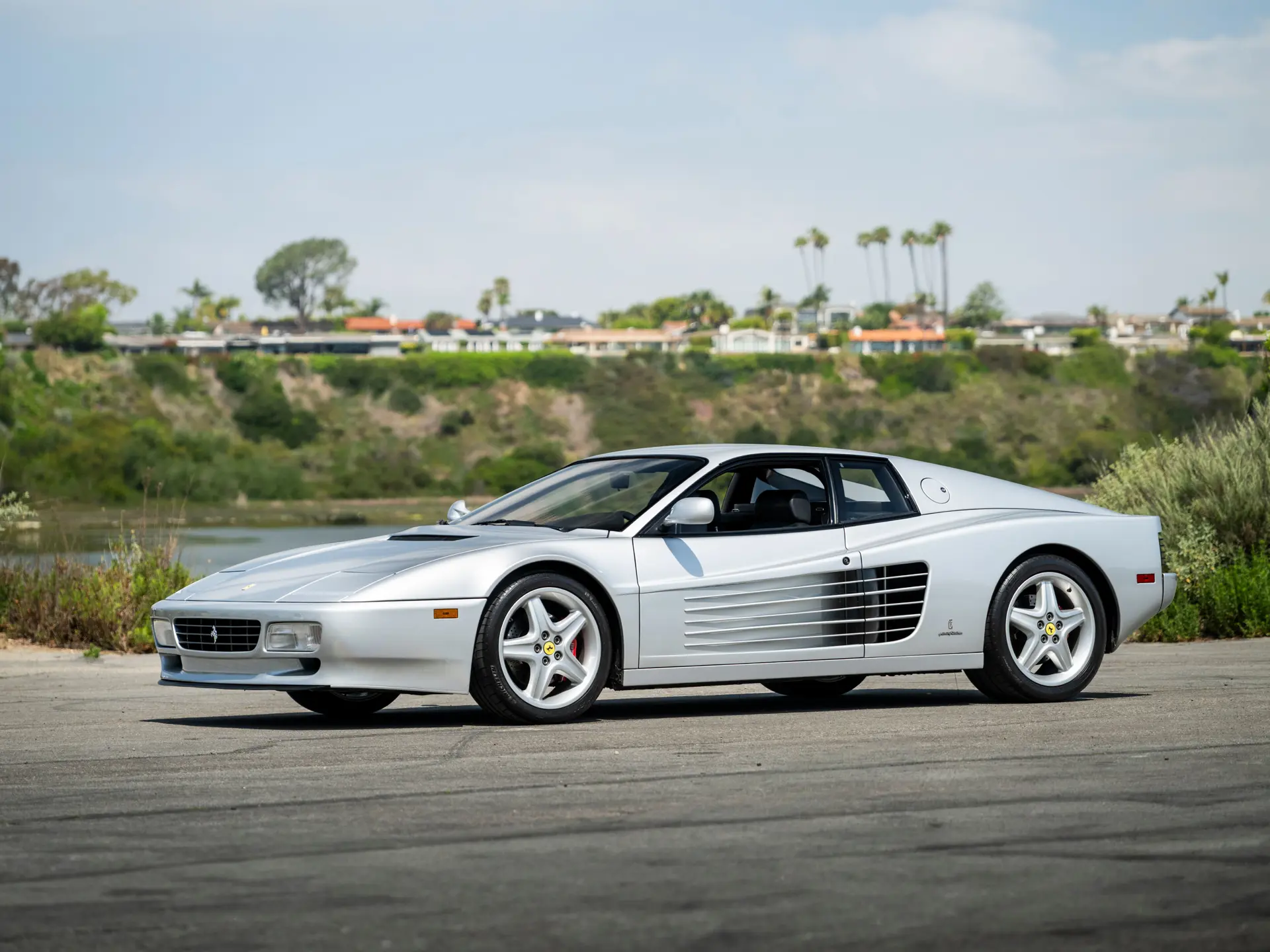
The Ferrari 512 TR is another car benefiting from the growing appreciation for high-performance models from the 1980s and 1990s. It evolved from Ferrari’s Testarossa family and combined the dramatic styling associated with that era with significant mechanical improvements.
The wide rear bodywork, side strakes, flat-12 engine, and unmistakable proportions make the 512 TR immediately recognizable. For collectors, its visual identity is closely connected to the supercar culture that defined the period.
DriveIndex currently reports a market value of approximately $412,100 for the 1993 Ferrari 512 TR, with annual appreciation of around 25.8 percent in its latest market data.
The 512 TR benefits from a cultural shift in collector preferences. Cars that were once considered expensive used vehicles are increasingly being viewed as historical artifacts from an era when supercar design was highly distinctive. The 512 TR belongs to that group. It has enough performance credibility to satisfy modern enthusiasts while offering an ownership experience that feels substantially different from a contemporary Ferrari.
Condition remains critical. A collector considering a 512 TR needs to examine service documentation, mechanical condition, paint quality, interior preservation, originality, and mileage.
Older exotic cars can hide expensive maintenance requirements, and a low purchase price can quickly become irrelevant if the vehicle needs major mechanical restoration. Professional inspection is therefore important before any serious transaction.
The 512 TR also demonstrates how scarcity can influence collector markets. Ferrari produced far fewer examples of its major supercars than mass-market manufacturers produce ordinary vehicles.
Supply cannot easily expand when demand increases because the cars already exist in fixed numbers. That characteristic is different from a publicly traded company, where shares can be issued and market capitalization can expand through corporate activity.
Still, scarcity does not guarantee appreciation. Collector preferences can change, economic conditions can weaken demand, and exceptional prices achieved by individual cars may not represent the broader market.
A 2026 collector-market analysis from Lombard Odier notes that the classic-car market has entered a period of consolidation following the rapid changes seen earlier in the decade. It also reports a 10-year average return of 4.5 percent for the HAGI Top Index, with Ferrari, Lamborghini, and BMW segments exceeding 5 percent.
5. Ferrari 458 Spider
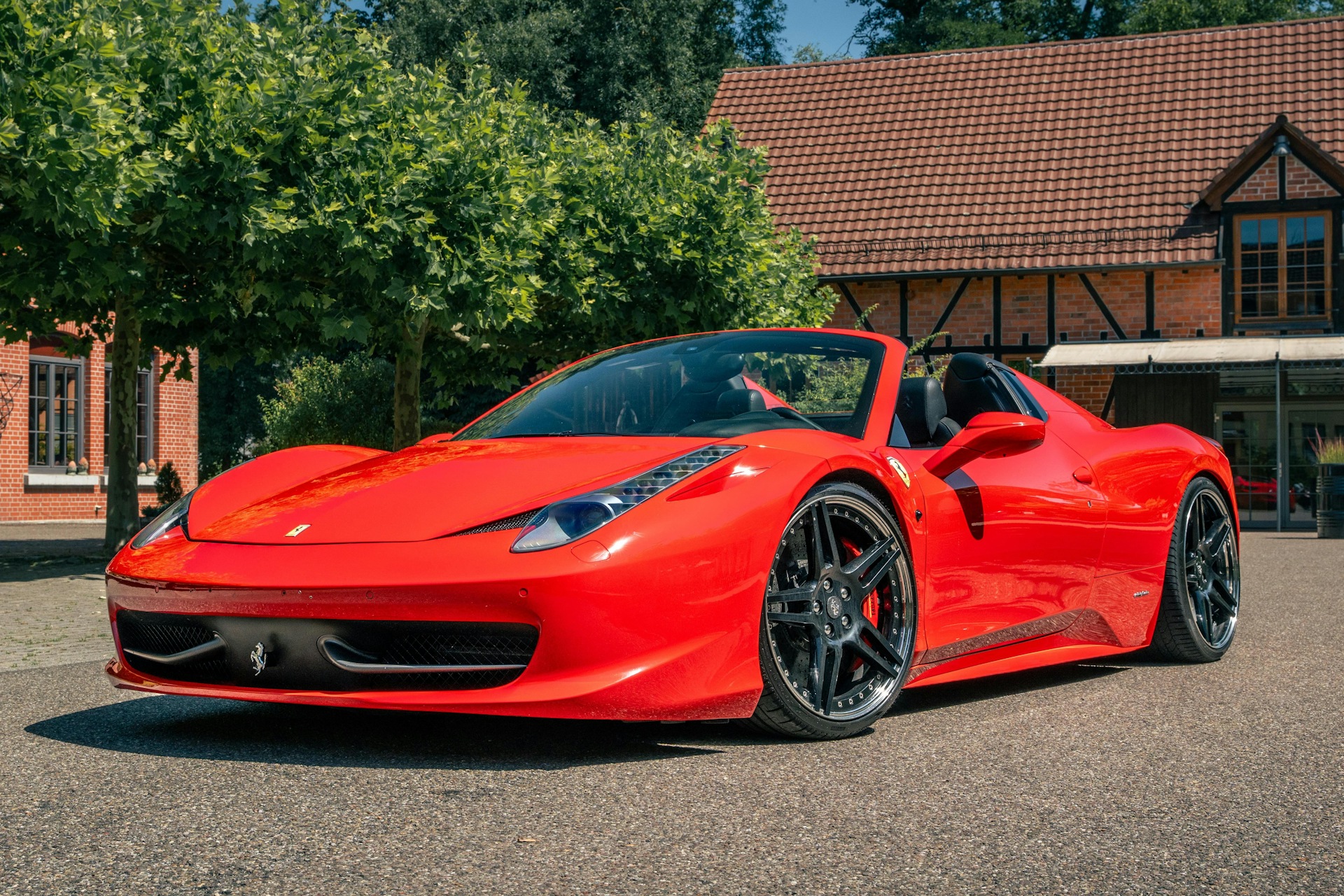
The Ferrari 458 Spider has developed a strong reputation among enthusiasts because it represents an important transition point in Ferrari’s modern sports car history. Its naturally aspirated V8 is central to its appeal. The 458 generation arrived shortly before Ferrari moved further toward turbocharged powertrains, making the car increasingly significant to enthusiasts who value naturally aspirated engines and high-revving performance.
Current DriveIndex data lists a 2013 Ferrari 458 Spider at approximately $484,251 and reports annual appreciation of 21.8 percent. A 2012 example also appears among the stronger performers, with the dataset reporting approximately 19.5 percent annual appreciation.
The 458 Spider also has an advantage that is uncommon among high-performance Ferraris. It is relatively usable as a collector car. Its folding hardtop, sophisticated chassis systems, naturally aspirated engine, and modern cabin make it more practical for owners who want to drive their cars rather than keep them permanently stored. That usability can support demand because the 458 offers both collectible characteristics and genuine driving enjoyment.
However, buyers should be careful when interpreting market averages. A particular 458 may not appreciate at the rate shown by an index. Mileage, color, equipment, maintenance, accident history, ownership records, and originality can create significant differences between individual vehicles. A car with extensive track use may require more inspection and maintenance than a low-mileage example that has been carefully preserved.
The 458 also illustrates why timing matters in collector-car investing. Cars can experience long periods of stagnant values before gaining attention from a new generation of enthusiasts. This makes future appreciation difficult to predict. A vehicle that appears undervalued today may remain that way for years, while a car with strong recent appreciation could experience a correction.
For U.S. buyers, the 458 is better viewed as a potential collector asset rather than a replacement for diversified investments. Its historical appreciation is strong in current transaction data, but future returns will depend on market demand, the condition of the individual car, and the costs of ownership.
Investors who focus only on headline appreciation can overlook the expense of maintaining a high-performance Ferrari over many years. Insurance, maintenance, repairs, storage, tires, and other ownership costs can significantly affect the actual return from the vehicle.
6. Ferrari F355 Spider
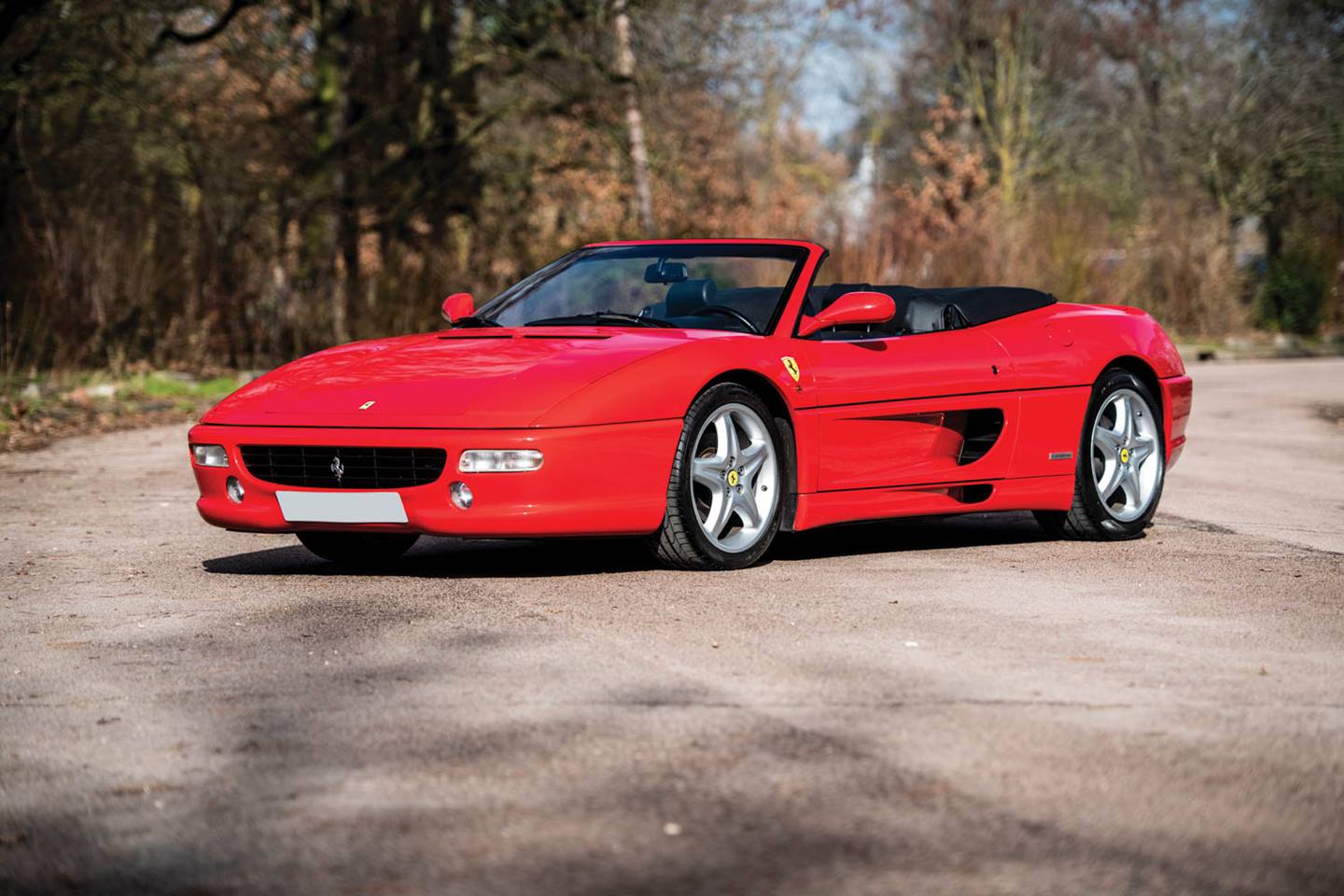
The Ferrari F355 Spider has become increasingly desirable as collectors revisit the performance cars of the 1990s. The F355 combines a naturally aspirated V8 with a design that remains closely associated with Ferrari’s classic modern era.
The Spider version adds an open-top configuration, creating additional appeal for buyers who value the experience as much as outright performance.
Current collector-car data places the 1997 Ferrari F355 Spider at approximately $199,238, with reported annual appreciation of about 20 percent in one current dataset. A newer update from DriveIndex places the same model at approximately 19 percent annual appreciation, illustrating why exact figures can shift as new transactions enter the market.
The F355’s appeal is tied closely to its design and mechanical character. It sits in an important period before Ferrari moved toward the increasingly complex electronics and forced-induction systems found in later generations. For collectors, this creates a sense of historical importance for scheduled service as well as unexpected repairs.
Rubber components, seals, electronics, suspension parts, cooling systems, and other age-sensitive components can require attention. The cost of proper ownership can therefore materially reduce investment returns. The car feels sufficiently modern for regular enjoyment while still delivering many of the characteristics associated with classic Ferrari ownership.
Maintenance is particularly important with older Italian performance cars. A buyer needs to budget for scheduled service as well as unexpected repairs. Rubber components, seals, electronics, suspension parts, cooling systems, and other age-sensitive components can require attention. The cost of proper ownership can therefore materially reduce investment returns.
The F355 also highlights an important difference between price appreciation and investment performance. If a vehicle rises from $100,000 to $200,000, its market price has doubled, but the owner’s financial result depends on acquisition costs, financing, maintenance, storage, insurance, taxes, selling expenses, and the actual price achieved at sale.
A collector who buys at a premium and sells during a weak market may experience a very different result from someone who collector-car market. Strong returns can happen, but they require the right bought an excellent example before demand increased.
That makes the F355 particularly useful for understanding the collector-car market. Strong returns can happen, but they require the right model, the right example, the right entry price, patience, and careful ownership. The car itself does not create the return automatically.

7. Porsche 928
The Porsche 928 provides a useful contrast to the Ferrari models on this list. It was developed as a grand-touring Porsche with a front-mounted V8 and a design that departed substantially from the company’s traditional rear-engine sports-car formula.
For years, certain versions of the 928 remained relatively affordable compared with iconic Porsche 911 models. Collector sentiment has changed significantly for some examples.
Current DriveIndex data reports a 1979 Porsche 928 at approximately $18,623 with annual appreciation of about 24.5 percent. That makes it particularly interesting because the absolute purchase price is dramatically lower than the Ferraris discussed above.
The 928’s rise demonstrates that collector-car opportunities do not always require seven-figure budgets. The market contains vehicles that become desirable because enthusiasts reassess their place in automotive history. The 928 has a distinctive design, a V8 engine, unusual engineering, and a strong connection to Porsche’s history.
Current appreciation data for the 928 reflects a particular historical period and a particular market sample. It does not mean every 928 has increased by 24.5 percent annually, nor does it predict that the same rate will continue.
Exceptional examples can trade well above ordinary cars, while rough These characteristics can become more valuable as surviving examples disappear or collectors begin seeking alternatives to more expensive flagship models.
Buyers still need to distinguish between an attractive market trend and a guaranteed investment. Current appreciation data for the 928 reflects a particular historical period and a particular market sample.
It does not mean every 928 has increased by 24.5 percent annually, nor does it predict that the same rate will continue. Exceptional examples can trade well above ordinary cars, while rough or modified vehicles can remain difficult to sell.
The 928 also demonstrates why collector-car research needs to extend beyond brand reputation. Production year, transmission, condition, originality, documentation, specification, and mechanical history can all influence desirability. A buyer who understands these details can make a more informed purchase than someone who simply searches for a model with a rising average price.
For investors who are interested in the relationship between cars and financial markets, the 928 is perhaps the most interesting example on this list. It shows that appreciation can emerge from a relatively accessible starting point.
It also reminds buyers that a low purchase price does not automatically mean low ownership costs. An older Porsche can require extensive maintenance, and the best financial result may come from buying a properly inspected example rather than the cheapest available car.