A long-lasting car does not need a Toyota badge to reach impressive mileage. Plenty of vehicles from Honda, Subaru, Mazda, Ford, Chevrolet, Nissan, and Acura have earned reputations for staying dependable well past 150,000 miles.
Reaching 200,000 miles is never guaranteed, since maintenance, driving habits, climate, rust, accident history, and repair quality all matter. Still, certain models have mechanical designs, engines, transmissions, and ownership histories that support a long service life.
These eleven non-Toyota vehicles stand out as practical choices for drivers who value durability, reasonable repair costs, and the ability to keep a familiar vehicle running for many years.
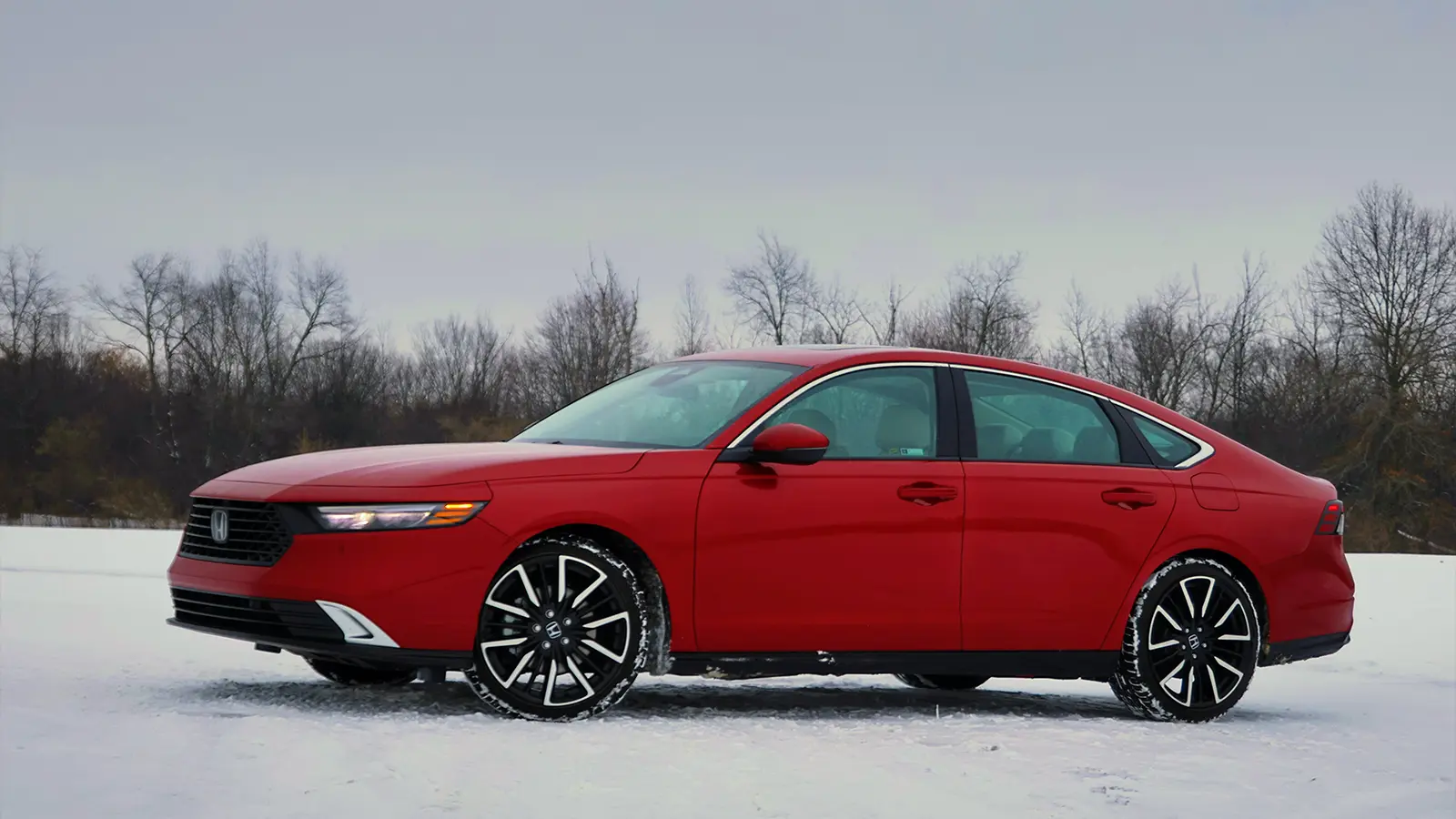
1. Honda Accord
The Honda Accord has built a strong reputation for high mileage through several generations. Its combination of efficient four-cylinder engines, widely available parts, and straightforward maintenance has made it a familiar sight on roads long after many newer cars have disappeared. Well-maintained examples can accumulate substantial mileage without requiring extraordinary care.
The four-cylinder Accord models are particularly attractive for buyers focused on longevity. Engines such as the K-series four-cylinder family have earned a reputation for durability when oil changes and other routine services are performed on schedule. Their broad use across Honda vehicles also helps keep replacement parts accessible.
Transmission choice can affect the ownership experience. Older Accords with traditional automatic transmissions and manual gearboxes have different service requirements than newer models equipped with continuously variable transmissions. Buyers considering a used Accord should research the specific generation rather than treating every model year as identical.
Rust, neglected maintenance, and accident damage can turn a potentially durable Accord into an expensive project. A vehicle with complete service records is usually more useful than simply choosing a particular mileage figure. Regular fluid changes, cooling-system maintenance, and attention to suspension components can extend useful service life.
The Accord remains a sensible longevity candidate because it balances durability with everyday practicality. It offers comfortable seating, good fuel economy in many configurations, and broad mechanical knowledge among independent repair shops. For someone seeking a non-Toyota sedan capable of accumulating serious mileage, the Accord deserves consideration.
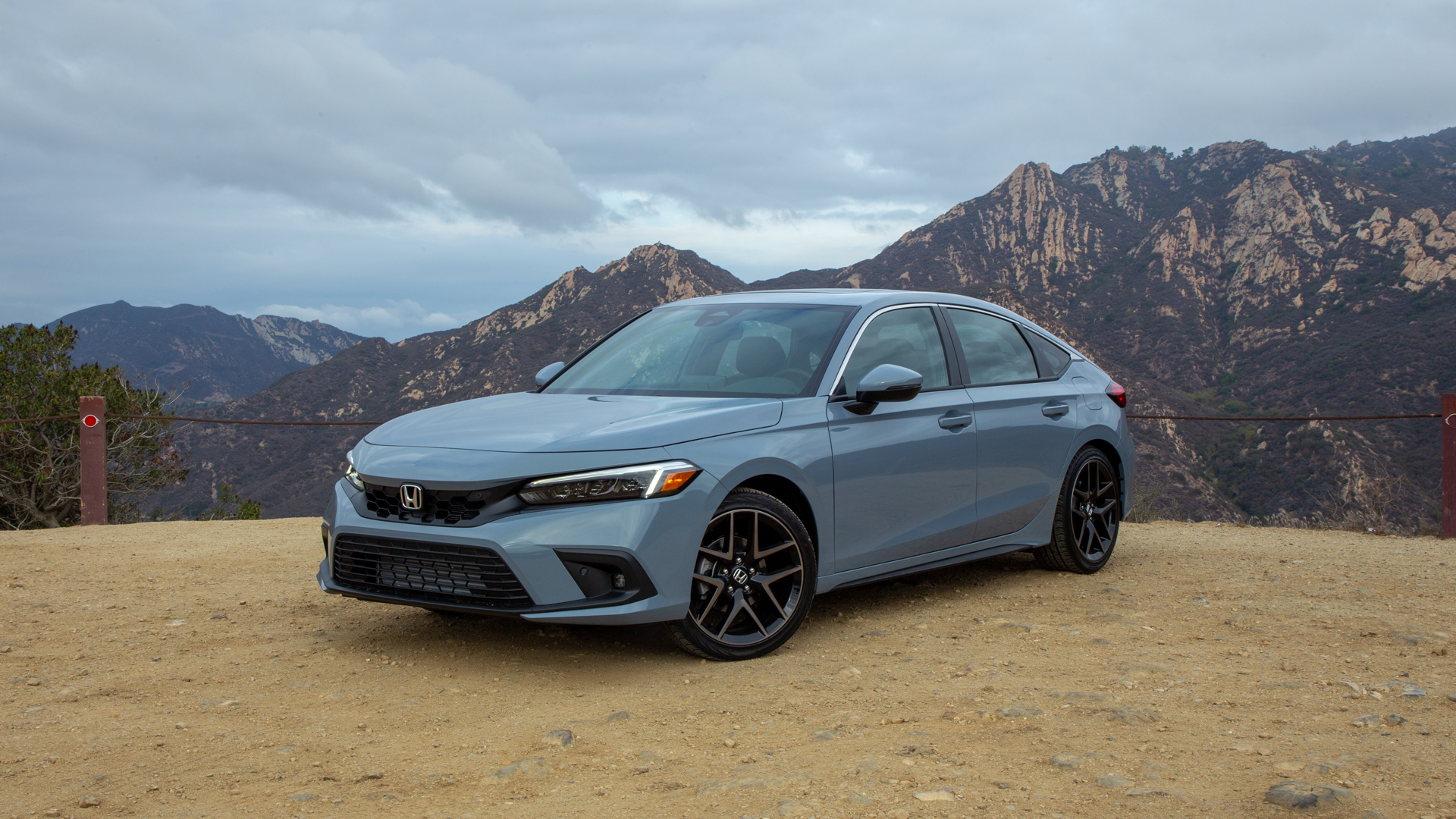
2. Honda Civic
The Honda Civic has spent decades proving that a compact car can survive extensive daily use. Its relatively simple mechanical layouts, efficient engines, and large production numbers have helped create an enormous supply of replacement parts and technical knowledge. Many older Civics remain on the road with surprisingly high odometer readings.
Civic engines have varied considerably over the years, so longevity depends on the generation and powertrain. Naturally aspirated four-cylinder engines have generally been easier to understand and maintain than more complicated modern turbocharged systems. That does not mean newer engines cannot last, but maintenance becomes increasingly important.
A Civic’s compact dimensions can also reduce operating expenses. Tires, brakes, fluids, and many suspension components are generally less costly than comparable parts for larger vehicles. Lower running costs make it easier for owners to continue maintaining a high-mileage vehicle instead of replacing it when routine repairs appear.
Used buyers should pay attention to oil consumption, transmission behavior, cooling systems, air-conditioning performance, and signs of previous modifications. Some older Civics have been heavily modified or driven aggressively. A stock example with documented maintenance can offer a very different ownership experience from a neglected car with the same mileage.
The Civic earns its place on this list through consistency rather than a single extraordinary engine. Generations of owners have demonstrated that regular maintenance can keep these compact cars useful for many years. For drivers who want affordable transportation with serious mileage potential, the Civic remains a strong non-Toyota candidate.
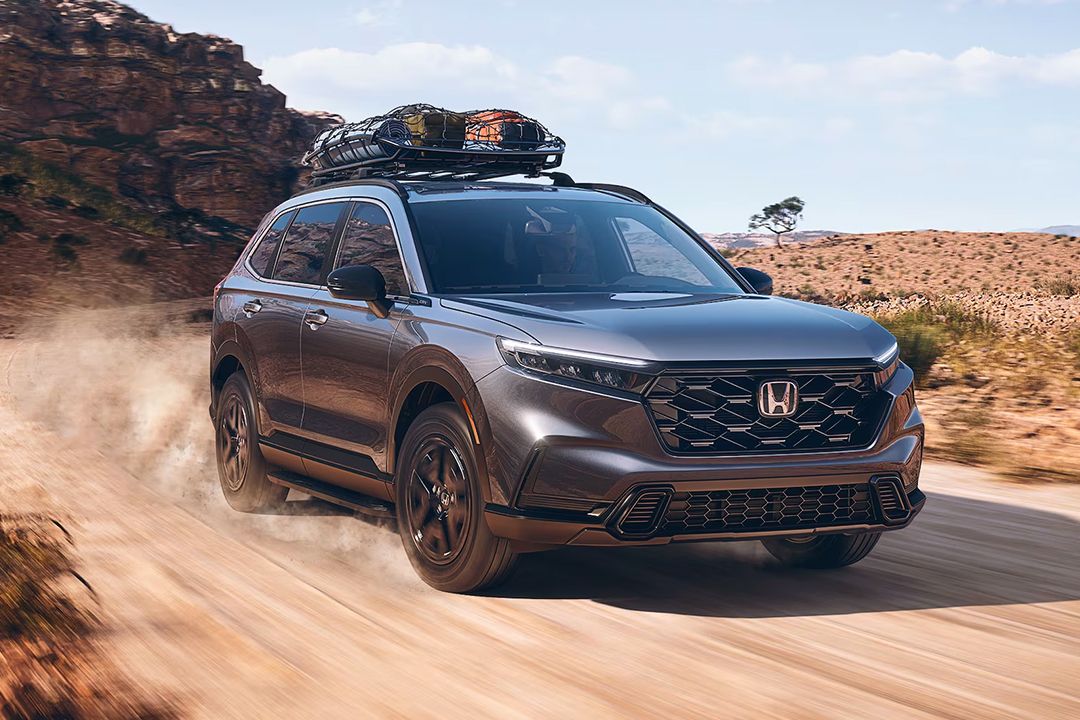
3. Honda CR-V
The Honda CR-V brought many of the Civic and Accord family’s durability traits into a practical crossover package. Its efficient four-cylinder engines, useful cargo area, comfortable seating, and broad parts availability have helped make it a common long-term family vehicle. Older CR-Vs can still be found serving daily transportation duties.
Maintenance is especially important with a crossover because owners often use these vehicles for heavier workloads. Frequent short trips, loaded cargo areas, towing, winter driving, and rough roads can place additional stress on brakes, suspension components, drivetrain parts, and cooling systems.
Different CR-V generations use different engine and transmission combinations, so reliability claims should always be tied to a specific model year. Earlier naturally aspirated powertrains have a long ownership history, while newer turbocharged engines introduce additional components that require proper servicing.
All-wheel-drive versions also deserve closer inspection when buying used. The rear differential and related components require appropriate fluid maintenance, while neglected systems can develop expensive problems. A vehicle that has spent years in severe weather should also be checked carefully for corrosion underneath.
The CR-V remains attractive for longevity because it combines mechanical durability with useful everyday versatility. It is easier to justify repairing a high-mileage CR-V when the rest of the vehicle remains solid. That combination helps explain why many examples continue working long after their original warranties have expired.
4. Honda Pilot
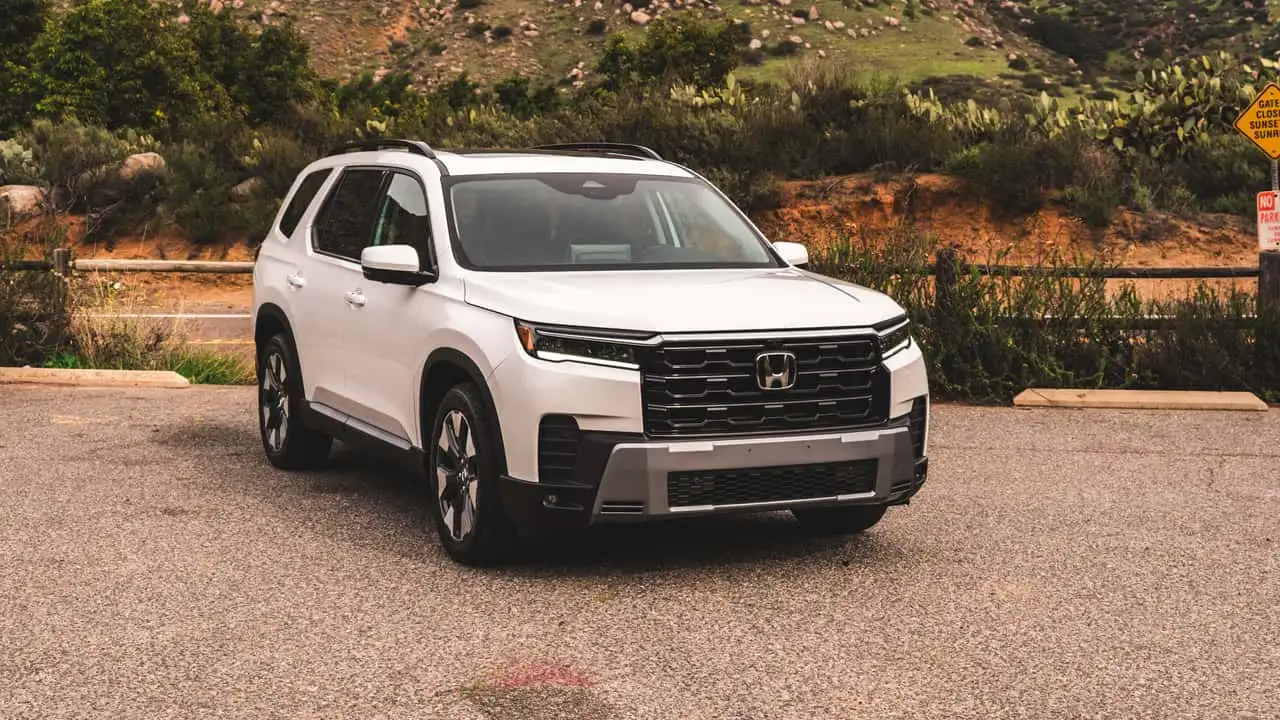
The Honda Pilot provides a larger alternative for families that need three rows of seating. Its V6 engines have powered millions of Honda vehicles, giving mechanics extensive experience with the basic architecture. Properly maintained Pilots can accumulate high mileage while continuing to handle family transportation duties.
A larger vehicle naturally carries more components than a compact sedan, so longevity involves more than just engine durability. Suspension parts, brakes, wheel bearings, air-conditioning systems, electronics, and drivetrain components can all require attention as mileage increases.
Transmission maintenance is particularly important on older Pilots. Buyers should research the service requirements for the exact generation and inspect the vehicle for smooth shifting, unusual noises, leaks, and evidence of neglected fluid changes. A clean maintenance history can be more valuable than a low odometer reading.
Timing-belt-equipped engines require scheduled replacement of the belt and associated components. Ignoring that service can create severe engine damage on engines where the belt failure causes valve-to-piston contact. Buyers should verify whether this work has already been completed or budget for it.
The Pilot makes the longevity list because its core powertrains have extensive real-world service histories. It also provides enough space to remain useful as families change. When maintenance is performed consistently, a Pilot can continue serving as a practical family vehicle well into high-mileage territory.
5. Acura MDX
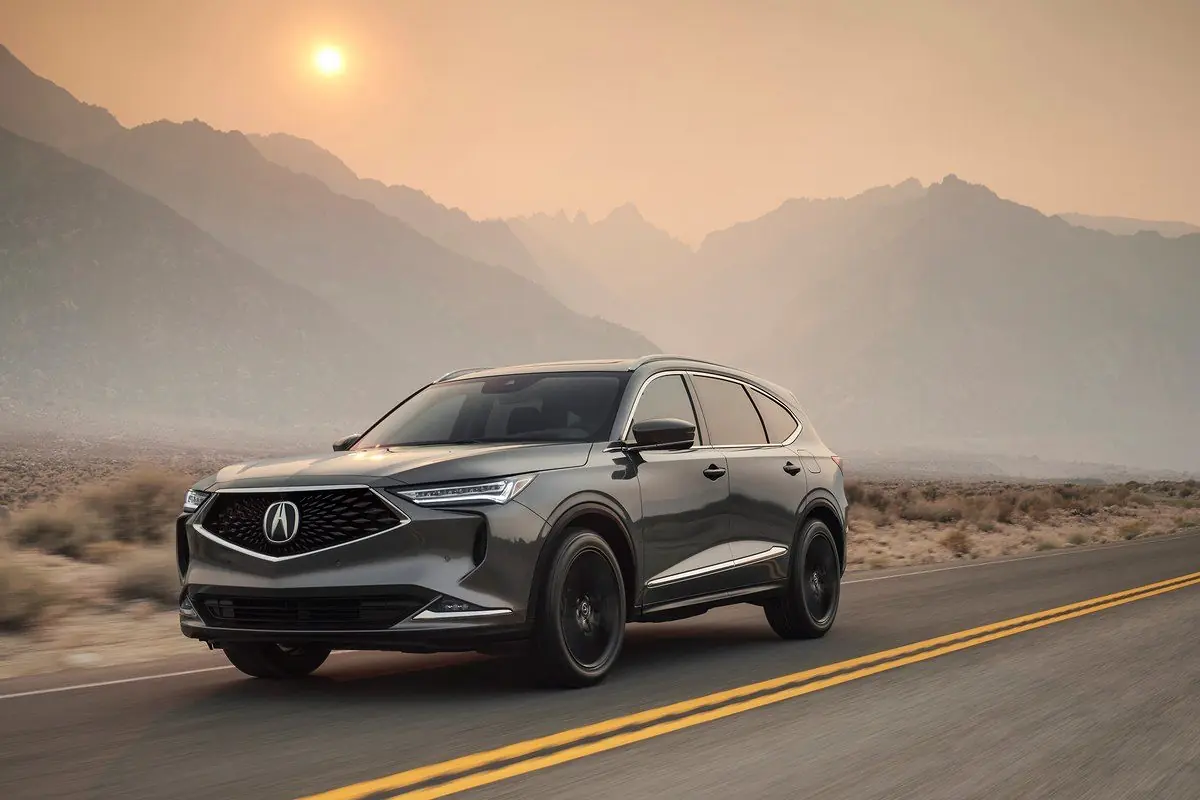
Acura’s MDX shares engineering heritage with Honda products while adding more premium equipment and features. The model has used several generations of V6 engines and related mechanical components, giving it a substantial history in the luxury crossover segment. Well-maintained examples can remain useful for many years.
The main consideration is that luxury equipment can create additional repair costs. Power seats, electronic controls, advanced climate systems, navigation equipment, and other convenience features add complexity. A durable engine does not automatically make every part of a high-mileage luxury vehicle inexpensive to repair.
Regular fluid service matters greatly with the MDX. Transmission, differential, brake, coolant, and engine oil maintenance should follow the requirements for the specific generation. All-wheel-drive models have additional drivetrain components that deserve attention during a used-car inspection.
Buyers should also inspect the suspension and steering systems carefully. Worn bushings, mounts, shocks, and other components can affect ride quality and handling while adding to ownership expenses. These parts are normal wear items, but several repairs arriving at once can make an aging luxury vehicle costly.
The MDX earns consideration because its underlying Honda-derived engineering has supported many high-mileage examples. It is not the cheapest vehicle to maintain, yet a carefully serviced MDX can deliver a long service life while offering more comfort and equipment than a mainstream crossover.
6. Subaru Outback
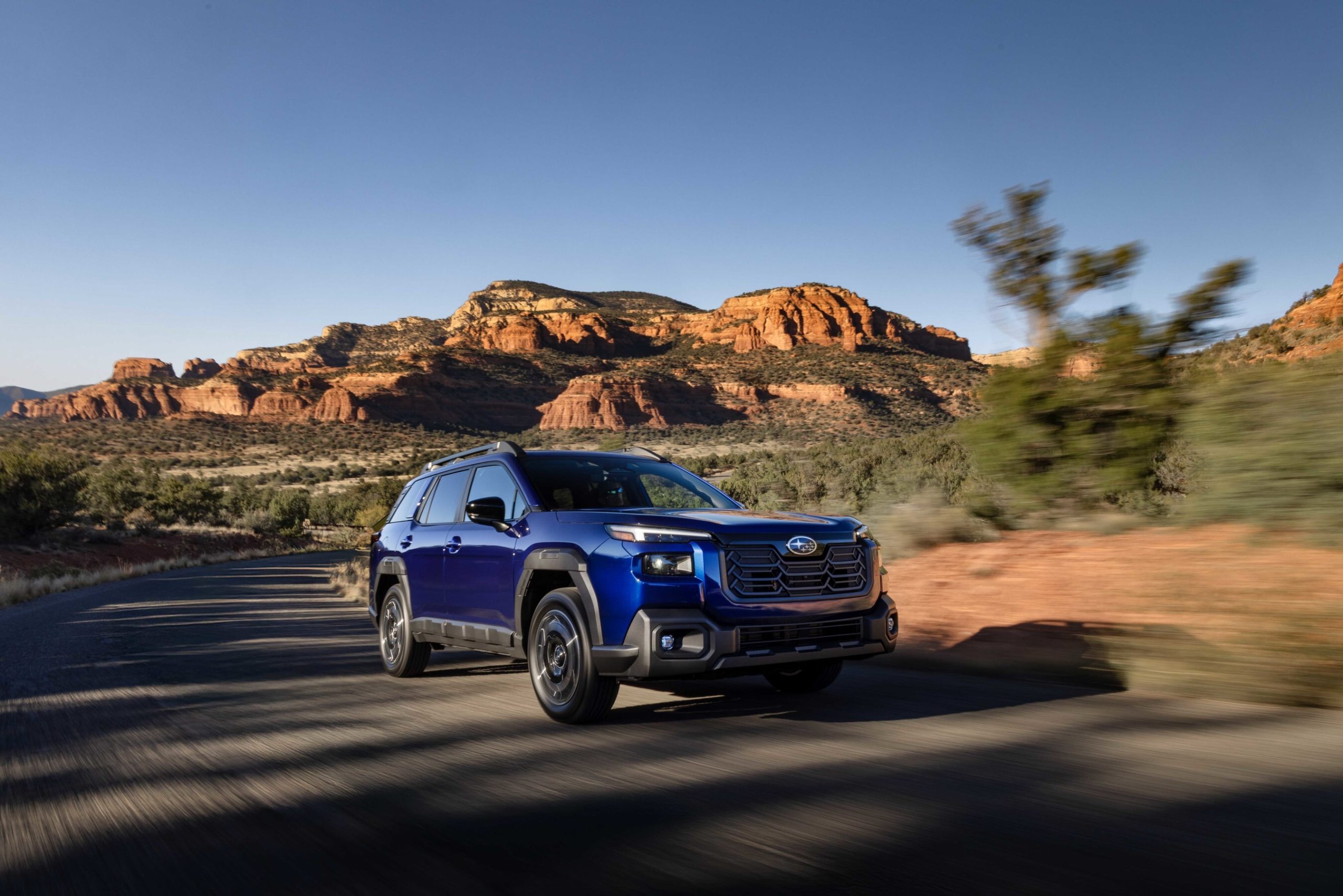
The Subaru Outback has become closely associated with long-distance road trips, outdoor activities, and year-round transportation. Its standard all-wheel-drive system gives it useful traction in difficult conditions, while the wagon-like body provides substantial cargo capacity. Several Outback generations have accumulated high mileage with proper maintenance.
Subaru engines have changed considerably across the model’s history. Some generations have had known maintenance concerns, making model-year research important. Head gaskets, oil leaks, cooling systems, and oil consumption should be checked carefully on older examples before purchase.
The continuously variable transmissions used in many newer Outbacks also require appropriate servicing and inspection. A smooth test drive is helpful, but a professional mechanical inspection can reveal issues that are difficult for an ordinary buyer to identify.
Rust deserves attention in regions where road salt is heavily used. The Outback’s underbody, suspension mounting points, brake lines, and exhaust system should be examined closely. A mechanically healthy vehicle can still become impractical if structural corrosion has progressed too far.
The Outback remains a longevity candidate because many owners keep them for long periods and maintain them through multiple stages of their lives. Its usefulness can encourage continued investment. With the correct maintenance schedule and a favorable service history, an Outback can remain a capable daily driver for many years.
7. Mazda3
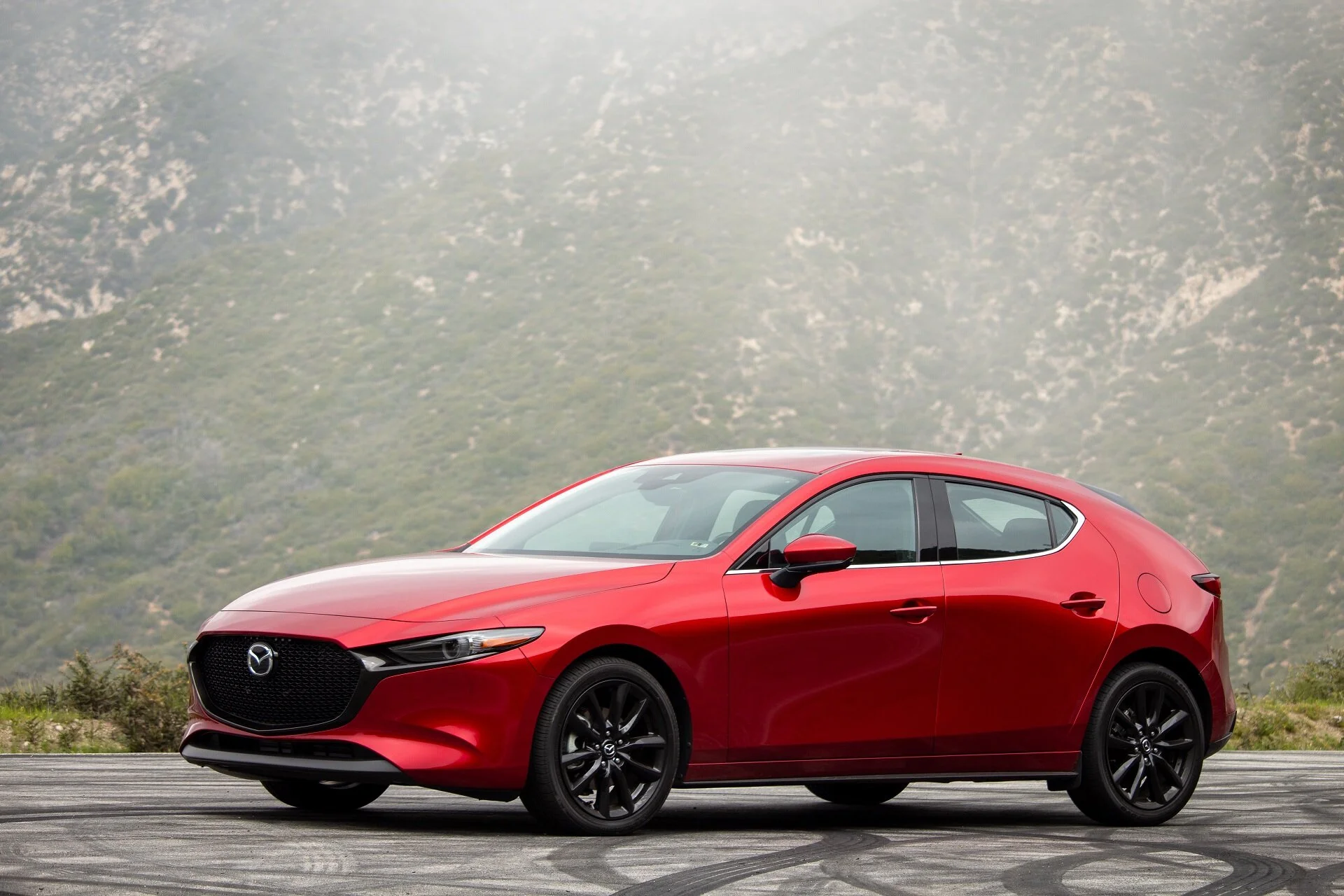
The Mazda3 demonstrates that longevity is not limited to conservative family sedans. Its compact dimensions, responsive handling, and efficient four-cylinder engines have made it popular with drivers who want an affordable car that is enjoyable to operate. Several generations have developed strong reputations among long-term owners.
Earlier Mazda3 models used engines and transmissions with relatively conventional designs. Later models adopted Mazda’s Skyactiv technology, which emphasizes efficiency through high compression ratios and careful combustion management. These powertrains have accumulated substantial real-world mileage since their introduction.
Manual transmissions can appeal to buyers seeking mechanical simplicity, while automatic-equipped cars remain practical for daily commuting. Regardless of transmission type, fluid condition, cooling-system health, and proper engine-oil maintenance should be part of a high-mileage inspection.
Rust can be a serious consideration on certain older Mazda vehicles, particularly in areas exposed to road salt. Checking wheel arches, rocker panels, suspension areas, and underbody components is essential when evaluating an older example.
The Mazda3 makes the list because it offers a useful combination of efficiency, driving enjoyment, and reasonable mechanical complexity. It can be kept for many years without requiring the size or expense of a larger vehicle. A well-cared-for example can provide substantial transportation value long after its early ownership years.
8. Mazda CX-5
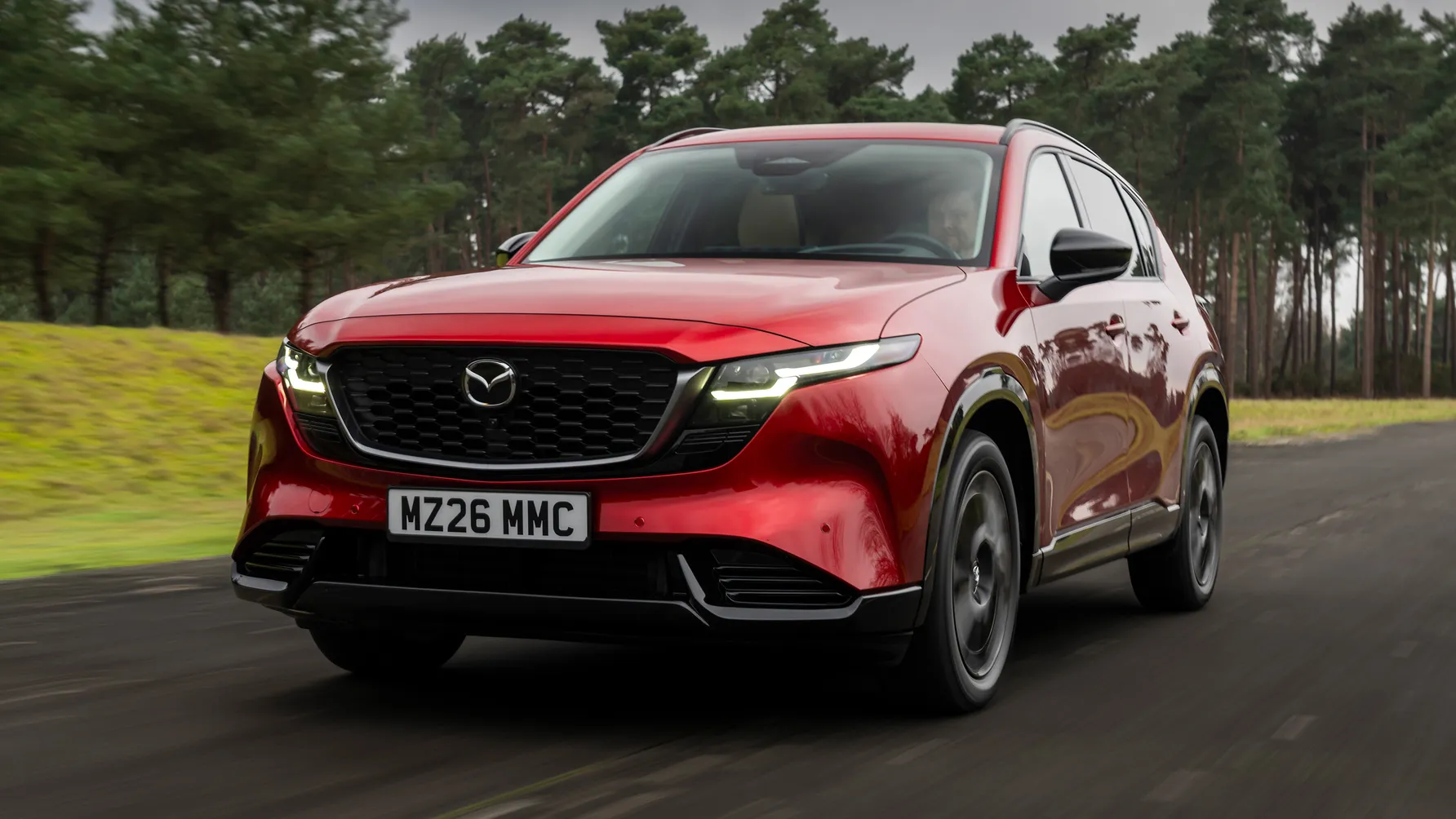
The Mazda CX-5 has become a popular compact crossover for drivers who want an alternative to larger and softer-riding utility vehicles. Its naturally aspirated four-cylinder engines in several model years have a relatively straightforward mechanical character, while the chassis provides a useful balance between comfort and handling.
Skyactiv-G engines have become a major part of Mazda’s modern lineup. Their design emphasizes efficiency without relying on excessive mechanical complexity. As with any engine, correct oil specifications, timely maintenance, and proper cooling-system care remain essential for long-term durability.
Some CX-5 versions use turbocharged engines, which provide stronger performance but also introduce additional components and greater thermal demands. Buyers focused primarily on longevity should consider the specific engine and maintenance history rather than assuming every CX-5 has identical long-term characteristics.
All-wheel-drive models add useful traction but also add drivetrain components. Fluid condition, tire matching, and inspection of the driveline become more important. Four tires with substantially different levels of wear can create problems for some all-wheel-drive systems.
The CX-5 belongs on a longevity-focused list because it has a practical powertrain lineup, strong parts availability, and a large population of vehicles on the road. Its success also means independent technicians have extensive experience servicing the model. Good maintenance remains the key factor in turning that potential into actual high mileage.
9. Ford F-150
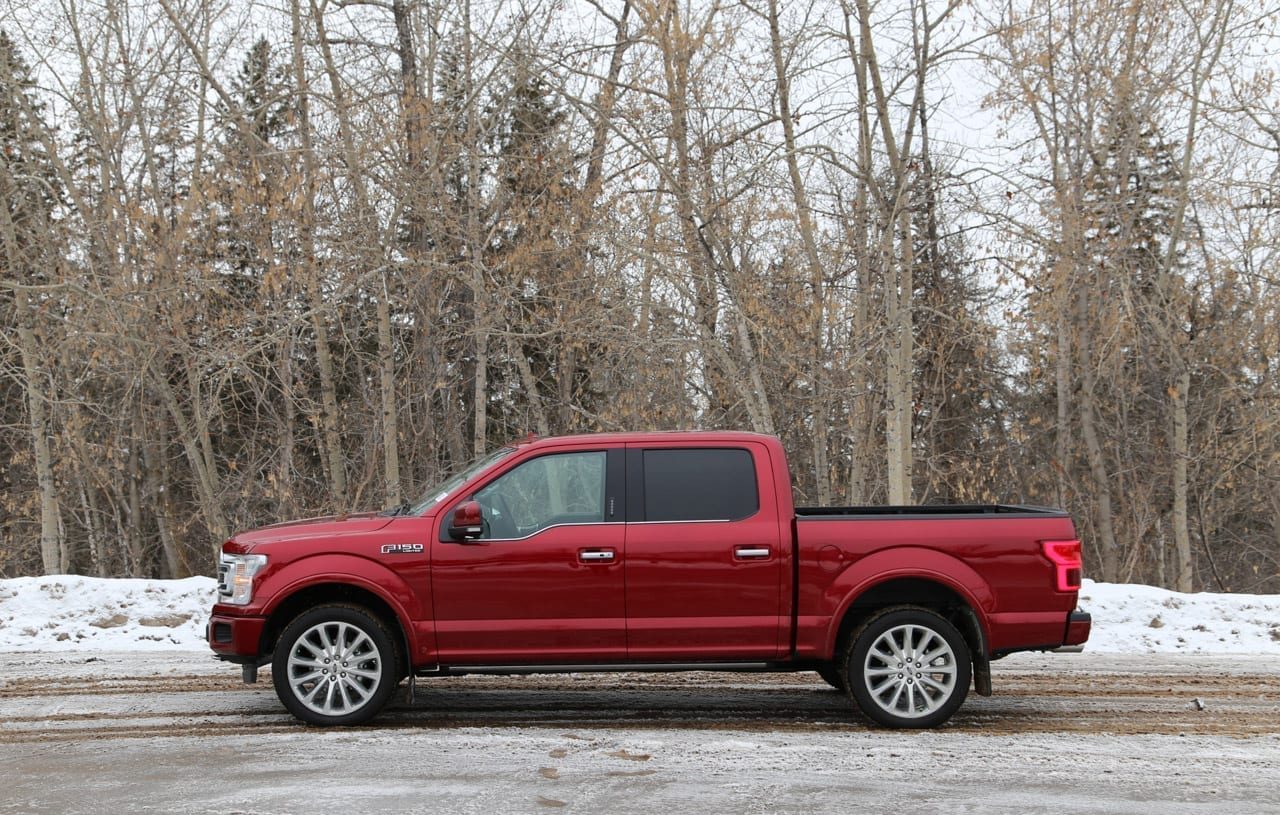
The Ford F-150 has been America’s best-selling pickup for decades, giving it an enormous presence in commercial and personal use. Its popularity has also created a huge repair ecosystem. Parts are widely available, independent technicians know the platform well, and owners have accumulated extensive experience keeping older trucks operational.
The F-150 has used many different engines, transmissions, and configurations across its long history. That makes blanket reliability statements difficult. A particular engine may have a very different maintenance profile from another engine offered in the same model year.
Work usage should also be considered. A truck used for heavy towing, construction, commercial hauling, or frequent off-road driving may experience much greater wear than a similar truck used primarily for commuting. Service records therefore provide valuable information about how the truck has actually been treated.
Rust is another major concern for older pickups. Frames, suspension components, brake lines, body panels, and mounting areas should be inspected carefully, particularly in regions where winter road salt is common.
Mechanical repairs may be worthwhile, while severe structural corrosion can change the equation.
The F-150 makes the longevity cut because its sheer production volume and mechanical variety give owners numerous ways to keep an aging truck running. Some examples have accumulated very high mileage while continuing to perform useful work. The right engine, service history, and operating conditions matter more than the badge alone.
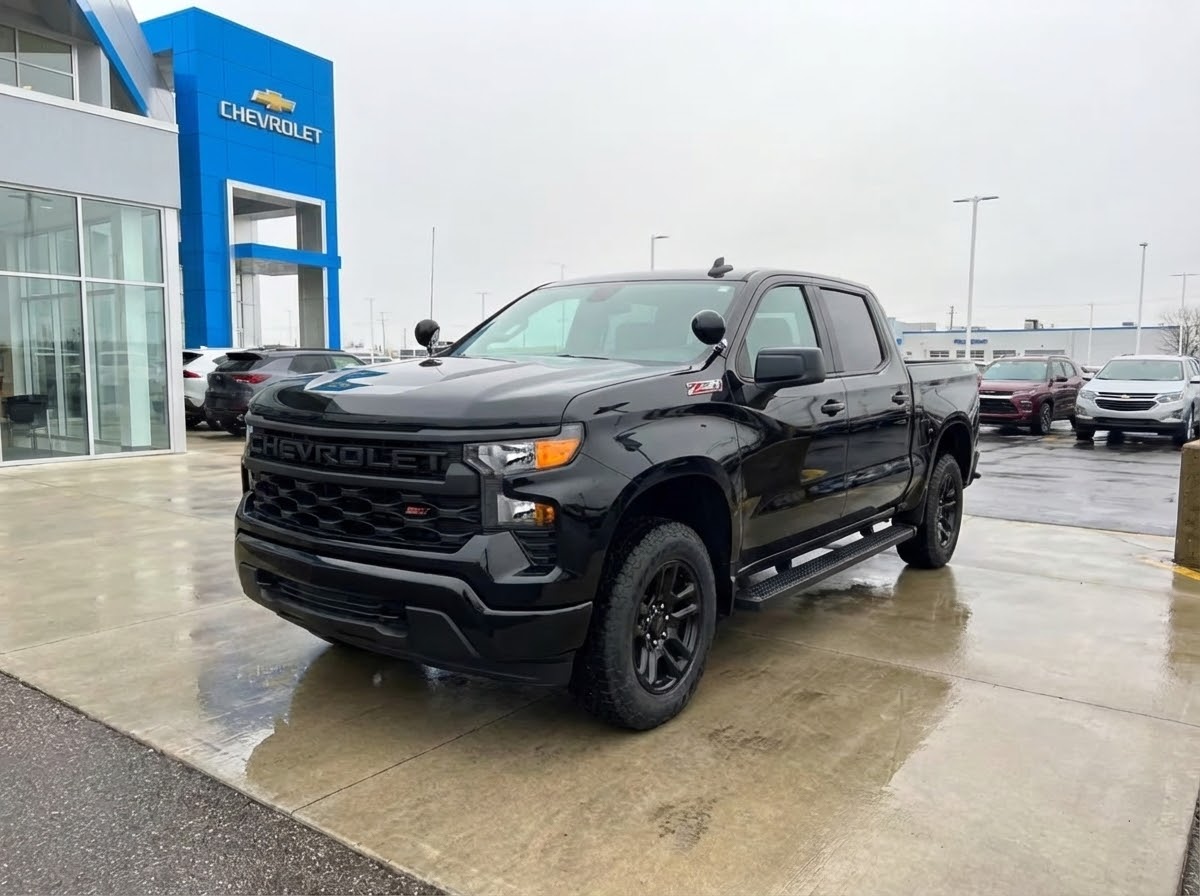
10. Chevrolet Silverado
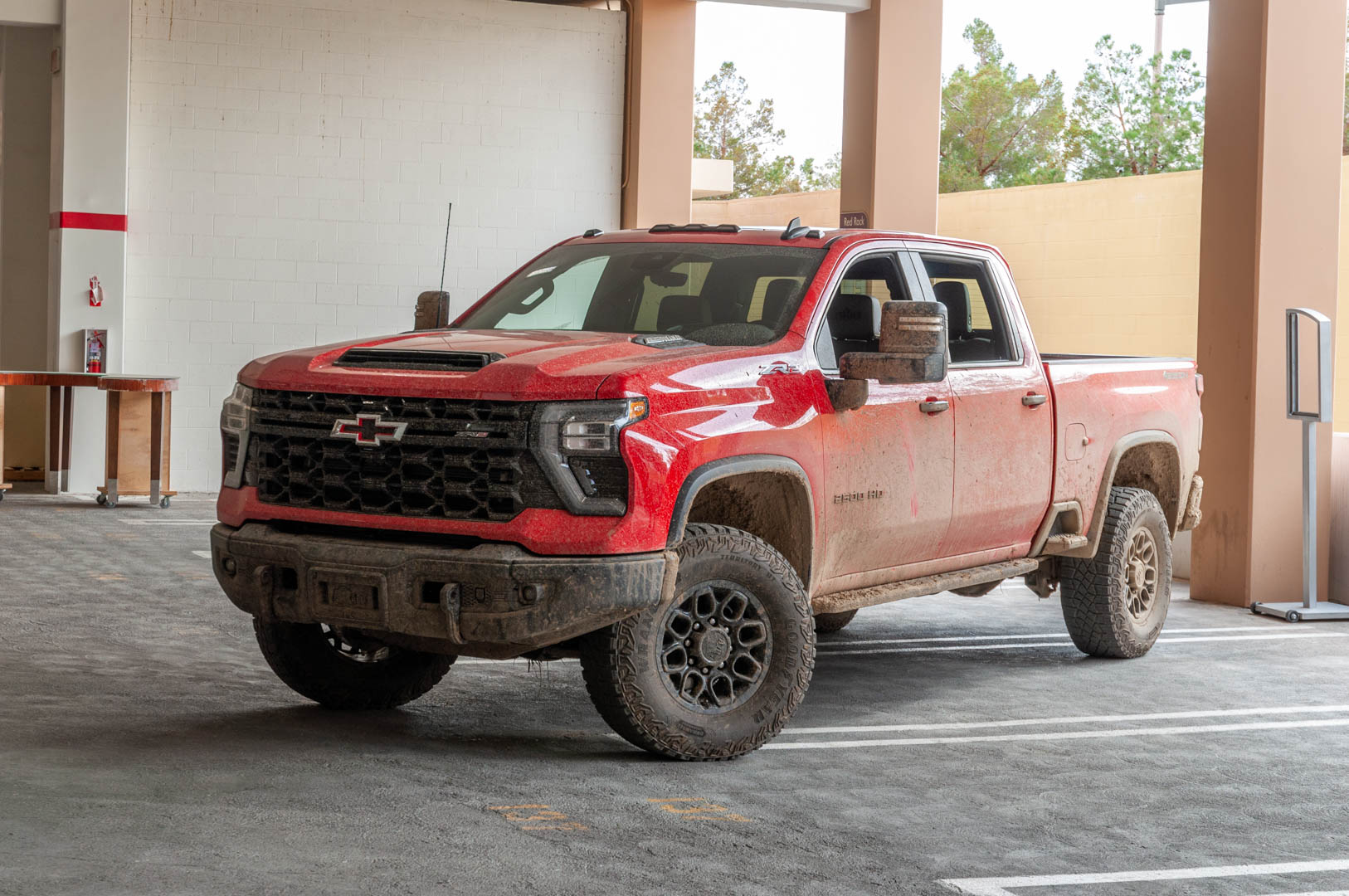
The Chevrolet Silverado is another full-size pickup with extensive experience in demanding environments. Its broad engine lineup has included multiple V8 options and other configurations, giving owners many choices depending on towing, hauling, fuel economy, and operating requirements.
The longevity potential of a Silverado varies considerably by generation and powertrain. Engine design, transmission selection, fuel system, cylinder-management technology, and cooling requirements can all influence long-term ownership. Researching the exact combination is therefore essential before buying used.
Trucks also face higher mechanical loads than ordinary passenger cars. Towing places additional demands on the engine, transmission, brakes, cooling system, suspension, and tires. A Silverado that has spent years hauling heavy trailers should receive a particularly thorough inspection.
Service history should include more than engine oil changes. Transmission fluid, differential lubricants, coolant, brake components, belts, hoses, and suspension parts all contribute to long-term reliability. Ignoring smaller maintenance items can allow relatively inexpensive problems to become major repairs.
The Silverado remains a strong longevity candidate because its underlying truck architecture is designed for substantial use and supported by a huge service network. High mileage is achievable when maintenance matches the workload. Buyers should focus on the individual truck’s condition rather than relying solely on the reputation of the model name.
11. Nissan Frontier
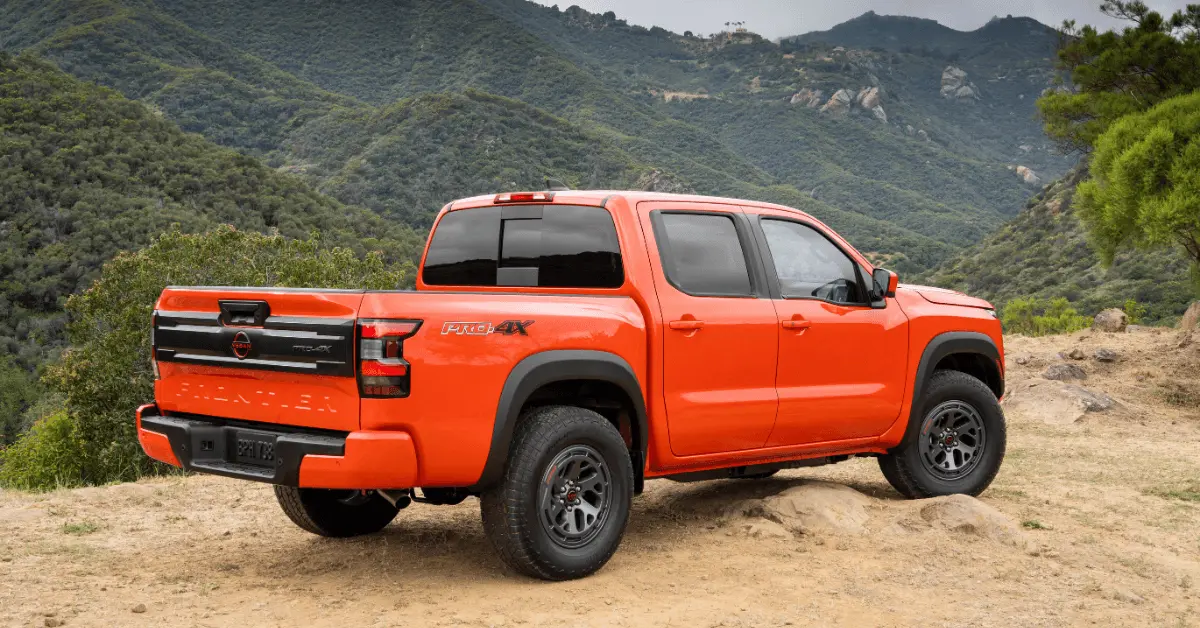
The Nissan Frontier deserves attention from buyers who want a midsize pickup with a long-running history. Older Frontiers have earned a reputation for straightforward construction, while newer generations have retained a conventional truck-oriented layout. This can appeal to owners who prioritize practical utility over maximum complexity.
Earlier Frontier generations used naturally aspirated V6 engines and traditional automatic or manual transmissions. Their relative simplicity helped many examples remain useful for years. As with any aging truck, rust, frame condition, suspension wear, and evidence of hard use can become more important than the engine’s reputation.
The transmission history of specific Frontier generations deserves careful research. Certain older Nissan trucks experienced cooling-system and transmission-related concerns, making inspection and service records particularly important. Buyers should verify the model year and powertrain rather than applying a single reliability claim to every Frontier.
A Frontier that has spent its life towing or hauling heavy loads may require more suspension, brake, drivetrain, and cooling-system attention. Conversely, a lightly used example with consistent maintenance can have plenty of useful life remaining even at a relatively high odometer reading.
The Frontier earns a place among non-Toyota longevity candidates because many examples have demonstrated that a midsize truck can remain useful for a long ownership period. Its compact truck dimensions, conventional mechanical layout in several generations, and established parts supply make it worth considering for buyers who value durability and practical utility.