Buying a cheap car can seem like the easiest way to reduce transportation costs, but the purchase price tells only part of the story. Some affordable vehicles can become expensive to maintain when repairs, fuel consumption, insurance, depreciation, and replacement parts are considered.
In certain cases, a well-maintained luxury vehicle can cost less to own than a bargain-priced car with frequent mechanical problems.
This article looks at nine affordable cars that may surprise owners with their long-term expenses. It also explains the reasons behind those costs and what shoppers should check before choosing a low-priced vehicle for daily driving and long-term ownership.
1. Fiat 500
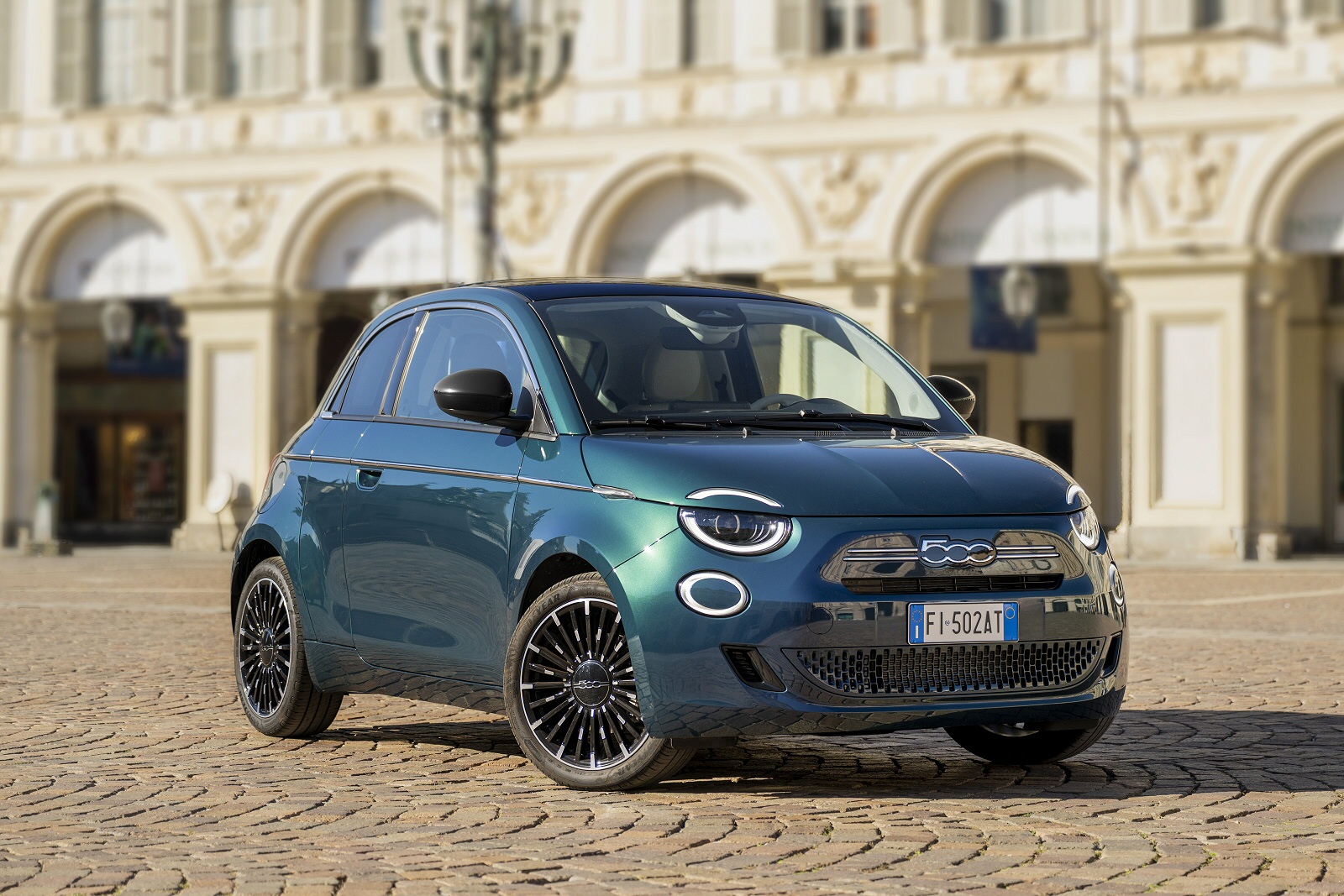
The Fiat 500 has often attracted buyers with its small dimensions, distinctive styling, and relatively accessible used-car prices. A used example can appear especially attractive to someone searching for an inexpensive city car. Its compact size also makes it convenient for crowded streets and limited parking spaces.
However, the purchase price does not necessarily reflect the total cost of keeping an older Fiat 500 on the road. Age, mileage, previous maintenance, and the availability of replacement parts can have a major effect on ownership expenses. A low sticker price can therefore hide costs that become apparent only after the vehicle has been driven for some time.
Maintenance is a particularly important consideration with an older Fiat 500. Depending on the engine and transmission, owners may encounter issues involving electrical components, cooling systems, suspension parts, or transmission operation.
A problem that appears minor at first can require several diagnostic steps before the underlying fault is identified. Labor charges can add significantly to the final repair bill, especially when a specialist is needed. For a buyer who chose the car specifically because it was inexpensive, an unexpected repair can quickly change the financial calculation.
Parts availability can also influence the cost of ownership. Some components are inexpensive, while others can be harder to source or may require specialized knowledge. Used cars with incomplete service records create additional uncertainty because a buyer may not know whether major maintenance has already been performed.
An inexpensive car that needs several overdue services can become considerably more expensive during the first year of ownership. This is why a pre-purchase inspection can be particularly valuable when considering an older small European car.
Insurance and depreciation can further change the equation. Insurance prices depend on the driver, location, vehicle specifications, age, and insurer, so there is no universal figure for a Fiat 500.
Depreciation also varies depending on condition and demand. A cheap used vehicle that continues losing value rapidly may not provide the financial advantage expected by its buyer. Meanwhile, certain used luxury cars with strong demand and good maintenance histories may hold their value more effectively.
2. MINI Cooper
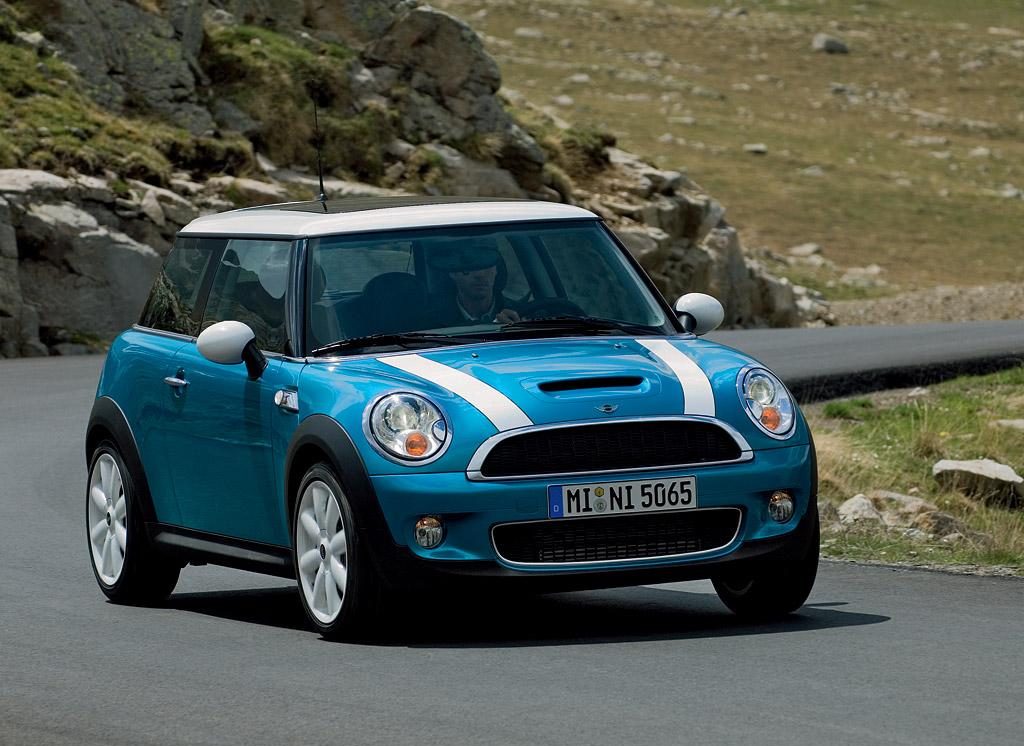
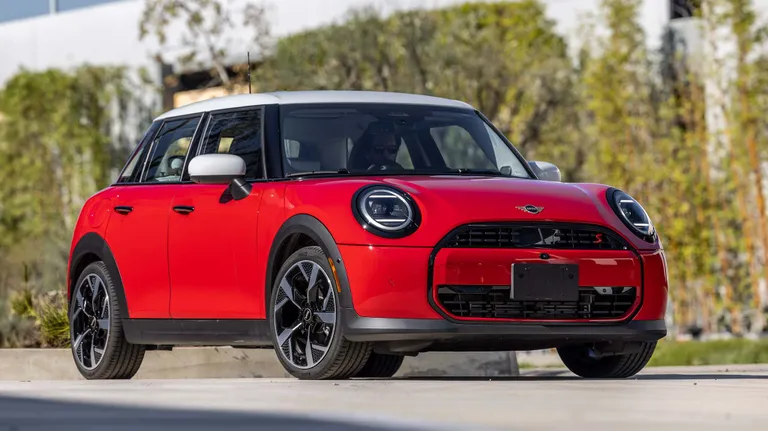
The MINI Cooper is another car that can look inexpensive when purchased used. Older examples can be found at prices that put them within reach of buyers who would never consider buying a new luxury vehicle.
Their small size, distinctive design, and responsive handling make them appealing to drivers who want something different from a conventional economy car. Yet the MINI badge does not automatically mean low running costs simply because an older example is affordable.
Mechanical complexity is a major factor. Different MINI generations use different engines, transmissions, and mechanical systems, so reliability varies considerably by model year and configuration.
Some older examples have developed reputations for expensive problems involving timing components, cooling systems, oil leaks, turbocharged engines, electrical equipment, or transmission-related parts. A vehicle with neglected maintenance can become particularly costly because several aging components may need attention at roughly the same time.
The cost of specialist labor can also affect ownership. MINI vehicles may be serviced by general repair shops, but certain jobs can benefit from technicians familiar with the brand. Labor rates vary by location, and specialist work can increase the final bill.
A repair that would be relatively simple on a mainstream economy car may require more diagnostic work or specialized parts on a MINI. This can erase the financial advantage created by buying an older example at a low price.
Used luxury cars are not automatically expensive either. A well-maintained Lexus, Acura, or another established luxury model may have predictable maintenance requirements and strong parts availability.
Its original price may have been much higher, but depreciation can bring the used purchase price down substantially. Buyers who compare a ten-year-old MINI with a similarly aged luxury sedan may discover that the luxury vehicle has a stronger maintenance history and fewer immediate repair needs.
The MINI Cooper therefore deserves careful evaluation rather than a simple cheap-car label. Buyers should check service documentation, inspect the engine for leaks, review the cooling system, confirm transmission behavior, and investigate maintenance intervals for the specific generation.
A professional inspection before purchase can reveal problems that are not obvious during a short test drive. For drivers focused on long-term value, the right comparison is not simply MINI versus luxury car. It is expected total ownership cost versus expected total ownership cost.
3. Jeep Renegade
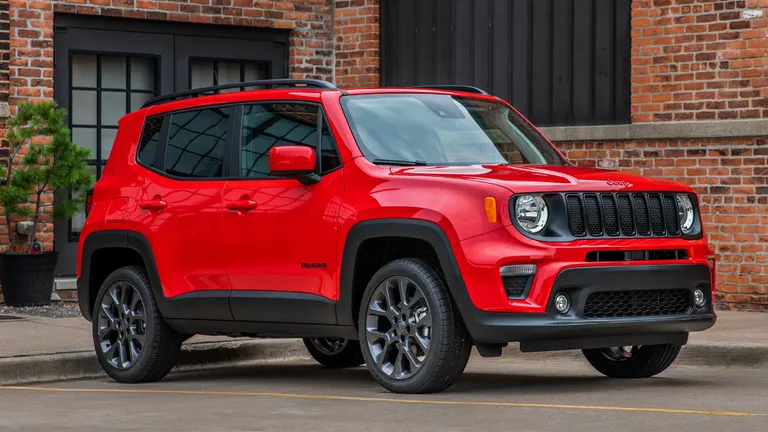
The Jeep Renegade can be relatively affordable on the used market, particularly when compared with larger SUVs carrying premium badges. Its upright design, recognizable styling, available four-wheel-drive configurations, and practical cabin can make it appealing to buyers who want an SUV without paying a large purchase price.
However, affordability at the time of purchase does not automatically translate into low ownership costs. Fuel use, maintenance, repairs, insurance, and depreciation all contribute to the actual cost of ownership.
The powertrain is an important part of the calculation. Different Renegade versions have used different engines and transmissions depending on model year and market. Buyers should therefore avoid treating every Renegade as mechanically identical.
Certain configurations may have stronger reliability records than others, while maintenance requirements can also differ. A used vehicle with high mileage or incomplete records deserves particular caution because transmission and engine-related repairs can be considerably more expensive than routine service.
SUV ownership can also bring higher operating expenses than a small sedan. Tires can cost more, fuel consumption may be higher, and suspension components can experience additional stress depending on road conditions and driving habits.
Four-wheel-drive systems add mechanical components that require appropriate maintenance. None of these factors automatically makes the Renegade a poor financial choice, but they show why the purchase price should not be the only figure considered.
A used luxury crossover can sometimes create an interesting comparison. Vehicles from brands such as Lexus or Acura may cost more when new, but depreciation can make older examples surprisingly accessible.
If a luxury crossover has been properly maintained, its ownership expenses may be competitive with a cheaper SUV that requires repeated repairs. The comparison depends heavily on vehicle condition, age, mileage, local labor rates, and insurance costs.
Anyone considering a used Renegade should obtain the vehicle’s maintenance history and have the drivetrain inspected before purchase. A test drive should include city traffic, highway speeds, braking, turning, and operation of the transmission under different conditions.
Buyers should also check for warning lights and confirm that electronic systems operate correctly. When the goal is low-cost transportation, spending money on an inspection can prevent a much larger repair bill later.
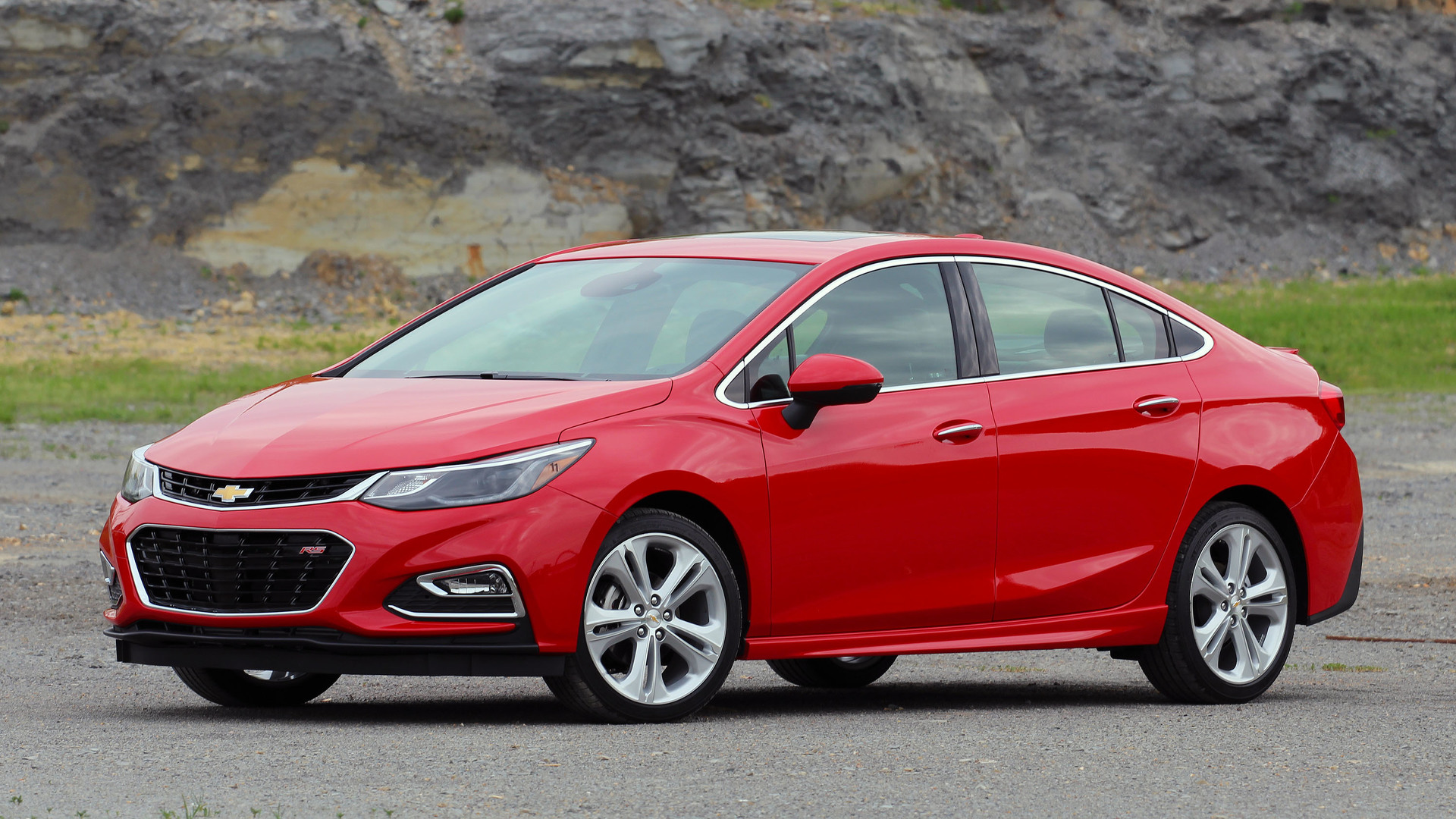
4. Chevrolet Cruze
The Chevrolet Cruze was marketed as an affordable compact car, making it a natural choice for drivers seeking economical transportation.
Used examples can be especially inexpensive, which makes them attractive to students, commuters, and first-time buyers. Yet affordability varies significantly according to model year, engine, transmission, mileage, and maintenance history. A cheap Cruze can be an excellent value when properly maintained, but a neglected example can require enough repairs to challenge its original financial appeal.
The Cruze has been sold with multiple powertrains over its production life. Some versions use gasoline engines, while diesel variants were offered in certain markets. This means reliability discussions need to be tied to a specific configuration rather than the nameplate as a whole.
Buyers should research the exact engine and transmission combination before purchasing. Service records are particularly useful because they can reveal whether routine maintenance and major scheduled work were completed on time.
Turbocharged engines can also require careful maintenance. Turbocharging provides additional power from a relatively small engine, but it introduces additional components and heat management requirements.
Problems involving oil systems, cooling equipment, sensors, hoses, or turbocharger-related components can become costly when a vehicle reaches higher mileage. A buyer who chooses a very cheap used Cruze without checking its mechanical condition could face immediate expenses that were never included in the purchase budget.
Insurance and depreciation also affect the financial picture. A vehicle that is inexpensive to buy may continue losing value quickly, reducing its resale value after several years.
Insurance costs depend on individual circumstances, so buyers should obtain actual quotes before making a decision. Fuel economy can be favorable in certain Cruze configurations, but real-world results vary with driving style, traffic, vehicle condition, and engine choice.
A buyer should estimate fuel, insurance, scheduled maintenance, tires, brakes, unexpected repairs, registration, and eventual resale value. Comparing those figures with a used premium sedan may produce an unexpected result. In some cases, the more expensive-looking car can have a more predictable ownership history and therefore create fewer financial surprises.
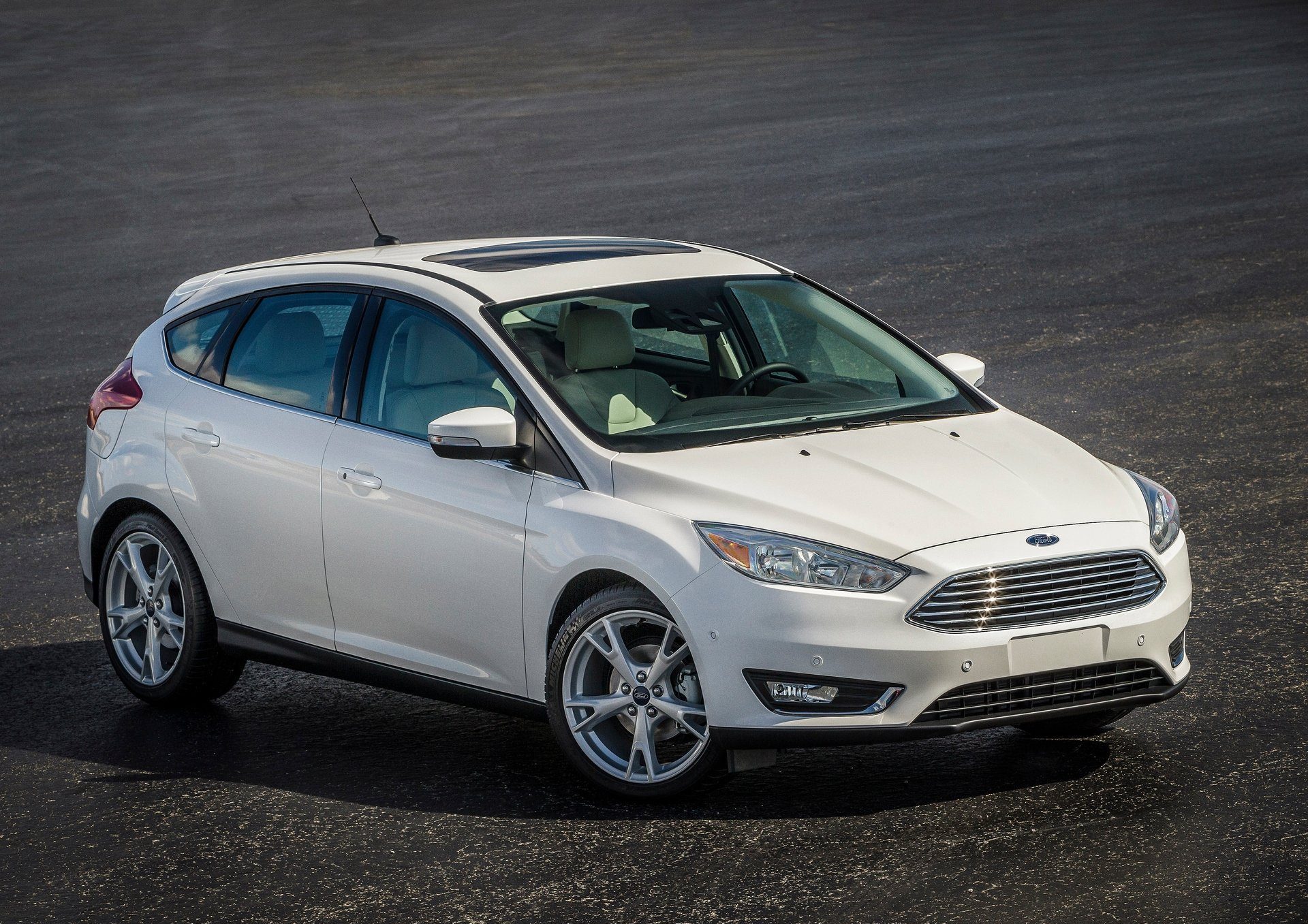
5. Ford Focus
The Ford Focus has been a common choice among used-car shoppers because large numbers were sold and used examples can be found at relatively modest prices.
Its compact dimensions make it practical for commuting, while replacement parts are generally familiar to many repair shops. However, certain Focus models have attracted attention because of transmission-related problems, particularly vehicles equipped with the PowerShift dual-clutch automatic transmission used in specific model years.
Transmission behavior should therefore be a major consideration when shopping for a used Focus. Symptoms such as shuddering, hesitation, harsh engagement, or inconsistent acceleration can indicate problems that require professional diagnosis.
Repairs or replacement work can be expensive relative to the market value of an older Focus. This creates a difficult situation for owners because a large repair bill can represent a substantial percentage of what the vehicle itself is worth.
Manual-transmission versions can present a different ownership equation. They avoid some of the concerns associated with the affected automatic transmission, although clutch wear and other mechanical issues still need to be considered.
The exact model year and drivetrain are crucial. Buyers should never assume that every Focus has the same reliability characteristics simply because the vehicles share a name.
A used luxury sedan can sometimes have a higher purchase price but lower financial uncertainty. Certain older luxury models have already experienced much of their depreciation, meaning the difference between their purchase price and that of an inexpensive compact car may be smaller than expected.
If the luxury vehicle has a well-documented maintenance history and a proven powertrain, it may offer more predictable expenses. Luxury cars still carry potential high-cost repairs, so condition remains more important than the badge.
For a Focus buyer, the best defense is detailed inspection and research into the exact transmission and engine combination. A test drive should pay particular attention to transmission behavior, especially during low-speed acceleration and stop-and-go traffic. Service invoices are more valuable than a seller’s verbal assurance that the car has been maintained.
Spending time on these checks can separate a genuinely inexpensive Focus from a bargain that becomes expensive shortly after purchase.
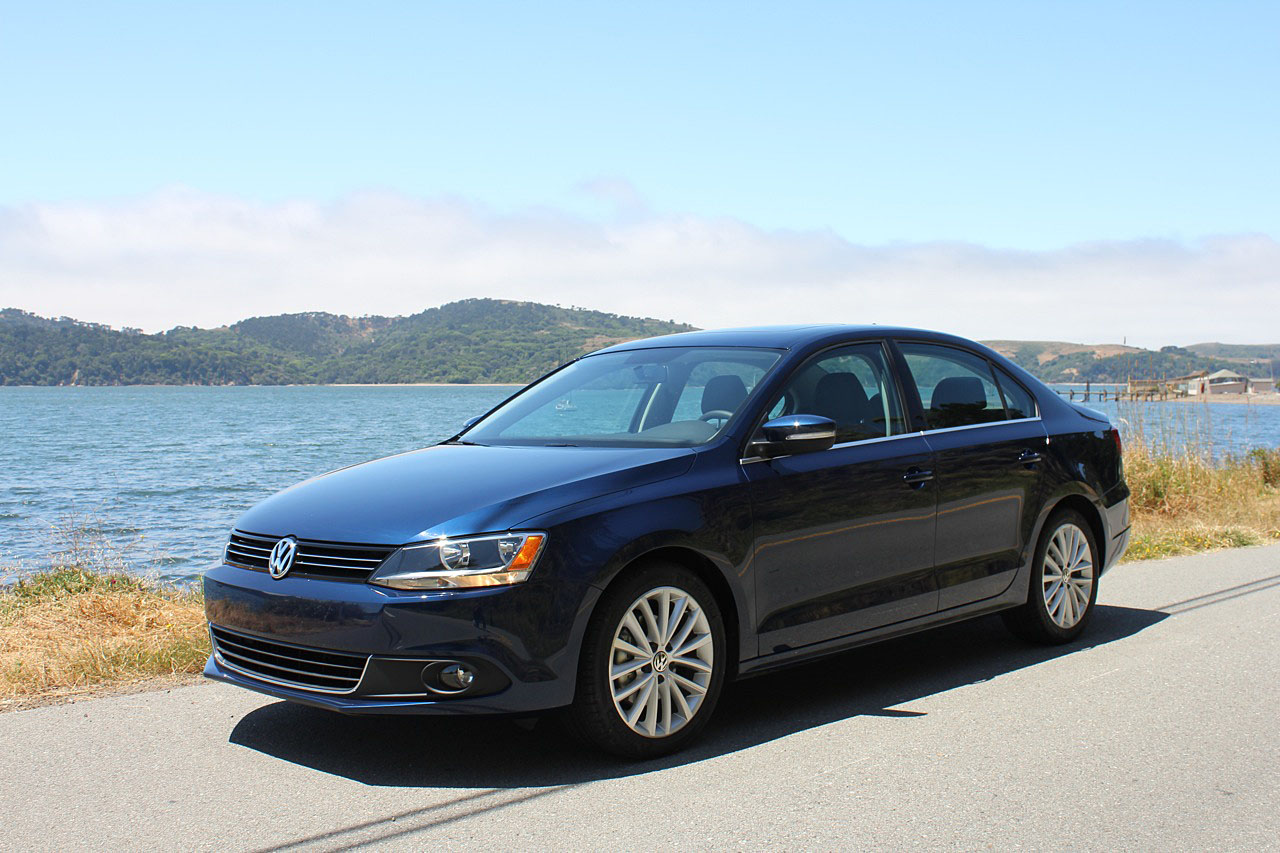
6. Volkswagen Jetta
The Volkswagen Jetta has long appealed to buyers who want a European-style compact sedan without paying premium-brand prices. Used Jettas can offer comfortable interiors, efficient engines, and a pleasant driving experience for relatively little money.
However, the cost of maintaining an older European vehicle can differ significantly from maintaining a basic economy sedan. The difference becomes more noticeable when the car has high mileage and an incomplete service history.
Some Jetta generations use turbocharged engines and sophisticated electronic systems. These technologies can deliver strong performance and efficiency, but they also introduce components that need proper maintenance.
Timing systems, cooling equipment, sensors, turbocharger components, and electrical modules can all become sources of expense as a vehicle ages. The exact risk depends heavily on the engine, transmission, model year, and previous maintenance.
Volkswagen maintenance schedules are also important. Skipping oil changes or other scheduled services can increase the chance of expensive problems later.
A buyer looking at a cheap Jetta should ask for documentation rather than relying on a general statement that the vehicle was serviced regularly. Records can reveal whether the owner followed recommended intervals and whether significant repairs have already been completed.
The comparison with a used luxury vehicle becomes interesting because many luxury cars share engineering concepts with premium European vehicles.
A depreciated luxury sedan may have already absorbed much of its initial depreciation while still offering a documented maintenance history. That does not mean it will always cost less to operate. Luxury repairs can be expensive, and sophisticated features can create additional repair risks. The important point is that purchase price alone cannot establish ownership cost.
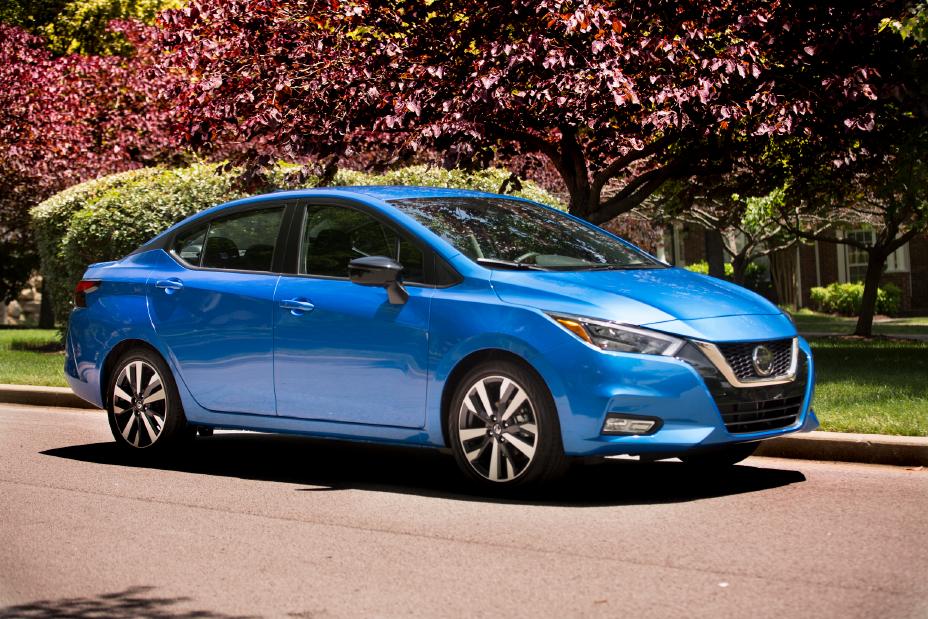
7. Nissan Versa
The Nissan Versa is often associated with low-cost transportation, and that reputation is understandable. It has been positioned as an affordable small car, and used examples can be relatively inexpensive compared with many other vehicles. Its simple appearance and smooth operation help with fuel efficiency, but repair or replacement can be expensive when serious problems develop.
A buyer should therefore pay attention to these issues at the same time. Brakes, tires, suspension components, belts, batteries, air-conditioning equipment, and other parts eventually need replacement. Individually, these repairs may be minor. A ten-year-old luxury car may cost a fraction of its original price.
If its previous owner invested in preventive maintenance, it could provide a relatively stable ownership experience. The buyer still needs to budget for premium parts and specialized repairs, but the purchase price gap the specific vehicle is well maintained.
Its inexpensive reputation should not encourage buyers to skip an inspection. Before purchasing, check transmission operation, maintenance records, fluid condition, tire wear, braking performance, suspension noise, and warning lights.
Its cheap and practical dimensions make it attractive to buyers who mainly want basic transportation. Yet some Versa models can become costly when major components begin to fail, particularly when maintenance has been neglected.
Transmission choice is especially important. Certain Versa generations used continuously variable transmissions, commonly known as CVTs. CVTs can provide smooth operation and help with fuel efficiency, but repair or replacement can be expensive when serious problems develop.
A buyer should therefore identify the exact transmission fitted to the vehicle and research its maintenance requirements before purchase.
8. Chrysler 200
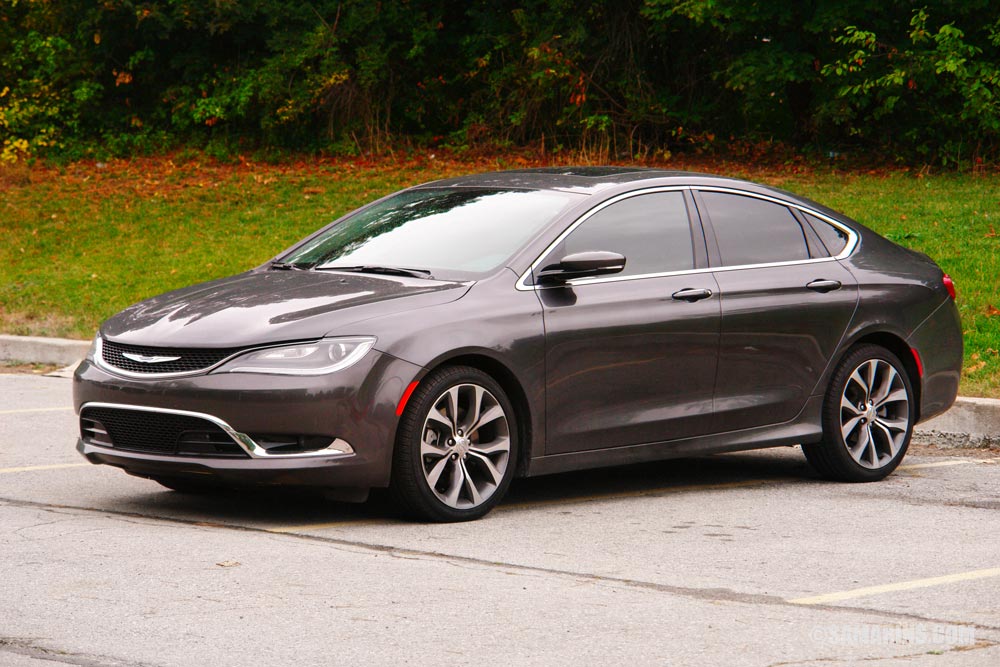
The Chrysler 200 can be found at surprisingly low prices on the used market. Its relatively modern appearance and comfortable interior can make it look like a bargain compared with similarly priced vehicles.
However, certain model years and powertrain configurations have received criticism for reliability concerns, particularly involving the nine-speed automatic transmission and electronic systems. These issues can turn an inexpensive used sedan into a costly ownership proposition.
The transmission is particularly important when evaluating a used Chrysler 200. Shifting problems, hesitation, rough engagement, or unusual noises should never be ignored during a test drive.
Transmission diagnosis can be complicated, and repair bills can become substantial. The financial risk is greater when the vehicle’s market value has already fallen significantly because a major repair can represent a large portion of the car’s remaining value.
Electrical systems can also influence ownership costs in modern vehicles. Sensors, control modules, infotainment systems, cameras, and other electronic components can fail as vehicles age. Not every 200 will experience these problems, but buyers should verify that all electronic equipment works before purchase. A warning light that has been temporarily cleared should also be treated with caution.
A used premium sedan can appear more expensive at first but may offer a more established maintenance record. Models with strong reliability histories can retain practical value even after substantial depreciation.
Still, luxury ownership involves its own costs, including potentially expensive tires, brakes, electronics, and suspension components. The comparison should therefore focus on the specific vehicles rather than broad assumptions about mainstream versus luxury brands.
For buyers considering a Chrysler 200, a professional inspection is especially useful. The technician should examine the transmission, engine, cooling system, suspension, brakes, electronics, and evidence of previous accident damage.
Buyers should also research recalls and service campaigns applicable to the specific vehicle. A low purchase price is appealing, but knowing why a particular example is cheap is much more important.
9. Dodge Journey
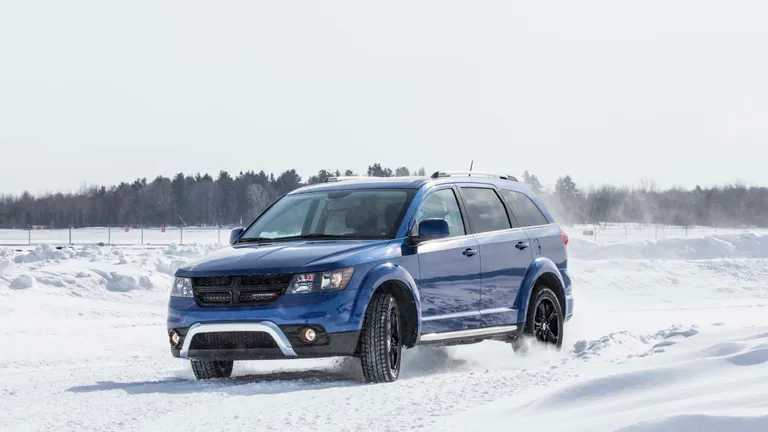
The Dodge Journey has often been priced attractively as a used SUV. Its three-row seating and relatively low purchase cost can appeal to families who need additional passenger capacity without paying the price of a newer crossover.
However, older examples can carry age-related maintenance needs, and their fuel consumption can be higher than that of smaller cars. When repairs are added to operating expenses, the financial advantage can become less obvious.
The Journey has been offered with different engines and drivetrain configurations. The V6 versions provide more power but can consume more fuel than smaller four-cylinder alternatives.
Buyers who drive long distances should calculate fuel expenses using their actual mileage. A vehicle that saves several thousand dollars at purchase can gradually give back part of that saving through higher fuel consumption over many years.
Suspension and braking components also deserve attention on used SUVs. Heavier vehicles can place greater demands on tires, brakes, and suspension parts.
If the previous owner regularly carried heavy loads or drove on poor roads, wear can be greater. A thorough inspection should look for uneven tire wear, brake vibration, suspension noise, fluid leaks, and other signs of neglected maintenance.