The National Highway Traffic Safety Administration (NHTSA) has expanded a federal investigation into potential brake-assist failures involving more than 1.1 million vehicles equipped with General Motors’ eBoost electronic braking system.
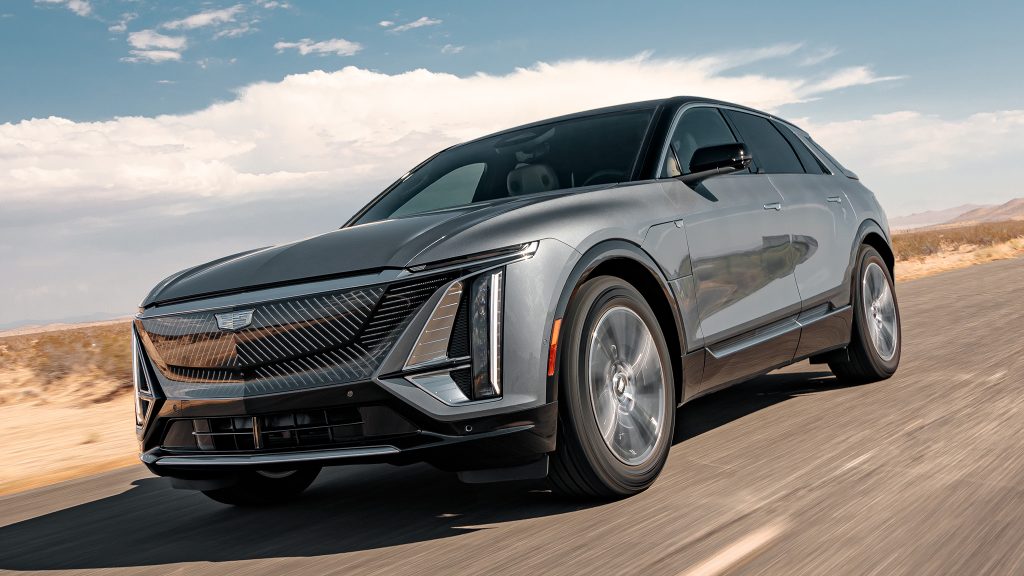
The investigation began with complaints involving the 2023 Cadillac Lyriq but has now grown to cover numerous GM models, along with the Honda Prologue and Acura ZDX, which use the same braking hardware.
The investigation is significant because the disagreement between NHTSA and GM centers on when braking assistance could actually be lost.
GM has told regulators that a particular internal component failure should allow ABS, stability control, and traction control to remain functional until the vehicle comes to a complete stop. Some owners, however, have reported an immediate loss of brake assist while driving.
NHTSA says that distinction could have important safety consequences because a sudden loss of brake assistance during a braking event could increase stopping distance and raise the risk of a crash.
Investigation Expands Beyond the Cadillac Lyriq
NHTSA’s Office of Defects Investigation originally opened Preliminary Evaluation PE24011 after receiving multiple reports involving 2023 Cadillac Lyriq vehicles. The complaints described a hard brake pedal accompanied by a “Brake System Failure” message either when starting the vehicle or while driving.
In its original investigation, ODI said GM had confirmed the reports and identified the electronic brake control module, known as eBoost, as the relevant component. GM told the agency that an internal spindle could fracture during an ABS event.
According to GM’s explanation, such a fracture could eventually result in the loss of brake assist and some ABS functionality.
The investigation changed significantly on August 21, 2026, when NHTSA opened Engineering Analysis EA26006 and expanded the scope to all GM vehicles known to use the same eBoost system.
The affected population is estimated at approximately 1,164,820 vehicles. NHTSA’s expanded investigation covers:
- 2023-2026 Cadillac Lyriq
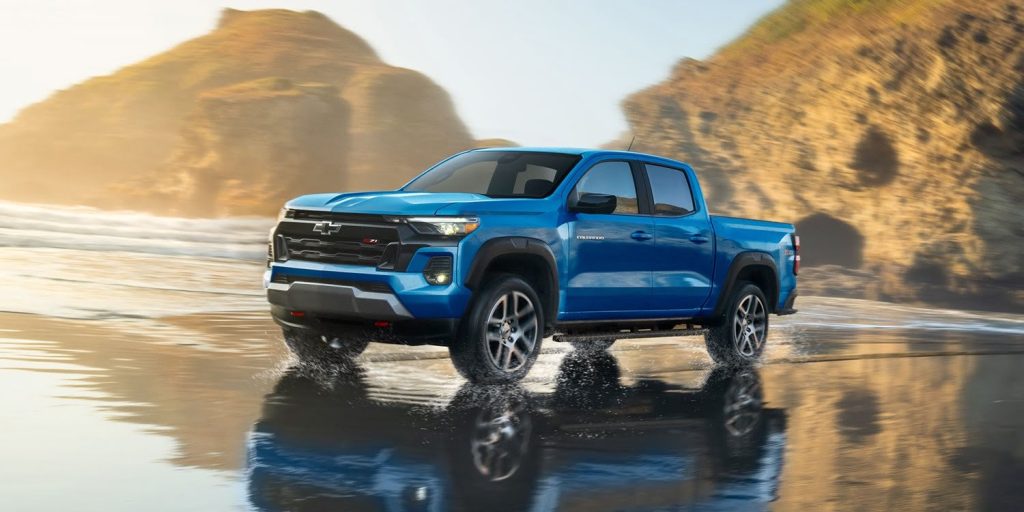
- 2023-2026 Chevrolet Colorado
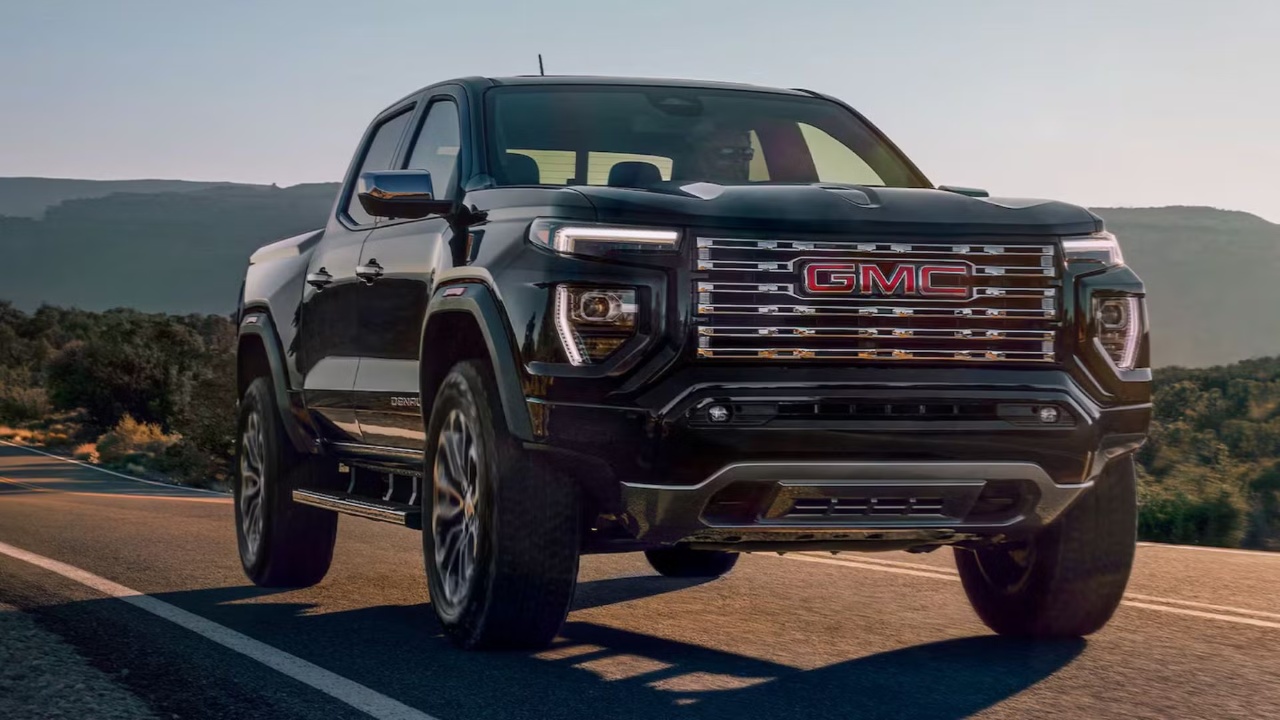
- 2023-2026 GMC Canyon
- 2024-2026 Buick Enclave
- 2024-2026 Buick Envision
- 2024-2026 Chevrolet Blazer EV
- 2024-2026 Chevrolet Equinox EV
- 2024-2026 Chevrolet Traverse
- 2024-2026 GMC Acadia
- 2025-2026 Cadillac Celestiq
- 2025-2026 Cadillac Optiq
The agency also identified the 2024-2026 Acura ZDX and 2024-2026 Honda Prologue as peer vehicles because they were manufactured by GM through its joint arrangement with Honda and use the same eBoost system.
This does not mean that every vehicle listed has experienced the problem. The investigation is intended to determine the scope of the potential defect and whether it represents a safety-related issue requiring further action.
The Key Dispute Is When Brake Assist Is Lost
The most important part of the investigation concerns what happens after an eBoost component fails.
GM has told NHTSA that the suspected failure involves a spindle inside the electronic brake control module. During certain ABS events, high loads can cause the spindle to fracture.
GM’s information to NHTSA indicates that ABS, stability control, and traction control should remain functional until the vehicle reaches a complete stop. Once stopped, those functions can be lost, and the vehicle can display warning messages while limiting speed.
Owner reports received by NHTSA have described a different experience. According to the agency’s investigation documents, some reports allege an immediate loss of brake assist, rather than the loss occurring after the vehicle has stopped.
NHTSA specifically said this difference requires additional analysis because an immediate loss of braking assistance while the vehicle is moving could lead to longer stopping distances.
That distinction is particularly important with an electronic braking system. Modern vehicles can use electronically controlled braking components to generate and manage brake pressure rather than relying solely on a conventional mechanical arrangement.
If the system operates as GM describes, the vehicle retains certain braking and stability functions long enough to stop before the additional functions become unavailable.
If some of the owner reports accurately describe an immediate loss of brake assistance, the potential safety consequences could be different. NHTSA is now examining that question through engineering analysis.
Hundreds of Incidents Have Been Reported
The investigation has expanded because regulators continued receiving reports after the original Lyriq investigation began.
NHTSA has identified 745 total incidents, including reports submitted directly to the agency and additional reports supplied by GM, according to reporting on the investigation. The cases include 22 crashes or fires and five injury incidents involving six injuries. No fatalities have been associated with the investigation in the currently reported data.
The numbers should be viewed in context. More than 1.1 million vehicles are included in the investigation, so the reported incidents represent a small portion of the potentially affected population.
At the same time, brake-system failures receive significant regulatory attention because even a relatively uncommon failure can have serious consequences if it occurs during an emergency braking situation.
NHTSA’s engineering analysis is designed to determine whether the suspected failure mechanism is responsible for the reported symptoms, how frequently it occurs, and what safety consequences could result.
The agency will also be able to compare the system’s operation across the different vehicles that use eBoost. The inclusion of both GM-branded vehicles and the Honda and Acura models gives investigators a larger population for examining patterns.
For now, the investigation is not a recall. NHTSA has not announced a final defect determination or ordered GM to conduct a recall based on the expanded investigation.
Engineering analysis is nevertheless an important stage in the federal defect-investigation process. As TechCrunch noted, this is the highest level of investigation conducted by NHTSA’s Office of Defects Investigation and can precede a recall decision, although an engineering analysis does not automatically result in a recall.
GM’s position also remains important. The company has told regulators that the eBoost failure mode it identified does not match the immediate loss of brake assist described in some complaints. NHTSA’s investigation is intended in part to determine why those accounts differ.
Until the agency completes its analysis, it would be premature to conclude that every vehicle equipped with eBoost has a defective braking system.
For owners of the affected vehicles, the development does provide a reason to pay attention to warning messages, unusual brake-pedal behavior, and any communications from GM or NHTSA. A hard brake pedal or brake-system warning should not be ignored, particularly if the vehicle exhibits unexpected braking behavior.
The investigation will ultimately determine whether the reported failures represent a safety defect across the larger vehicle population and whether corrective action, including a possible recall, is necessary.
For now, the central issue remains unresolved. It is still unclear whether eBoost failures can cause an immediate loss of brake assistance while a vehicle is moving or whether the loss occurs only after the vehicle has stopped, as GM has stated.