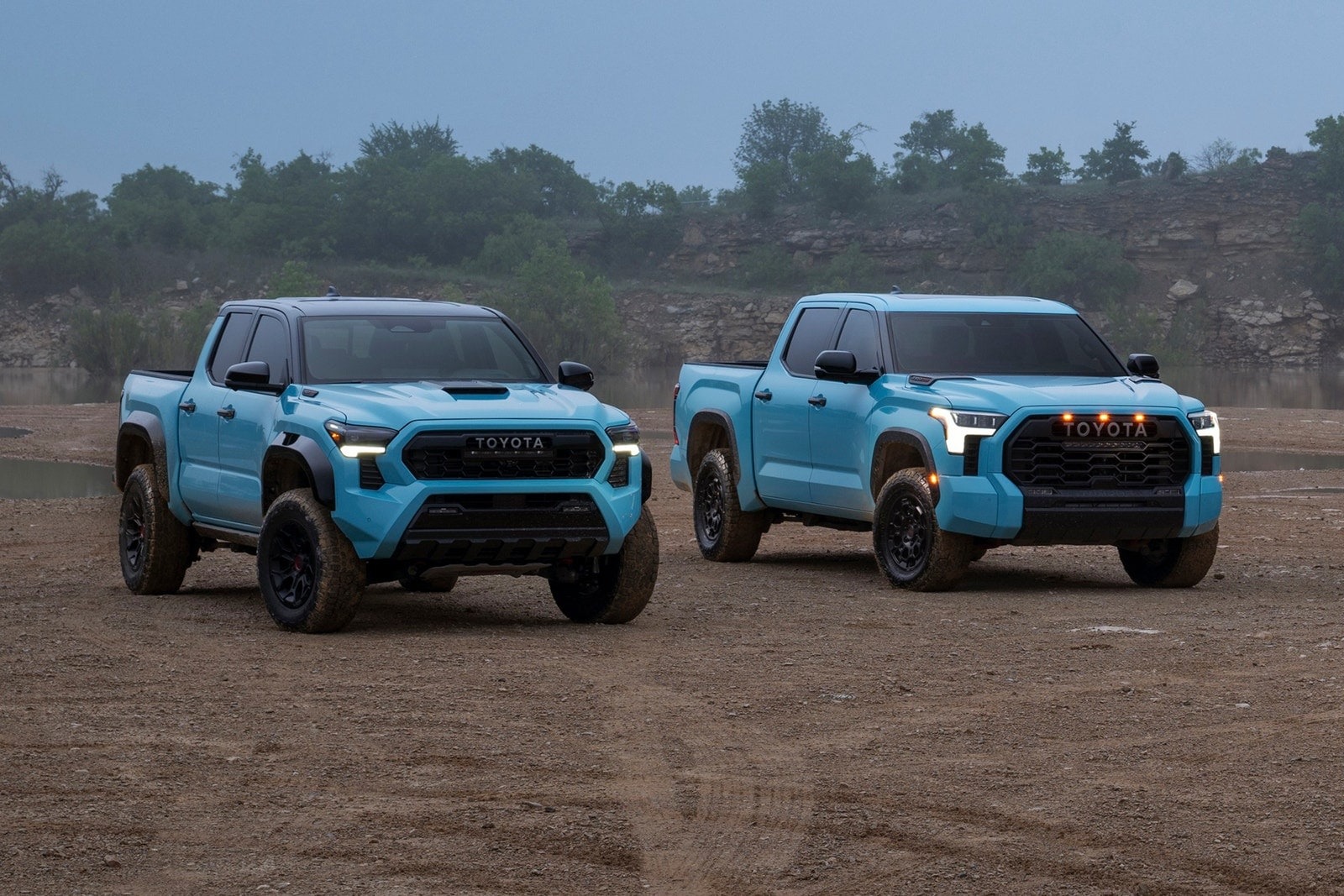
If you have ever wondered why some owners keep their Toyotas for a decade or longer, resale value may be part of the explanation. The 2026 iSeeCars 5-Year Depreciation Study highlights Toyota’s strong performance in retaining vehicle value, giving buyers another reason to consider long-term ownership costs when comparing models.
Out of hundreds of models studied, ten Toyotas landed in the top 25 for value retention after five years of ownership. That is a remarkable showing for one automaker, spanning trucks, SUVs, hybrids, and even a sports car. Below, we break down each model, its ranking, and why buyers keep coming back for more.
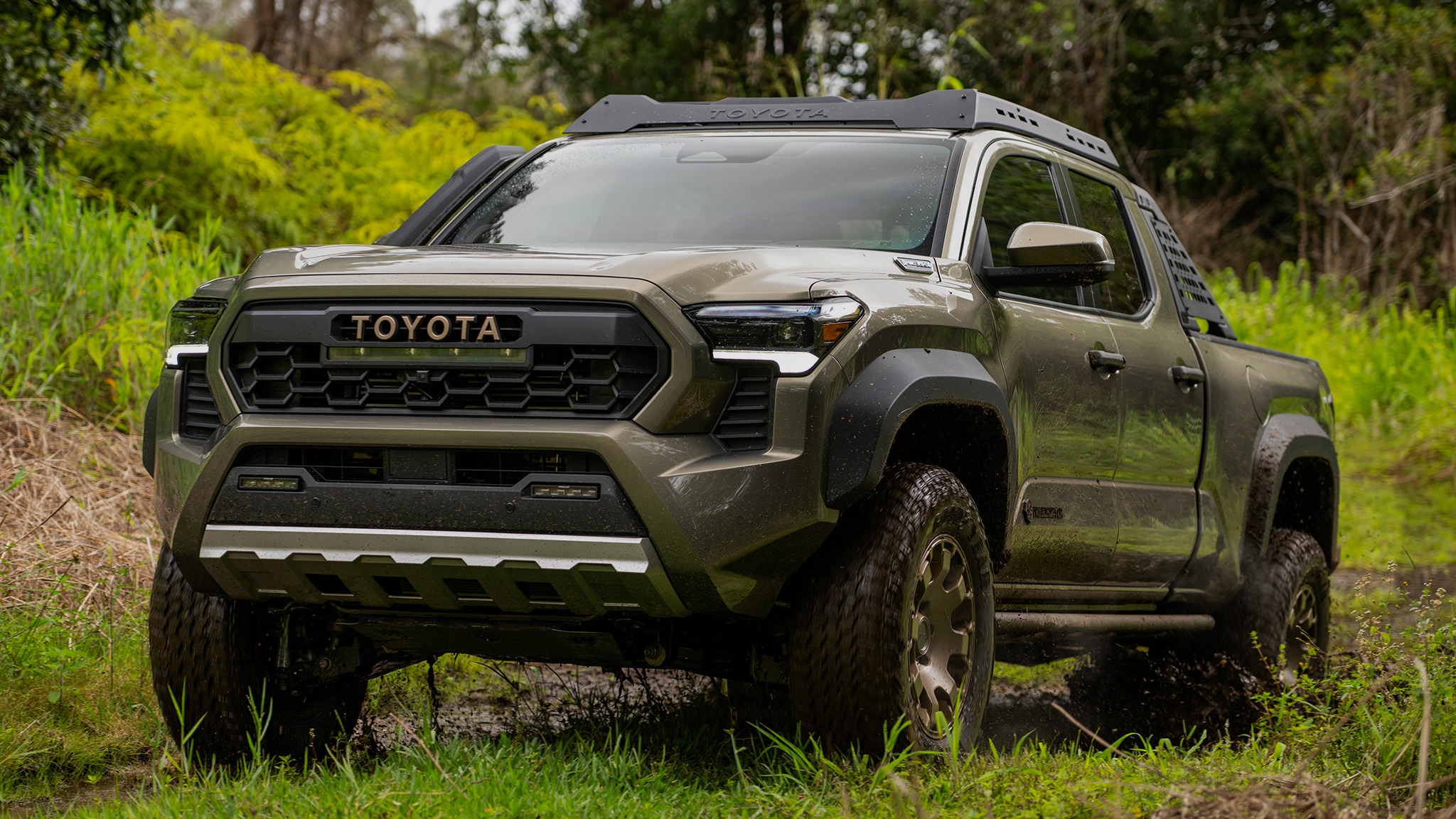
1. Toyota Tacoma
80.1% retained
The Toyota Tacoma sits at number four on the full list, and it is easy to see why buyers pay a premium for used versions. Losing only 19.9% of its value across five years puts the Tacoma miles ahead of most trucks in its class.
Part of this comes down to reputation built over decades. The Tacoma has earned a name for outlasting engines, transmissions, and even entire ownership cycles that would sideline other trucks.
Off-road buyers trust it. Fleet operators trust it. Weekend campers trust it. That kind of broad appeal keeps demand steady in the used market, which in turn keeps prices from sliding the way they do on less popular trucks.
Supply plays a role too. Toyota has historically kept Tacoma production tight relative to demand, and when a truck stays scarce on dealer lots, buyers turn to the used market instead of waiting.
That pushes resale prices upward. Add in genuinely low ownership costs, since Tacomas rarely need major repairs before 150,000 miles, and you get a truck people are willing to pay near-new prices for even after years of use.
Younger drivers buying their first truck and longtime Toyota loyalists replacing an aging model both compete for the same used inventory, and that competition is exactly what keeps the Tacoma’s numbers looking this strong.
Few trucks manage to combine off-road credibility with everyday reliability quite this well, and buyers clearly notice.
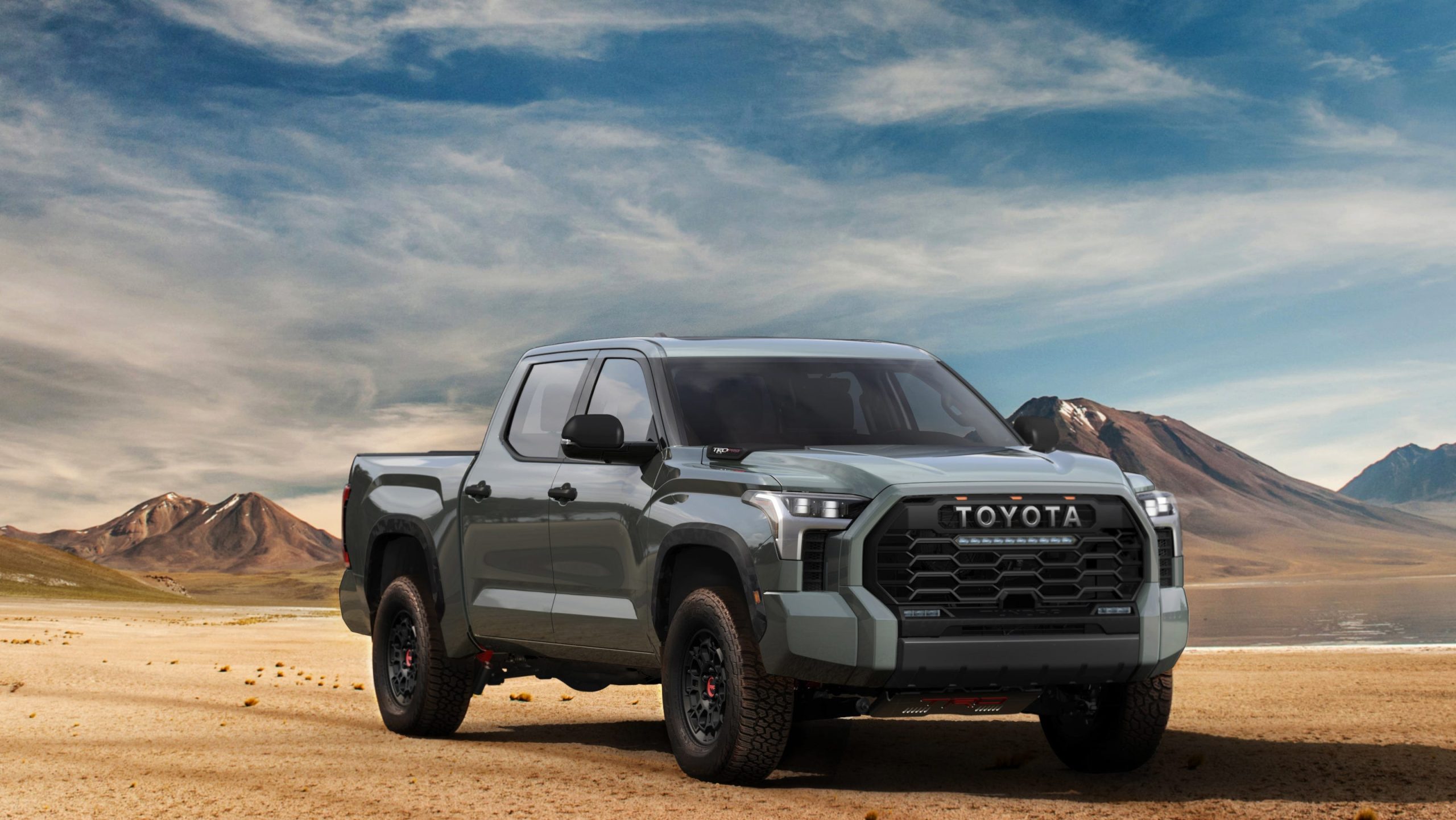
2. Toyota Tundra
78.8% retained
At No. 5 in the study, the Toyota Tundra keeps 78.8% of its value after five years. Its listed depreciation is 21.2%, placing it just behind the Tacoma among Toyota’s entries. The result also makes the Tundra the highest-retaining full-size pickup in the cited 2026 ranking.
A full-size truck carries a higher purchase price than many compact cars, so resale performance can have a noticeable effect on ownership costs.
The Tundra appeals to buyers who need more space, towing capability, and truck utility than a midsize pickup typically provides. Holding nearly four-fifths of its original value after five years is therefore an important figure for shoppers comparing large pickups.
iSeeCars’ current Tundra page provides a similar picture, listing roughly 80.3% five-year resale value in its current model data. It also reports that the Tundra loses less value than the average full-size pickup.
As with the Tacoma, the small numerical difference from the study figure supplied here can result from different data snapshots or model calculations.
The Tundra’s placement also shows that strong value retention is not limited to smaller vehicles. Buyers who need a larger truck can still find a model with strong resale characteristics.
For owners who plan to sell after several years, the Tundra’s 78.8% retention figure puts a large portion of its original purchase value on the other side of the ownership period.
Truck shoppers may also compare towing needs, trim levels, and configurations. That can matter later.
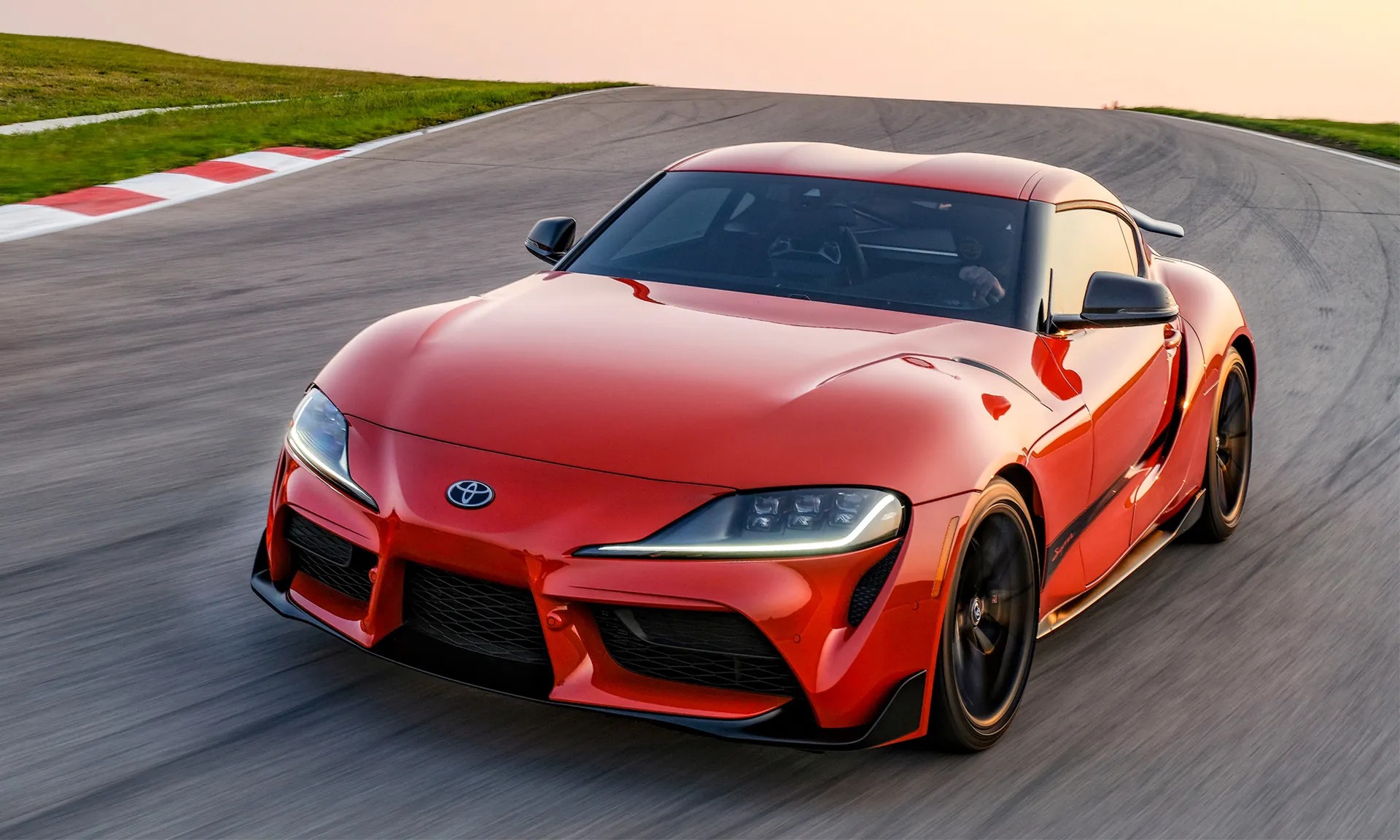
3. Toyota GR Supra
76.0% retained
Sports cars do not always rank among the strongest vehicles for resale, making the Toyota GR Supra’s 76.0% five-year value retention especially interesting. The model ranks eighth in the cited 2026 study, with depreciation listed at 24.0%.
The GR Supra brings a very different appeal from Toyota’s pickups and practical family vehicles. It is built around driving enjoyment, a distinctive design, and a focused two-seat sports-car format.
Those characteristics can help create demand among used-car shoppers who want something more specialized than an ordinary commuter vehicle.
There is also useful support in iSeeCars’ current model data. Its GR Supra page lists five-year depreciation at about 23.6%, leaving roughly 76.4% of the vehicle’s value after five years.
That is close to the 76.0% figure cited in the 2026 ranking and reinforces the model’s strong resale showing. For a buyer considering a sports car, depreciation deserves attention because purchase prices can be substantial while the pool of used buyers may be narrower than it is for mainstream vehicles.
The GR Supra’s figures suggest that its value does not fall as quickly as many shoppers might expect from a performance-oriented coupe. Its eighth-place study position also gives Toyota a strong sports-car entry alongside its trucks and mainstream models.
The result shows that value retention can come from different types of vehicles, not just practical family transportation. Used sports-car buyers can also weigh mileage, condition, and service history. Those details matter too.
4. Toyota RAV4/RAV4 Hybrid
74.8% retained
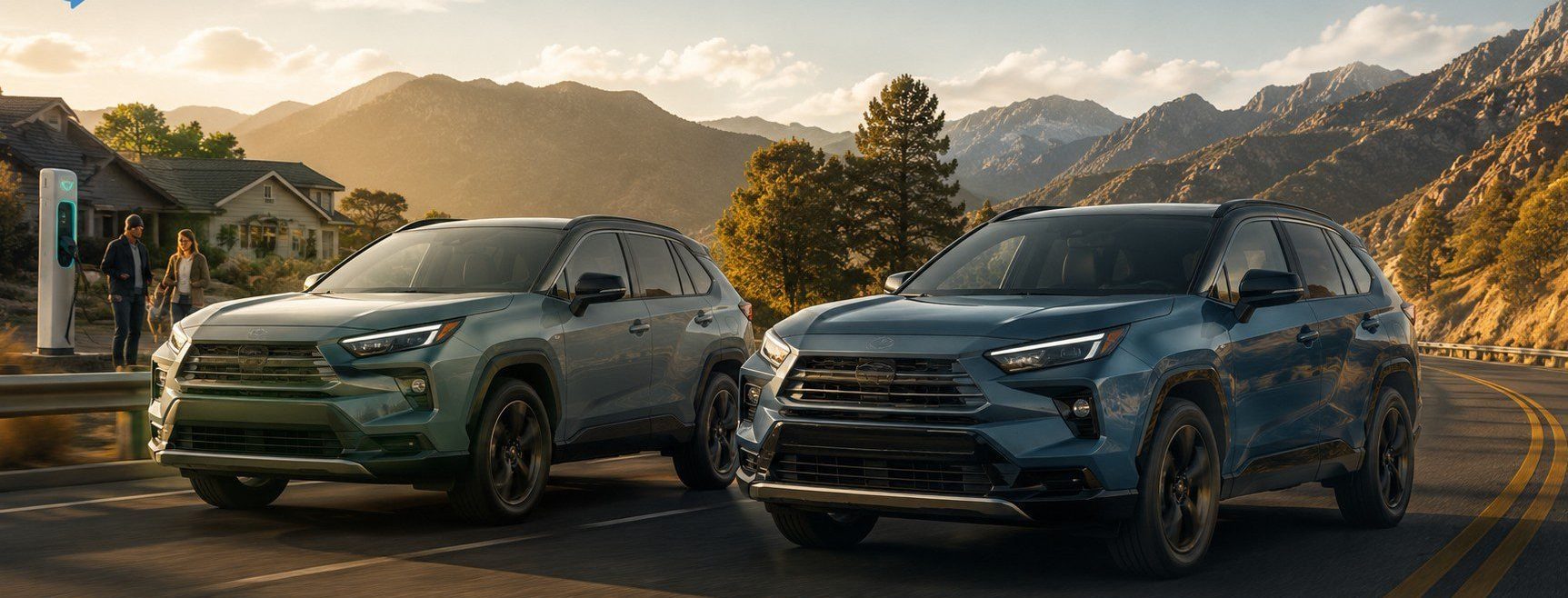
Placing ninth on the combined list, the RAV4 and RAV4 Hybrid prove that America’s appetite for compact SUVs shows no sign of slowing down.
Average depreciation across five years comes in at 25.2%, a strong number for a vehicle segment that includes dozens of competitors fighting over the same buyers.
Few vehicles balance practicality and affordability quite the way the RAV4 does. It seats a family comfortably, handles daily errands without complaint, and still manages respectable fuel economy, especially in hybrid form.
That combination has made it one of the best-selling SUVs in the country for years running, and strong sales numbers feed directly into strong resale value because there is always a large pool of shoppers hunting for a used one.
The hybrid variant deserves particular credit here. As gas prices climb and fall unpredictably, buyers increasingly want a vehicle that softens the blow at the pump without asking them to switch to a fully electric model they may not be ready for.
The RAV4 Hybrid delivers exactly that middle ground, and demand for used hybrid models has stayed remarkably strong as a result.
Reliability data backs up the RAV4’s reputation as well. Owners report fewer major repairs compared to rival compact SUVs, and that dependability builds trust among used-car shoppers who are often working with tighter budgets and cannot afford surprise repair bills.
Between broad appeal, hybrid efficiency, and a name people already trust, the RAV4 earns its spot near the top of Toyota’s showing this year.
5. Toyota Corolla Hatchback
74.5% retained
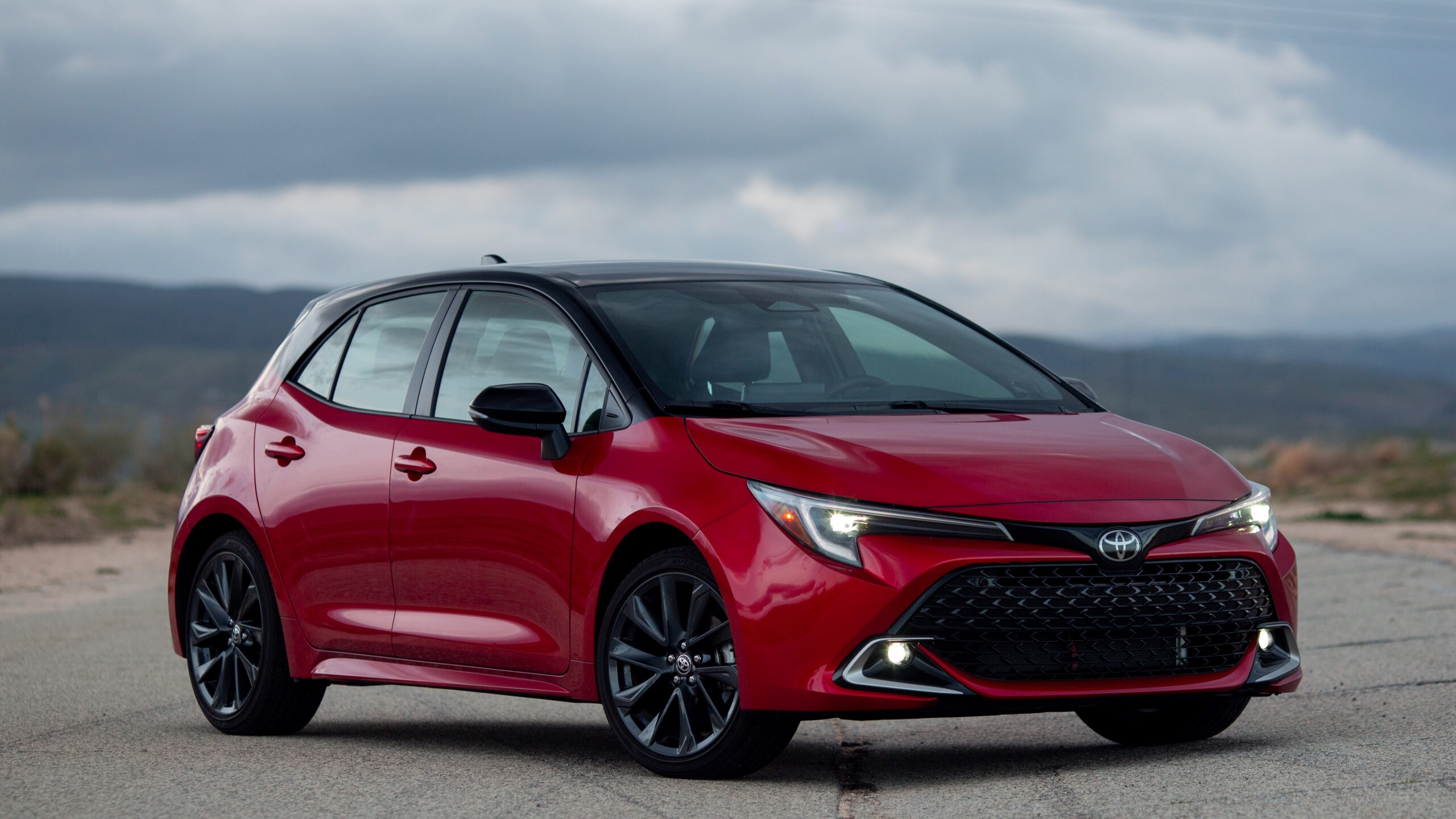
Landing at tenth place, the Corolla Hatchback demonstrates that even Toyota’s smaller, more budget-friendly offerings can compete with pricier vehicles when it comes to holding their value.
An average depreciation rate of 25.5% puts this hatchback well ahead of the broader market average for compact cars. Consider what typically happens to small hatchbacks after a few years of ownership.
Many lose value quickly because buyers view them as entry-level transportation rather than vehicles worth holding onto. The Corolla Hatchback avoids that trap almost entirely, largely because Toyota’s reputation for reliability applies just as much to its cheapest models as it does to its trucks and SUVs.
Younger drivers and budget-conscious shoppers make up a large share of this vehicle’s used-market audience, and both groups tend to prioritize dependability above nearly everything else.
A car that starts every morning without drama and rarely visits the mechanic becomes valuable simply by staying out of trouble, and that reputation follows the Corolla Hatchback into its resale pricing.
Styling also plays a role. Toyota redesigned the hatchback with sportier lines and a more engaging driving feel than older Corolla generations offered, appealing to buyers who want personality without sacrificing practicality.
First-time car buyers especially gravitate toward this model because it offers a rare mix of low upfront cost, low running cost, and strong resale value down the road, a combination that is far harder to find than it should be in this segment.
6. Toyota 4Runner
74.5% retained
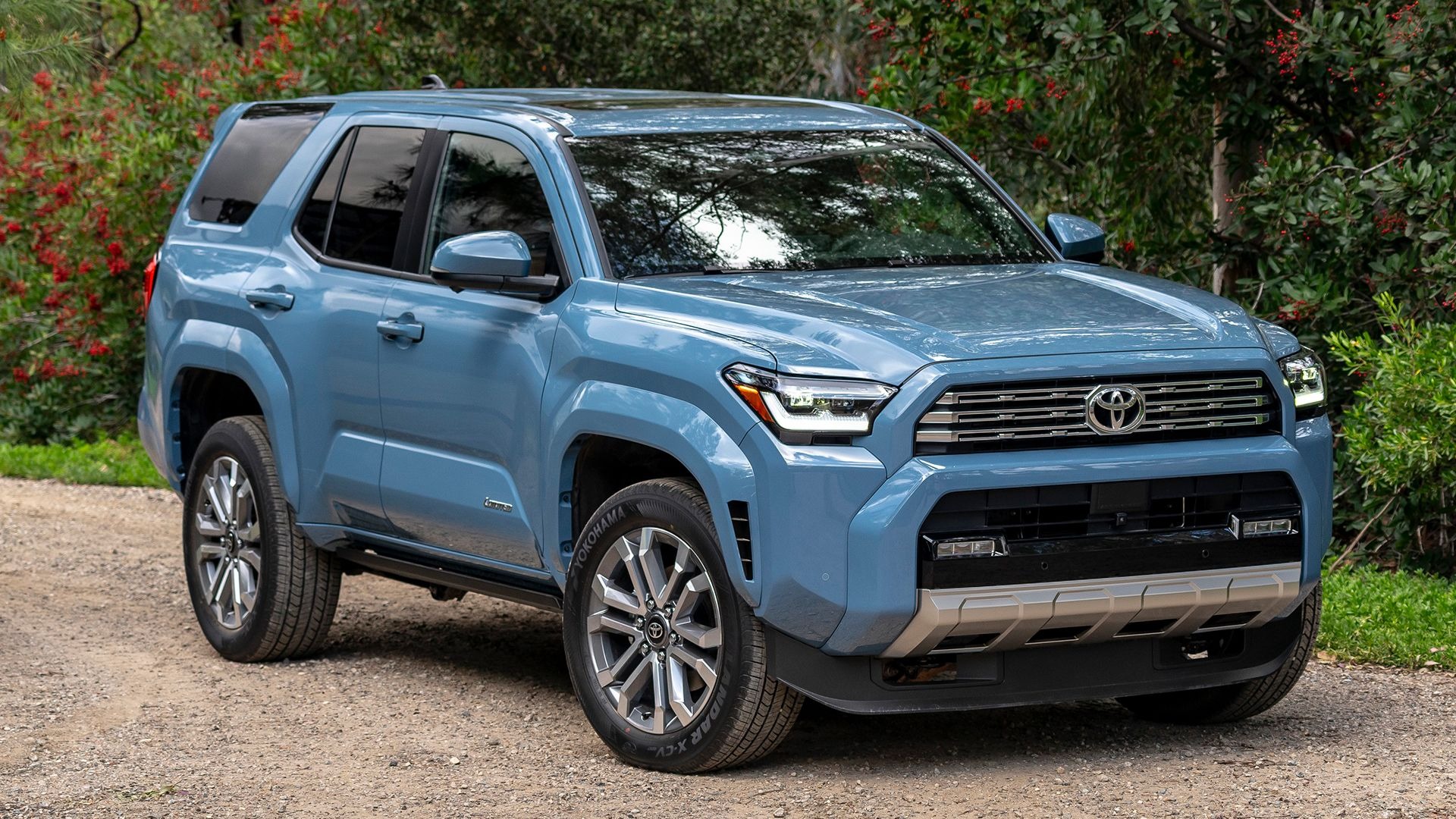
The Toyota 4Runner ranks 11th in the cited 2026 study, retaining 74.5% of its value after five years. Its average depreciation is 25.5%, matching the Corolla Hatchback’s figure and giving the 4Runner one of Toyota’s strongest resale results.
Unlike many modern crossovers, the 4Runner emphasizes rugged utility. Its upright design, spacious cabin, generous cargo area, and available four-wheel-drive system appeal to drivers who want an SUV built for more demanding trips.
Those qualities can help maintain interest among used-vehicle shoppers looking for capability. The 4Runner also competes in a crowded SUV market that includes compact crossovers, midsize SUVs, and larger three-row models.
Holding nearly three-quarters of its original value after five years gives it a strong position among those choices. Its 74.5% retention is identical to the Corolla Hatchback’s figure, although the two models occupy different positions in the study.
Small differences among other vehicles can affect placement when several models have closely grouped percentages. For buyers considering a 4Runner, resale value is only one part of the ownership equation.
Purchase price, fuel consumption, insurance, maintenance, mileage, and equipment can all affect long-term costs. Still, its combination of utility and resale performance makes the 4Runner an interesting choice for drivers who want an SUV with a rugged character and substantial value remaining after five years.
7. Toyota Corolla
72.4% retained
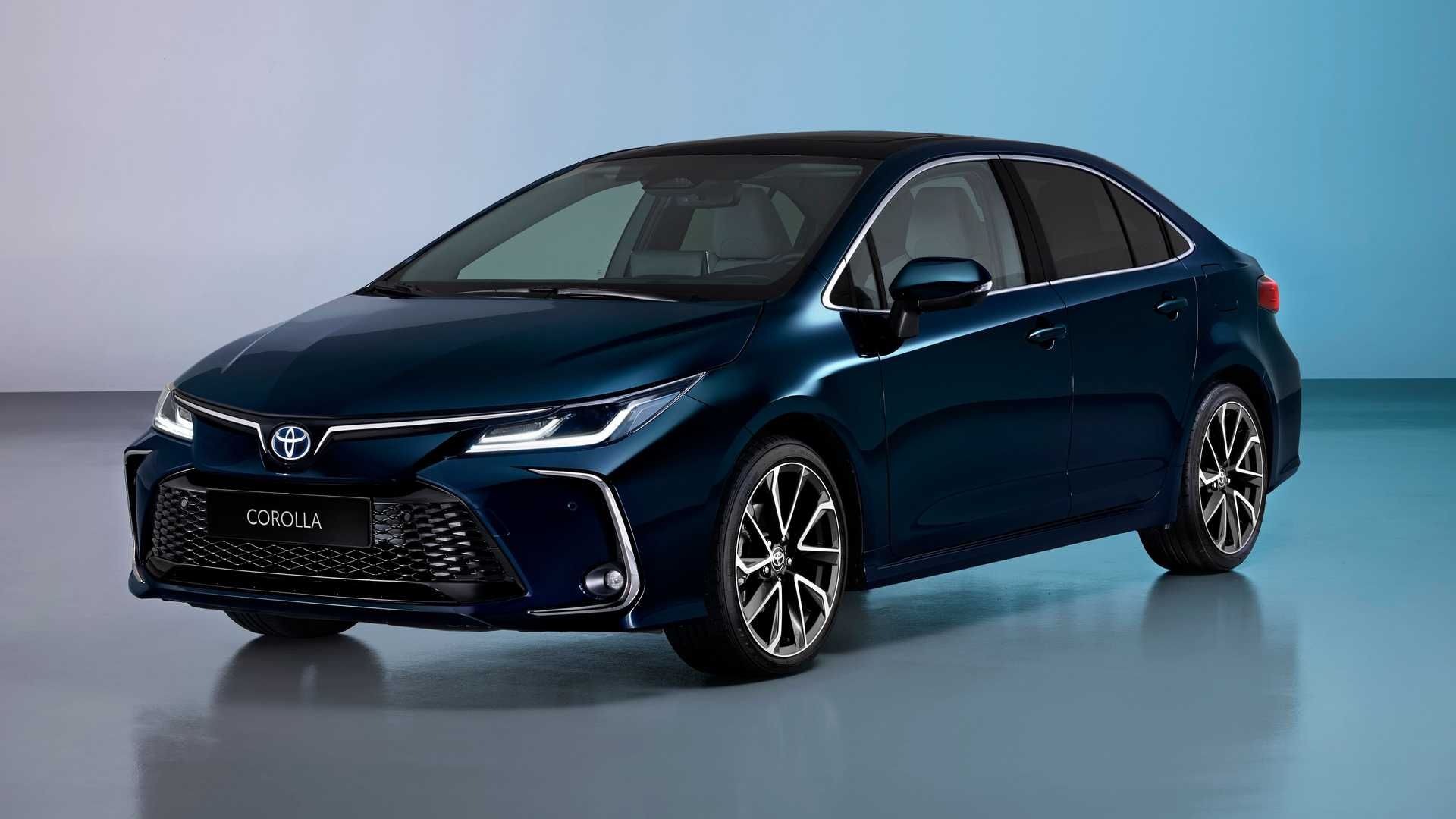
The Toyota Corolla takes 14th place in the cited 2026 study and retains 72.4% of its value after five years. Its average depreciation is listed at 27.6%, keeping the compact sedan comfortably within the study’s top 25.
Corolla has long been associated with practical transportation, and that broad appeal can matter when resale time arrives. A vehicle that serves commuters, households, first-time buyers, and drivers seeking a straightforward daily car has a large potential audience in the used market. That can help support demand for clean, well-maintained examples.
There is a small data detail worth keeping in mind. iSeeCars’ current model-specific page lists the Corolla at about 71.6% five-year resale value, rather than the 72.4% figure from the cited study. The two numbers are close, but they should be treated as separate calculations rather than blended into one figure.
Either way, the study places the Corolla ahead of many vehicles when five-year value retention is considered. For shoppers who want a familiar compact car and also care about resale, that combination can be appealing.
The Corolla’s inclusion also demonstrates that strong retention does not require a truck, performance coupe, or SUV. A conventional sedan can hold a large portion of its starting value when demand remains steady.
For a five-year ownership plan, the Corolla’s 72.4% retention figure gives buyers another data point to consider alongside purchase price, financing costs, insurance, fuel use, maintenance, and expected mileage.
Resale estimates are averages, so individual vehicles may differ.
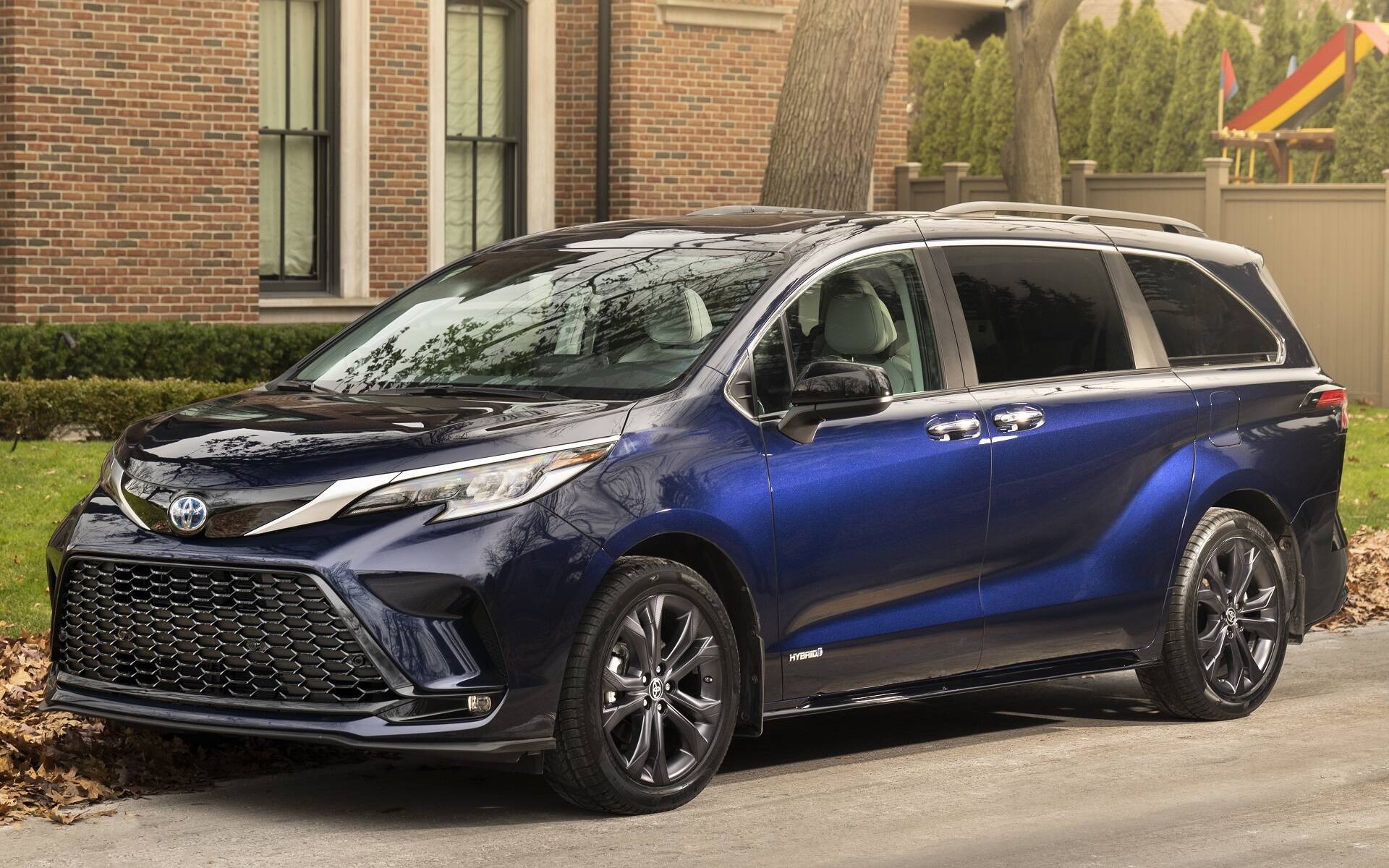
8. Toyota Sienna
71.5% retained
Fifteenth place belongs to the Sienna, which loses an average of 28.5% of its value after five years, a figure that makes it the strongest hybrid minivan tracked anywhere in this year’s study.
Minivans rarely get much attention in conversations about desirable vehicles, yet the Sienna’s resale numbers suggest plenty of buyers still want one.
Families remain the primary audience here, and for good reason. Few vehicle types match a minivan’s combination of interior space, seating flexibility, and ease of loading kids, strollers, and groceries all at once.
The Sienna’s switch to a hybrid-only lineup years ago set it apart from every other minivan on the market, offering fuel savings that competing gas-only models simply cannot match.
That efficiency advantage has become increasingly important as fuel prices fluctuate and families look for ways to cut recurring costs without sacrificing space or comfort.
Used Sienna buyers know they are getting a vehicle that sips fuel more carefully than a typical minivan, and they are willing to pay a premium for that benefit compared to older gas-powered alternatives from other brands.
Reliability data continues to support the Sienna’s reputation as well, with fewer major repairs reported compared to rival minivans. For families planning to keep a vehicle for the better part of a decade, that dependability weighs heavily in the buying decision, and it shows clearly in how well this minivan holds onto its original price tag.
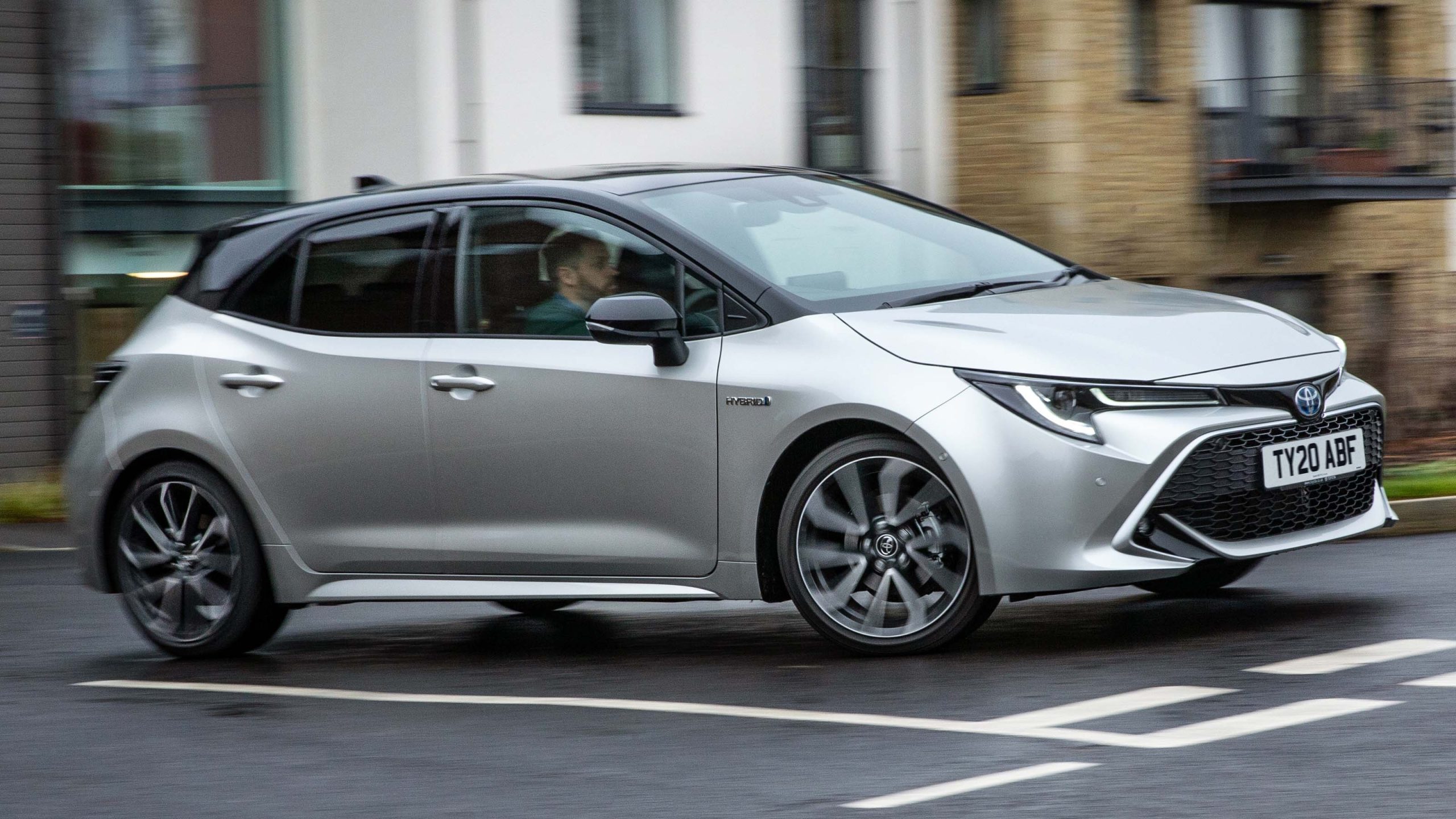
9. Toyota Corolla Hybrid
69.9% retained
The Toyota Corolla Hybrid ranks 21st in the cited 2026 study, retaining 69.9% of its value after five years. Its average depreciation stands at 30.1%, keeping this fuel-efficient sedan among the study’s top 25 vehicles for value retention.
Building on the familiar Corolla name, the hybrid adds an efficient powertrain for drivers who want to reduce fuel consumption without moving to a fully electric vehicle.
That combination gives it broad everyday appeal, particularly among commuters and households focused on operating costs. The Corolla Hybrid is also one of five Toyota hybrids included among the study’s strongest value retainers.
Its presence alongside other Toyota models shows that the brand’s hybrid vehicles can maintain substantial resale value across different body styles.
After five years, retaining nearly 70% of its original value can make the Corolla Hybrid attractive to buyers thinking about future resale. Lower depreciation may help reduce the gap between the vehicle’s purchase price and eventual selling price.
Shoppers should still consider the price difference between hybrid and gasoline versions, expected fuel savings, mileage, maintenance expenses, and local demand. Those factors can change the financial picture for each owner.
With its combination of fuel efficiency, compact size, and solid resale performance, the Corolla Hybrid earns its place among Toyota’s top value-retaining models.
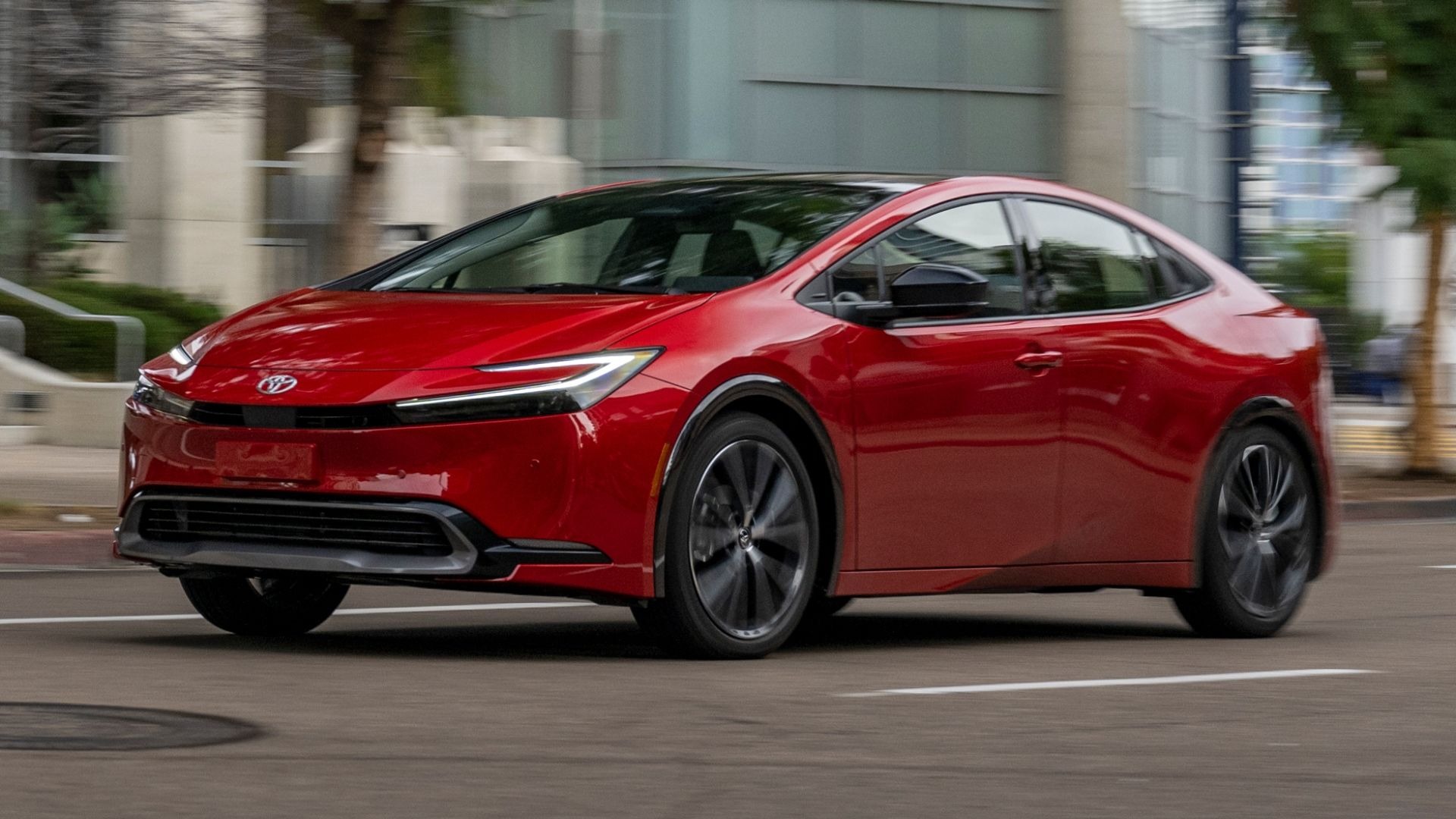
10. Toyota Prius
67.9% retained
Rounding out the list at 25th place, the Prius completes Toyota’s strong showing in the study. With average five-year depreciation of 32.1%, it still retains 67.9% of its value, placing it among the vehicles with stronger value retention.
The Prius has long been closely associated with hybrid technology, giving it a recognizable identity among used-car shoppers. Its reputation for fuel efficiency remains one of its biggest advantages, especially for drivers looking to reduce fuel expenses without switching to a fully electric vehicle.
That efficiency can also support used-market demand. Buyers seeking a practical hybrid often know what the Prius offers: excellent fuel economy, a proven hybrid powertrain, and everyday usability.
Its long history on the market has also given shoppers plenty of familiarity with the model. For environmentally conscious drivers, the Prius provides another appealing option. It can reduce fuel consumption while avoiding the charging requirements associated with a fully electric vehicle.
Although its 67.9% retention trails the other nine Toyota models on this list, reaching 25th place still puts the Prius among the study’s strongest value retainers.
Its combination of efficiency, practicality, and established hybrid credentials helps explain why it remains a popular choice for buyers considering long-term ownership costs.